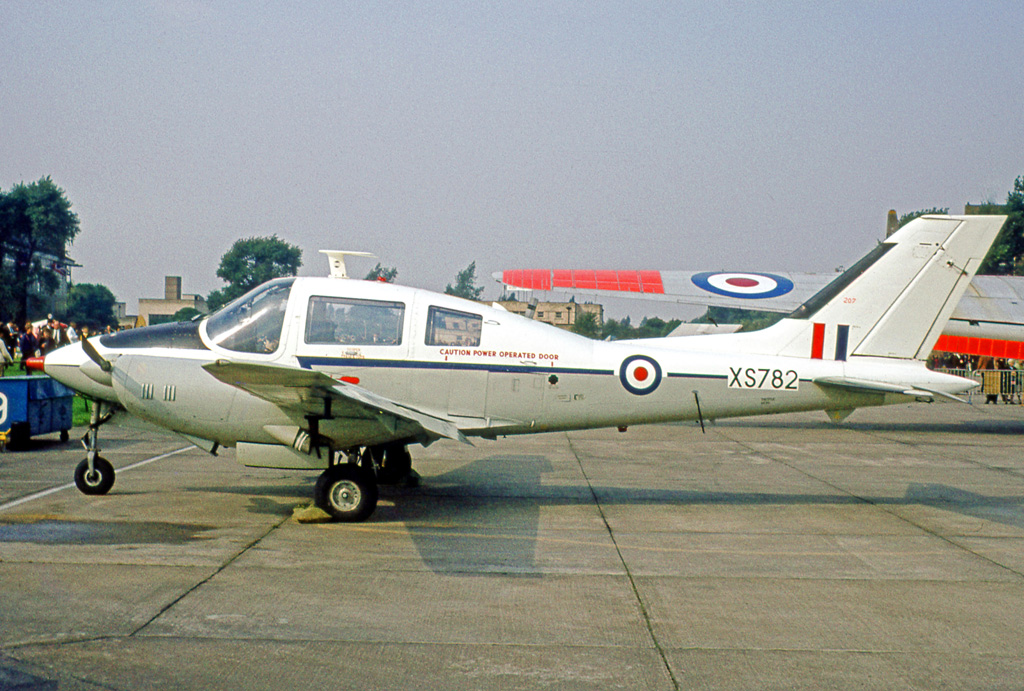
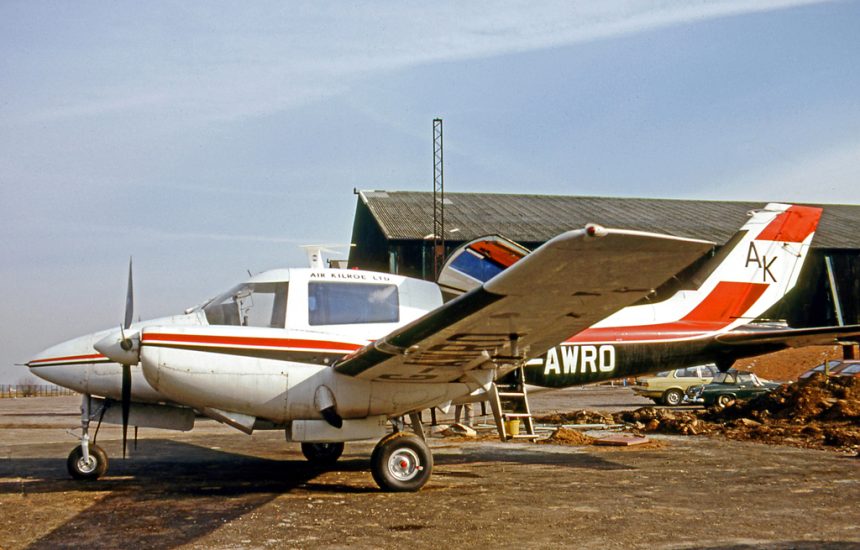

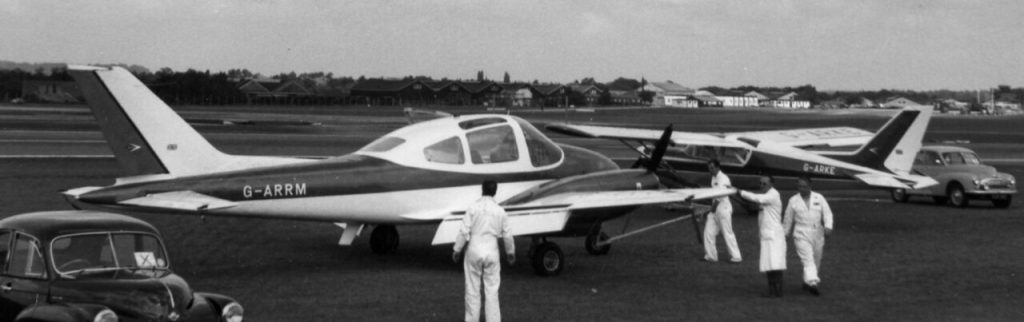
On this day in aviation history, 65 years ago (August 15, 1961), the first flight of the Beagle B.206 Basset took place. Registered G-ARRM, the B.206X lifted off from Shoreham Airport in West Sussex, England, marking the beginning of one of Britain’s most capable light twin-engine transports of the 1960s. Though originally intended for the civil market, the design would become best known as the Beagle Basset CC.1, serving with the Royal Air Force as a communications and liaison aircraft.
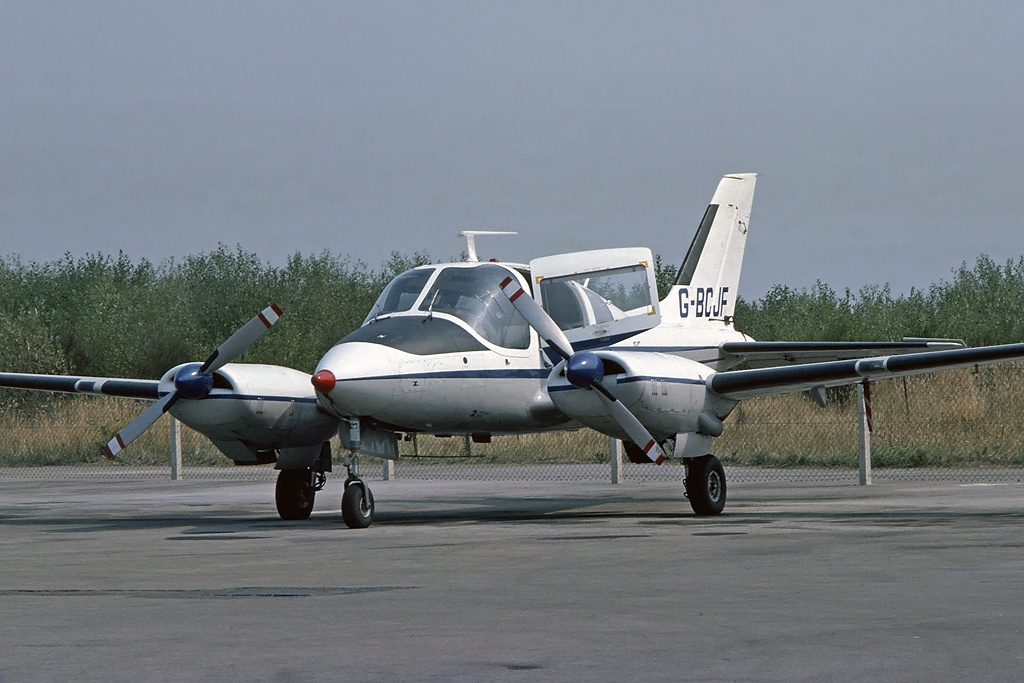
Development of the B.206 began in 1960 after Beagle Aircraft assumed responsibility for the Bristol 220 project. The original five-seat B.206X prototype was later enlarged into the seven-seat B.206Y to meet a British Ministry of Aviation requirement for a modern communications aircraft. Following successful evaluations, the Royal Air Force ordered twenty aircraft, designated the Basset CC.1, while Beagle also developed civil variants for business, commuter, and air taxi operations.
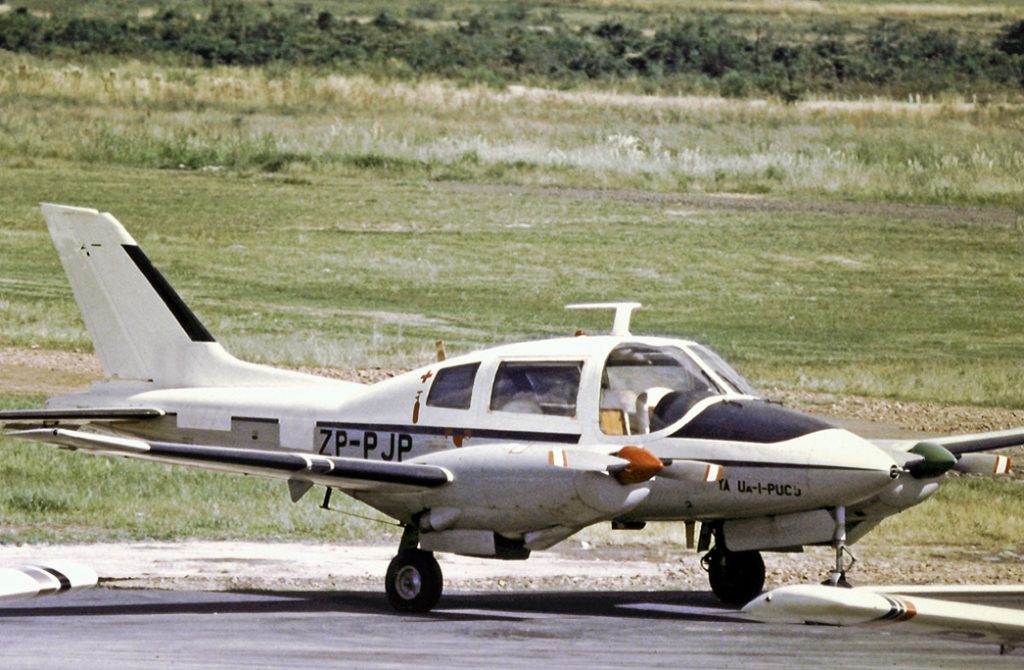
Although the B.206 proved to be a comfortable, reliable, and versatile aircraft, production never reached the levels Beagle had envisioned. Civil production began in 1964, but only 79 aircraft were completed before manufacturing ended in 1969 as the company shifted its focus to the Beagle Pup. Despite its relatively short production run, the Basset served the Royal Air Force with distinction, while several civil examples found success with operators such as Australia’s Royal Flying Doctor Service. A number of B.206s and Bassets survive today in museums and private ownership.
The Beagle B.206 measured 37 feet 4 inches in length with a wingspan of 45 feet 8 inches and was powered by two 340-horsepower Continental GTSIO-520 piston engines. The aircraft cruised at 220 mph, had a maximum range of around 1,000 miles, and a service ceiling of 25,000 feet. Depending on the variant, the B.206 accommodated up to seven passengers in addition to its pilot, making it a capable light transport for both military and civilian operators.