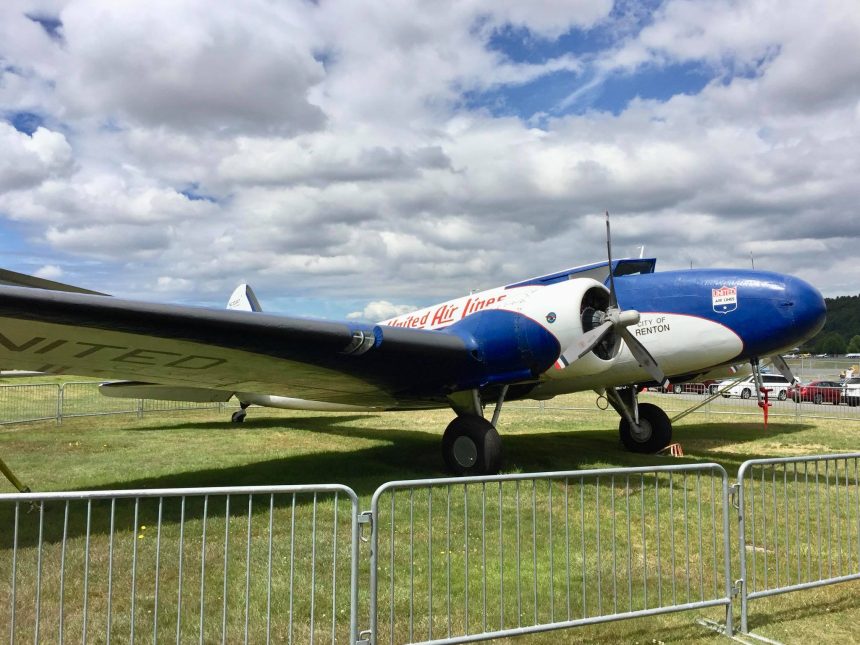

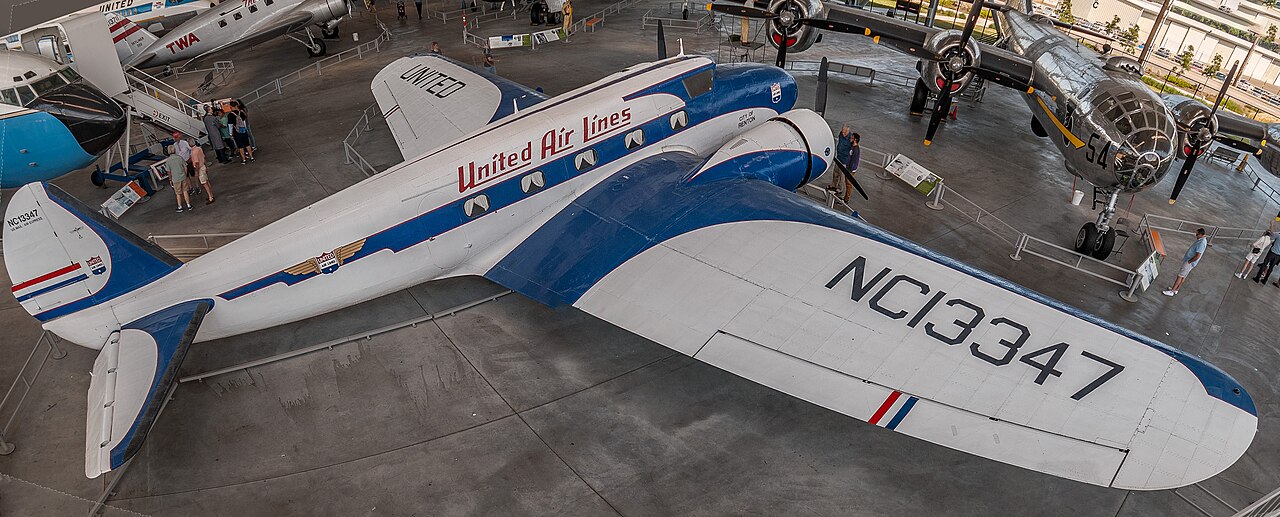
Since his childhood, Randy Malmstrom has had a passion for aviation history and historic military aircraft in particular. He has a particular penchant for documenting specific airframes with a highly detailed series of walk-around images and an in-depth exploration of their history, which have proved to be popular with many of those who have seen them, and we thought our readers would be equally fascinated too. This installment of Randy’s Warbird Profiles takes a look at the Museum of Flight’s Boeing Model 247D, s/n 1729, NC13347.
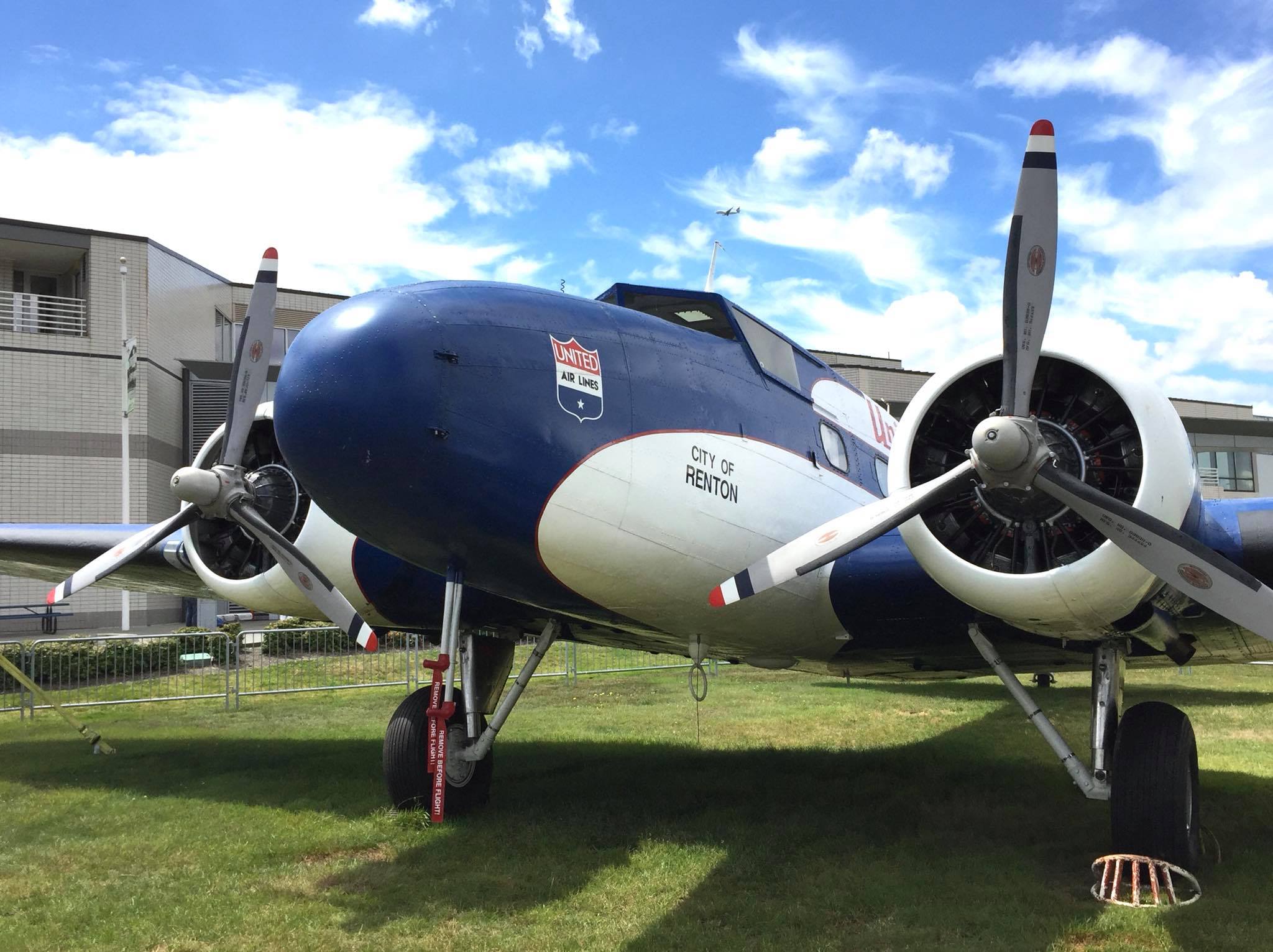
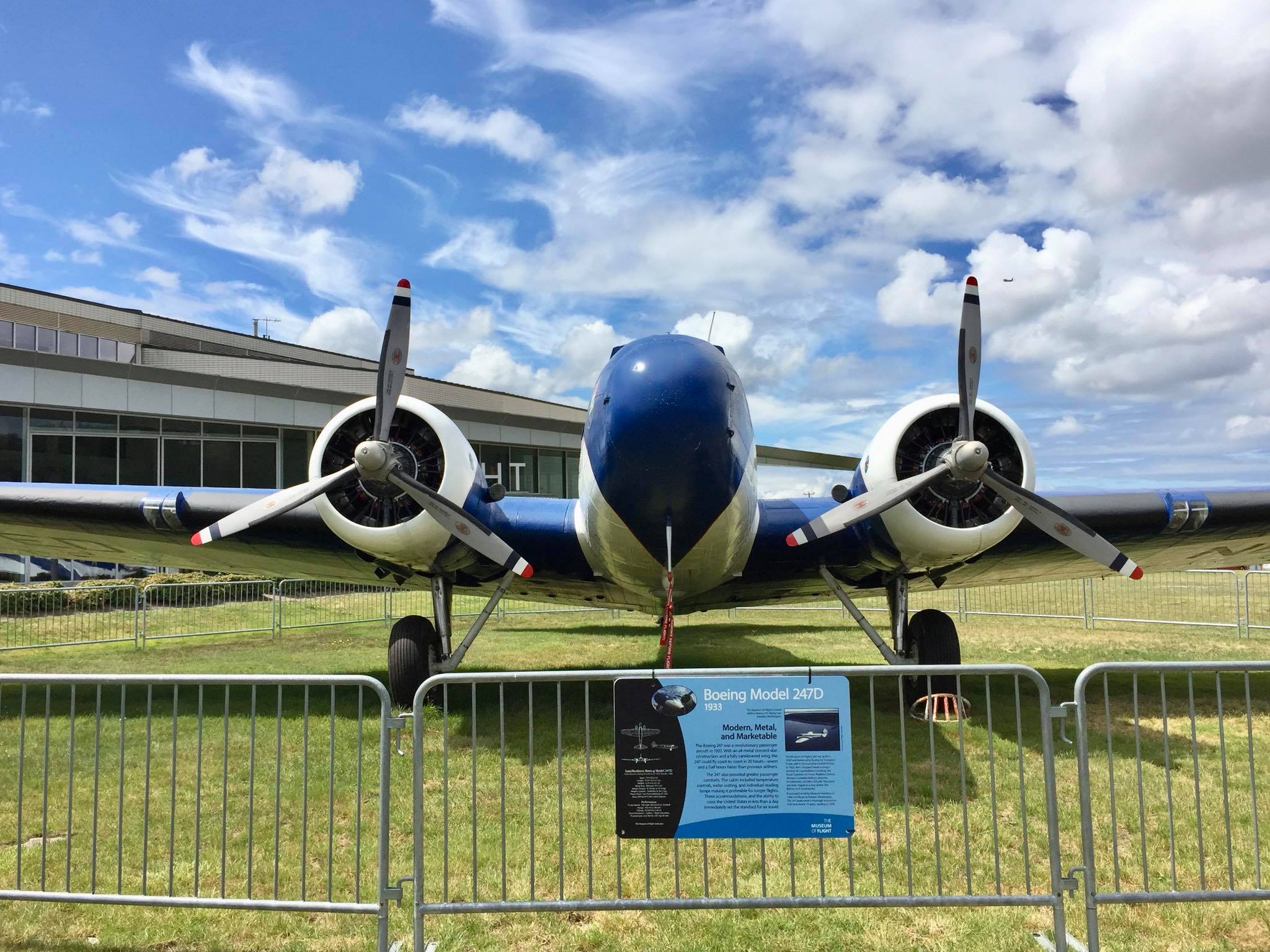

As far as I can determine, this particular aircraft was built by Boeing Airplane Company in 1933 and delivered to Boeing Air Transport (which was a predecessor to United Airlines and flew 60 of the aircraft type). In 1937, it was sold to Pennsylvania Central Airlines. Thereafter it exchanged hands a number of times and its operators included: the Royal Canadian Air Force No. 121 Squadron (which acquired a total of 8 of the aircraft type as a medium transport and target tow aircraft), Maritime Central Airways, Ltd. (Canada), SCADTA (Colombian-German Air Transport Society, which operated 10), and Aerovias Occidentales, S.A. (Costa Rica). In 1966, it was acquired by members of the Museum of Flight in Seattle, Washington (MOF) and flown to Renton, Washington (near Seattle). A 15-year restoration project was commenced in 1976, and in 2016, when I took these photos, it had been moved to the front of MOF. It flew following its restoration, but I understand it has been grounded, not to fly again. As far as I have determined, it is one of a few survivors of this aircraft type. My photos at MOF.

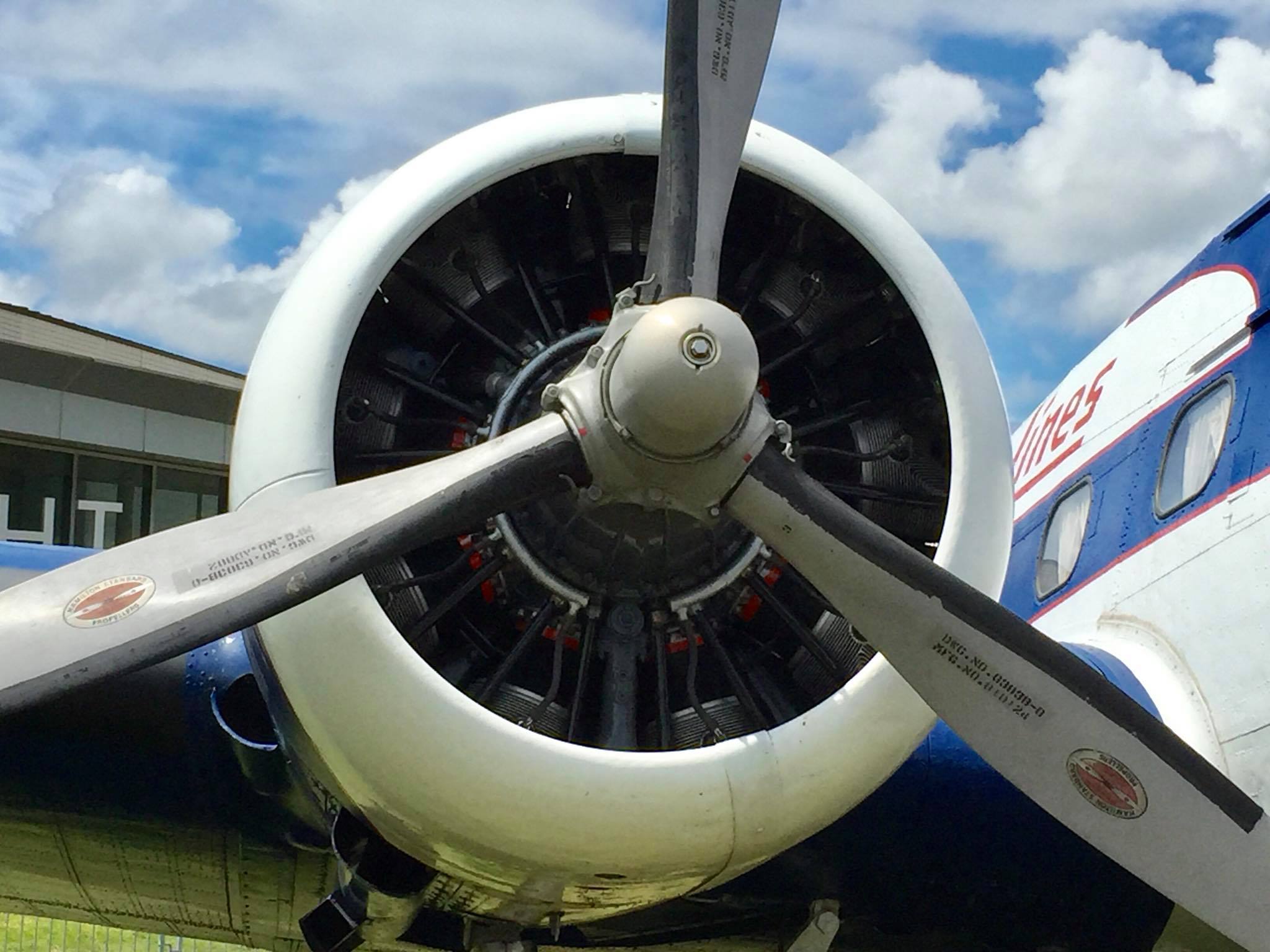
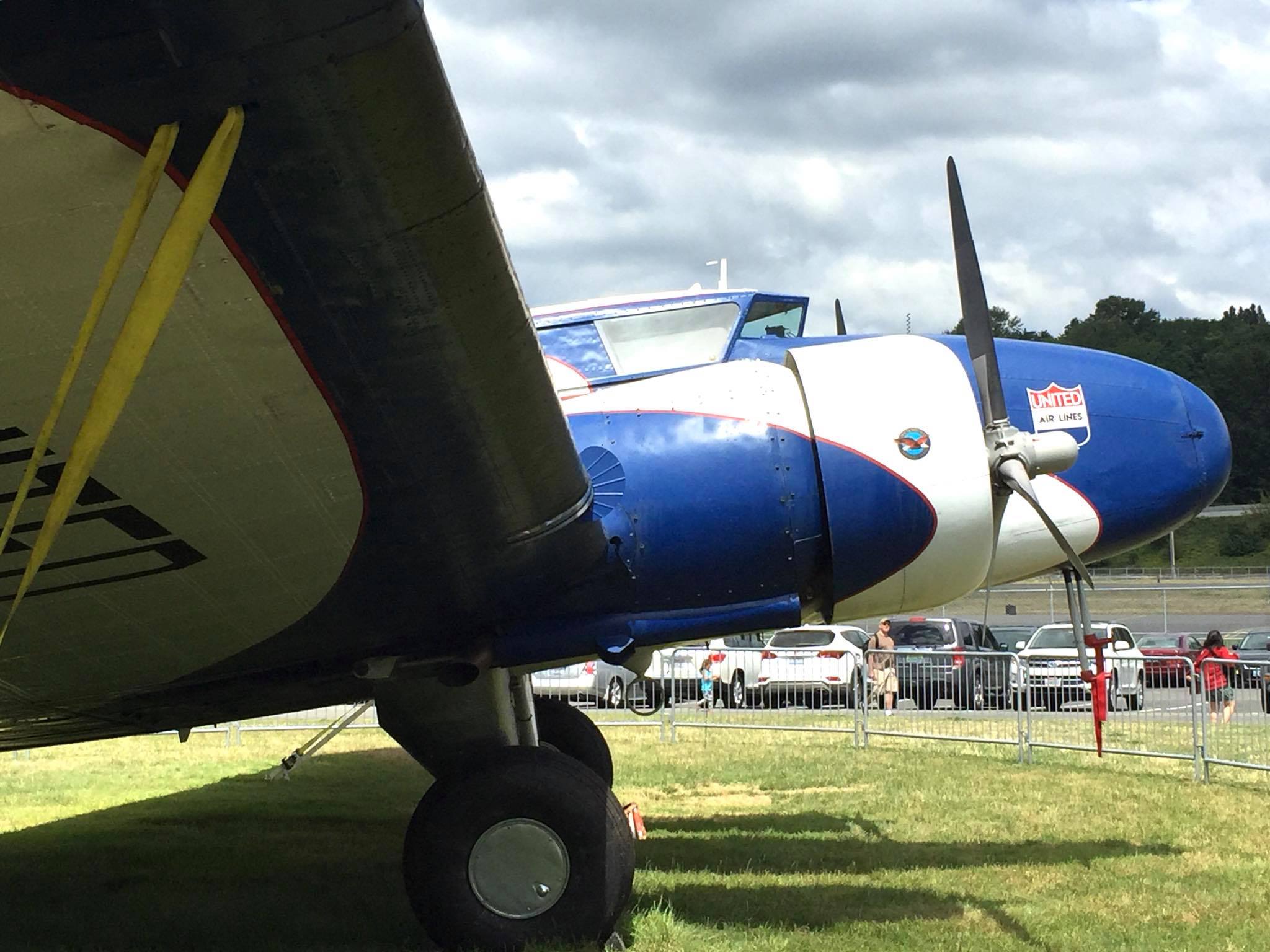
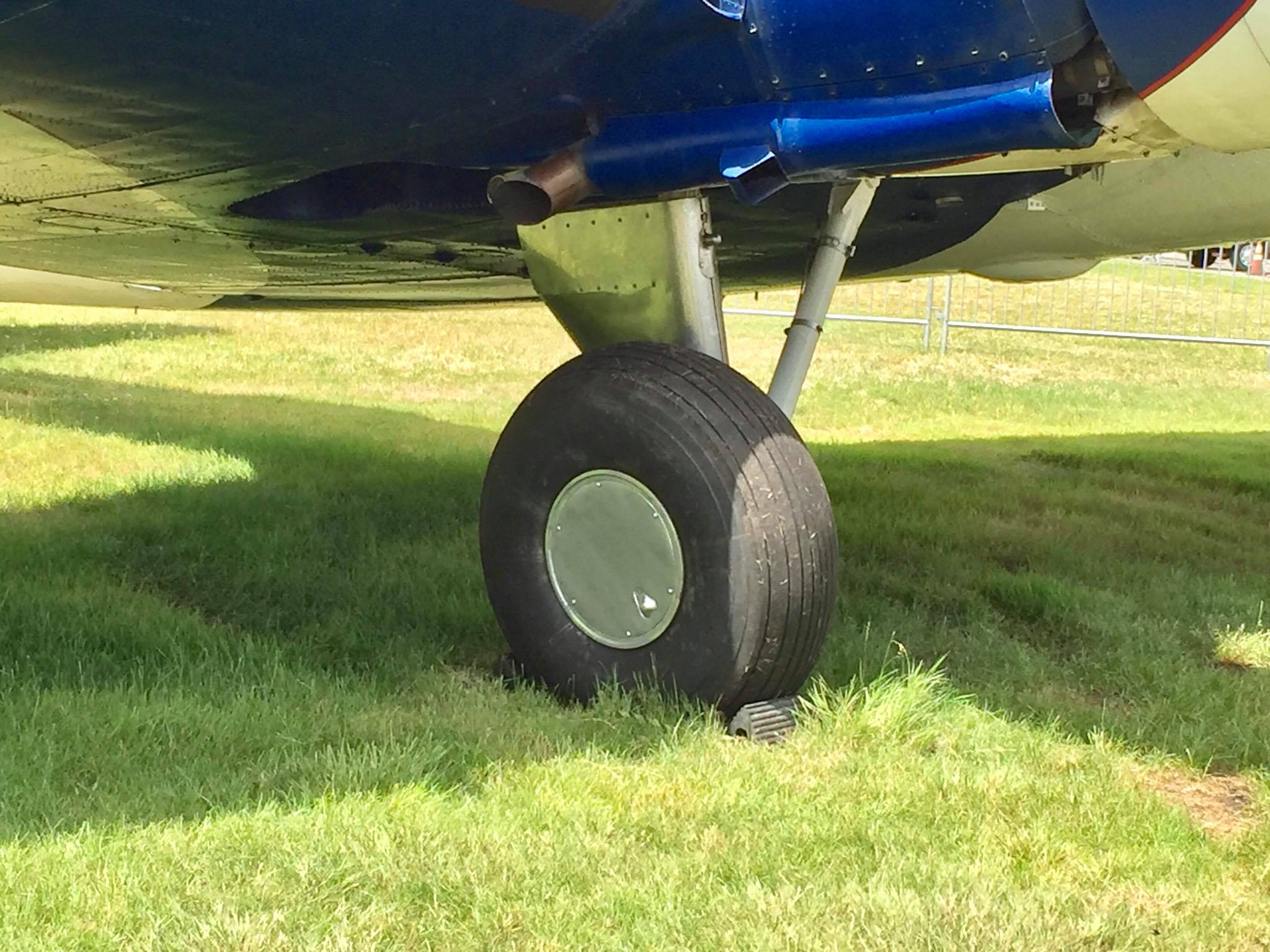
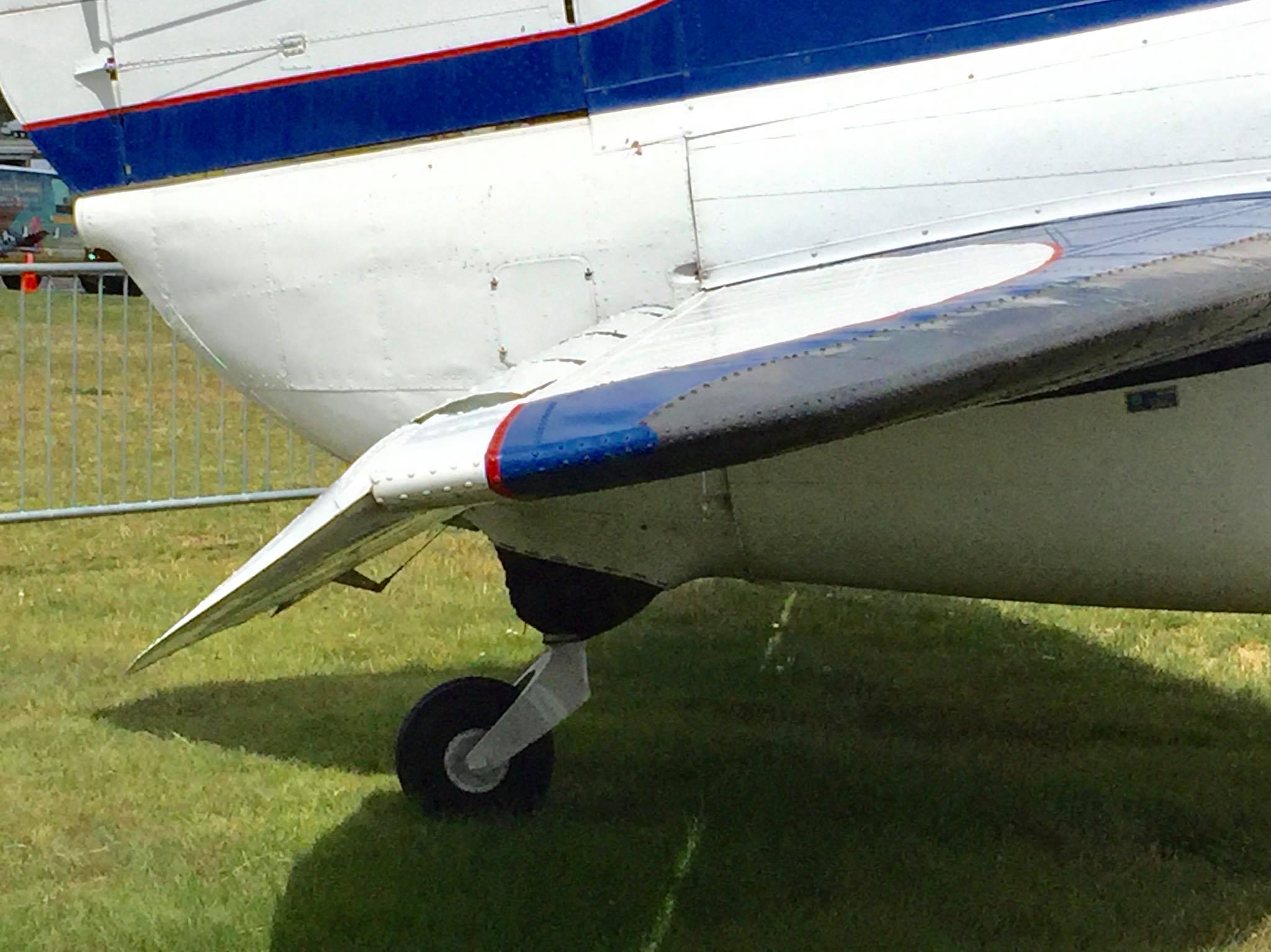
Refined from the initial Model 247, the Model 247D design included and also featured a fully-cantilevered wing assembly, semi-monocoque stressed skin construction consisting of anodized Duralamin panels (and generally not painted to save weight), partially retractable landing gear (the wheels of the main undercarriage partially protruded from the nacelles when retracted and the tailwheel did not retract), a gyroscopic-stabilized instrument panel for instrument flying, an autopilot, variable-pitch propellers, pneumatically-powered de-icing boots on the wings and tailfin, and trim tabs, but no flaps; it was also considered to be the first twin-engine aircraft capable of flying on one engine. The earlier constructions had a forward-sloping windshield – this was in an effort to abate glare from the instrument panel – but glare from the ground was an issue, especially when landing.
Later constructions had the usual rear-sloping windshield, and a glare screen was added above the instrument panel (sources indicate that by the “D” model, the forward-sloping windshield had been replaced). The 247D also had increased passenger comforts compared to its predecessors, and featured air conditioning, dome lighting and individual reading lamps, better seating arrangement, a galley and lavatory (at the rear of the cabin); however, passengers were obliged to walk over the main wing spar in the aisle (it reached a height of 12 inches above the floor). The 247’s were built by Boeing at its nearby Oxbow Plant on the Duwamish River and barged to (what is known as) Boeing Field for assembly and testing.
The maiden flight took place on February 8, 1933, and on May 22 of that year, the 247 made its first transcontinental flight (San Francisco to New York). It was a feature at the 1933 Chicago World Fair. The aircraft flew at a cruising speed of 189 mph, and it could travel from New York to Los Angeles in as little as 20 hours with seven stops. Originally named the “Skymaster” (that name was dropped), a total of seventy-five 247 aircraft were built. The initial deliveries included: Boeing Air Transport took delivery of sixty (at a unit price of $65,000), United Aircraft Corp. took delivery of ten, Deutsche Lufthansa in Germany placed an order for three but cancelled the third after testing and it was sold to Phillips Petroleum and one went to Chinese warlord Chang Hsueh-liang, called the “Young Marshal” who in 1935, acquired it for his own personal transport.
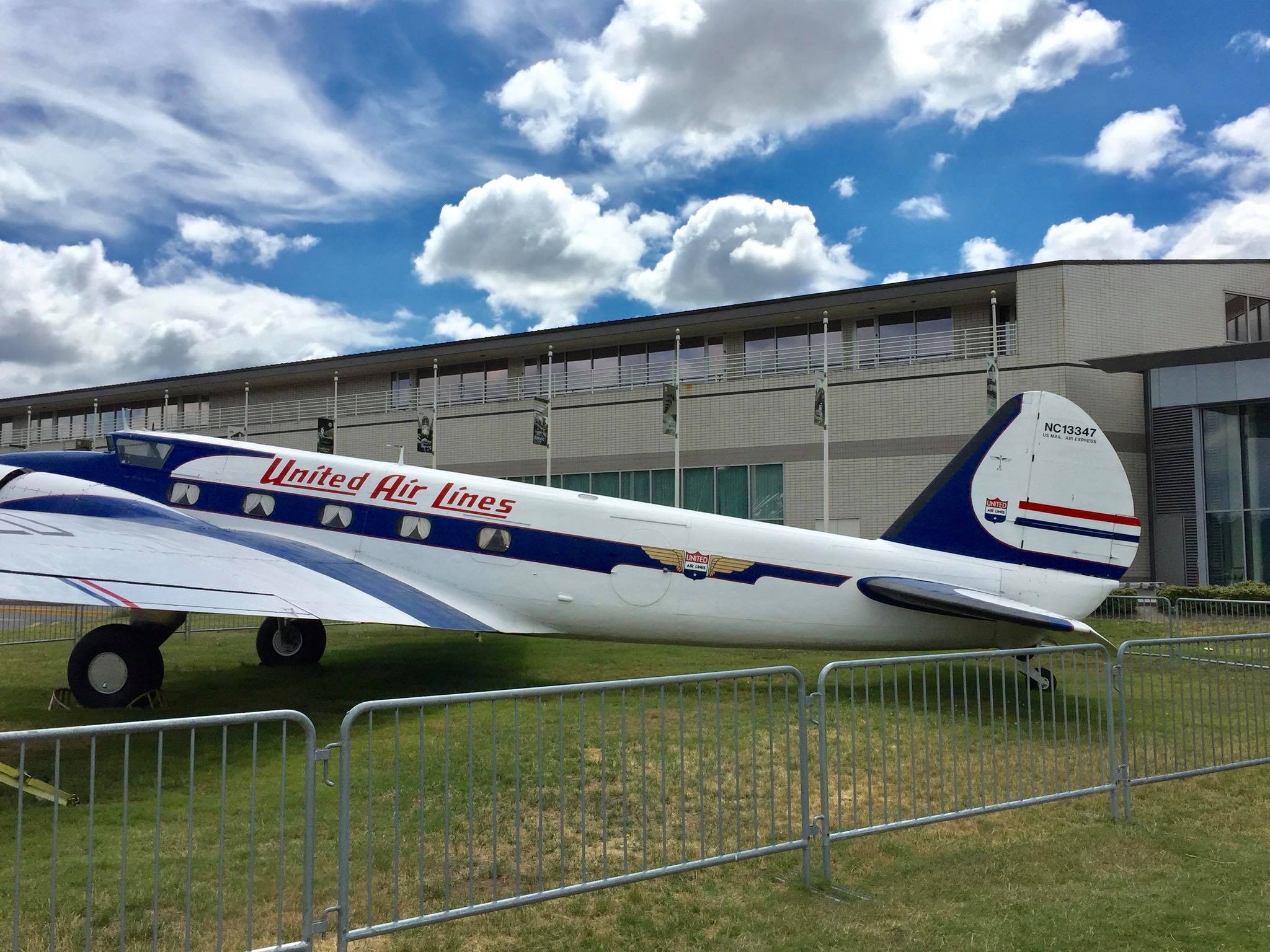
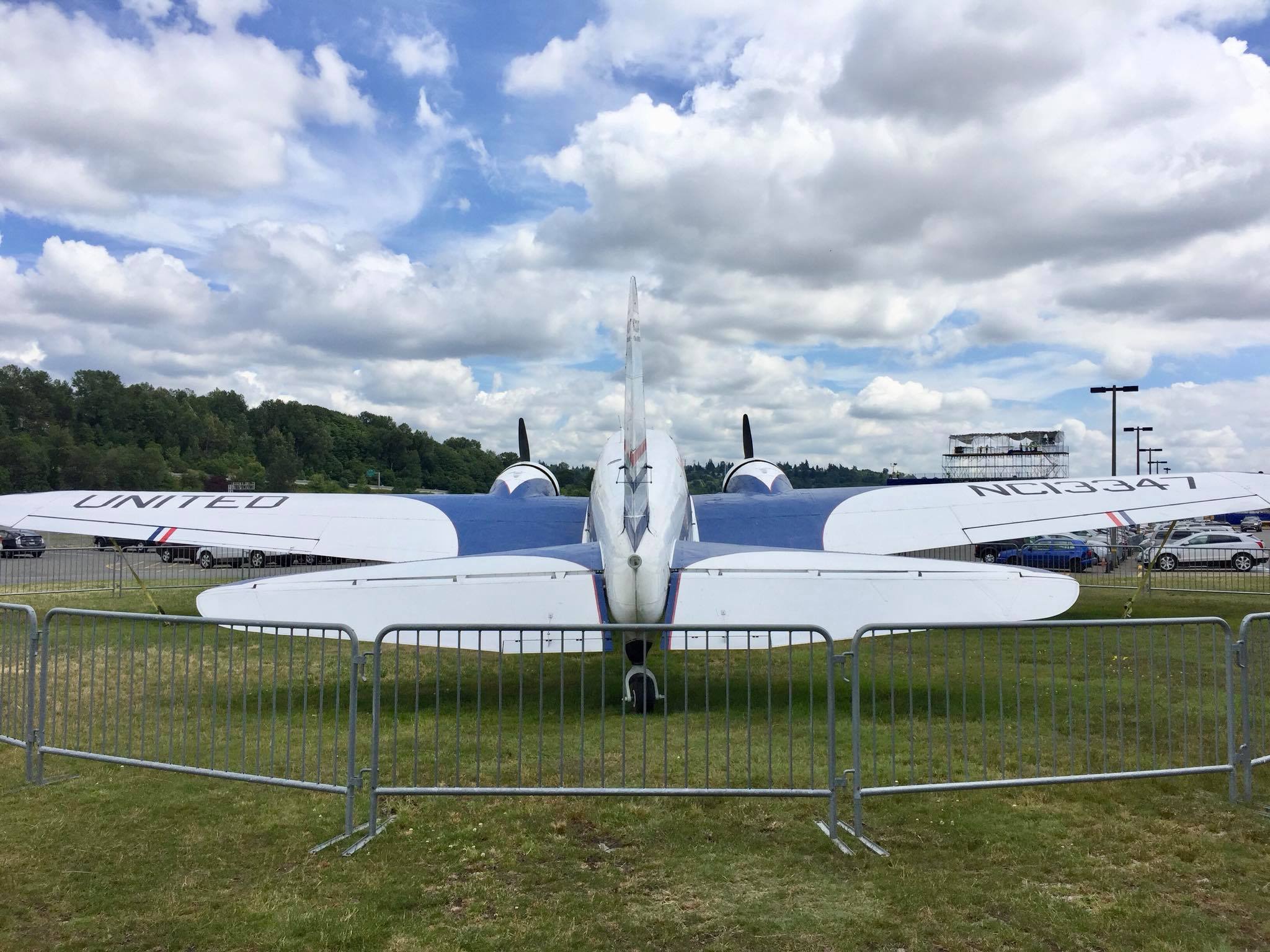
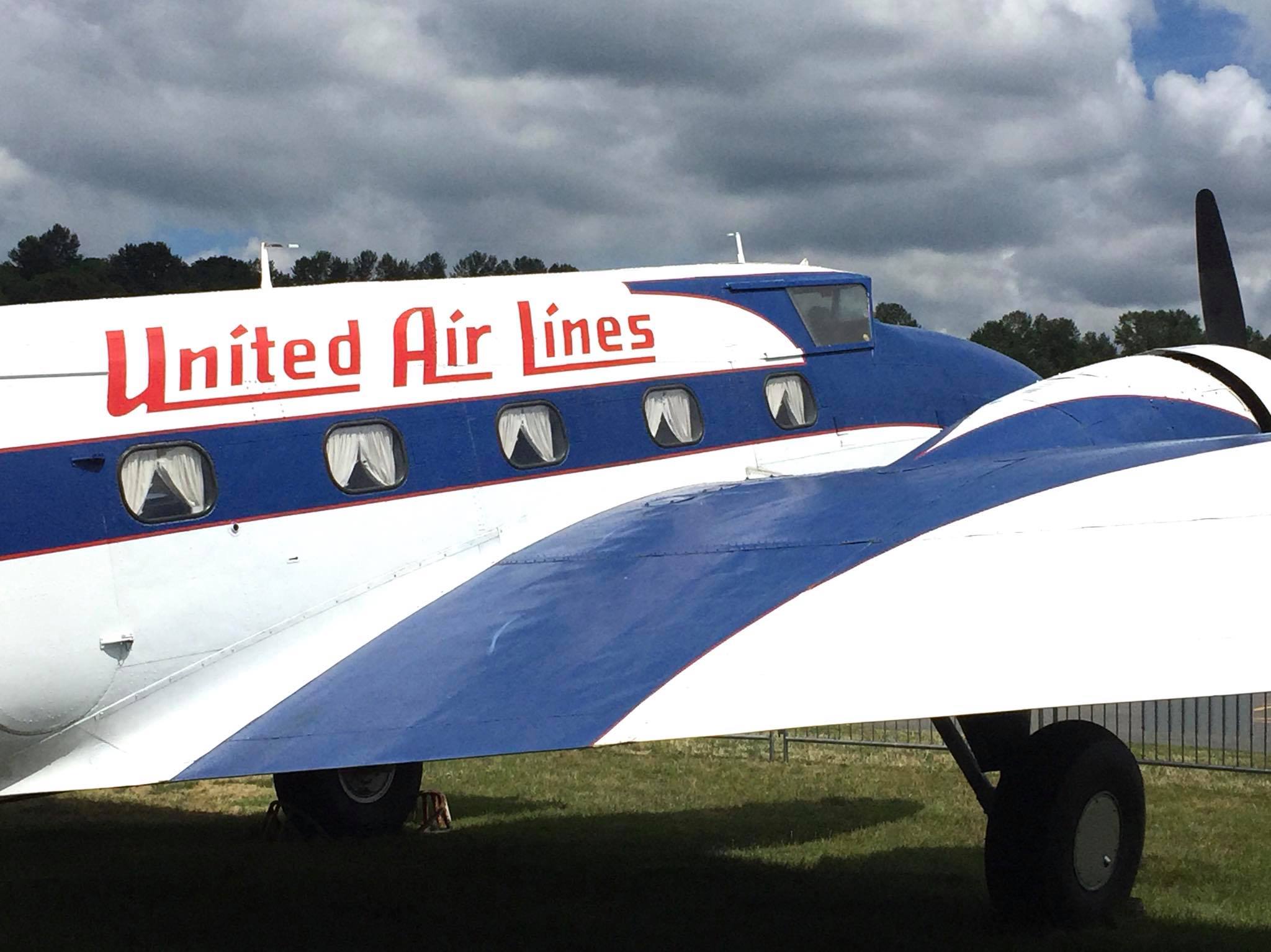
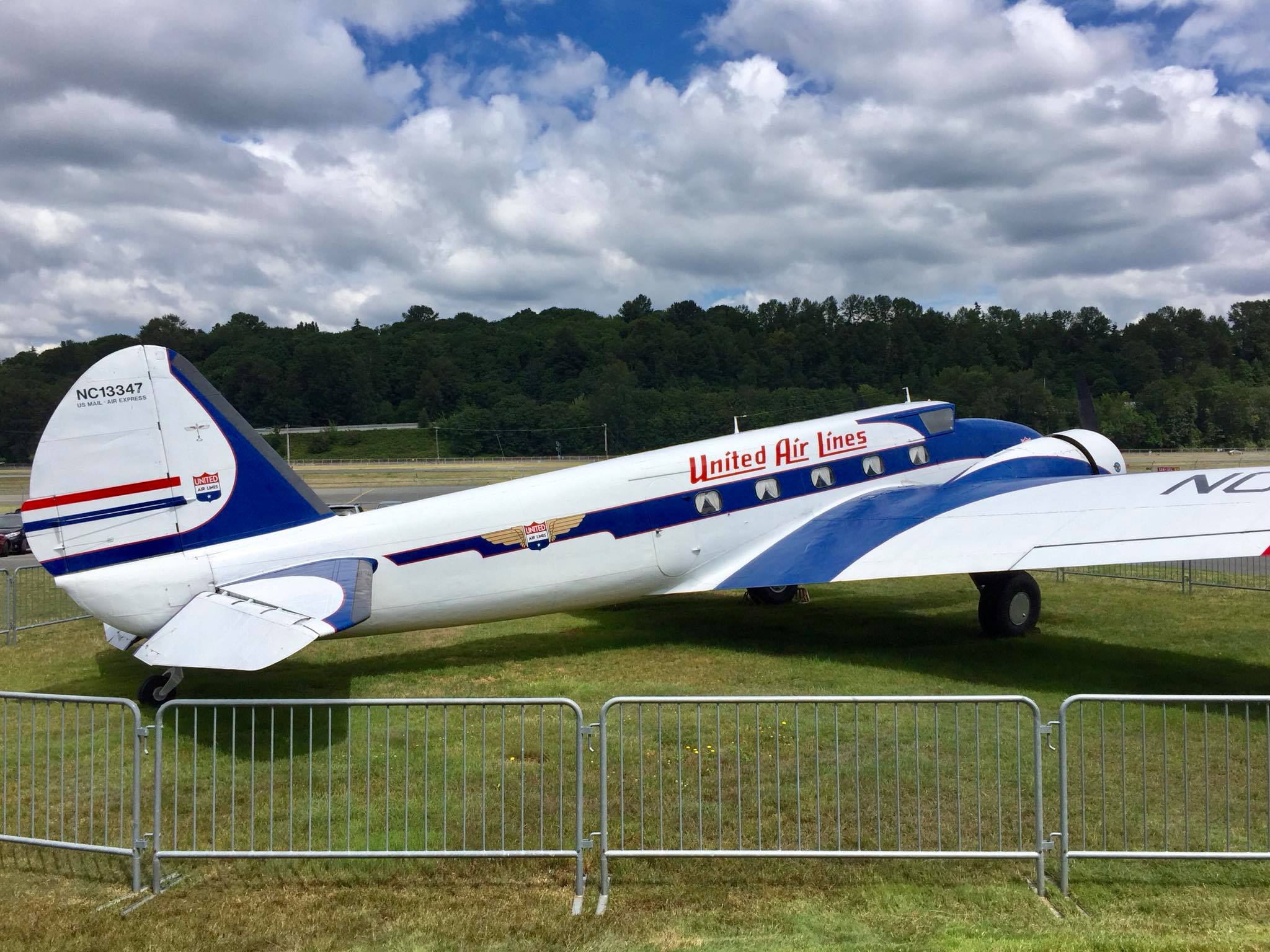
Unable to pronounce the manufacturer’s name, local Chinese called it the “Bai Ying” which means White Eagle and that became that aircraft’s nickname (Generalissimo Chiang Kai-shek was flown in that aircraft to Yenan (Yan’an) to sign an immediate secret truce that caused suspension of the civil war in China and allowed the Red and Nationalist armies to join forces against Japan). (In April and May of 1936, Young Marshal had loaned his 247D and his pilot, Royal Leonard, to Chiang, who owned several planes including a Ford Tri-Motor, but came to prefer the comparative quiet of the Boeing 247D). Young Marshal arranged for the acquisition of a second Boeing aircraft (constr.no. 1952), from United Airlines (via J.C. Elder of New York City for resale to J.A. Barr, who worked for Chiang Kai-Shek). It was fitted with long-range fuel tanks (where the forward passenger cabin was located), a pair of machine guns in the nose (where the nose baggage compartment had been), and also had a Colt .50 cal. machine gun in a flexible mount located just forward of the tail assembly (where the lavatory had been); however, Chiang had been imprisoned before the plane was delivered and it never saw any useful service. In 1937, four 247D aircraft were sold to the Spanish Republican Forces. but when concern arose that they might fall into the wrong hands, they were sold to the Mexican government and shipped to Veracruz, Mexico for use by Mexican airlines. Mexico would eventually receive 18 more 247D aircraft as a result of sales by both United Airlines and the USAAF (which began releasing them in late 1943).
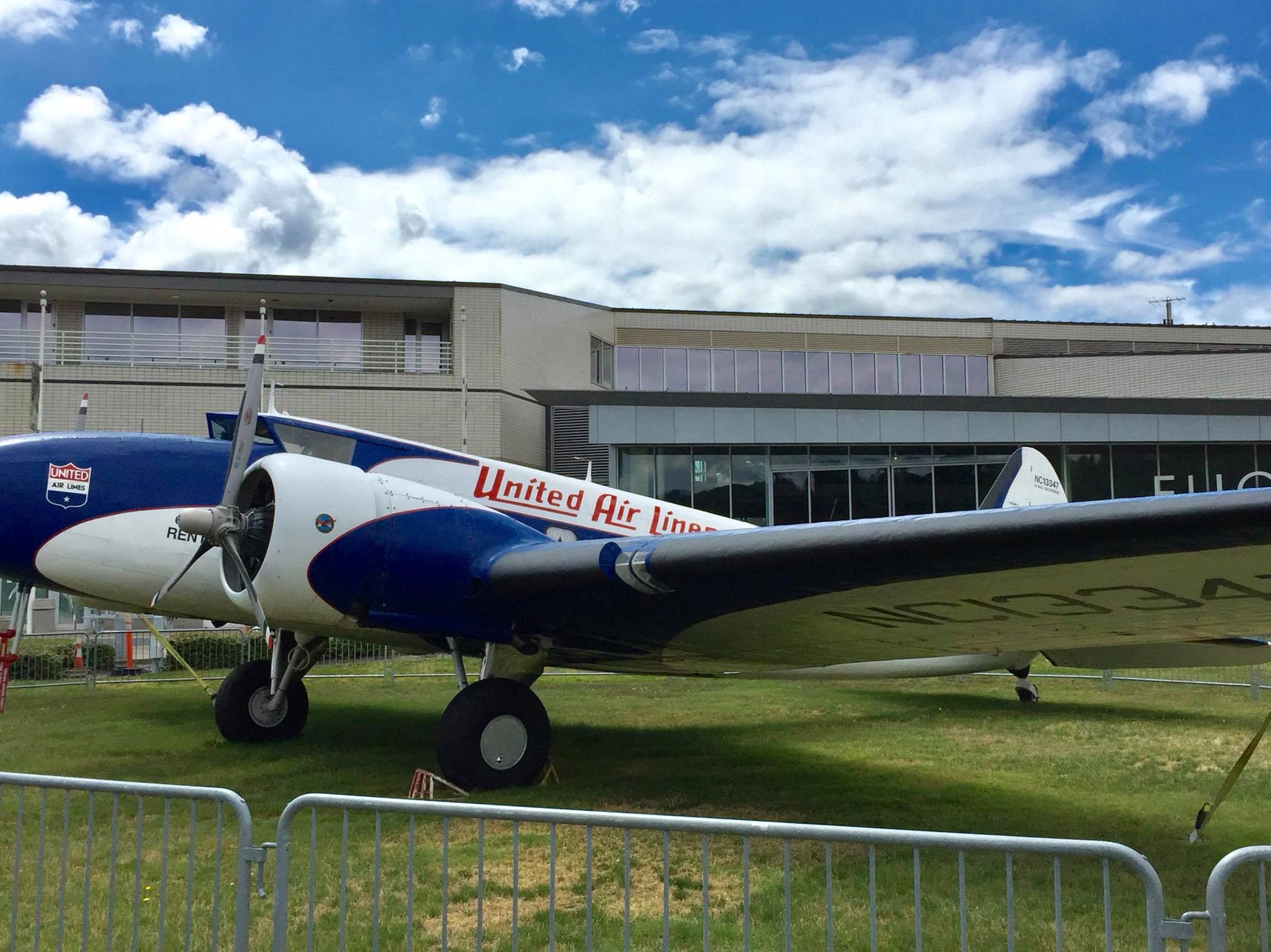
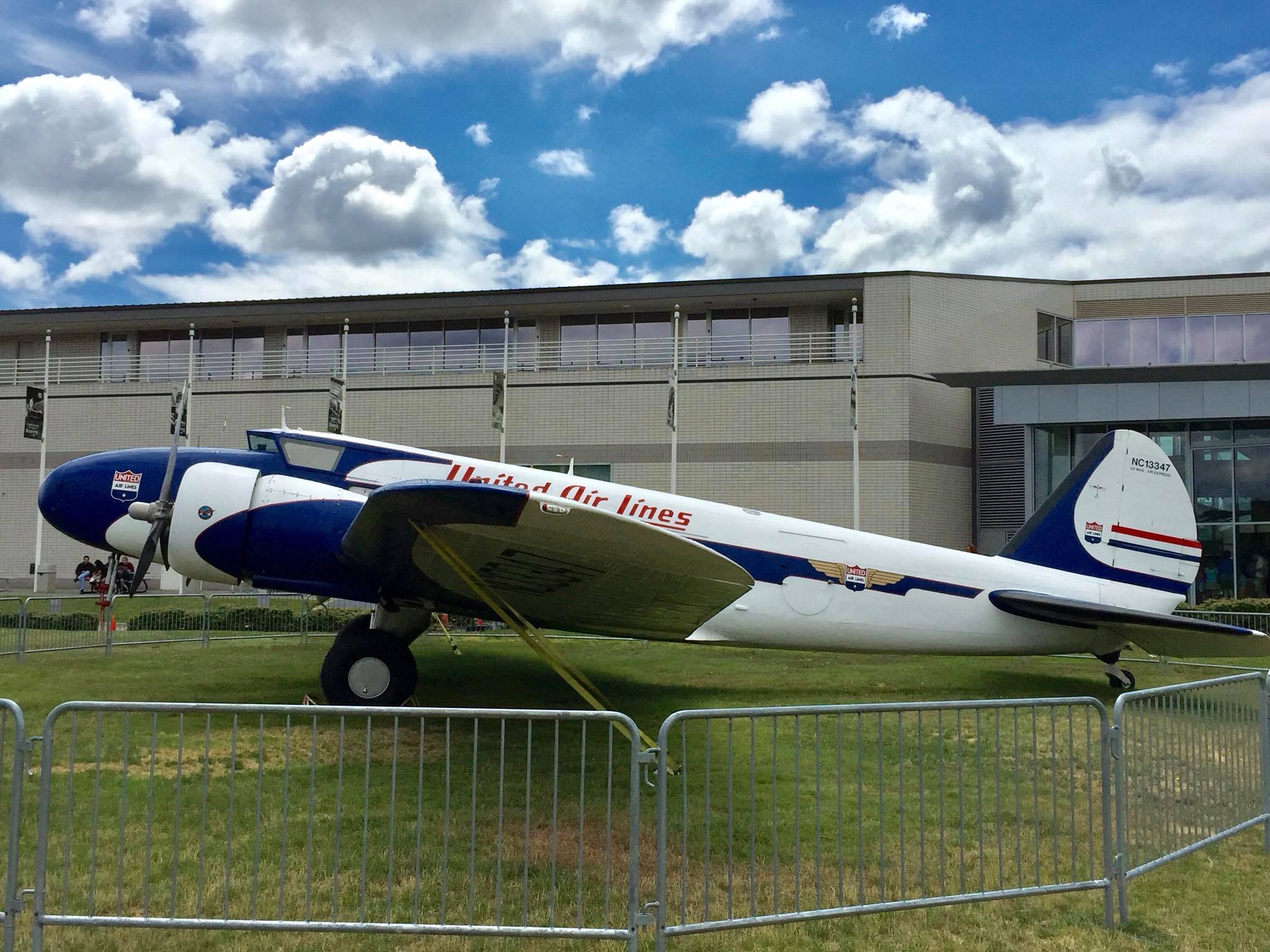

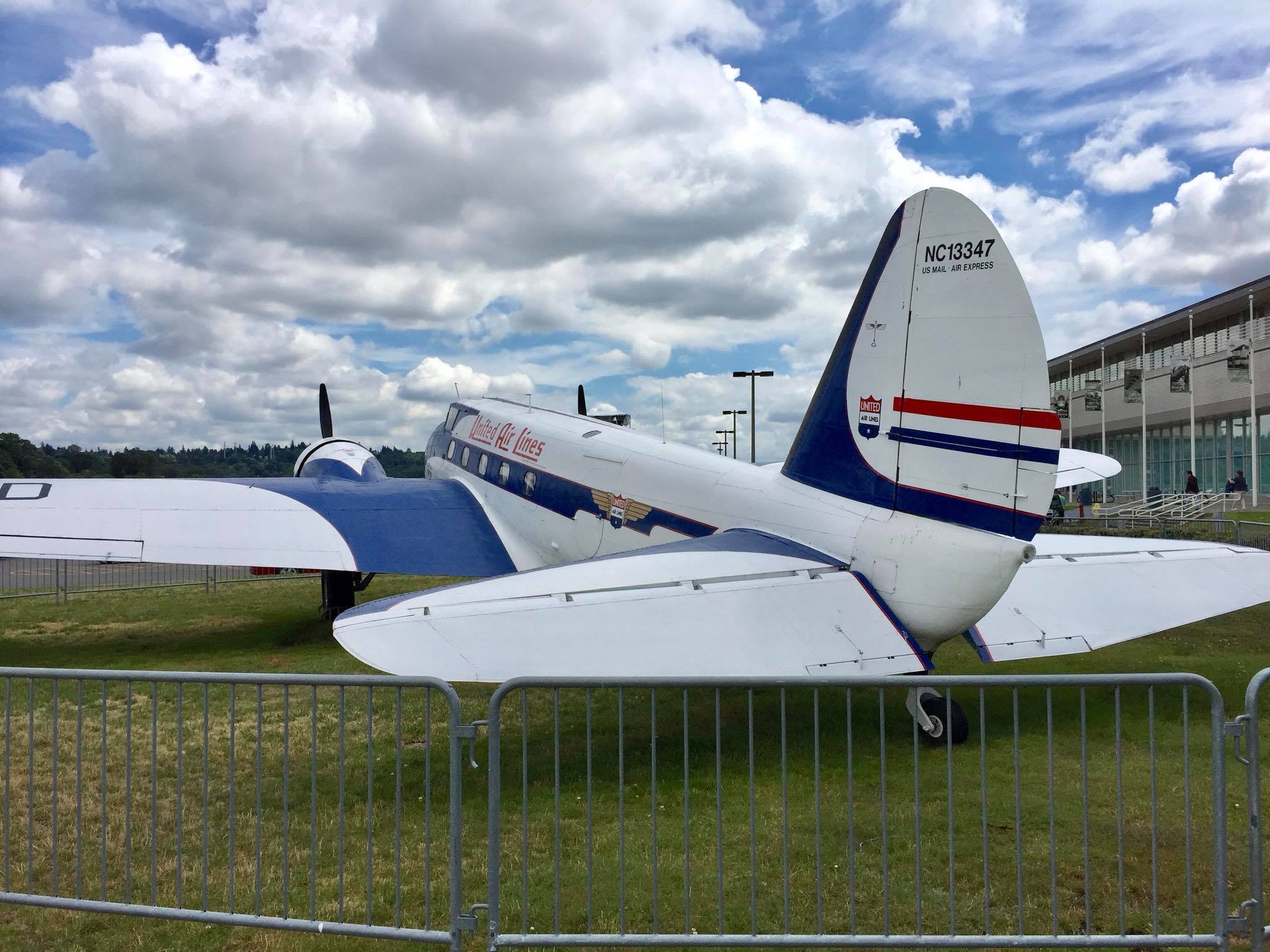
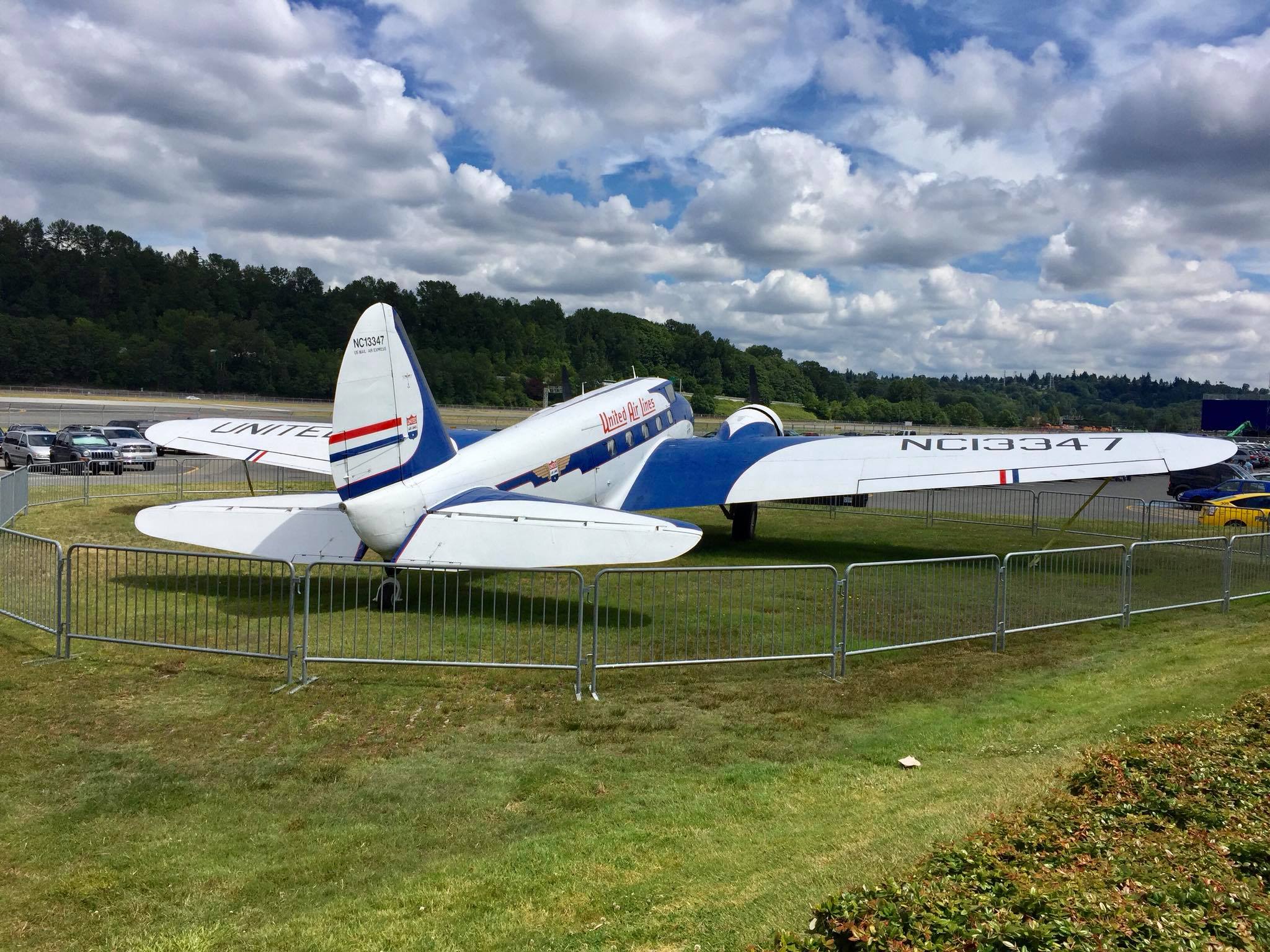
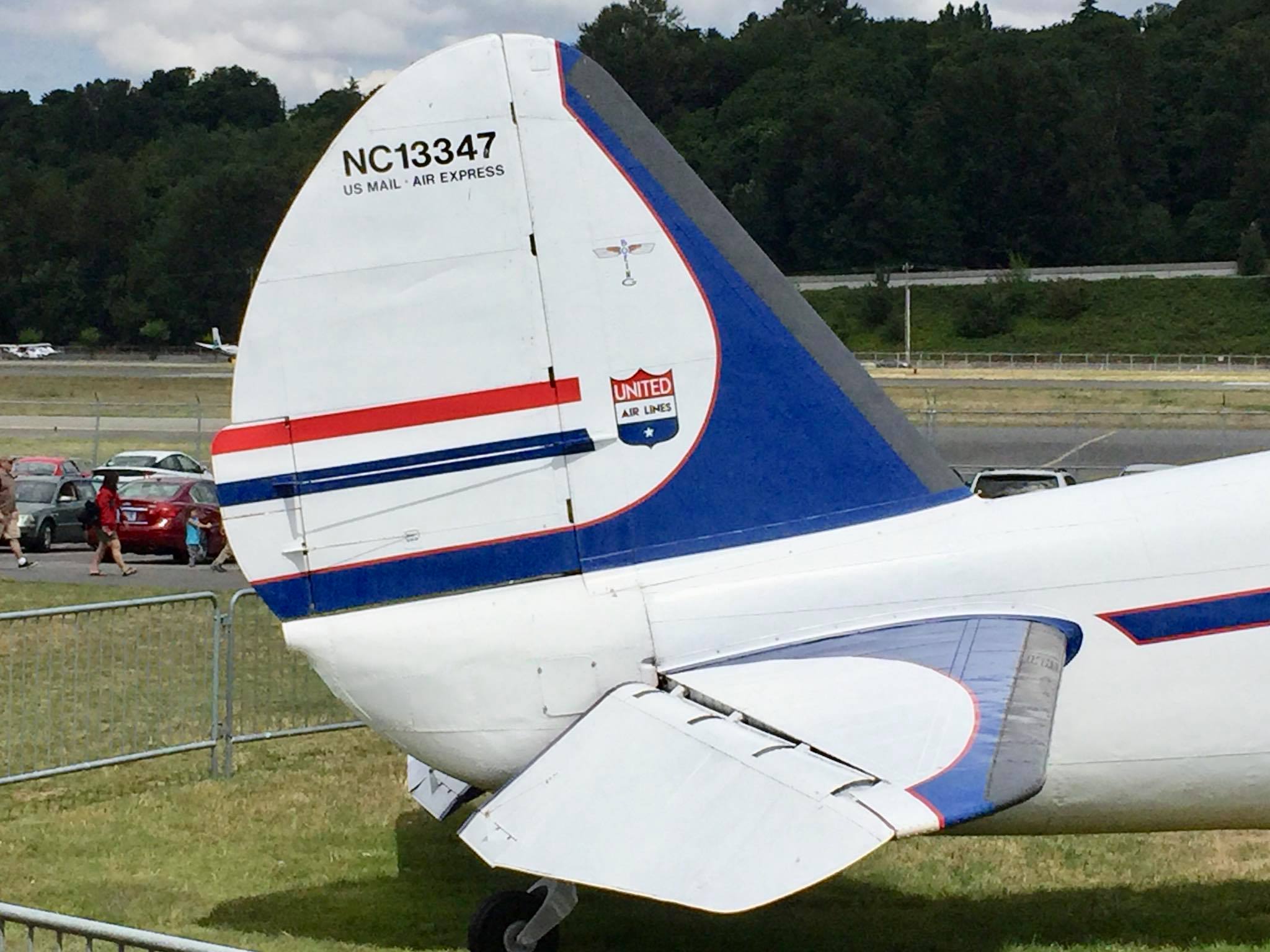
During World War II, 27 aircraft were sold by United Airlines to the U.S. Army Air Forces (USAAF) and converted to military transports and trainers with the designation C-73 and were assigned to Transport Command. Boeing also modified a few of their aircraft with a pair of machine guns in the nose (also where the nose baggage compartment had been) and were given the designation 247Y. The Royal Canadian Air Force obtained eight 247D aircraft (serial numbers 7635-39, 7655 and 7839) for light transport and target tow duties between June 18, 1940, and January 2, 1942, and were based at RCAF Station Dartmouth, Nova Scotia. One 247D was also acquired by the British Royal Air Force as a test platform for new equipment and featured a nonstandard nose, new engines, and a non-retractable undercarriage. Powerplant: a pair of Pratt & Whitney Wasp S1H1-G air-cooled radial engines. The civilian version carried a crew of three (pilot, copilot and stewardess) and up to ten passengers and 400 lbs. of mail.
Editor’s notes: The Museum of Flight’s Boeing 247 served in the Royal Canadian Air Force from October 10, 1940, to April 15, 1942, as serial number 7839.
These photos were photographed when N13347 was still at the Museum of Flight’s Restoration Center at Paine Field, Everett. On April 26, 2016, Boeing test pilots Mike Carriker and Chad Lundy took N13347 for its final flight from Paine Field to the Museum of Flight‘s primary location at Boeing Field/King County International Airport. Today, it is on display in the museum’s Aviation Pavillion, surrounded by airplanes ranging from one of its contemporaries, a Douglas DC-2, to a Concorde supersonic transport and Boeing 787 Dreamliner prototype. N13347’s brief flight marked the last one carried out by any Boeing Model 247.
About the author
 Randy Malmstrom grew up in a family steeped in aviation culture. His father, Bob, was still a cadet in training with the USAAF at the end of WWII, but did serve in Germany during the U.S. occupation in the immediate post-war period, where he had the opportunity to fly in a wide variety of types which flew in WWII. After returning to the States, Bob became a multi-engine aircraft sales manager and as such flew a wide variety of aircraft; Randy frequently accompanied him on these flights. Furthermore, Randy’s cousin, Einar Axel Malmstrom flew P-47 Thunderbolts with the 356th FG from RAF Martlesham Heath. He was commanding this unit at the time he was shot down over France on April 24th, 1944, spending the rest of the war as a prisoner of war. Following his repatriation at war’s end, Einar continued his military service, attaining the rank of Colonel. He was serving as Deputy Wing Commander of the 407th Strategic Fighter Wing at Great Falls AFB, MT at the time of his death in a T-33 training accident on August 21, 1954. The base was renamed in his honor in October 1955 and continues to serve in the present USAF as home to the 341st Missile Wing. Randy’s innate interest in history in general, and aviation history in particular, plus his educational background and passion for WWII warbirds, led him down his current path of capturing detailed aircraft walk-around photos and in-depth airframe histories, recording a precise description of a particular aircraft in all aspects.