(Image credit: VAN)
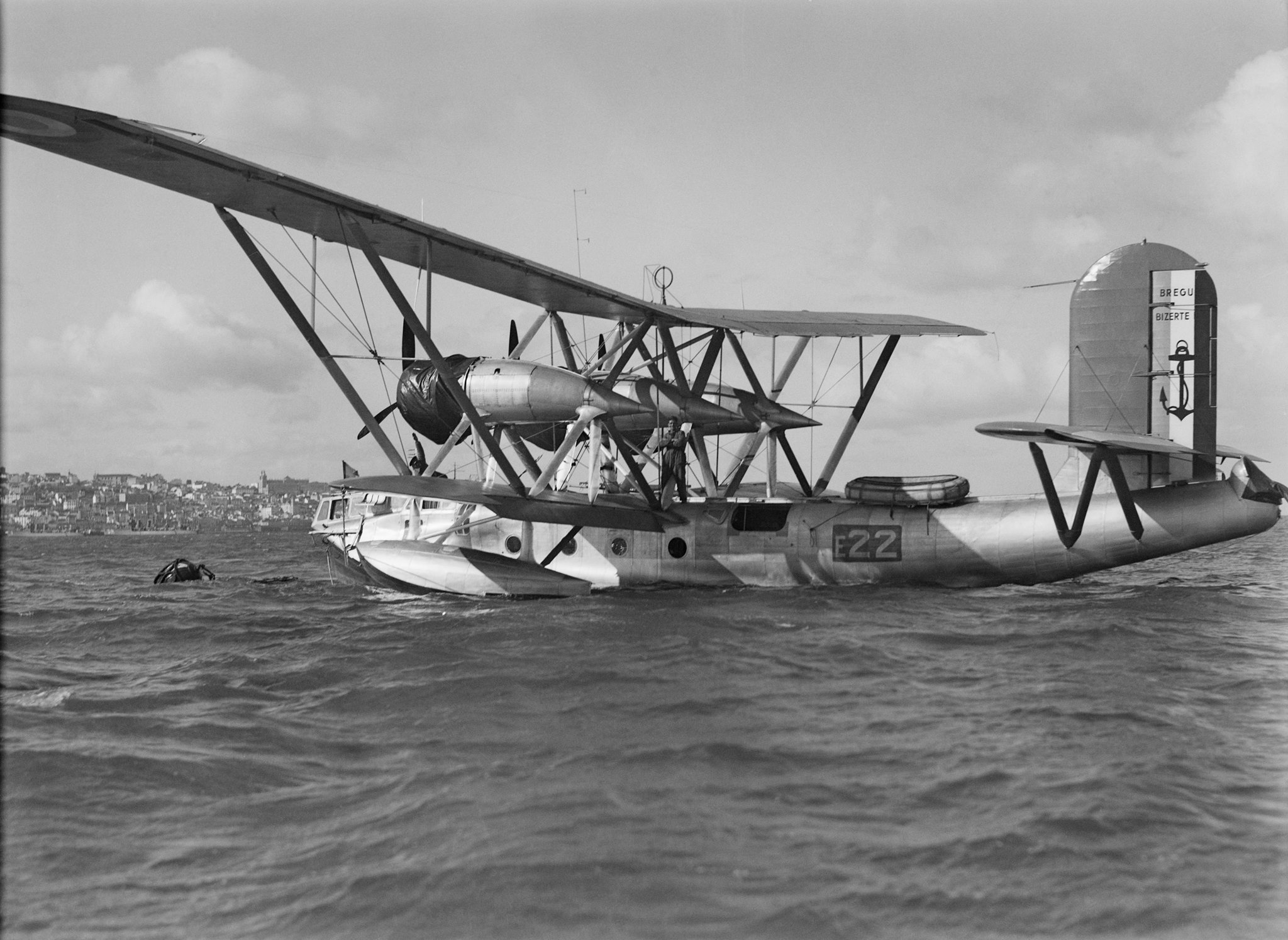
On September 11, 1933—92 years ago today—the Breguet 521 Bizerte made its first flight. The Bizerte was a French-built reconnaissance seaplane designed for long-range missions. This all-metal biplane featured three engines mounted in nacelles between the upper and lower wings and was developed from Breguet’s earlier S.8/2 Calcutta, itself a licensed version of the British Short S.8 Calcutta.
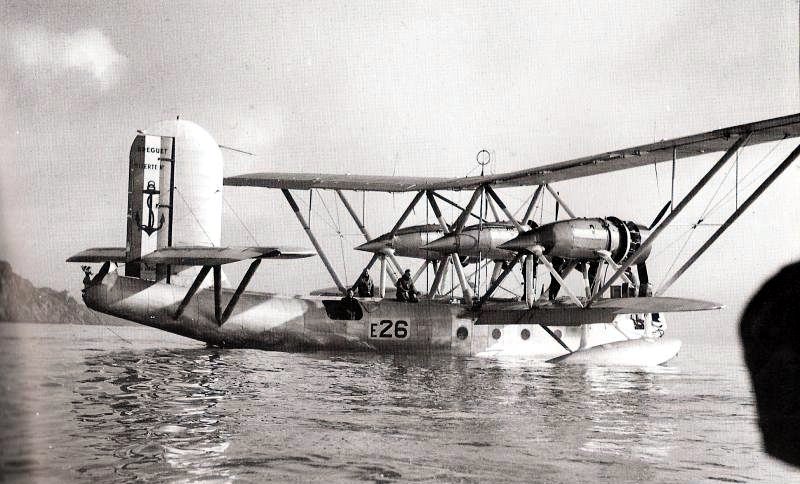
The Bizerte was created to meet a French Navy requirement for a long-range flying boat. Competing against the Latécoère 582 and Loire 70, Breguet ultimately secured the Navy’s attention. By January 1934, shortly after its maiden flight, the prototype and two additional Bizertes were purchased by the French Navy. Additional orders followed, resulting in a total production of 37 aircraft. Between 1935 and 1940, these Bizertes served in five different squadrons of the French Navy.
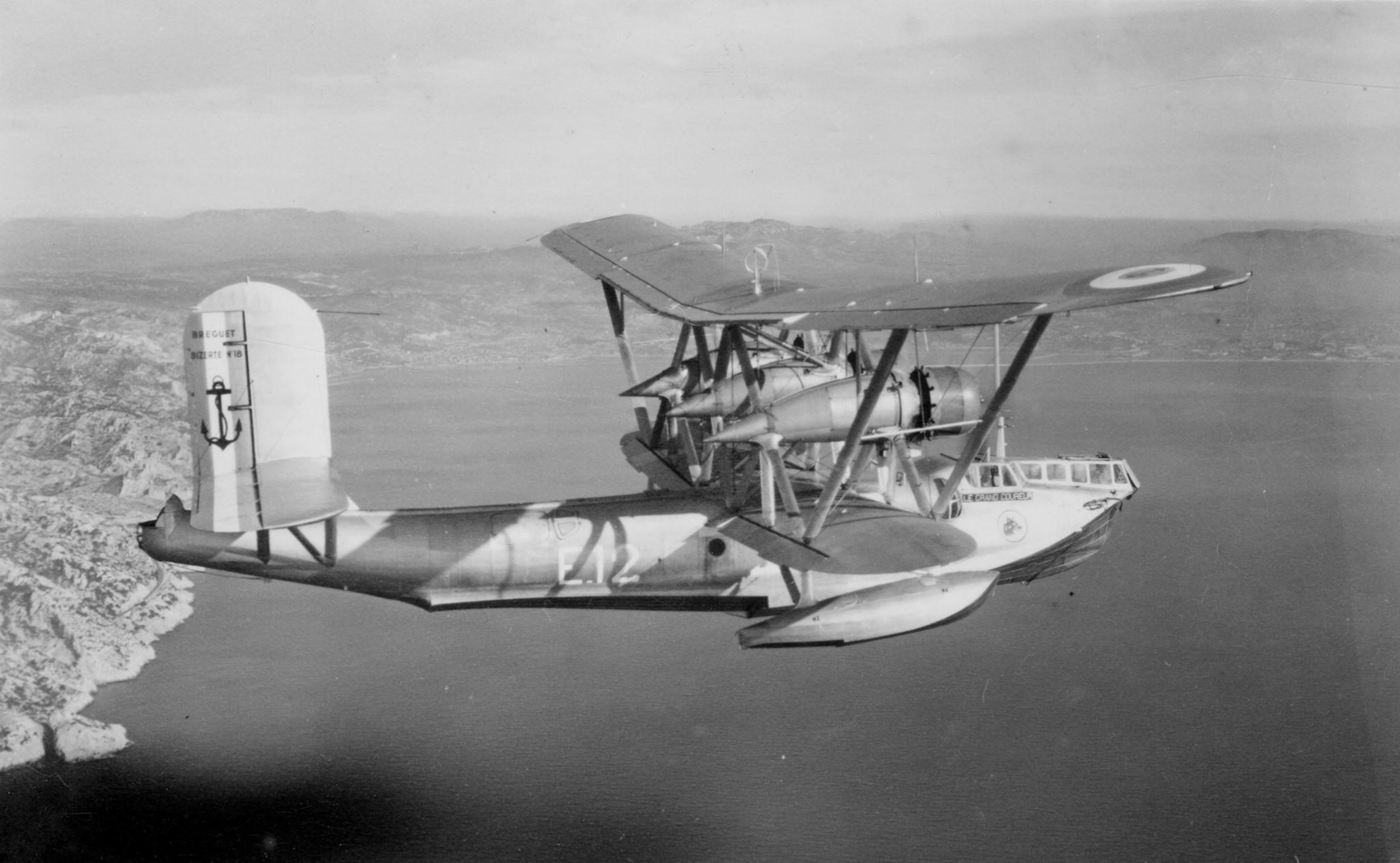
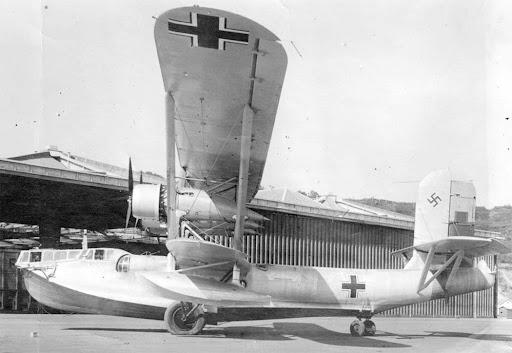
After the 1940 Armistice, two squadrons continued operating the Bizerte under the Vichy Navy. The Luftwaffe also acquired Bizertes for air-sea rescue missions, stationing a squadron at Brest on the French Atlantic coast. As the war progressed, remaining Bizertes were commandeered by the Luftwaffe. In August 1944, following the Allied invasion of Southern France, French forces recovered one Bizerte, which was then used as a communications aircraft until spare parts became unavailable.
The Breguet 521 was powered by three Gnome-Rhône 14Kirs1 14-cylinder radial engines, each producing 900 horsepower. It could cruise at 102 mph, reach a maximum speed of 151 mph, and had a service ceiling of 19,685 feet. The aircraft carried a crew of eight, had a range of 1,600 nautical miles, and was armed with five 7.5 mm Darne machine guns and four 165-pound underwing bombs.