

(Image credit: VAN)
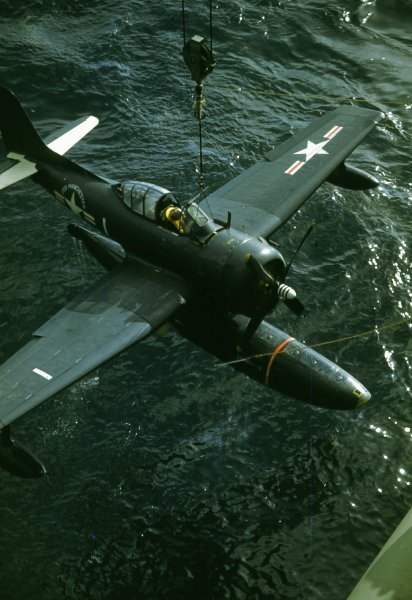
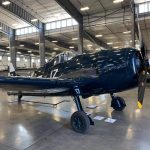
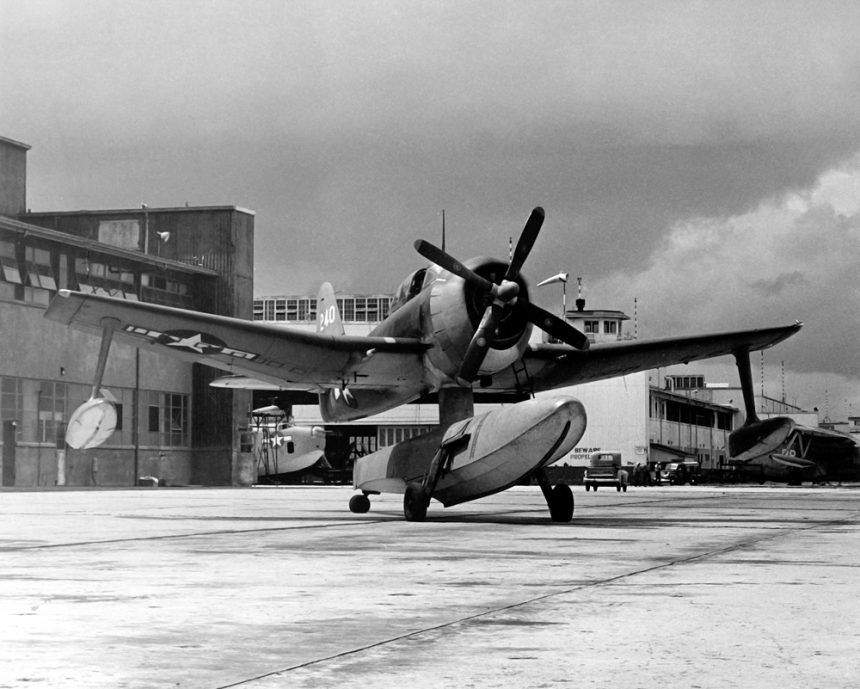
On this day in aviation history, 82 years ago (February 16, 1944), the Curtiss SC Seahawk flew for the first time. Developed by the Curtiss Aeroplane and Motor Company, the SC was a scout seaplane that was intended for use with the United States Navy. Curtiss began design on the SC in June of 1942, after a US Navy Bureau of Aeronautics directive for observation seaplane proposals was announced. The Seahawk design was submitted just two months later, on August 1. The US Navy issued a contract for two prototypes and five service test aircraft on August 25. A year later, Curtiss received a production order for 500 SC-1 aircraft, before the prototype had even flown.
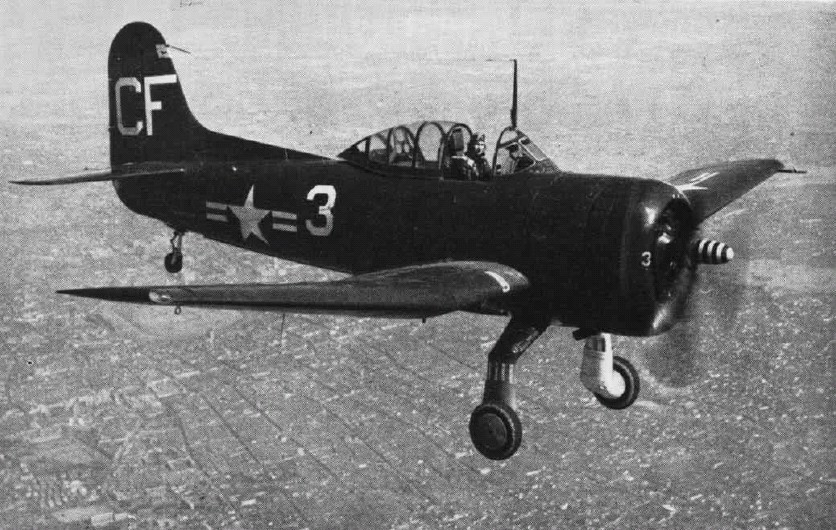
Curtiss designed the Seahawk to be flown by a single pilot; however, a bunk area was added to the rear fuselage for rescue and personnel transport. The aircraft also featured foldable wings and a main float that had an internal bomb-bay. This float, however, proved to leak and was modified to carry an extra fuel tank instead. The prototype XSC-1 flew on 2/16/44 at Curtiss’ Columbus, Ohio, plant. Flight testing continued up until April 28, 1944. A prototype with a second seat and a modified cockpit was also built, designated as the SC-2. This variant was not developed any further.
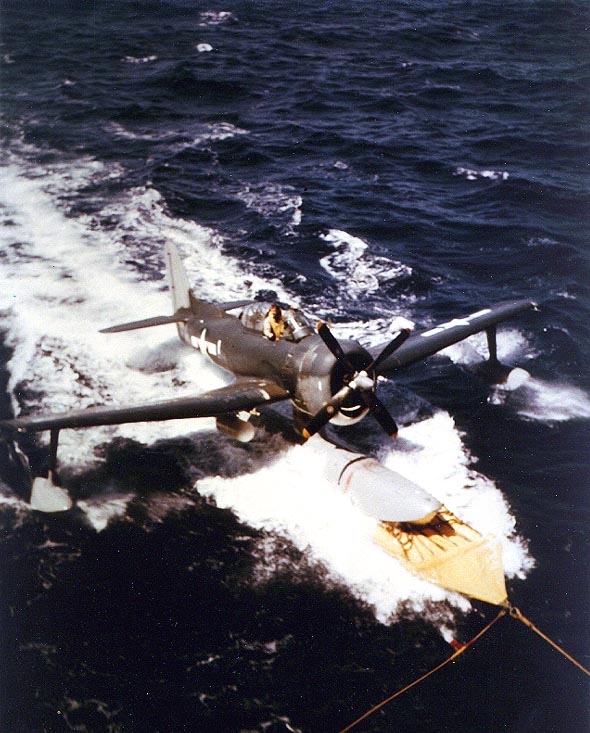
On October 22, 1944, the USS Guam took delivery of the first production Seahawks. Each of the subsequent aircraft was delivered to Naval Air Stations on fixed landing gear and fitted with floats as needed. Many argue that the SC-1 was the best American scout floatplane of the Second World War, and the aircraft may have proven this to be true had it had more time to serve. The Seahawks’ first military action did not occur until June of 1945, during the pre-invasion bombardment of Borneo. As World War II drew to a close, the appeal of floatplanes in the US Navy also began to fade. The Seahawk was eventually replaced by helicopters.
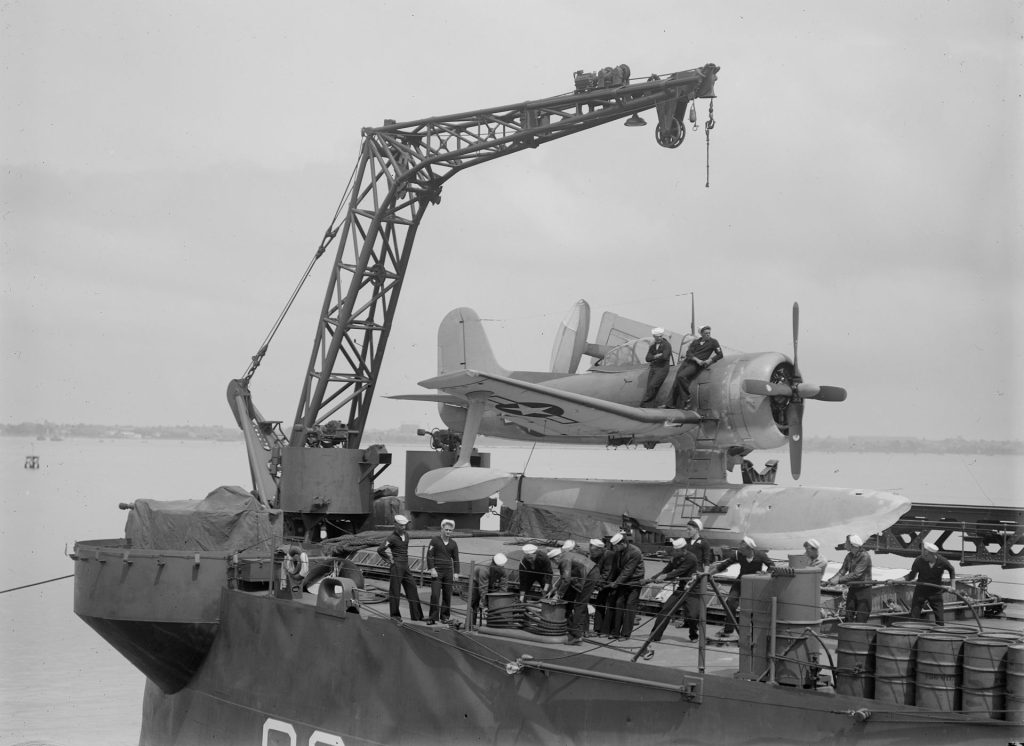
The Curtiss SC-1 was powered by a 1,300-horsepower Wright R-1820-62 Cyclone 9-cylinder radial engine. With floats, the Seahawk would cruise at 125 mph, and could attain a maximum airspeed of 235 mph. The aircraft had a range of 543 nautical miles, a service ceiling of 37,300 feet, and a 2,500 feet per minute rate of climb. The SC-1 was armed with two .50 calibre M2 Browning machine guns, and could carry two 325-pound bombs under the wings. Curtiss built 577 Seahawks in total, and the aircraft did have a measurable success by proving superior to the Curtiss SO3C Seamew and Vought OS2U Kingfisher, ultimately replacing both in frontline service.