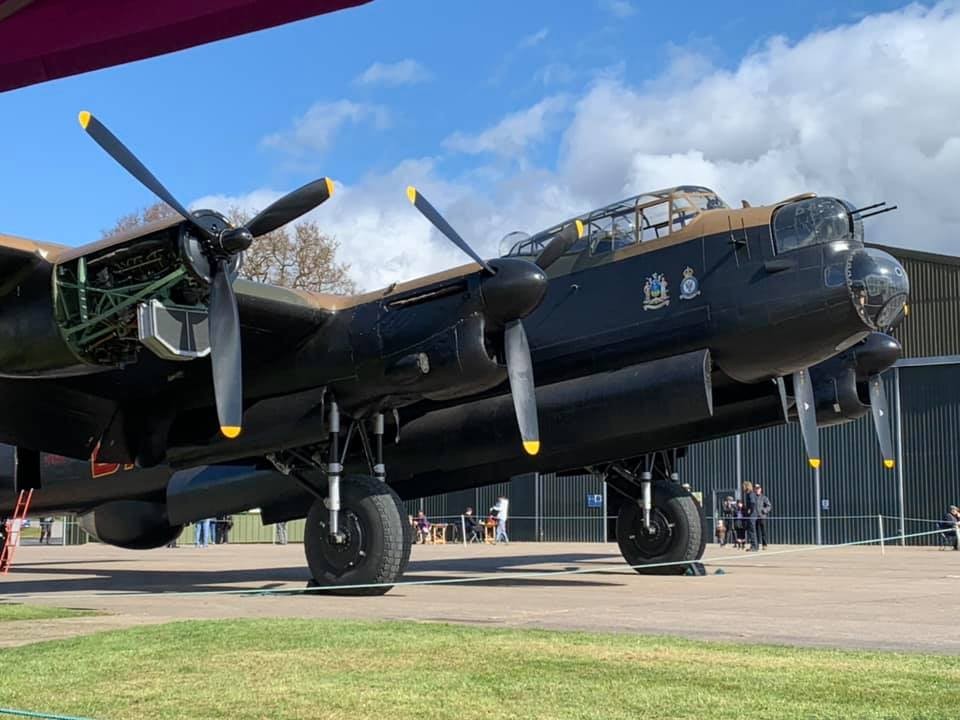

The latest progress report from project manager Andrew Patton, republished with permission, outlines continued forward momentum across the restoration of Avro Lancasters NX611 and NX664 at the Lincolnshire Aviation Heritage Centre (LAHC) in East Kirkby. With recent work focusing on fuselage skinning, nose section repairs, and the supply of critical structural components. Work continues to advance steadily on both aircraft, with recent activity marking an important step forward in the structural restoration of NX664’s rear mid-fuselage and ongoing progress across the wider programme.
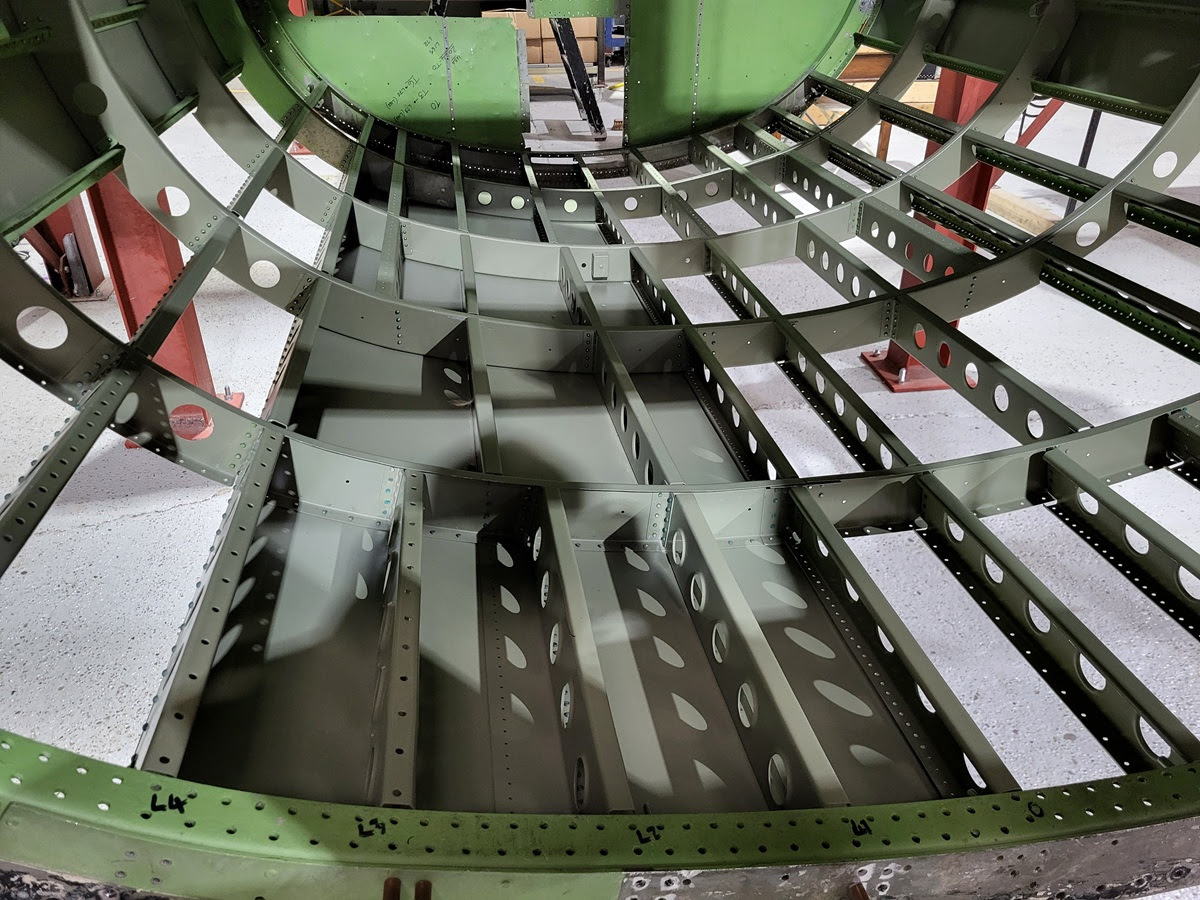
On NX664, the rear mid-fuselage has now received its first port and starboard skins, along with a skin fitted to the underside. The installation of these panels represents a significant milestone, as the structure begins to regain its original form. Hundreds of rivets have been installed to secure the new skins, and work has now reached the point where the port, starboard, and underside panels are complete. Attention will next turn to fitting additional skins that tie the fuselage sides into the underside, further restoring the integrity of the structure.
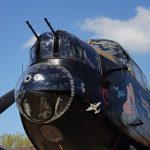
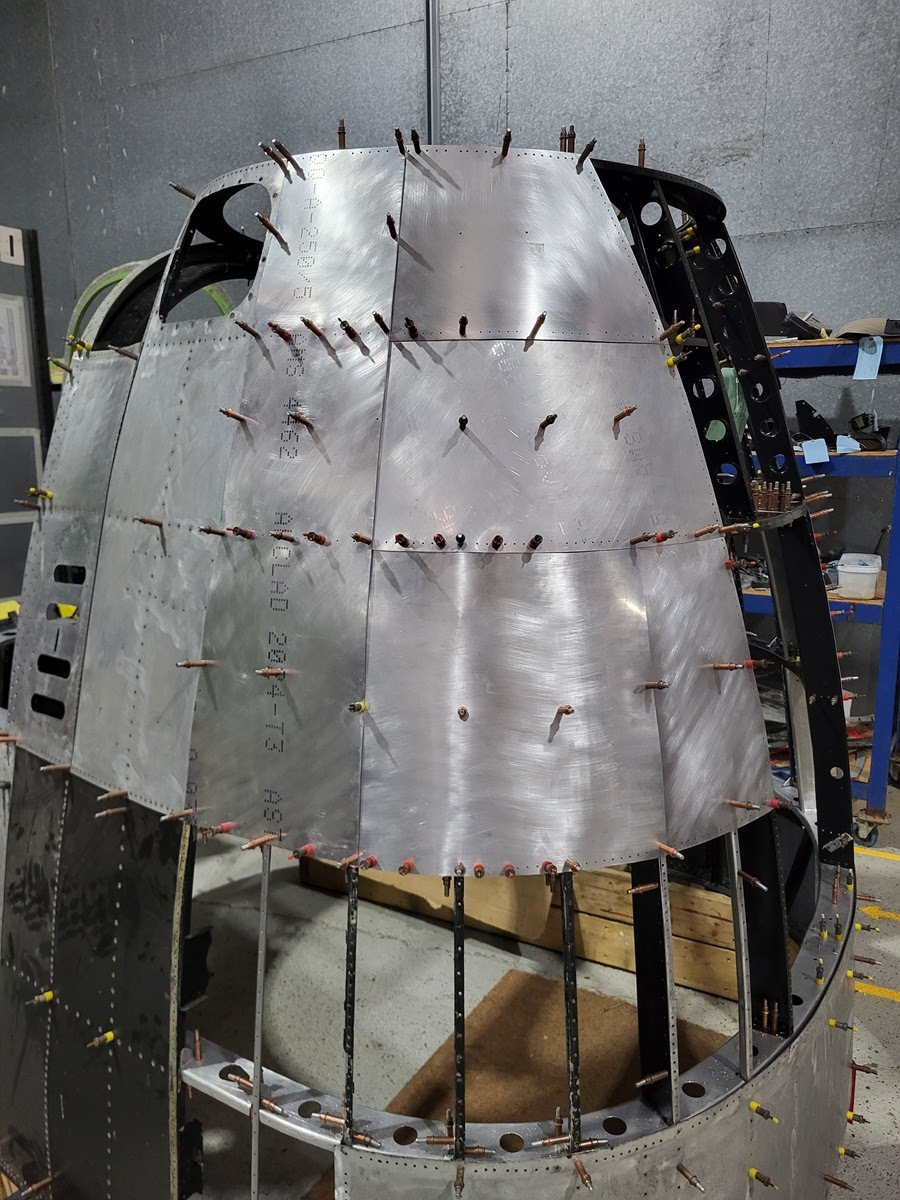
Meanwhile, work on NX611 has continued in parallel. Progress has been made on the nose section skins, with ongoing preparation and fitting work taking place as the team awaits the start of associated stringer installation. This stage is a critical part of returning strength and shape to the forward fuselage and forms part of the broader effort to address previously identified structural issues.
Encouraging news has also arrived from the United States, where production of new extruded and rolled material has been completed and is now ready for shipment. This consignment includes new spar booms for both the mainplanes and tailplanes, along with a quantity of additional extrusions expected to support future phases of the restoration. Delivery of the shipment is anticipated in late February, marking another key step toward the long-term wing and tailplane work.
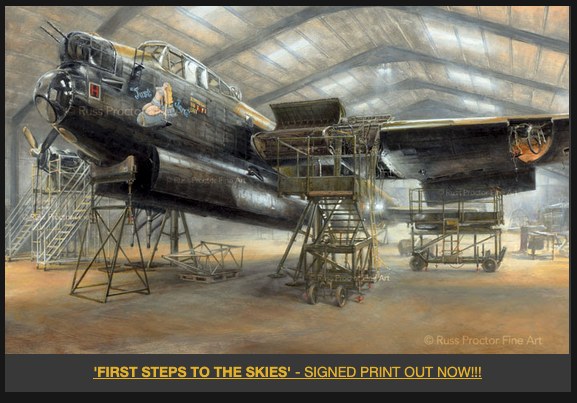
Support for the wing restoration programme continues to grow, with the Wings Fund campaign now exceeding £97,000 of its £500,000 target. Contributions to the fund have already helped offset the cost of manufacturing major structural components, including the new spar booms, and remain a vital part of sustaining progress on this complex and ambitious project. Together, these developments reflect steady, methodical progress across multiple airframes, reinforcing the collaborative approach underpinning the preservation of two rare Mk.7 Avro Lancasters and their continued journey toward long-term survival.