
(Image credit: VAN)
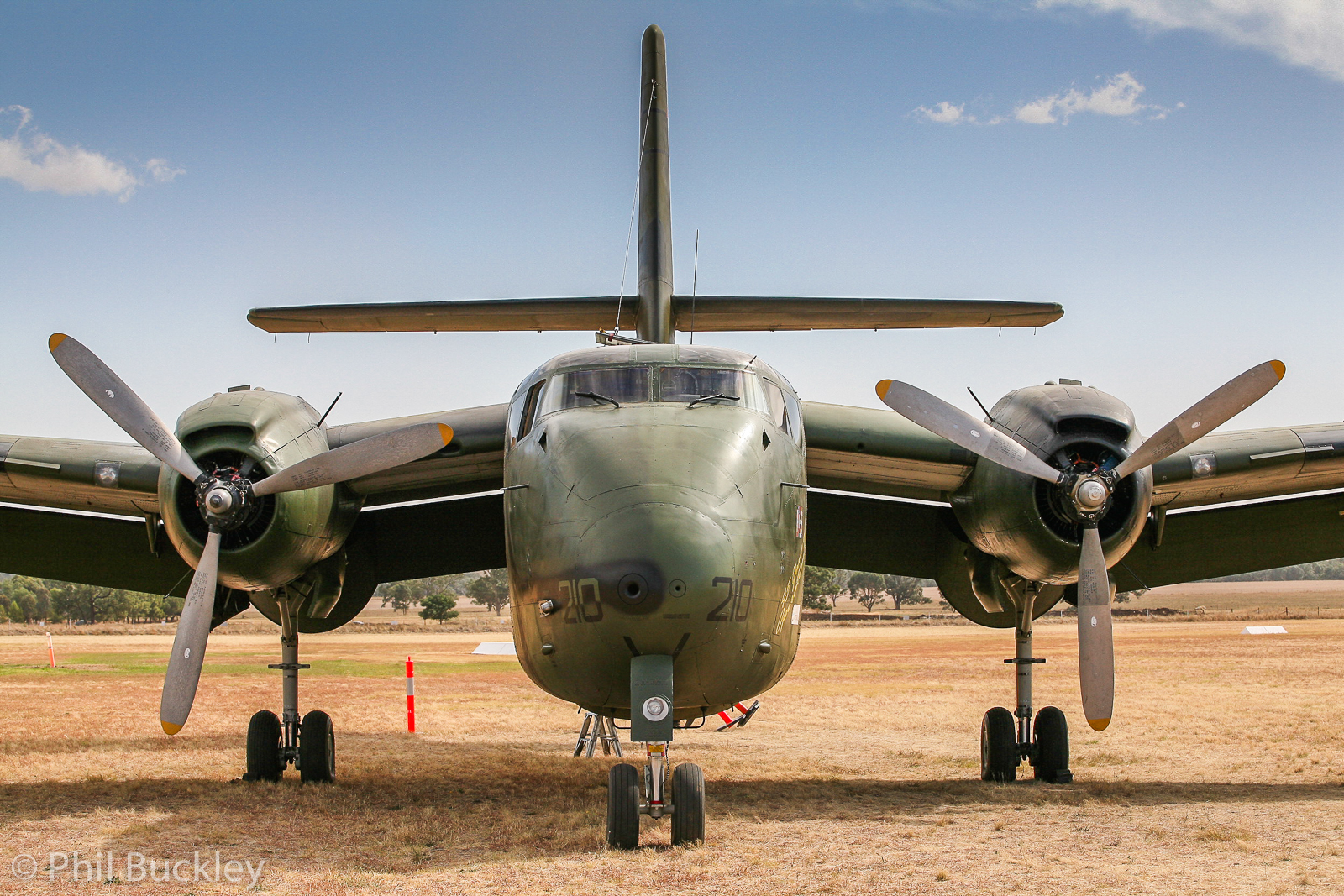
On July 30, 1958—67 years ago today—the de Havilland DHC-4 Caribou made its first flight. Built in Canada by de Havilland Aircraft of Canada Ltd., the Caribou was specifically designed for tactical cargo transport and short takeoff and landing (STOL) operations. Its rugged design and exceptional performance on short, unimproved runways made it highly valuable to both military and civilian operators around the world. The DHC-4 was the third STOL aircraft in de Havilland’s lineup, following the success of the DHC-2 Beaver and DHC-3 Otter. However, it was the company’s first twin-engine STOL aircraft. From the outset, it was designed with military utility in mind—capable of landing and taking off from runways as short as 1,200 feet. This made it ideal for remote and austere environments.
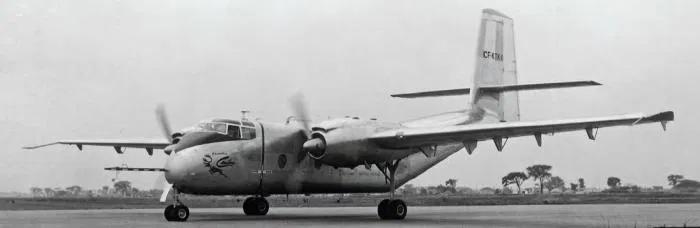
The Caribou was adopted by the Royal Canadian Air Force, the Royal Australian Air Force, and the U.S. Army—later transferred to the U.S. Air Force and redesignated from CV-2 to C-7. It saw extensive use in Vietnam, where its ability to operate from frontline airstrips proved essential for tactical airlift missions. The aircraft also served with Air America, the CIA’s covert airline, during Cold War operations in Southeast Asia.
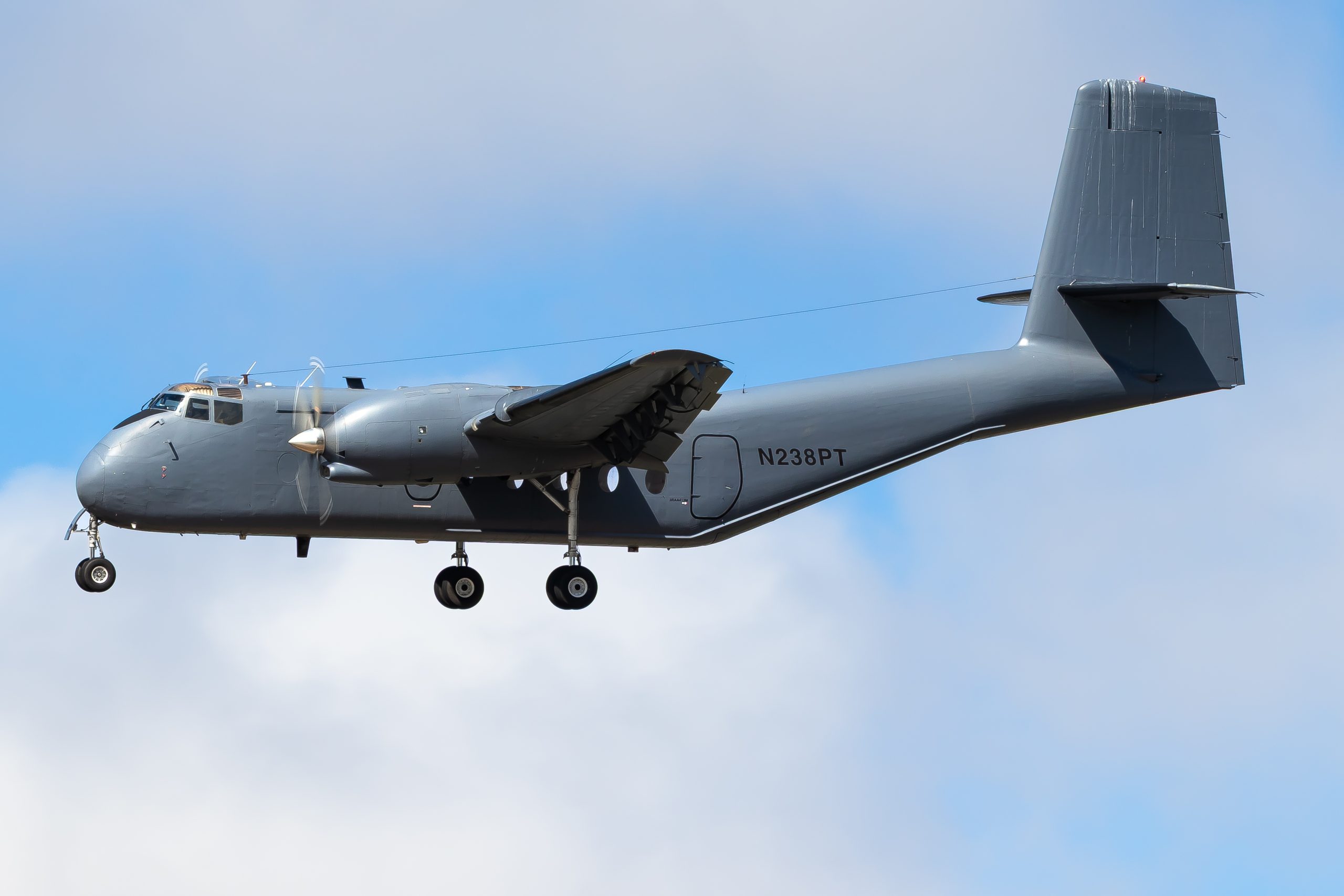
In addition to military use, the Caribou found favor with commercial operators. Early adopters such as Ansett-MAL and Amoco Ecuador utilized it for cargo hauling in remote regions. Its impressive STOL performance made it especially useful in areas with minimal aviation infrastructure. Between 1958 and 1968, a total of 307 Caribous were built. A number of these aircraft survive today, with several still flying in utility roles across the globe.
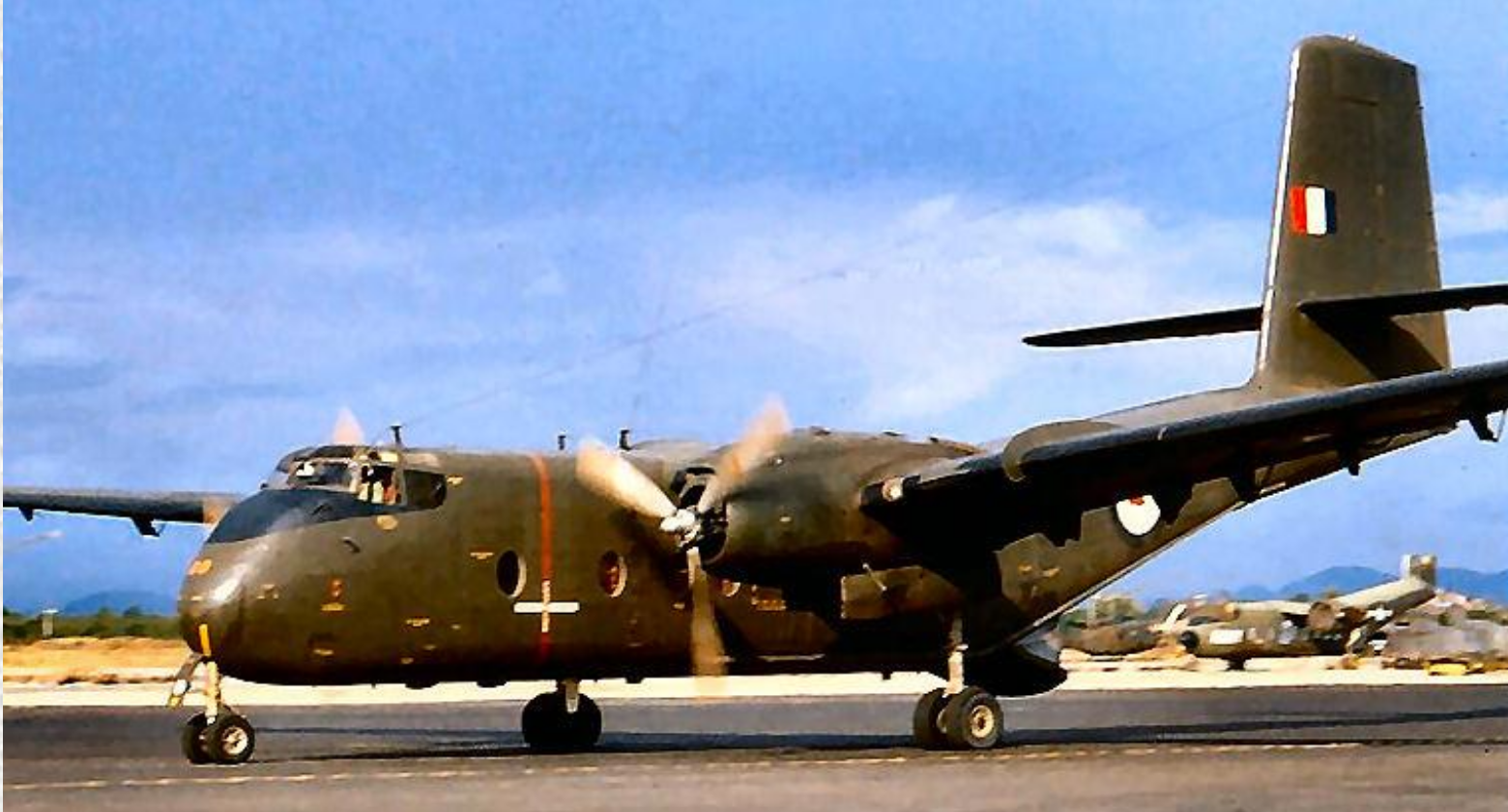
The DHC-4A Caribou was typically crewed by two pilots and a loadmaster. It could carry up to 30 civilian passengers, 32 troops, 26 fully armed paratroopers, or 22 stretcher-bound patients along with four standing patients and four nurses. Powered by two 1,450-horsepower Pratt & Whitney R-2000-7M2 Twin Wasp radial engines, the Caribou had a maximum speed of 215 mph and cruised comfortably at 182 mph. With a full fuel load, its range extended to 1,136 nautical miles, though that dropped to just 211 nautical miles when fully loaded with cargo. The aircraft had a service ceiling of 24,800 feet, reduced to 8,800 feet in the event of an engine failure. Reliable, rugged, and adaptable, the de Havilland Caribou earned a reputation as a true workhorse—proving itself in combat zones, on jungle airstrips, and in the world’s most remote operating environments. Its legacy endures today in the few remaining examples that continue to take to the skies.