
By Randy Malmstrom
Since his childhood, Randy Malmstrom has had a passion for aviation history and historic military aircraft in particular. He has a particular penchant for documenting specific airframes with a highly detailed series of walk-around images and an in-depth exploration of their history, which have proved to be popular with many of those who have seen them, and we thought our readers would be equally fascinated too. This installment of Randy’s Warbird Profiles takes a look at the Museum of Flight’s Aviatik (Berg) D.I Scout, s/n 101.40.
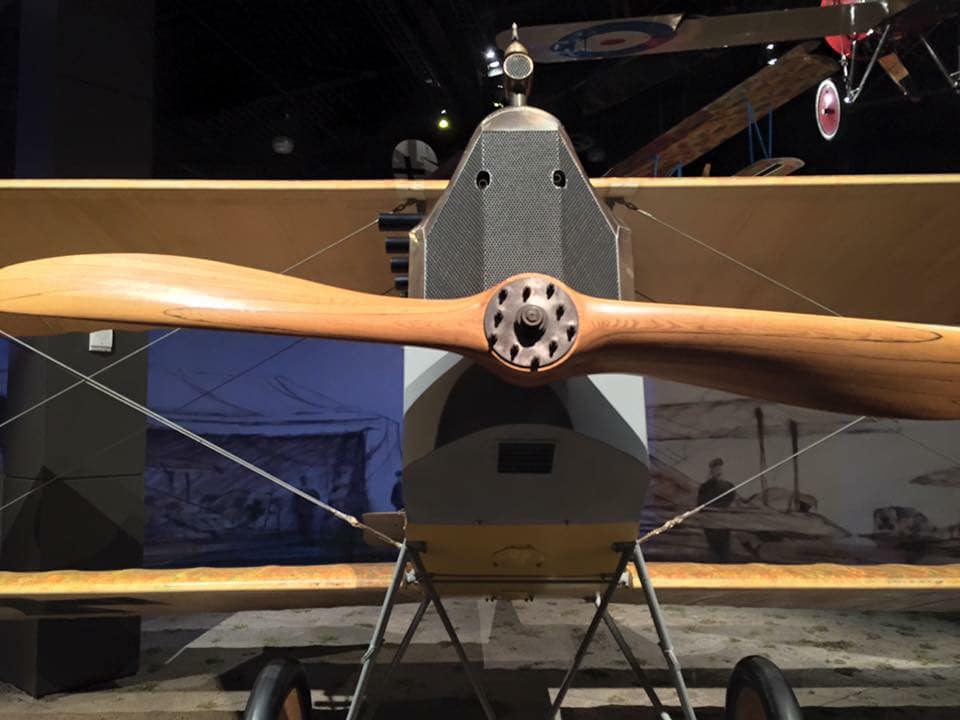

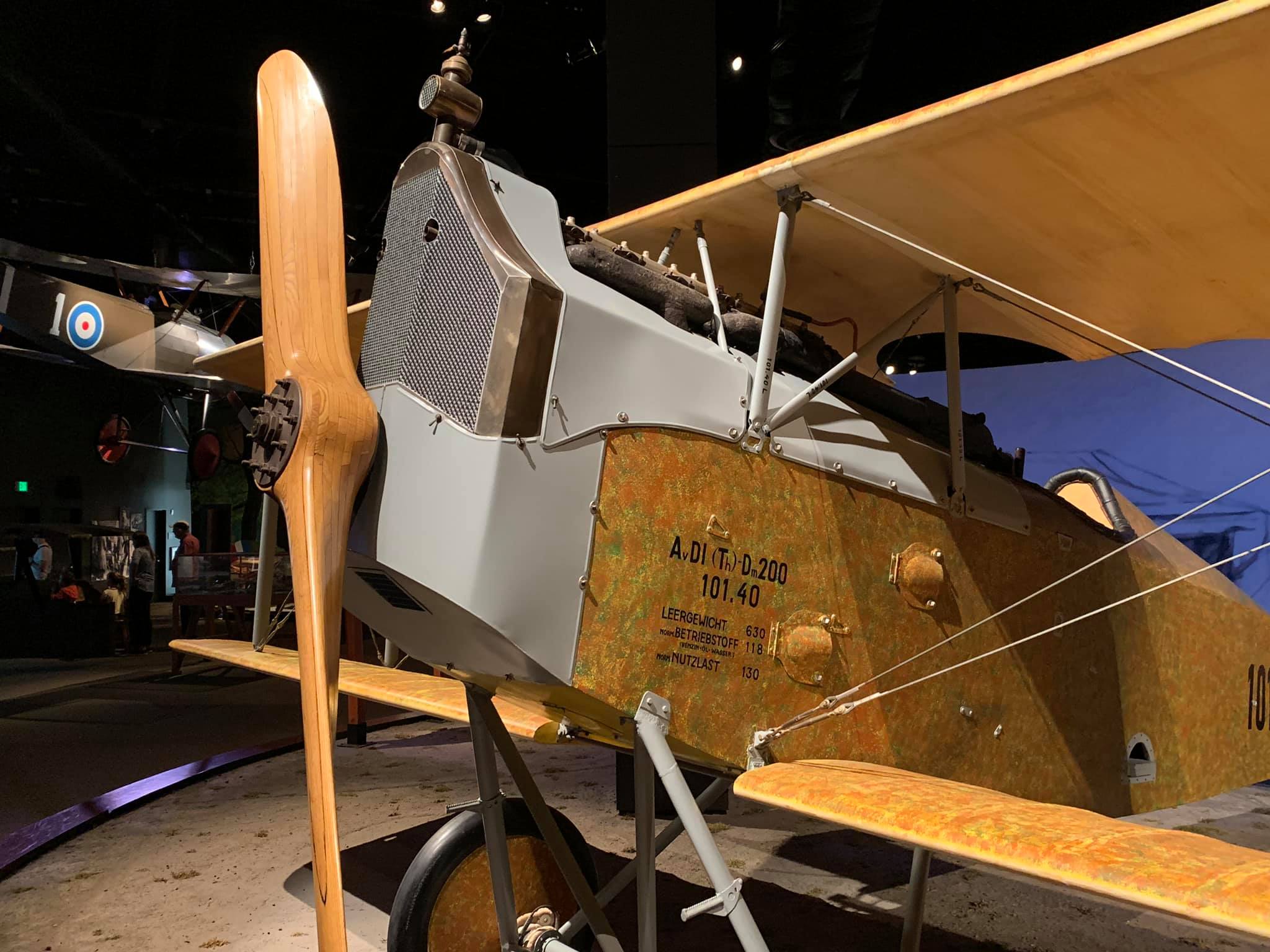
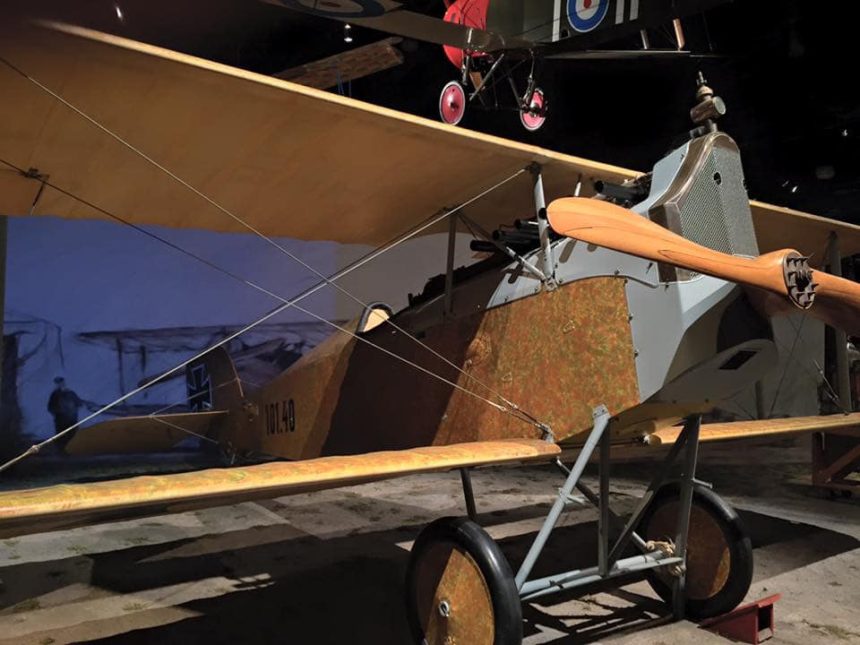
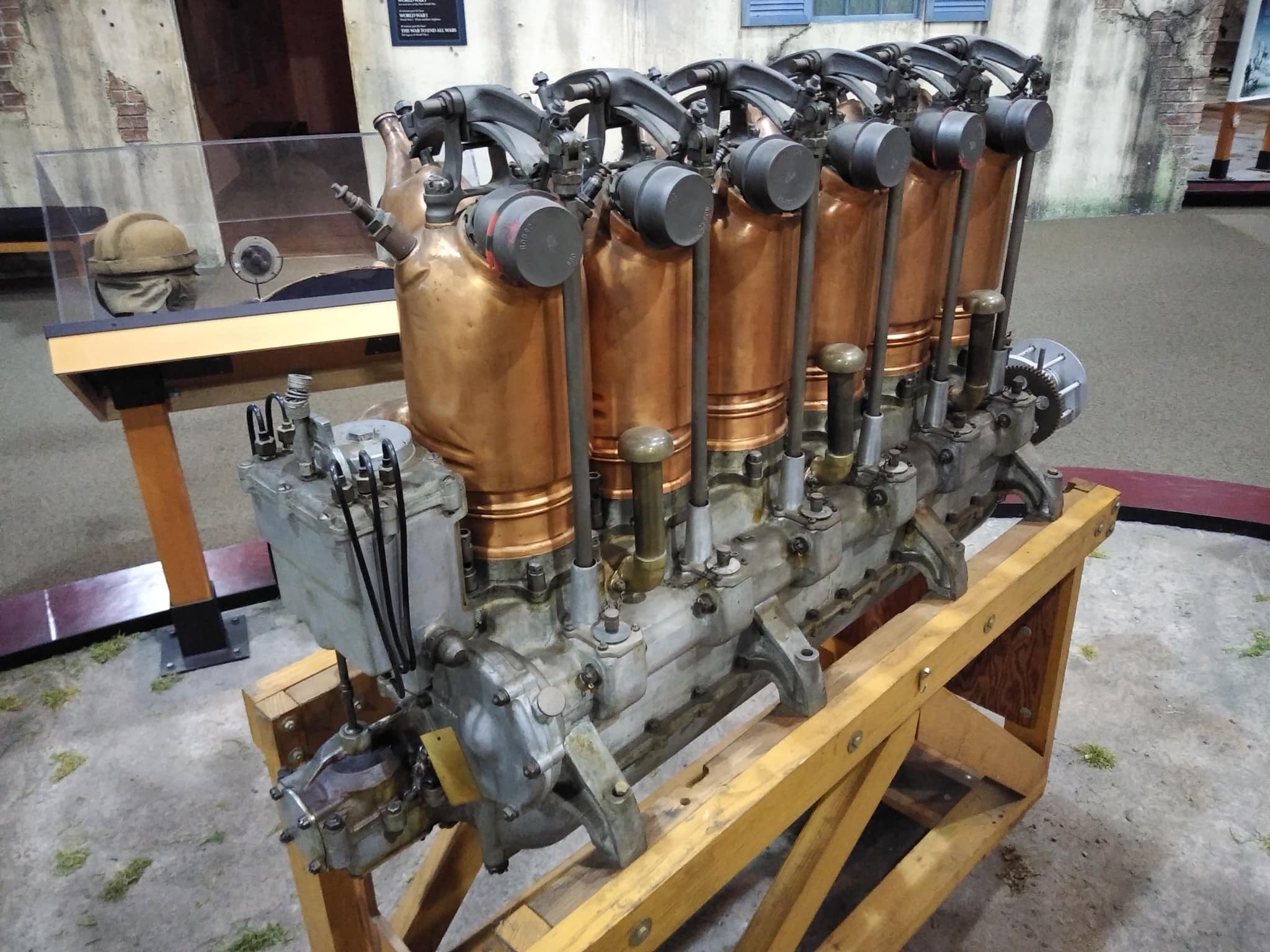
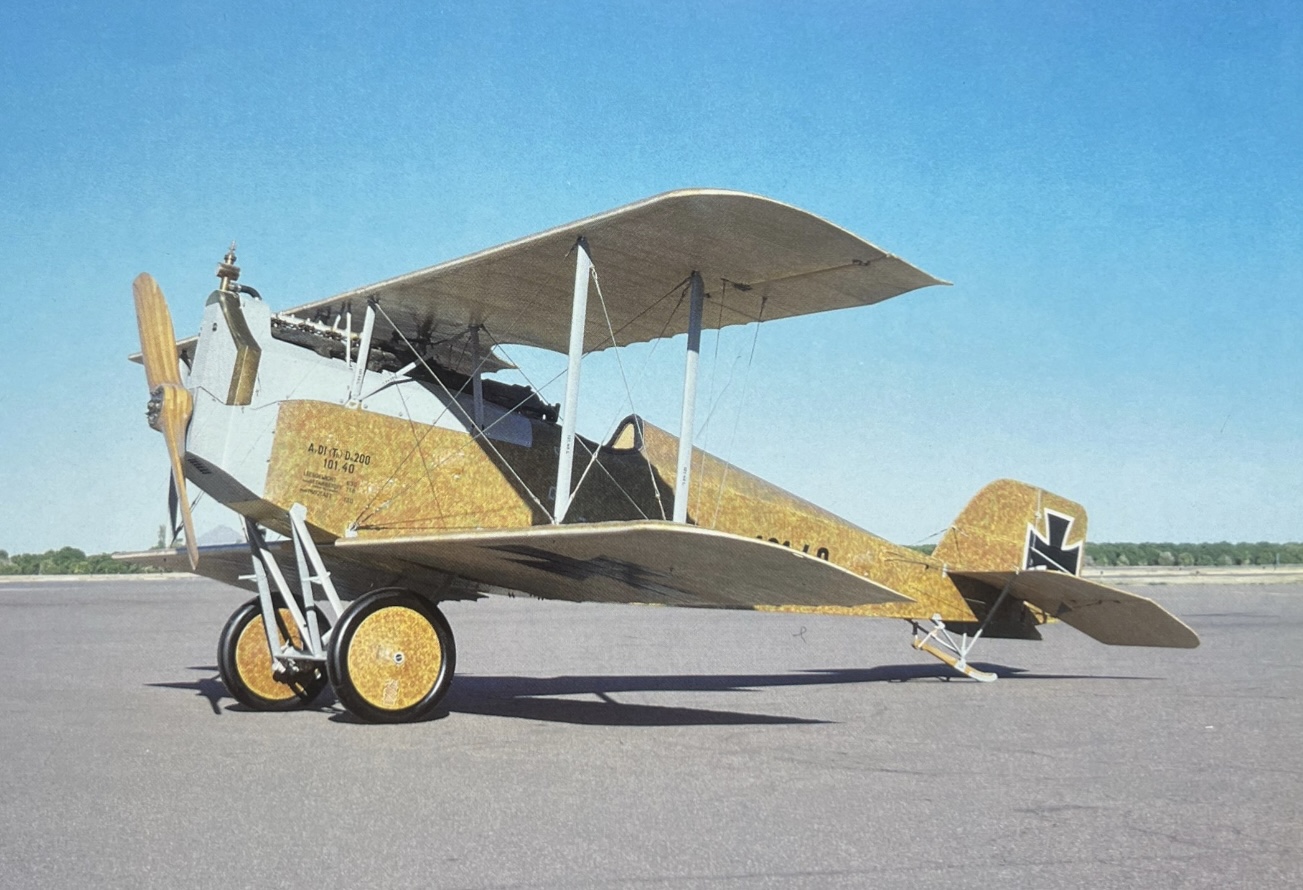
This particular aircraft was built in 1918 as part of Series 101 of the aircraft type, all of those having been built by the small aircraft plant of Thöne & Fiala of Vienna (hence the “Th.” designation and which plant built both Series 101 and Series 202 of the aircraft type), one of five manufacturers of the aircraft under license from Automobil und Aviatik AG. Records indicate that the Series 101 aircraft served with various Austro-Hungarian Empire squadrons such as Fliegerkompanie Flik 31P in a reconnaissance role; and the Flik 17 and Flik 56J in a fighter role. It was located and acquired by aircraft builder and restorer Art Williams in Europe after it had been owned by the Berg estate. Doug Champlin acquired it in 1978 and completed the restoration, including a pair of Schwarzlose 8mm 07/12 machine guns, the rare Austro-Daimler in-line engine, and the detail of the brass hand-built automobile-type radiator. It is now on static display at Museum of Flight (MOF) on (what is referred to as) Boeing Field in Seattle, Washington.
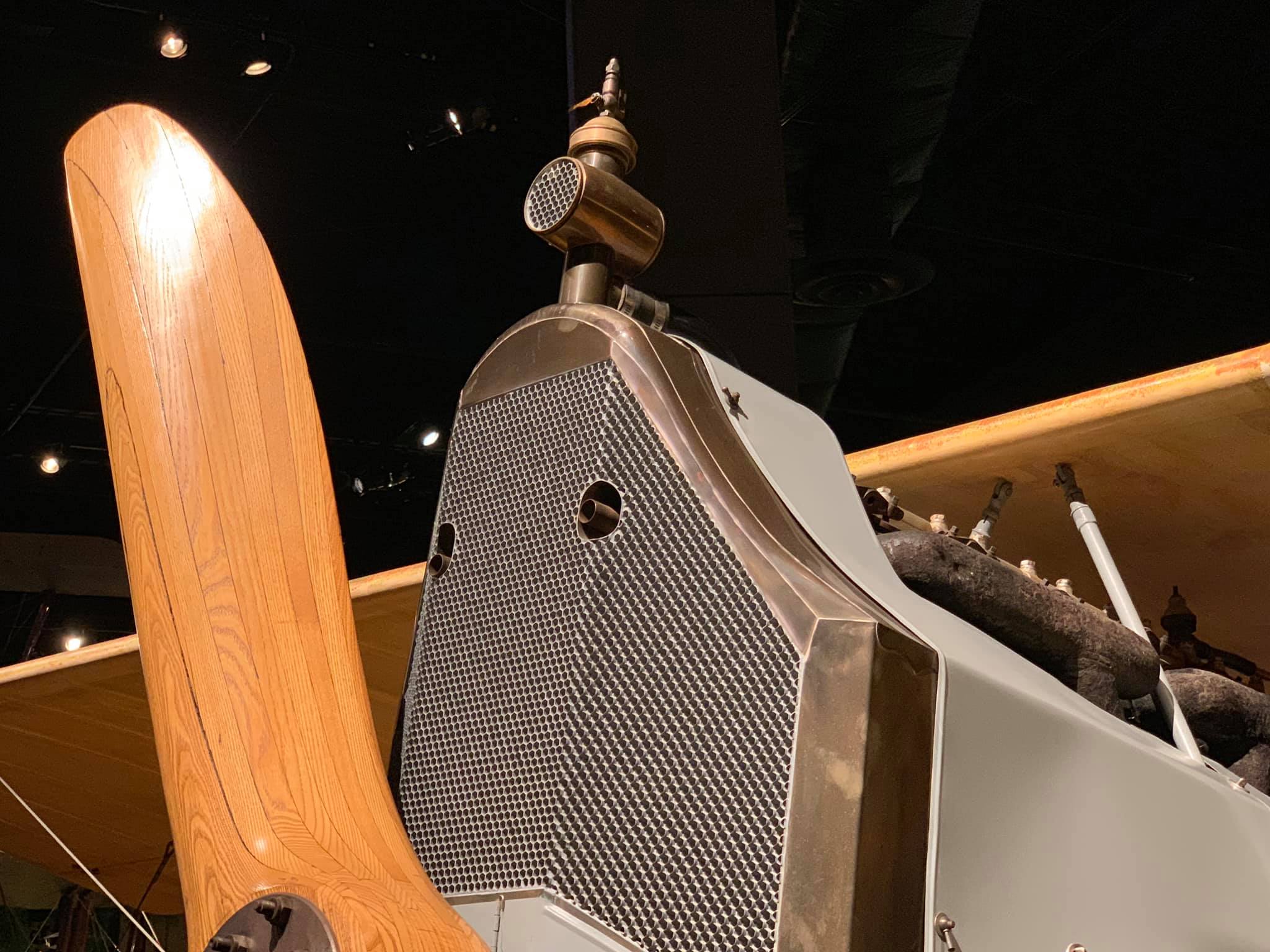
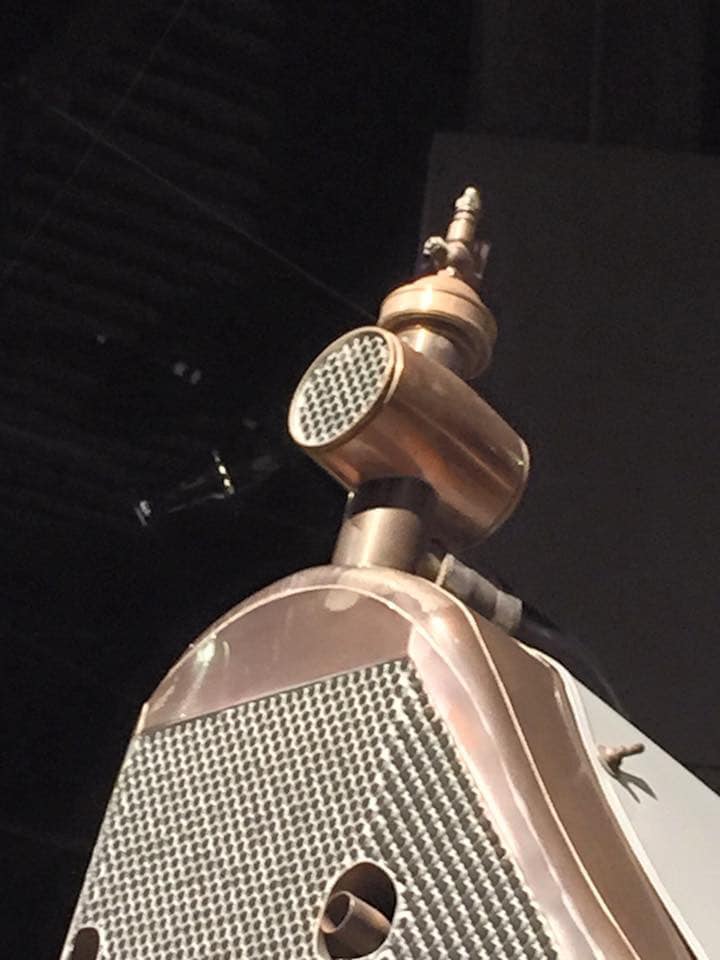
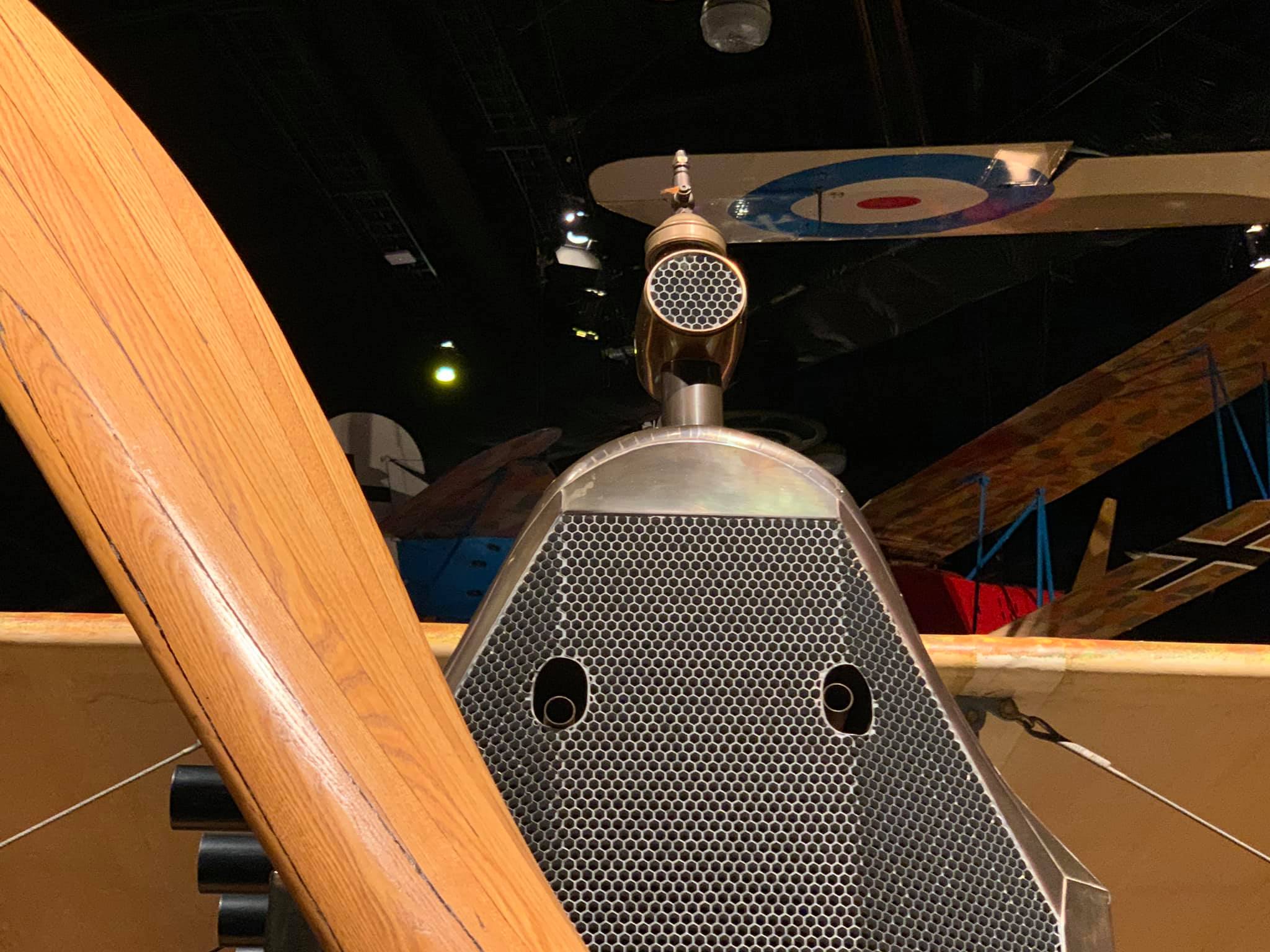
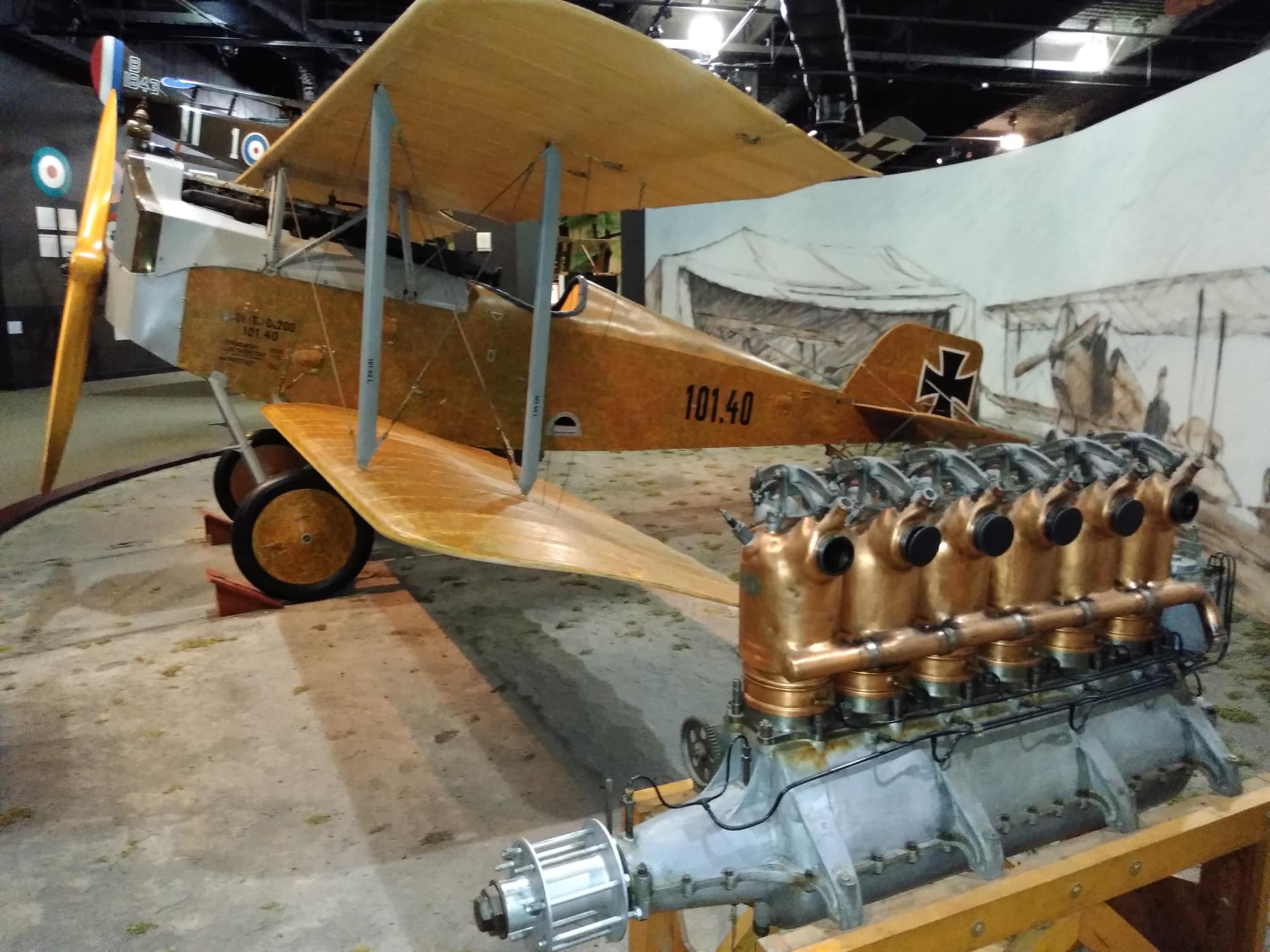
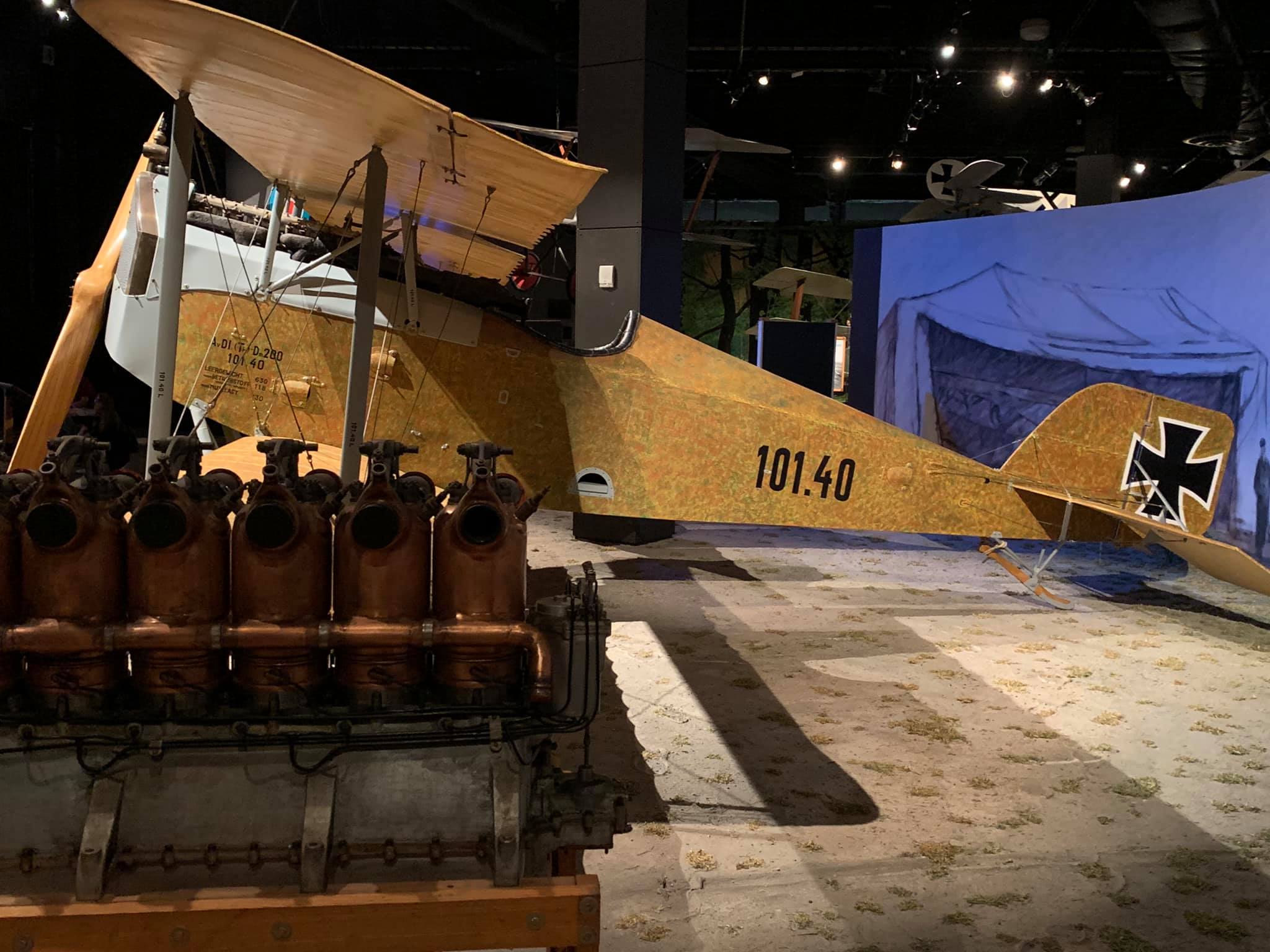
While it is still not clear to me why, I have seen reference that it is painted “generically” to represent Austro-Hungarian pilots Offizierstellvertreter Julius Arigi (credited with 32 victories with Flik 1J, 6, 41J, 55J), Oberleutnant Frank Linke-Crawford (30 confirmed victories with units Flik 41J and 60J), and Oberleutnant Béla Macourek (5 victories with Flik 23, 6F and 1J). Design of the D.I began in August 1916 by production director Julius von Berg of Automobil und Aviatik AG (hence the “Berg” name).
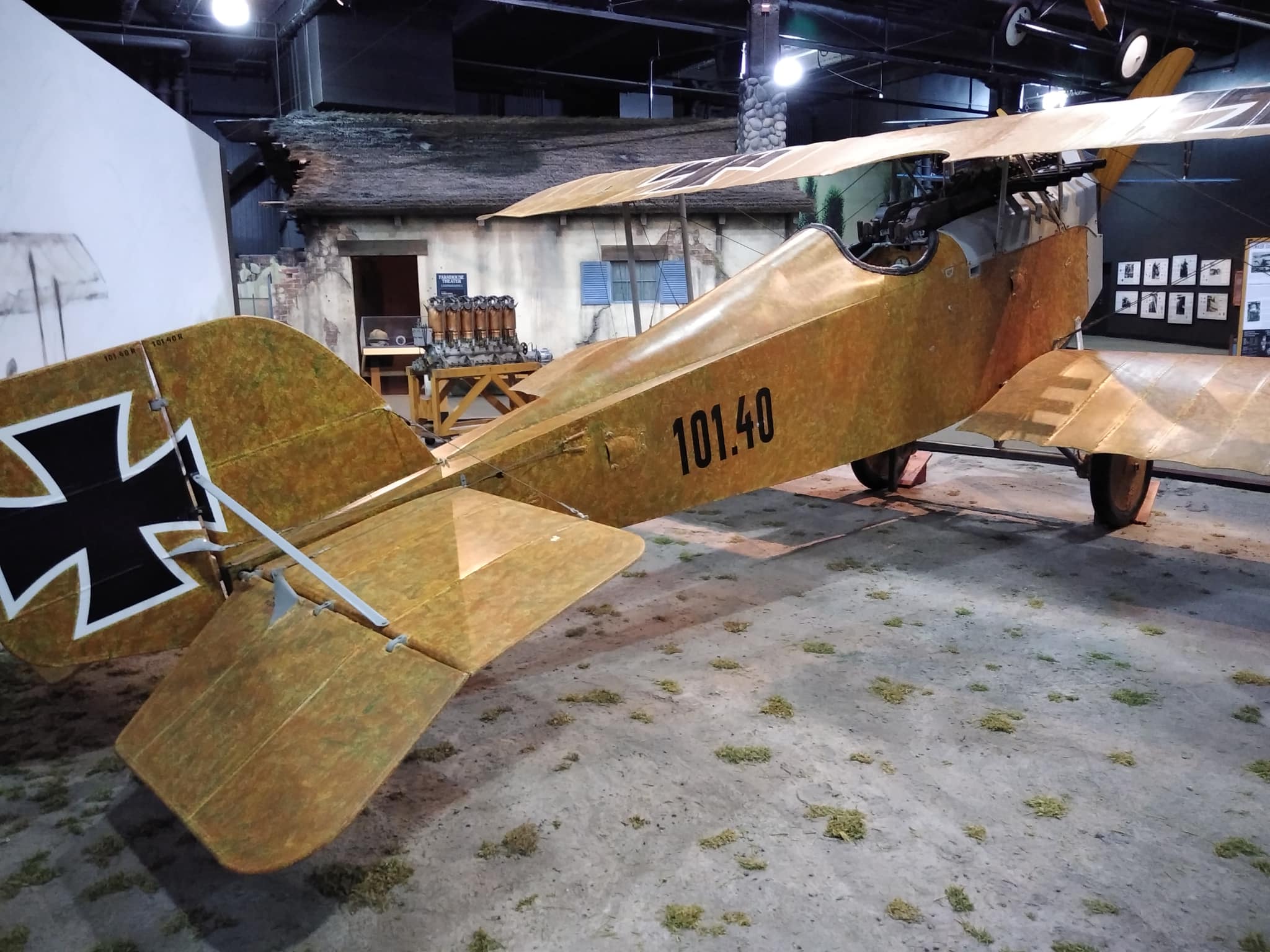
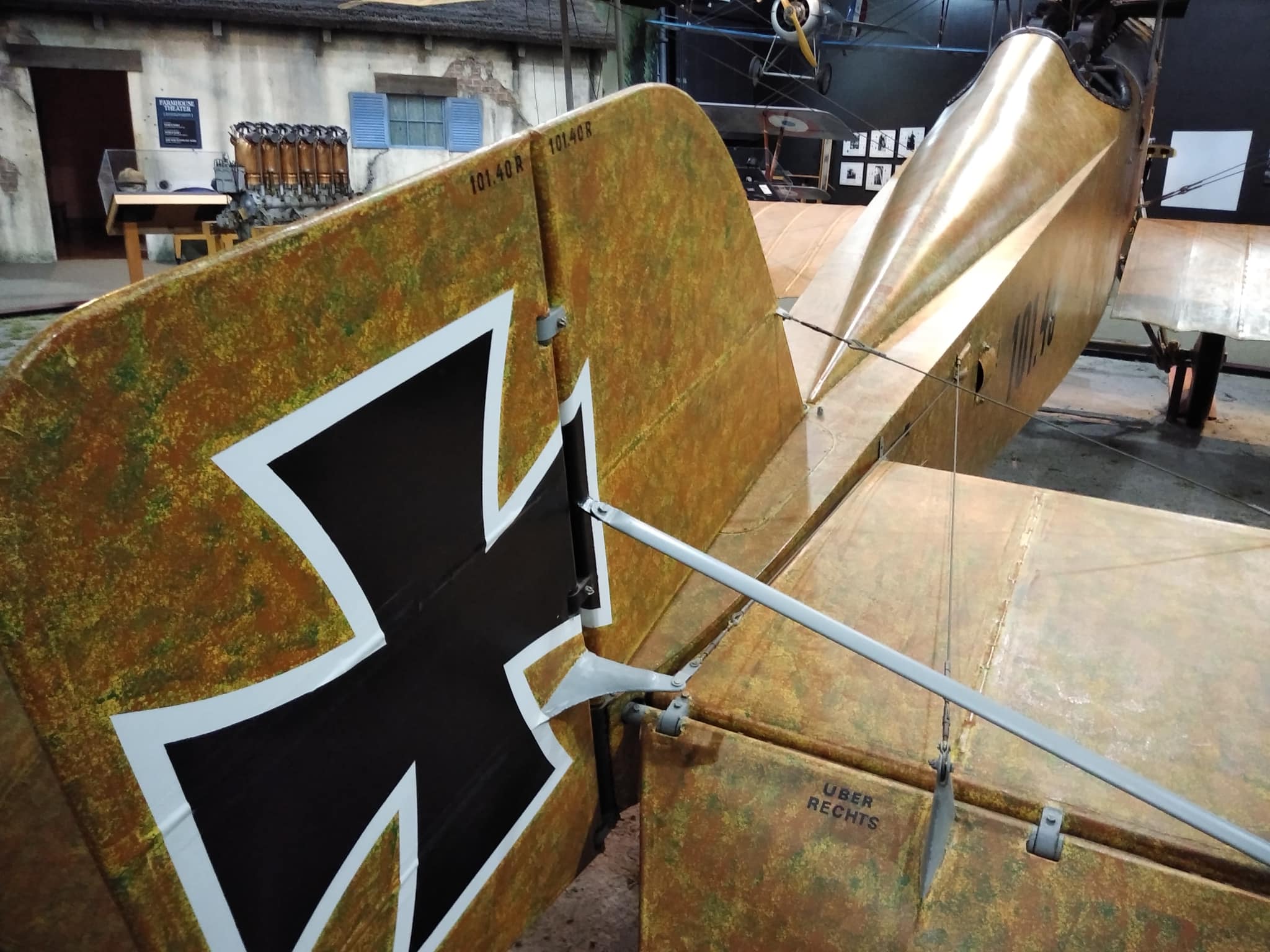
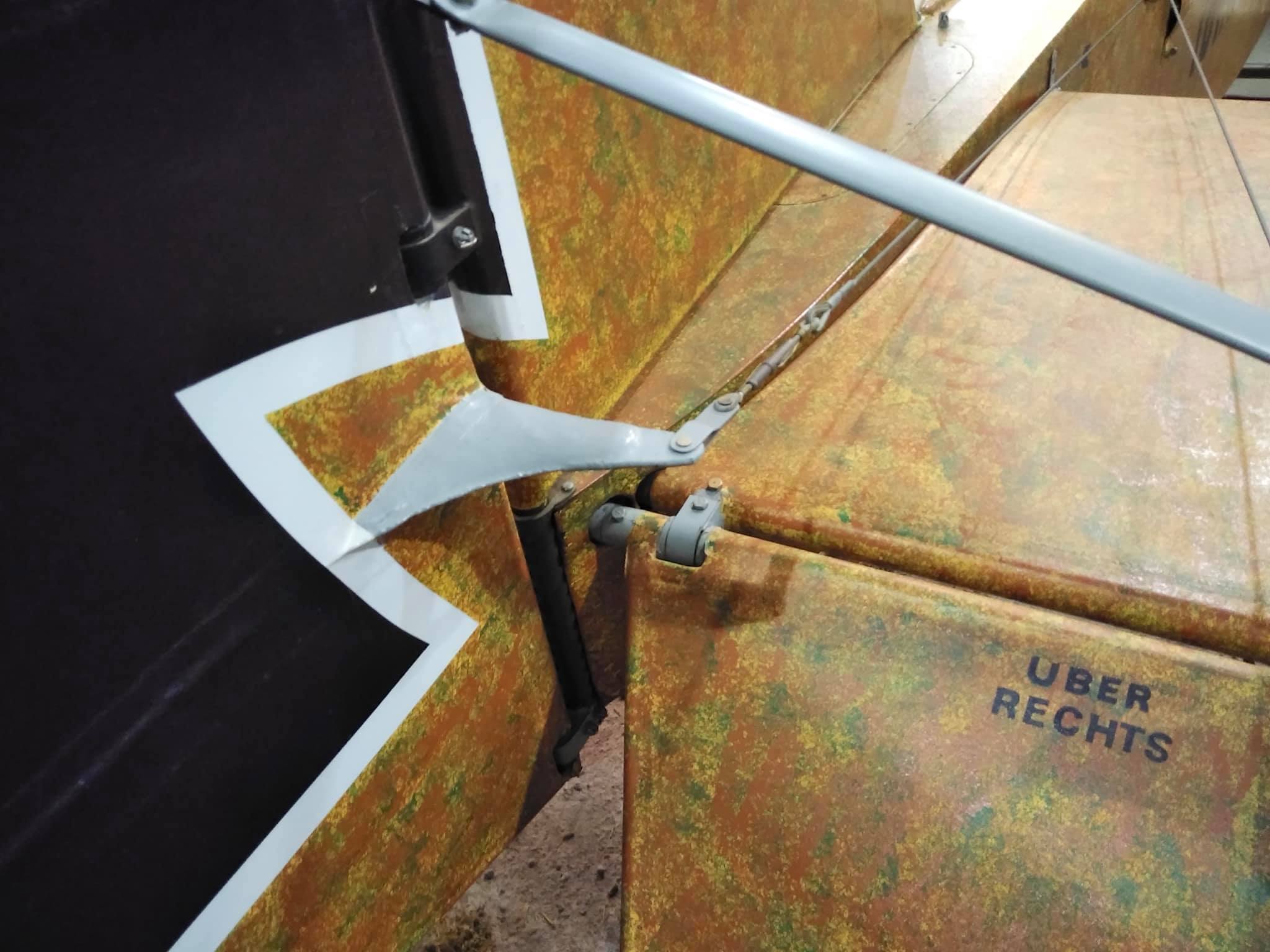
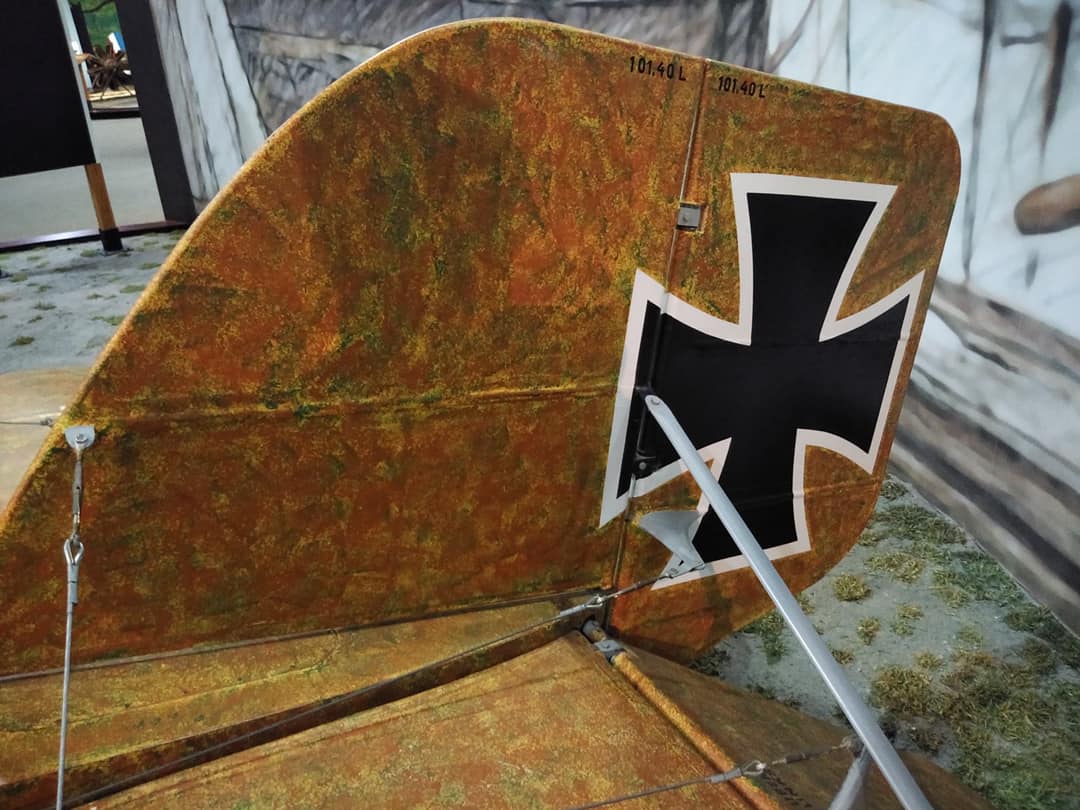
The D.1 came to be considered the first fully purpose-designed fighter aircraft type for the Austrian KuKLFT (Kaiserliche und Königliche Luftfahrtruppen, or K.u.K. Luftfahrtruppen, the Imperial and Royal Aviation Troops). Confusing matters as to the name, the German parent company of Aviatik also built an aircraft named the “Aviatik D.I,” but this was actually a license-built Halberstadt D.II single seat scout fighter for the German Imperial Air Service (Deutsche Luftstreitkräfte) and which was later re-designated the Halberstadt D.II(Av).

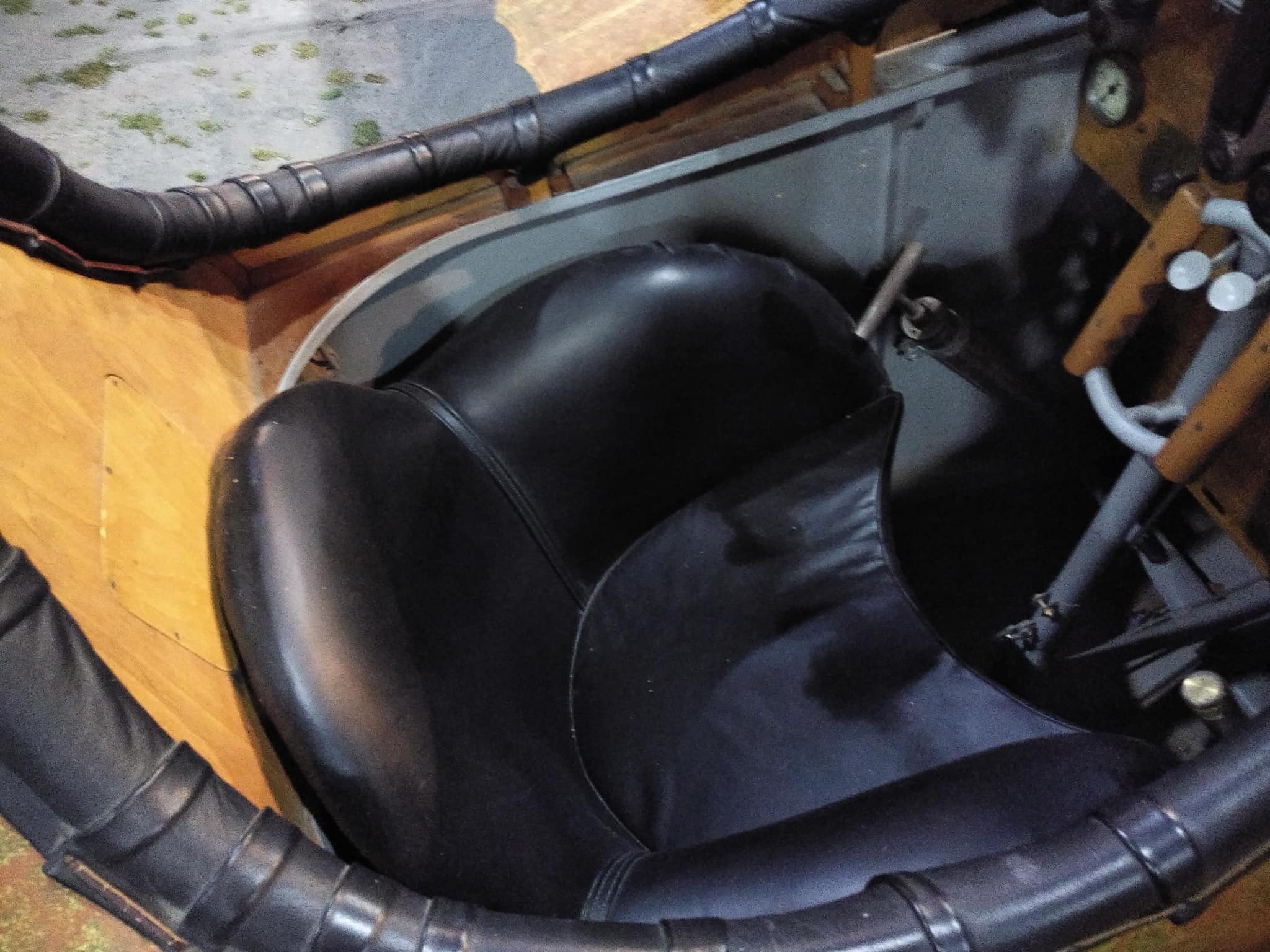
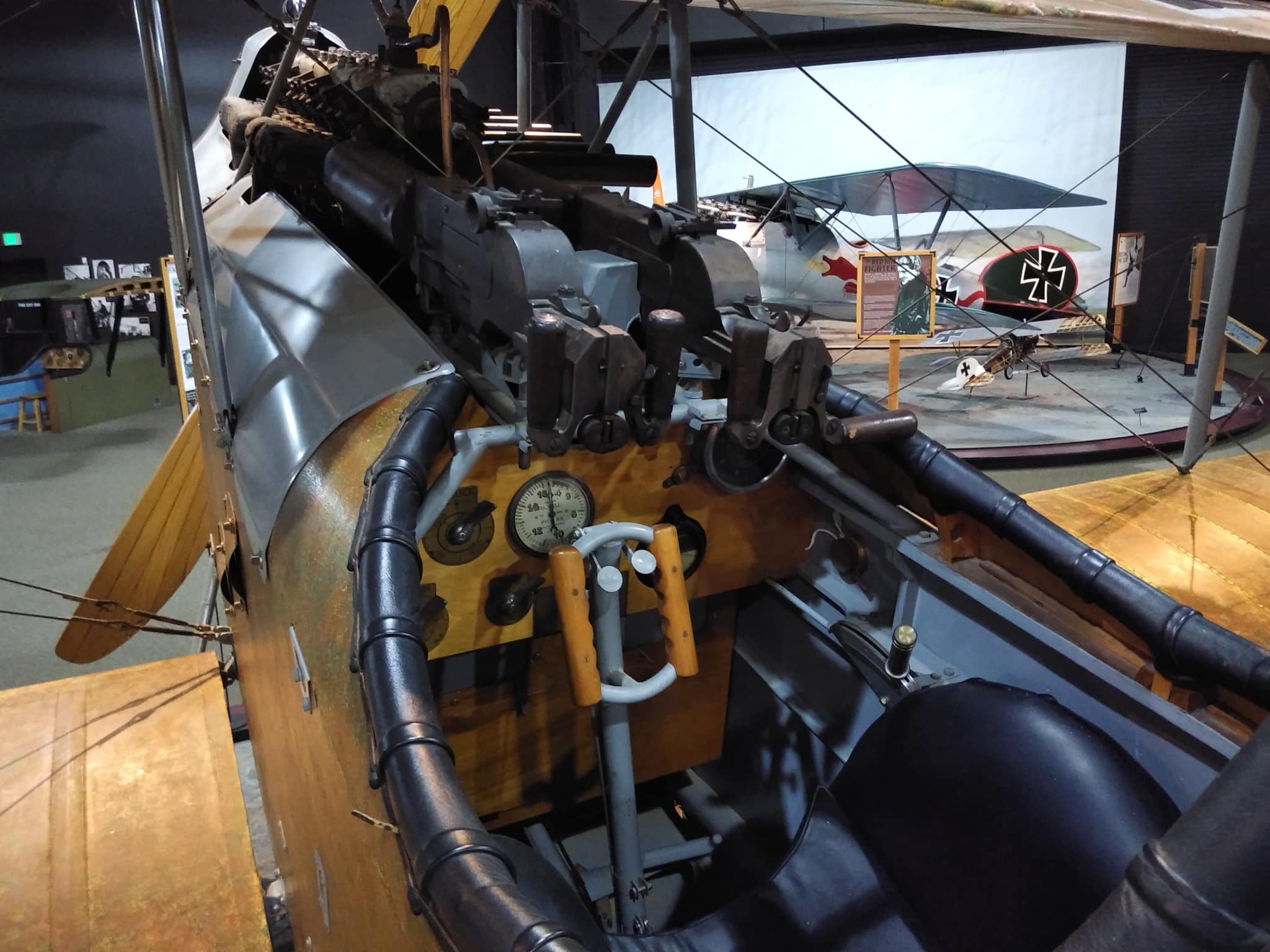
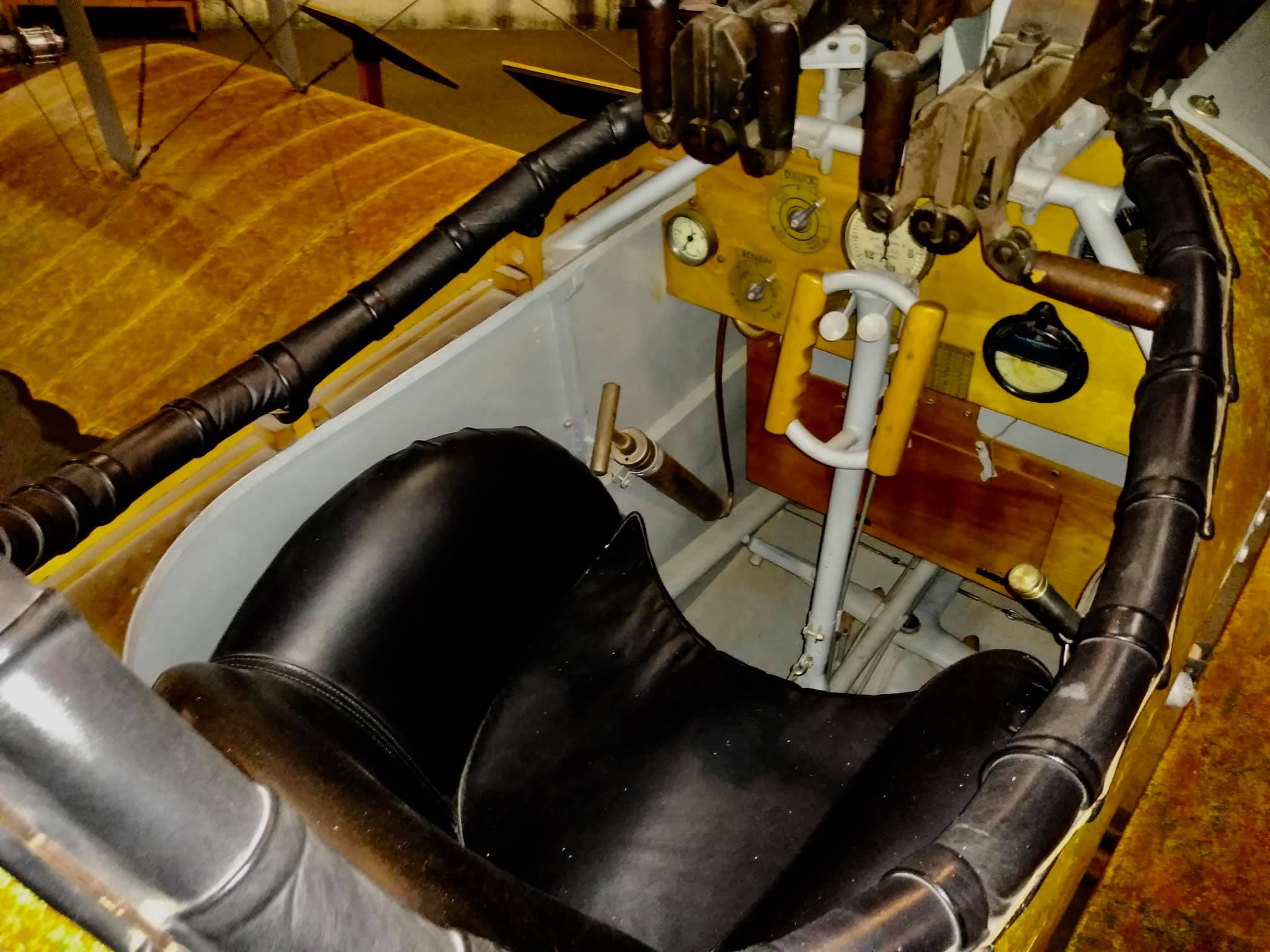
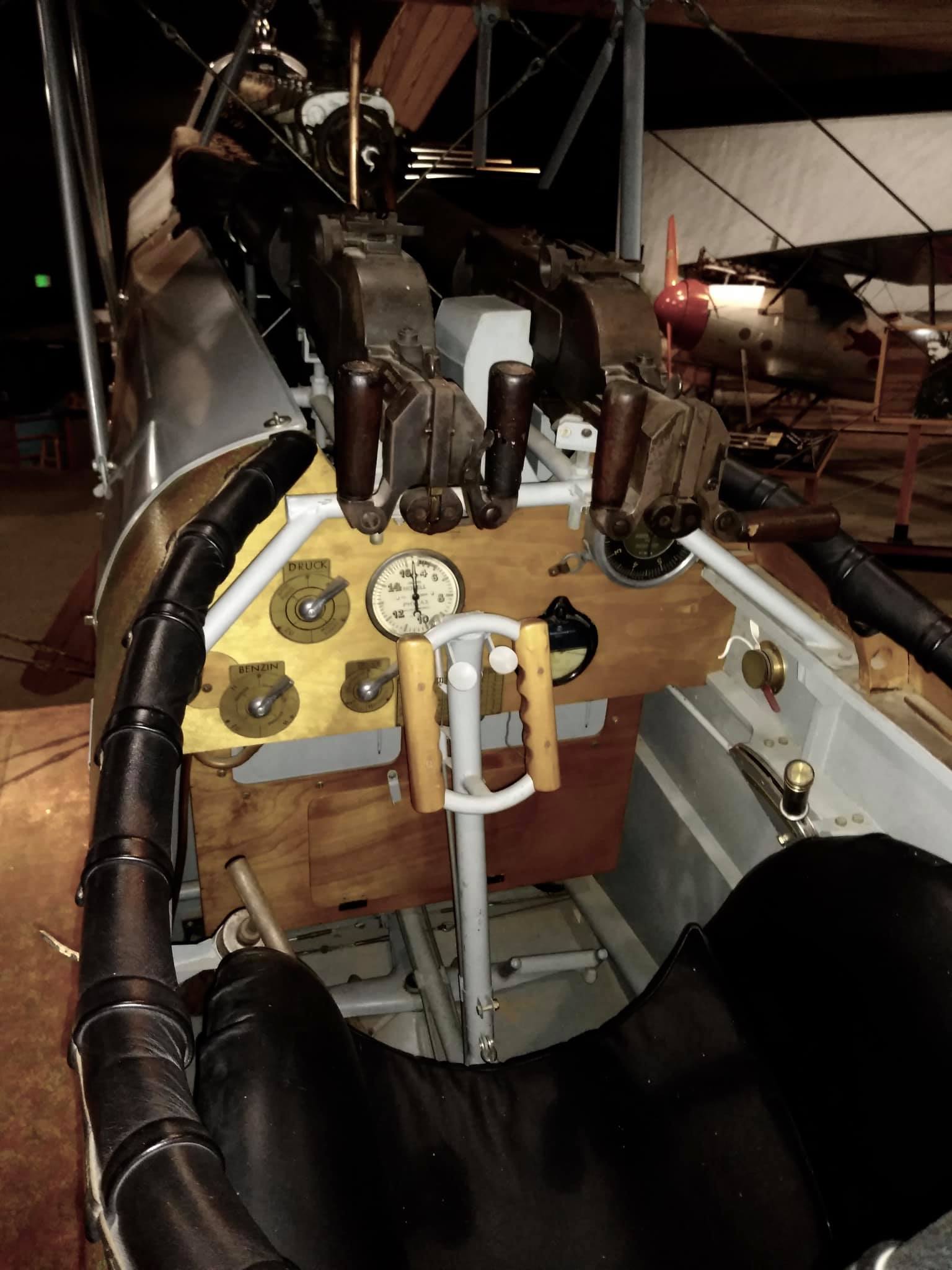
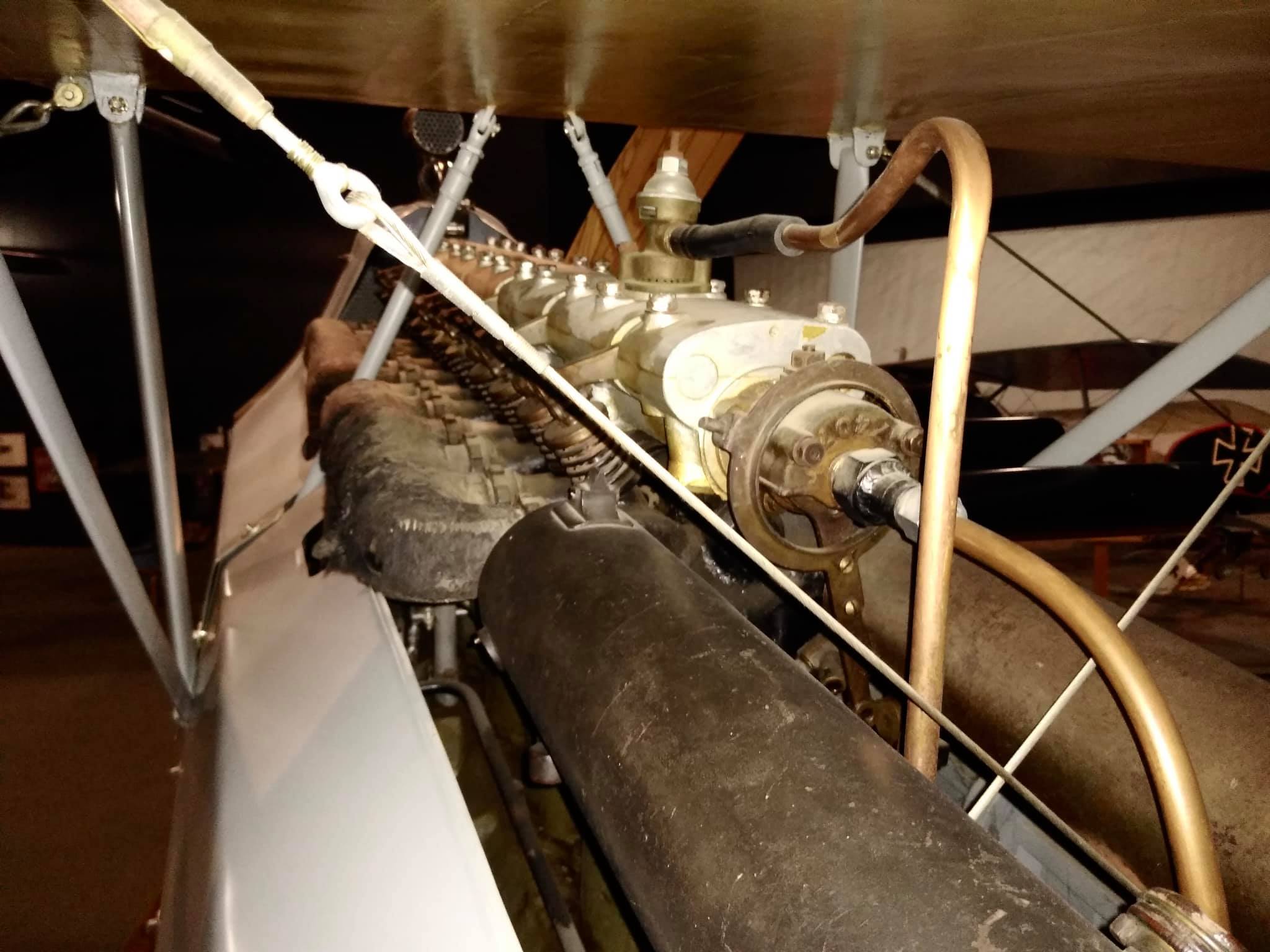
The prototype first flew on October 16, 1916, at Aspern, Donaustadt (a district of Vienna), which resulted in the death of the test pilot. Modifications were made that included: airframe (a narrow, deep fuselage with the pilot located relatively high in the cockpit affording good visibility; the thin wing ribs used initially deviated from the original Berg design and were prone to deform and break in flight, fabric was known to tear away, and was redesigned), a pair of 8mm 07/12 Schwarzlose machine guns mounted on the cowling (the aircraft was initially armed with one Schwarzlose 8mm 07/12 machine gun fitted to the top wing assembly and situated out of reach of the pilot which meant that jammed guns remained that way until repairs could be made on the ground), and radiator (the latter being a large automobile-type unit fitted in the nose of the aircraft when two side radiators were found to cause engine overheating – the engine covers were also known to be removed).
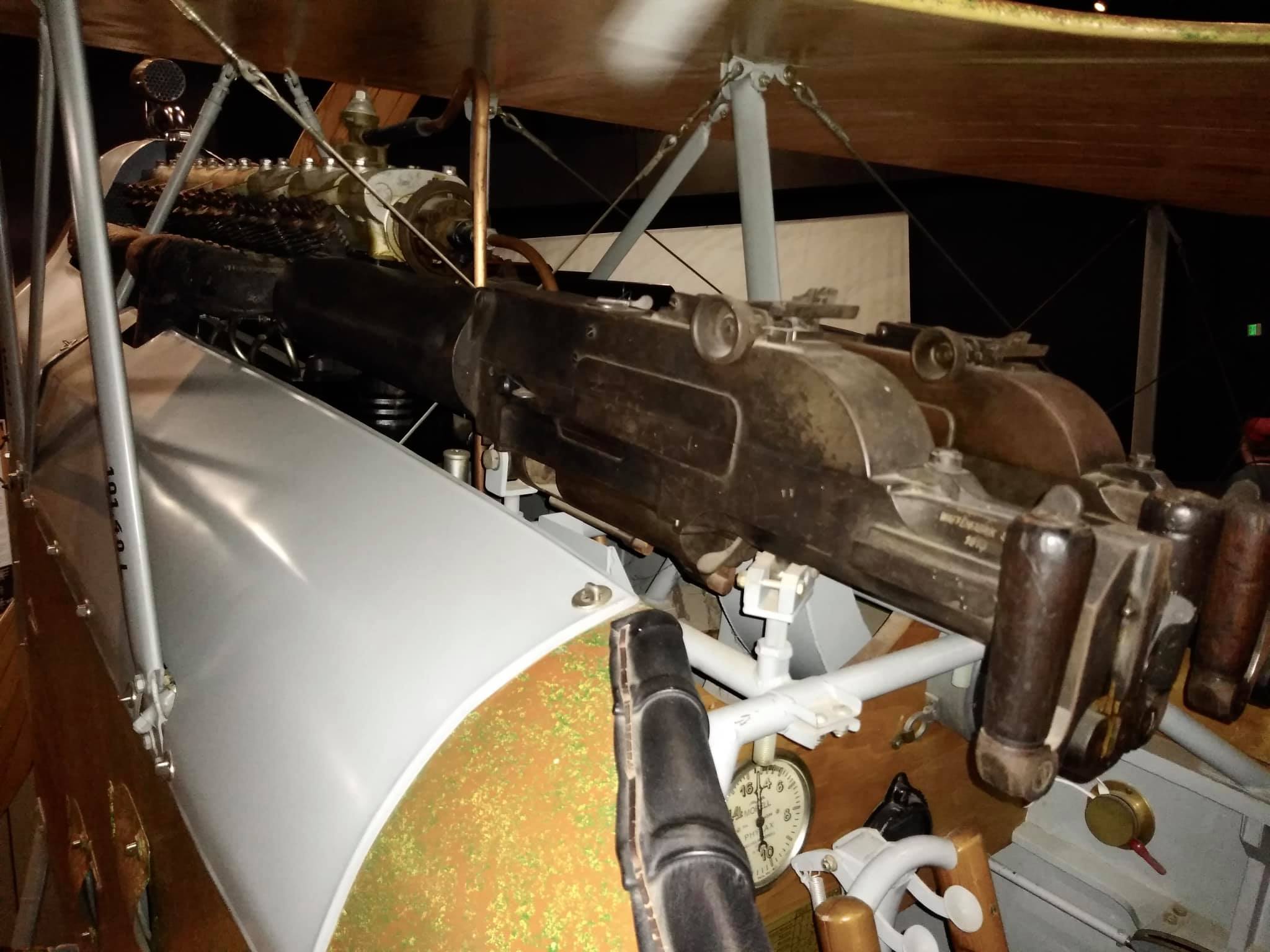
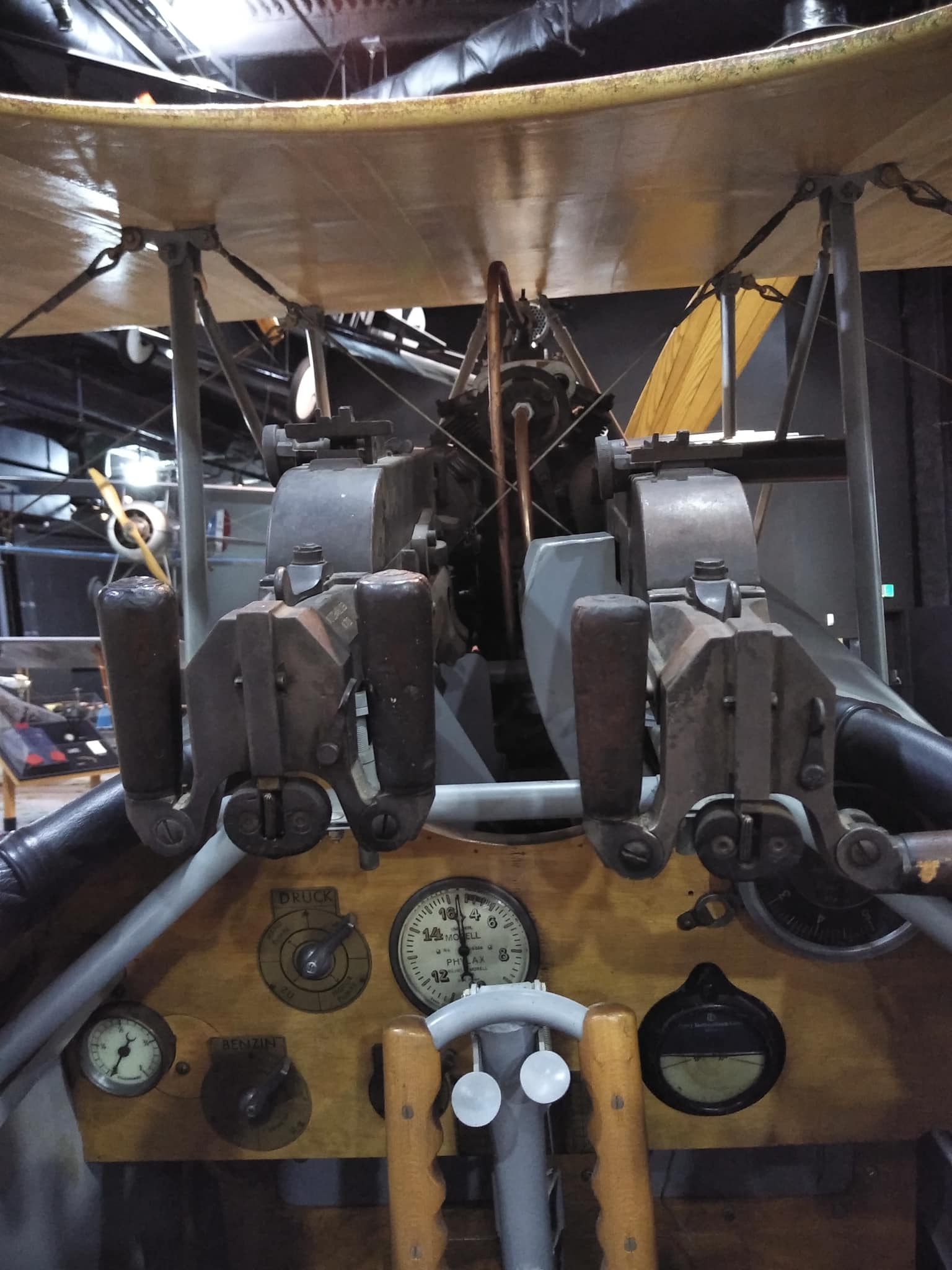

The D.I entered service in 1917 and was flown primarily by the KuKLFT on the Eastern, Italian and Balkan fronts, serving to a large extent as an escort for reconnaissance aircraft and was referred to as the “Berg Scout.” In all, 677 aircraft were delivered, including those built under license by five subcontractors. The Aviatik D.II series commenced in 1918, but World War I ended before they entered service. The D.I was fitted with a 200 hp. (147 kW) Austro-Daimler liquid cooled 6-cylinder in-line engine (the first Austro-Daimler 6-cylinder engine was designed by Ferdinand Porsche). Armament consisted of two synchronized, fixed forward-firing 8mm 07/12 Schwarzlose machine guns (designed by the Prussian Charlottenburg-born (a borough of Berlin) firearms designer Andreas Wilhelm Schwarzlose) on each side of the cylinder block and firing through the propeller.
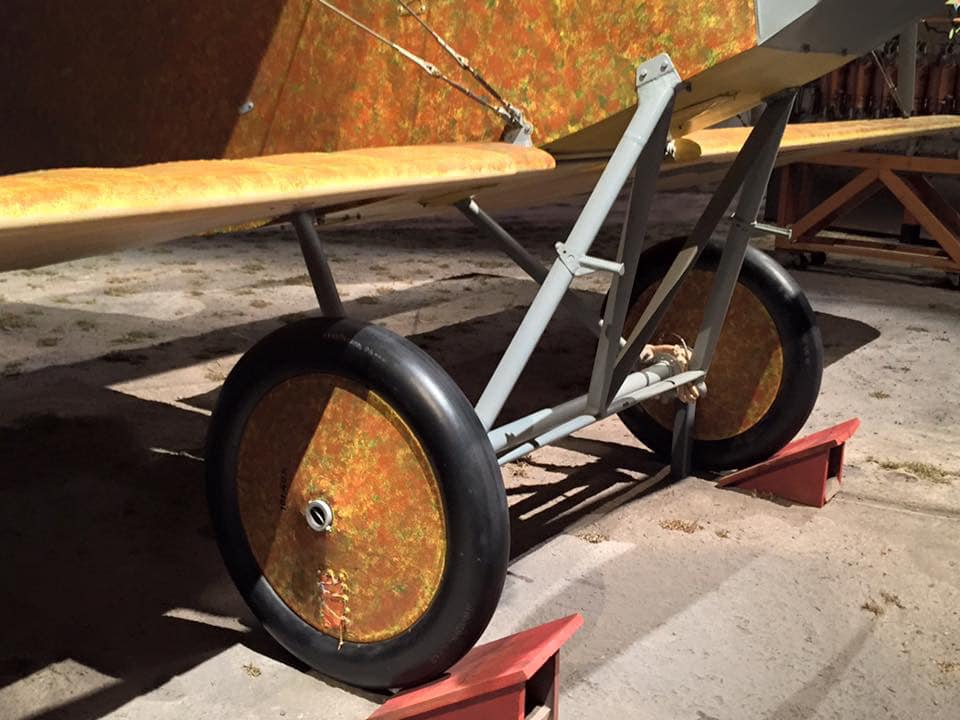
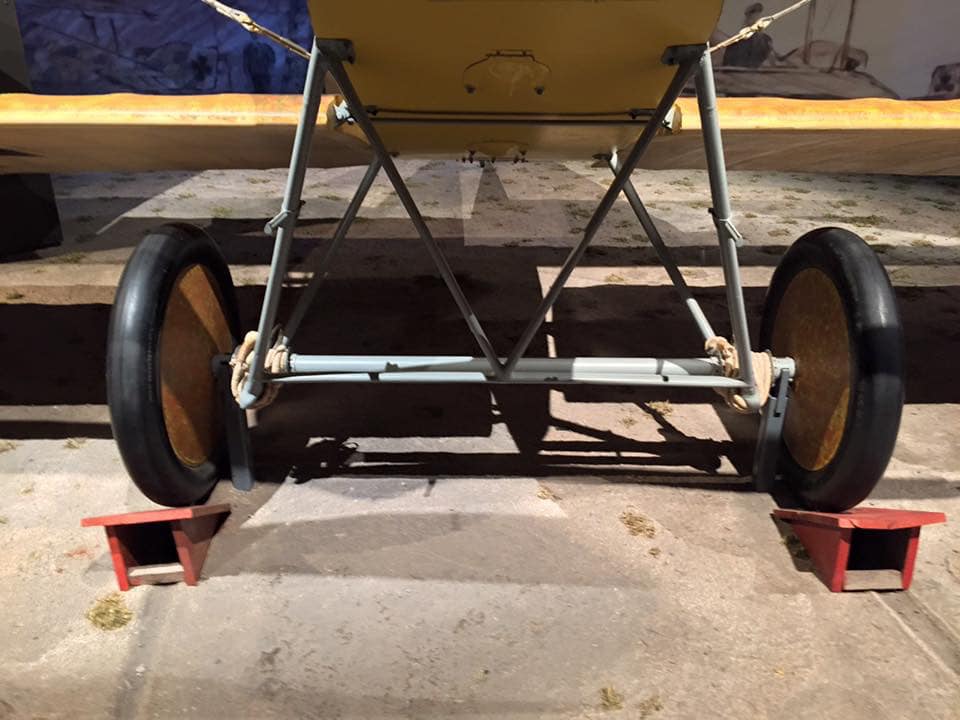
The undercarriage was of the standard V-type with the struts joined by a horizontal tube with steel cables for strength and stability. The shock absorbers were also standard bungee chords (“bungee”or “bungie” is thought to be British slang for India-produced rubber). The main differences between the series were the engines (the Aviatik (Berg) for example, used Austro-Daimler engines), structural, gun, and radiator modifications.
Aviatik was established in 1910 in Mülhausen in Alsace. In 1912, the Albatros Aircraft Corp. asserted claims with the Inspectorate of Military Aviation that Aviatik was a French firm staffed by French employees, and that Peugot held a controlling interest in Aviatik. Generalmajor von Wandel, head of the War Department, reviewed the case and even contacted the general commanding the 14th Army Corps stationed in Alsace and determined that the shareholders were Alsatians and the employees “above reproach.” Aviatik relocated its main plant to Freiburg in 1914 (away from the Western Front), and spun off a subsidiary in Vienna known as Österreichische-Ungarische Flugzeugfabrik Aviatik GmvH. Austro-Hungarian ace Offizierstellvertreter Julius Arigi, born in Bohemia to a Sudenten German family and a member of Flik 12J , 4IJ and 60J, was the second highest scoring air ace in World War I (with 32, next to Austro-Hungarian ace Godwin Brumowski’s 39 confirmed victories) and the Austro-Hungarian Empire’s most decorated ace. During World War II, he was a Nazi supporter but was refused acceptance in the Nazi party for “political reasons” and was a Captain in the Luftwaffe and served as a flight instructor. Arigi flew many aircraft, the Aviatik D.I among them. Arigi (among others) reported that the Berg tended to shed skin and lose parts of the tail section or wings during violent maneuvers and steep dives, and that the engine had a tendency to overheat – modifications proved satisfactory. My photos except as indicated and many thanks to Don England formerly with MOF.
About the author 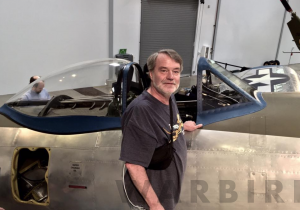 Randy Malmstrom grew up in a family steeped in aviation culture. His father, Bob, was still a cadet in training with the USAAF at the end of WWII, but did serve in Germany during the U.S. occupation in the immediate post-war period, where he had the opportunity to fly in a wide variety of types which flew in WWII. After returning to the States, Bob became a multi-engine aircraft sales manager and as such flew a wide variety of aircraft; Randy frequently accompanied him on these flights. Furthermore, Randy’s cousin, Einar Axel Malmstrom flew P-47 Thunderbolts with the 356th FG from RAF Martlesham Heath. He was commanding this unit at the time he was shot down over France on April 24th, 1944, spending the rest of the war as a prisoner of war. Following his repatriation at war’s end, Einar continued his military service, attaining the rank of Colonel. He was serving as Deputy Wing Commander of the 407th Strategic Fighter Wing at Great Falls AFB, MT at the time of his death in a T-33 training accident on August 21, 1954. The base was renamed in his honor in October 1955 and continues to serve in the present USAF as home to the 341st Missile Wing. Randy’s innate interest in history in general, and aviation history in particular, plus his educational background and passion for WWII warbirds, led him down his current path of capturing detailed aircraft walk-around photos and in-depth airframe histories, recording a precise description of a particular aircraft in all aspects.