

(Image credit: VAN)
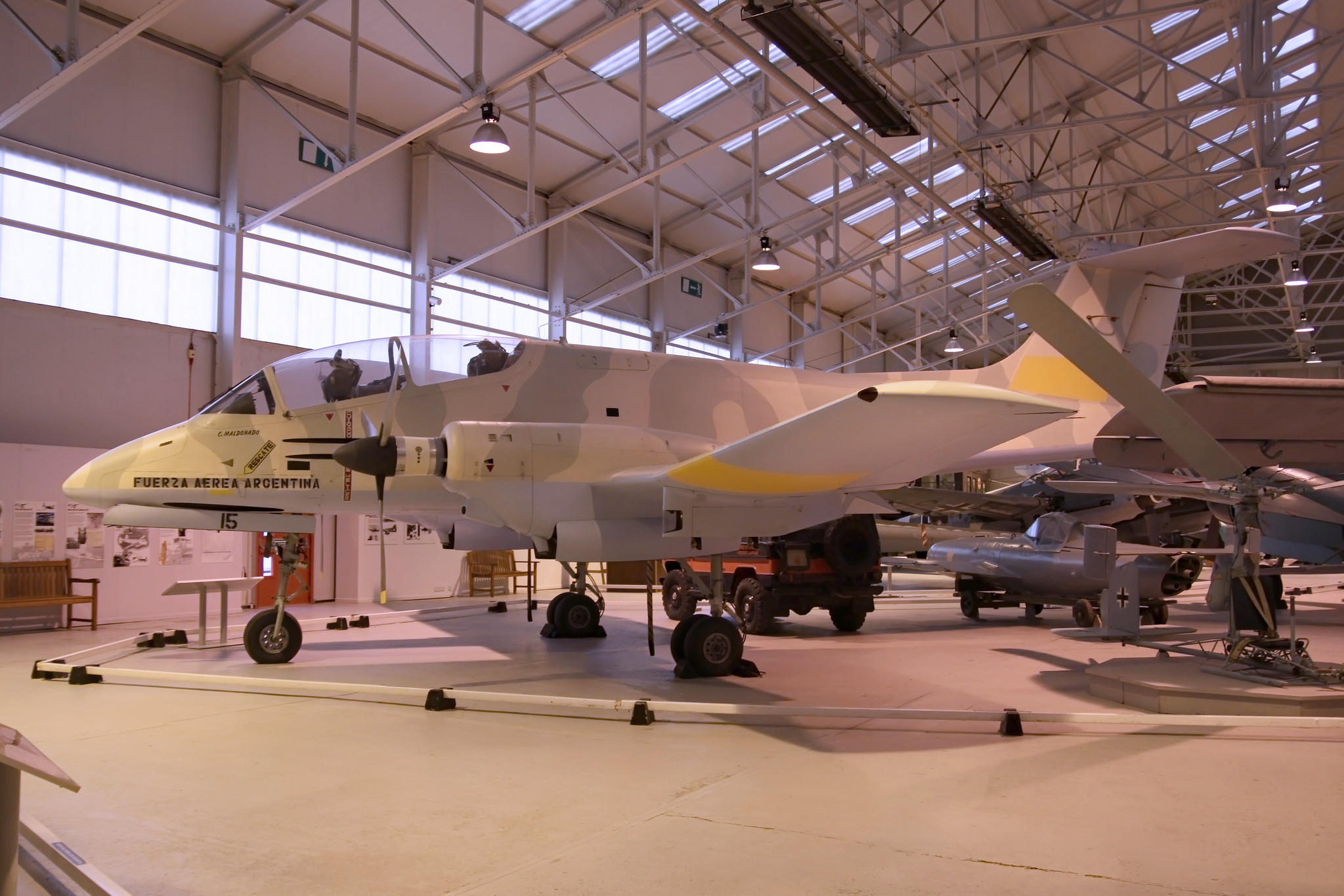
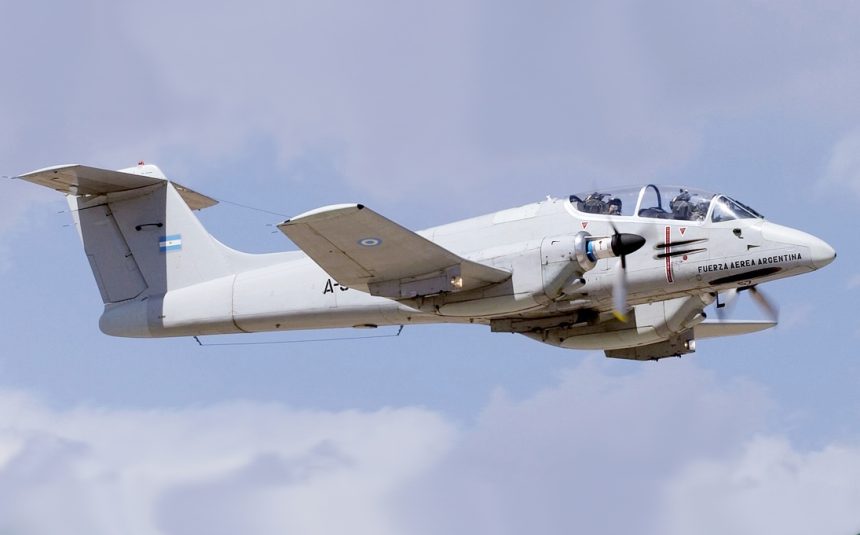
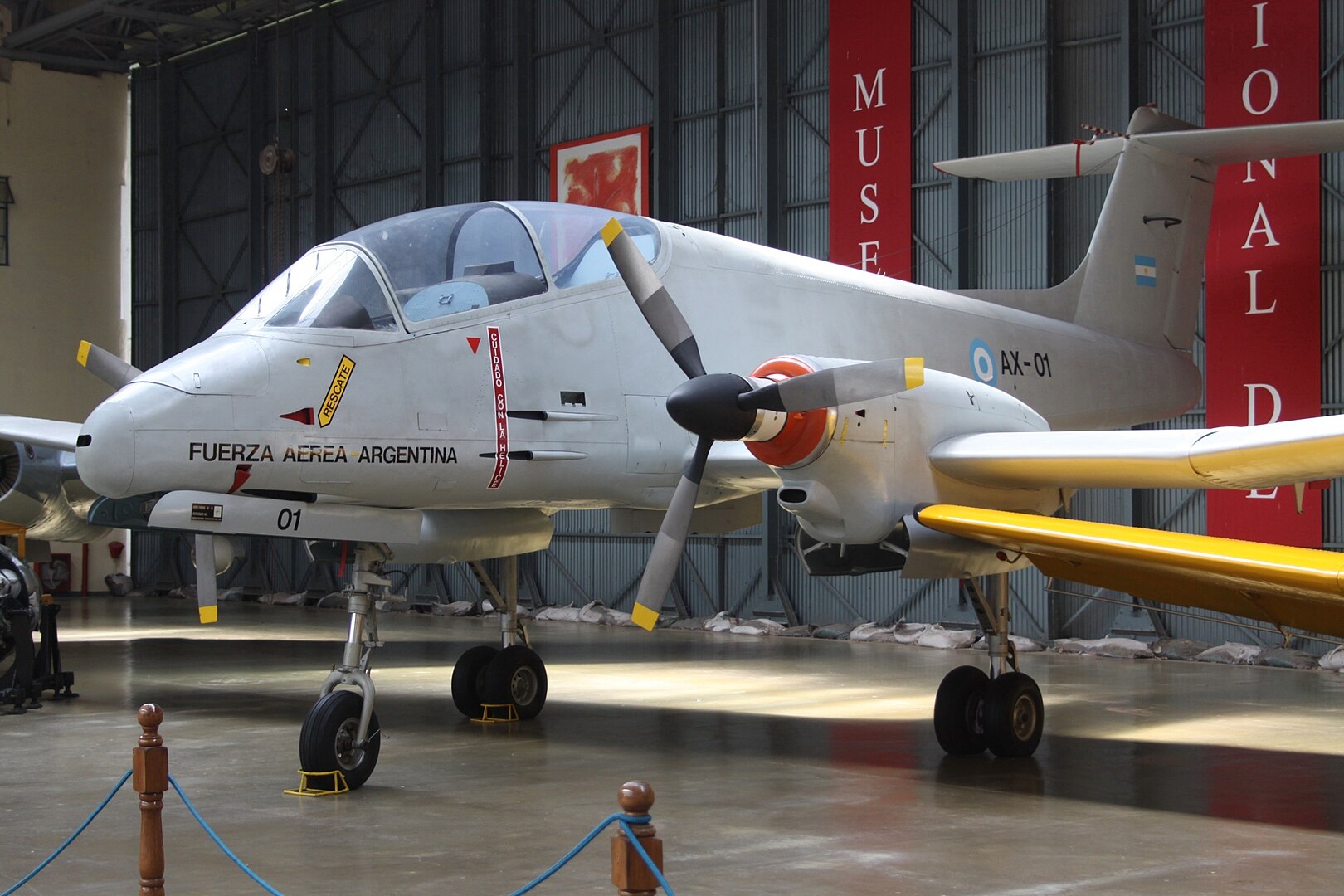
On this day 56 years ago (August 20, 1969), the Fábrica Militar de Aviones (FMA) IA 58 Pucará made its first flight. Named after the Quechua word for “fortress,” the Pucará is an Argentine counter-insurgency and ground-attack aircraft. Its distinctive design features a T-tail and twin turboprop engines, giving it a unique and sporty appearance. Built by Argentina’s primary aircraft manufacturer, the IA 58 was designed to operate from unprepared or rough airstrips when needed.
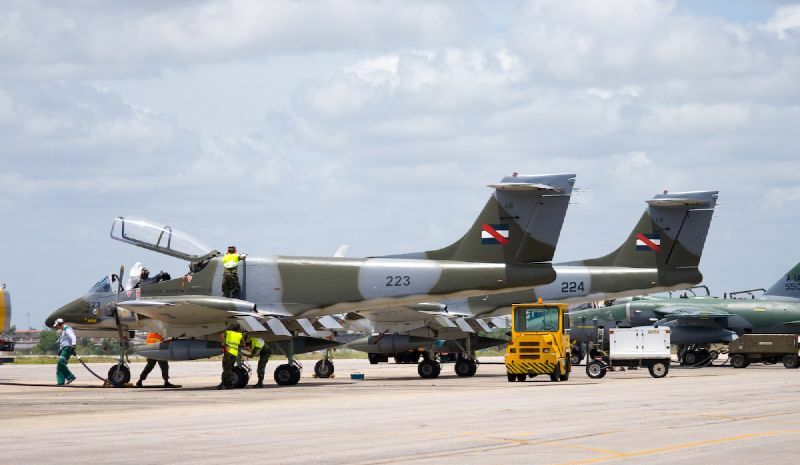
The IA 58 Pucará is still operated by the Argentine Air Force today, though it was previously flown by the Sri Lankan and Uruguayan Air Forces. Between 1974 and 1993, a total of 110 airframes were produced. The aircraft entered service in 1975 and saw combat during both the Falklands War and the Sri Lankan Civil War. In 2019, Argentina retired the Pucará from frontline counter-insurgency roles, shifting its mission to border surveillance and patrol. As part of this transition, the original 978-horsepower Turbomeca Astazou XVIG turboprop engines were upgraded to more powerful 1,050 hp Pratt & Whitney PT-6A-62 engines. These upgraded Pucarás are expected to remain in service for another 15 years.
The IA 58 Pucará has a maximum speed of 310 mph and a cruising speed of 270 mph. It is flown by a crew of two seated in tandem within a narrow, streamlined fuselage. The aircraft has a combat range of 190 nautical miles and a service ceiling of 33,000 feet. In combat maneuvers, it can withstand +6 to -3 Gs. Its armament includes two 20 mm Hispano-Suiza HS.804 autocannons, four 7.62 mm FN Browning machine guns, and three hardpoints capable of carrying up to 3,570 pounds of munitions, including ARM-657 Mamboretá rocket pods.
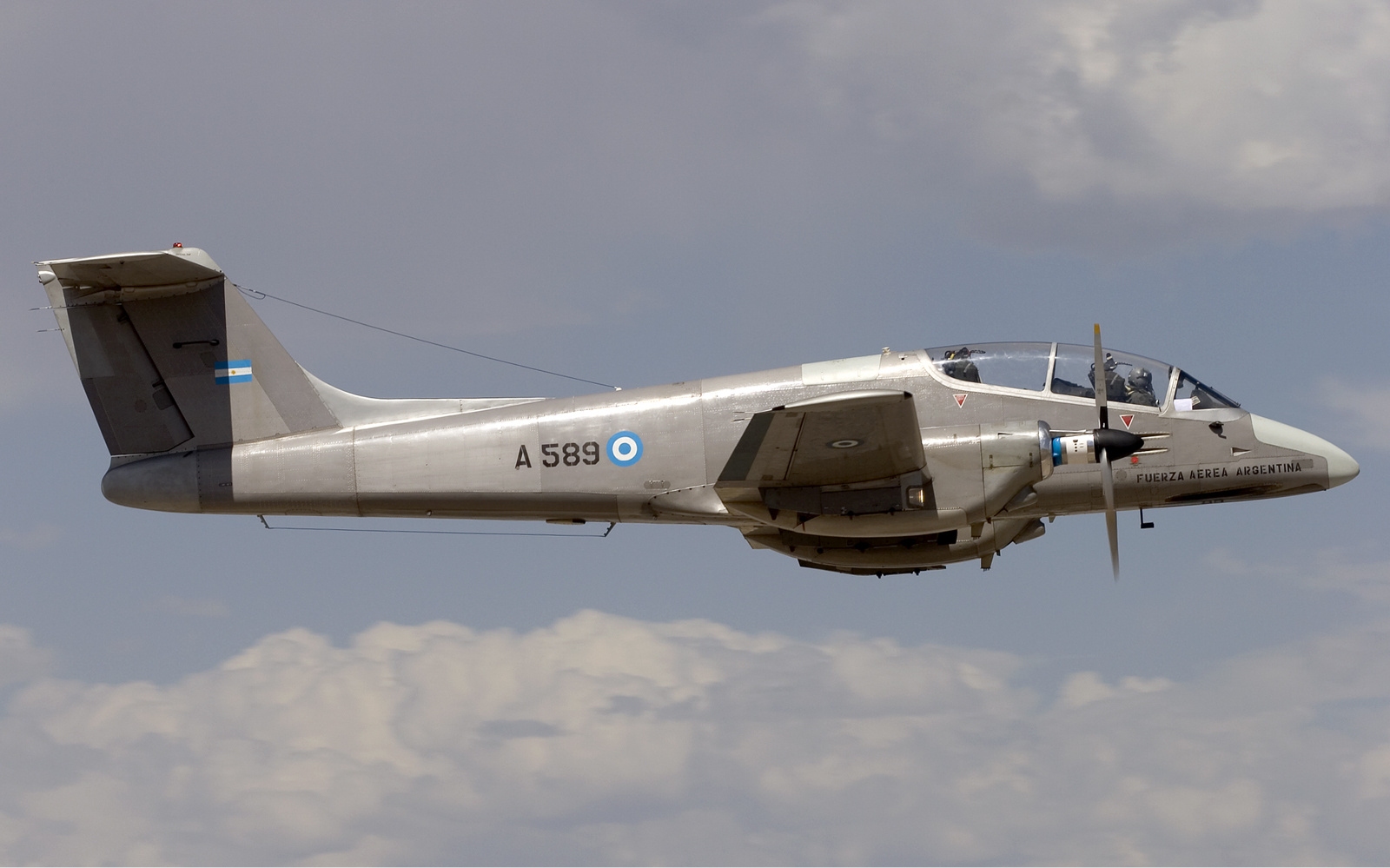
While most IA 58 Pucarás remain active in Argentina, several are preserved in museums worldwide. Notably, five examples are on public display in the United Kingdom, including A-549 (ZD487) at the Imperial War Museum Duxford.