






By Randy Malmstrom
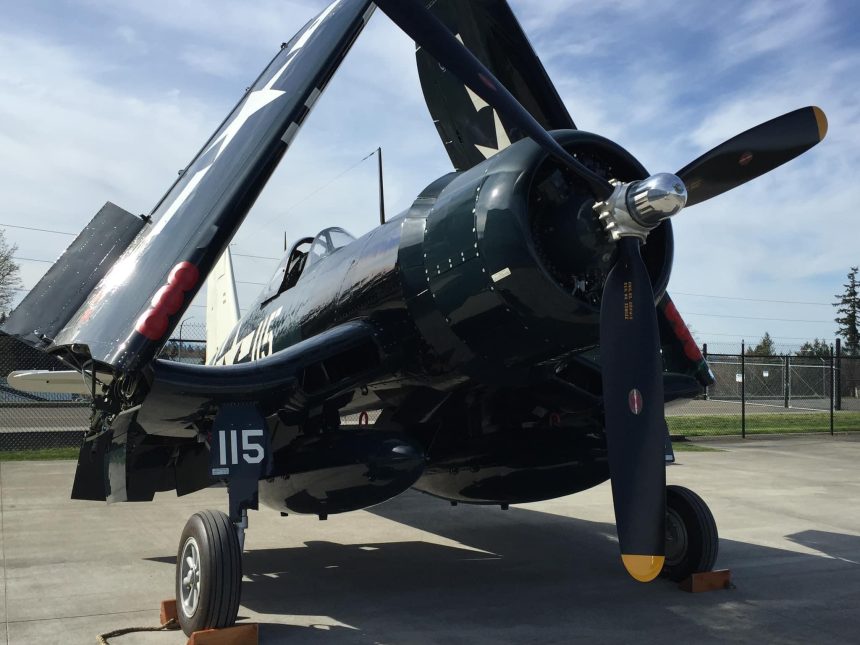
Since his childhood, Randy Malmstrom has had a passion for aviation history and historic military aircraft in particular. He has a particular penchant for documenting specific airframes with a highly detailed series of walk-around images and an in-depth exploration of their history, which have proved to be popular with many of those who have seen them, and we thought our readers would be equally fascinated too. This installment of Randy’s Warbird Profiles takes a look at Goodyear FG-1D Corsair BuNo 92436, N72NW.
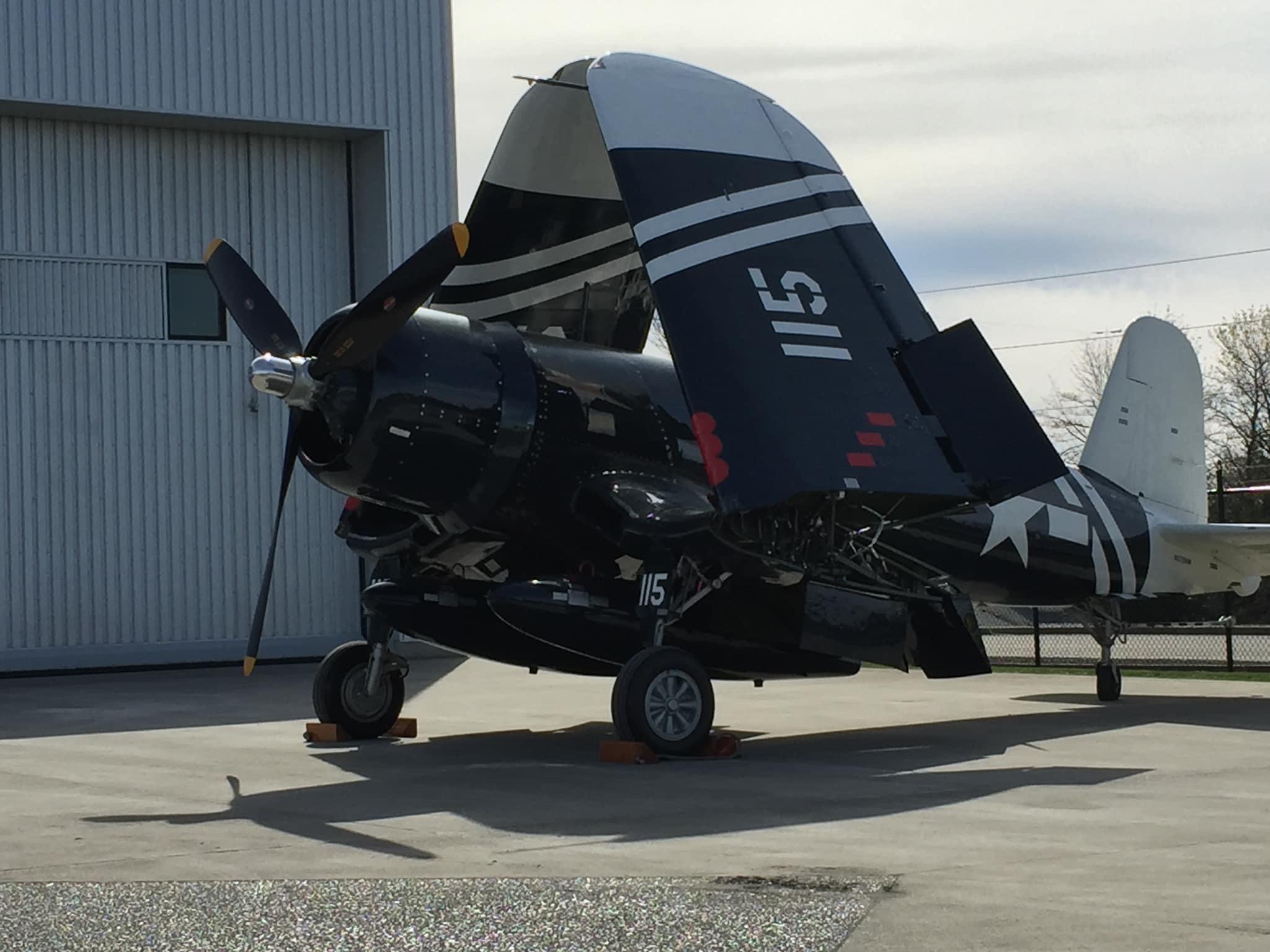
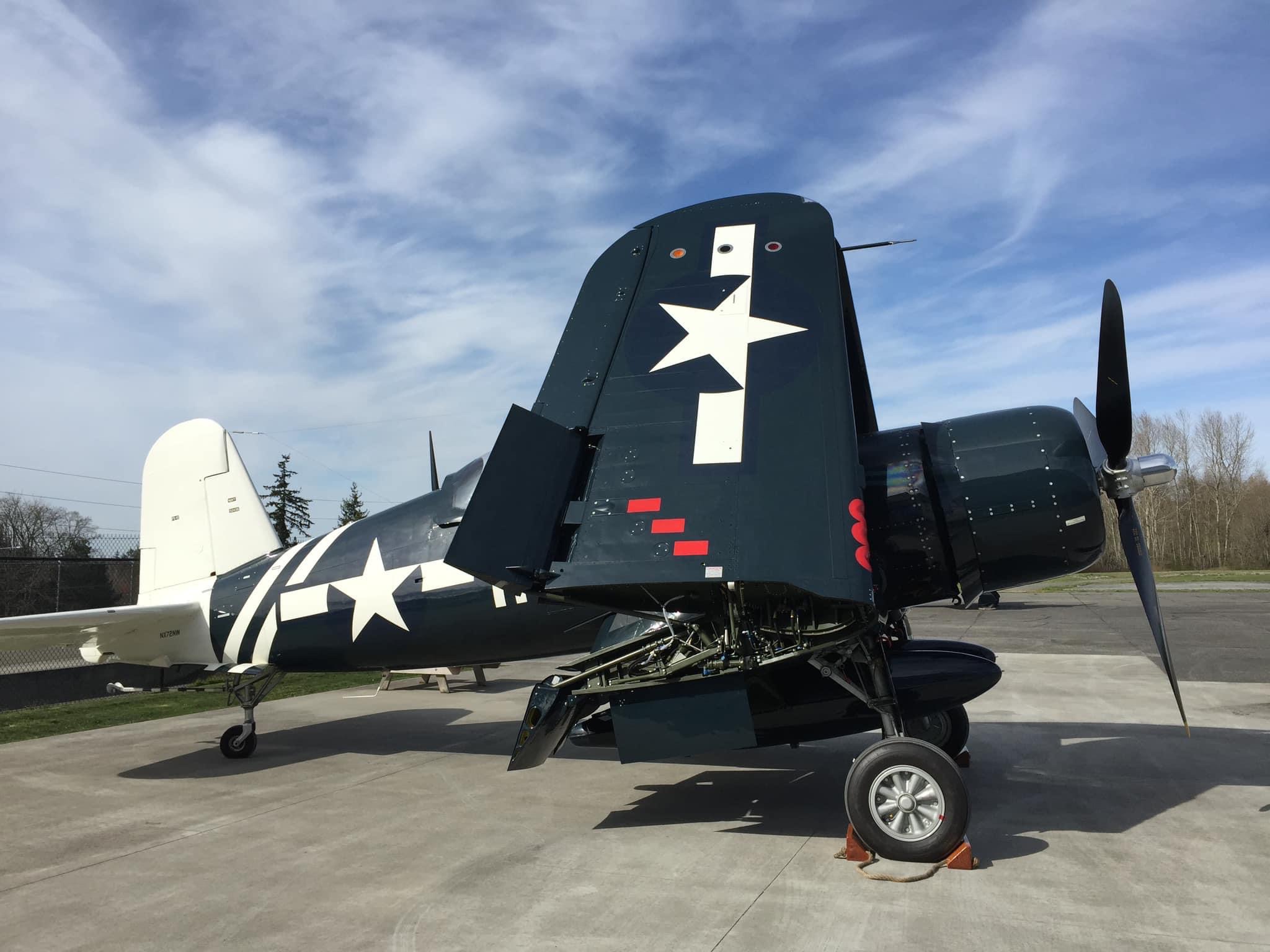
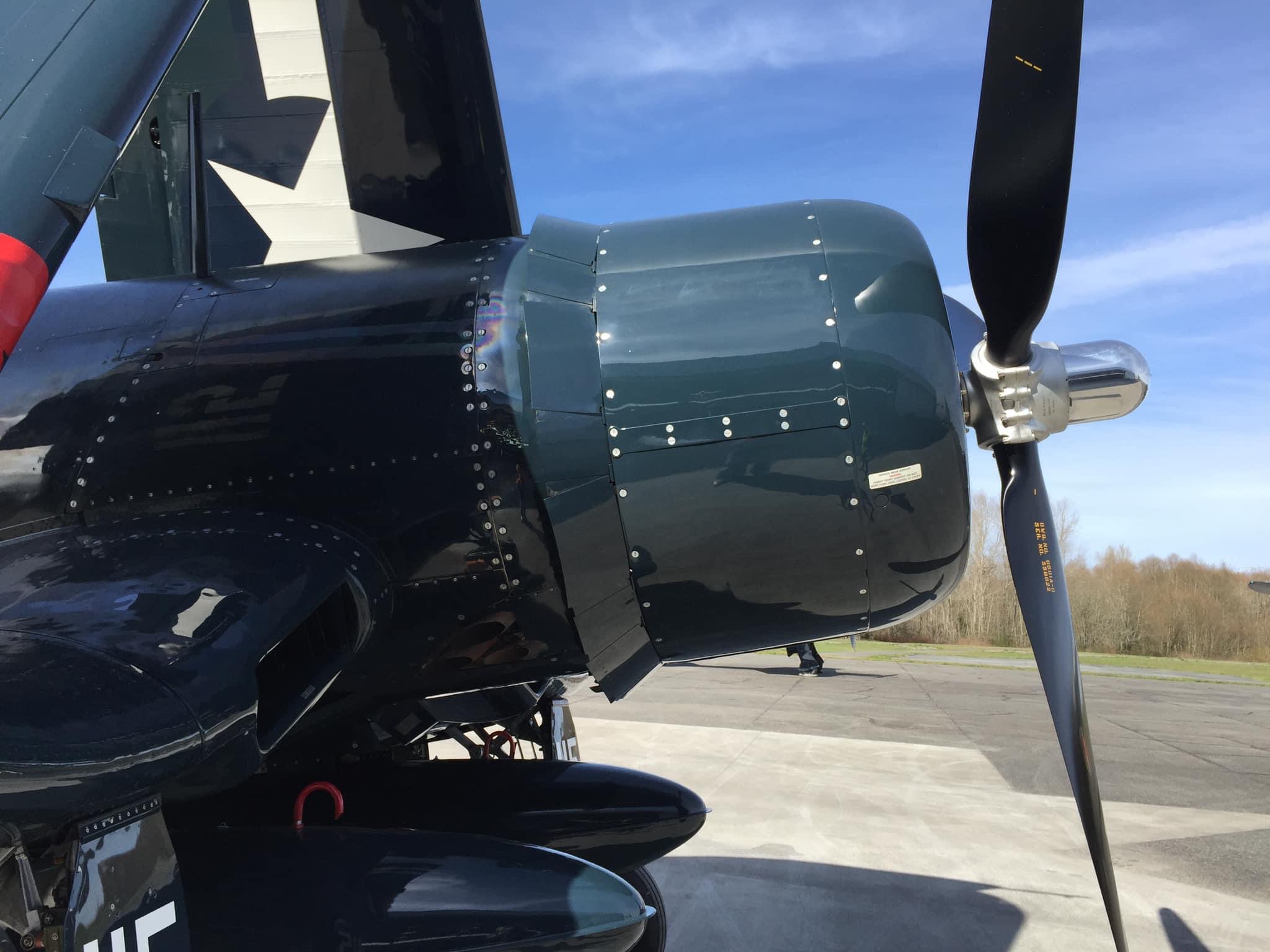
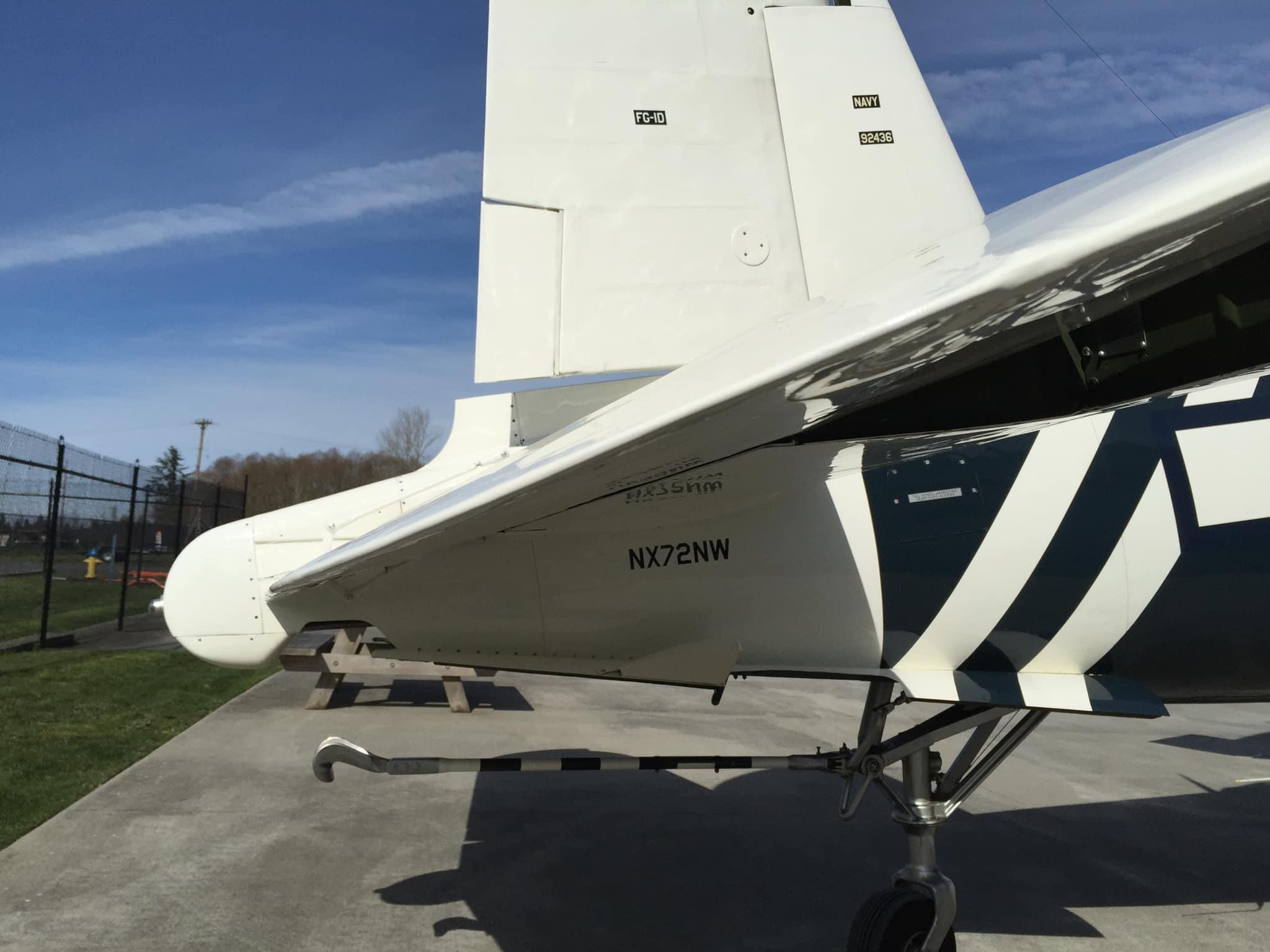
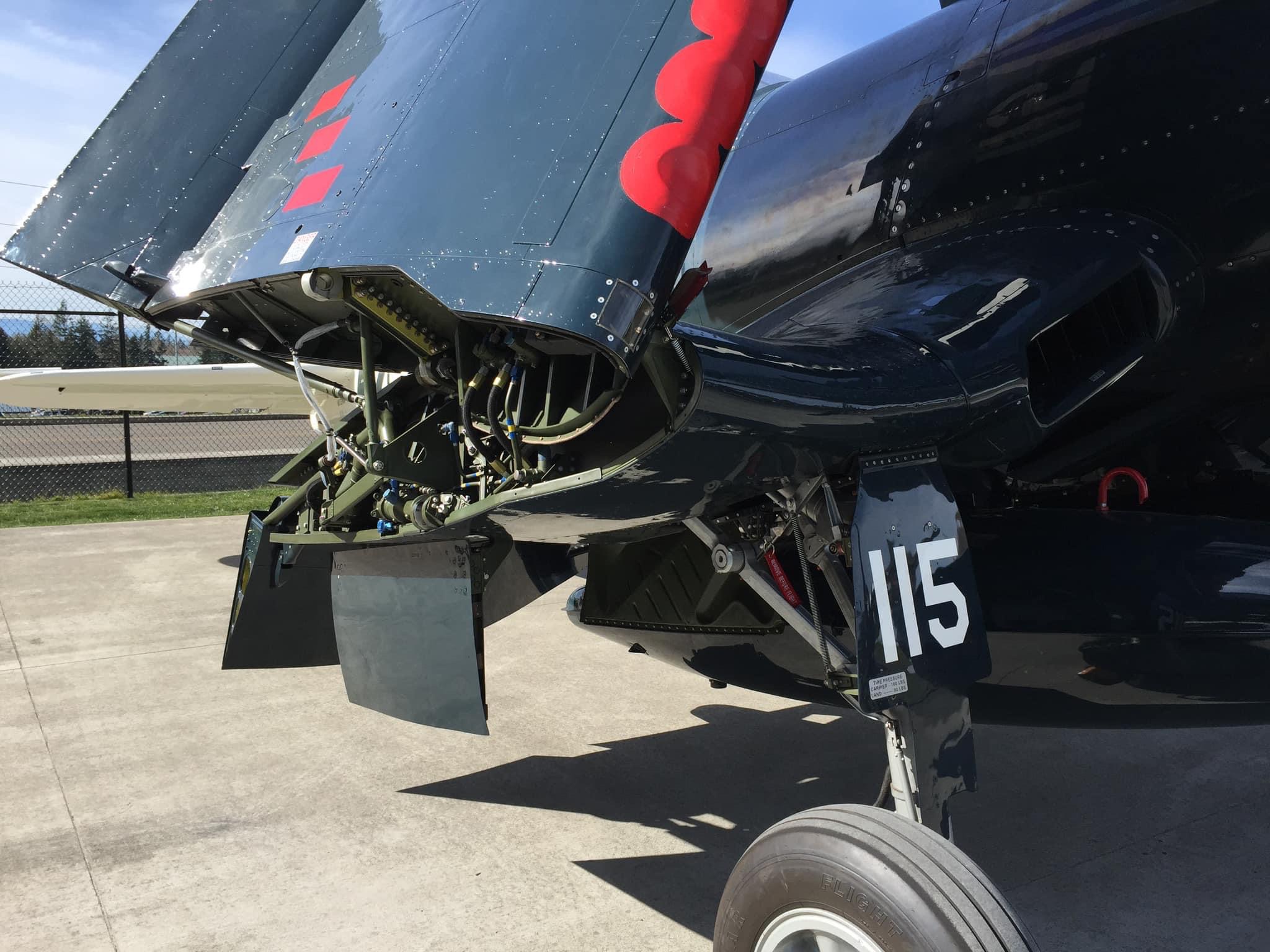
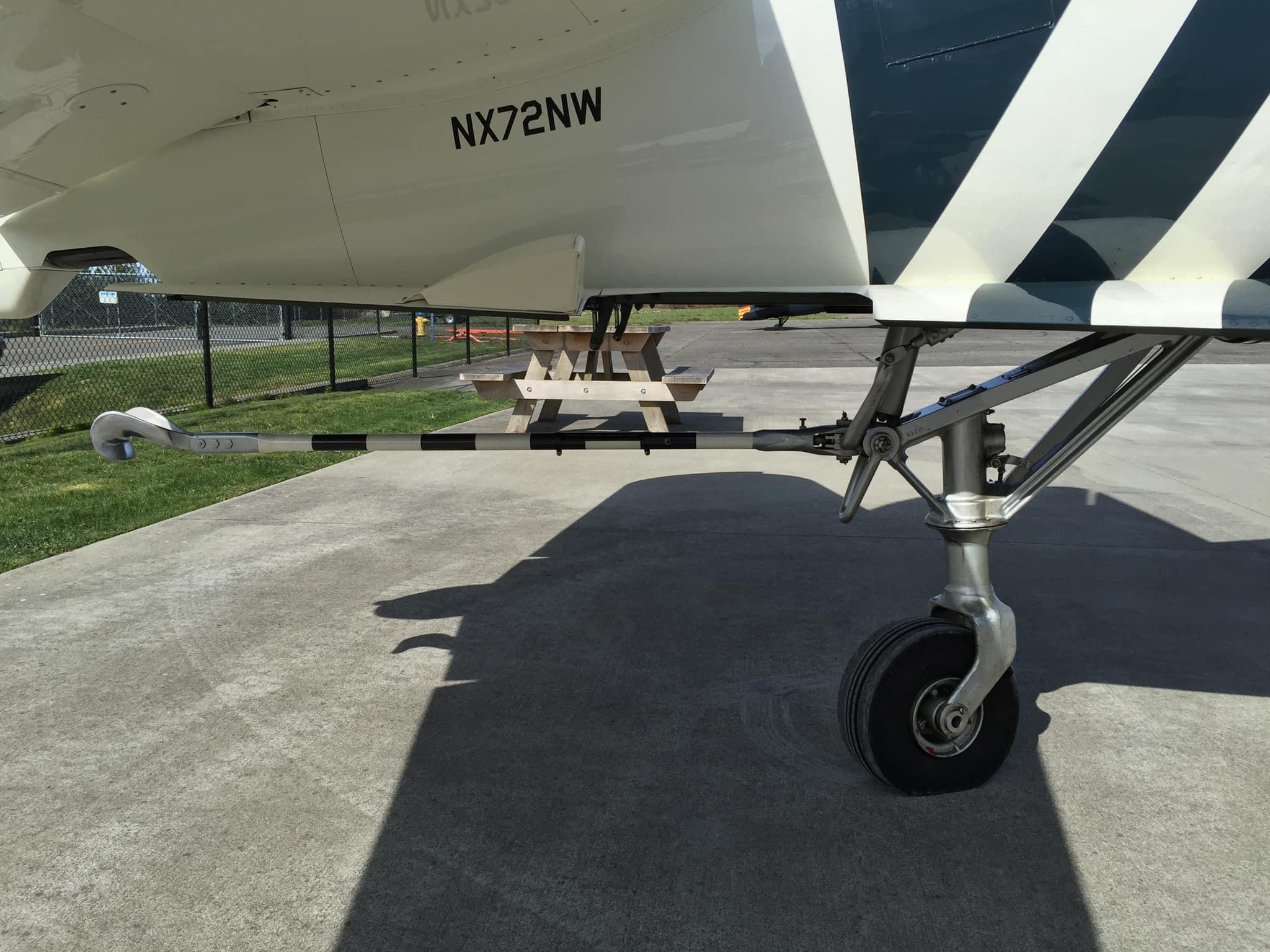
This particular aircraft was built by Goodyear Rubber & Tire Company in Akron, Ohio (hence the “G” designation for the manufacturer pursuant to the U.S. Navy Aircraft Designation System) and delivered to the U.S. Navy on July 10, 1945. Although it did not see combat, it was delivered to Pearl Harbor and then sent to Carrier Aircraft Service Unit 1 (CASU1) at Marine Corps Air Station Ewa (MCAS Ewa) on Oahu and was then assigned to Marine Squadron VMF-213.
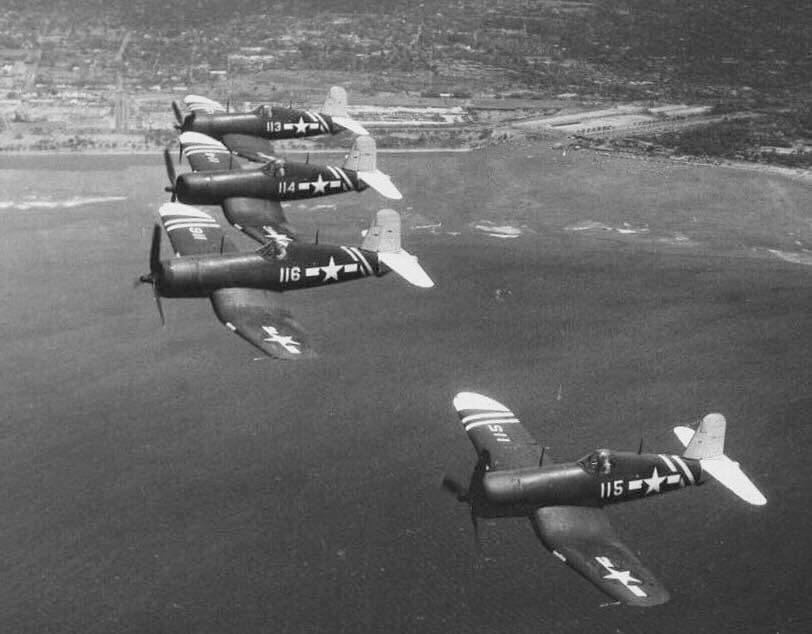
On April 12, 1946, it was sent to Naval Air Station San Diego. Then in 1947, it was assigned to Naval Air Reserve Training Command at Squantum, Massachusetts, and then to several other reserve assignments in Florida, Colorado, Michigan, Texas, Seattle, and NAS Dallas. It went to the boneyard at Litchfield Park, Arizona in 1954.
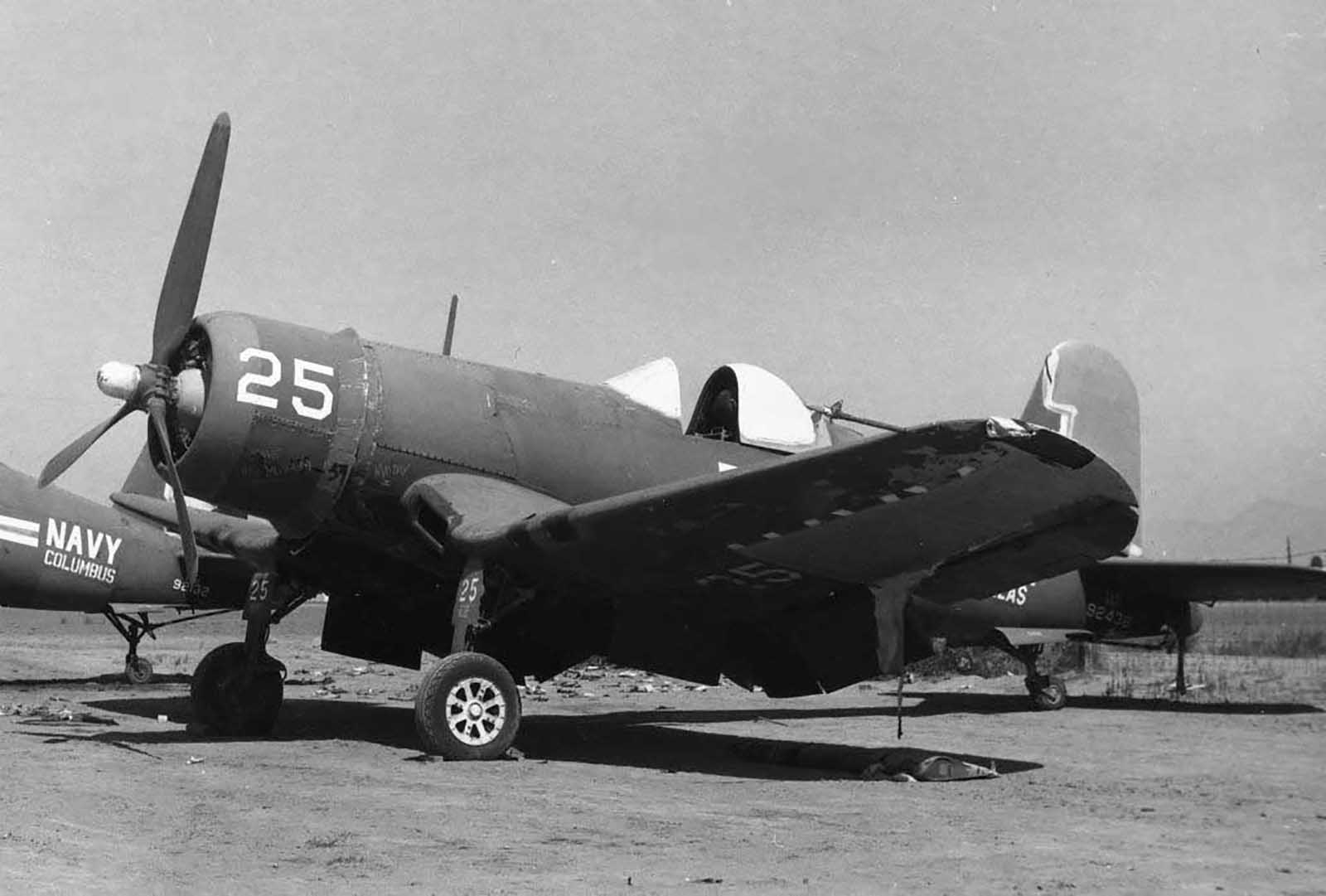
In 1959, Edward Maloney, the founder of Planes of Fame in Chino, California bought the aircraft from the Alu-Met Smelters storage yard in Long Beach for $650. It was again sold and ended up at the Canadian Warplanes Museum in Hope, Ontario, and it flew at U.S. and Canadian airshows for Canadian Warplane Heritage Museum until it was purchased in 1998 by Brian Reynolds of Olympia, Washington and underwent a more than 11-year, 38,000 hr. restoration at John Lane’s Airpower Unlimited in Idaho and was for a time on display and flown out of Reynolds’ Olympic Flight Museum in Olympia, Washington, and Historic Flight Foundation.
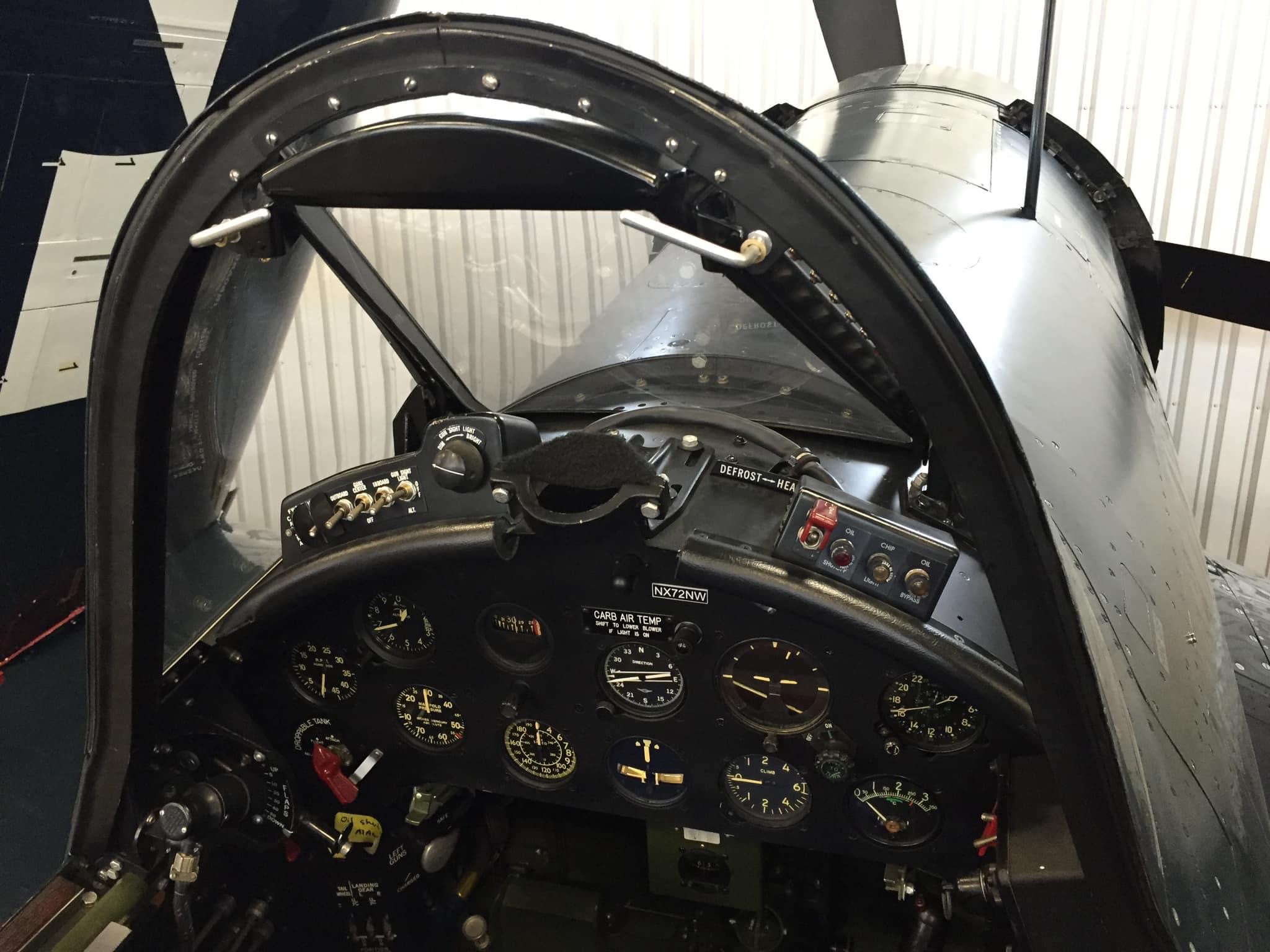
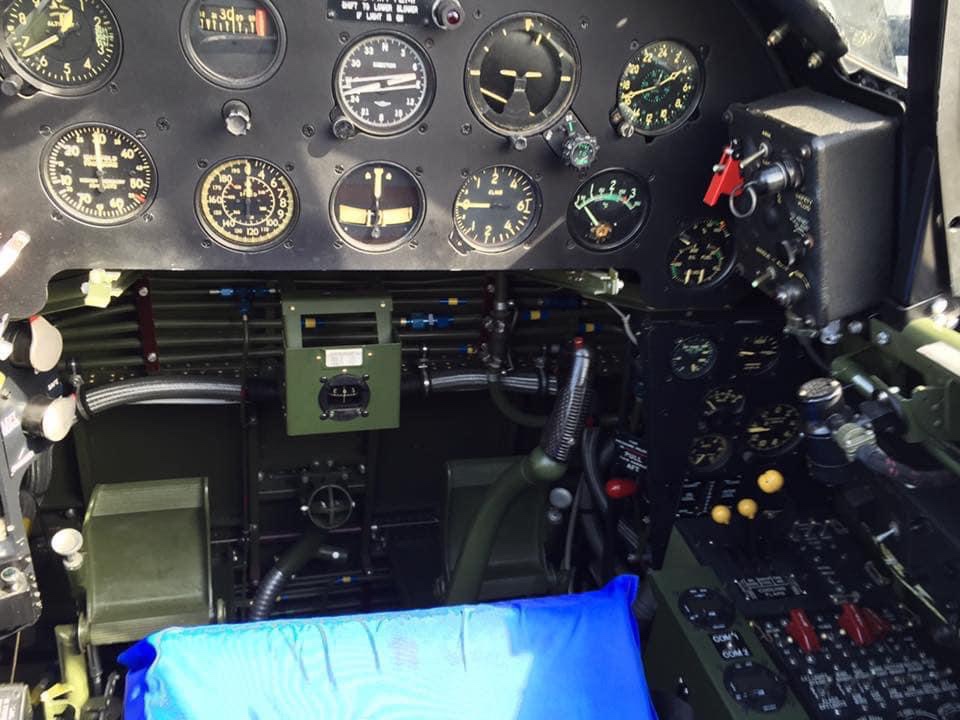
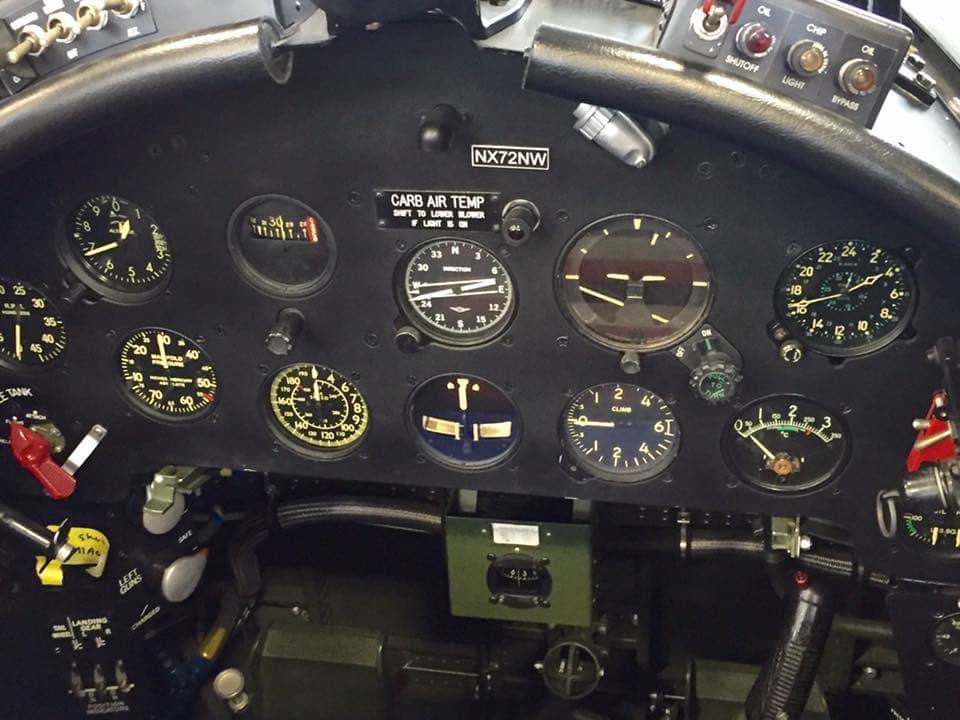
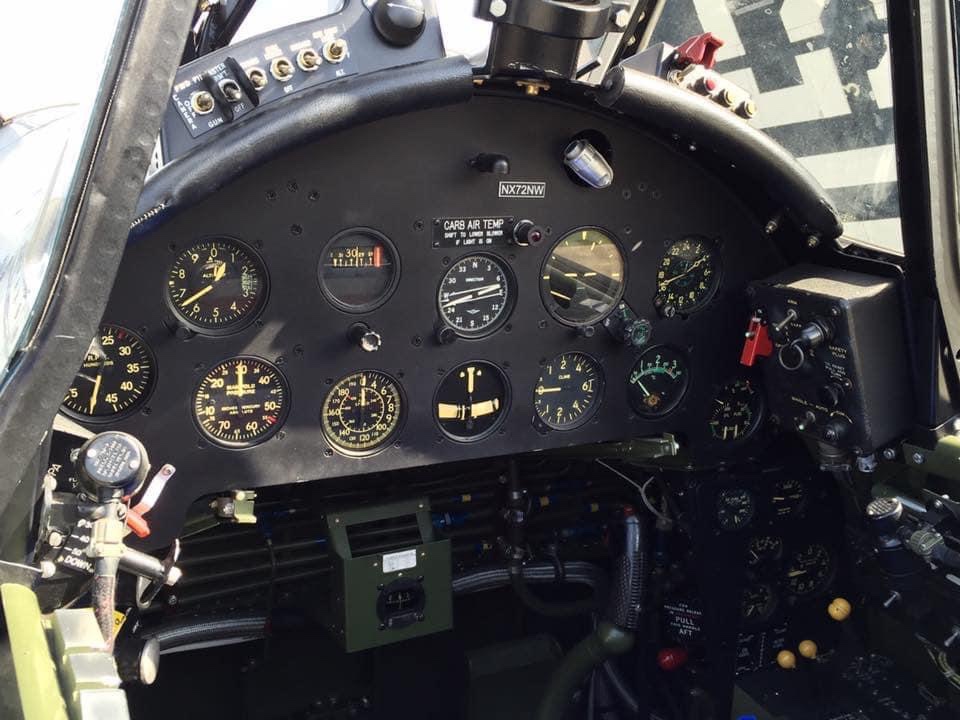
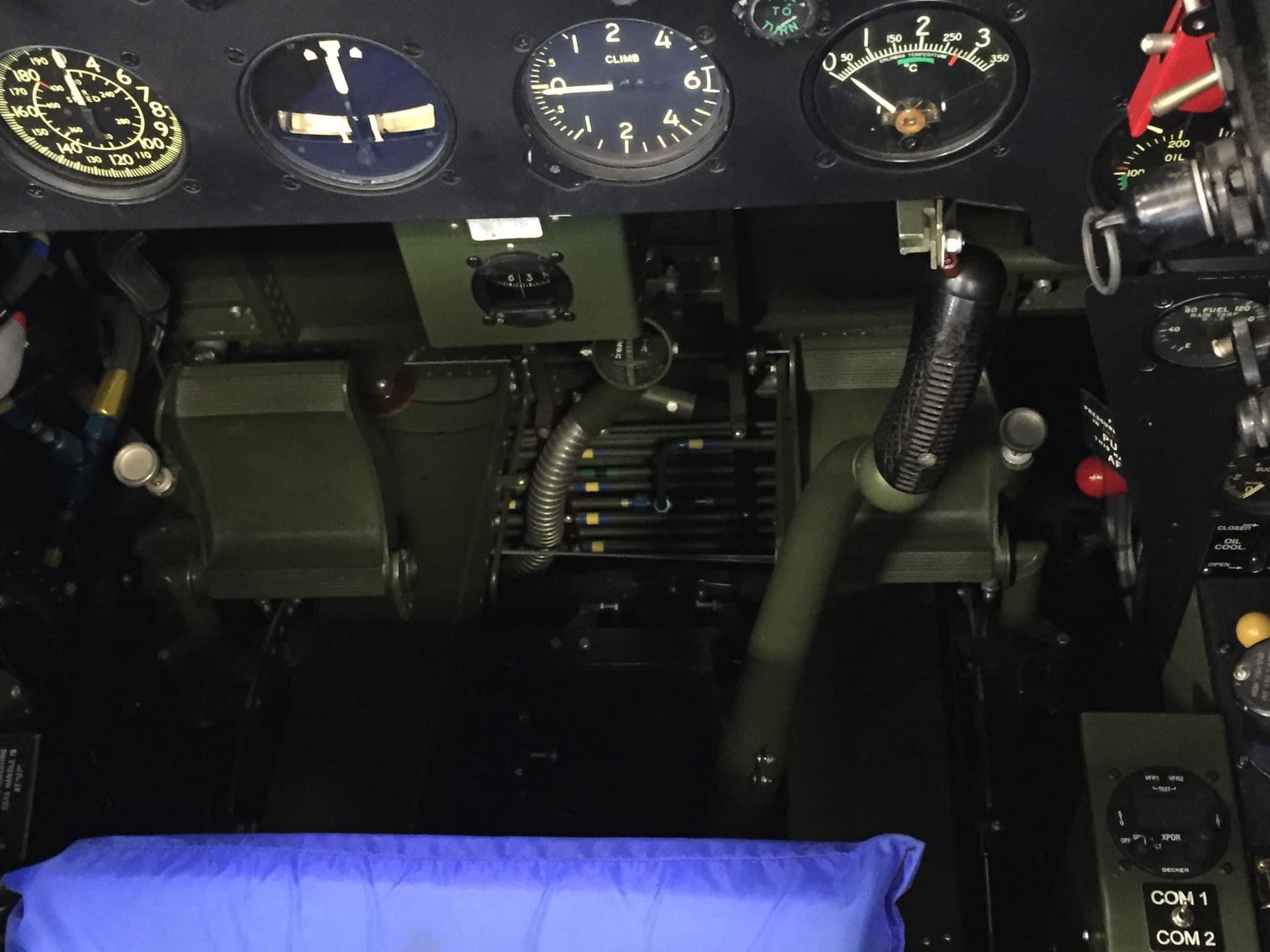
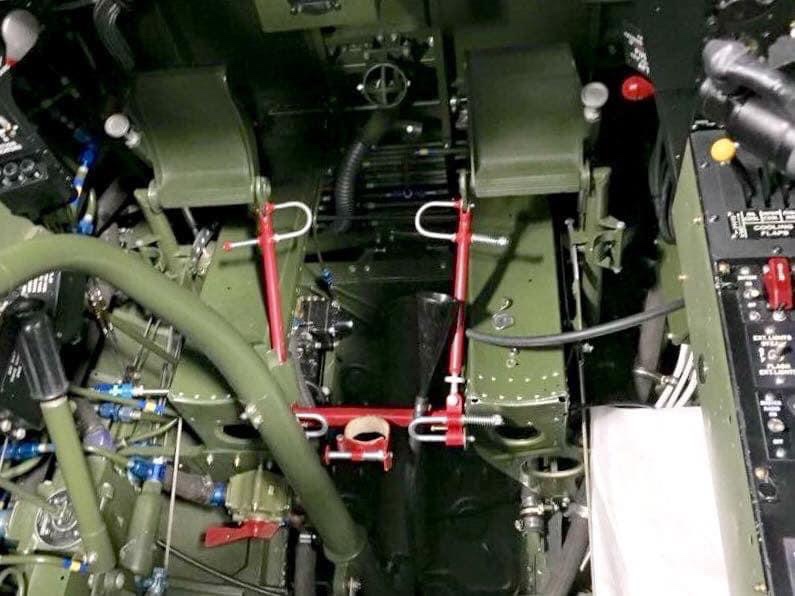
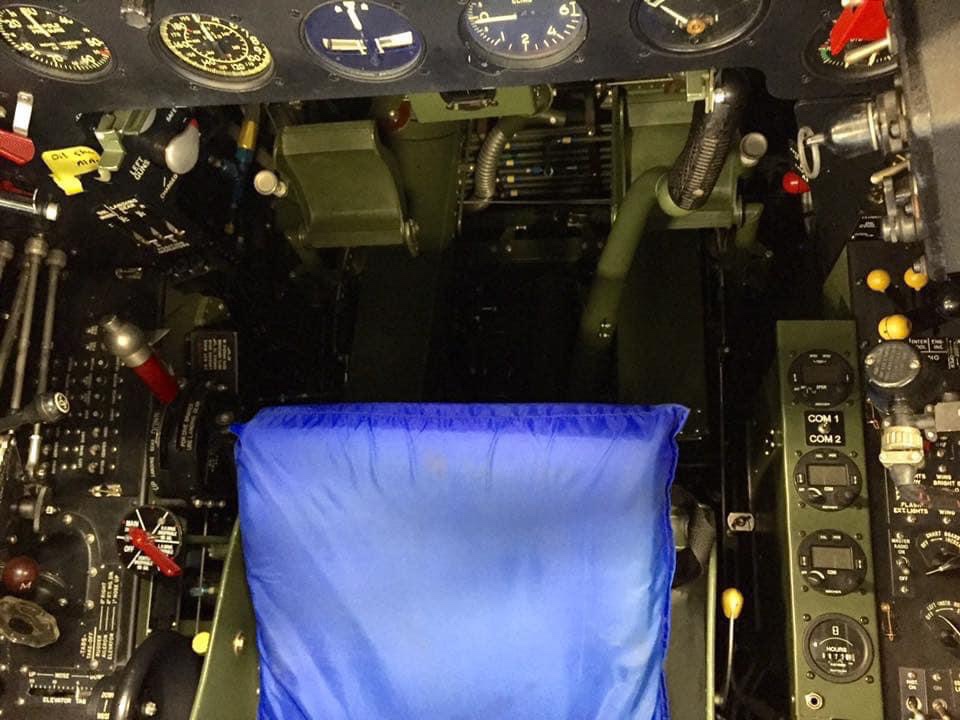
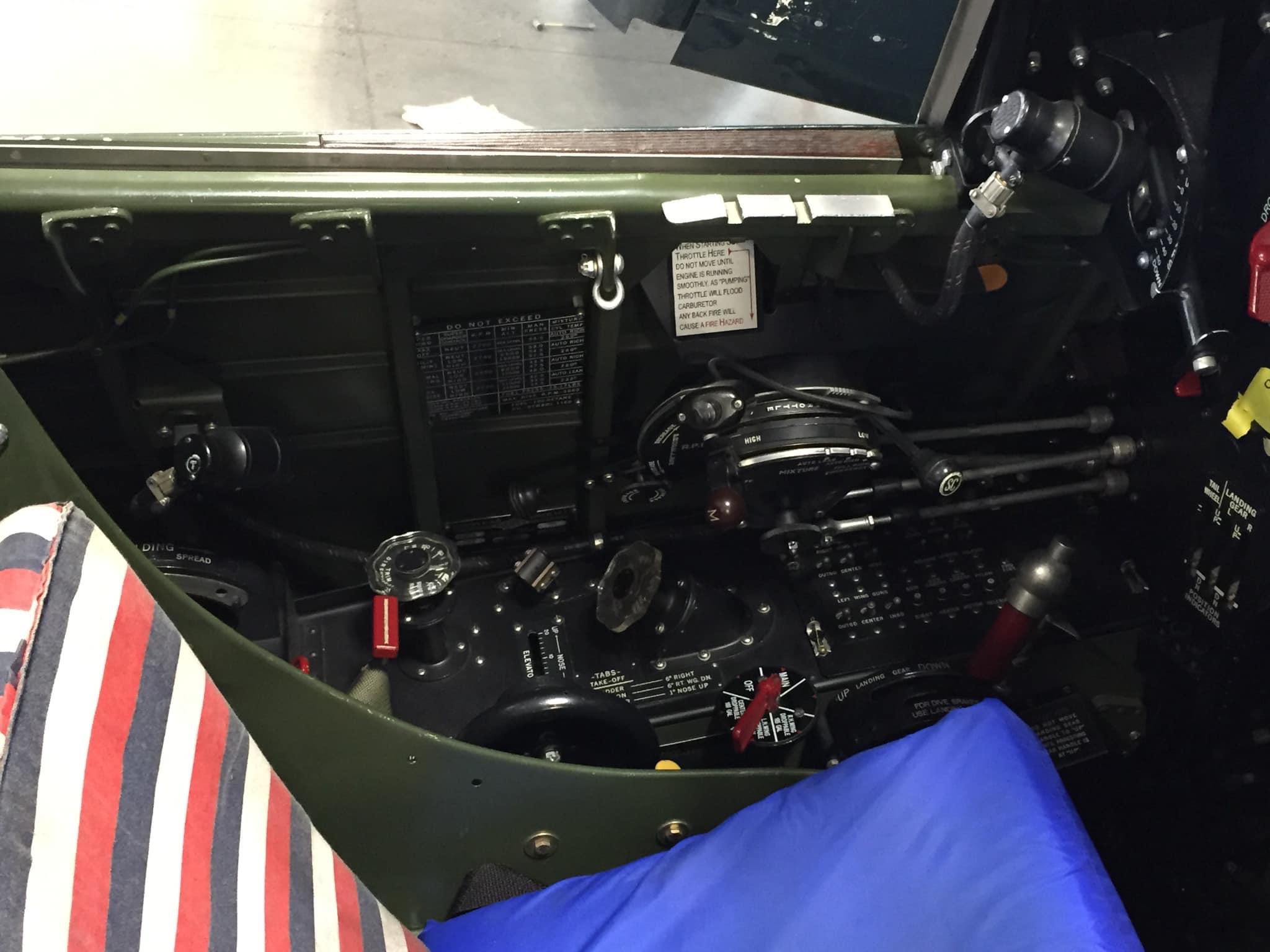
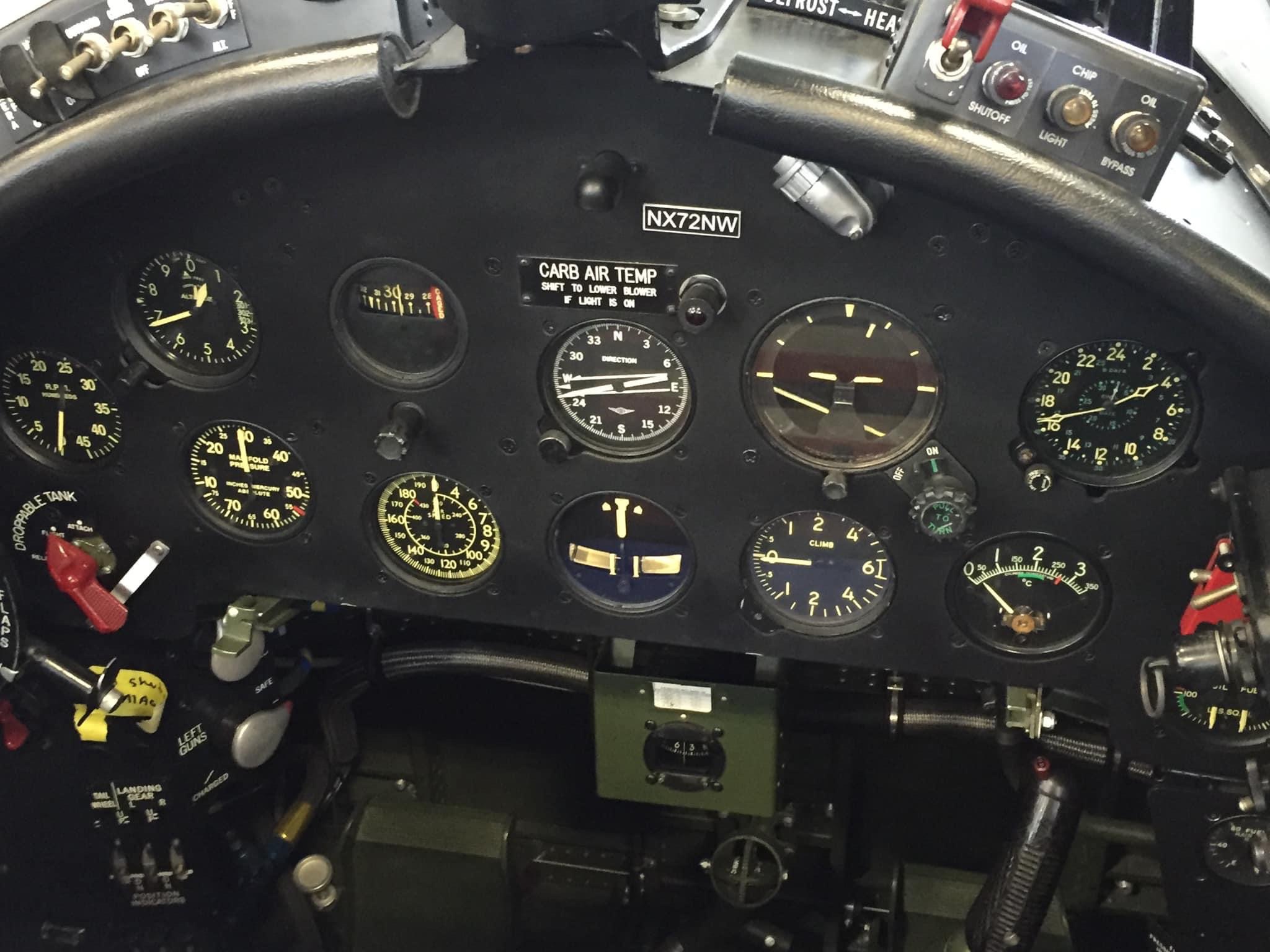
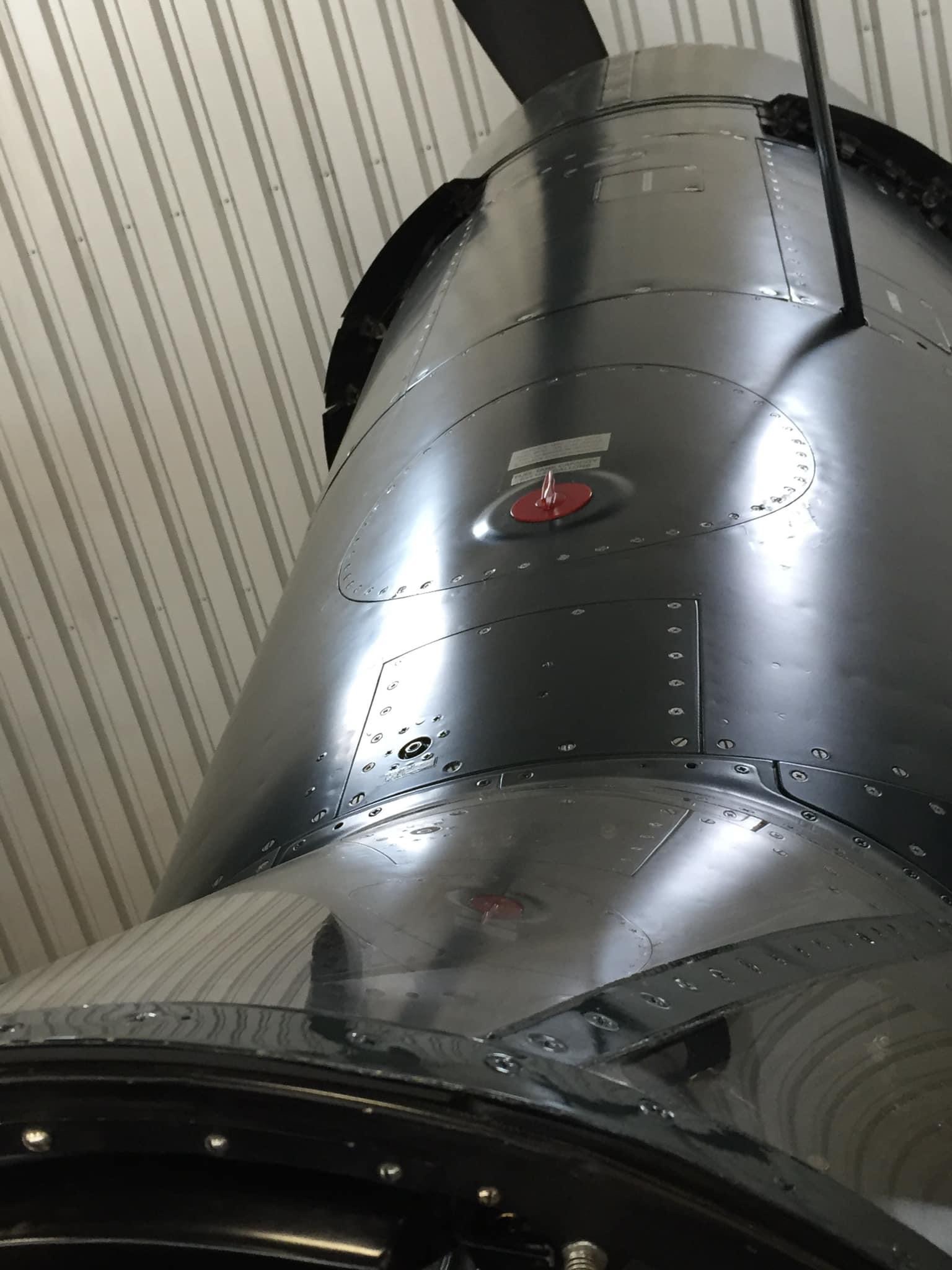
By November of 2019, the FAA issued an airworthiness certificate to owner Charles Somers of Hillsboro, Oregon. It is painted as #115 of VMF-213 (“Hell Hawks”) of the escort carrier USS Saidor, CVE-117, which was based at Pearl Harbor between 1945-46. The restoration includes the pilot relief tube (with black funnel as well as the drain plug under the fuselage), a gun camera in the starboard wing, a landing light in the port wing, catapult hooks and a starboard wing torque spoiler. Of course, the seat cushion is not authentic period gear! My photos and YouTube clips. https://youtu.be/29U6zUwLrxI https://youtu.be/AAK_5wLPG3s https://youtu.be/tQl1G6pTvCs https://youtu.be/sRvbfXvrZpY
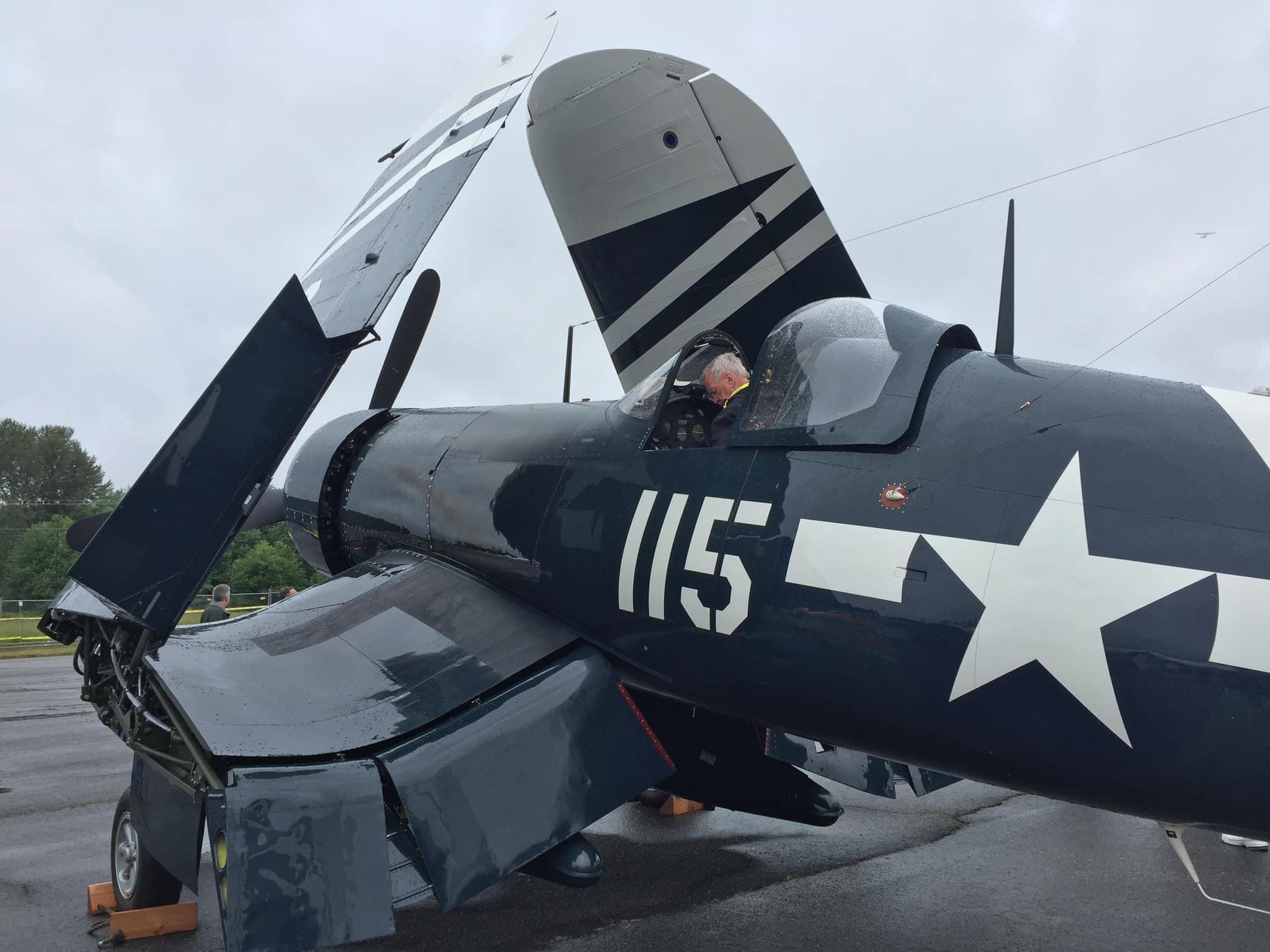
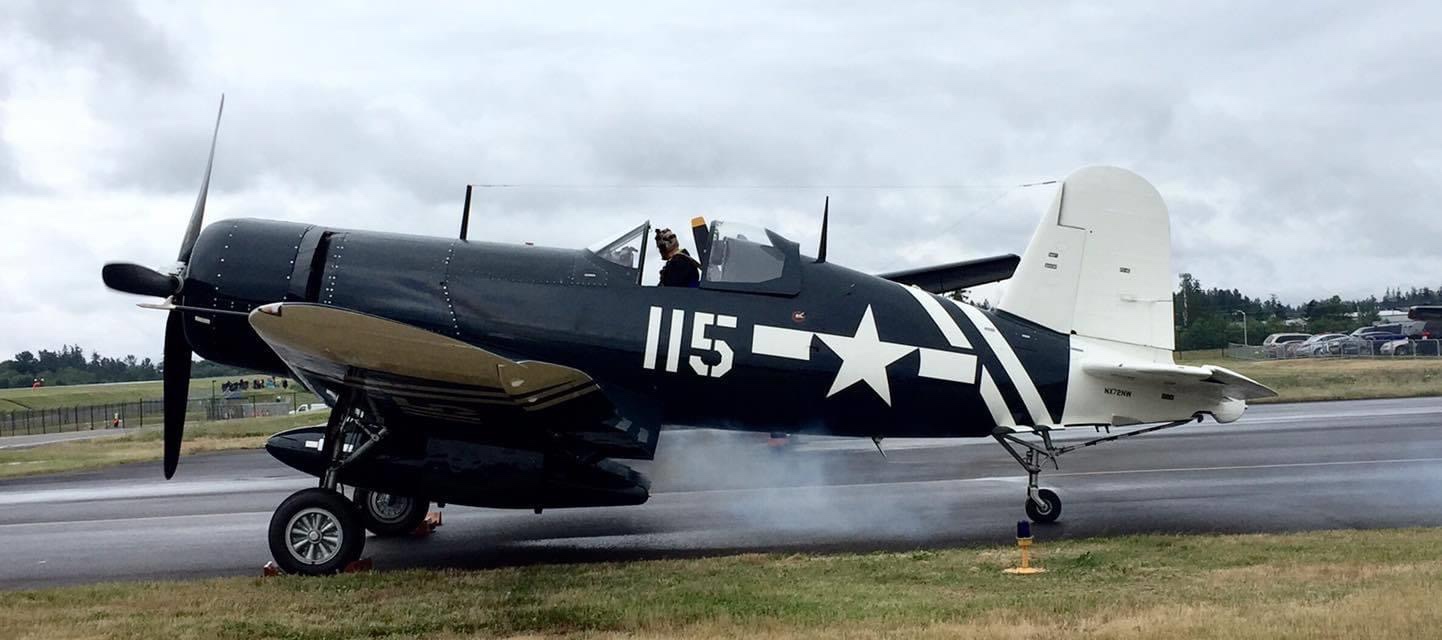
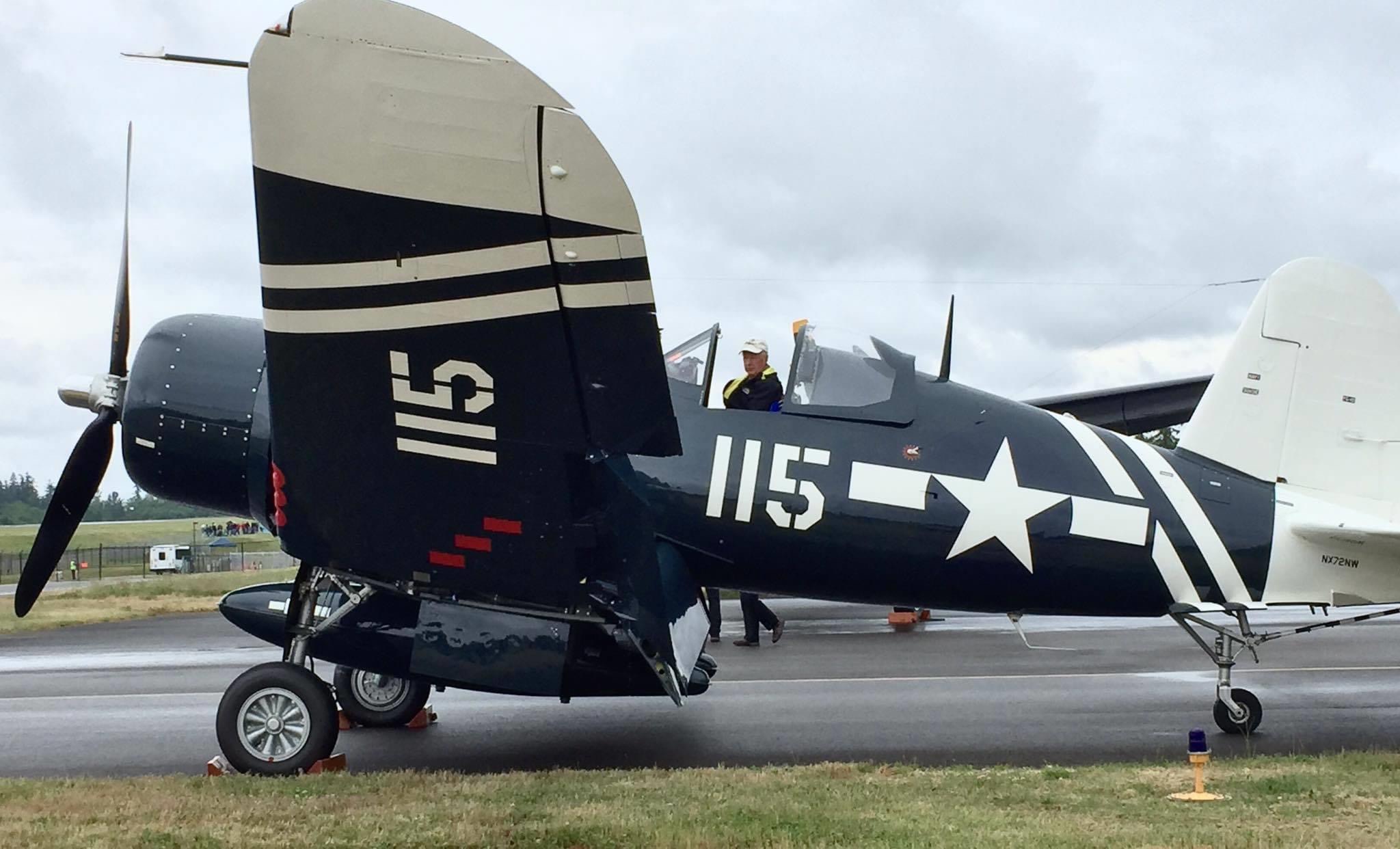
Nicknames for the Corsair included: U-Bird, Hog-Nose, Horseshoe, Great Iron Bird, Sweetheart of Okinawa, Super Stuka, The Hog, Bent Wing Bird, Ensign Eliminator, Hosenose and Whistling Death. The Corsair was designed by Chance Vought Chief Engineer Rex B. Beisel, a graduate of the University of Washington. Originally fitted with a Pratt & Whitney R-2800-8W Double Wasp engine powering a 13 ft. Hamilton 3-blade propeller (9 in. clearance between prop tips and ground or carrier deck); later variants were fitted with a 4-bladed propeller and then a P&W R-4360 engine. Armament varied but could be fitted with six wing-mounted Browning M2 .50 caliber machine guns and 8 HVAR rockets or 2,000 lbs. of bombs from wing hardpoints (the inner under-surfaces of the wings were reinforced).
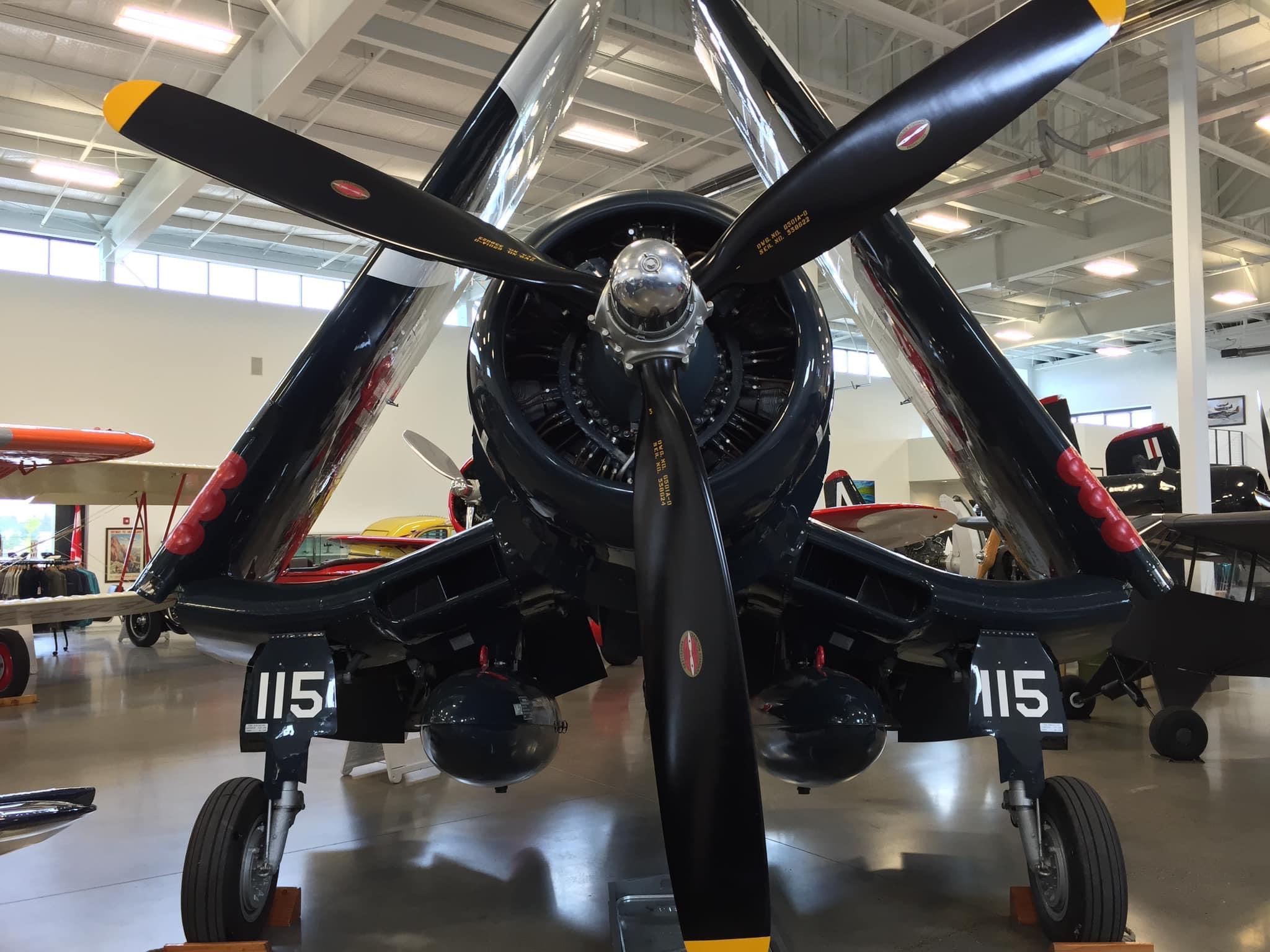
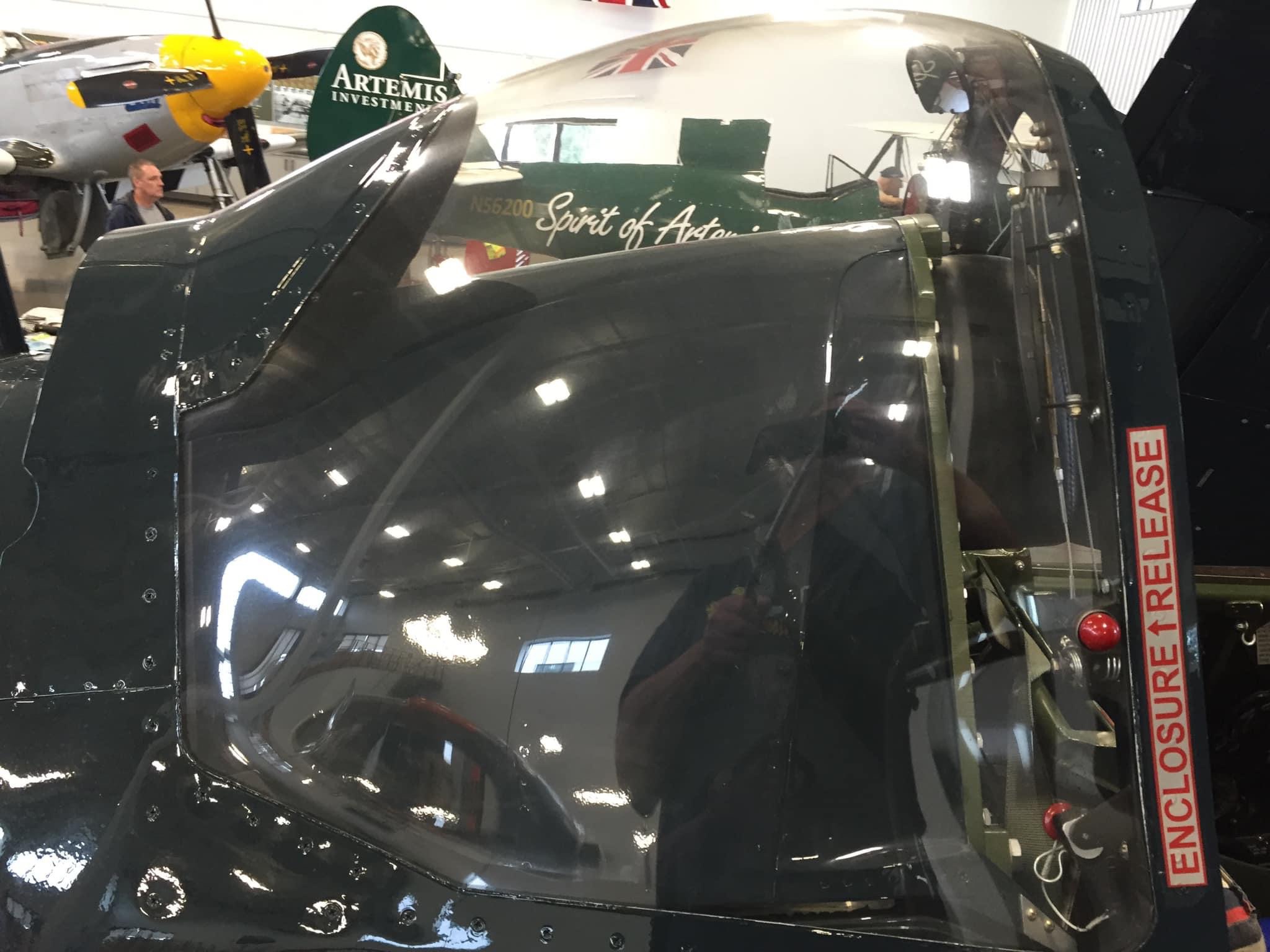
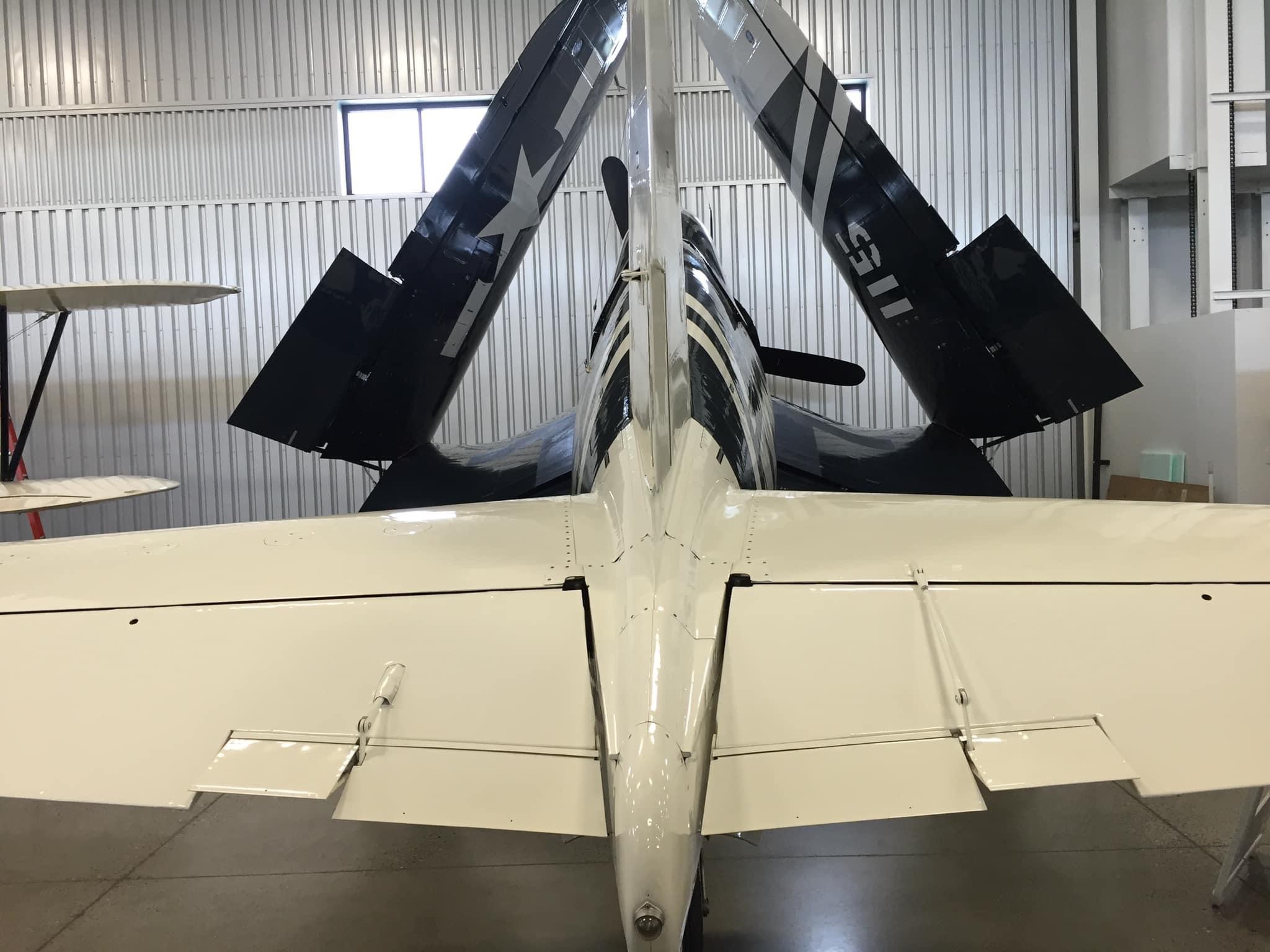
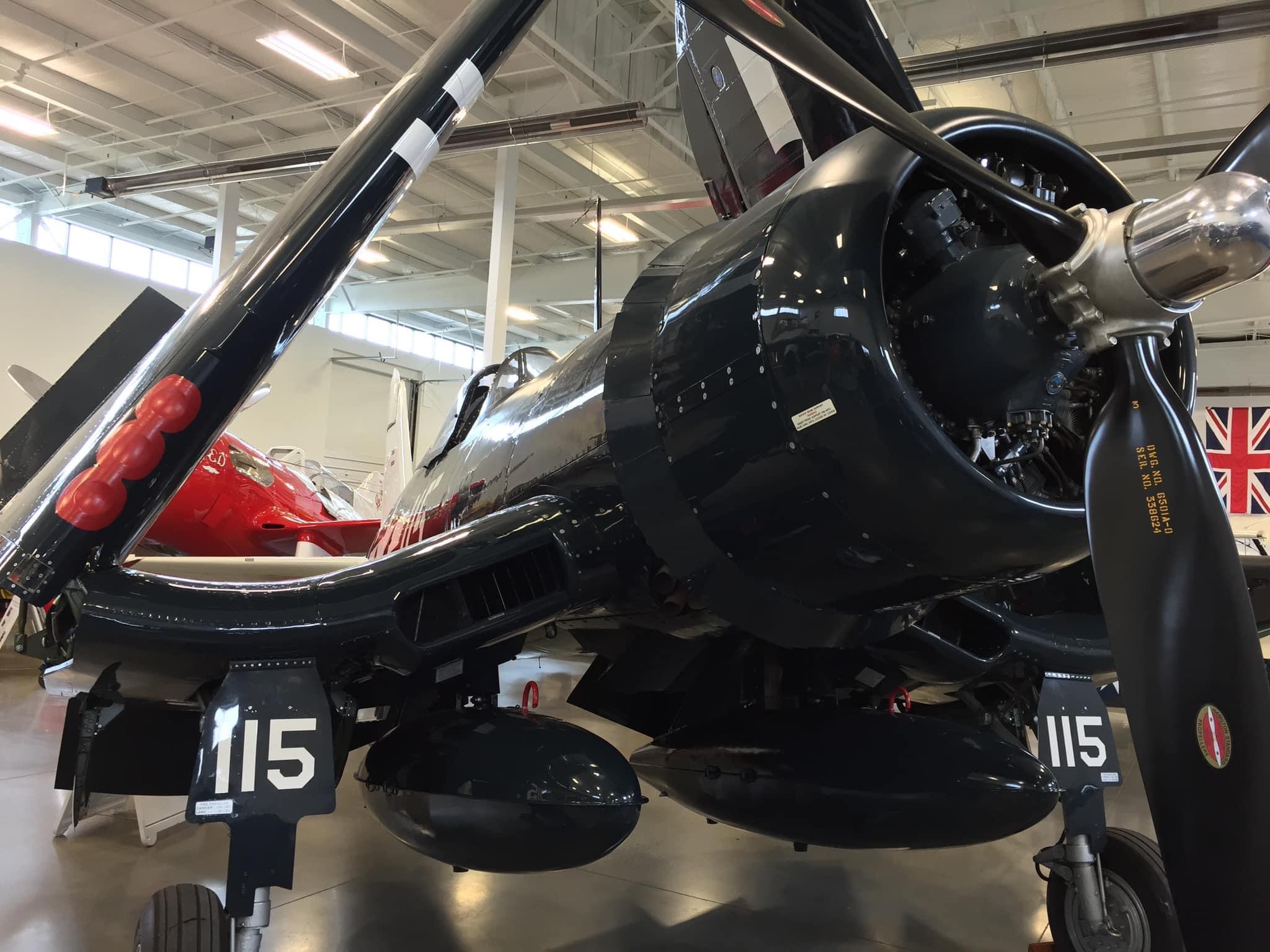
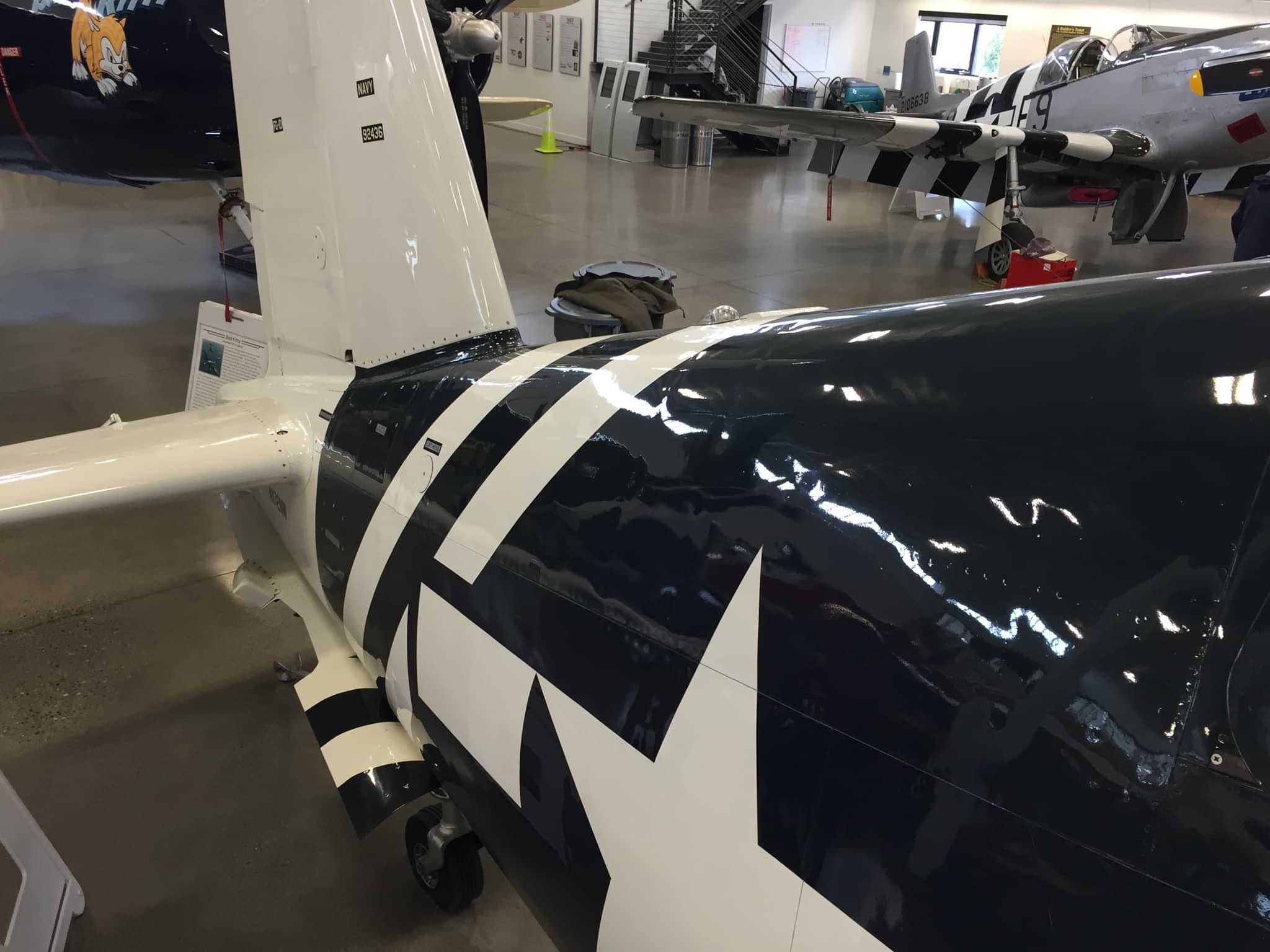
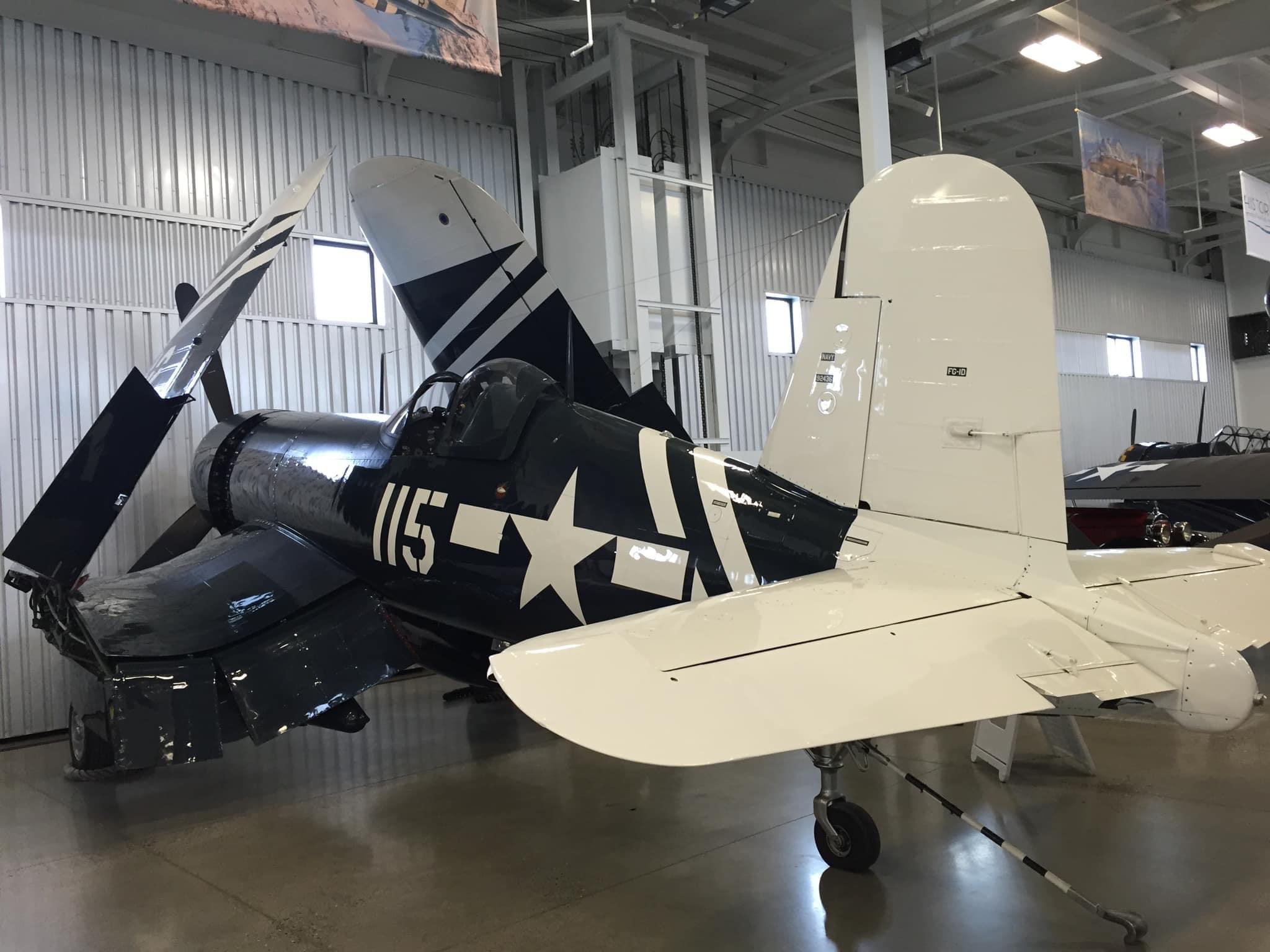
The Corsair was fitted with a small window on the leading edge of each wing. The one on the right wing contains the gun camera. The leading edge on the left wing contained an “Approach Light” with a regular light bulb situated behind a multi-colored filter. The filter had horizontal bands from top to bottom as follows: green, a thinner line of amber, and then red at the bottom. While not visible to the pilot, it was meant to be very visible to the LSO (Landing Signal Officer) on an aircraft carrier deck, providing him with information as to the attitude of the aircraft.
If the pilot has the aircraft in the correct attitude for landing (to intersect with the deck right in front of the arresting wires), the LSO sees amber. Note the 6-inch-long stall strip located on the leading edge of the starboard wing just outboard of the guns. The large propeller on Corsairs caused a lot of torque at slow speeds which caused the port wing to drop at stalling speeds and creating a tendency for the aircraft to go into an asymmetrical stall. The problem was solved by the addition of this small device (it causes the starboard wing to stall symmetrically with the port wing). The oldest Corsairs had home-made wooden blocks; later, aircraft came from the factory with an aluminum strip already in place.
Editor’s note: Since being acquired by Charles Somers, FG-1D BuNo 92436/N72NW is now based with the rest of Somer’s aircraft collection at Sacramento McClellan Airport, California.
About the author
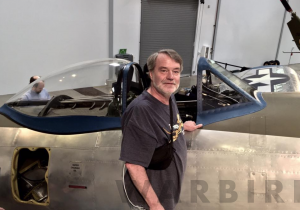 Randy Malmstrom grew up in a family steeped in aviation culture. His father, Bob, was still a cadet in training with the USAAF at the end of WWII, but did serve in Germany during the U.S. occupation in the immediate post-war period, where he had the opportunity to fly in a wide variety of types which flew in WWII. After returning to the States, Bob became a multi-engine aircraft sales manager and as such flew a wide variety of aircraft; Randy frequently accompanied him on these flights. Furthermore, Randy’s cousin, Einar Axel Malmstrom flew P-47 Thunderbolts with the 356th FG from RAF Martlesham Heath. He was commanding this unit at the time he was shot down over France on April 24th, 1944, spending the rest of the war as a prisoner of war. Following his repatriation at war’s end, Einar continued his military service, attaining the rank of Colonel. He was serving as Deputy Wing Commander of the 407th Strategic Fighter Wing at Great Falls AFB, MT at the time of his death in a T-33 training accident on August 21, 1954. The base was renamed in his honor in October 1955 and continues to serve in the present USAF as home to the 341st Missile Wing. Randy’s innate interest in history in general, and aviation history in particular, plus his educational background and passion for WWII warbirds, led him down his current path of capturing detailed aircraft walk-around photos and in-depth airframe histories, recording a precise description of a particular aircraft in all aspects.


The Corsair never had a spin problem caused by it’s large prop, instead the stall strip.was fitted because of as symmetrical stalling cased by the large prop, and aircraft being aerodynamically clean, due to the flush riting, and spot wielding techniques Vought used in building the fighter. Also, the F2G Super Corsair never had a second seat fitted behind the pilot, and it was never ever fitted with a counter rotating prop. The only type a contra prop was fitted to a Corsair, was when the Navy, and Vought conducted a flight test program with one of the F4U-4 test birds, and it ended in failure.