

(Image credit: VAN)
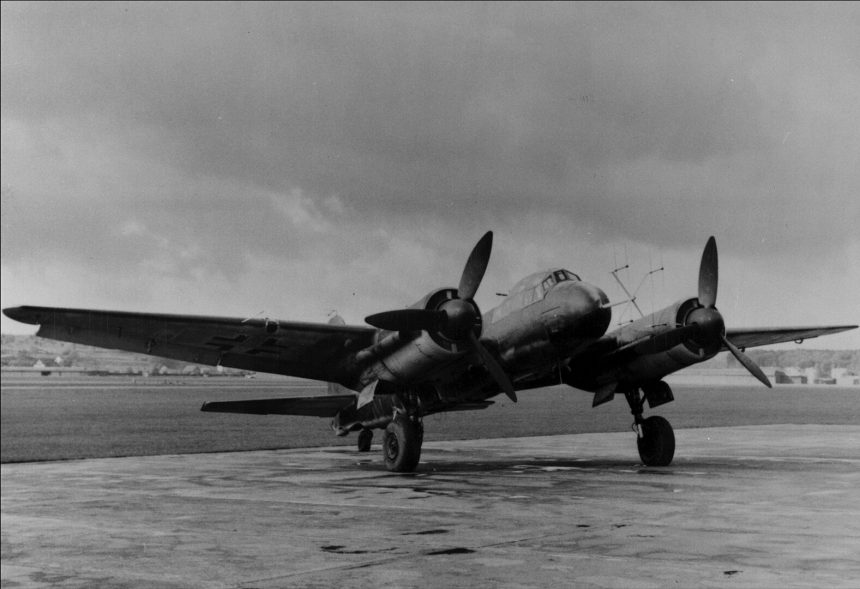
On this day in aviation history, 89 years ago (December 21, 1936), the first flight of the Junkers Ju 88 V1 Prototype took place. The Ju 88 was a twin-engined multirole combat aircraft built by Junkers and flown by the German Luftwaffe during World War II. Ju 88s were used extensively in the war, proving their versatility throughout the duration of the conflict. Development of the Junkers began in 1934 upon the release of a Reichsluftfahrtministerium (RLM) requirement seeking a new multi-purpose aircraft. Junkers’ chief designer, Ernst Zindel, took on the project to develop this new multi-role aircraft. Zindel envisioned a Schnellbomber (“fast bomber”) that had enough speed and maneuverability to evade enemy fighters that sought to destroy it. After the first prototype’s flight on 12/21/36, subsequent prototypes would build upon the Ju 88’s performance, the third aircraft being “highly favourable.” As a result of the third prototype’s superior performance, the competing Henschel Hs 127 and Messerschmitt Bf 162 were abandoned.

After sorting out some technical developmental issues, the Ju 88 was introduced into frontline service in September 1939. Ju 88s saw their first action during the Invasion of Poland. From here, the aircraft would serve in numerous theatres of operation, including the Norwegian campaign, the Battle of France, the Battle of Britain, the invasions of Yugoslavia/Greece, the Siege of Malta, the North African campaign, and the Eastern Front. Depending on the theatre the Ju 88 was serving in, and the need at the time, the Junkers would serve as a bomber (either tactical, dive, or torpedo), heavy fighter (sometimes at night), and reconnaissance aircraft.
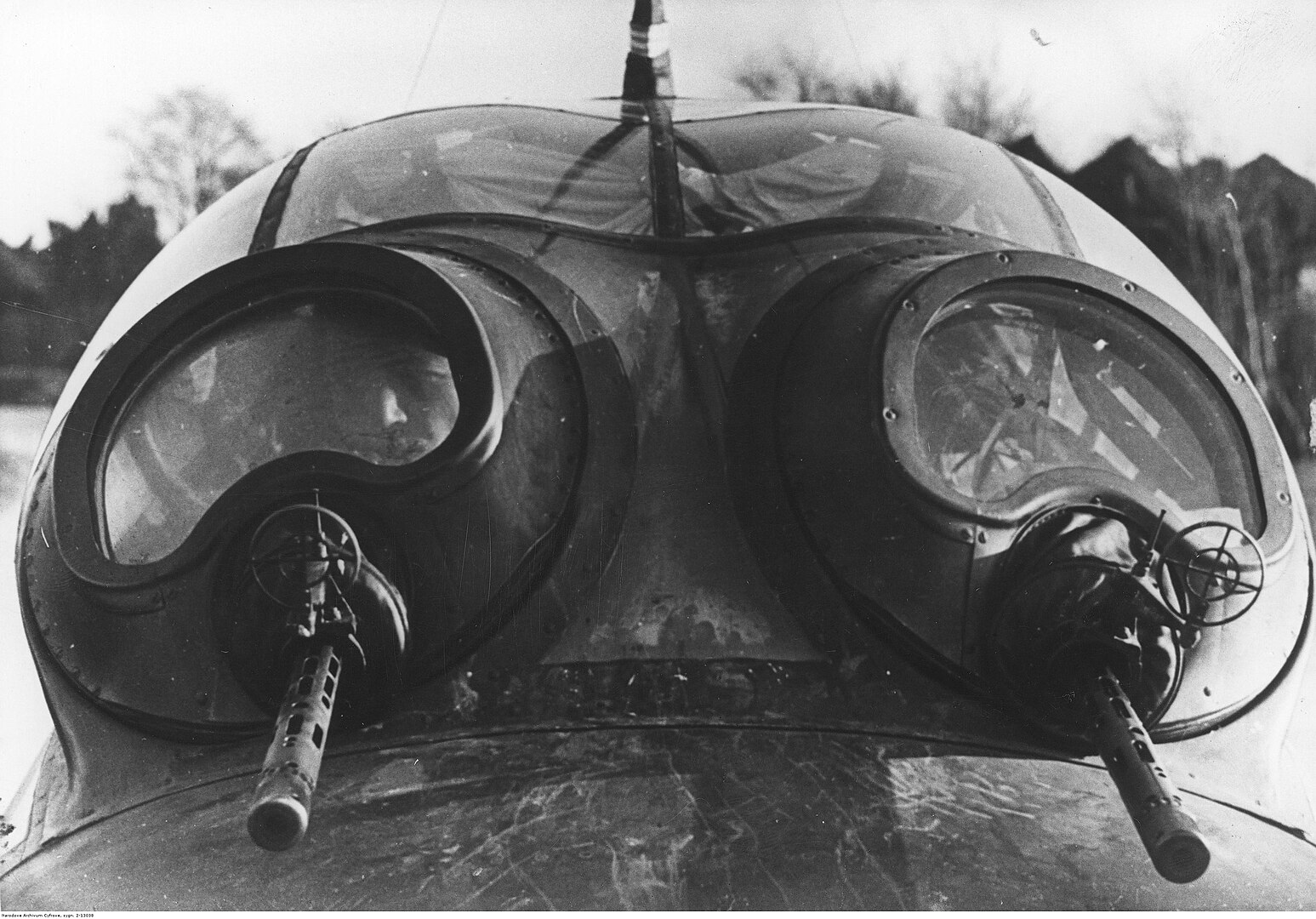
The Junkers Ju 88 A-4 had a crew of four: pilot, bombardier/front gunner, radio operator/rear gunner, and a navigator/ventral gunner. Two Junkers Jumo 211J-1 or 211J-2 V-12 engines powered the Ju 88, capable of producing between 1,060 and 1,350 horsepower (depending on altitude). A maximum airspeed of 290 mph was attainable for the Ju 88, and cruise speed was not far behind at 230. Ju 88s had a range of 970 nautical miles and a service ceiling of 26,900 feet. Junkers built a total of 15,183 Ju 88s during the Second World War. Only two complete Ju 88s survive today, and three partial airframes. One such complete airframe, Ju 88 D-1/Trop, Werk Nr. 430650, is on display at the National Museum of the United States Air Force in Dayton, Ohio.