






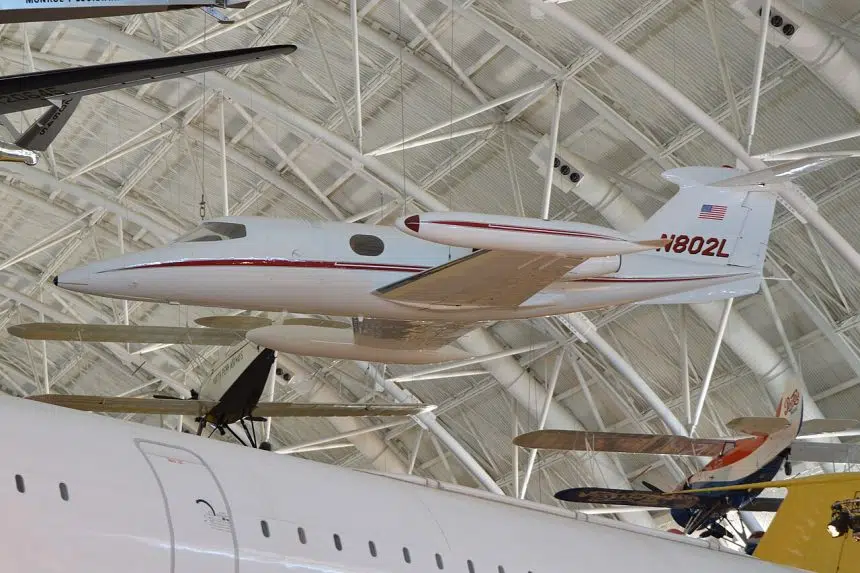


On this day in aviation history, 63 years ago (October 7, 1963), the Learjet 23 prototype took flight for the first time. Test pilots Hank Beaird and Bob Hagen were at the controls for the maiden flight of the prototype. Developed under the direction of William P. Lear, the small twin-engine jet would help establish an entirely new market for fast, efficient business aircraft. Development of the Learjet 23 traced its roots to the Swiss FFA P-16 ground-attack aircraft. Lear recognized the potential of the design and established the Swiss American Aviation Corporation to develop a twin-engine passenger aircraft initially known as the SAAC-23 Execujet. The company subsequently moved to Wichita, Kansas, became Lear Jet Corporation, and began construction of the first Model 23 in February 1962.

The prototype was lost in an accident on June 4, 1964, after its pilot inadvertently deployed the spoilers while demonstrating an engine failure during takeoff. The accident was attributed to pilot error and did not prevent the Learjet 23 from receiving its type certificate the following month. The first production aircraft was delivered on October 13, 1964, and 101 Model 23s were ultimately constructed before production ended in 1966. The design became the foundation for the extensive Learjet family that followed. The Learjet 23 measured 43 feet 3 inches in length with a wingspan of 35 feet 7 inches and was powered by two General Electric CJ610-4 turbojets producing 2,850 pounds of thrust each. The aircraft could reach 561 mph, or Mach .82, with a range of approximately 1,830 miles and a service ceiling of 45,000 feet. With accommodations for two pilots and up to six passengers, the Model 23 brought fighter-like performance to the emerging business jet market.
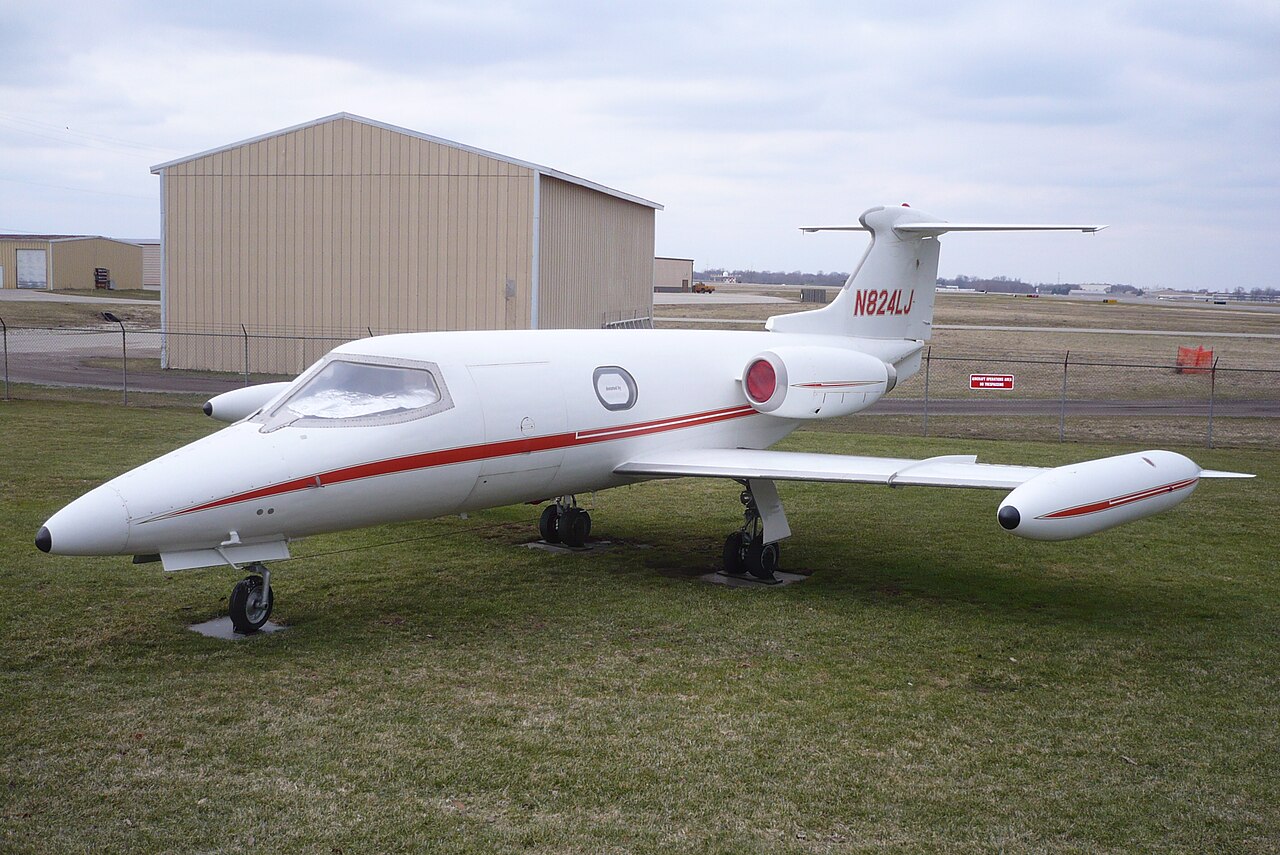










104 Lear Jet Model 23’s were built.
The engines on the original M23 were CJ610-1.