






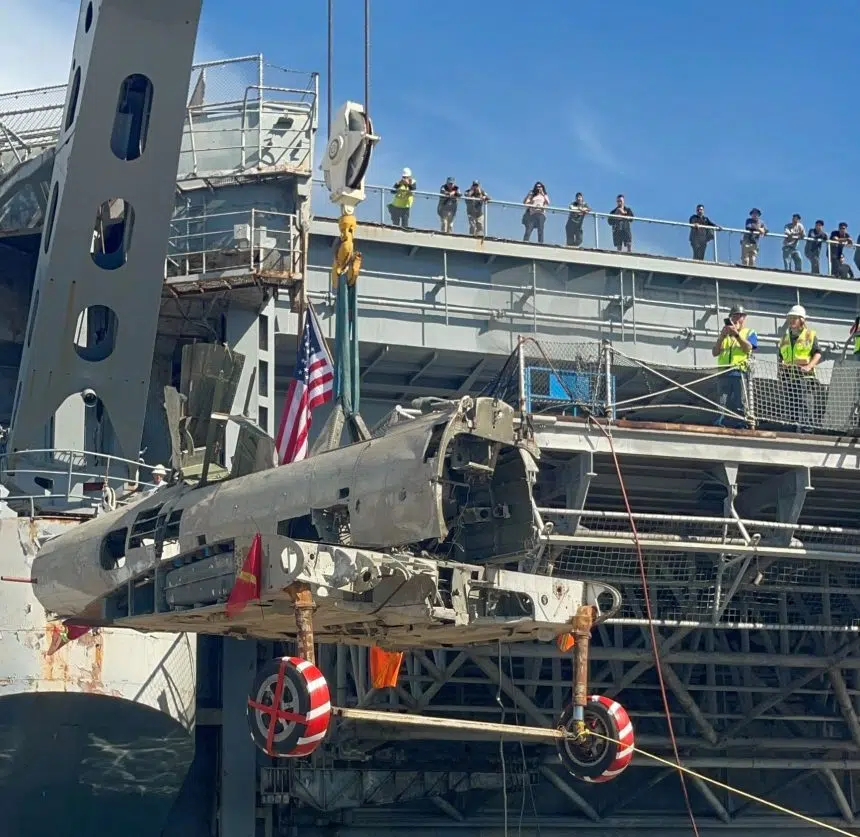

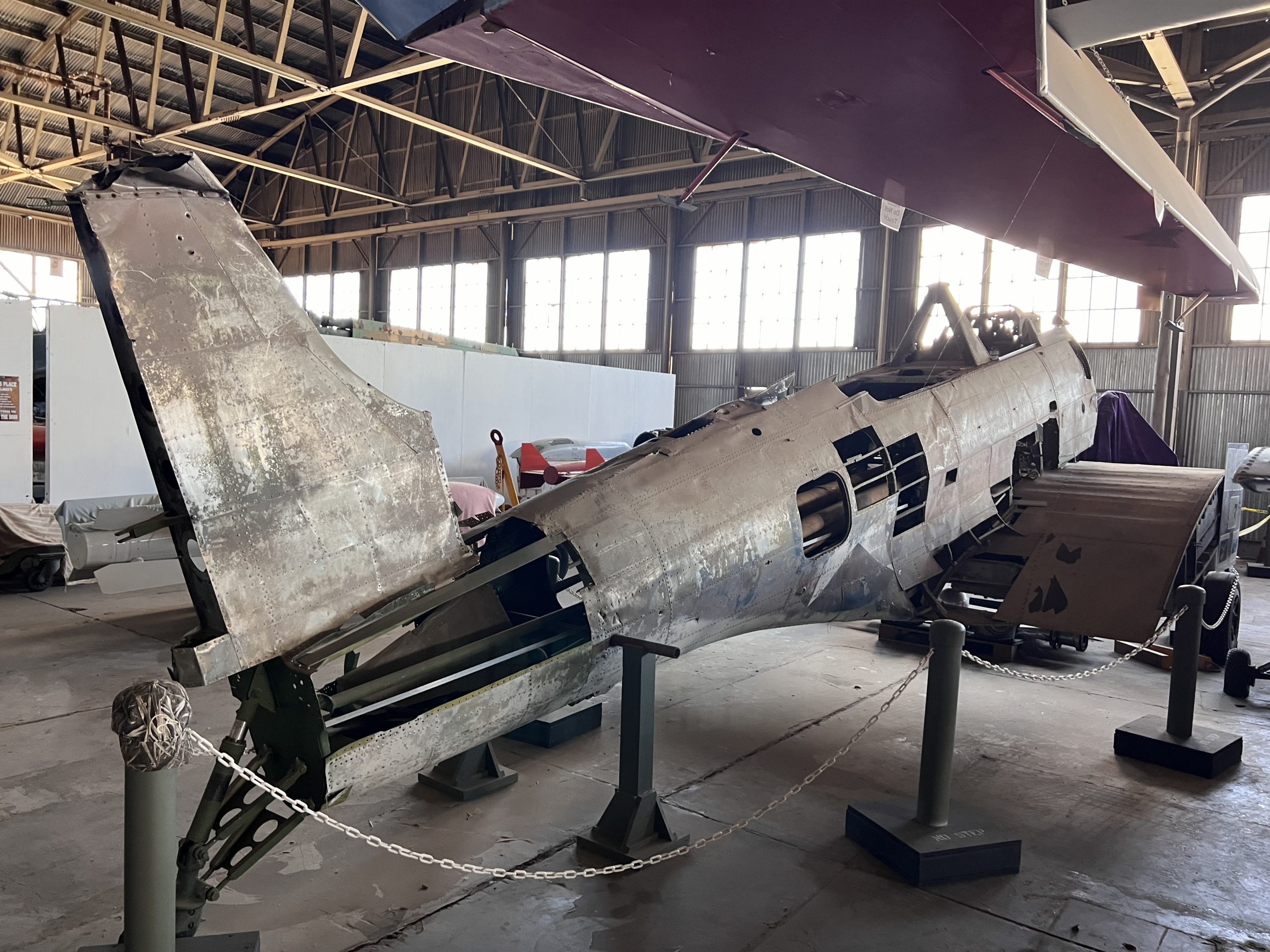
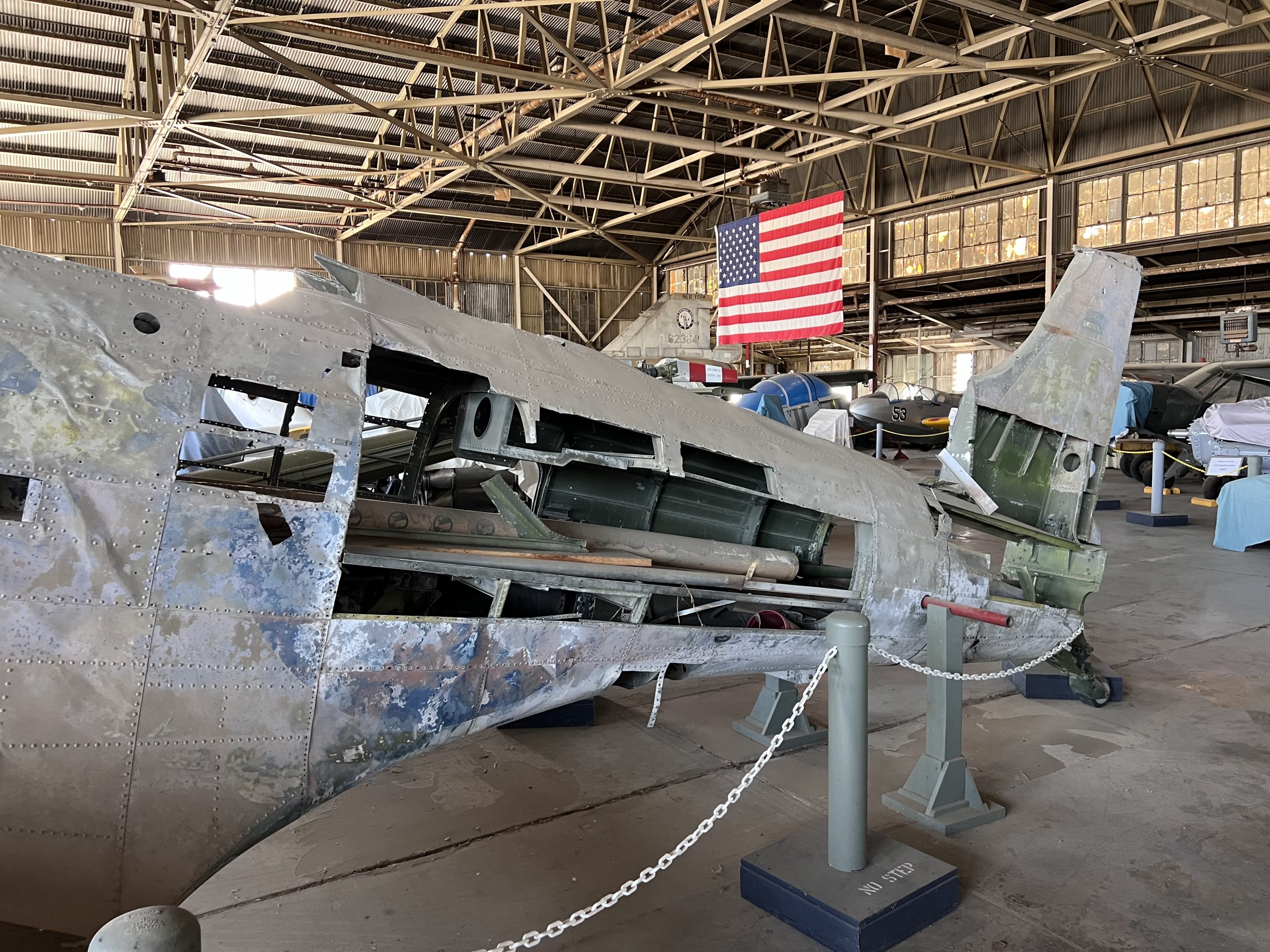
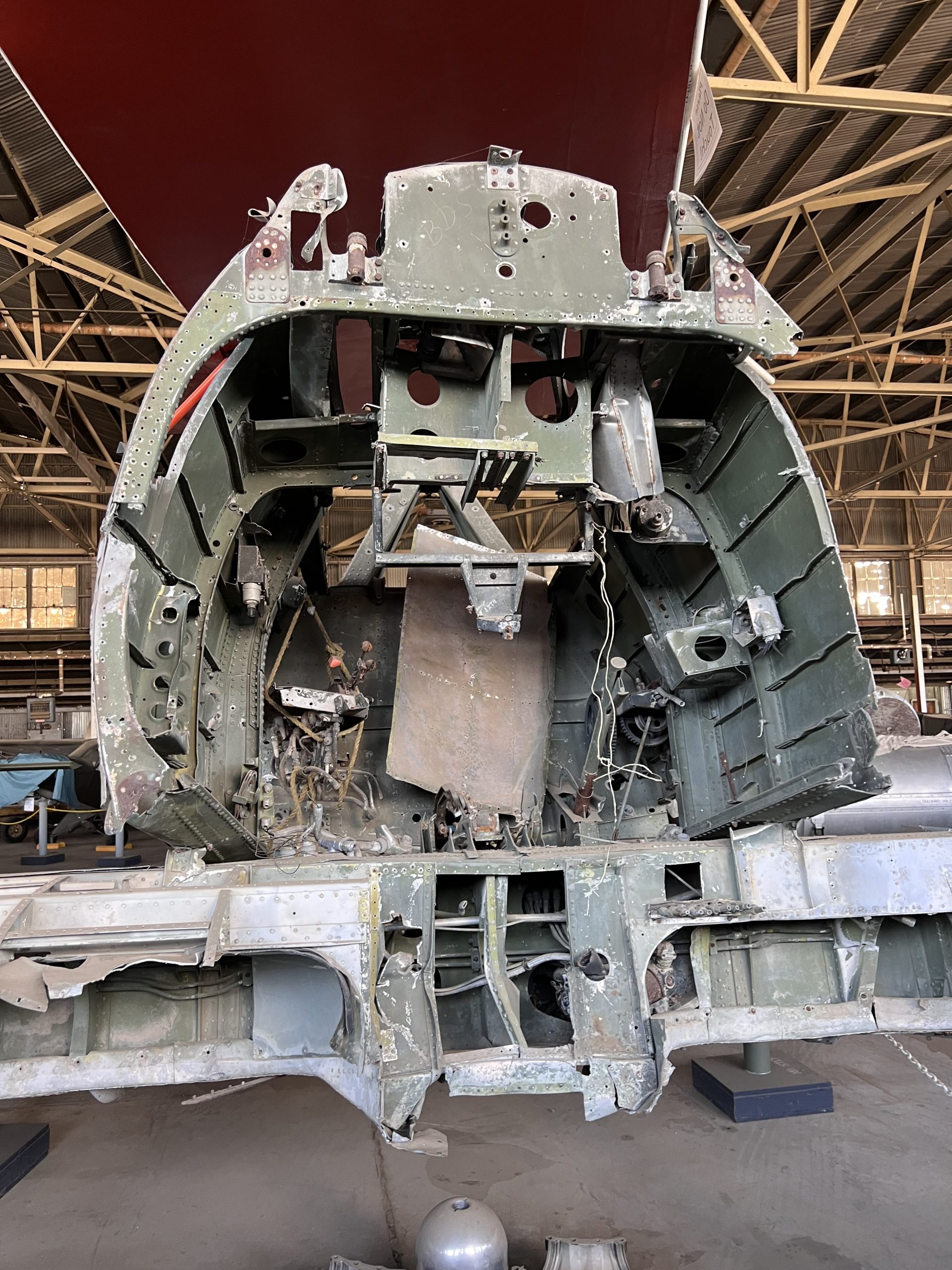
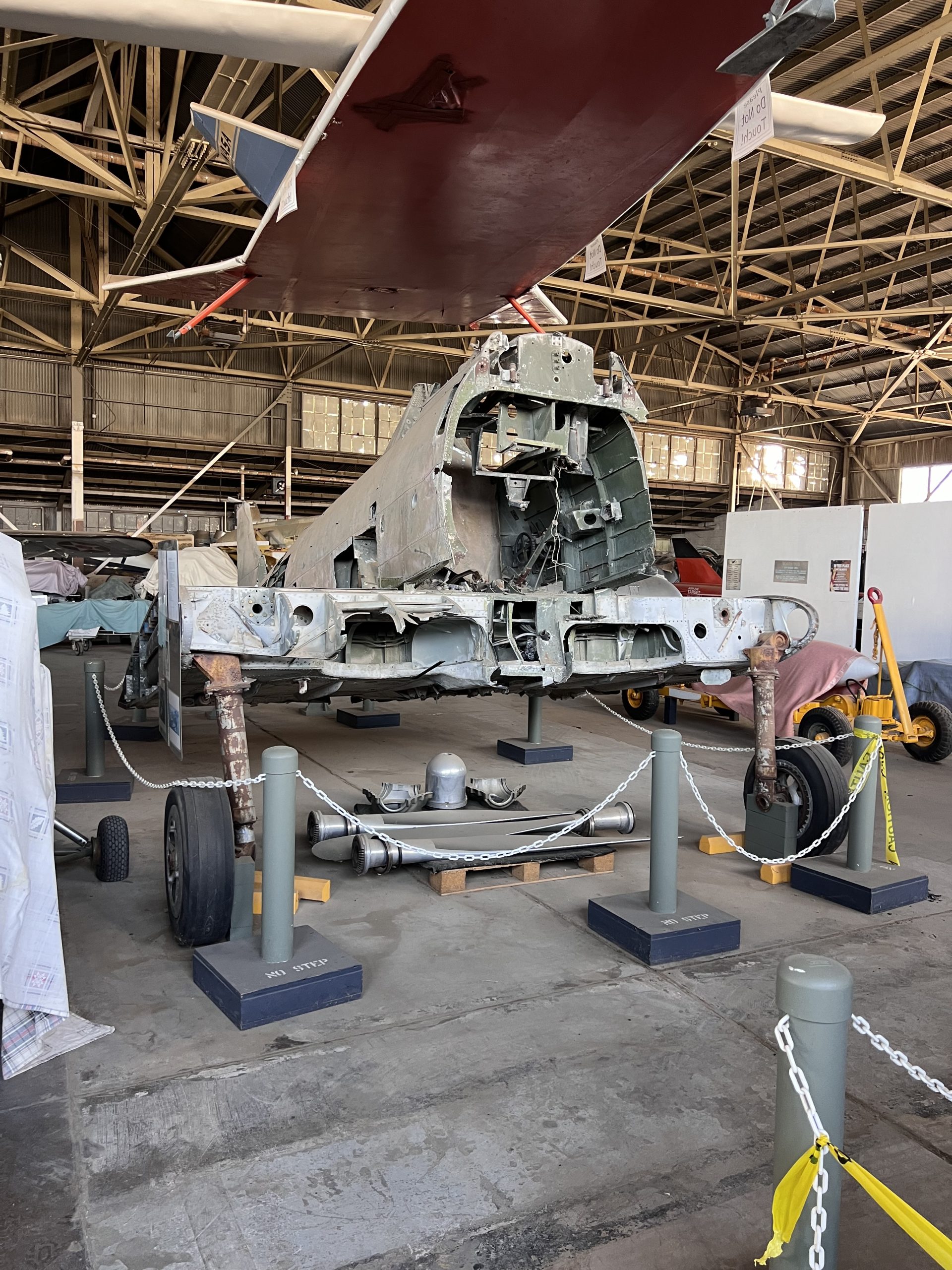
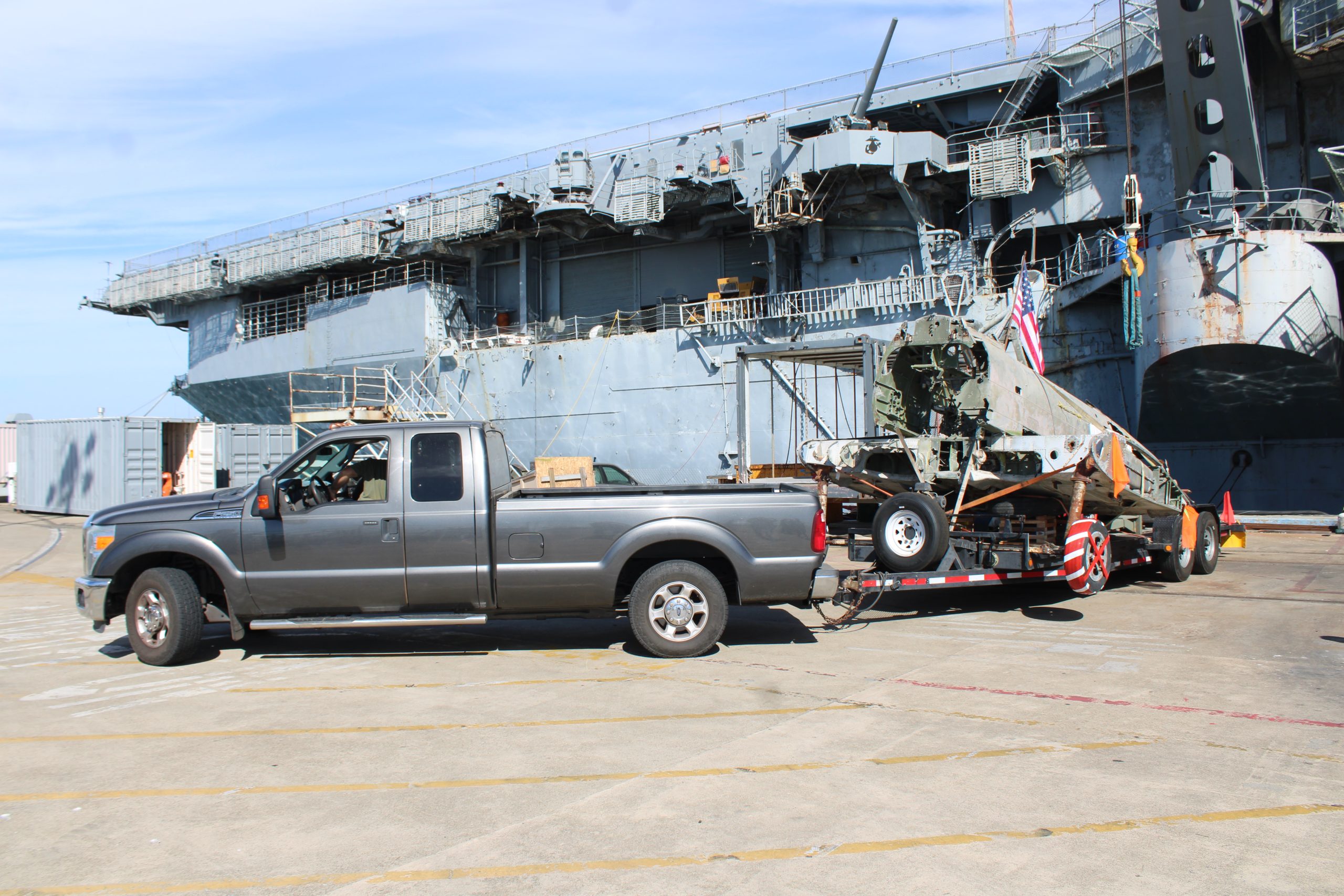
At the crack of dawn on September 26, 2026, a convoy of pickup trucks and SUVs departs from Merced-Castle Airport in Atwater, California, headed for the USS Hornet Sea, Air and Museum in Alameda, more than 120 miles away. On a trailer towed by one of the trucks is the battered fuselage of a Douglas SBD Dauntless dive bomber, which has spent the last fourteen years in the storage and restoration hangars of Atwater’s Castle Air Museum. Now, this WWII veteran aircraft is destined to be restored in the hangar deck of the USS Hornet (CVS-12), an Essex-class carrier that faced kamikaze attacks and recovered the Apollo 11 astronauts.

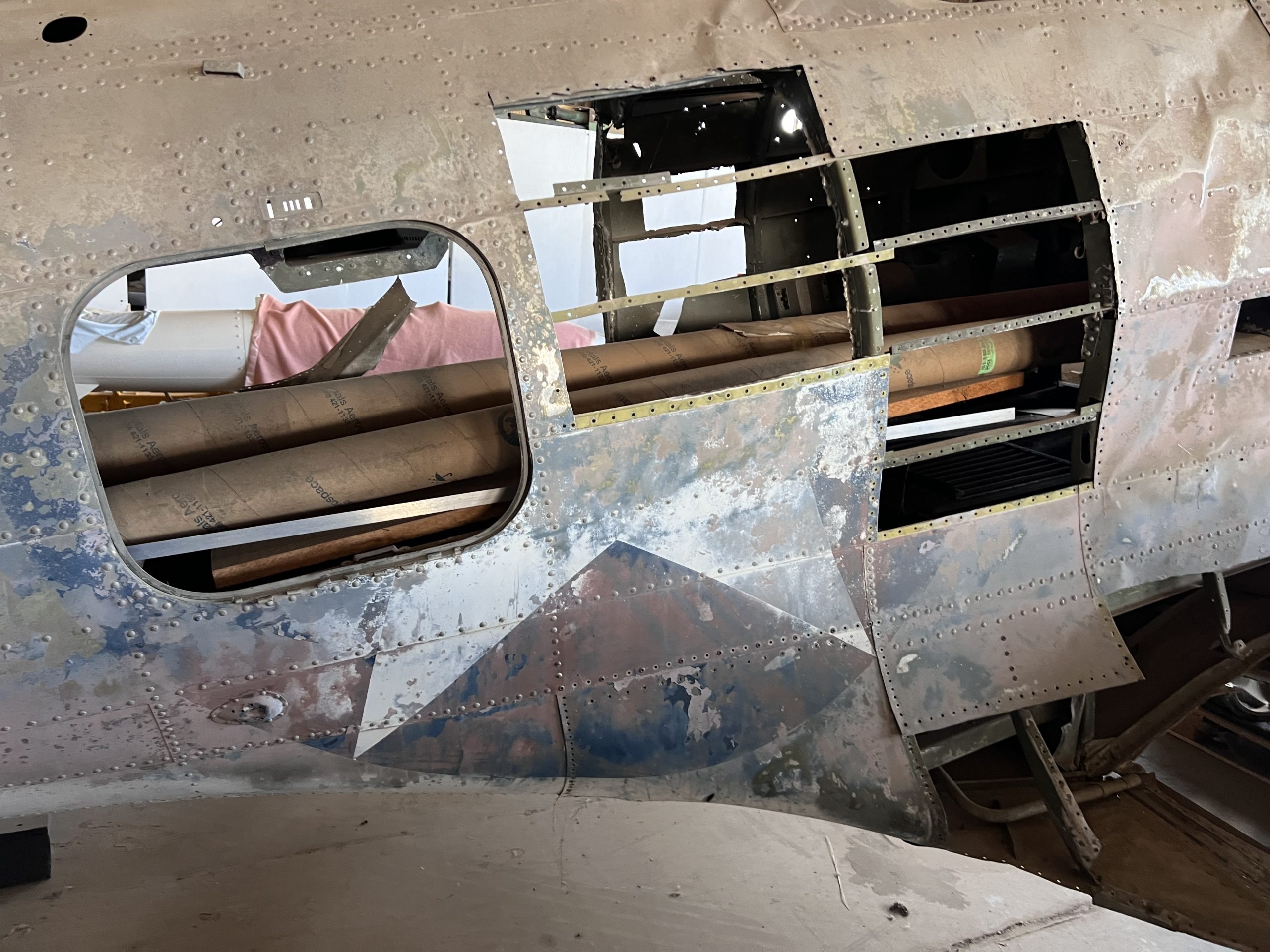
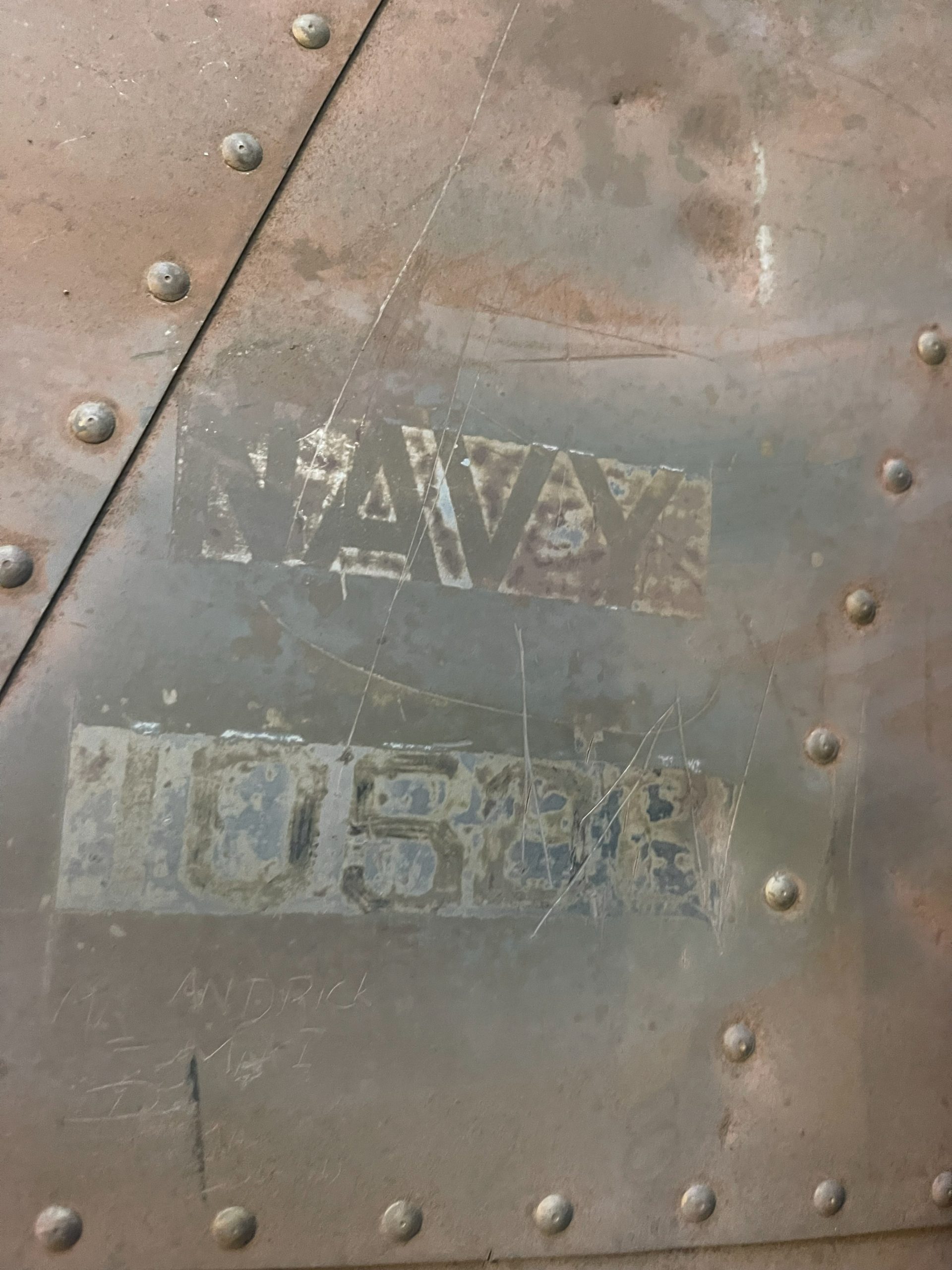
The Dauntless sent from the Castle Air Museum to the USS Hornet was originally manufactured at the Douglas Aircraft factory in El Segundo, California, as SBD-4 construction number 2468, and officially delivered to the United States Navy as Bureau Number 10508 on February 12, 1943. Five days later, on February 17, the aircraft was sent to Naval Air Station San Diego (now NAS North Island) to be shipped to the Pacific Theater. In March 1943, BuNo 10508 was assigned to Fleet Air Base Unit 1 (FABU-1) at Noumea, New Caledonia, where it was kept in reserve until April 1943, when it was assigned to Bombing Squadron 13 (VB-13) aboard USS Saratoga (CV-3). VB-13 had been created from the elements of another squadron aboard the Saratoga, Scouting Squadron 6 (VS-6). Throughout the spring and summer of 1943, BuNo 10508 flew up to 50 combat missions as part of VB-13 in the Solomon Islands while Saratoga was the only American carrier engaged in combat operations in the Pacific, alongside the British carrier HMS Victorious. In August 1943, SBD-4 BuNo 10508 was transferred to the United States Marine Corps, serving as part of Marine Scout Bomber Squadron 234 (VMSB-234), then with VMSB-141, then stationed in Auckland, New Zealand, where the squadron, serving as part of Marine Air Group 14 (MAG-14), was sent to recover from combat operations in the New Hebrides (now Vanuatu) before being sent back to the United States.

At the same time, the Royal New Zealand Air Force (RNZAF) was seeking to go on the offensive in the Pacific Theater after previously being focused primarily on defending New Zealand from the threat of a Japanese invasion. However, much of the RNZAF inventory consisted of obsolete British designs, often of prewar vintage, and needed to secure more modern aircraft. Under the Lend-Lease Program, the US agreed to send American aircraft to New Zealand for RNZAF to become familiar with the new aircraft types before going into combat. With MAG-14 already operating in Auckland, it was decided that the group would loan several of its Dauntless dive bombers to the newly-created No.25 Squadron RNZAF, under the command of Squadron Leader Theo de Lange, with the old combat veterans SBD-3s and -4s to be used for crew training at Seagrove Aerodrome near Auckland. The Dauntlesses of No.25 Squadron would operate with RNZAF roundels painted over the American ones.

In October 1943, SBD-4 BuNo 10508 was officially loaned via Lend-Lease to the RNZAF before being officially brought on charge with the RNZAF on November 14, 1943, as serial number NZ5021. When No.25 Squadron was sent to Espiritu Santo in January 1944, SBD-4 NZ5021 remained at Seagrove, while other SBD-4s that were brought to Espiritu Santo were exchanged with the USMC for newer SBD-5 models. That same month, NZ5021 was reassigned to No.26 Squadron RNZAF, but the squadron was disbanded before later being reactivated in March 1945 to fly Lend-Lease Vought F4U Corsairs. Dauntless NZ5021, meanwhile, was placed in outdoor storage at RNZAF Station Hobsonville, also near Auckland, and it would spend the rest of the war there alongside other surplus Dauntless dive bombers. With the demobilization of RNZAF forces, there was no need for surplus WWII aircraft, and so the Dauntless that remained in New Zealand sat at Hobsonville until March 1, 1948, when they were purchased by a scrap dealer named Jack Edwards, who also bought NZ5021.

For almost all of the RNZAF Dauntlesses in New Zealand, this was the end of the story, but for NZ5021/BuNo 10508, it was only the start of what would become a murky trail. It remains uncertain exactly where NZ5021 would spend the next 40 years, but it is believed that the aircraft was stored on a farm, and after its equipment was removed, it was largely an empty aluminum shell. Then around 1993, a rancher named Greg Morris of Hugoton, Kansas, had the aircraft shipped back to the United States, and an article from The Hugoton Hermes newspaper dated June 23, 1994 states that the aircraft was acquired by Morris and another Hugoton resident, Jack Reynolds, from a resident of New Zealand and was allocated for a reunion of VS-6/VB-13 veterans held from October 12-14, 1994, organized by former rear gunner/radioman Donald L. Hoff of Fresno, California. According to local sources, Morris restored antique tractors, classic cars, and vintage aircraft, and was also a private pilot. Morris also acquired a new pair of wings for the aircraft, which were believed to have been taken from the Solomon Islands, as several SBD Dauntless restoration projects often looked to places like Guadalcanal to find new SBD wings for aircraft that were missing their original wings. Furthermore, the late aviation chronicler Geoff Goodall states that NZ5021 was owned by New Zealand warbird restorer Ross Jowitt, and it is possible that Jowitt sold the Dauntless to Morris and Reynolds. By June 1998, though, SBD-4 BuNo 10508 was acquired by the National Naval Aviation Museum in Pensacola, Florida, and was soon loaned out to the Pima Air and Space Museum in Tucson, Arizona, where it spent years sitting in Pima’s outdoor storage yard. However, in 2004, Pima received a Douglas A-24B Banshee (the Army designation for the SBD Dauntless) from collector David Tallichet. The Pima Air and Space Museum later restored this Banshee, USAAF serial number 42-54654, in USAAF colors, and it has been on display since 2015.
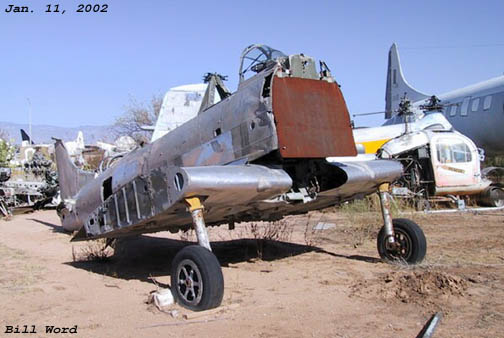
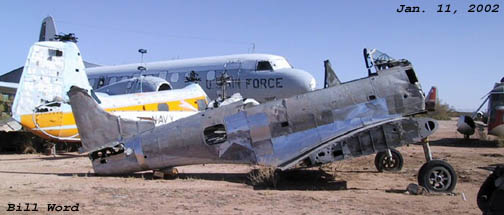

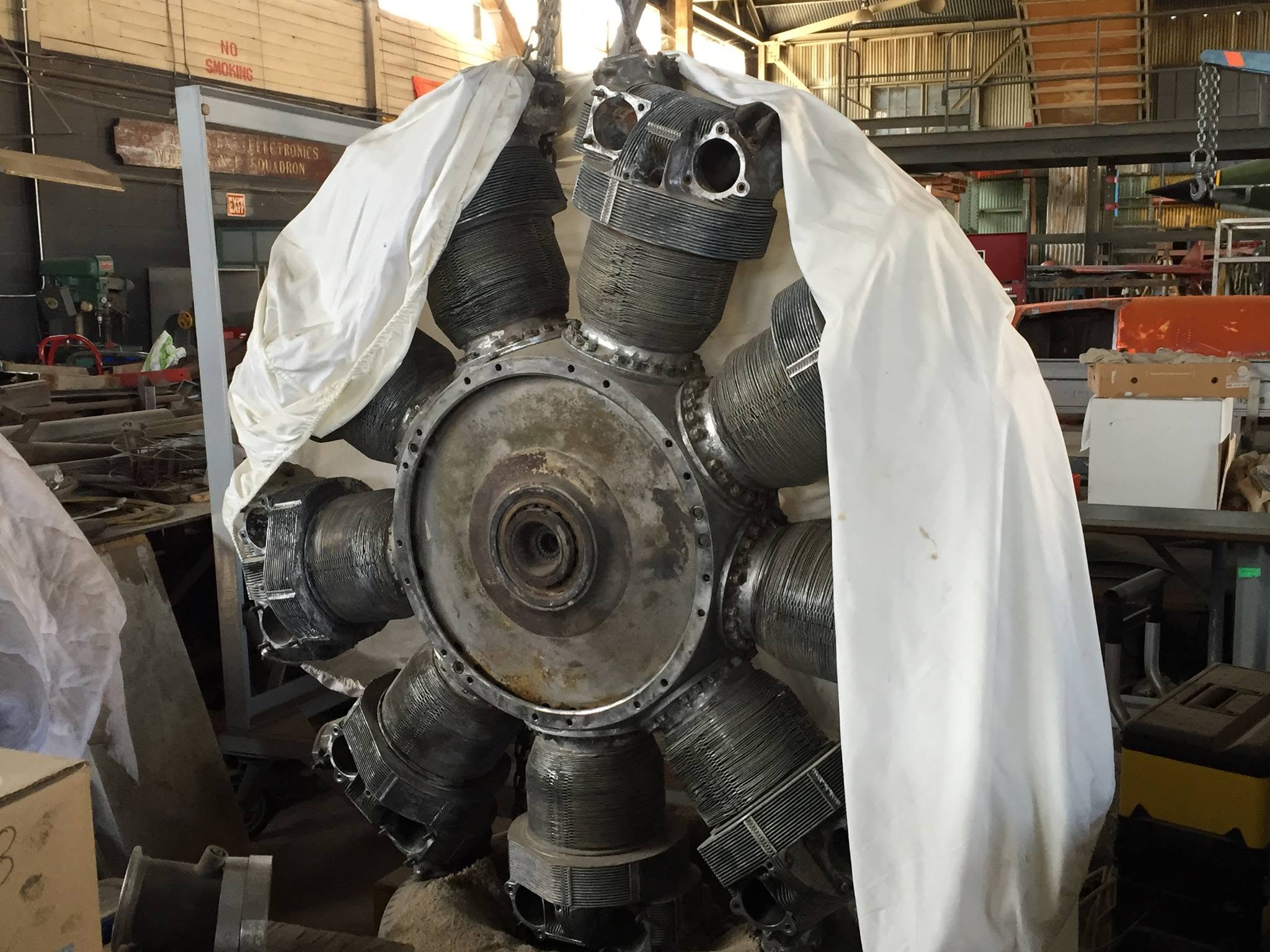
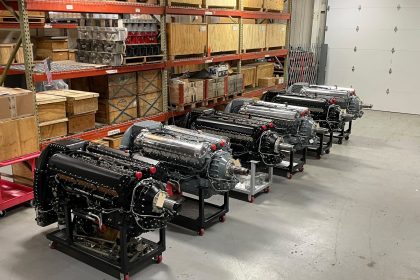
In 2006, SBD-4 BuNo 10508 was loaned to the USS Hornet Museum in Alameda, California to be restored for display. However, given the workload of the museum’s Airwing Department restoring and refurbishing other aircraft in the collection, the SBD sat aboard the Hornet until the aircraft was transferred to the Castle Air Museum in 2012, all while remaining on loan from Pensacola through this whole process. During 10508’s stay in Atwater, it was largely kept inside the Castle Air Museum’s storage hangar, but a Wright R-1820 Cyclone engine and propeller were restored for the aircraft, with the work on the engine being completed by March 2020.
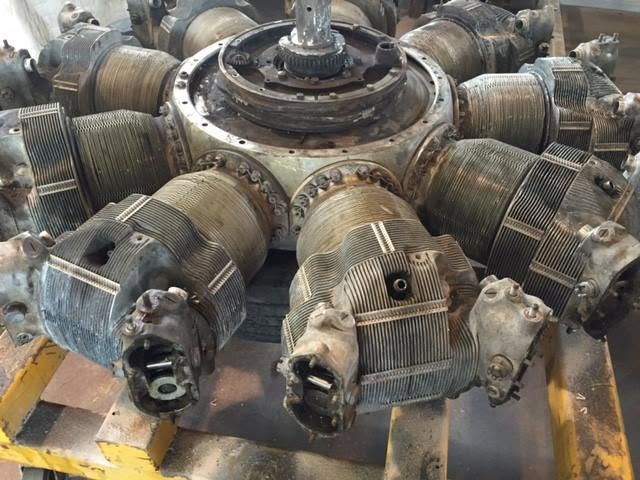
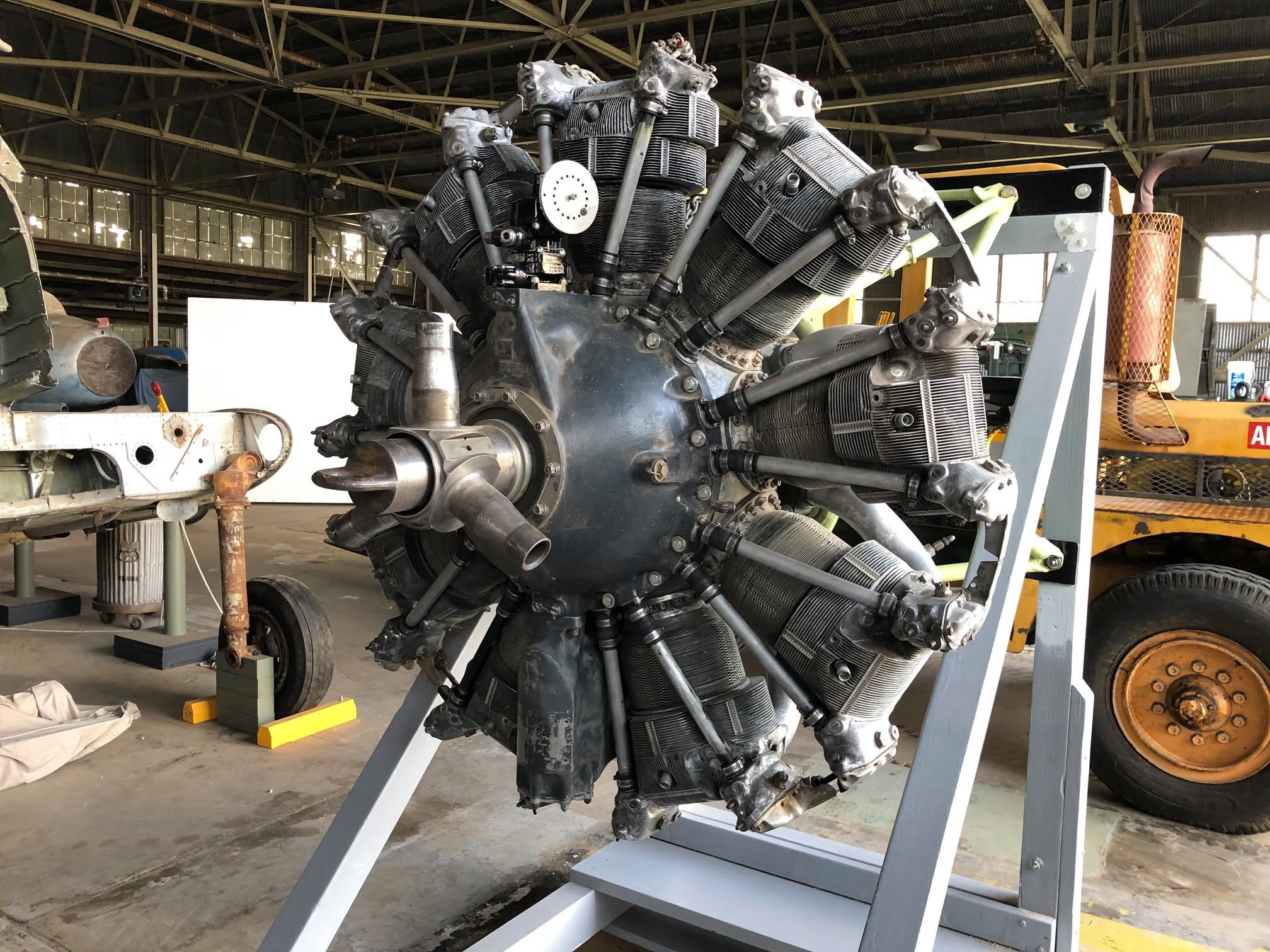

With the Castle Air Museum restoration team focused on both other restoration projects and new acquisitions ranging from a Convair B-58 Hustler, F/A-18 Hornet, F-4 Phantom II “Black Bunny”, Lockheed Martin F-117 Nighthawk, Bell UH-1 Huey, and LTV A-7 Corsair II, to name a few, it was decided to look for a new museum to become a new home for the battered combat veteran.

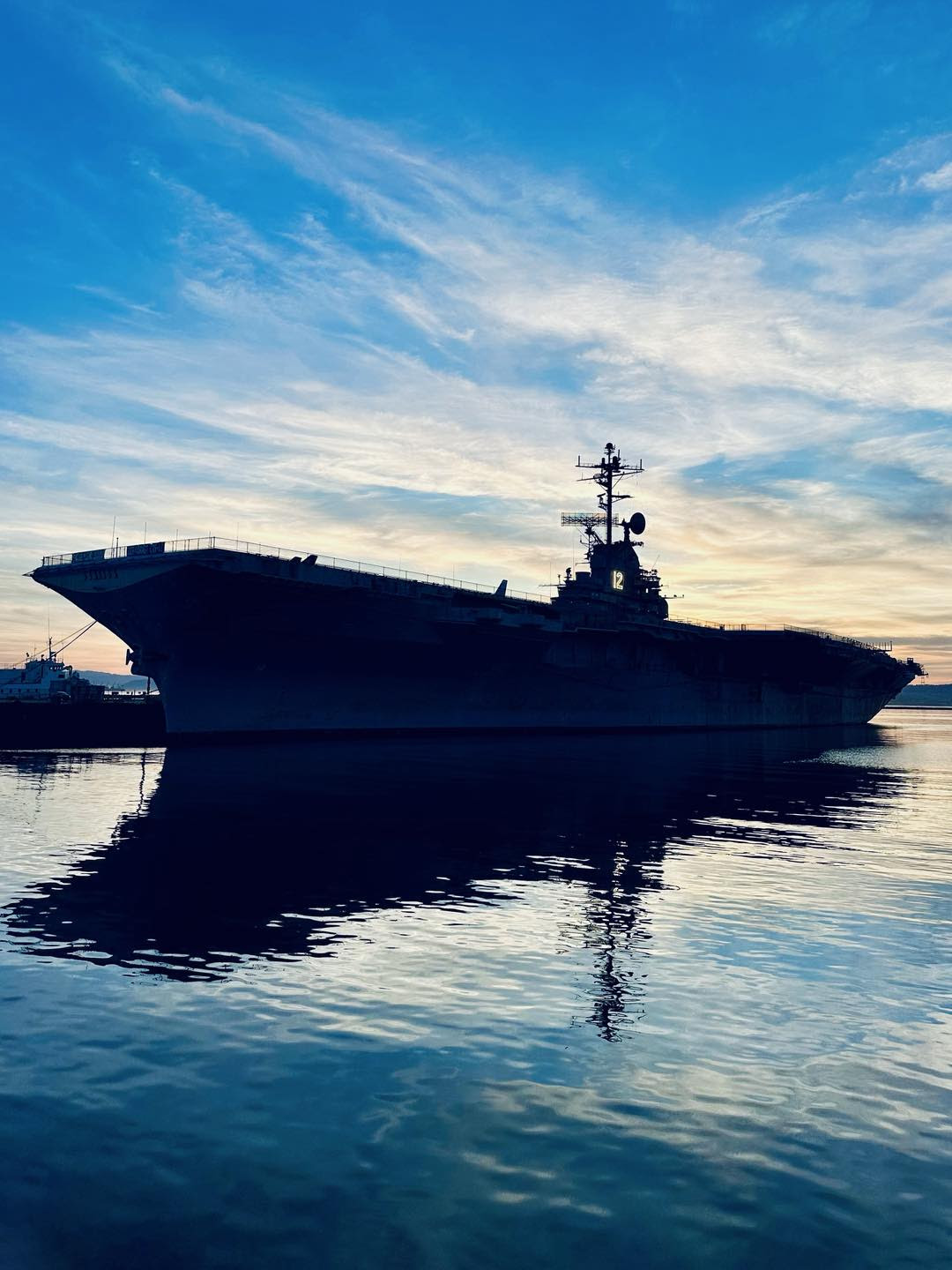
That was when the USS Hornet Sea, Air & Space Museum came back into the picture. Moored at the former Naval Air Station Alameda, the Essex-class carrier USS Hornet (CV-12) sits in the very spot where the Yorktown-class carrier USS Hornet (CV-8) loaded the Doolittle Raiders’ B-25B Mitchells on her flight deck and steamed out through the Golden Gate into the Pacific bound for Tokyo. After a 27-year career in the US Navy that spanned the latter half of the Pacific War, from the Great Marianas Turkey Shoot to the Philippine Campaign, raiding the South China Sea, and supporting the amphibious landings on Iwo Jima and Okinawa, the advent of jet and helicopter carrier operations, and the recovery of the Apollo 11 and Apollo 12 missions, USS Hornet has been a museum ship since October 17, 1998, and features an array of retired US Navy aircraft from the TBM Avenger and FM-2 Wildcat of WWII to the F-4 Phantom II, F-14 Tomcat, and F/A-18 Hornet. Given the Hornet’s legacy as one of the last surviving aircraft carriers of WWII, it is fitting that the SBD-4 Dauntless would return aboard the Hornet.


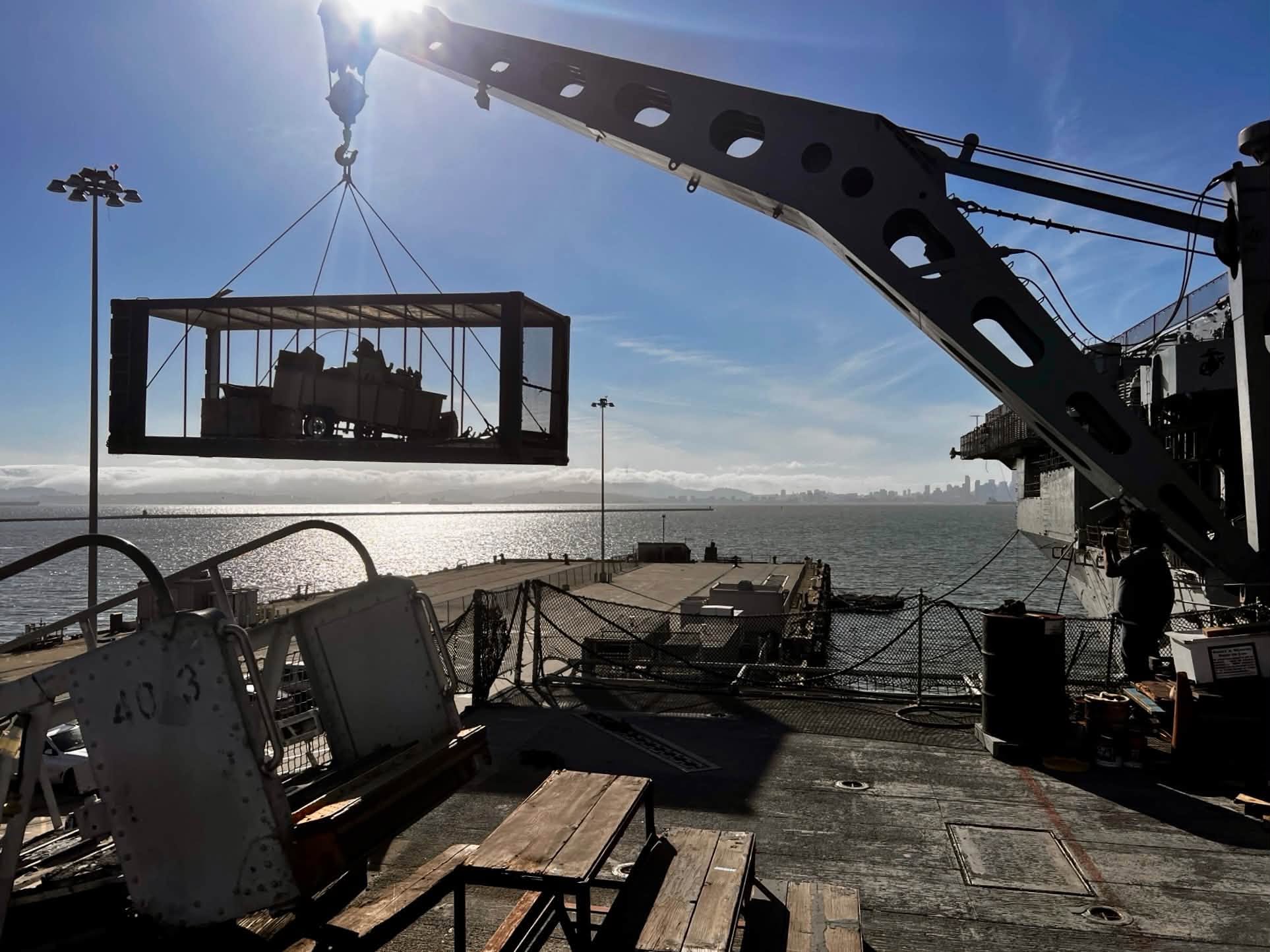
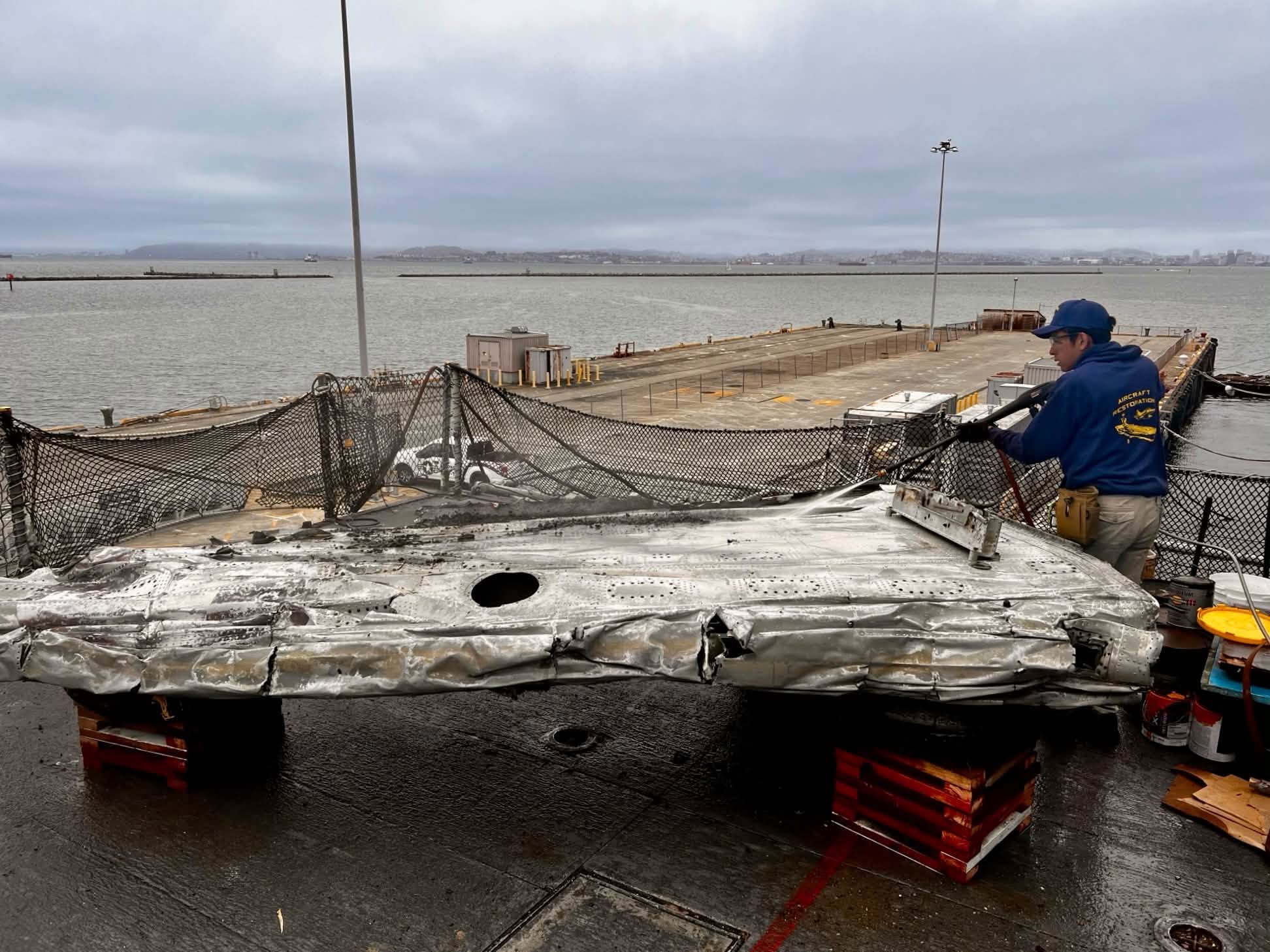
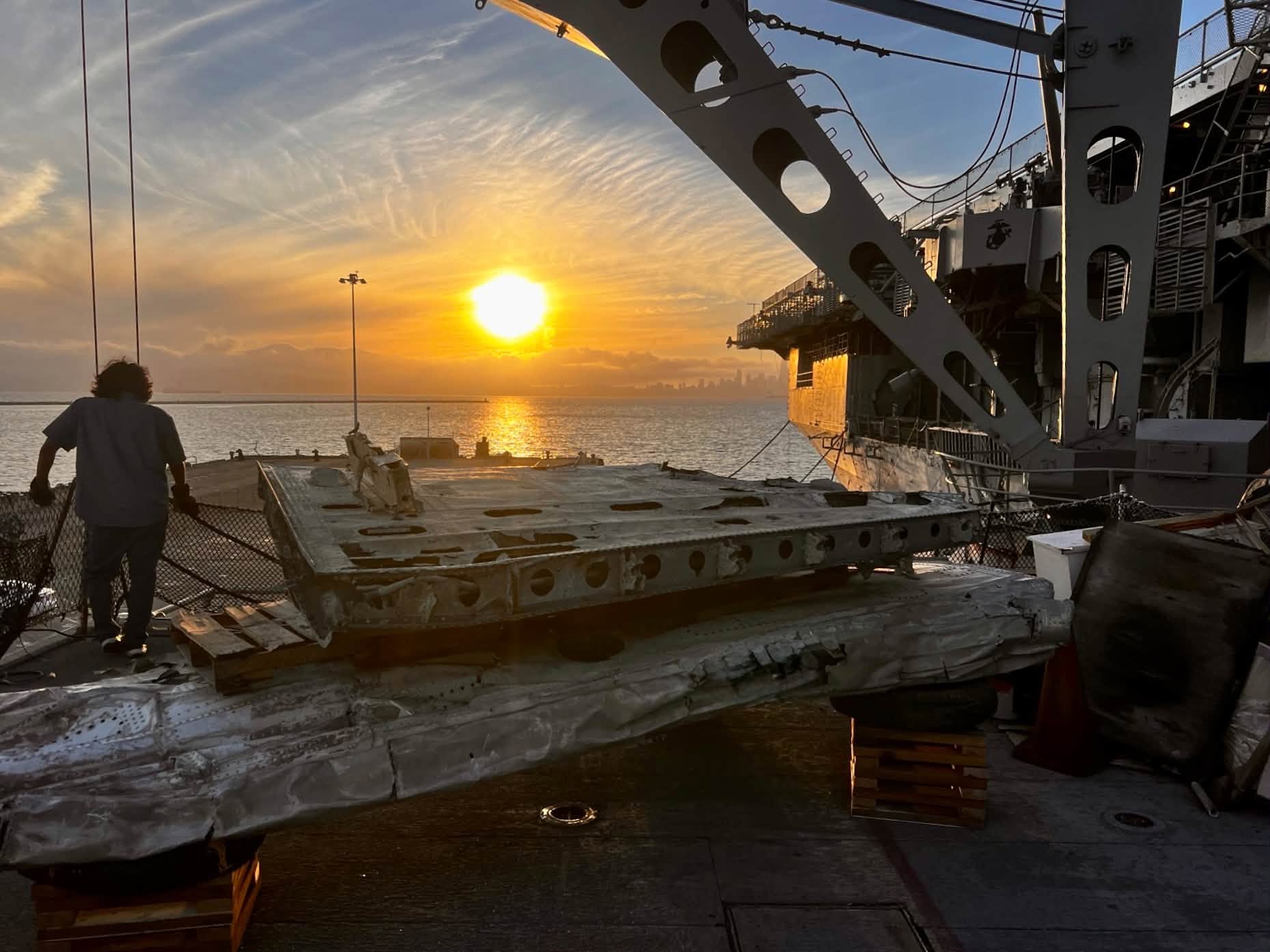
After the Hornet’s Air Group Restoration Department came out to the Castle Air Museum to evaluate the SBD-4’s condition in August 2026, the decision was made to go ahead with the transfer of the Dauntless restoration project, which would involve a 120-mile journey for the 83-year-old aircraft. On September 19, the wings purchased for the restoration of BuNo 10508 were trucked to the USS Hornet and were hoisted inside an open container by the ship’s starboard loading crane, with the wings being placed inside the ship’s hangar deck.

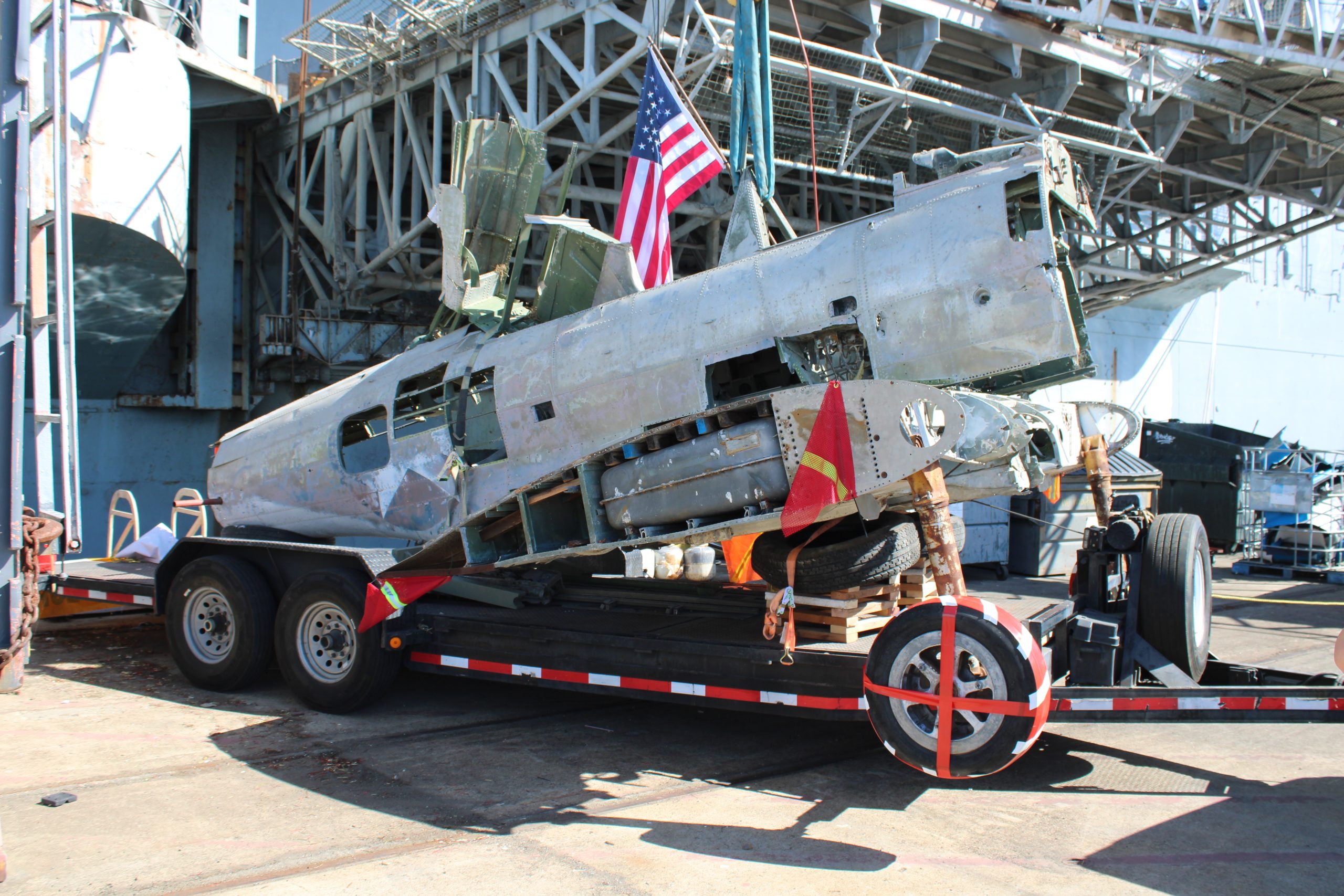
With the wings safely aboard the Hornet, the fuselage of BuNo 10508/NZ5021 was next to be trucked from Atwater to Alameda. Secured to a trailer towed by a pickup truck, the Castle Air Museum Restoration Team towed the Dauntless fuselage out of the hangar at 6:50 a.m., and after a final check of the tie-down straps, the convoy of personal vehicles left Atwater by 7:30 am. After proceeding north up State Route 99, the team then drove west to I-5, then took I-580 through Livermore to Hayward before taking I-880 to Oakland, taking the Webster Street Tube before arriving at the USS Hornet at around 10:40 am.
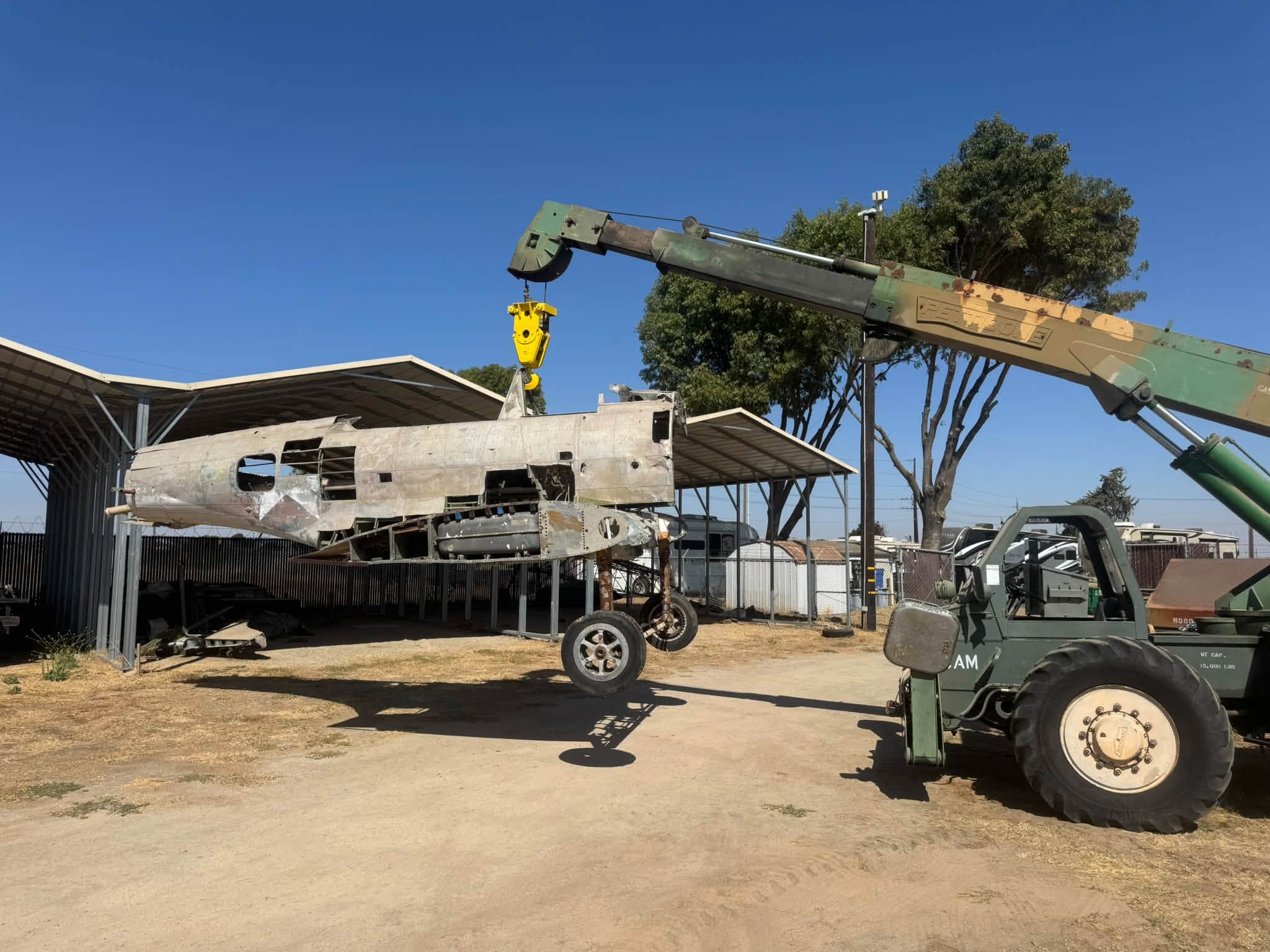
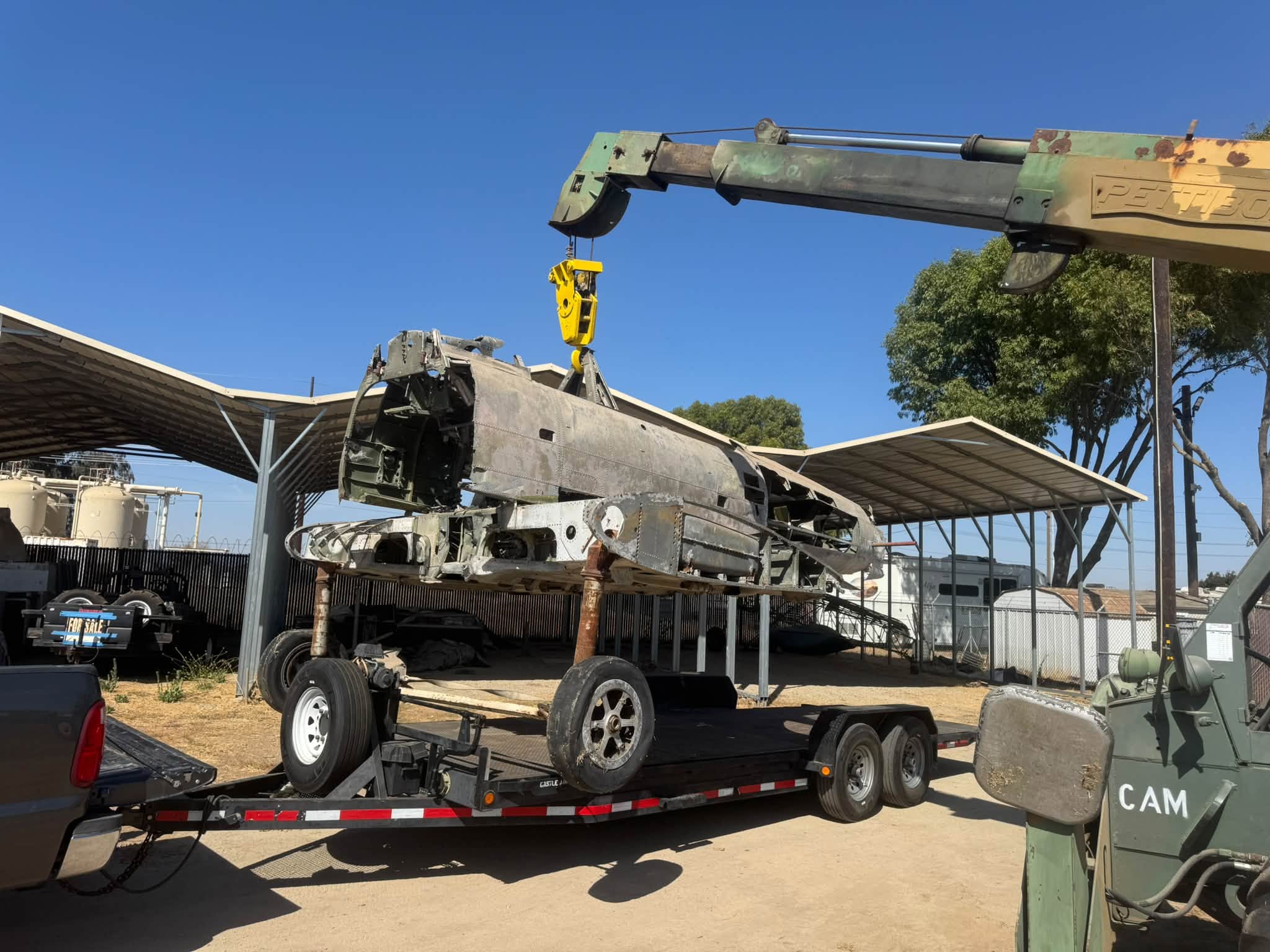
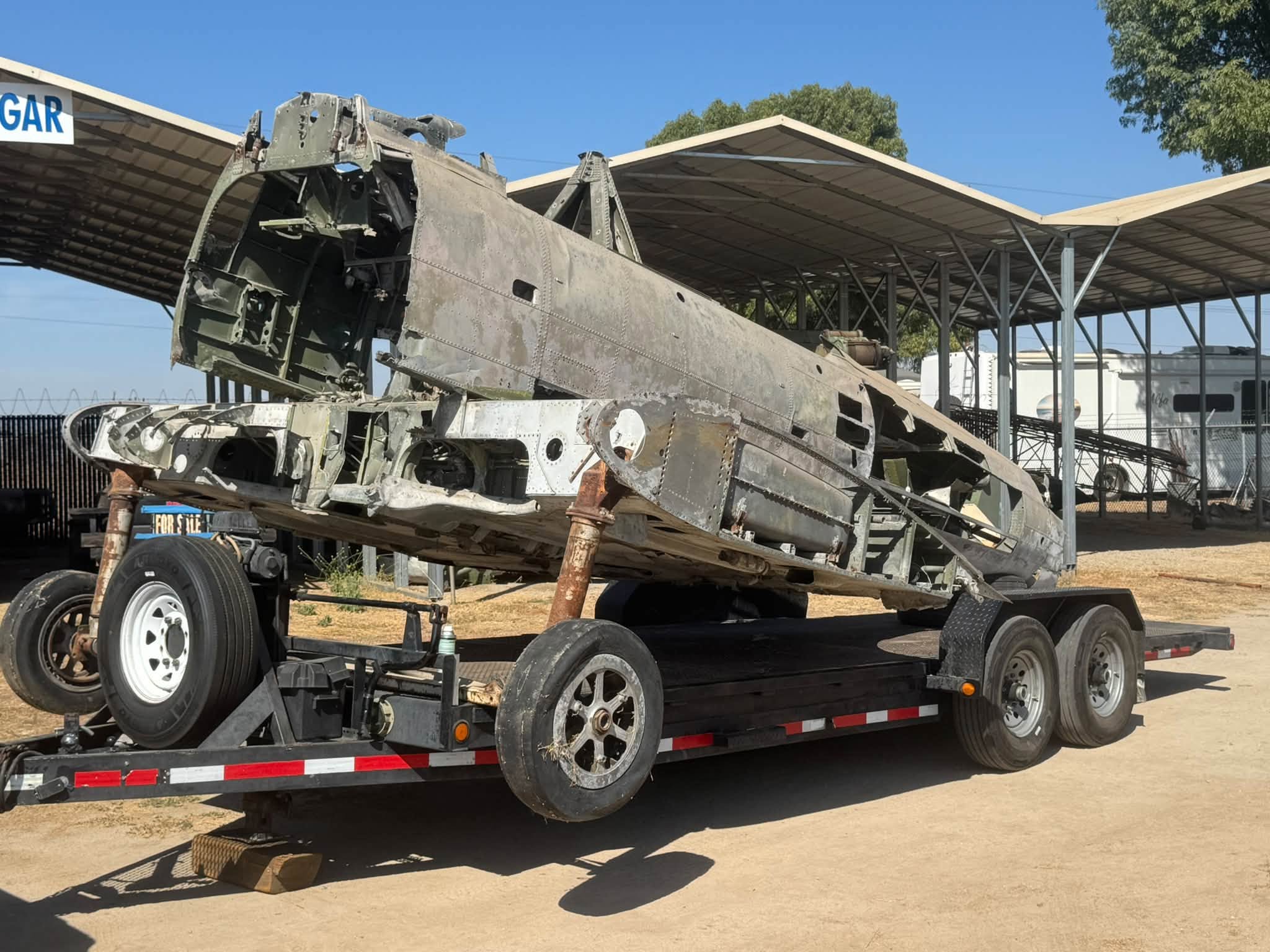
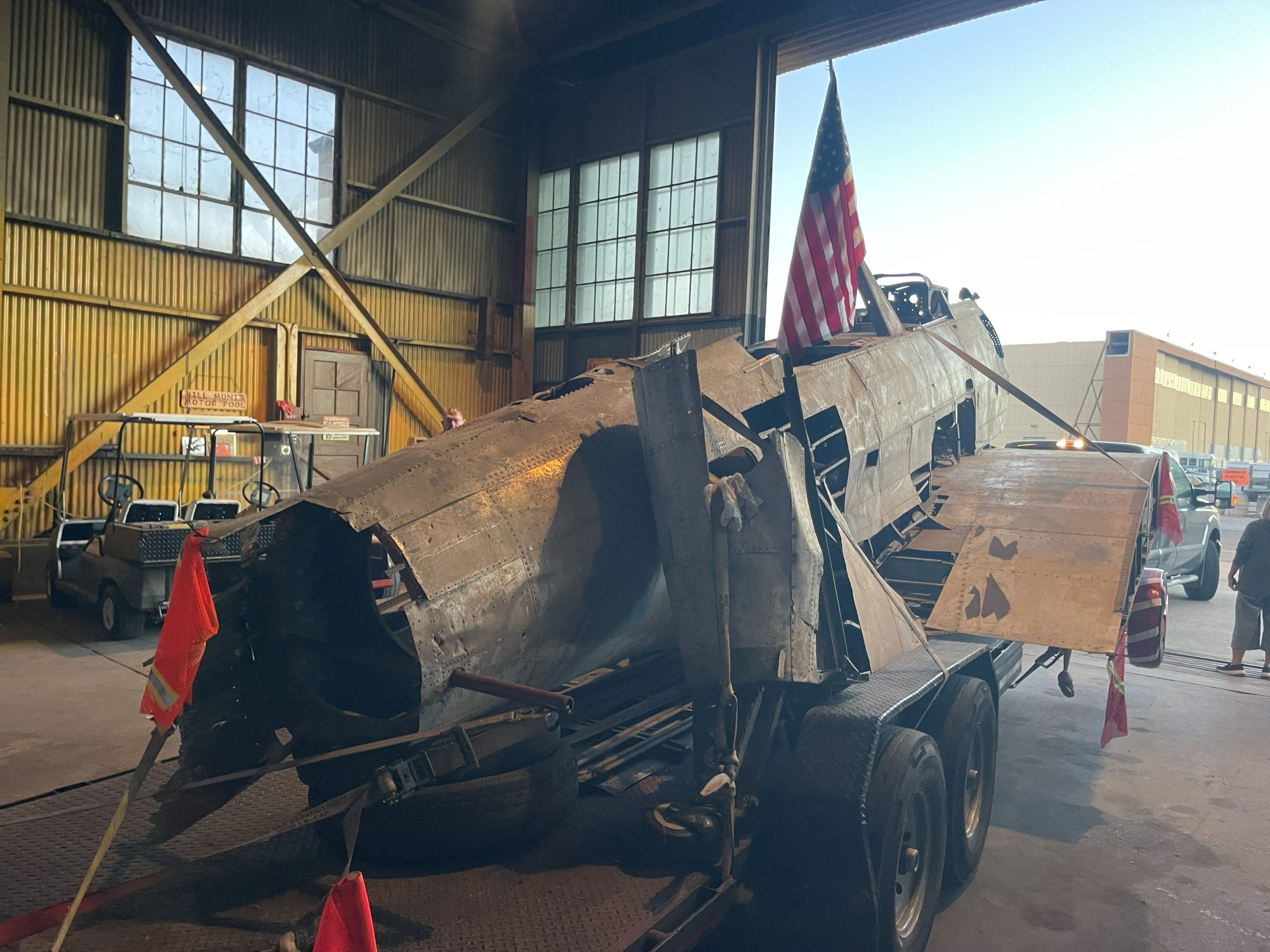
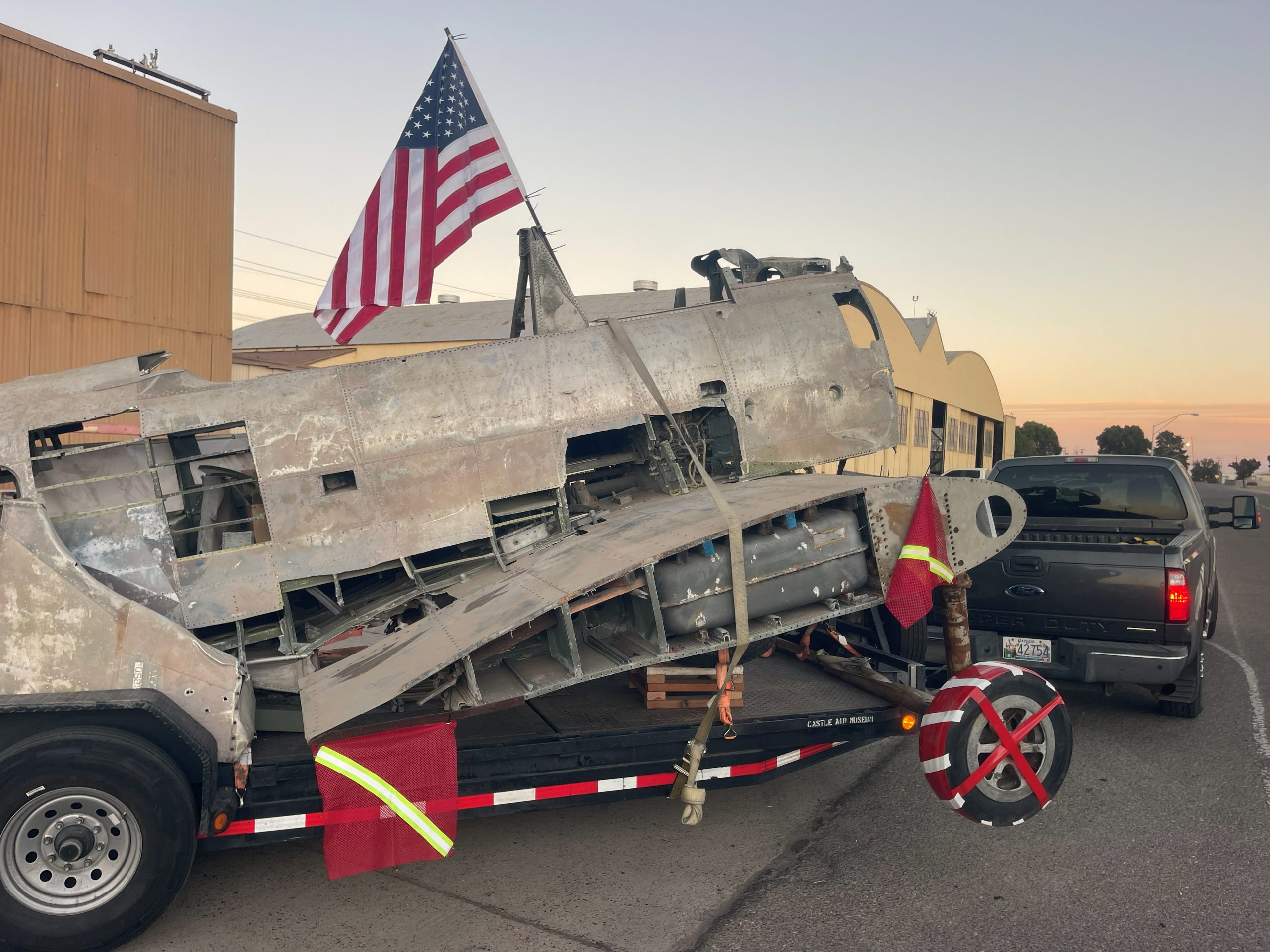
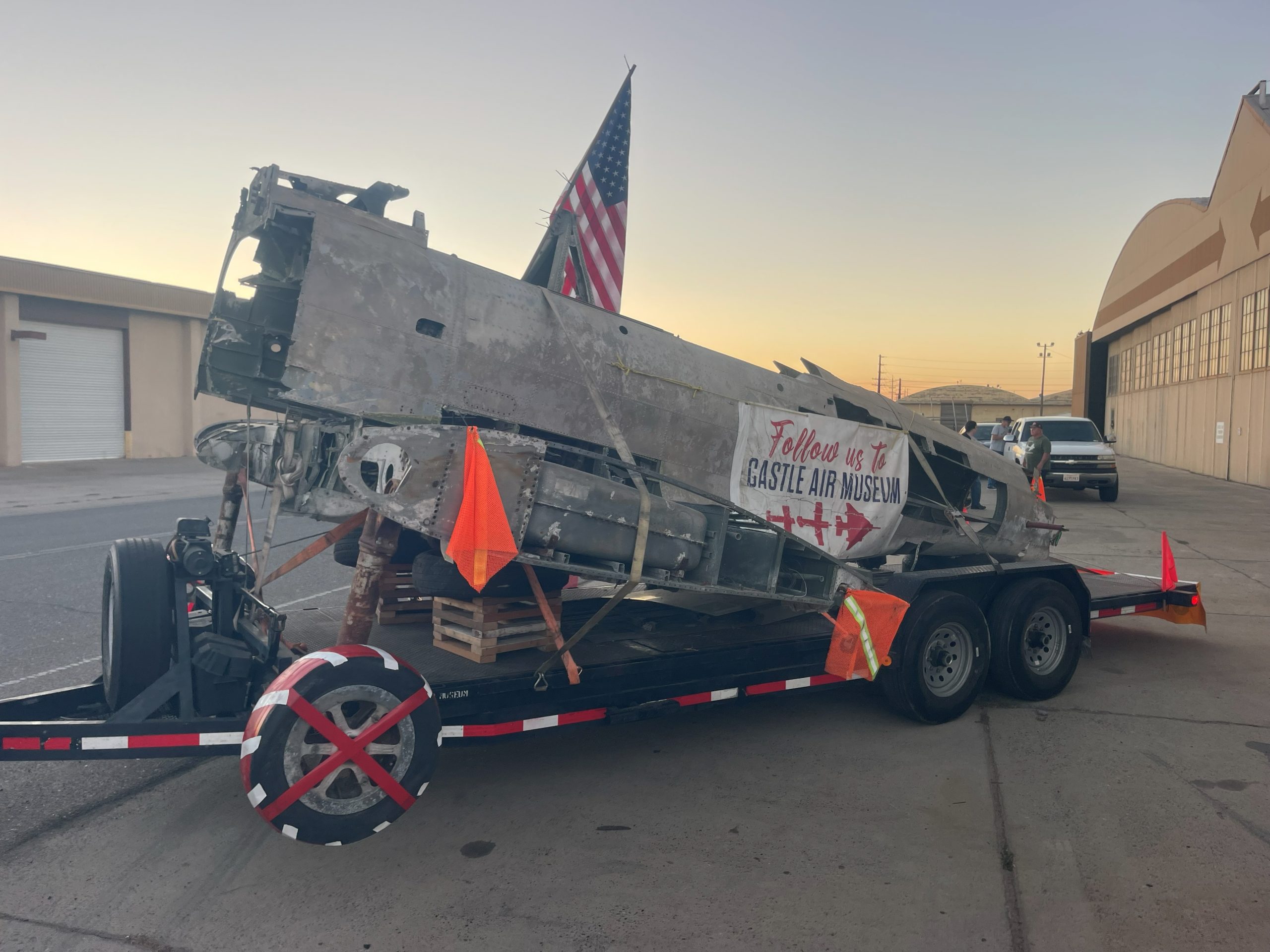
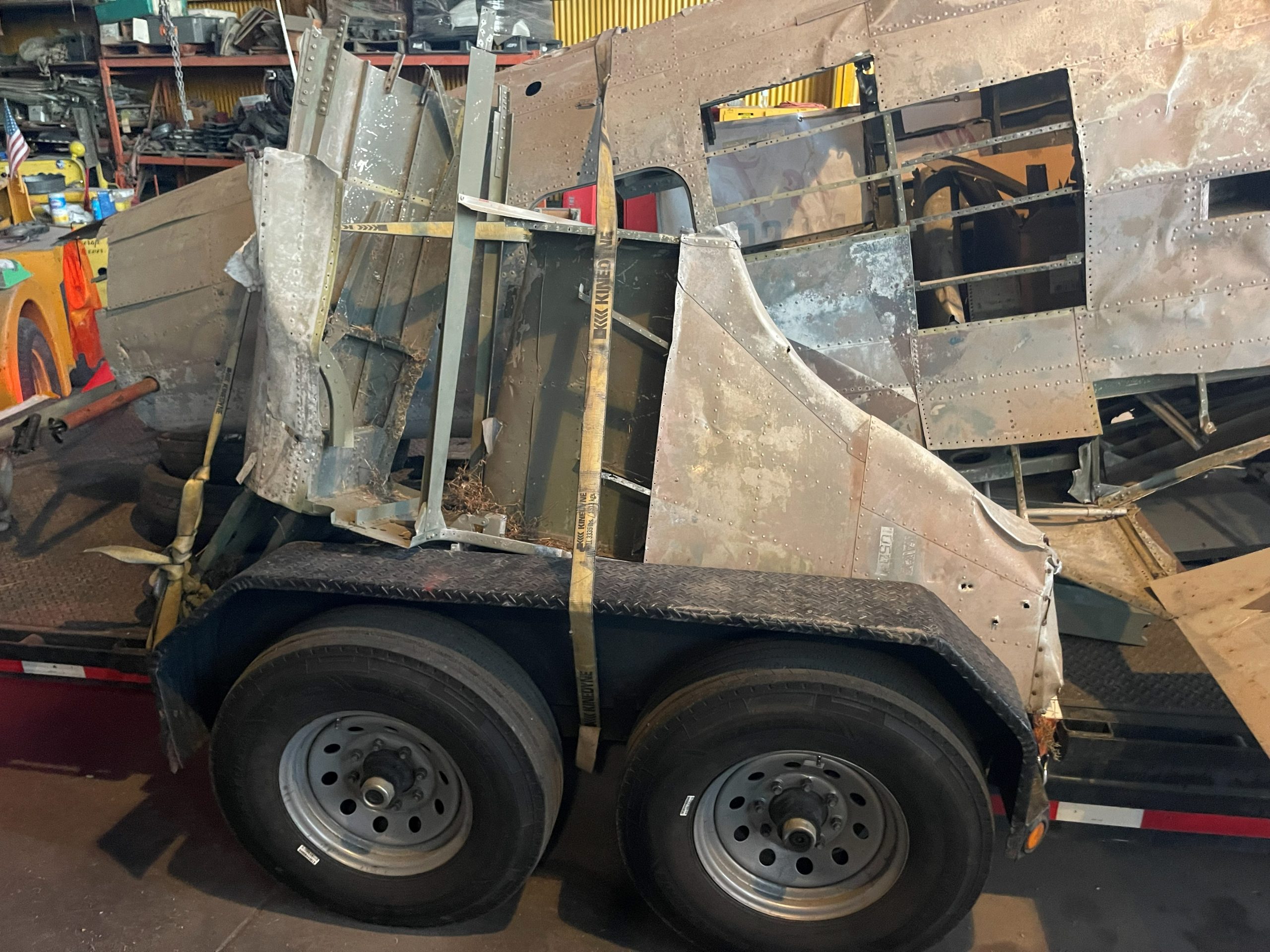
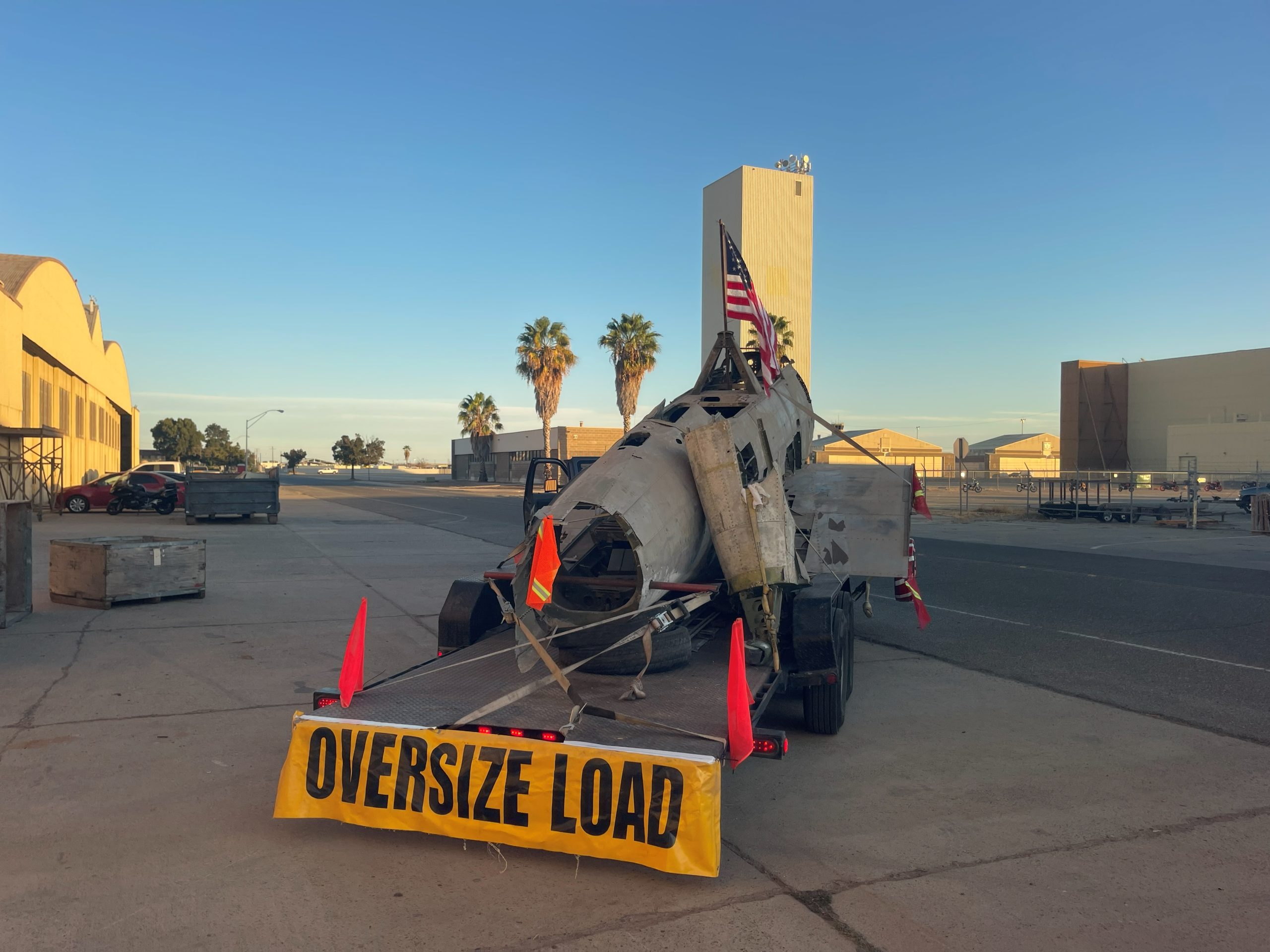
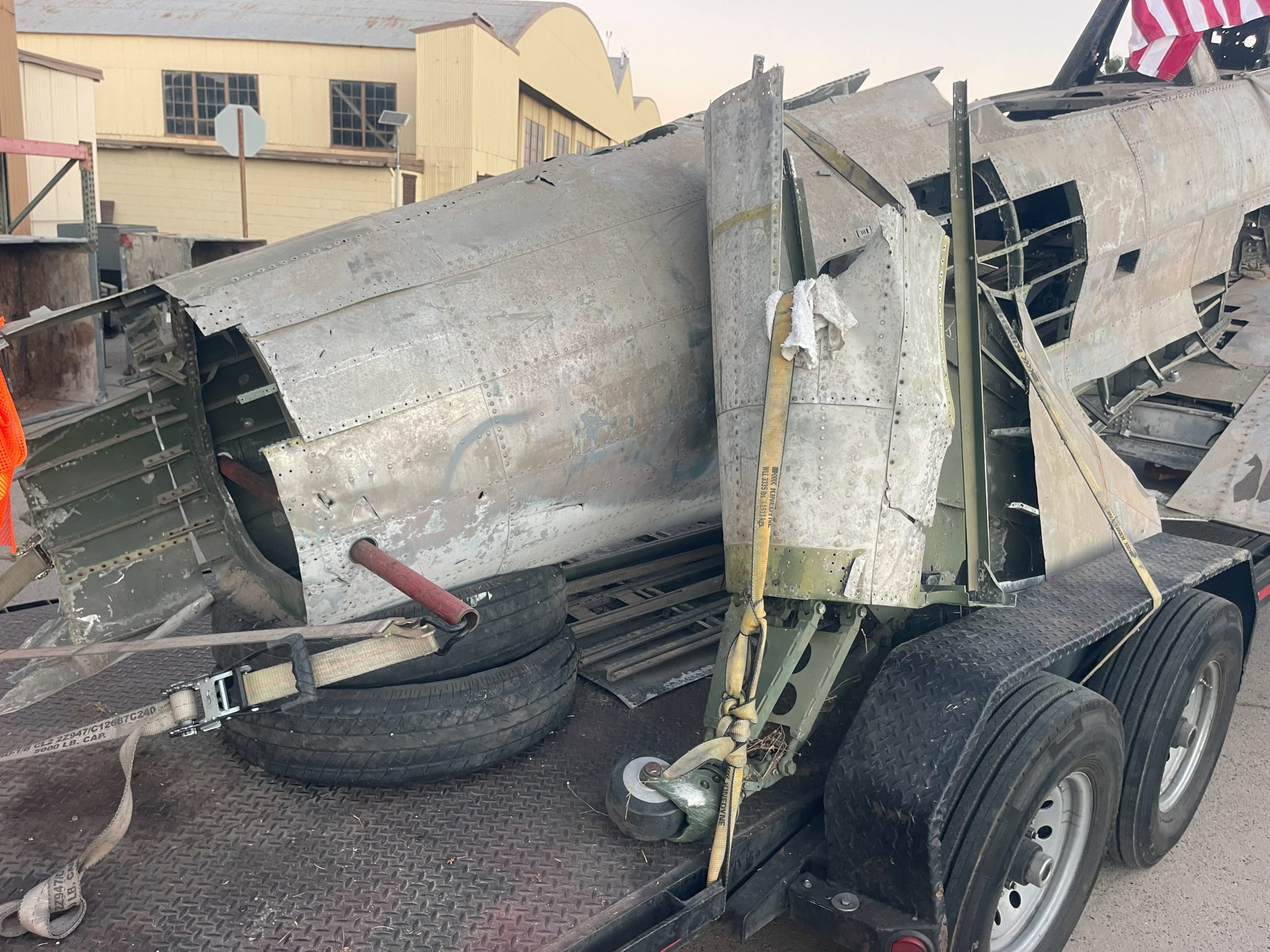
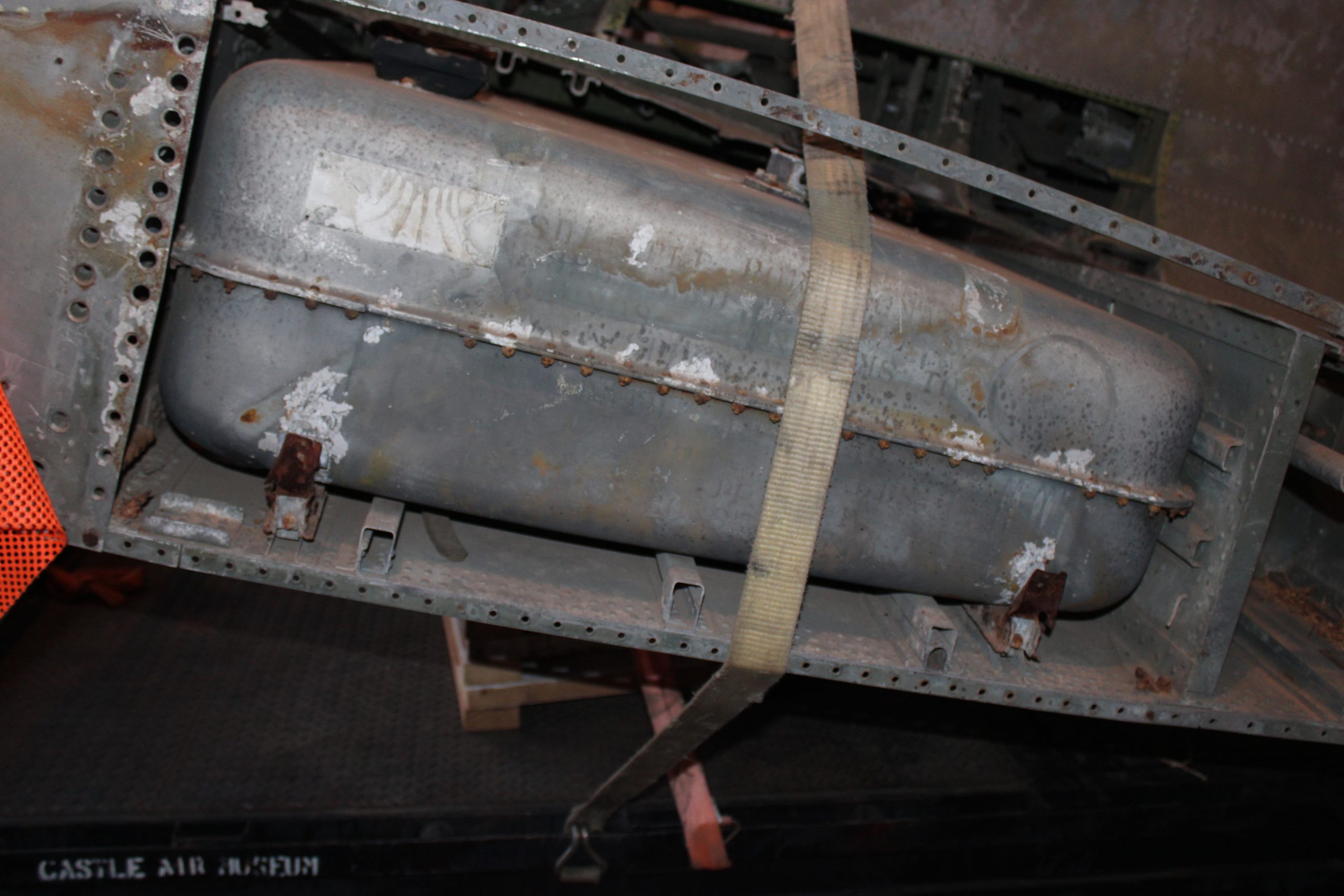
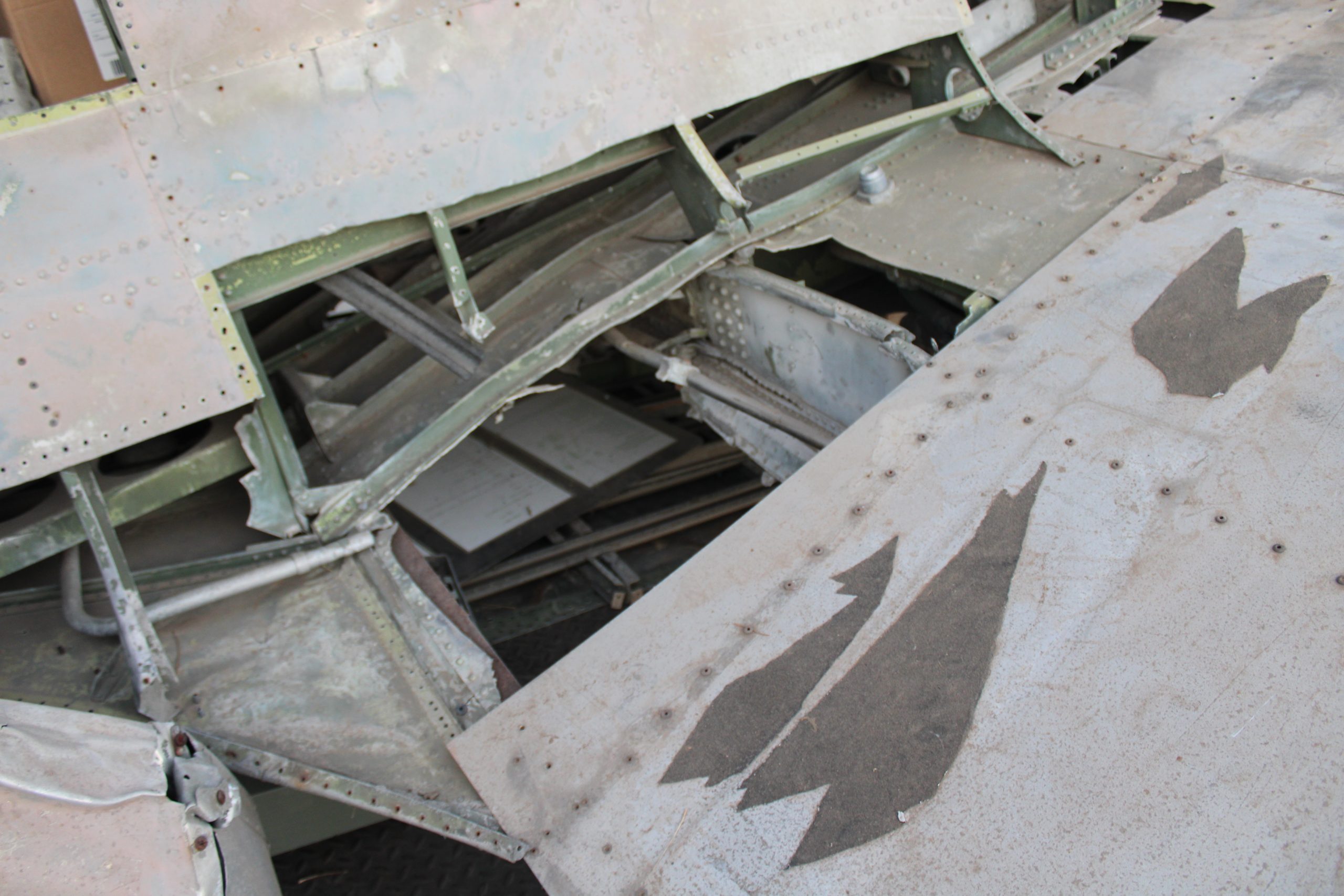
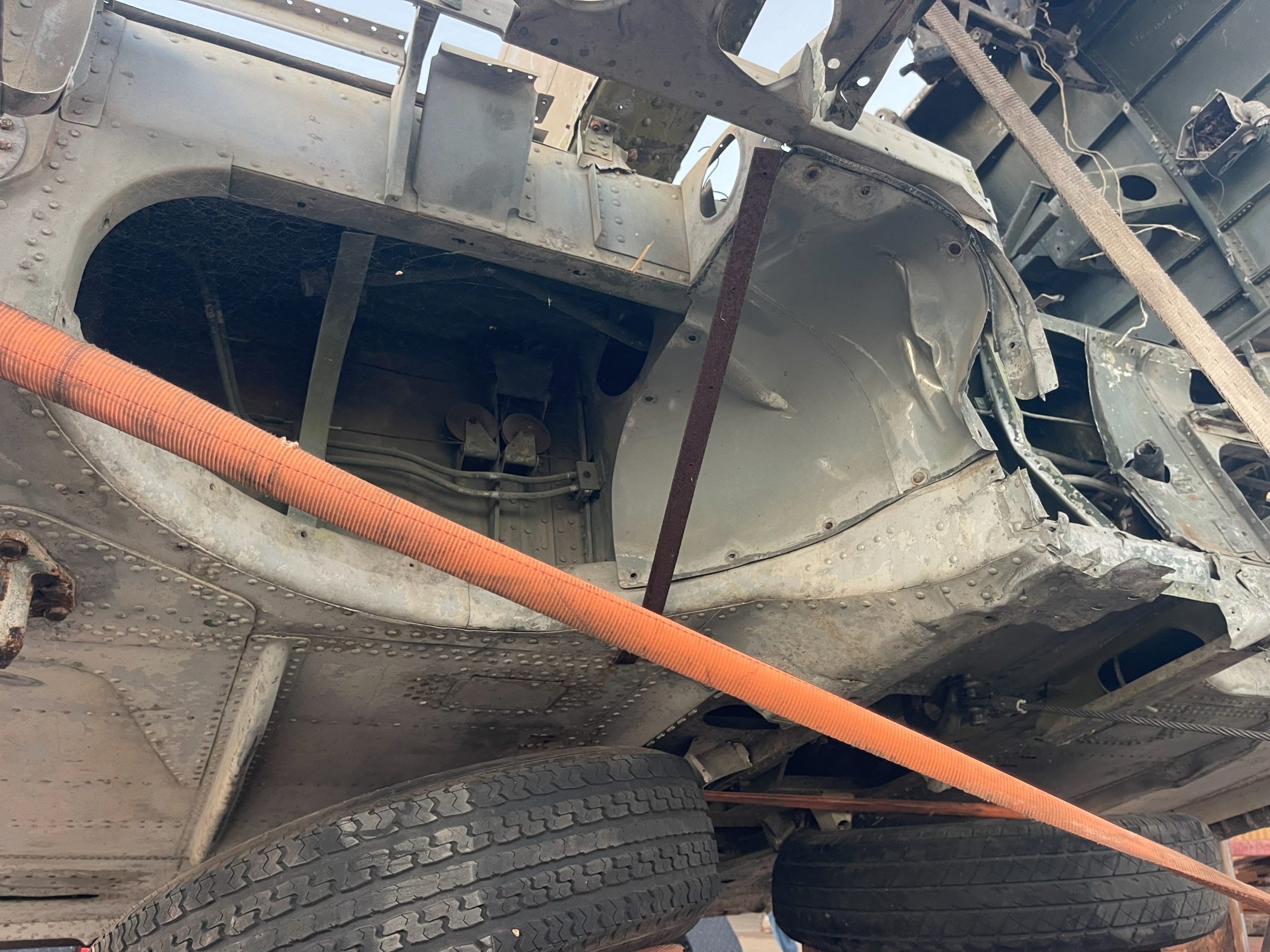

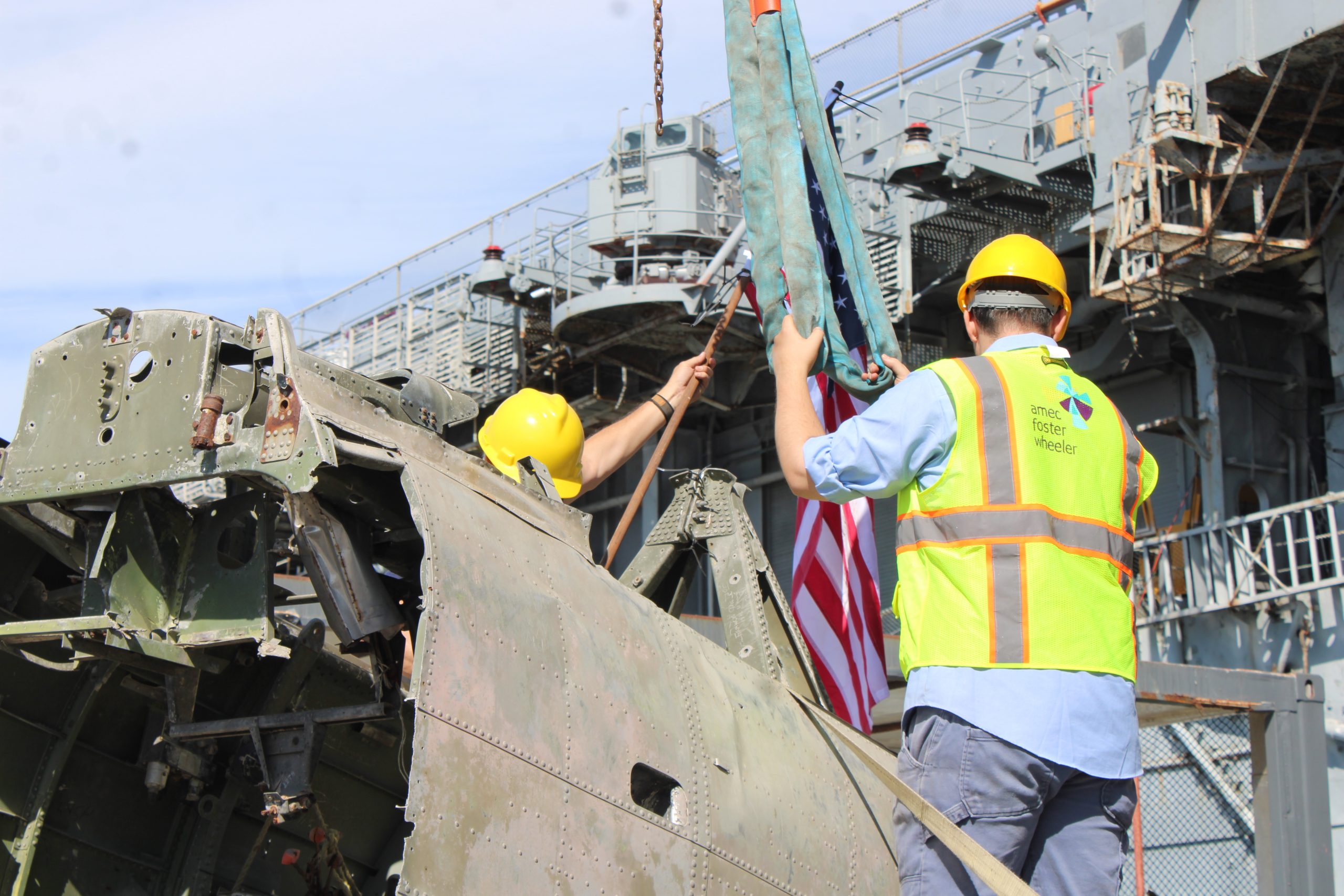
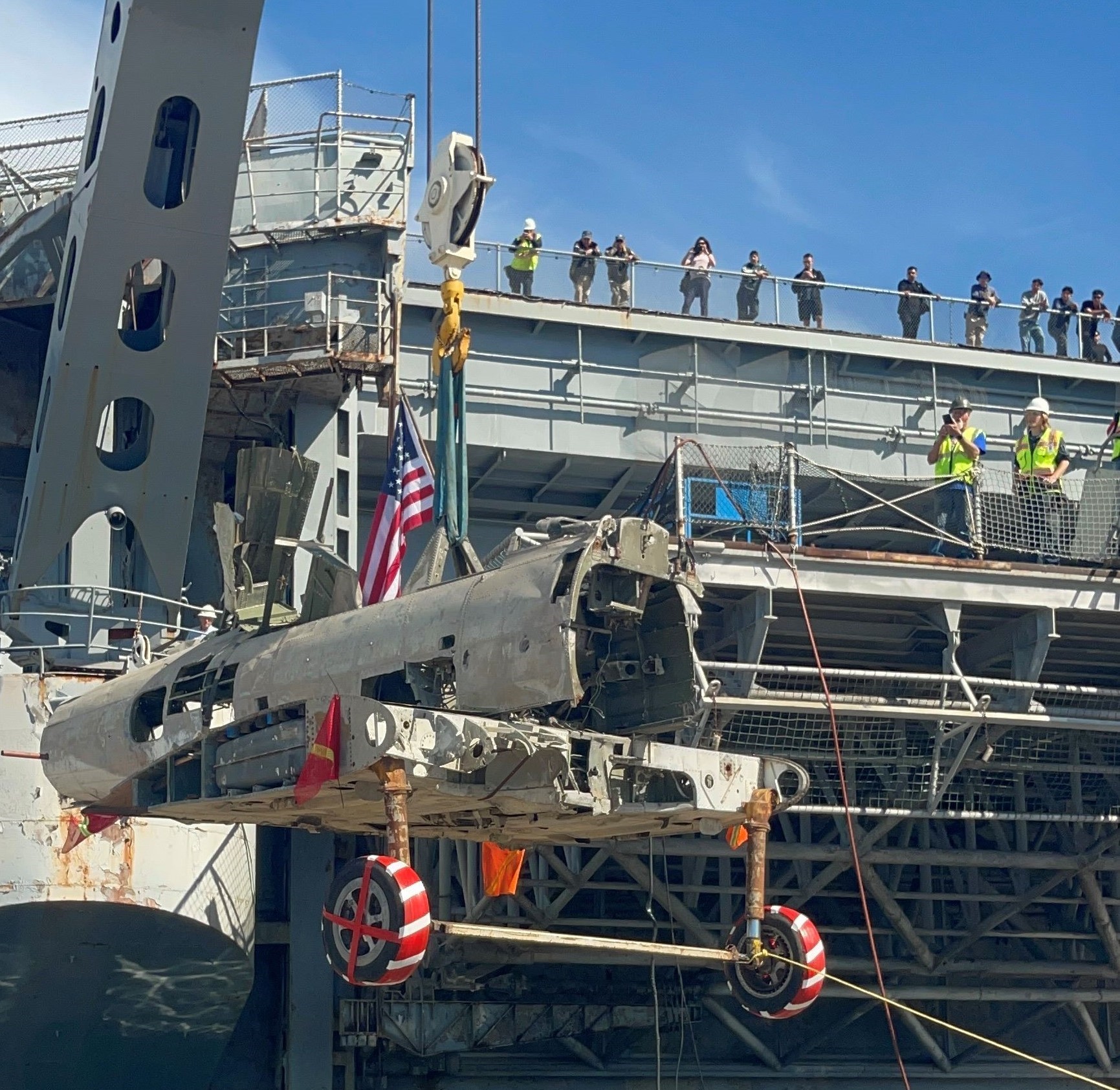
After a photo shoot for both the Castle Air Museum and the USS Hornet Sea, Air and Space Museum’s official pages, the fuselage of SBD-4 Dauntless BuNo 10508 was brought under the starboard loading crane of USS Hornet at 11:00 am, the same crane that hoisted countless aircraft on and off the decks of the carrier during its 27-year career, and which once hauled both the Apollo 11 command module Columbia and the Apollo 12 command module Yankee Clipper from the Pacific Ocean to the deck of this floating city. With the crane’s hook secured to the aircraft’s structure with a set of straps, and a guide rope secured to the left landing gear leg, the Dauntless was lifted into the air. Despite some initial groans from the metal structure, the fuselage of BuNo 10508 was carefully raised into the air, then guided over the starboard aft aircraft elevator, where it was lowered and secured to the elevator deck. After a photo-op with both Hornet and Castle volunteers, the aircraft received a power wash and stood ready to be rolled into the Hornet’s hangar deck.
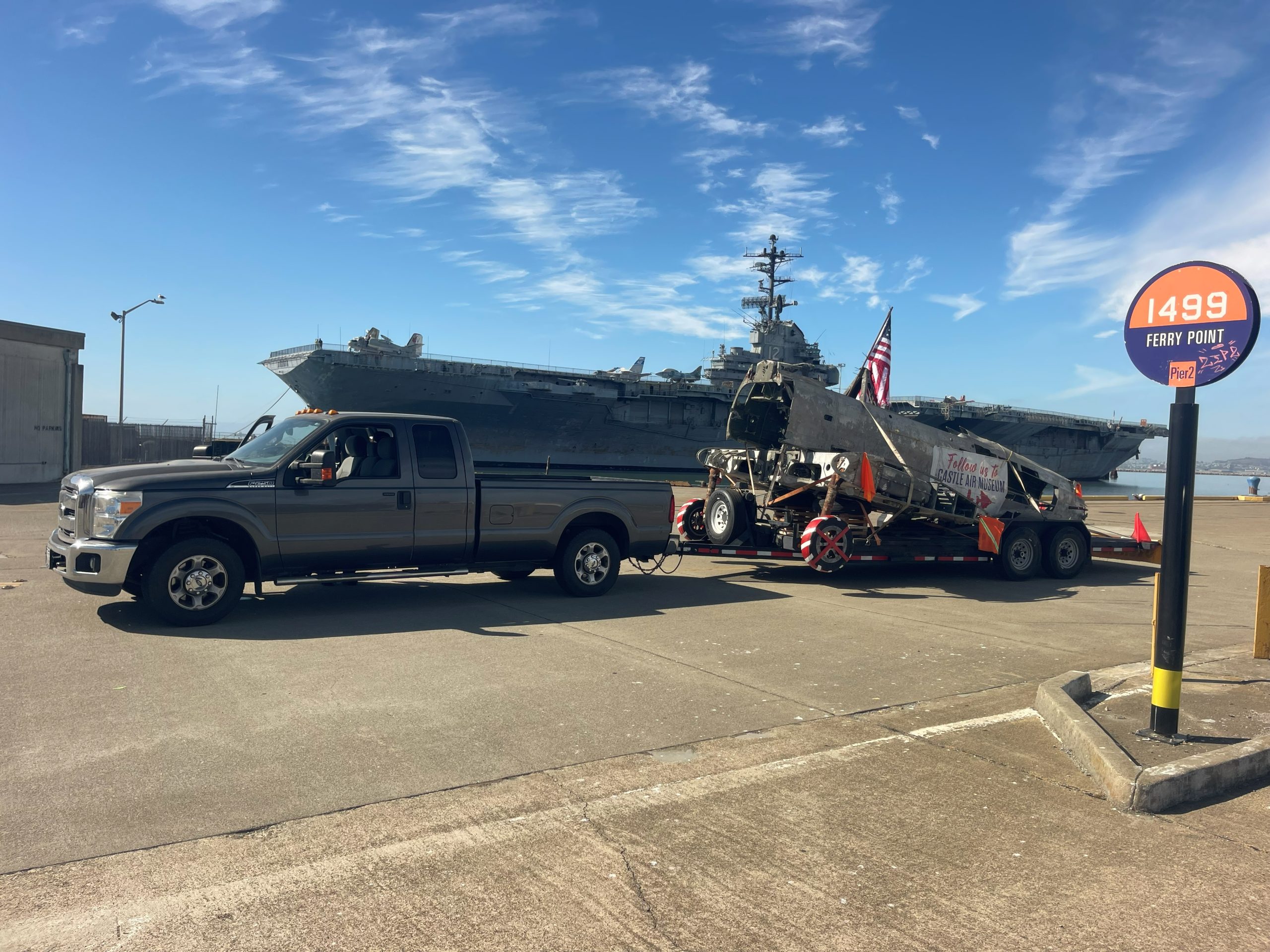
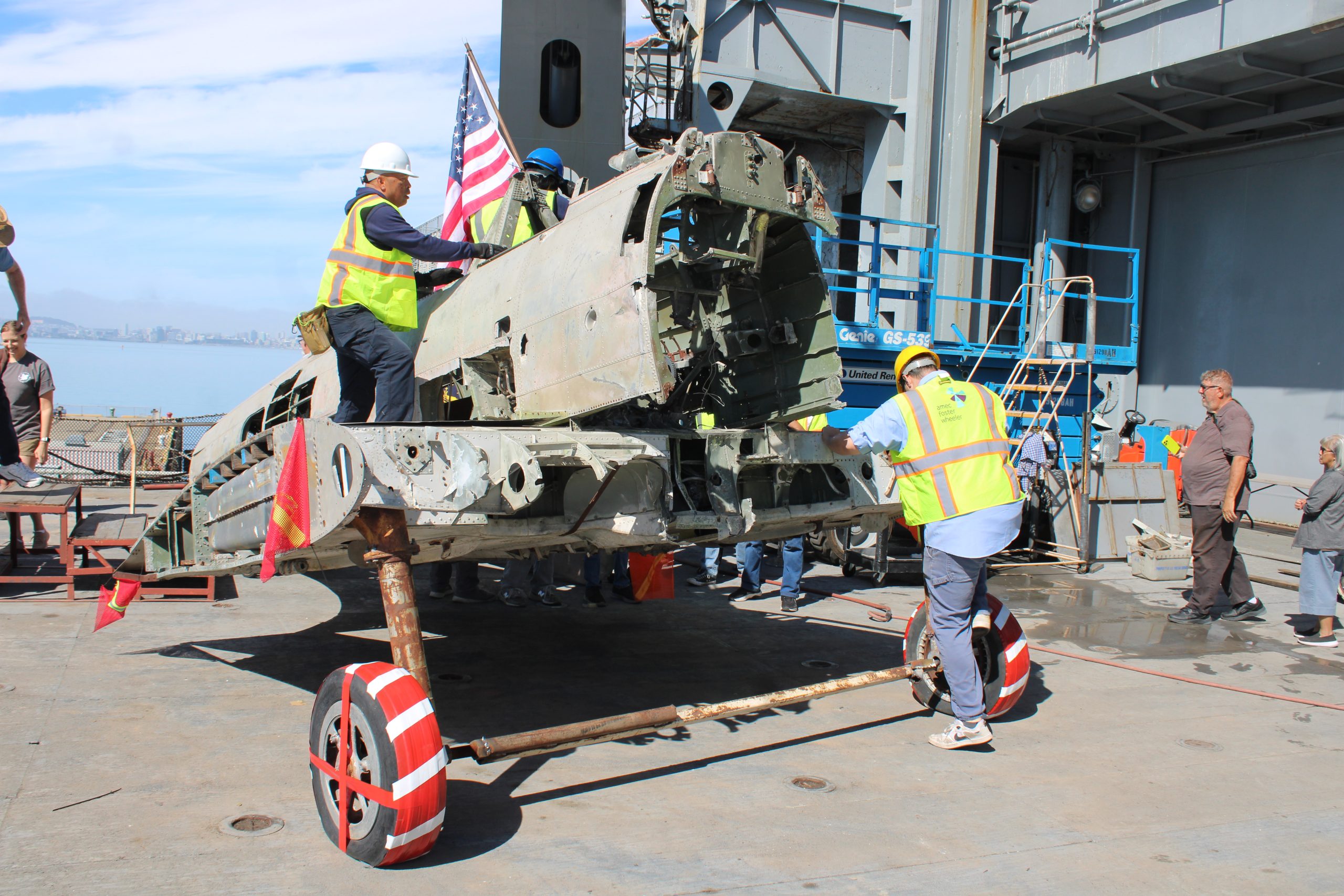
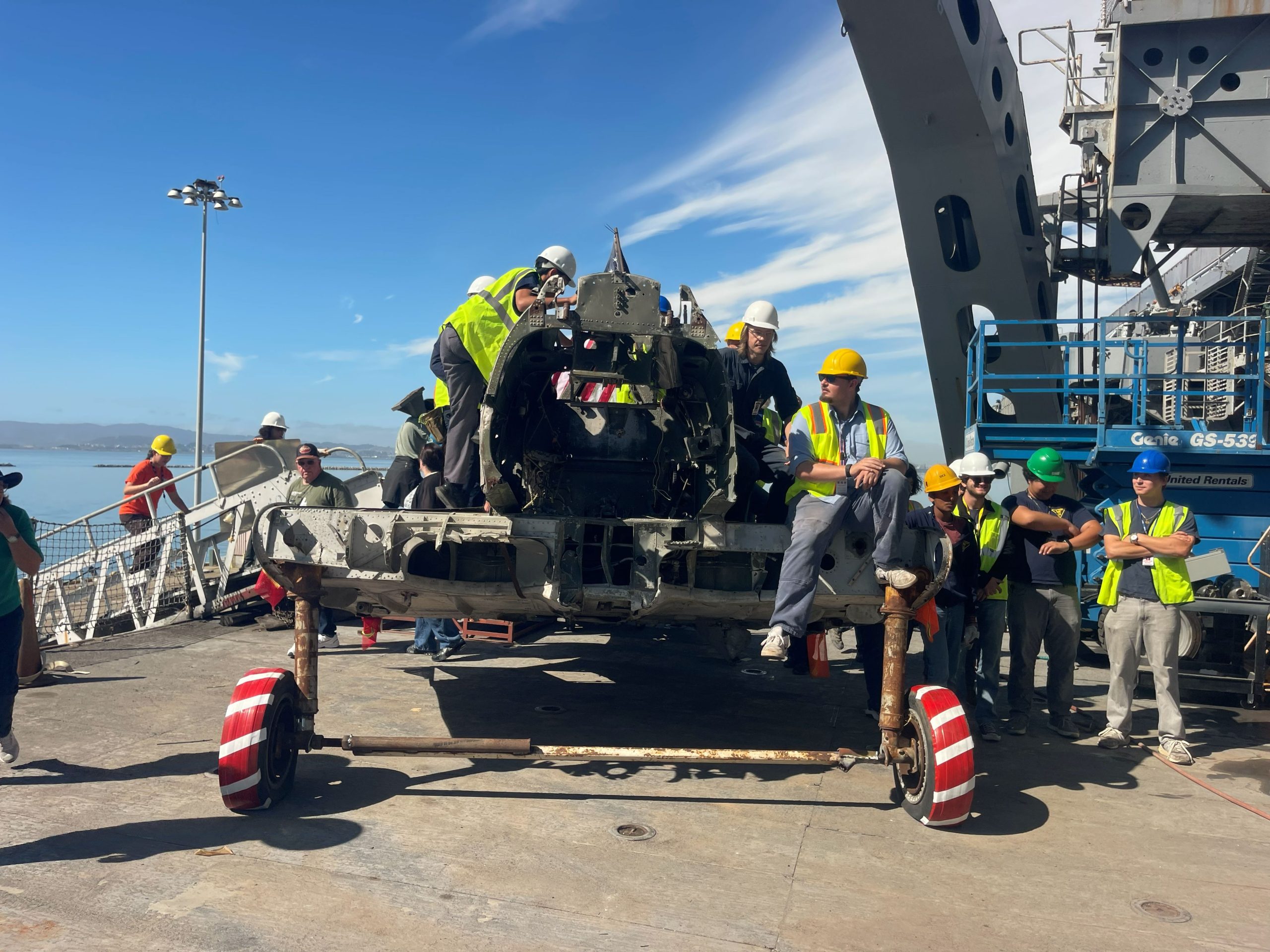
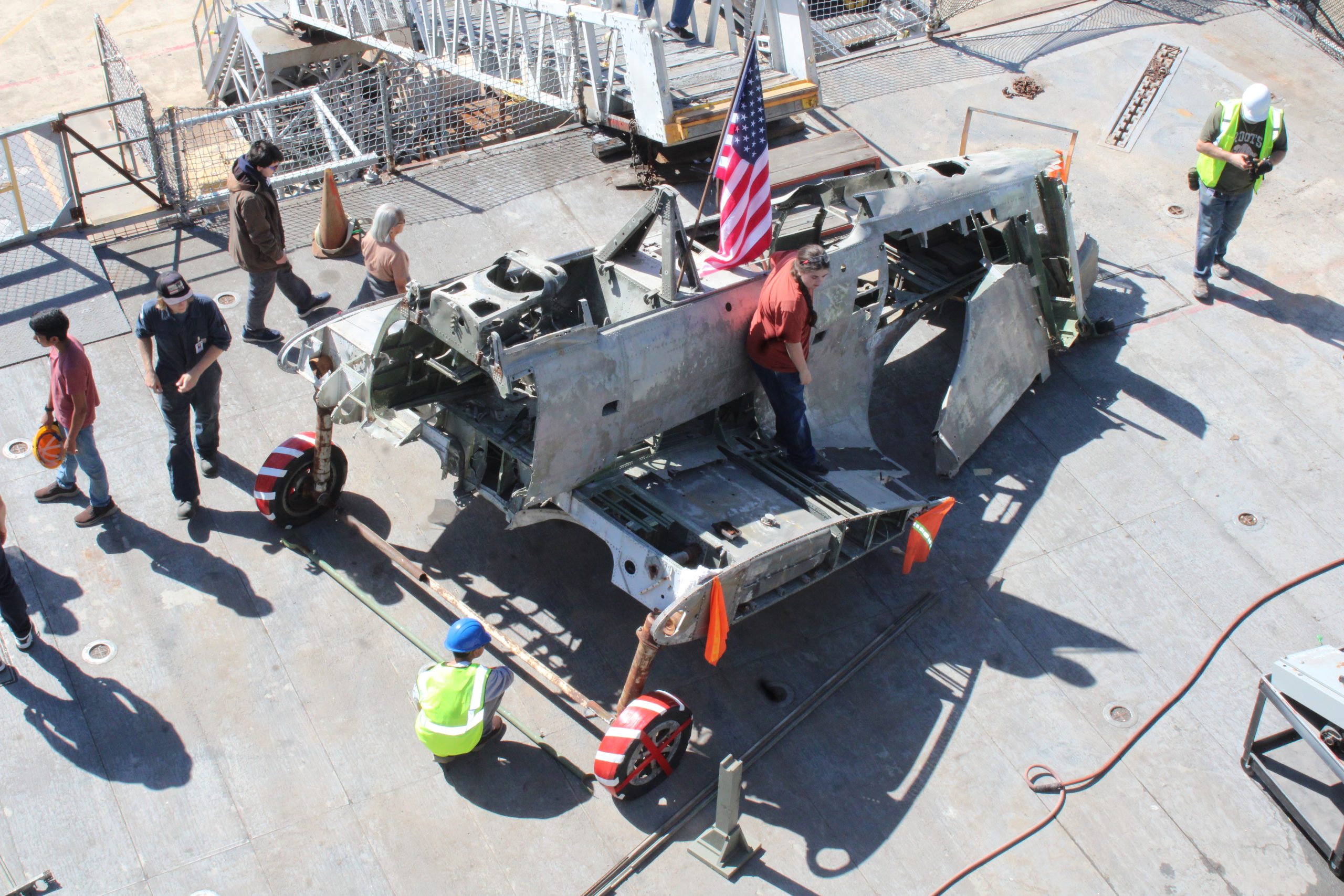
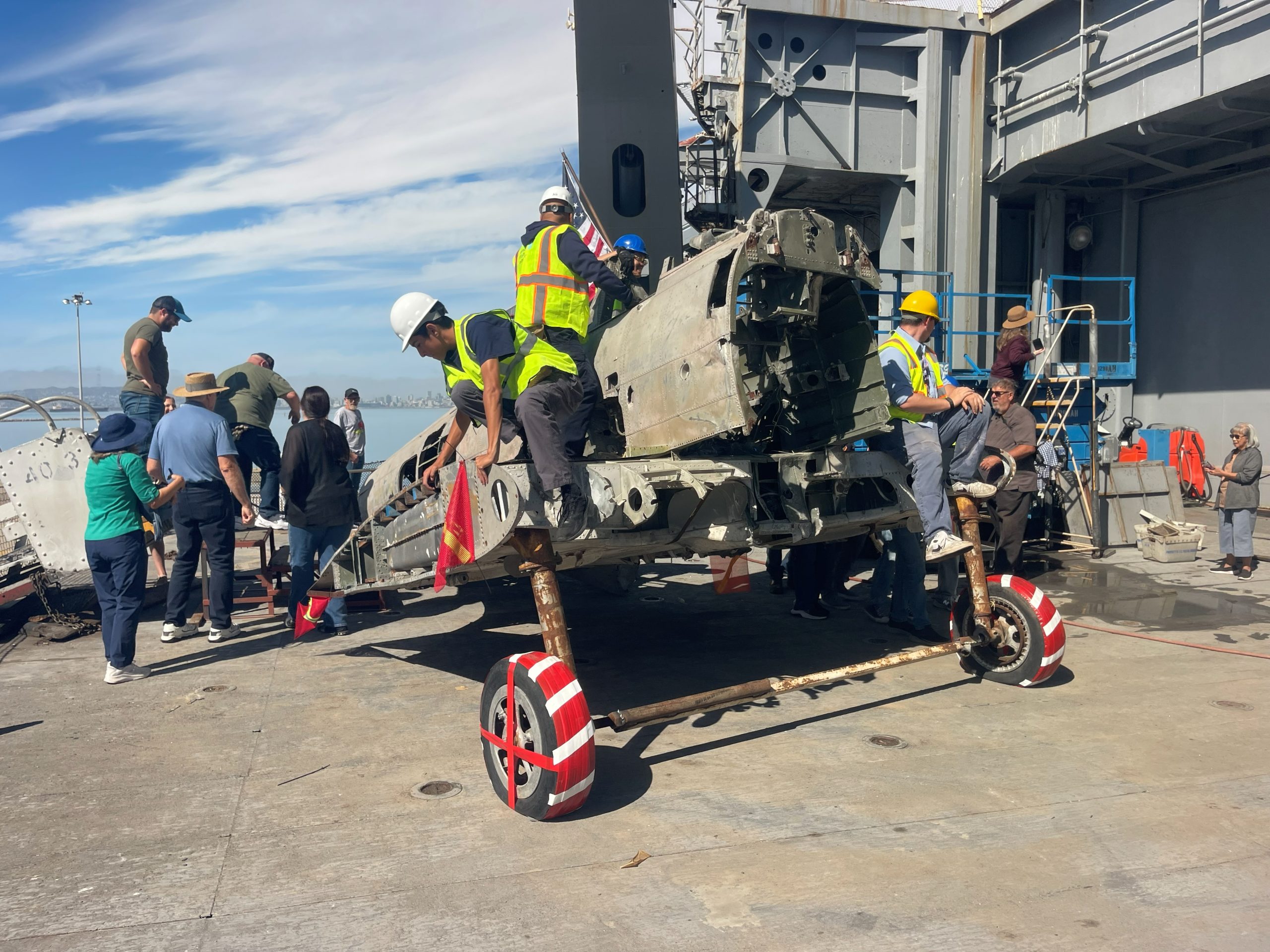
With the wings, tail, and fuselage on the Hornet, the last part of Dauntless BuNo 10508 that remains at Castle is the restored Wright R-1820 Cyclone radial engine for the aircraft, which is scheduled to be transported by October 3. Although the aircraft is in need of a very extensive restoration, the USS Hornet Museum’s Air Group has a large number of both young and old volunteers who are eager to restore the Dauntless to its former glory and display it alongside other aircraft that represent the types once flown aboard the Hornet. For more information, visit the USS Hornet Museum’s website HERE and the Castle Air Museum’s site HERE.

For more information, visit the USS Hornet Museum’s website HERE and the Castle Air Museum’s site HERE.










‘Slow … But … Deadly’ An interesting article, on a Great Plane, an important one that looks the part; I hadn’t realised the RNZAF had used them.
And an interesting selection of photos; Graveyards, including those of aircraft, are always sad places … The Remains of Dreams, of what once were flesh …
Though it’s good to see a restoration underway; and to see the USS Hornet is still with us; the UK lost so many fine Ships at the War’s End.
At least a couple of Battle Ships and Cruisers (e.g. H.M.S Warspite) should have been retained as museum pieces, and ‘Touch Stones,’ for Veterans and Relatives.
All My Best Wishes to the Museums and Volunteers, who maintain Vital History For Posterity ….. If You Don’t Know Your History, You Are Nothing.