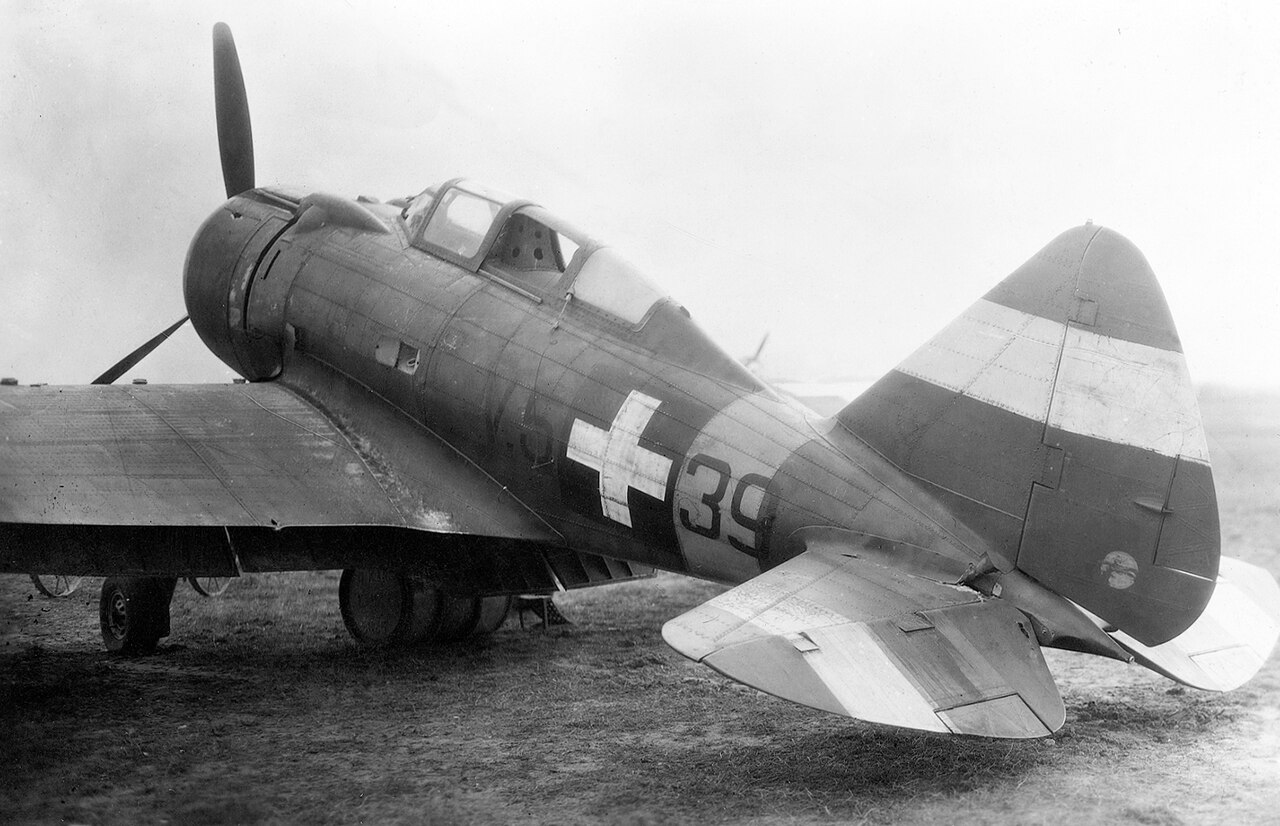
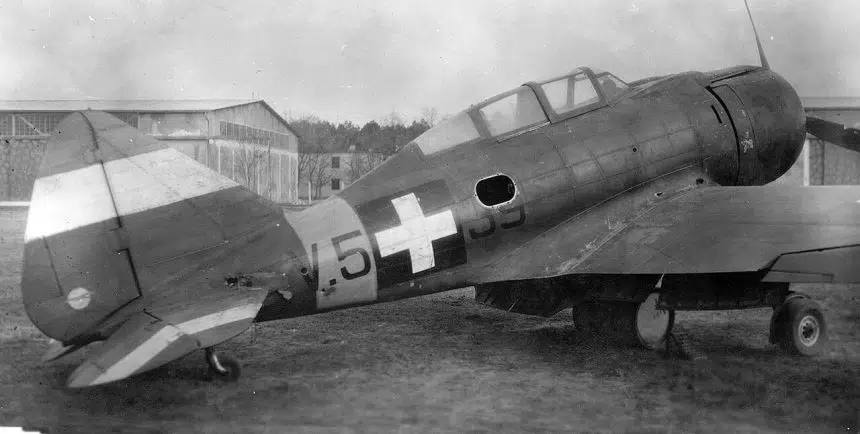

On this day in aviation history, 84 years ago (October 30, 1942), the first production MÁVAG Héja II took flight for the first time. Developed and built in Hungary for the Royal Hungarian Air Force, the Héja II was based on the Italian Reggiane Re.2000 fighter but incorporated a number of Hungarian-designed modifications. Its name, Héja, translates to “Hawk” in English. Hungary had purchased 70 Re.2000 fighters from Italy in 1939, which entered Hungarian service as the Héja I. A decision was subsequently made to manufacture a modified version domestically. The resulting Héja II used a Hungarian-built airframe, engine, propeller, and armament, making it considerably more than a simple copy of the Italian fighter. A more powerful WM K-14B radial engine required changes to the forward fuselage and cowling, while the original wing fuel arrangement was replaced by 22 smaller fuel tanks.
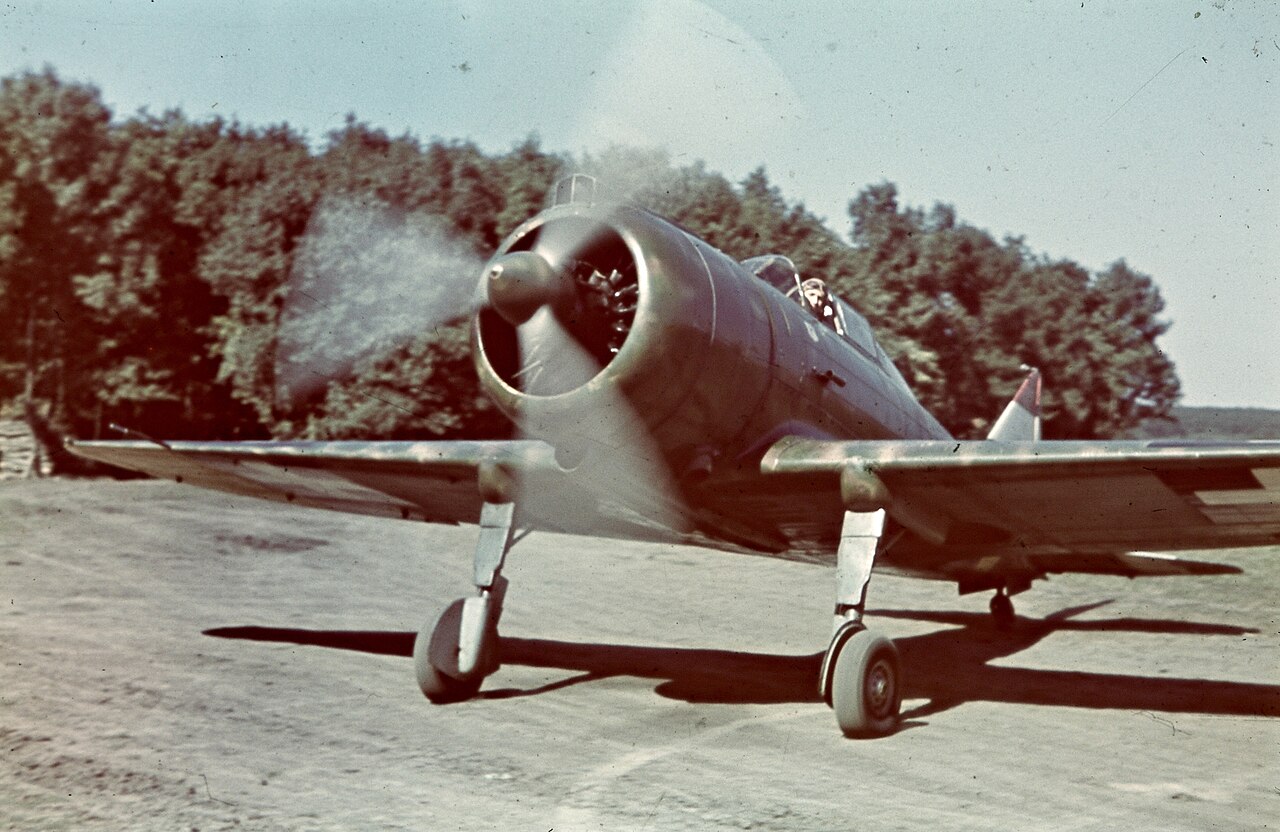
The first production Héja II flew on October 30, 1942, and production continued through the remainder of WWII. The fighter was already becoming outdated compared with newer Soviet aircraft, and most Héja IIs were used for air defense and training duties within Hungary rather than frontline combat. Allied bombing increasingly disrupted production during 1944, and the last completed aircraft left the factory on August 1 of that year. Sources generally credit MÁVAG with building approximately 200 Héja IIs. The Héja II measured 27 feet 6 inches in length with a wingspan of approximately 36 feet and was powered by a 1,085-horsepower Manfred Weiss WM K-14B radial engine. It could reach approximately 301 mph at 13,780 feet and had an endurance of around two and a half hours. Armament consisted of two synchronized 12.7 mm Gebauer 1940.M GKM machine guns mounted above the engine, with 300 rounds provided for each gun.