


(Image credit: VAN)
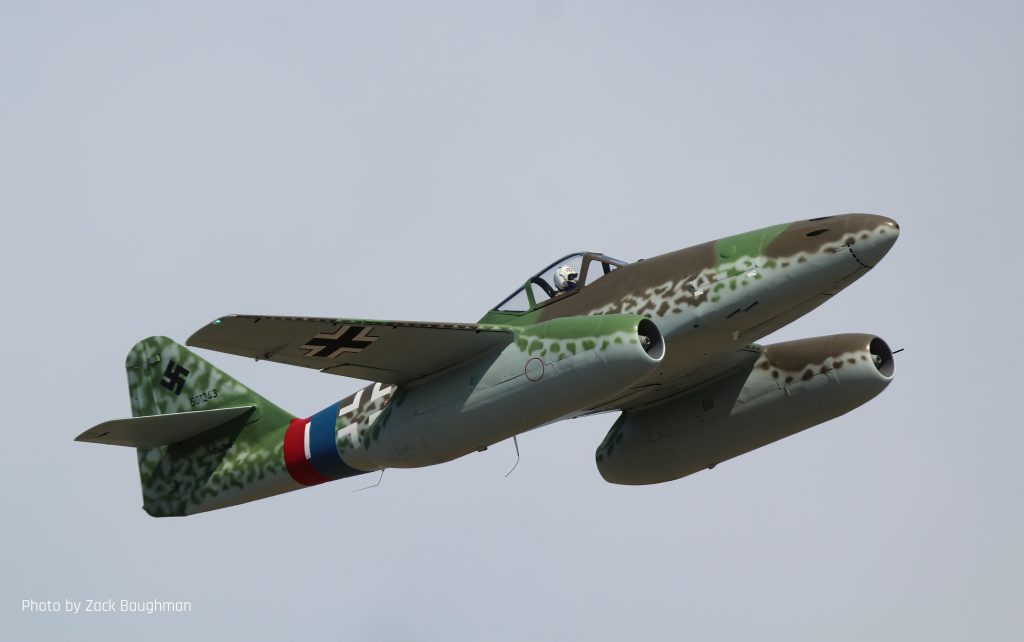
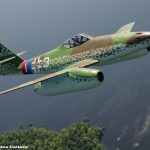
On this day in aviation history, 83 years ago (July 18, 1942), the Messerschmitt Me 262 prototype took to the skies for the first time under jet power. This historic flight marked the culmination of Germany’s efforts to develop turbojet-powered aircraft—an endeavor that had begun in the late 1930s.A year prior, early Me 262 prototypes had flown using piston engines with propellers mounted in the nose. These initial flights served primarily as proof-of-concept, allowing engineers to test the airframe’s flight characteristics in a safer and more controllable configuration before committing to jet propulsion. On July 18, 1943, the third prototype, Me 262 V3 (callsign PC+UC), lifted off from an airfield in Leipheim, Bavaria, at 8:40 a.m. Messerschmitt’s chief test pilot, Flugkapitän Fritz Wendel, was at the controls. This was the first flight using the aircraft’s intended powerplants—two Junkers Jumo 004 axial-flow turbojet engines, each producing 1,850 pounds of thrust.
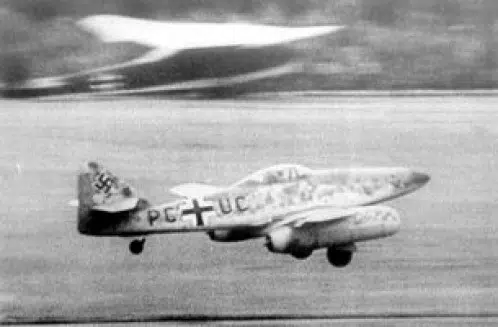
The V3 prototype differed significantly from the iconic Me 262 silhouette familiar to most aviation enthusiasts. It featured conventional landing gear in a taildragger configuration, which led to aerodynamic issues: turbulence from the jet exhaust interfered with airflow over the tailplane, reducing its effectiveness. These problems were addressed in later variants; beginning with the V5 prototype, all subsequent Me 262s were equipped with a tricycle landing gear configuration, which became the aircraft’s recognizable form.
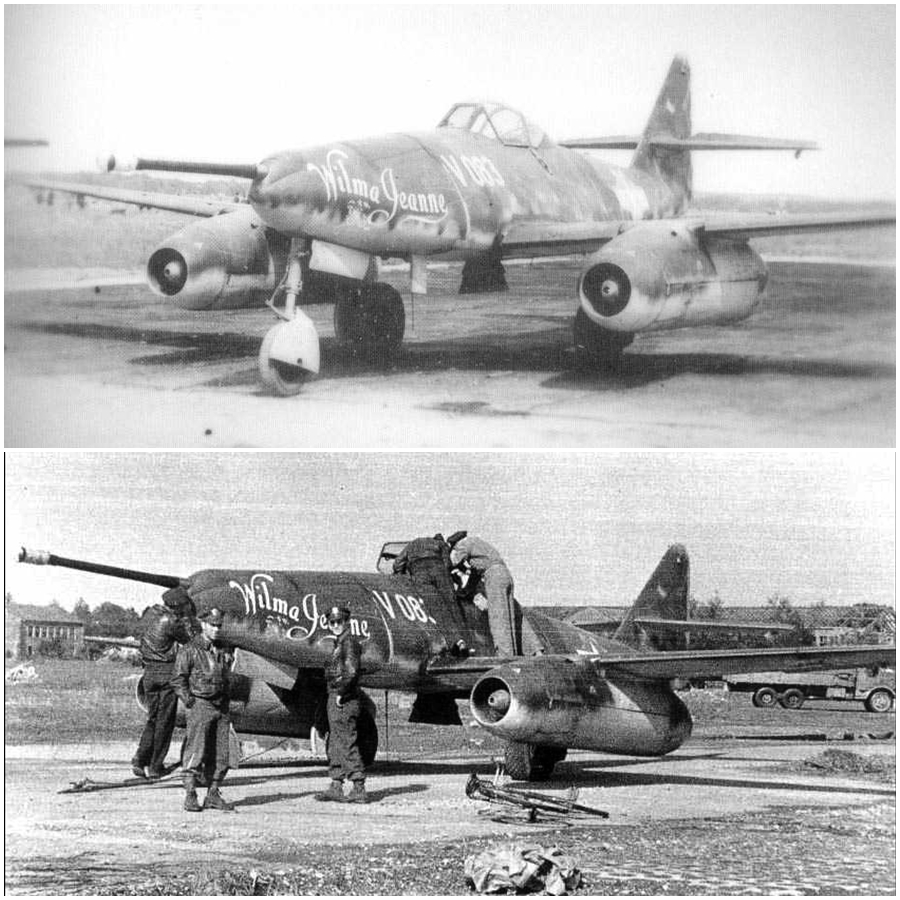
The Me 262 Schwalbe (“Swallow”) became the world’s first operational jet fighter, while the Sturmvogel (“Storm Bird”) variant served as a fighter-bomber, tailored for Blitzkrieg-style ground attacks. Powered by the Junkers Jumo 004B-1 engines, the Me 262 could reach speeds of up to 560 mph, with a range of 570 nautical miles and a service ceiling of 37,570 feet—making it a formidable threat to Allied bomber formations.
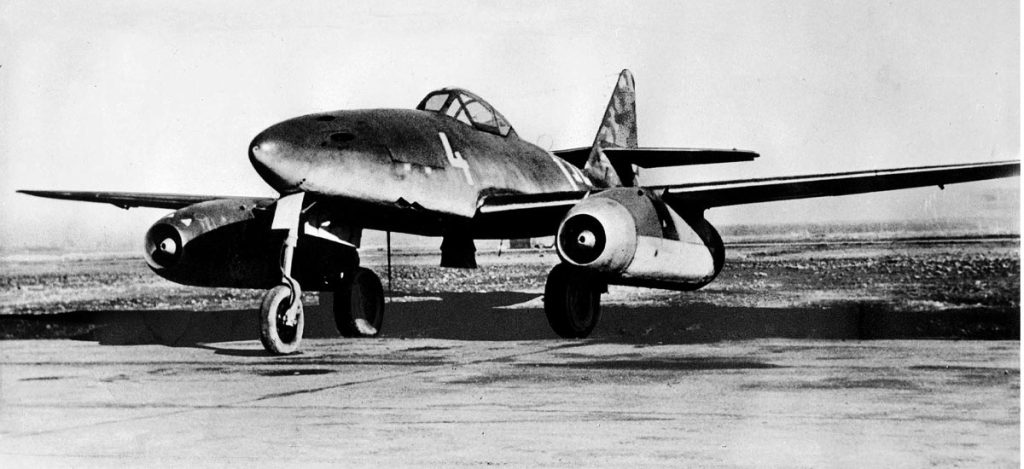
The Me 262 A-1a was armed with four 30 mm MK 108 cannons and could also be equipped with up to twenty-four 55 mm R4M rockets and two 550-pound bombs, enhancing its firepower significantly. During World War II, Germany produced approximately 1,430 Me 262s across various models. Historians and aviation enthusiasts continue to debate the aircraft’s effectiveness in the conflict, often speculating how differently events might have unfolded had production begun earlier or the aircraft been employed more strategically.
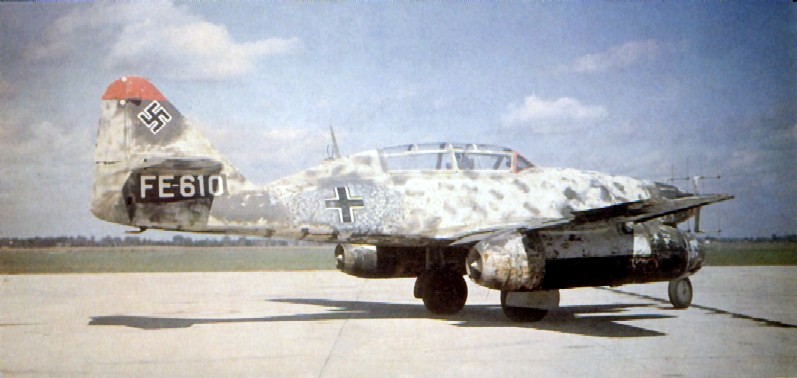
Today, a few Me 262 replicas are airworthy, built by the Me 262 Project at Paine Field in Washington State. Also based there is the only original Me 262 A-1a/U3 (W.Nr. 500453) capable of taxiing under its own power with original Jumo engines. Though it has not yet flown, it remains a tantalizing prospect for the future of historical aviation.