
(Image credit: VAN)
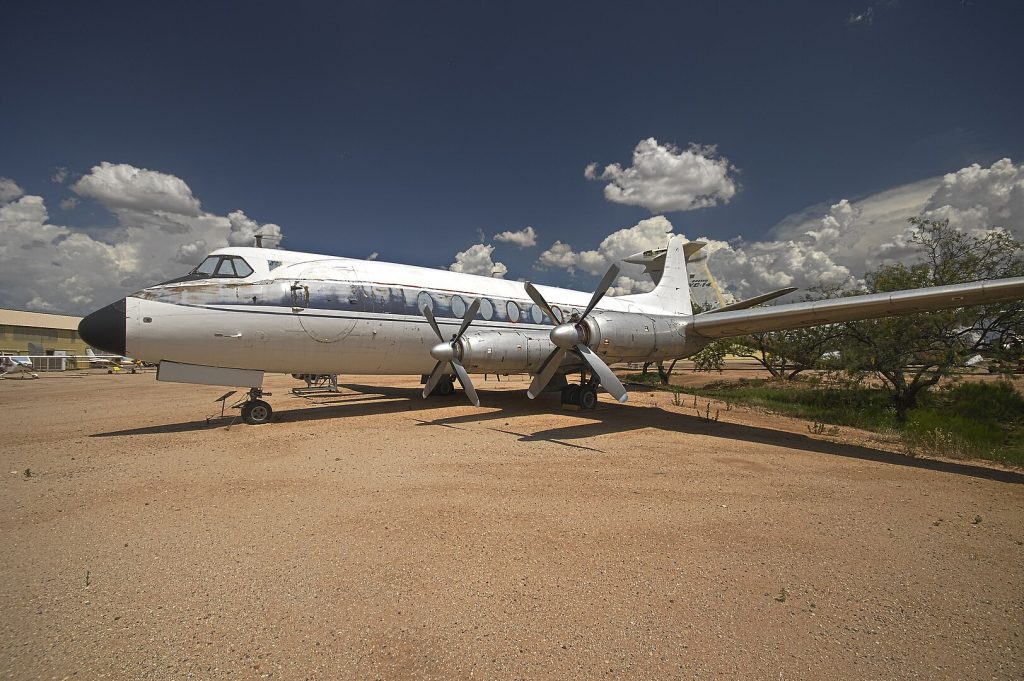
On this day in aviation history—July 16, 1948—the Vickers Viscount took to the skies for the first time, marking a major milestone in commercial aviation. Designed by Vickers-Armstrong in response to the post-World War II recommendations of the Brabazon Committee, the Viscount was developed as a medium-range passenger airliner and became the world’s first turboprop-powered airliner to enter service.
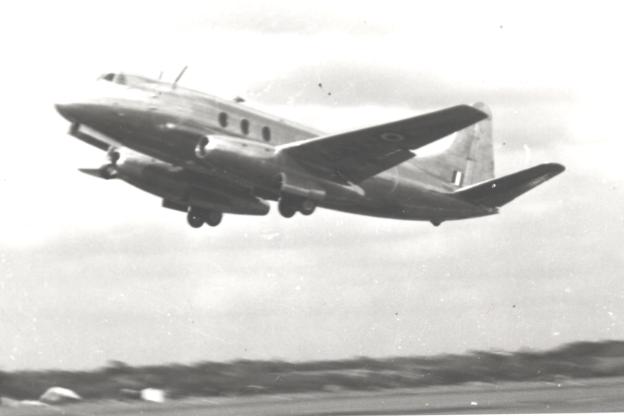
The Viscount entered commercial operation in 1953 and was quickly embraced by both passengers and flight crews. Its pressurized cabin, panoramic windows, and design emphasis on reduced vibration and noise made it significantly more comfortable than earlier piston-powered aircraft. Airlines such as British European Airways, Capital Airlines, Trans-Canada Air Lines, and Air Canada were among the key operators that helped cement the Viscount’s reputation for passenger comfort and performance.
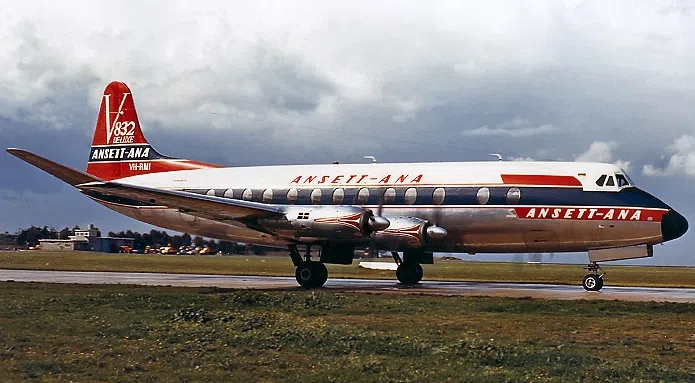
Powered by four Rolls-Royce Dart Mk 525 turboprop engines, each delivering 1,990 horsepower, the Viscount achieved a top speed of 352 miles per hour and had a range of 1,200 nautical miles. Its service ceiling reached 25,000 feet, making it ideal for medium-haul routes. Between 1948 and 1963, a total of 445 Viscounts were produced. Remarkably, the aircraft remained in active service as late as 2009, with Global Airways in the Democratic Republic of the Congo operating the last commercial examples.
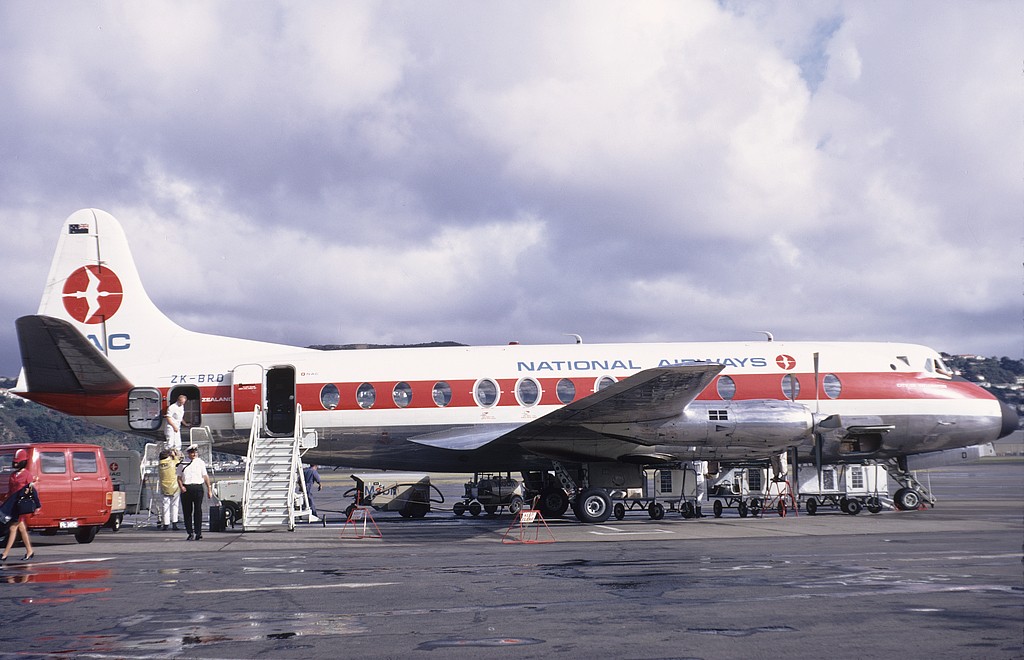
Today, more than two dozen Viscounts are preserved on static display in aviation museums around the world. As a trailblazer in turbine-powered air travel, the Vickers Viscount set the standard for future generations of airliners. It not only proved that turboprops could be efficient and reliable for passenger transport but also introduced the concept of enhanced in-flight comfort—a legacy that continues to influence commercial aircraft design to this day.