
(Image credit: VAN)
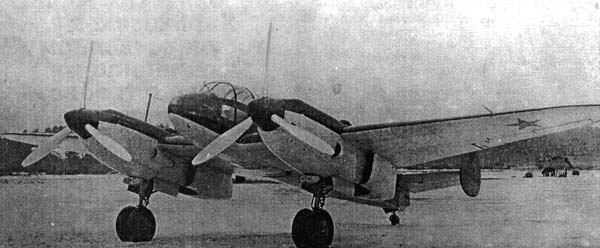
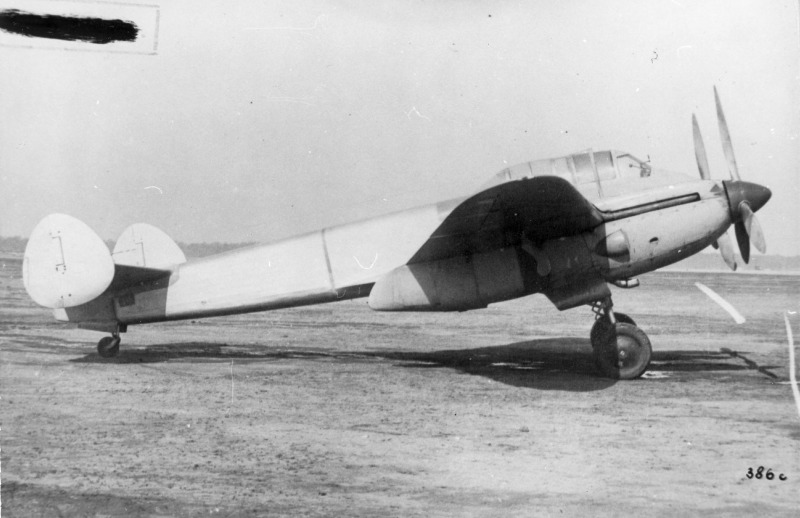
On this day in aviation history, 86 years ago (February 20, 1940), the Yakovlev Yak-4 took flight for the first time. Also known as the BB-22bis “short-range bomber” or Blizhnij Bombardirovschik (Russian: ближний бомбардировщик), the Yak-4 was a light Soviet bomber used during the Second World War. The Yak-4 was a further development of the Yak-2 (Ya-22) of the same role. The main improvement of the Yak-4 over the Yak-2 was the upgraded engines. Yakovlev designed the Yak-4 with two Klimov M-105 V-12 liquid-cooled engines, with 1,101 horsepower each.
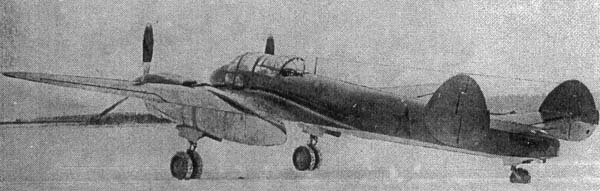
Yakovlev made additional improvements on the Yak-2 to create the Yak-4, including additional fuel tanks in the outer wings. These additional tanks gave the upgraded light-bomber a total fuel capacity of up to 180 litres (48 US gallons). A modification was made to the gunner’s canopy via an augmented bulge, allowing more room for the use of the 7.62 millimeter ShKAS machine gun. The Yak-4 had a redesigned fuselage that also served to benefit the gunner, with a larger range of fire. The Klimov engine’s oil coolers were relocated from the sides of the nacelles to the “chin,” to improve airflow.
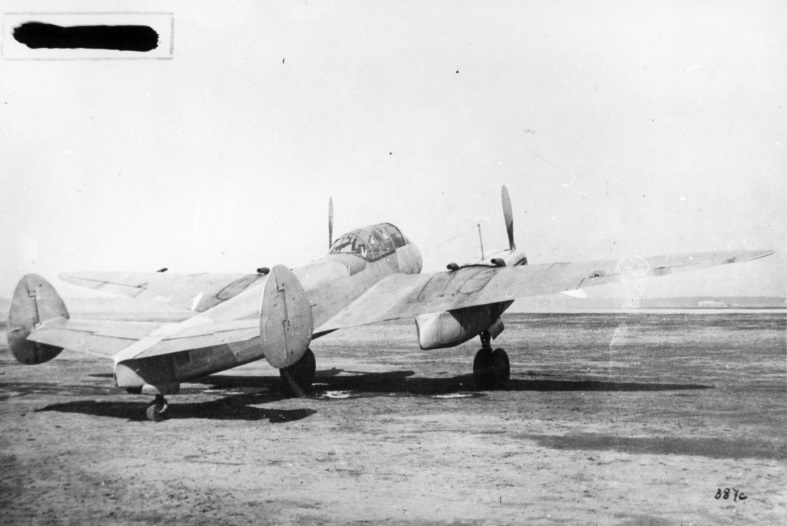
The Yakovlev Yak-4 had a crew of two: a pilot and a navigator-gunner. The two Klimov M-105 V-12s gave the light bomber a maximum airspeed of 331 mph. The Yak-4 had a range of 499 nautical miles and a service ceiling of 31,800 feet. Yakovlev armed the Yak-4 with two 7.62 millimeter ShKAS machine guns and the ability to carry up to 1,300 pounds of bombs. A total of 90 Yak-4s were built during World War II, but none are known to survive today.