
(Image credit: VAN)
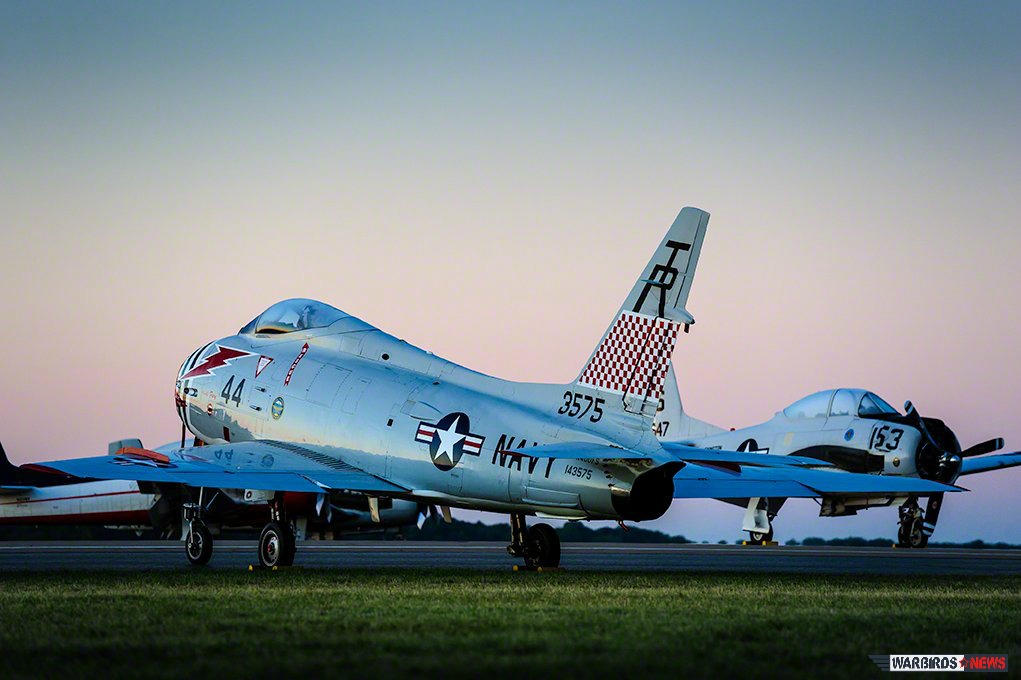
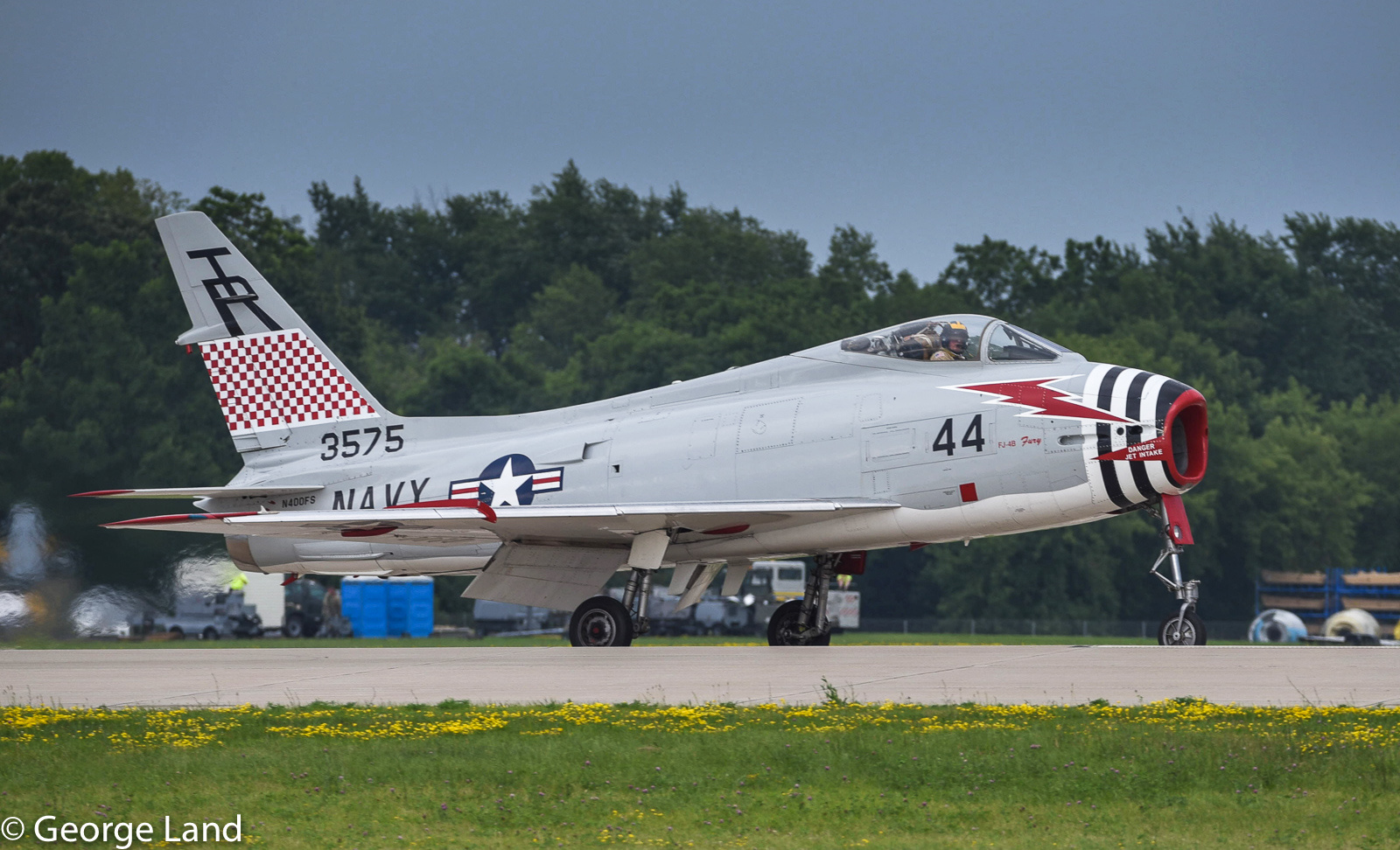
On this day in aviation history, 71 years ago (October 28, 1954), the North American FJ-4 Fury took flight for the first time. The Fury was a carrier-based fighter jet that could also be used for bombing sorties. Featuring a swept-wing design, the FJ-4 was a further development of North American’s FJ-2/-3 Fury, which was directly developed from the F-86 Sabre. The FJ-4 had an entirely new wing design, and when compared to the FJ-3, its final form was noticeably different. The United States Navy and Marine Corps both flew the Fury.
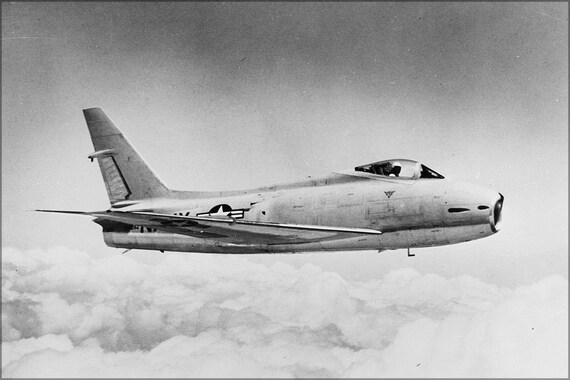
The FJ-4 Fury’s new wing was thinner than the predecessors, and it also had a greater area and more taper towards the wingtips. The overall low-speed handling characteristics of the Fury were greatly improved as a result of the altered camber of the wing. With the airfoil’s redesign, the landing gear also had to be re-worked. The wings could also fold, but this feature was limited to the outer wing panels only. Initially, the FJ-4 was intended to be an all-weather interceptor. The larger area of the wings allowed for greater fuel capacity – a “wet wing” design. The FJ-4 also featured a more streamlined cockpit, which added to pilot comfort for longer intercept missions.
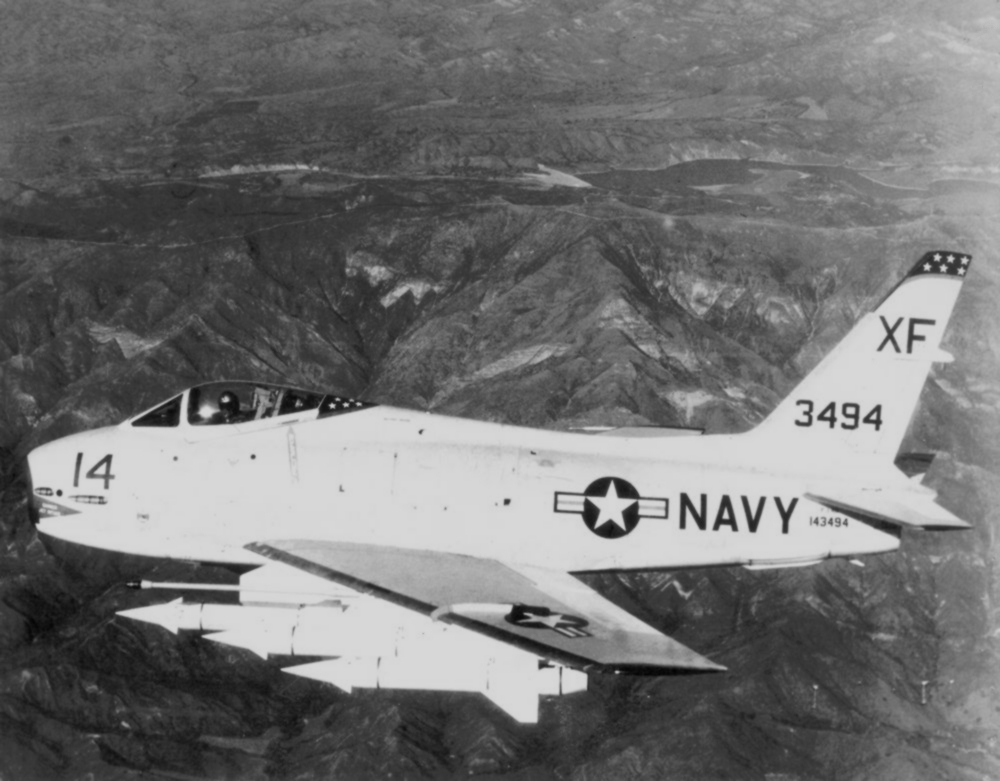
North American’s FJ-4 was powered by a Wright J65-W-16A turbojet engine that was capable of producing 7,700 pounds of thrust. The aircraft’s maximum speed was 680 miles per hour, and it could attain a 7,660 feet-per-minute rate of climb, up to a service ceiling of 46,800 feet. The Fury had a range of 1,760 nautical miles with two 200-gallon drop tanks and two missiles. FJ-4s were armed with four AIM-9 Sidewinder missiles, six LAU-3/A 70millimeter rocket pods, up to 3,000 pounds of bombs, and a 20 millimeter Colt Mk 12 cannon – with 576 rounds total.
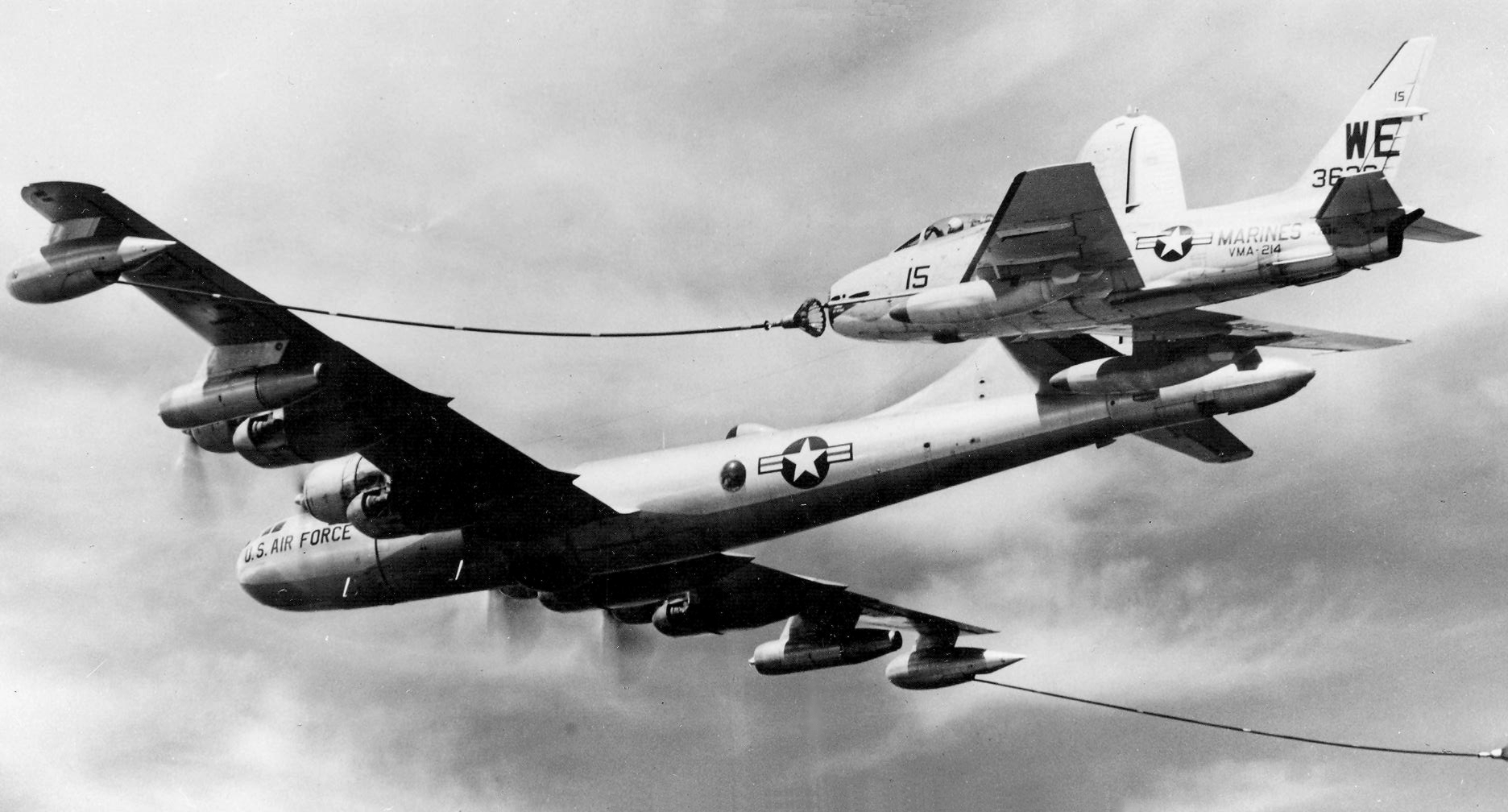
North American Aviation built a total of 374 FJ-4s during the aircraft’s production run. The Fury was retired in December of 1964, a little over ten years after its first flight. Approximately seven FJ-4 Furys are known to survive in the United States today, including FJ-4B 143610. This aircraft is displayed with pride, atop a pedestal, at The Buffalo and Erie County Naval & Military Park, located in Buffalo, New York.