






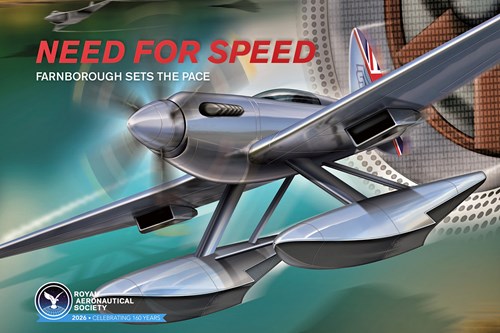

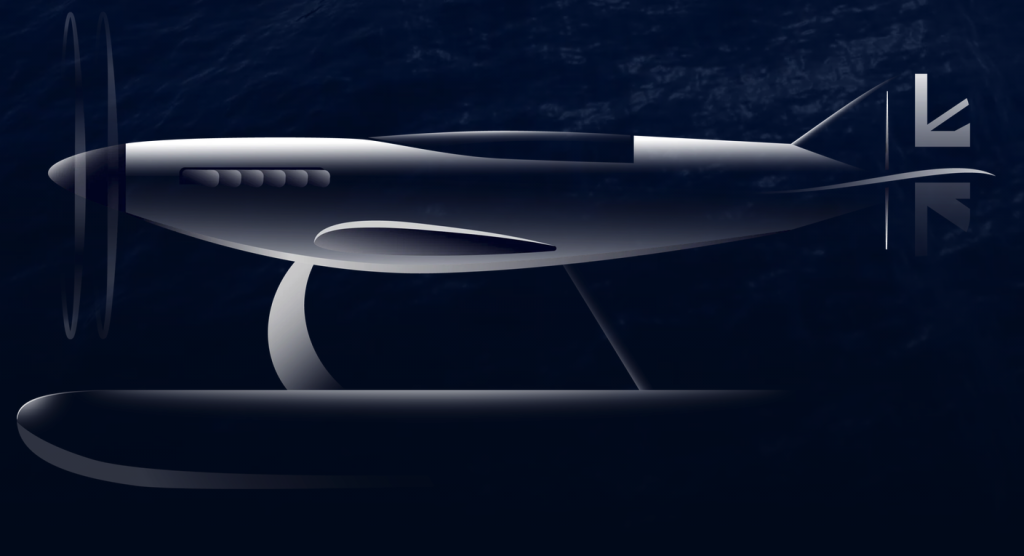
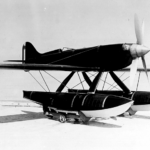
More than 90 years after Italy set the world speed record for piston-powered seaplanes, a British team is working to bring the title home. Known as Project Seablade, the initiative aims to design and build a purpose-built racing seaplane capable of exceeding 500 mph, eclipsing the long-standing record of 440.681 mph established by the Macchi M.C.72 in 1934. The ambitious project was recently explored in an exclusive feature by aviation journalist Stephen Bridgewater FRAeS for the Royal Aeronautical Society (RAeS). The article, which is also available on the Royal Aeronautical Society’s blog, examines the engineering challenges, historical inspiration, and educational goals driving the effort.
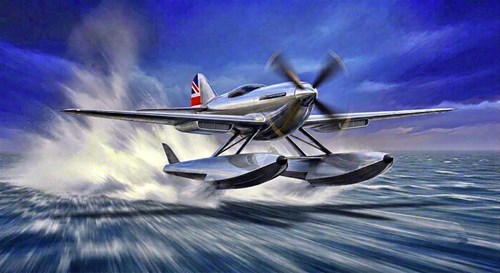
(Image credit: RAeS/ AI image)
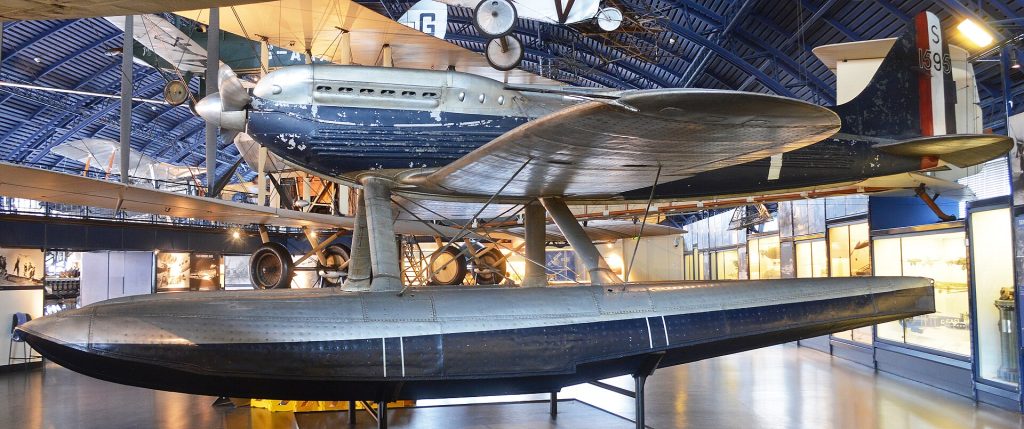
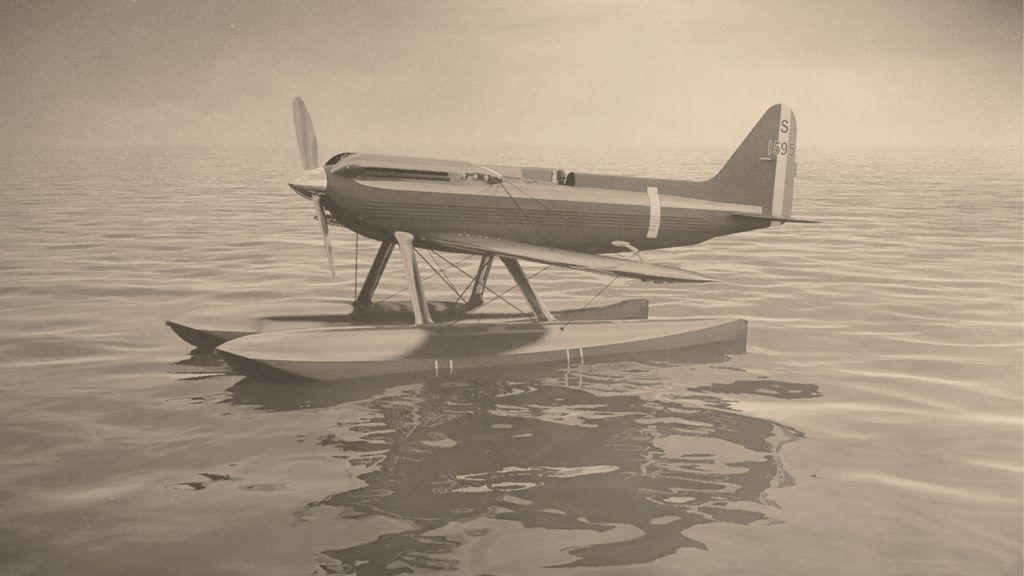
Project Seablade draws its inspiration from the Schneider Trophy races of the 1920s and early 1930s, which accelerated advances in aircraft design, aerodynamics, and engine technology. Britain famously secured the Schneider Trophy outright in 1931 when Flight Lieutenant John Boothman won the competition in the Supermarine S.6B. Just over two weeks later, another S.6B established a new world air speed record of 407.5 mph, a remarkable achievement that also helped pave the way for Reginald J. Mitchell’s later design of the Supermarine Spitfire.
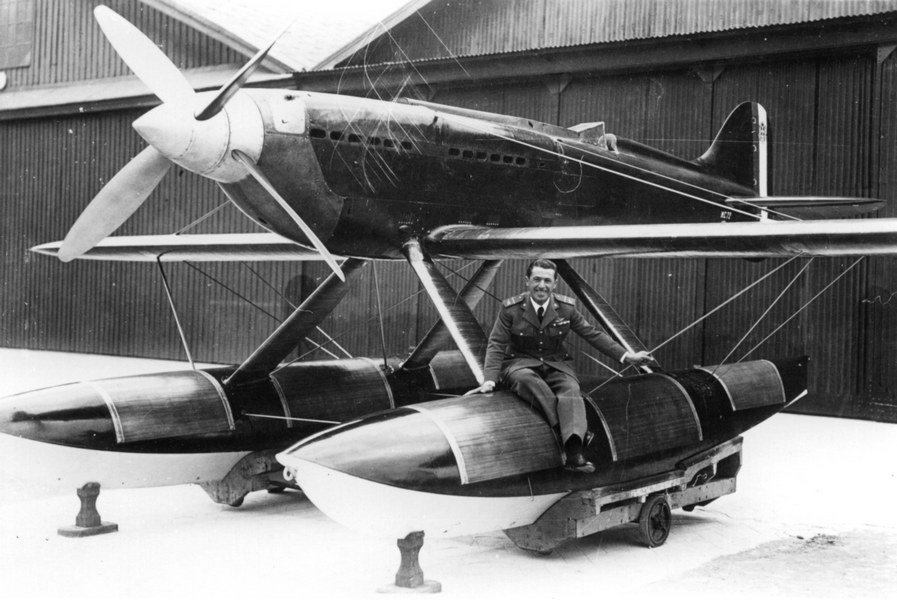
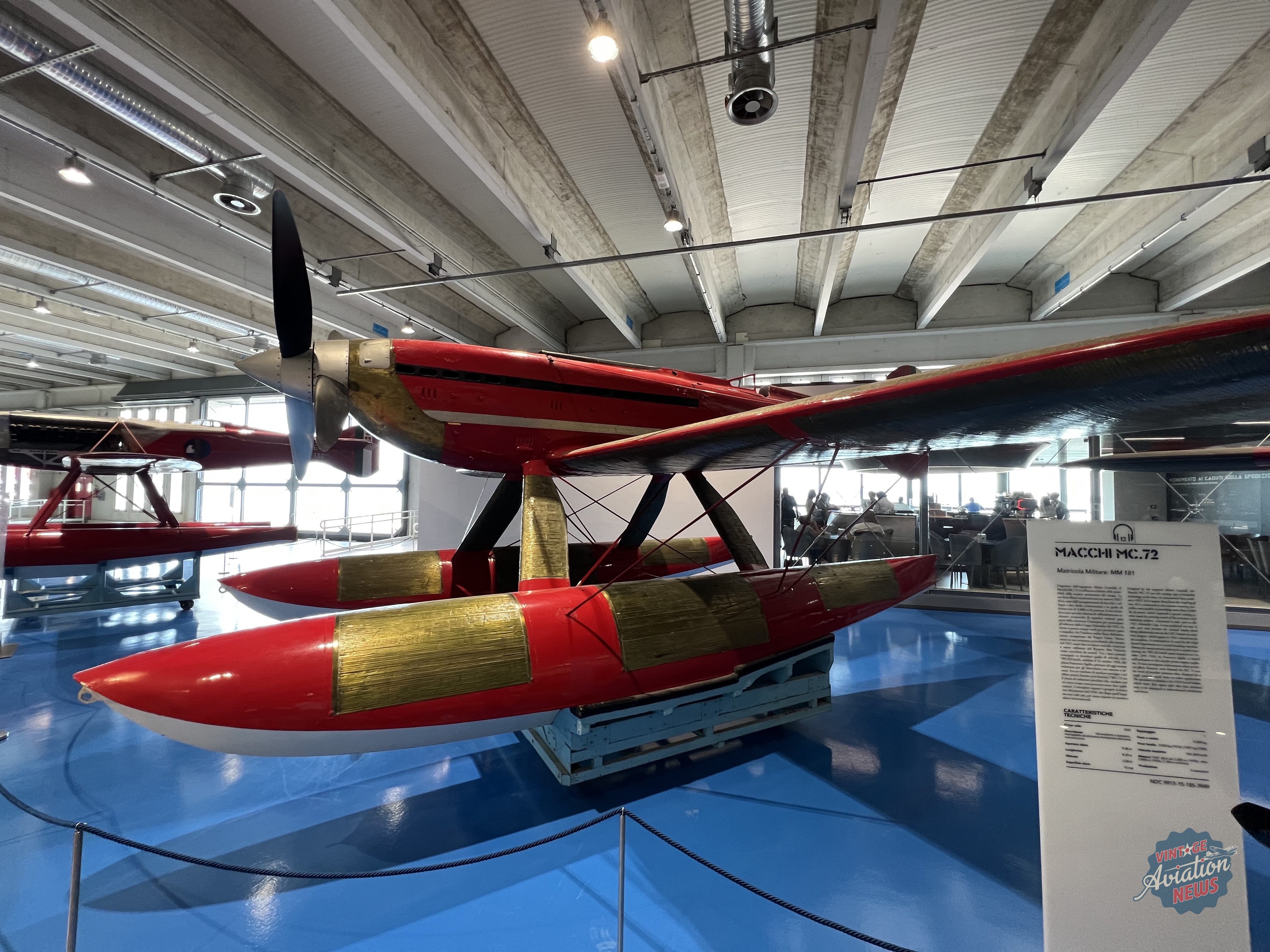
Britain’s record, however, was short-lived. In October 1934, Italian pilot Francesco Agello flew the Macchi M.C.72 to 440.681 mph, setting a piston-powered seaplane speed record that remains unbeaten to this day. Project Seablade hopes to finally surpass that milestone using modern engineering while honoring the spirit of the Schneider Trophy era.
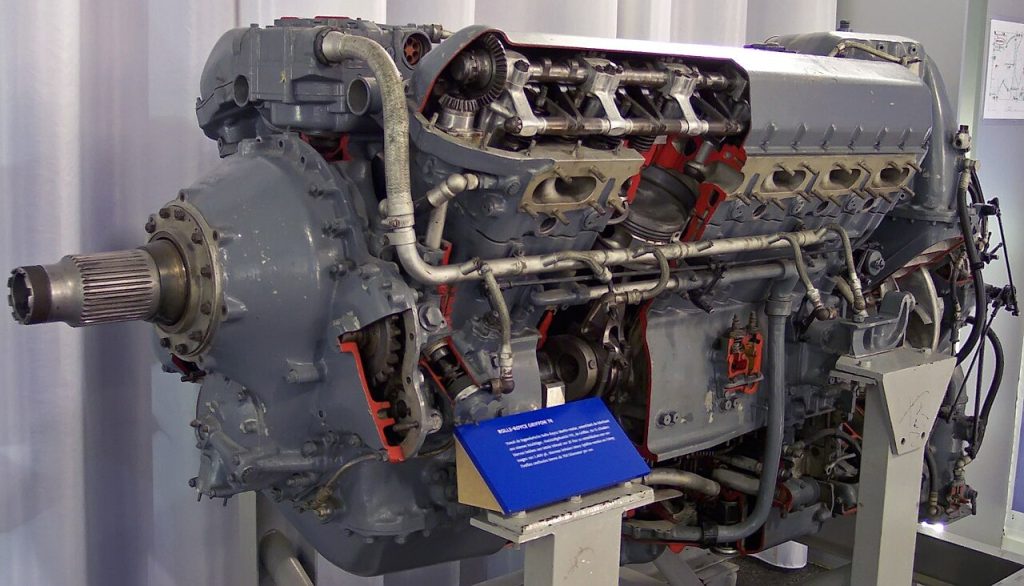
The project was founded by Scottish entrepreneur Peter Thomson, who assembled a team of engineers, restoration specialists, and experienced test pilots to determine whether today’s materials and technology could achieve what was once thought impossible. Among the key contributors is Professor Andrew Rae FRAeS, President-Elect of the Royal Aeronautical Society and Professor of Engineering at the University of the Highlands and Islands. Early design studies indicated that significant advances in lightweight composite structures, aerodynamics, and engine cooling make it feasible to exceed the historic record without relying on experimental propulsion systems. Unlike a conventional aircraft designed for long-distance travel or everyday operations, Seablade is optimized for one purpose alone: maximum speed over water. To reduce weight, the aircraft will carry only the fuel necessary for short-duration record attempts and will be transported by road between locations rather than flown cross-country. Powering the aircraft will be a carefully selected Rolls-Royce Griffon engine. Veteran engine specialist Jeff Rushen concluded that the ideal solution would be a Griffon 74 converted to the configuration of the much rarer Griffon 87, allowing it to drive the contra-rotating Rotol propeller originally developed for the Supermarine Seafire F.47. According to Rushen, the combination offers the performance needed to push Seablade beyond 500 mph while relying on proven engineering rather than overly complex systems.
The team has intentionally adopted a philosophy of simplicity, favoring proven components and conventional cooling arrangements wherever possible. This approach is intended to maximize reliability while reducing technical risk during what will be an extremely demanding flight regime. Beyond its record attempt, Project Seablade also has a significant educational mission. Organized as a Community Interest Company (CIC), the project is designed to inspire students through STEM education by documenting every stage of the aircraft’s design, construction, and testing. The University of the Highlands and Islands is developing educational programs around the project, while the team hopes the engineering knowledge gained during development will benefit future aerospace innovation. The project’s long-term vision extends even further. Once the piston-powered speed record has been attempted, the team plans to return the restored Griffon engine to its original Fairey Firefly and potentially convert Seablade into an electric-powered aircraft. Such a modification would allow the same airframe to pursue a new electric seaplane speed record while showcasing advances in sustainable aviation technology. Although considerable work remains—including raising approximately £10 million and completing detailed engineering and manufacturing—the team believes a flying aircraft could be ready within the next several years. Potential locations for the record attempt include Loch Ness and the River Tay estuary in Scotland, though no final venue has been selected.
Whether or not Project Seablade ultimately rewrites the record books, it represents one of the most ambitious aviation engineering projects currently underway in the United Kingdom. By combining the legacy of the Schneider Trophy with modern aerospace design and a commitment to STEM education, the team hopes to create an aircraft that not only flies faster than any piston-powered seaplane before it, but also inspires the next generation of engineers and aviators. Readers interested in the full story can find Stephen Bridgewater’s feature, “Engineering the Impossible: How Seablade Plans to Better a 92-Year-Old Speed Record,” on the Royal Aeronautical Society’s blog and in the July 2026 issue of Aerospace magazine.

















Most brilliant idea, can New Zealand try for the record as well?
We should be looking to the future instead of the past, The rest of the world moves on and Britain obsesses about past and utterly redundant technologies. This is hobby tinkering, not technology, nor most definitely science!