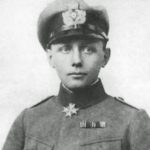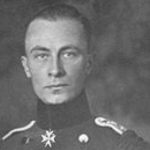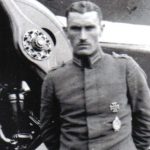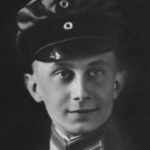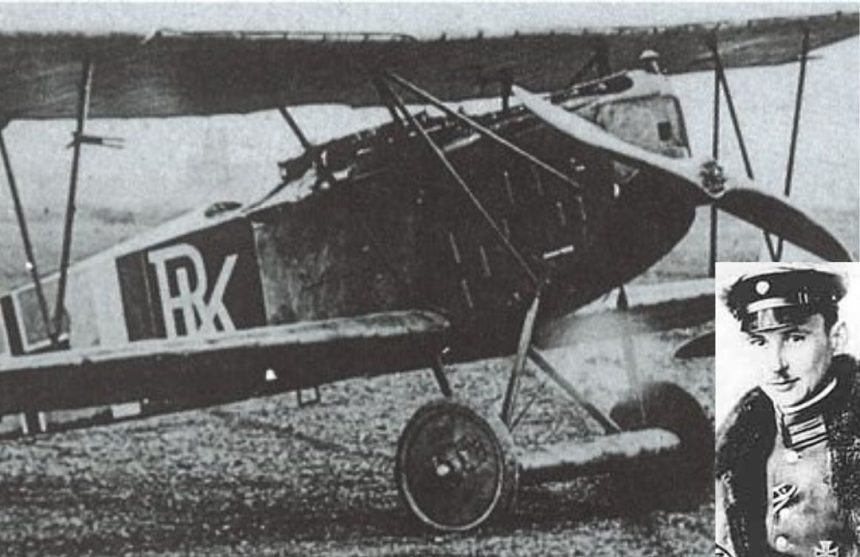

There were many aces in WWI who started their flying careers as observers and reconnaissance pilots. One such ace was Hermann Becker, who was born on September 10, 1887, in Trebus, Upper Silesia. Becker joined the German Air Force in 1916 as an aerial observer on the Eastern Front. He served with Flieger-Abteilung 2 and Flieger-Abteilung 57. After finishing his pilot training, Becker moved to Kampfgeschwader 5 and then to Schutzstaffel 11 in France. There, Hermann Becker fought during the battles of the Somme and Verdun. On January 12, 1917, he received the First Class Iron Cross, after already being awarded the Second Class.
Ace Journey of Hermann Becker
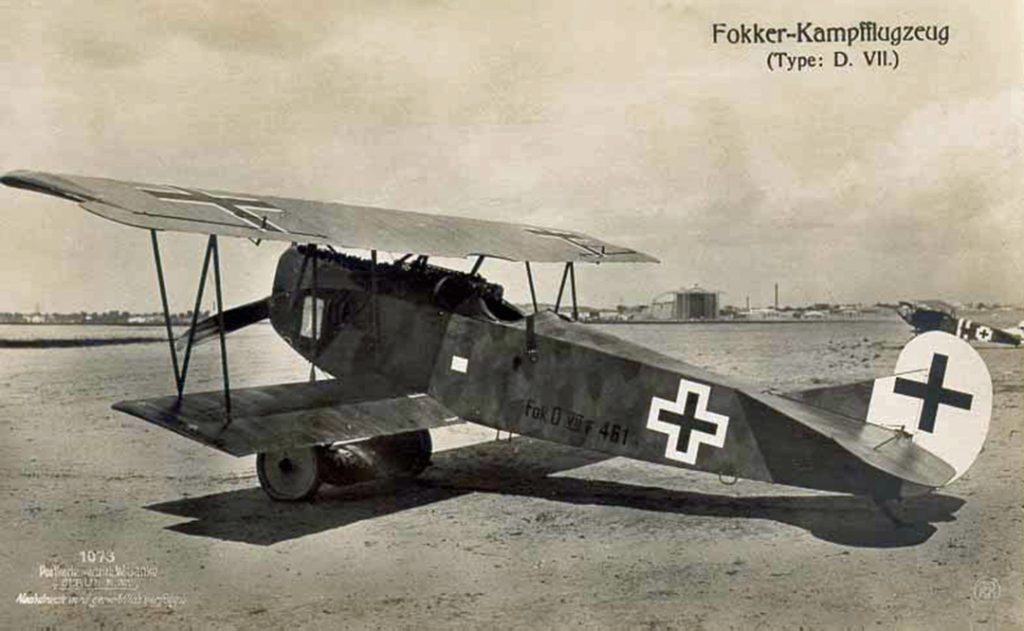
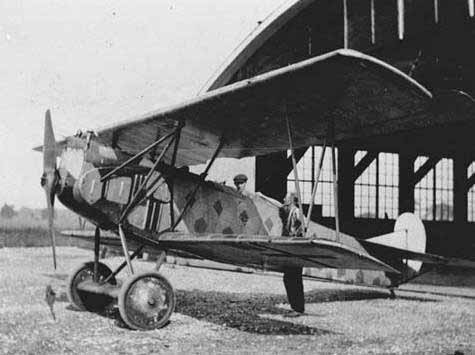
After serving as an observer on the Eastern Front, Hermann Becker became a pilot and was sent to the Western Front to fly two-seat planes. In May 1917, he joined Jasta 12 as a single-seat fighter pilot. He scored his first victory on June 6, 1917, when he shot down a Sopwith Pup southwest of Sains. On June 16, 1917, he was injured in combat with 60 Squadron and had to go to the hospital. He returned to action in September. He could only score two more victories in 1917, in September and October, bringing his total to three by year-end. After scoring his fourth victory on February 6, 1918, he officially became an ace on February 28, 1918, when Hermann Becker shot down a SPAD. He further claimed three victories in March and one in April. In May 1918, Becker assumed command of Jasta 12, replacing Ewald Blumenbach, and scored two more victories in the month. On July 13, 1918, with 11 victories already scored, he was promoted to squadron commander (Staffelführer) and began flying a Fokker D.VII. Further, he scored two victories in August and five in September, bringing his score to 18. In October, he scored four aerial victories, and on the afternoon of November 3, 1918, Hermann Becker achieved his last victory by shooting down a SPAD XIII east of Joncq. During this fight, he and his men were credited with shooting down five SPADs. He ended his WWI at a score of 23.
The Legacy
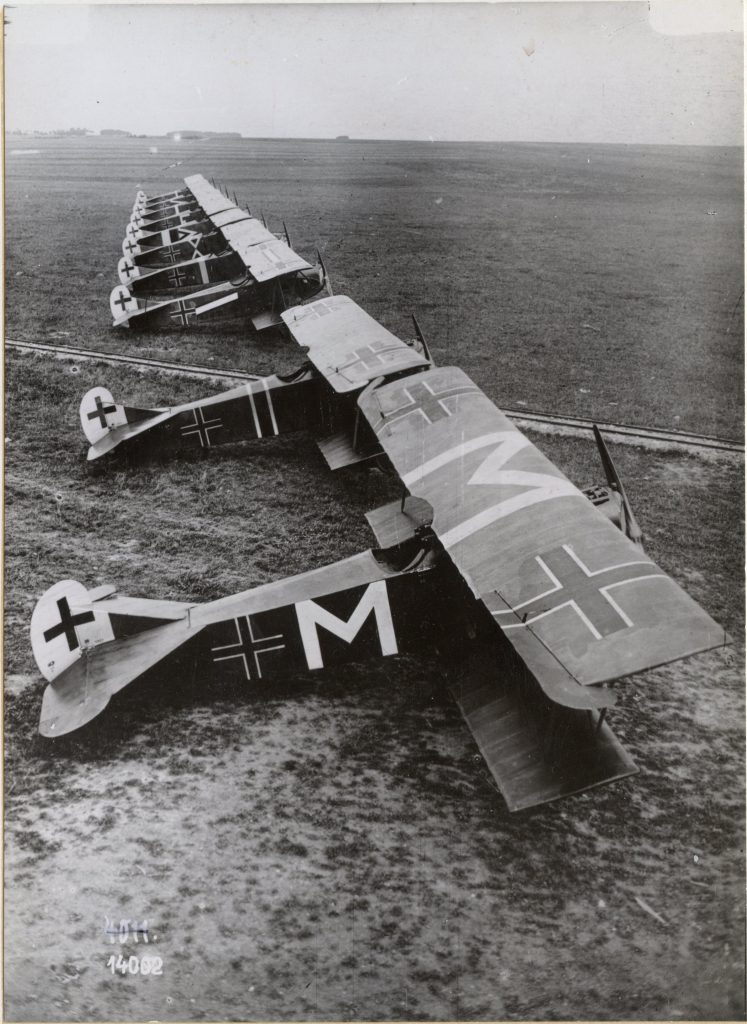
Hermann Becker was nominated for the Pour le Mérite medal, but he did not receive it because Kaiser Wilhelm abdicated on November 9. During WWI, he was awarded the House Order of Hohenzollern and the Iron Cross, First and Second Class. After the Armistice on November 11, 1918, Becker was released from the Imperial German Air Service, ending his career in military aviation. Details about Becker’s activities between 1918 and the early 1930s are limited. He was the commercial director of the Segelflugschule Grunau in Silesia from the early 1930s until 1945. He became an aviation enthusiast during the interwar period and helped promote sports gliding as part of the Nazi regime’s aviation programs. The Nazi programs included the National Socialist Flyers Corps (NSFK), which used gliding schools like Grunau to train pilots and support Luftwaffe recruitment. As WWII progressed, Grunau’s operations became more difficult as Allied advances brought the fighting closer, and Becker’s work ended with the war’s conclusion. The Potsdam Agreement transferred Silesia to Polish control and led to the mass displacement of ethnic Germans from the area. Hermann Becker died on April 21, 1970, in Bielefeld, West Germany. In the Aces series, Hermann Becker was an aviation enthusiast and a careful ace who served his country. Read stories about more Aces HERE.