
By Randy Malmstrom
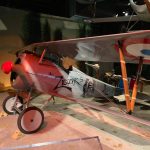
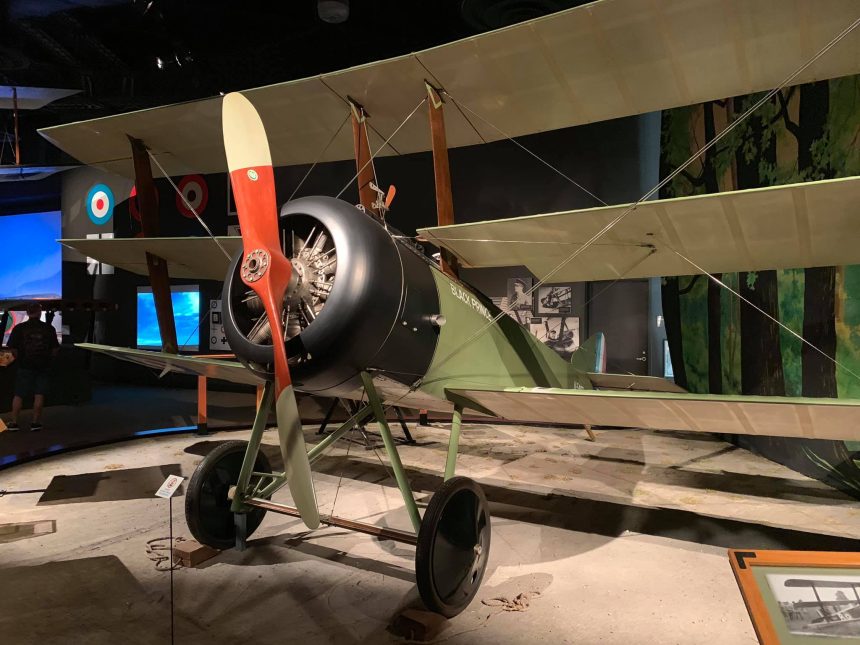
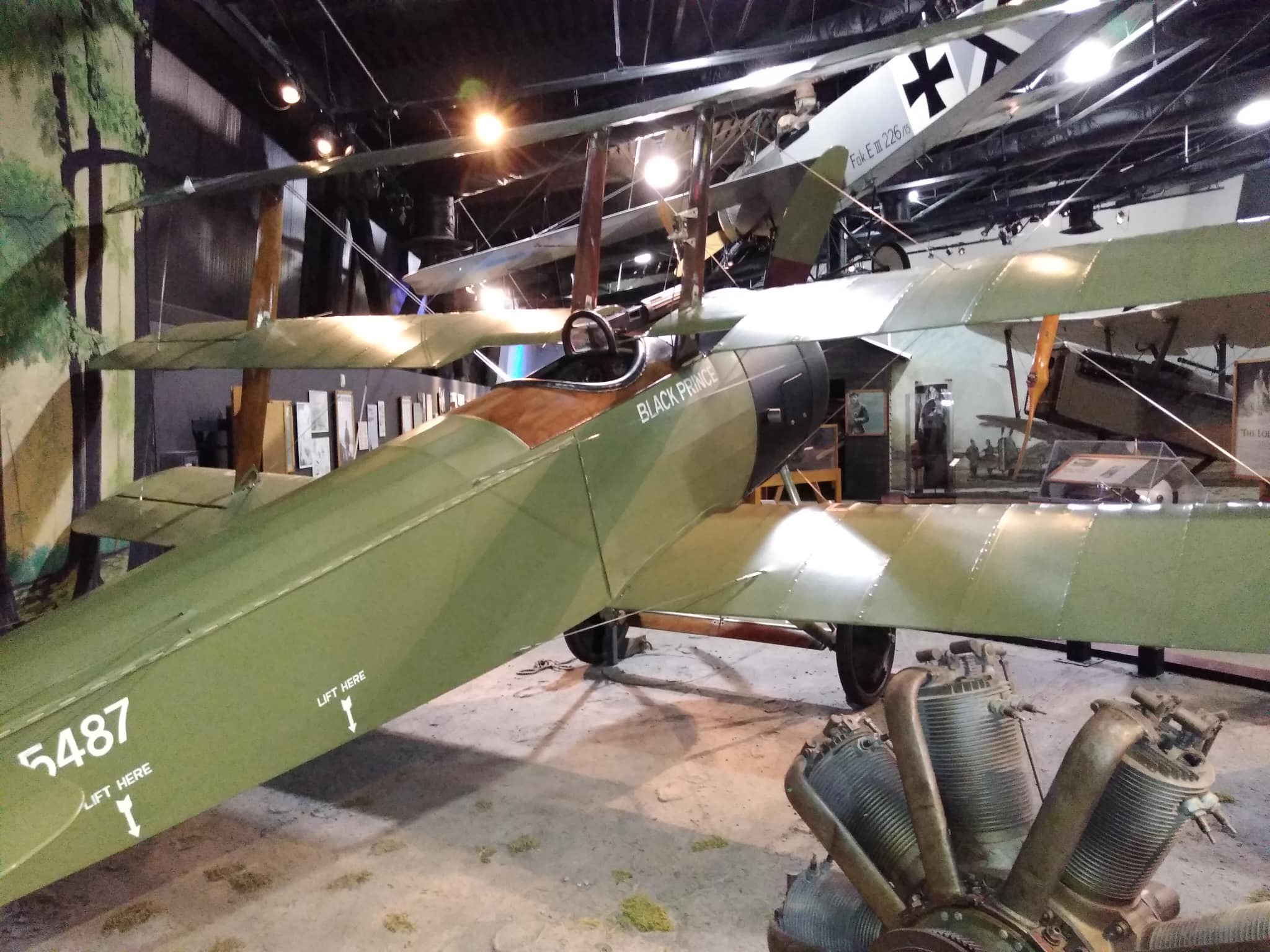
Sopwith Triplane (“Tripehound” or “Tripe”). I am unaware of a military designation. This particular aircraft is a reproduction built by Carl Swanson and was previously on display at the Champlin Collection and is now at the Museum of Flight in Seattle, Washington (MOF). It is painted in the markings of “Black Prince” of Sub-Lieutenant William Melville “Mel” Alexander (from Toronto, Canada but who received his flight training in 1916 in Wright biplanes at the Stinson School in San Antonio, Texas) of B Flight of No. 10 Squadron, the “Black Flight” (because of their black cowlings), an all-Canadian Royal Naval Air Service squadron which was credited with 86 victories in June and July 1917 with only three lost aircraft. Lt. Alexander scored 22 victories flying Triplanes and Sopwith Camels and survived the war. My photos and those of Don England, formerly of MOF – thanks.
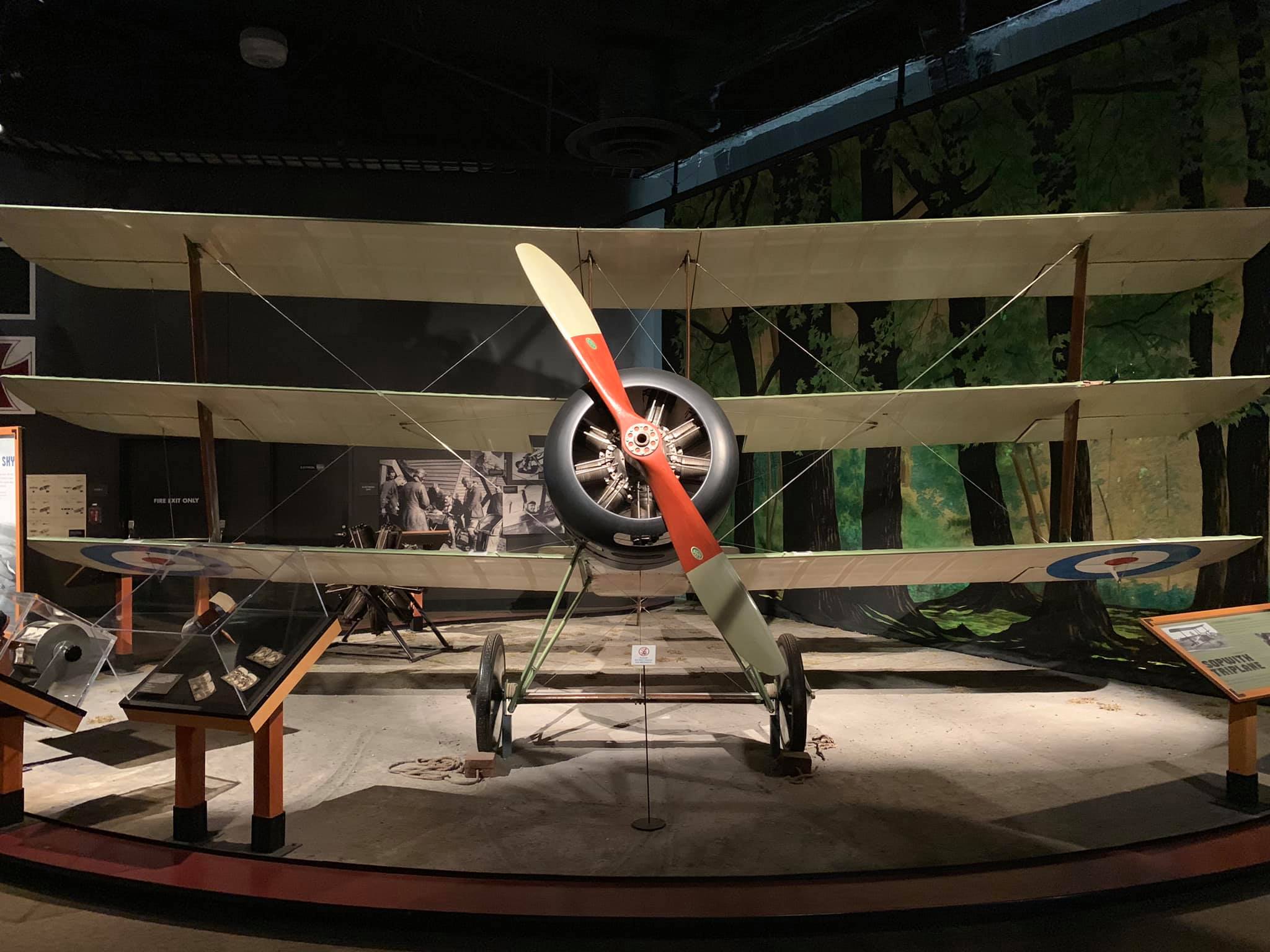
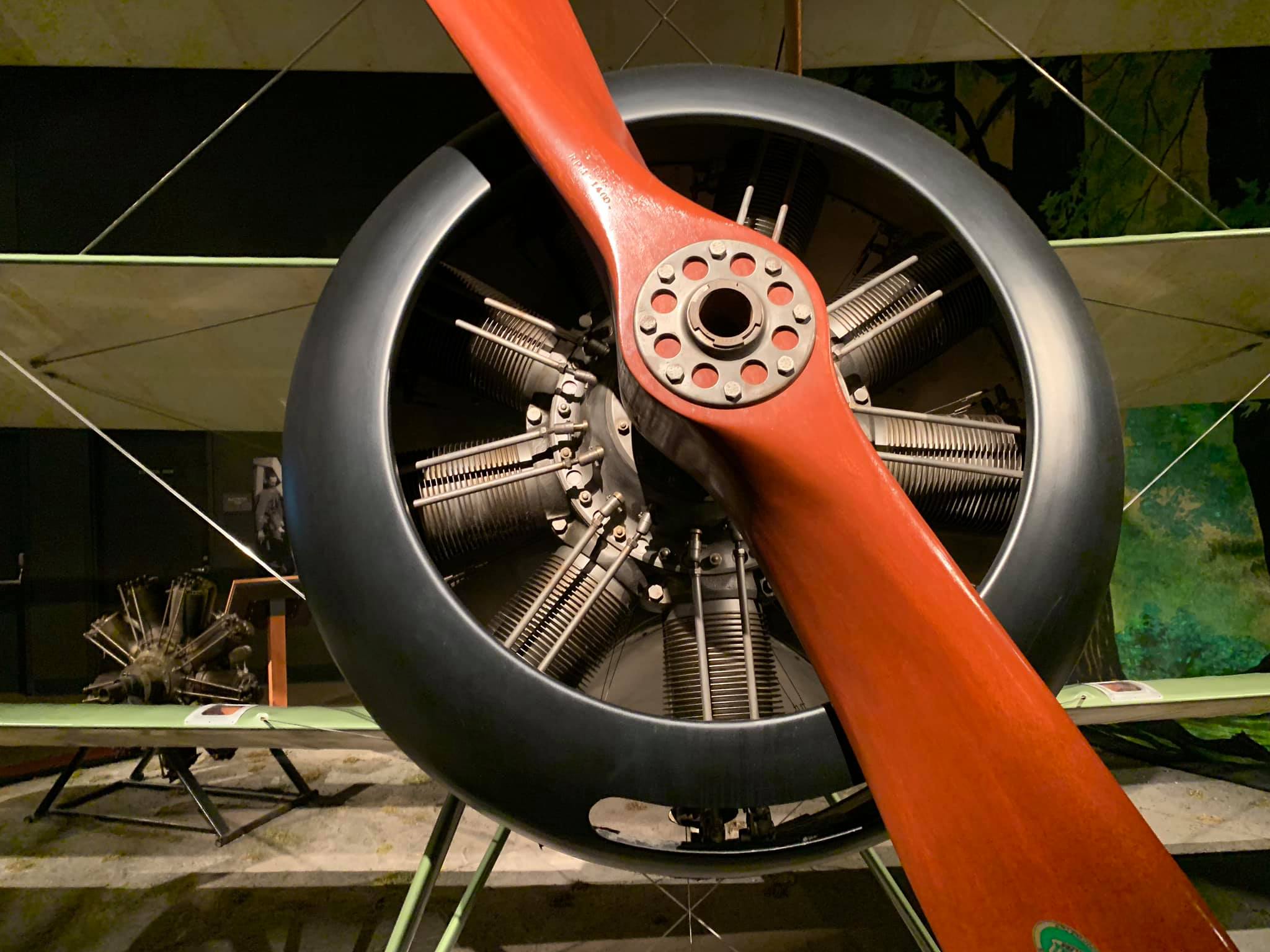
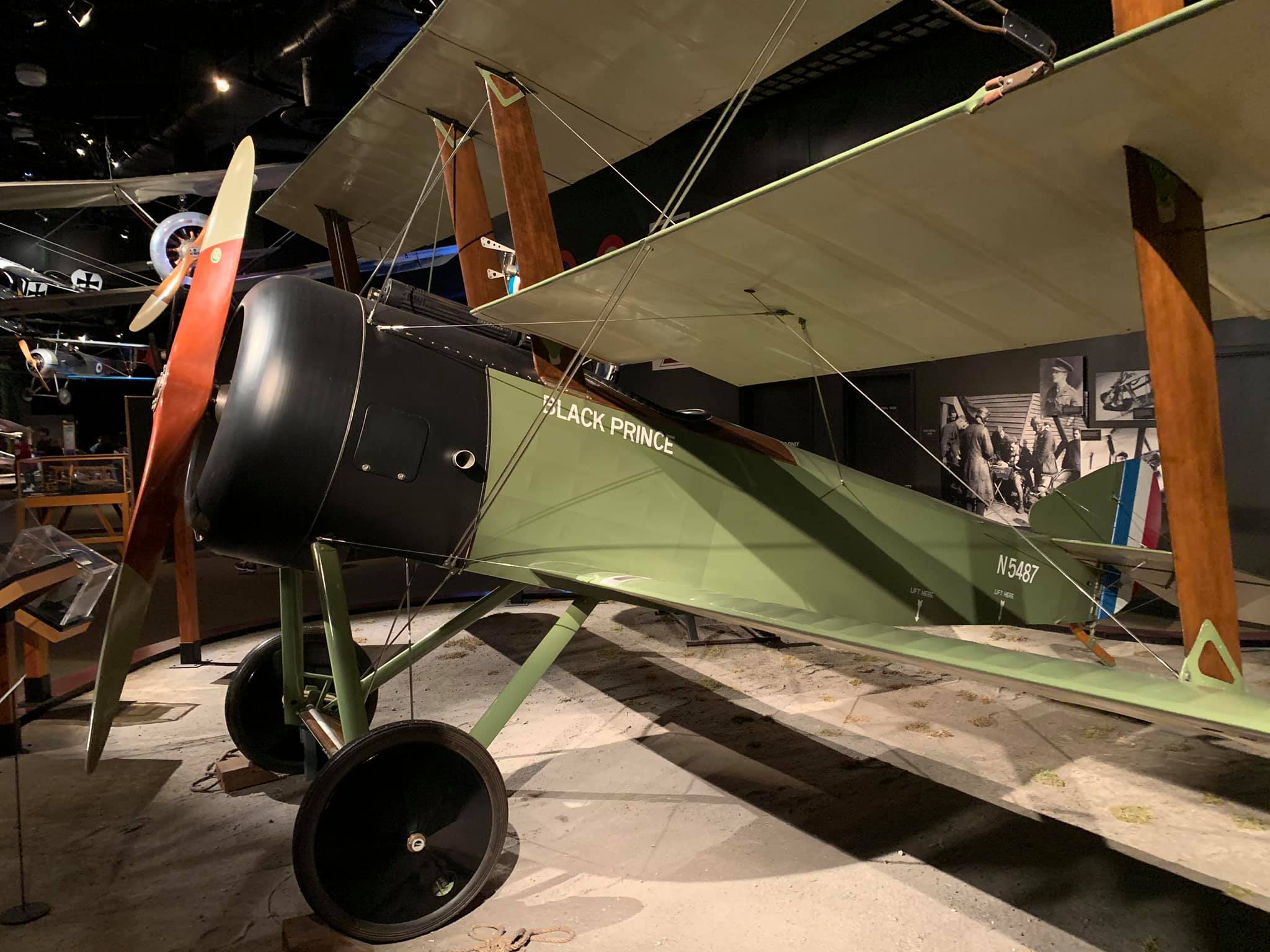
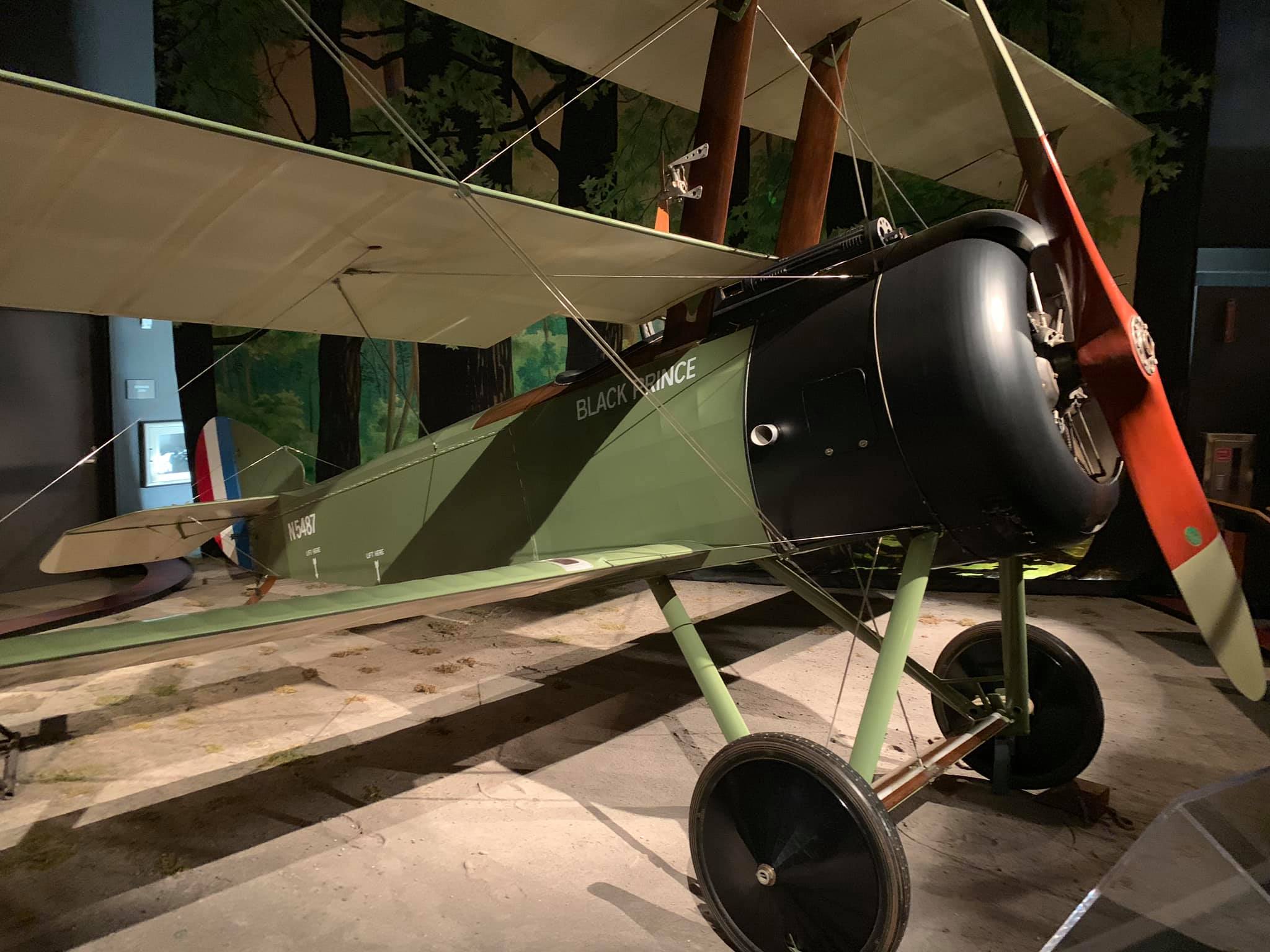
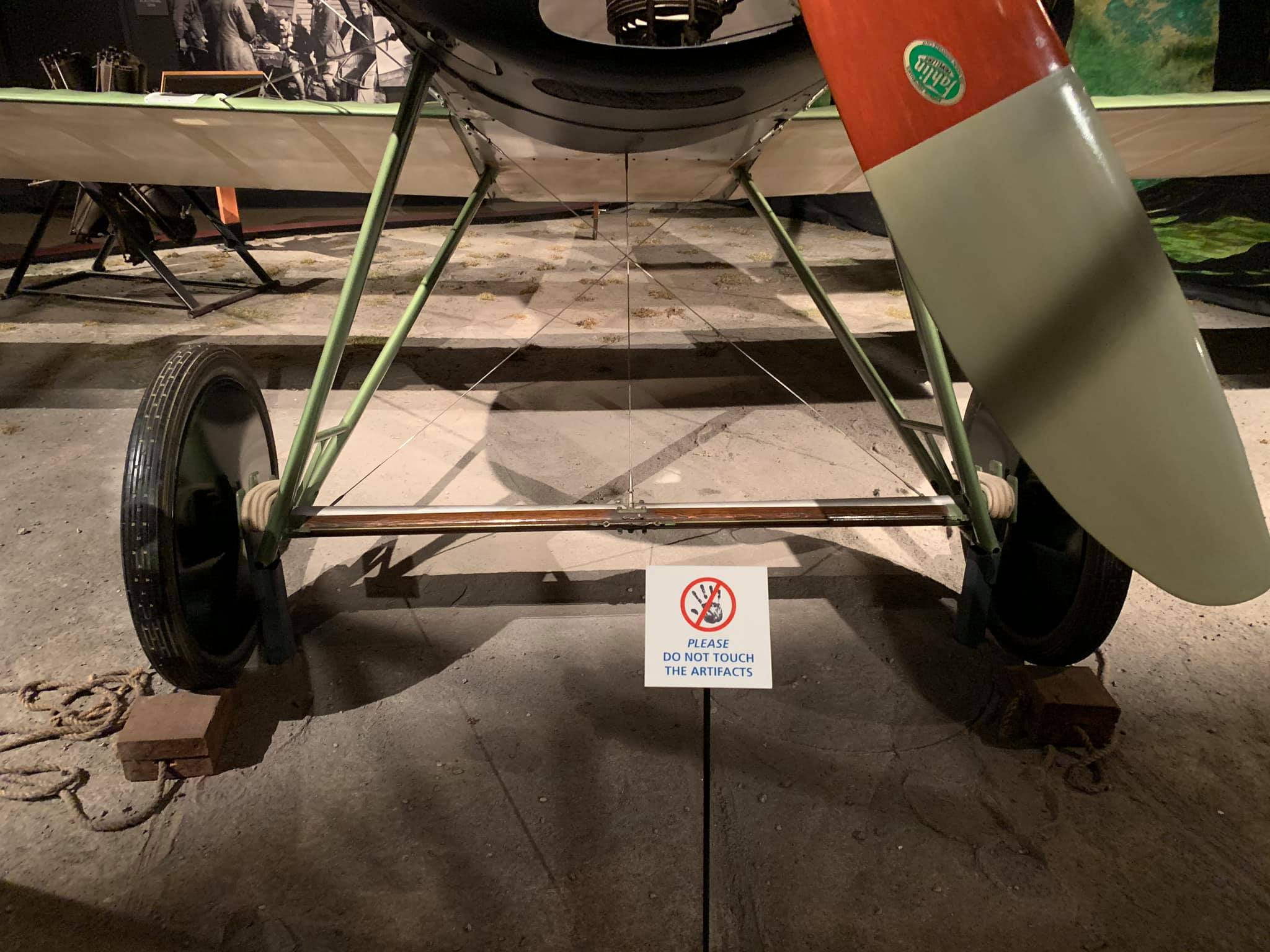
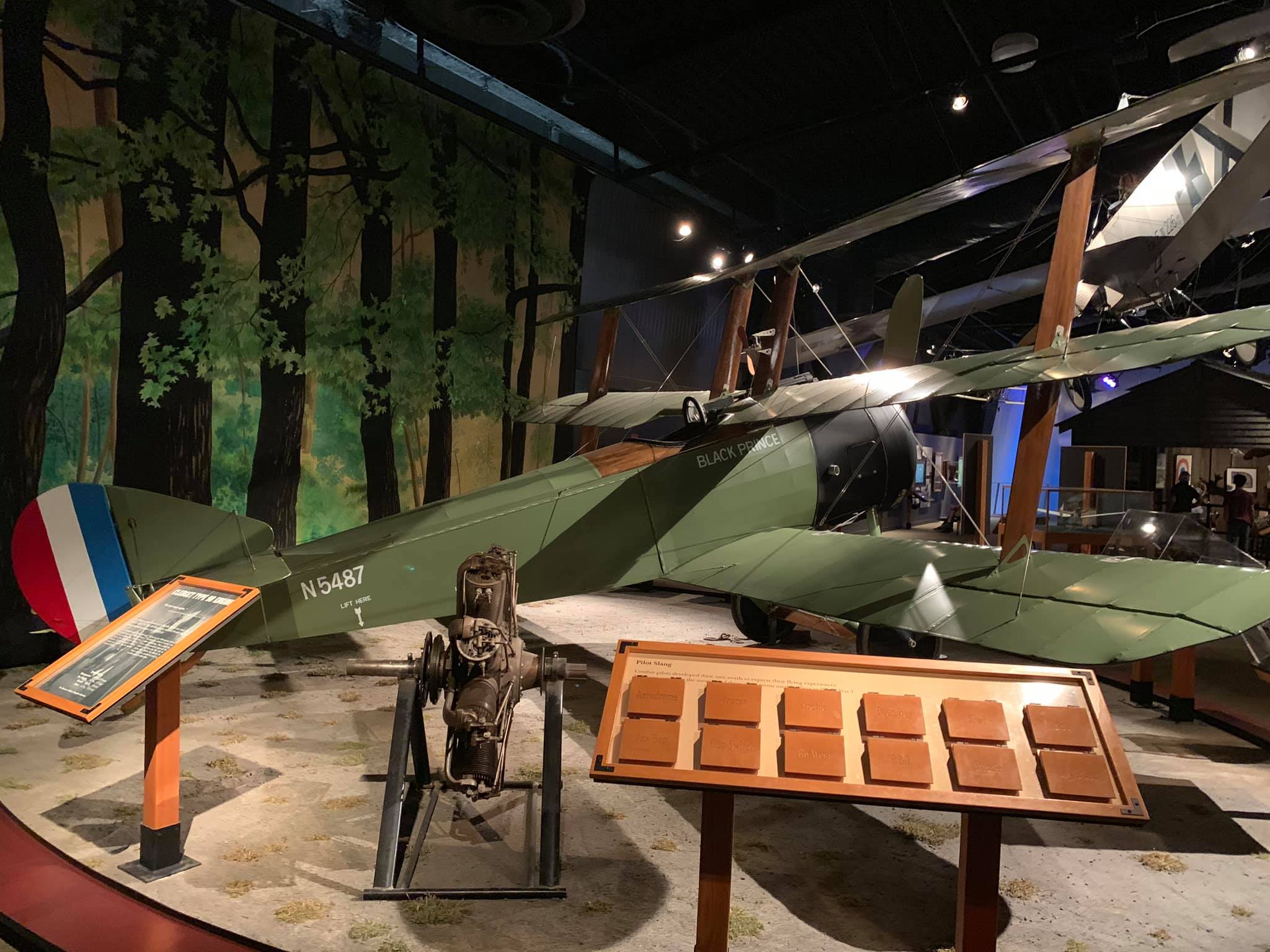
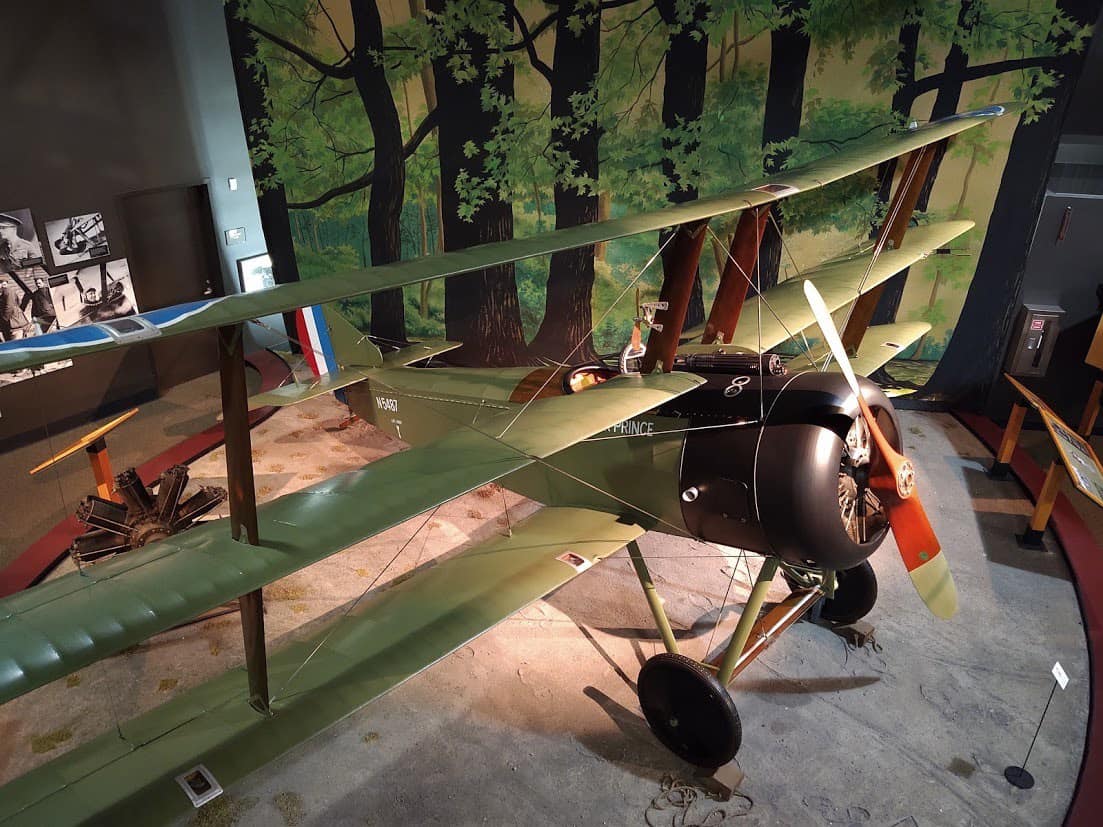
After a brief 3-month design and development period, the Sopwith Triplane was introduced in 1916 by Sopwith Aviation Company Ltd. became operational with the Royal Naval Air Service by June 1917, and during its short tenure in combat until December 1917, only about 150 were produced (the Royal Flying Corps – the air arm of the British Army – did not embrace the aircraft type; instead preferring the SPAD). Australian aviation pioneer Harry Hawker was the chief test pilot for Sopwith. Powered by a Clerget 9B nine-cylinder 130 hp. air-cooled rotary engine (Triplanes were initially fitted with Clerget 9A 110 hp engines). The engine was designed by Pierre Clerget and built in Britain and France by several manufacturers, including Humper-Bentley, Gordon Watney, Ruston Proctor, and Gwynnes Limited (Clerget himself being an engineer, inventor, and industrialist from Burgundy, and who designed one of the first aircraft diesel engines).

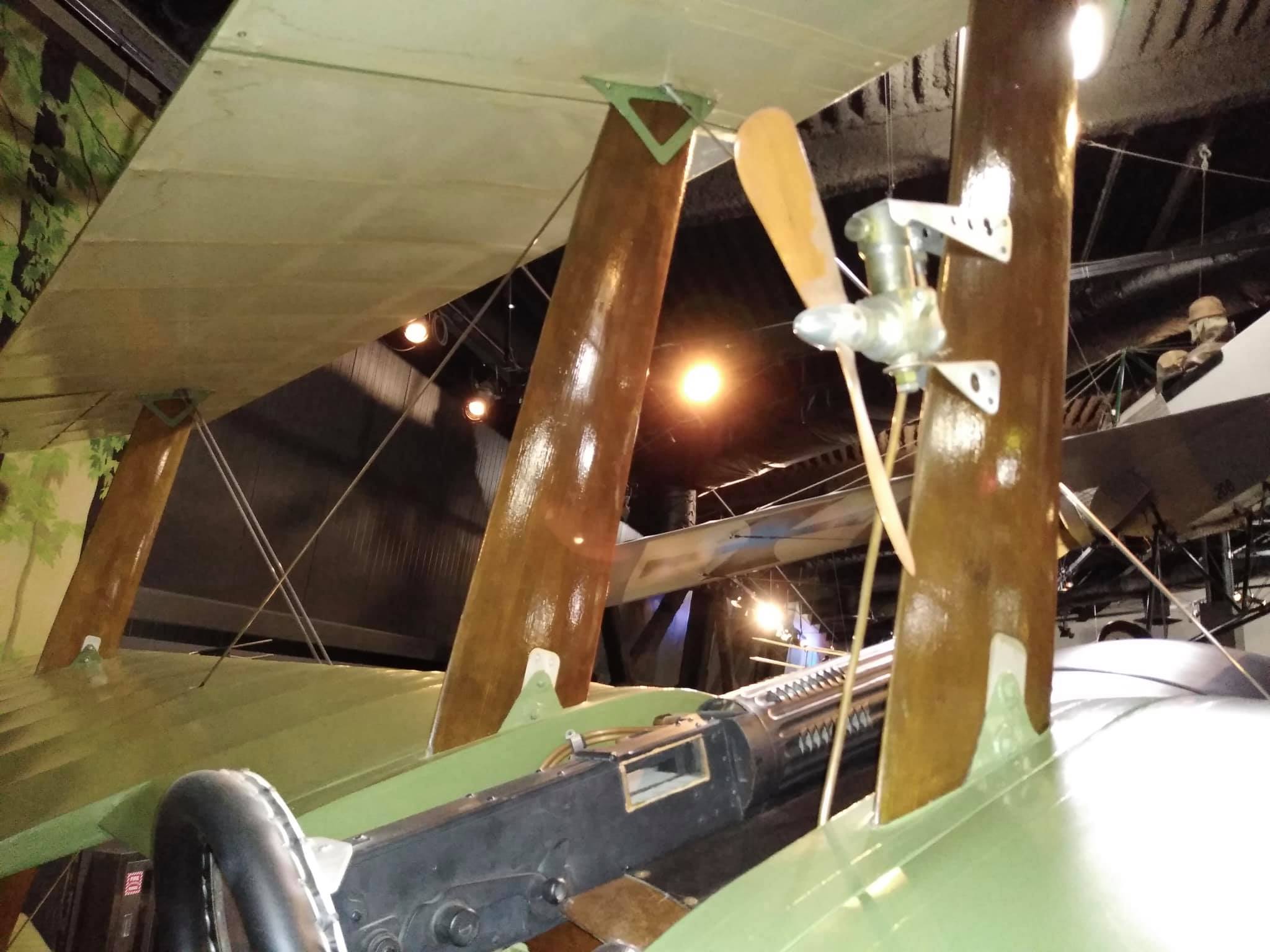
The three narrow-chord wings were intended to provide improved lift with the added bonus of better pilot visibility, although the small number of bracing wires caused some structural weakness on aircraft built with small-gauge wires. Fitted with one (or sometimes two) .303 cal. Vickers machine gun(s) synchronized to fire through the propeller arc. This proved to be no match for the two Spandau guns of the Fokker Dr.I triplane, for example, and the Sopwith became a good match-up to the Dr.I.
 About the author: Randy Malmstrom grew up in a family steeped in aviation culture. His father, Bob, was still a cadet in training with the USAAF at the end of WWII, but did serve in Germany during the U.S. occupation in the immediate post-war period, where he had the opportunity to fly in a wide variety of types that flew in WWII. After returning to the States, Bob became a multi-engine aircraft sales manager and, as such, flew a wide variety of aircraft; Randy frequently accompanied him on these flights. Furthermore, Randy’s cousin, Einar Axel Malmstrom, flew P-47 Thunderbolts with the 356th FG from RAF Martlesham Heath. He was commanding this unit at the time he was shot down over France on April 24th, 1944, and spent the rest of the war as a prisoner of war. Following his repatriation at war’s end, Einar continued his military service, attaining the rank of Colonel. He was serving as Deputy Wing Commander of the 407th Strategic Fighter Wing at Great Falls AFB, MT, at the time of his death in a T-33 training accident on August 21, 1954. The base was renamed in his honor in October 1955 and continues to serve in the present USAF as home to the 341st Missile Wing. Randy’s innate interest in history in general, and aviation history in particular, plus his educational background and passion for WWII warbirds, led him down his current path of capturing detailed aircraft walk-around photos and in-depth airframe histories, recording a precise description of a particular aircraft in all aspects.