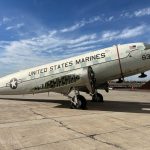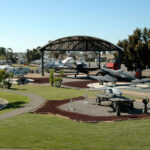

It has been a year since our last update on the Flying Leatherneck Aviation Museum of Irvine, California, which is building a new hangar from the ground up while restoring dozens of airplanes and helicopters that are part of the United States Marine Corps’ legacy of aviation history in anticipation of the museum’s public opening in 2028 at the Orange County Great Park, once the site of Marine Corps Air Station El Toro.
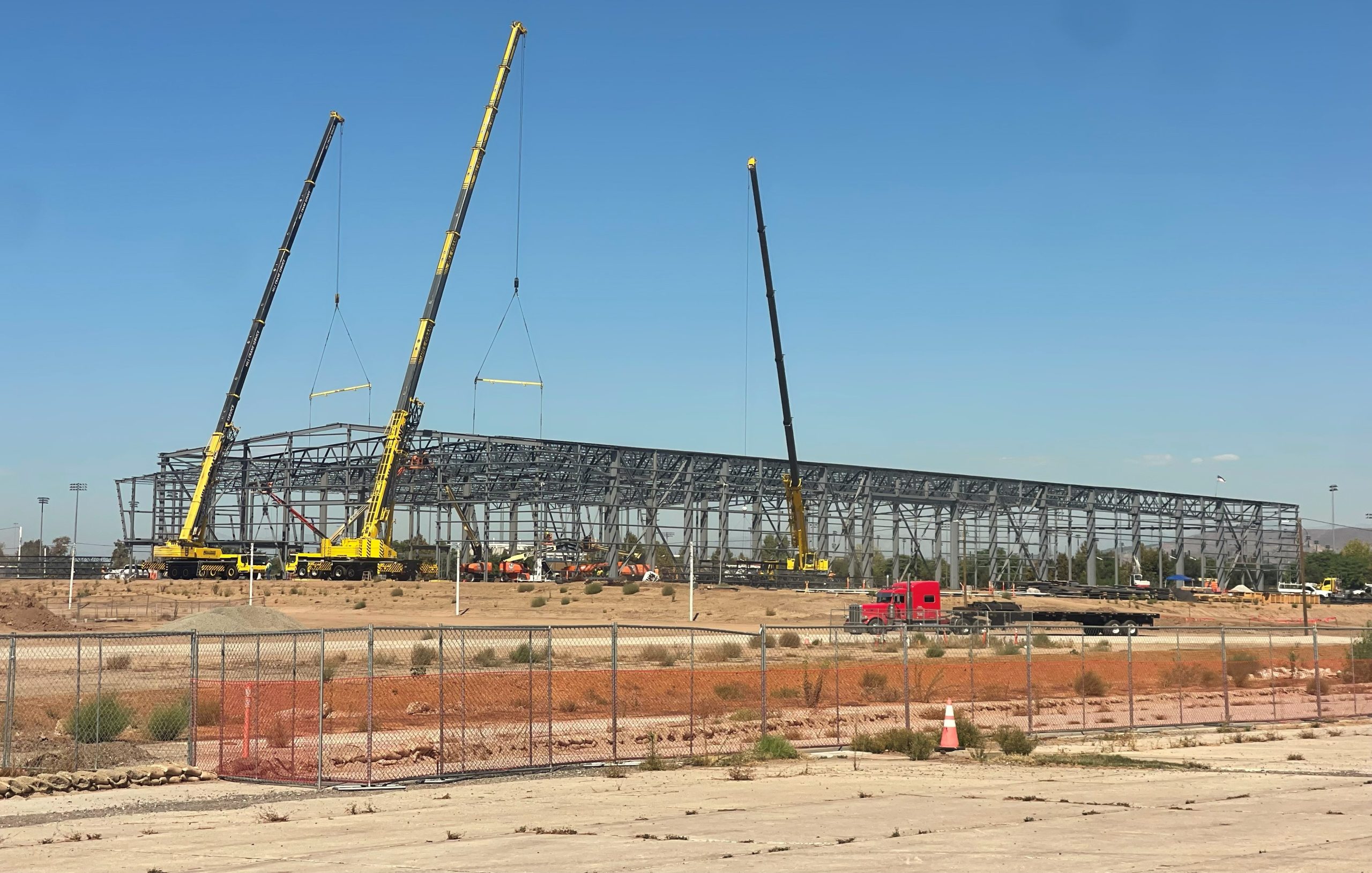
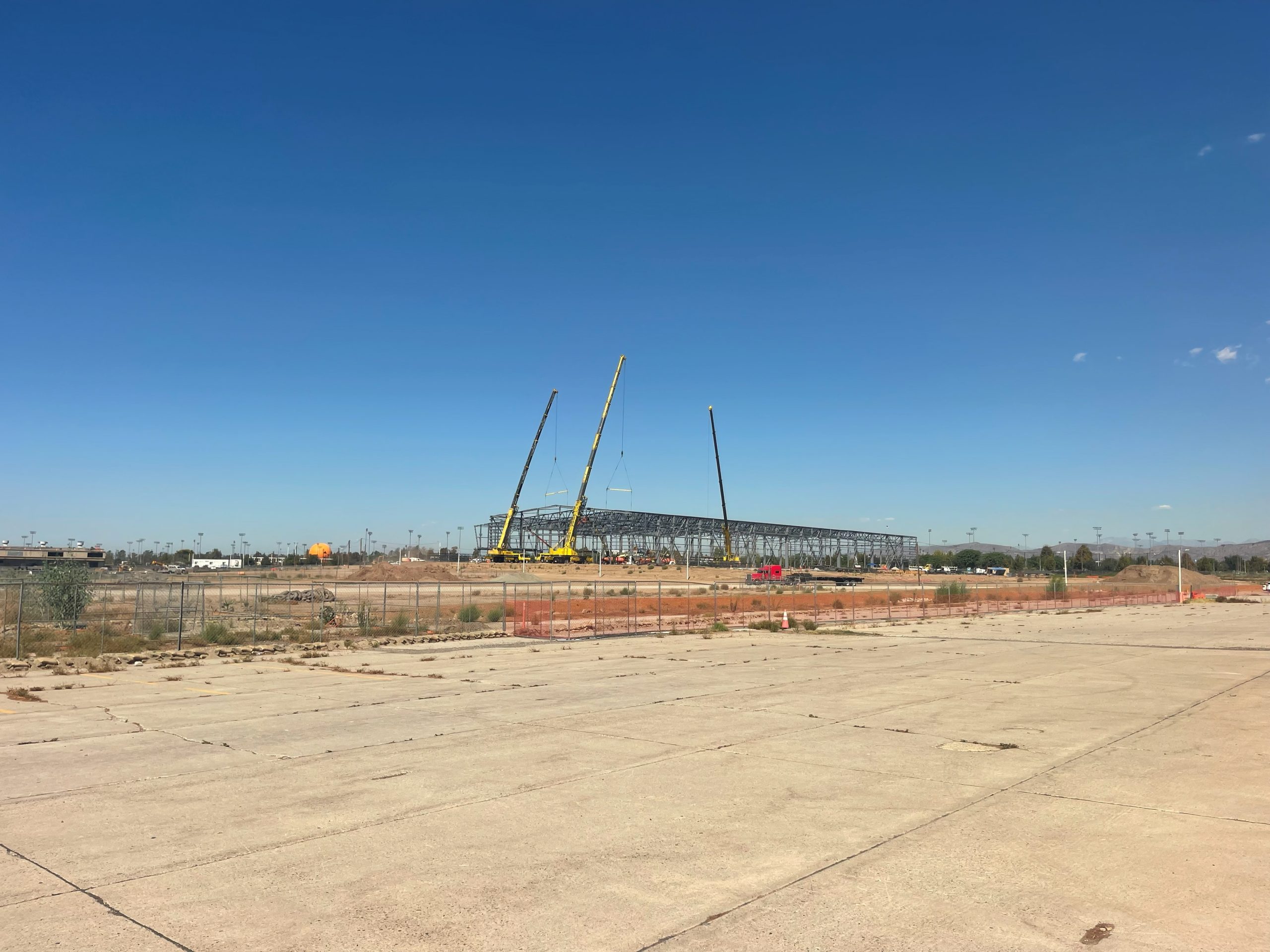
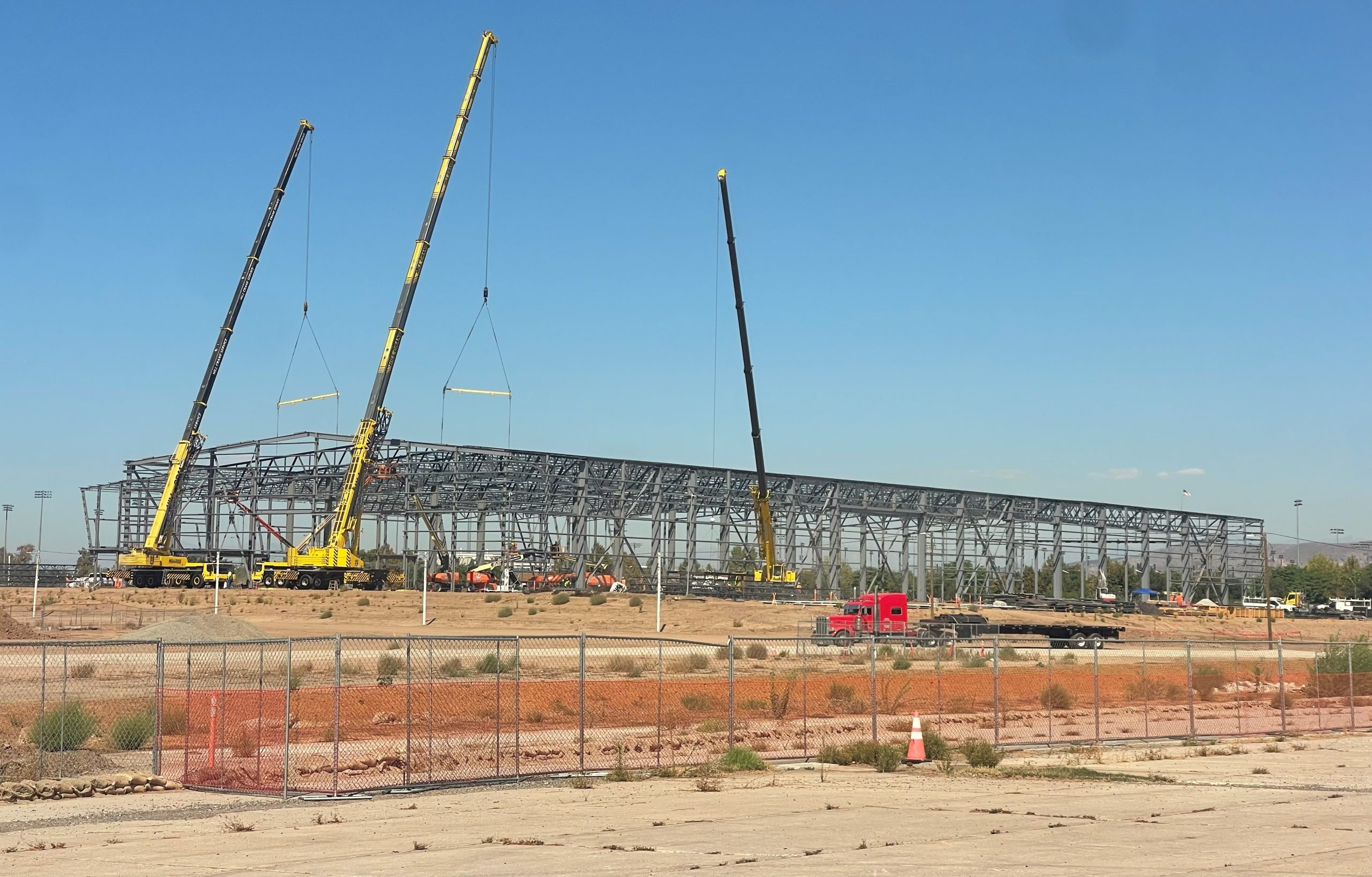
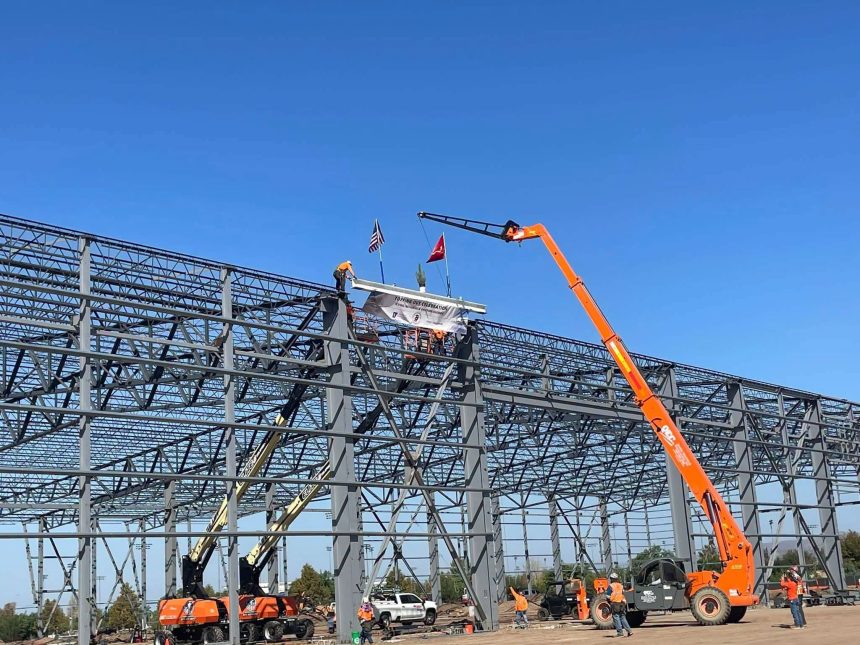
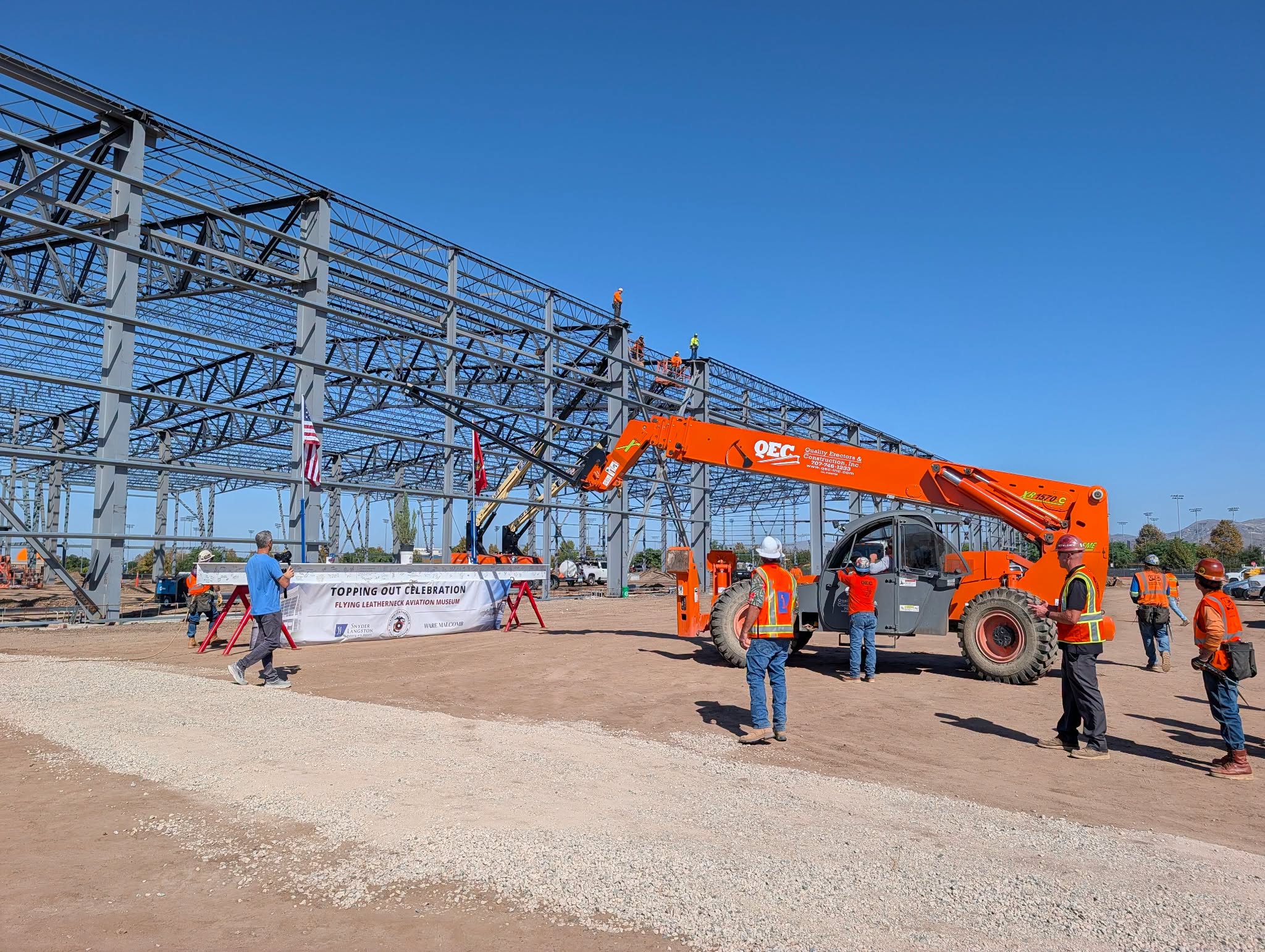
On October 21, 2026, the FLAM held a topping-out ceremony, where the final steel girder was permanently fitted to the steel framework that had risen from the ground up during the summer after the first truckload of steel was brought on site on May 6. The ceremony was attended by the leadership of the FLAM, including President/CEO Brigadier General Michael Aguilar, USMC (Ret.), the locally-based construction firm Snyder Langston, Irvine Mayor Larry Agran, members of the City Council of Irvine, and the construction team that labored through unseasonal heat to get the building ready for this momentous occasion.
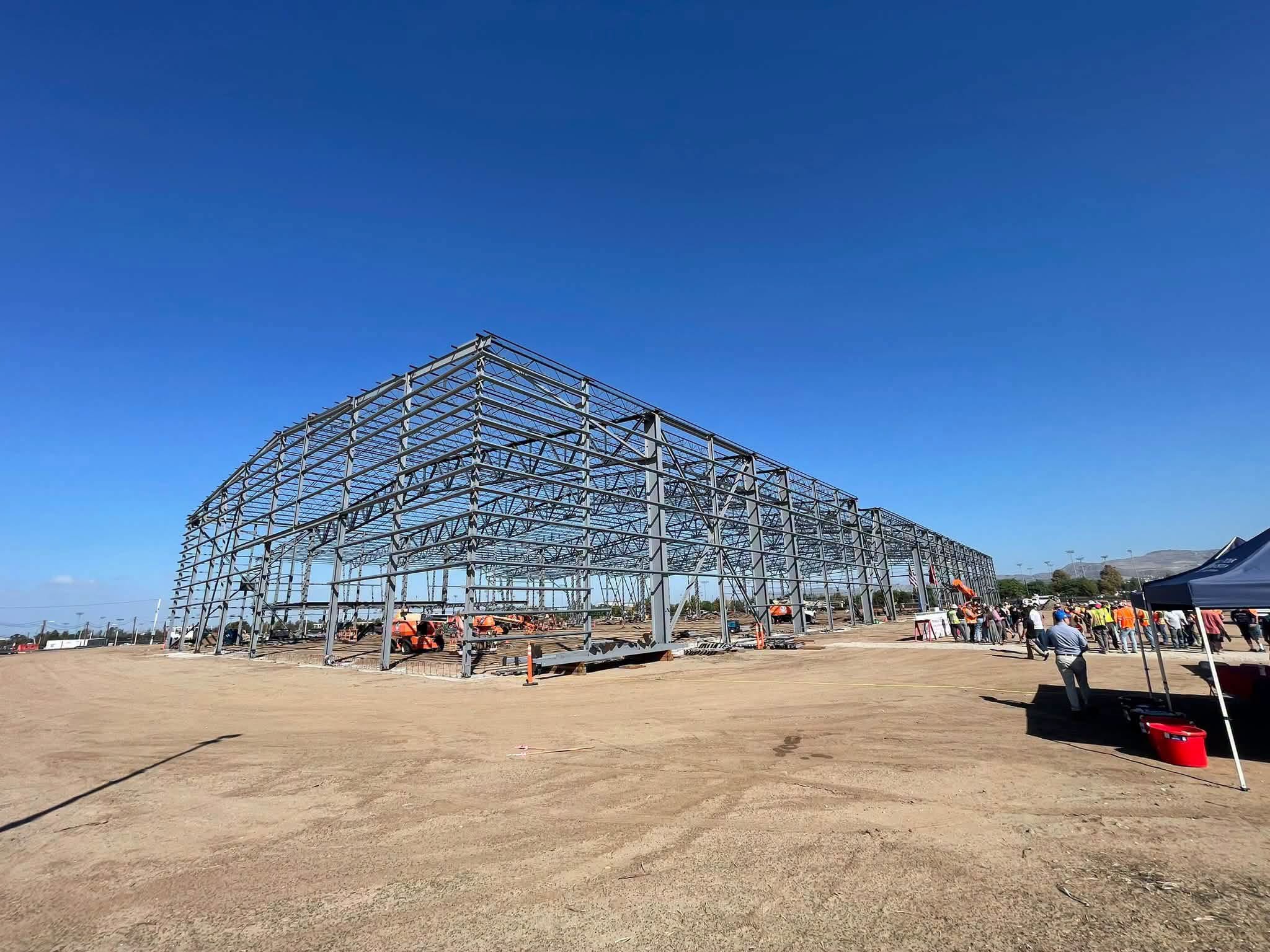
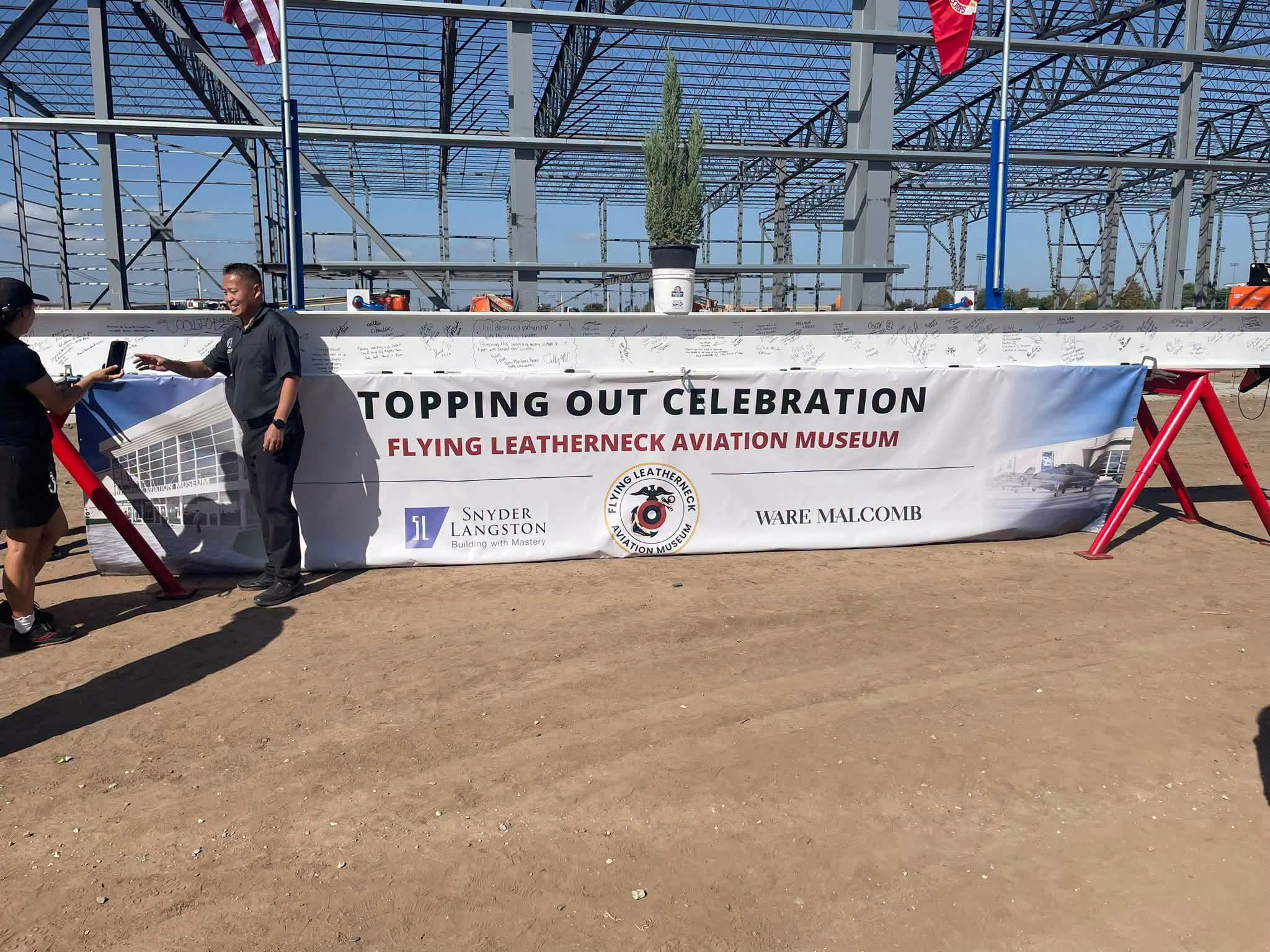

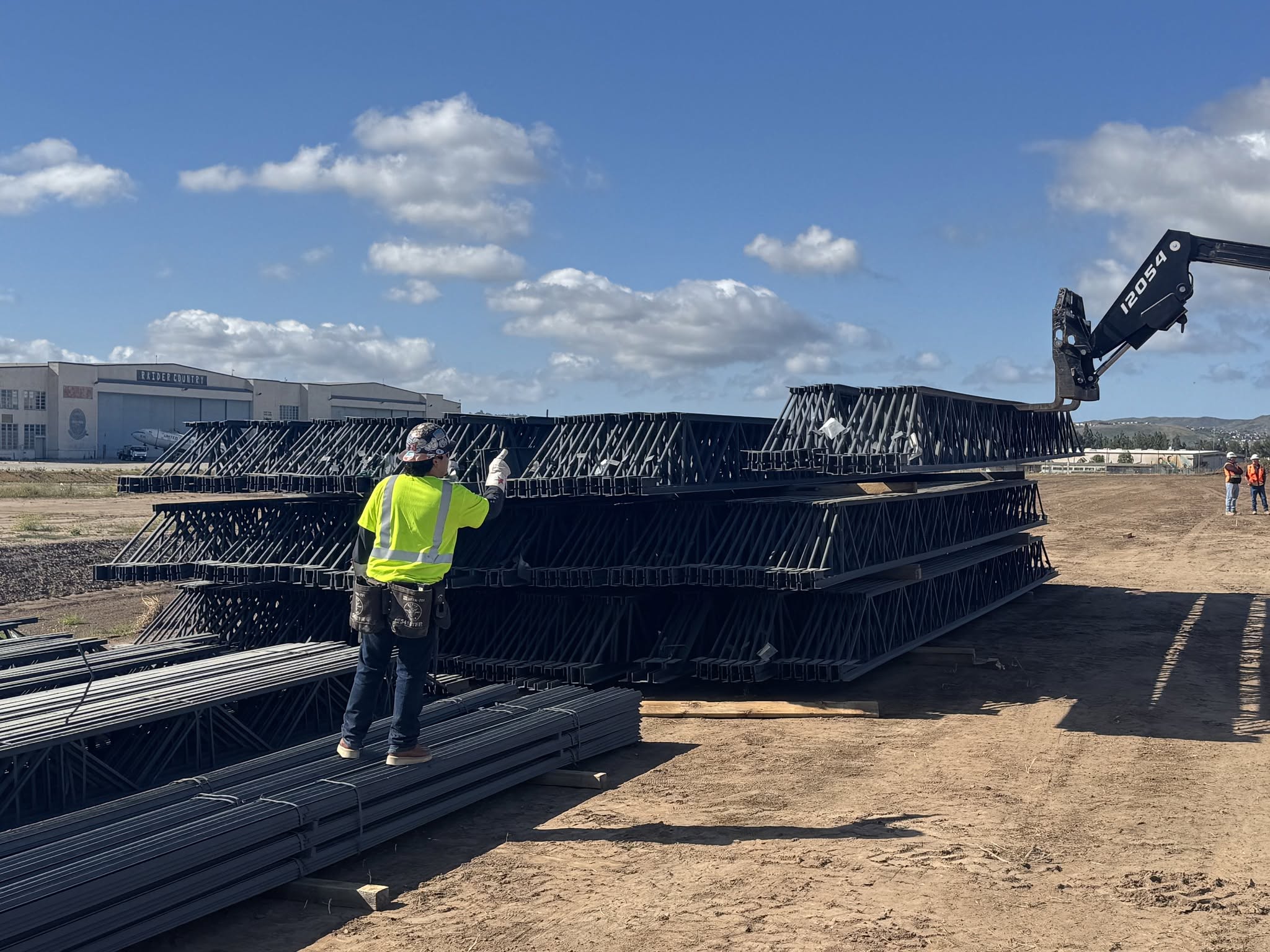




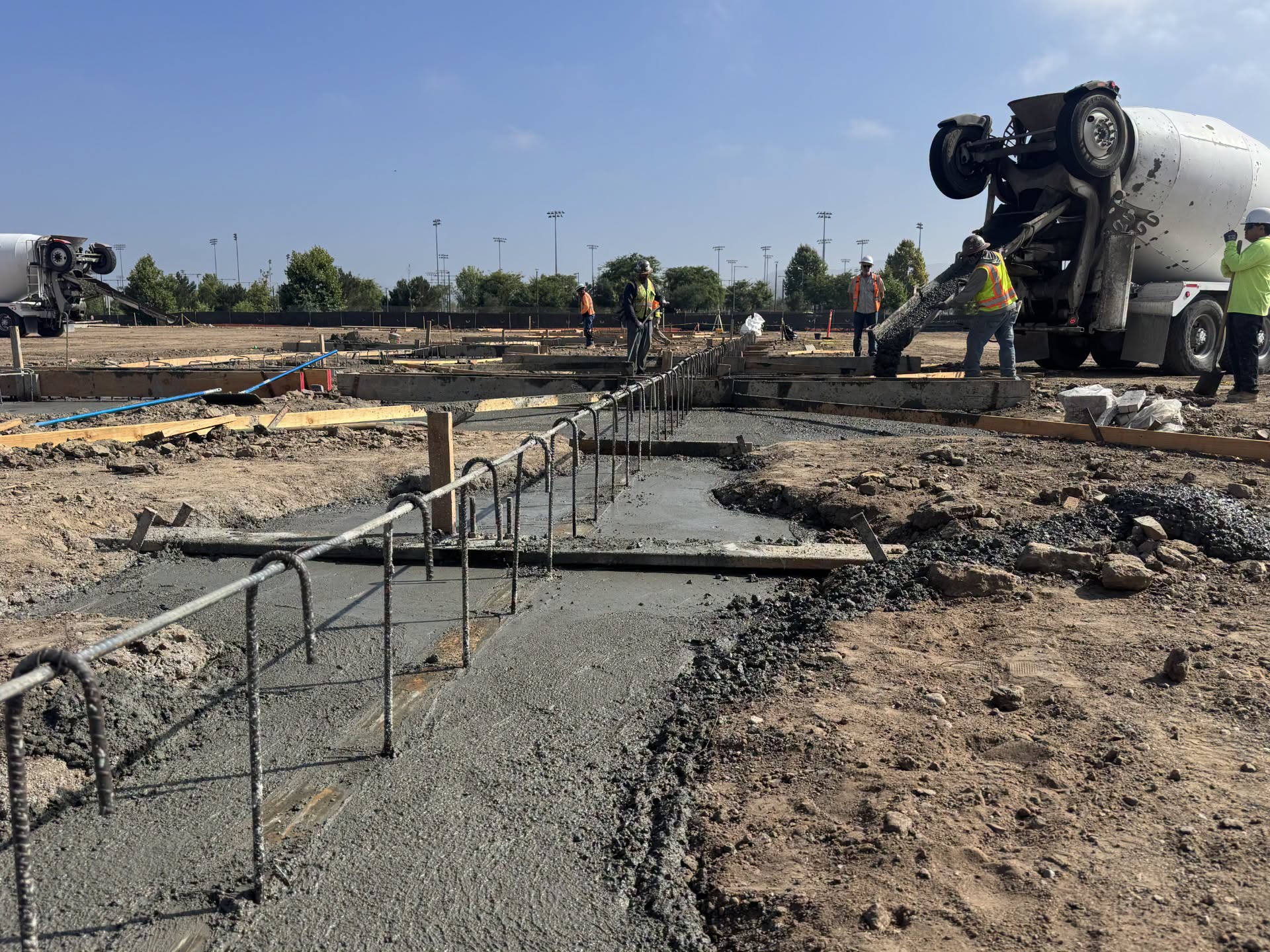

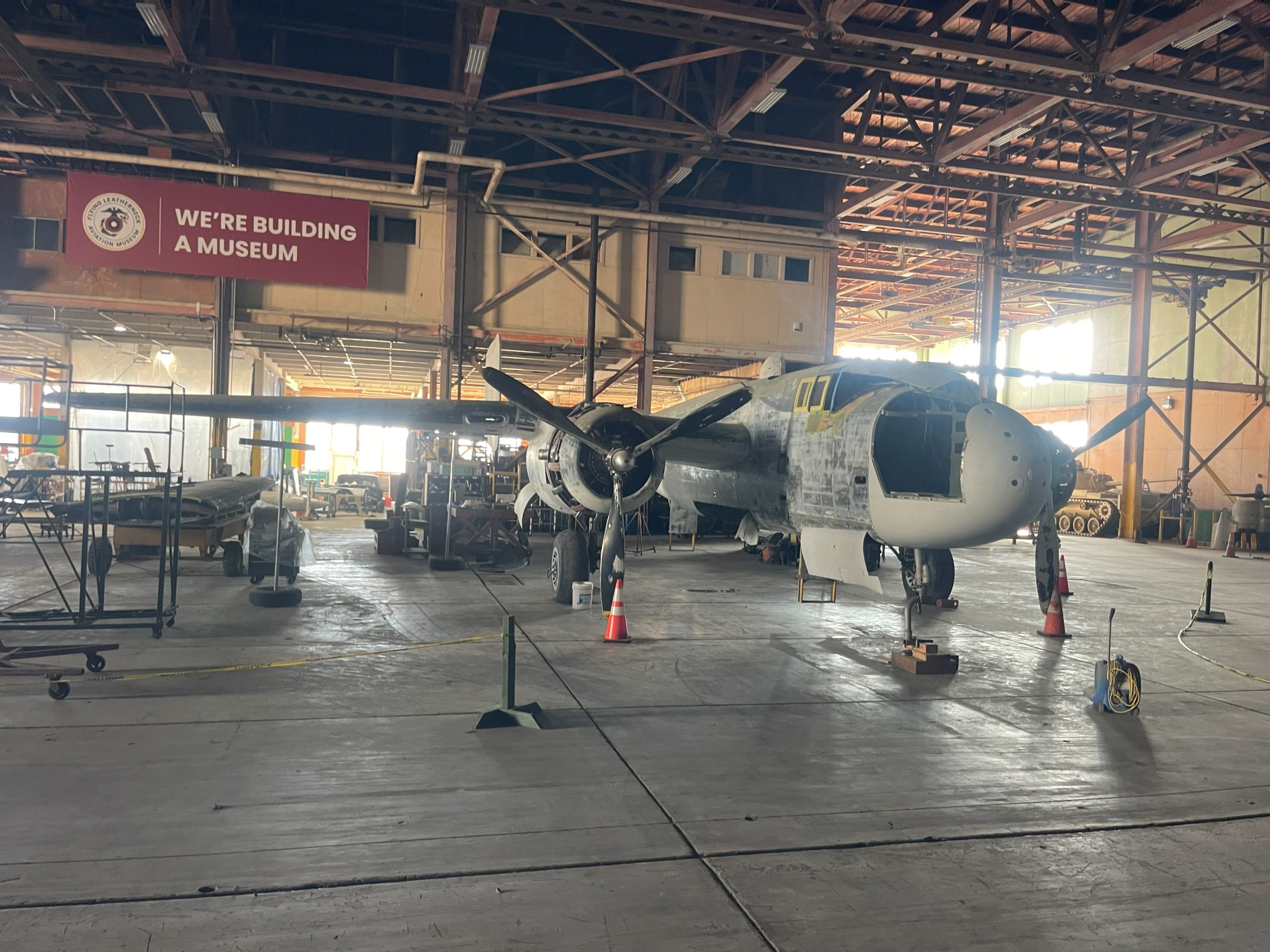
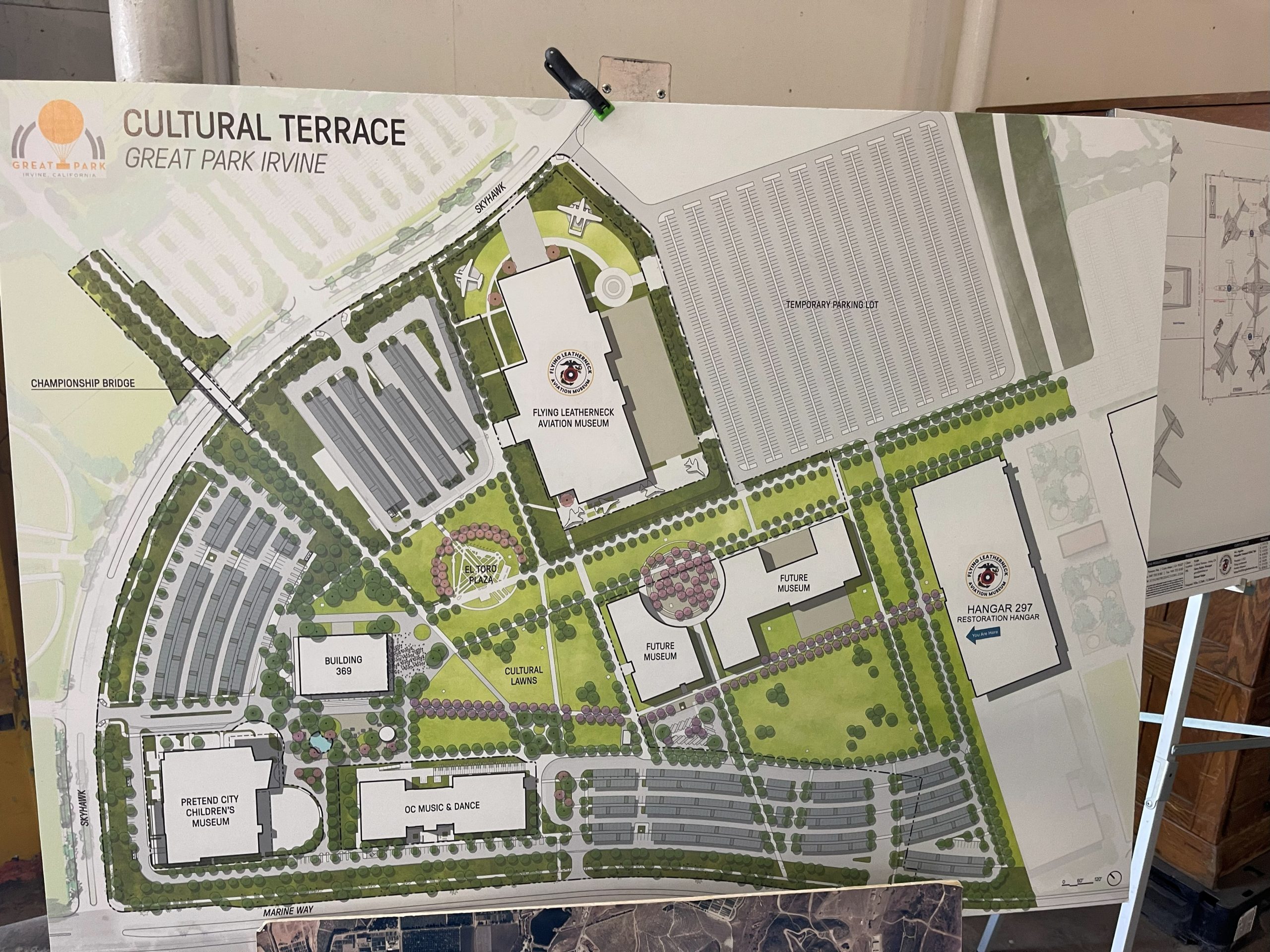
The new Flying Leatherneck Aviation Museum hangar sits just off Skyhawk Road, about one hundred yards from the museum’s current restoration/storage facility, Hangar 297, which was previously used to maintain countless aircraft that served at MCAS El Toro from WWII up to the installation’s deactivation in 1999. Today, the hangar’s two wings and maintenance bays are actively being used to prepare the museum’s collections for display in the new building currently under restoration, while also providing an office space for board meetings and for official visits.
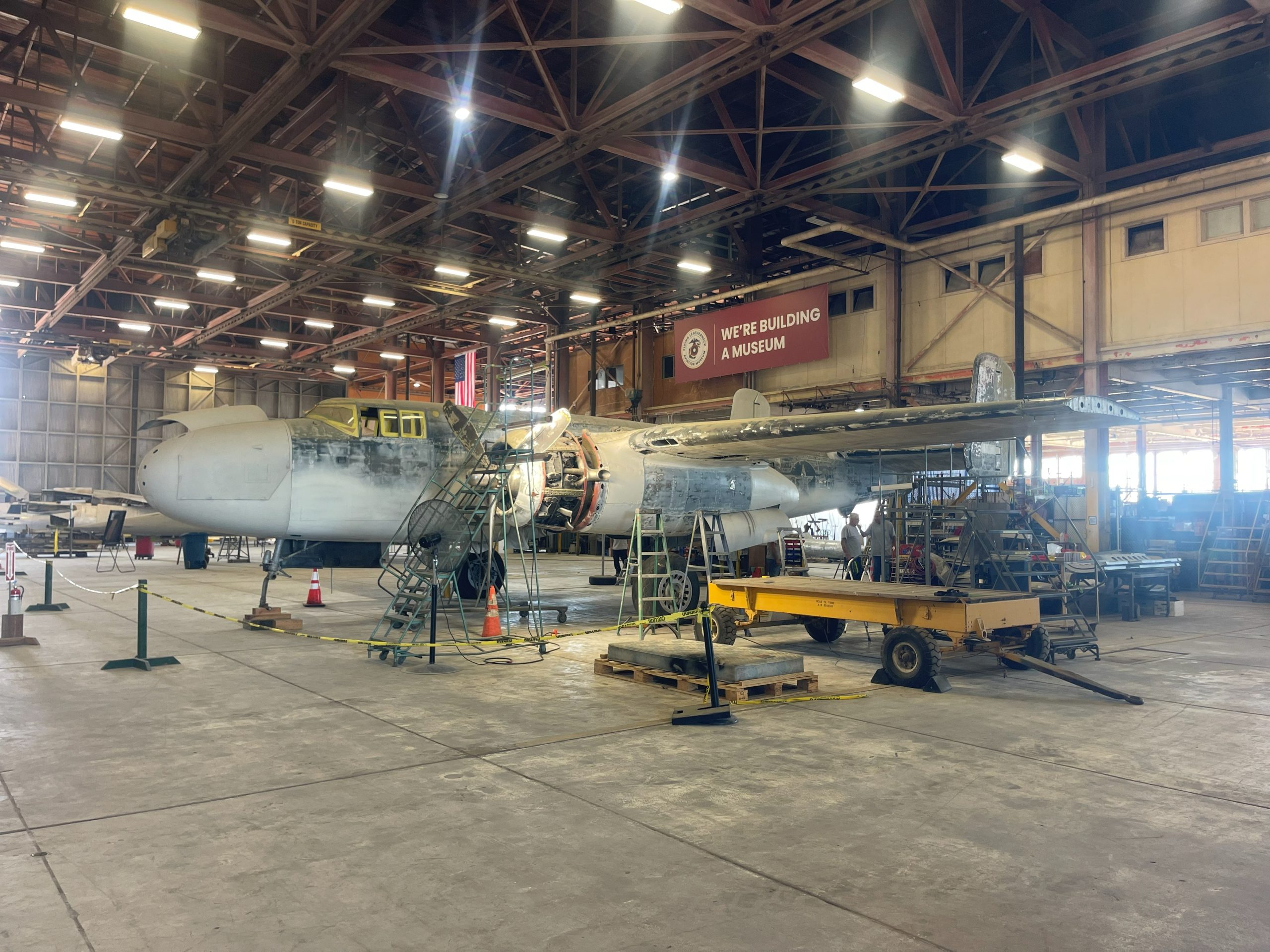
Inside Hangar 297, the museum has been using the north wing as a storage facility, both for aircraft in need of restoration and for aircraft that have been restored and are awaiting their turn to go on public display in the new hangar. In the south wing of Hangar 297, FLAM’s restoration team is hard at work restoring and refurbishing a variety of aircraft, such as the museum’s North American B-25J Mitchell (USAAF s/n 44-86727/Mitchell Mk. III RCAF s/n 5230), Vought F-8J Crusader BuNo 150920, Stinson OY-1 (built from the wrecks of two L-5s 42-14893 (N63487) and 42-14918 (N63098), and Grumman A-6E Intruder BuNo 154170.

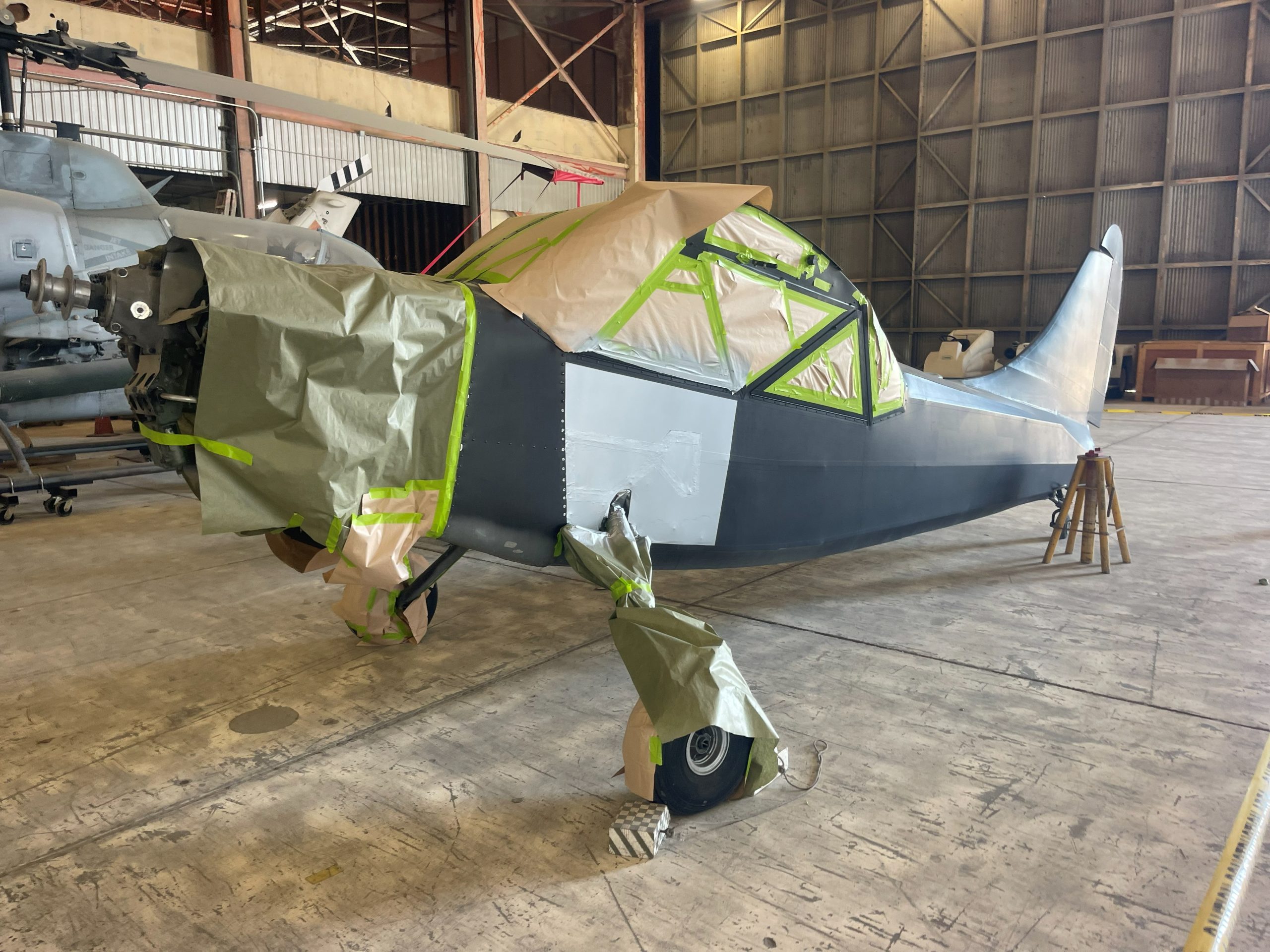
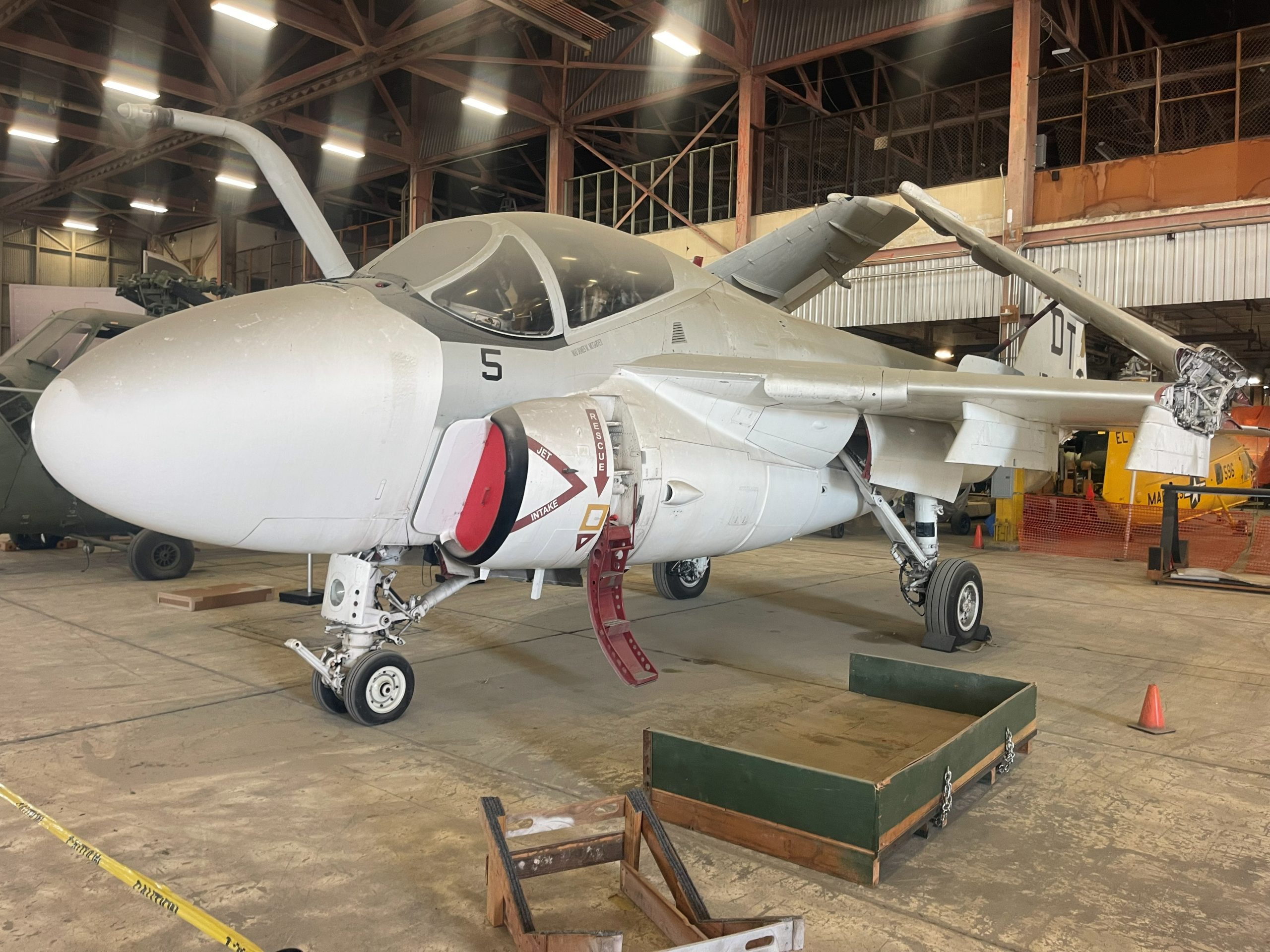
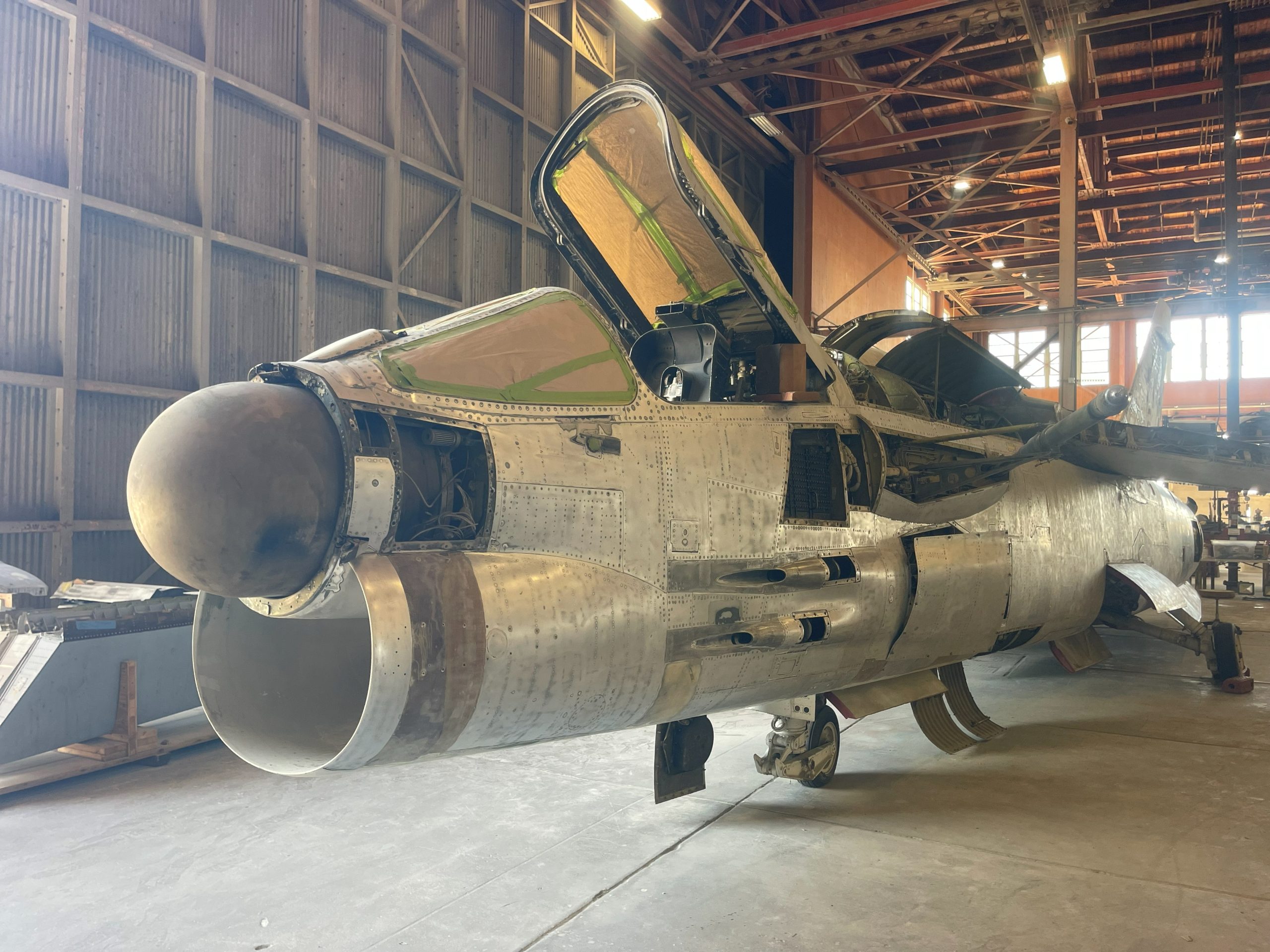
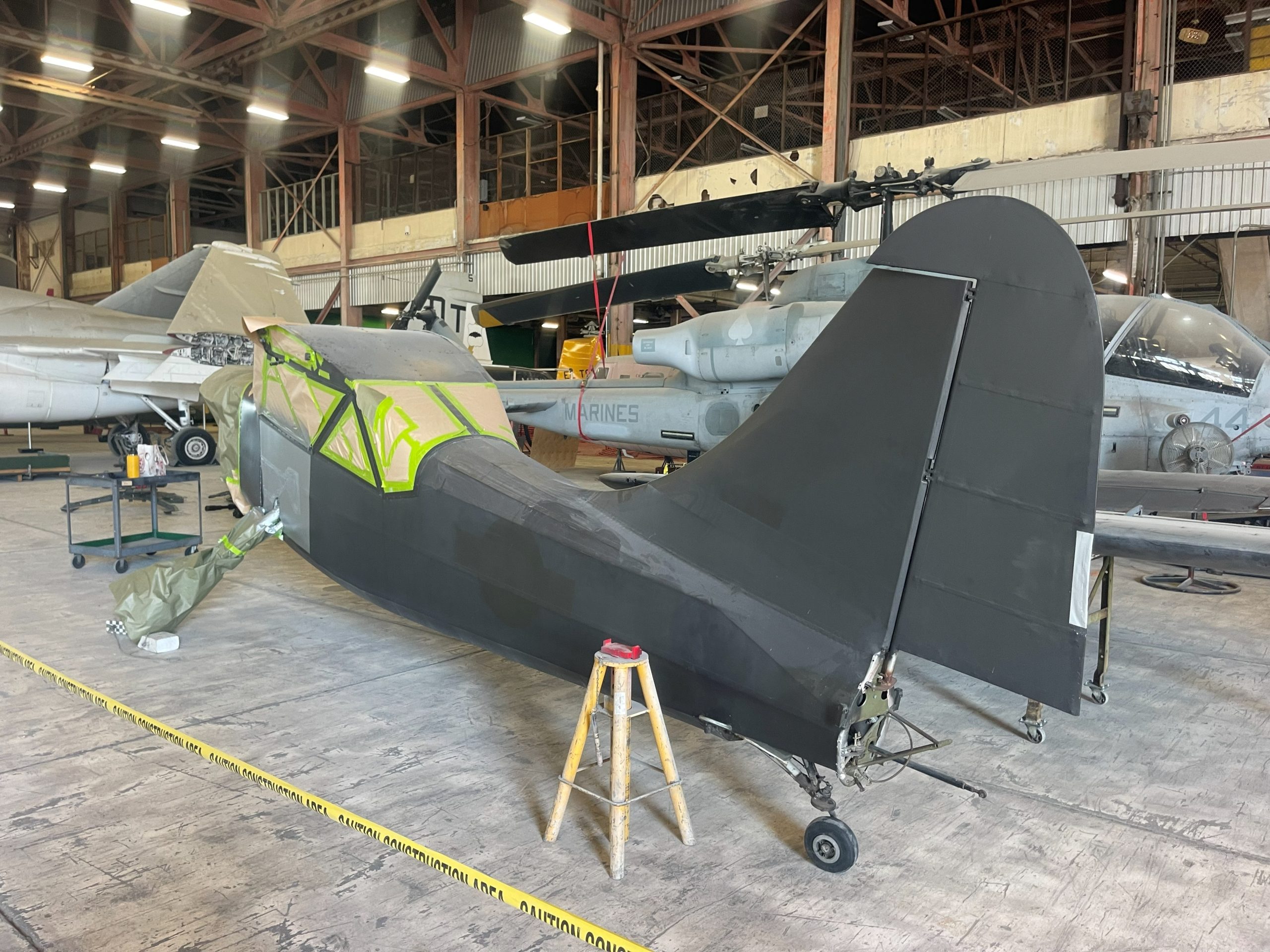
Among these, though, is the latest addition to the FLAM’s collection, Northrop F-5E Freedom Fighter 73-0932 (construction number T.1030), a former Royal Saudi Air Force F-5E trucked from Fort Worth, Texas by the Nebraska-based aircraft moving firm Worldwide Aircraft Recovery, which was previously hired to move the entire aircraft collection of the FLAM from MCAS Miramar to the old El Toro site at the OC Great Park.
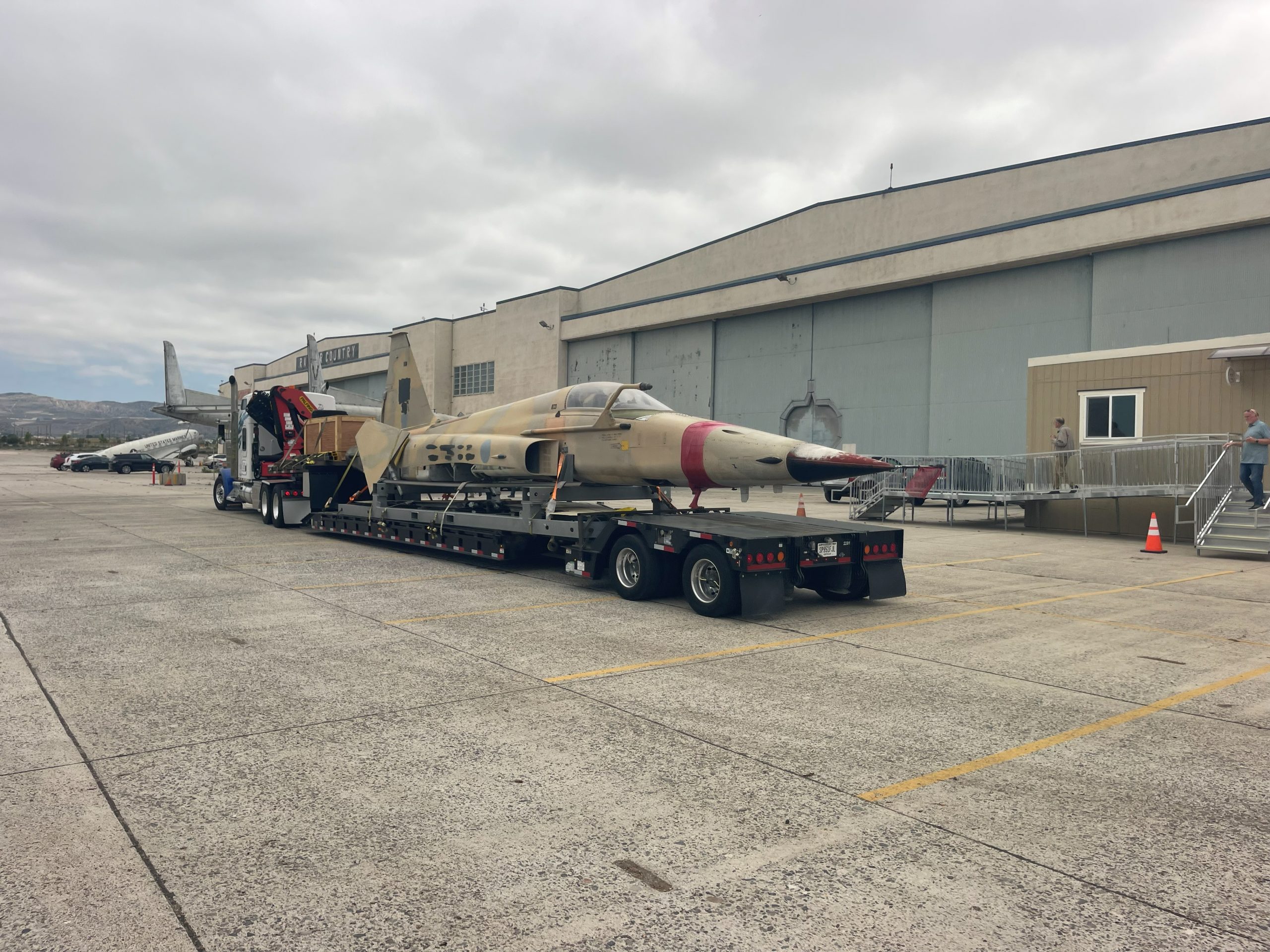
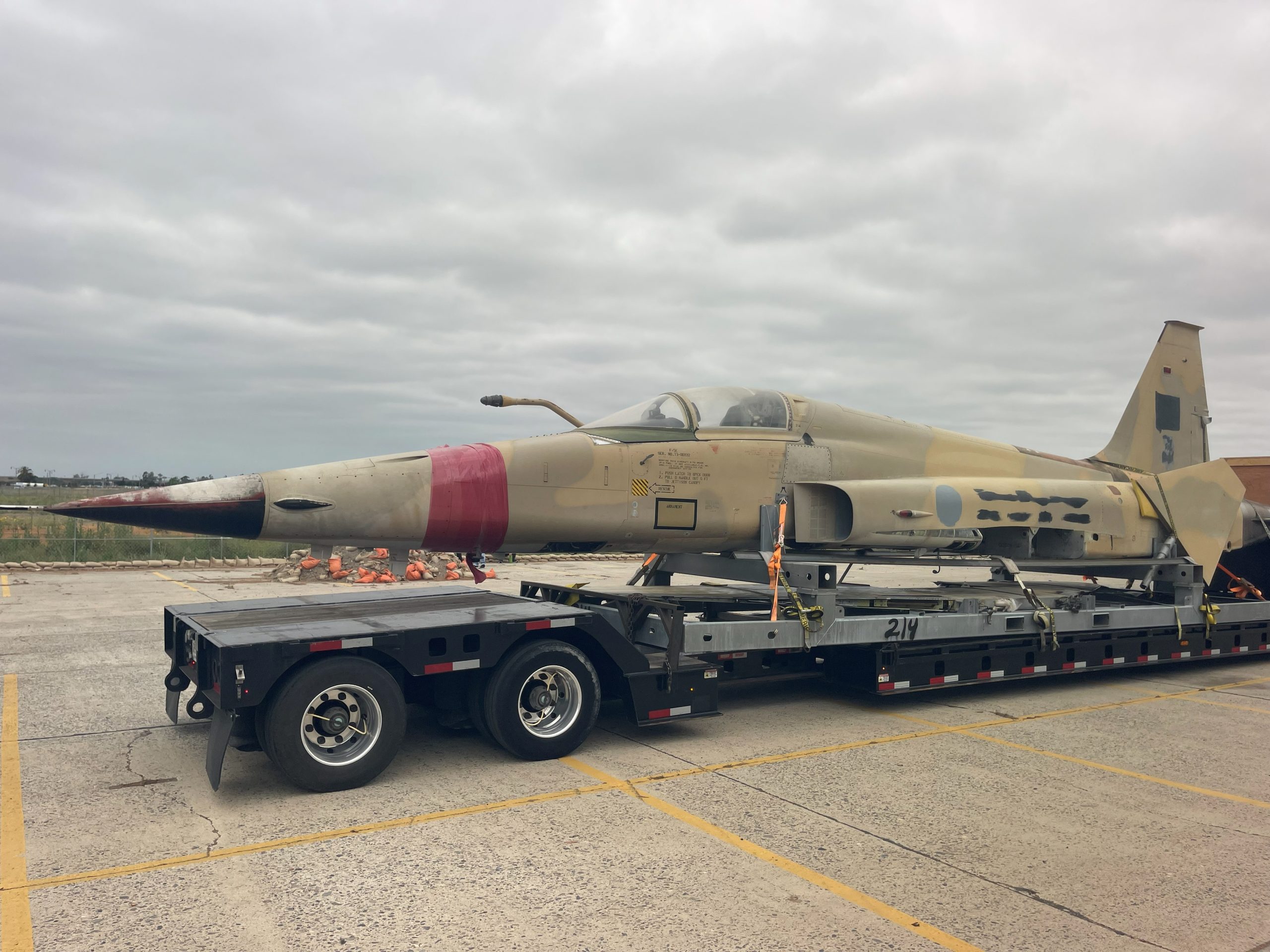
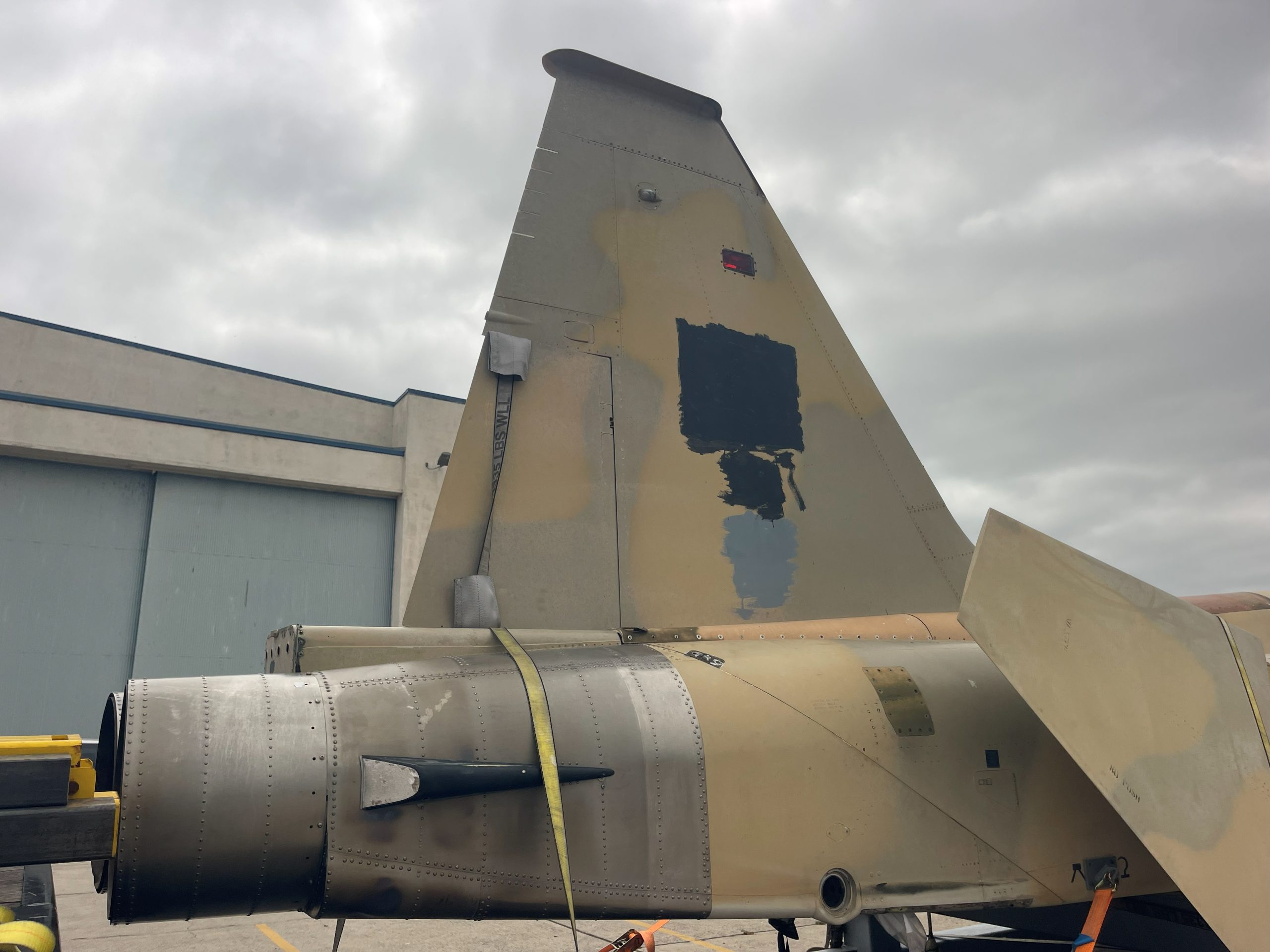
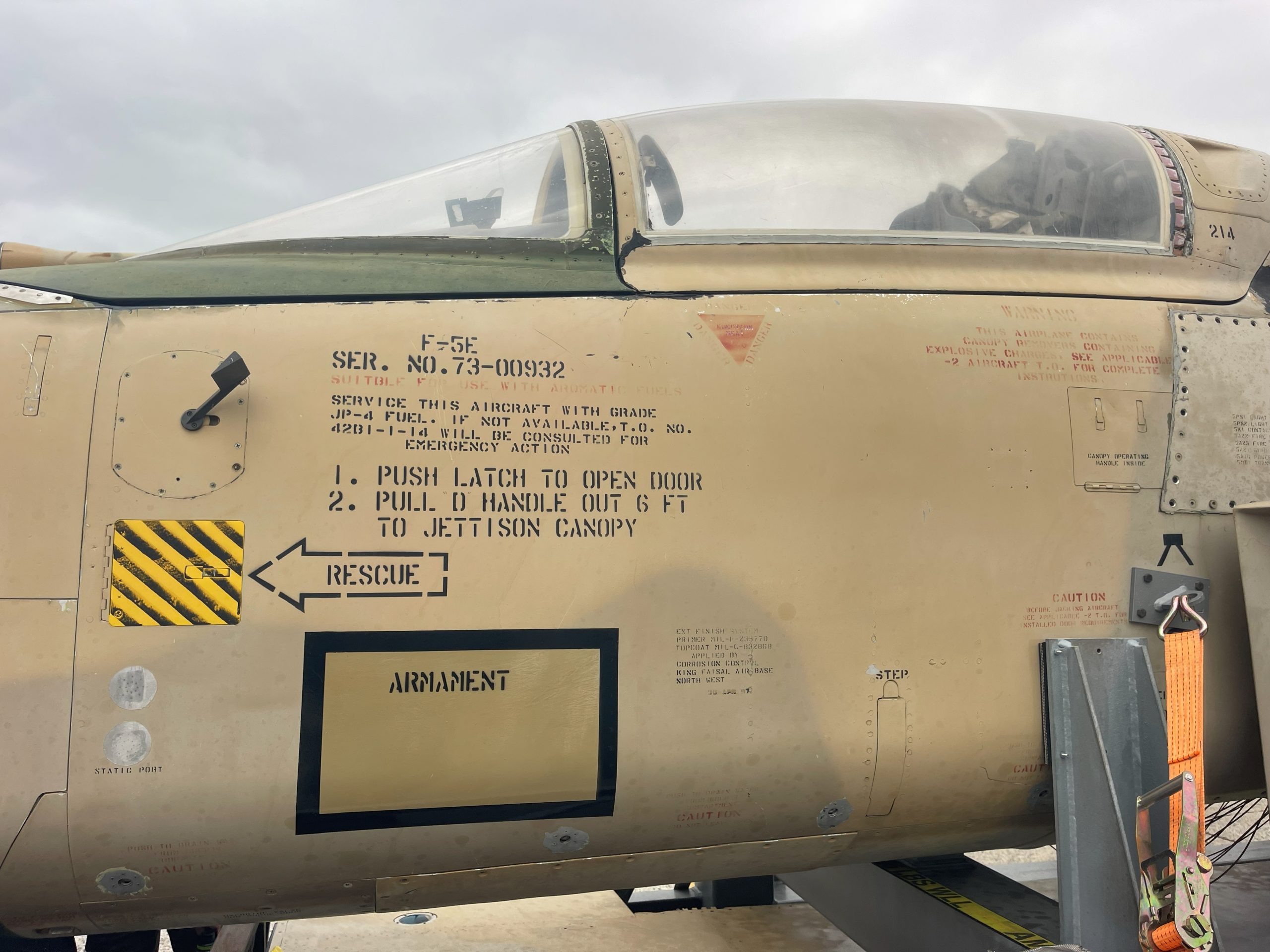
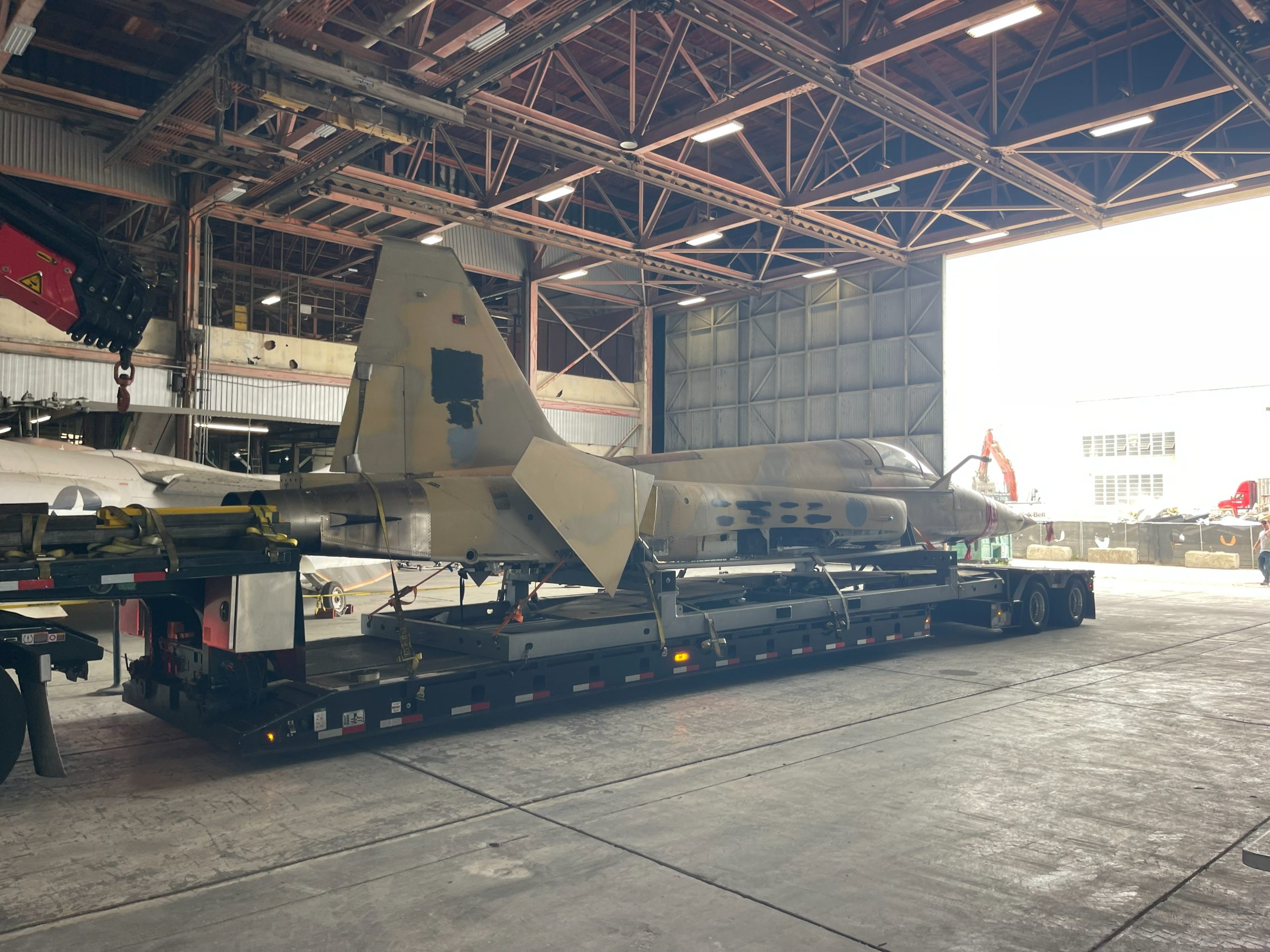
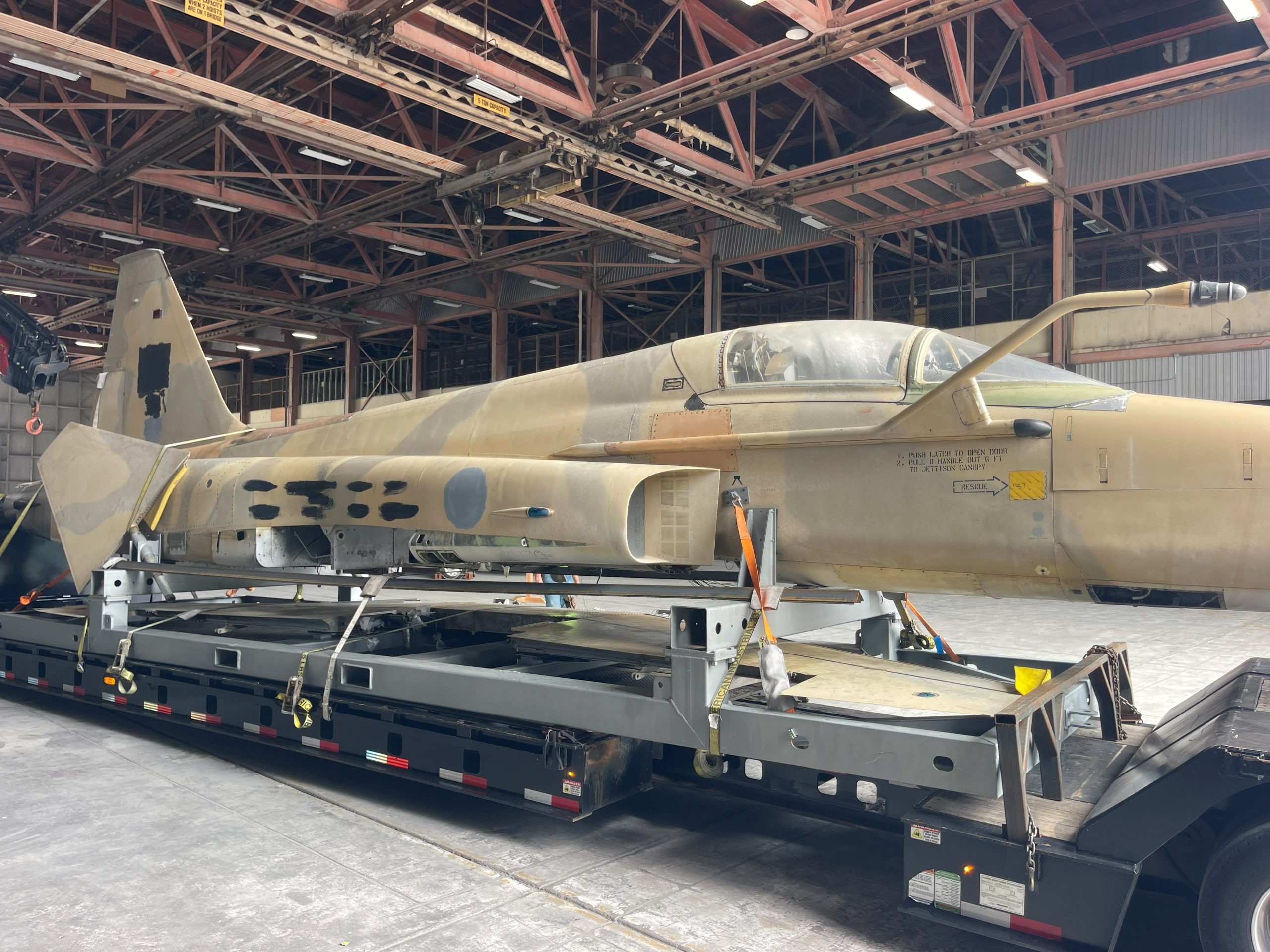
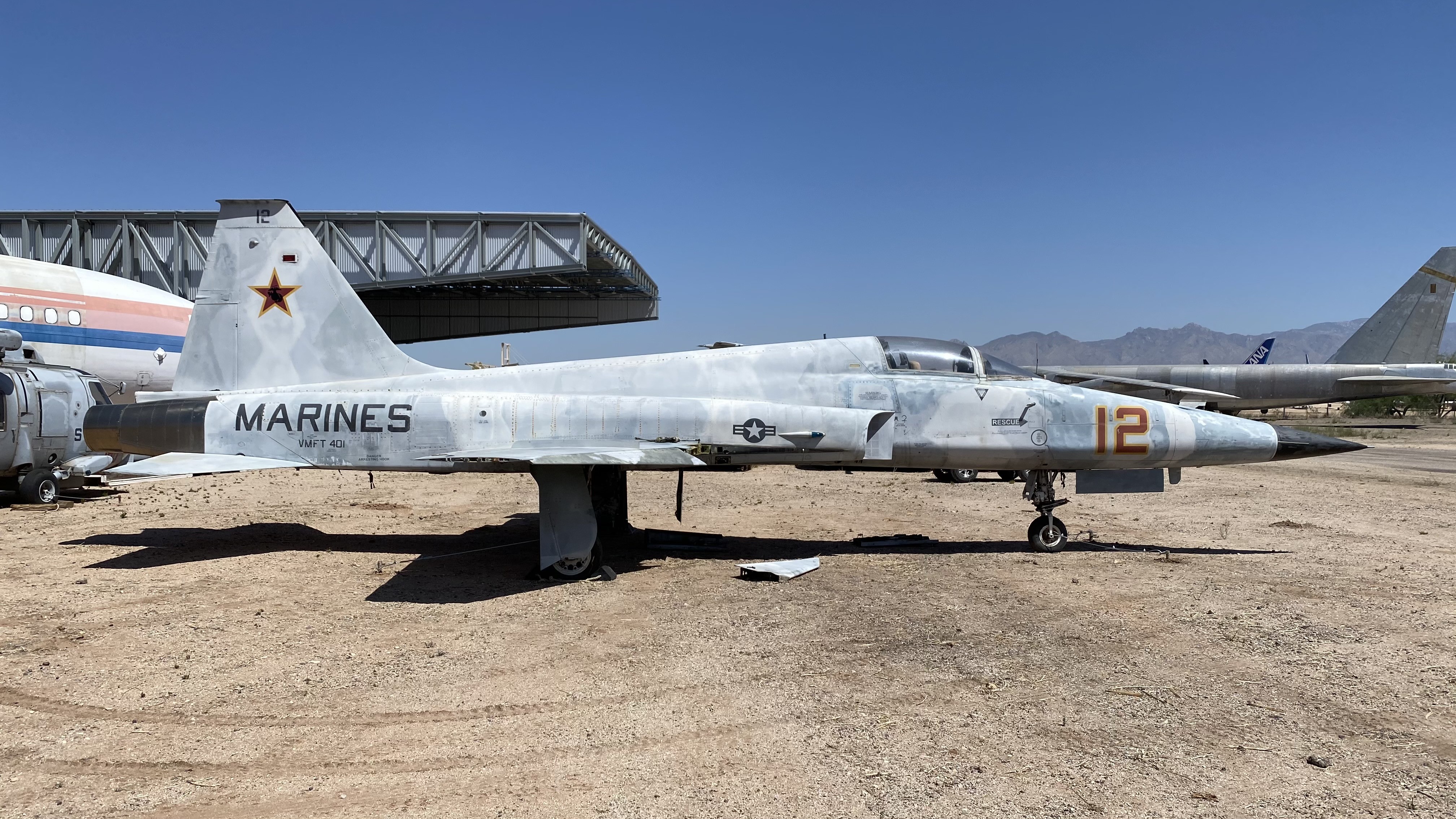
The F-5E was delivered on May 14, 2026, and since then it has been going through a repainting process to wear the colors of a Marine F-5 used for aggressor training as part of Marine Fighter Training Squadron 401 (VMFT-401) based out of Marine Corps Air Station Yuma, Arizona. Previously, when the museum was still located at MCAS Miramar, they had another F-5E, USAF s/n 74-1564/USN BuNo 741564 on loan from the National Naval Aviation Museum in Pensacola, Florida, but when Miramar was closed to the public in 2021, F-5E 741564 was transferred to the Pima Air and Space Museum in Tucson, Arizona, where it remains on display today.

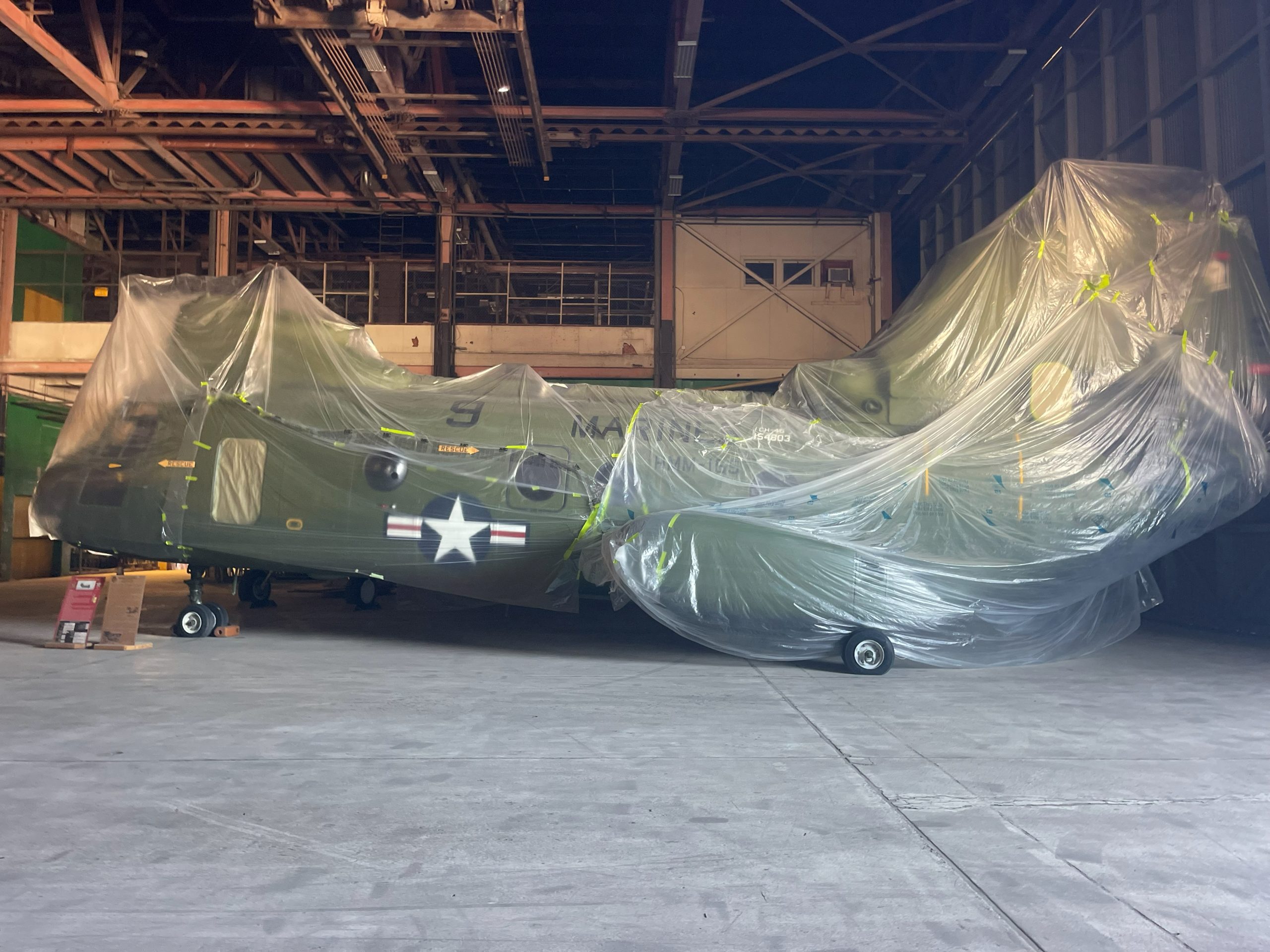
The museum volunteers have also completed the restoration of other aircraft to be installed in the new building, namely the museum’s Lockheed TV-1/TO-1 Shooting Star BuNo 33840, which had once been among the first jet aircraft flown by Marine aviators at MCAS El Toro during the late 1940s, and Boeing-Vertol CH-46E Sea Knight BuNo 154803 “Lady Ace 09”, the very helicopter used to evacuate US ambassador Graham A. Martin from Saigon during the fall of South Vietnam on April 30, 1975.

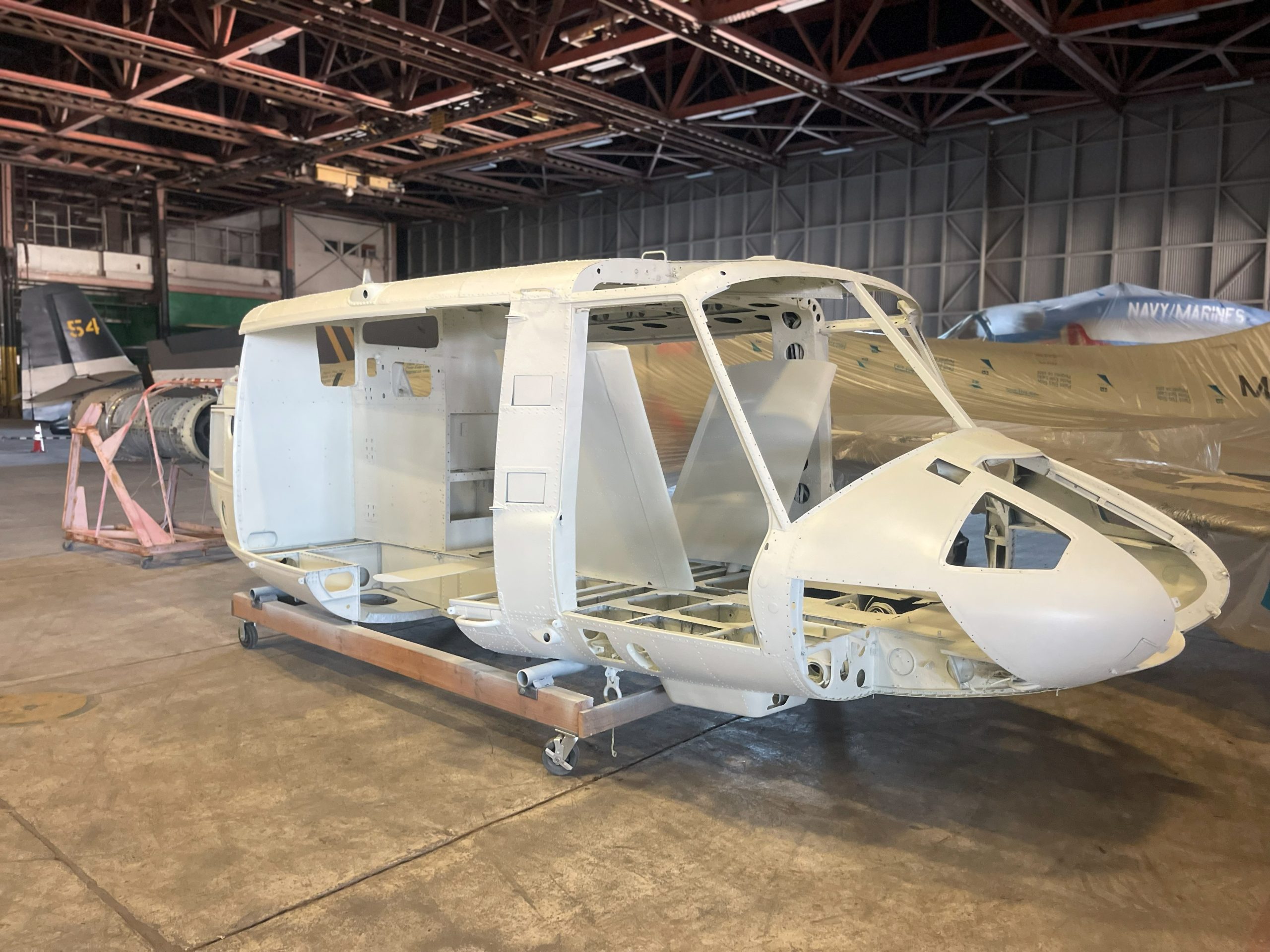
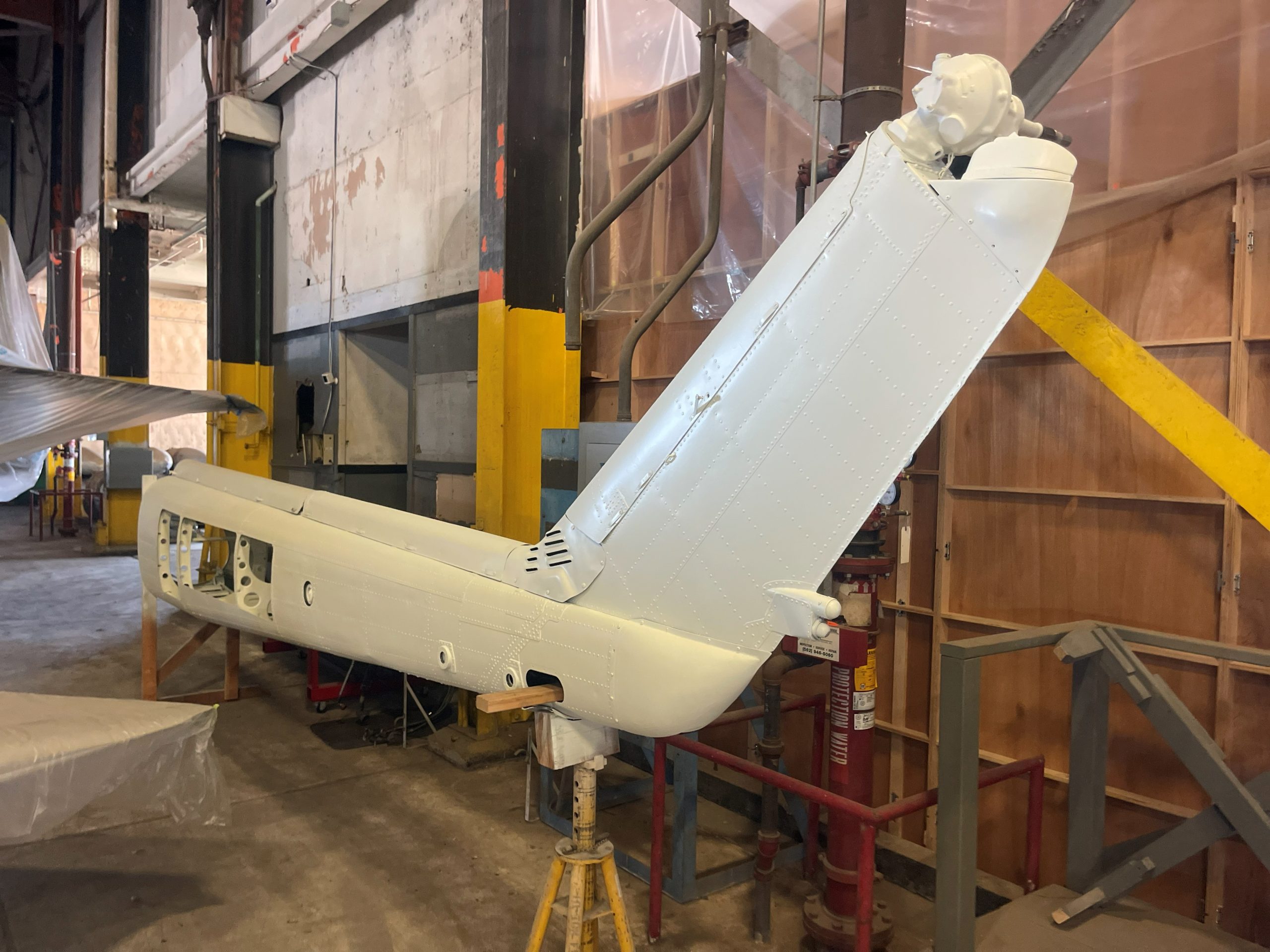
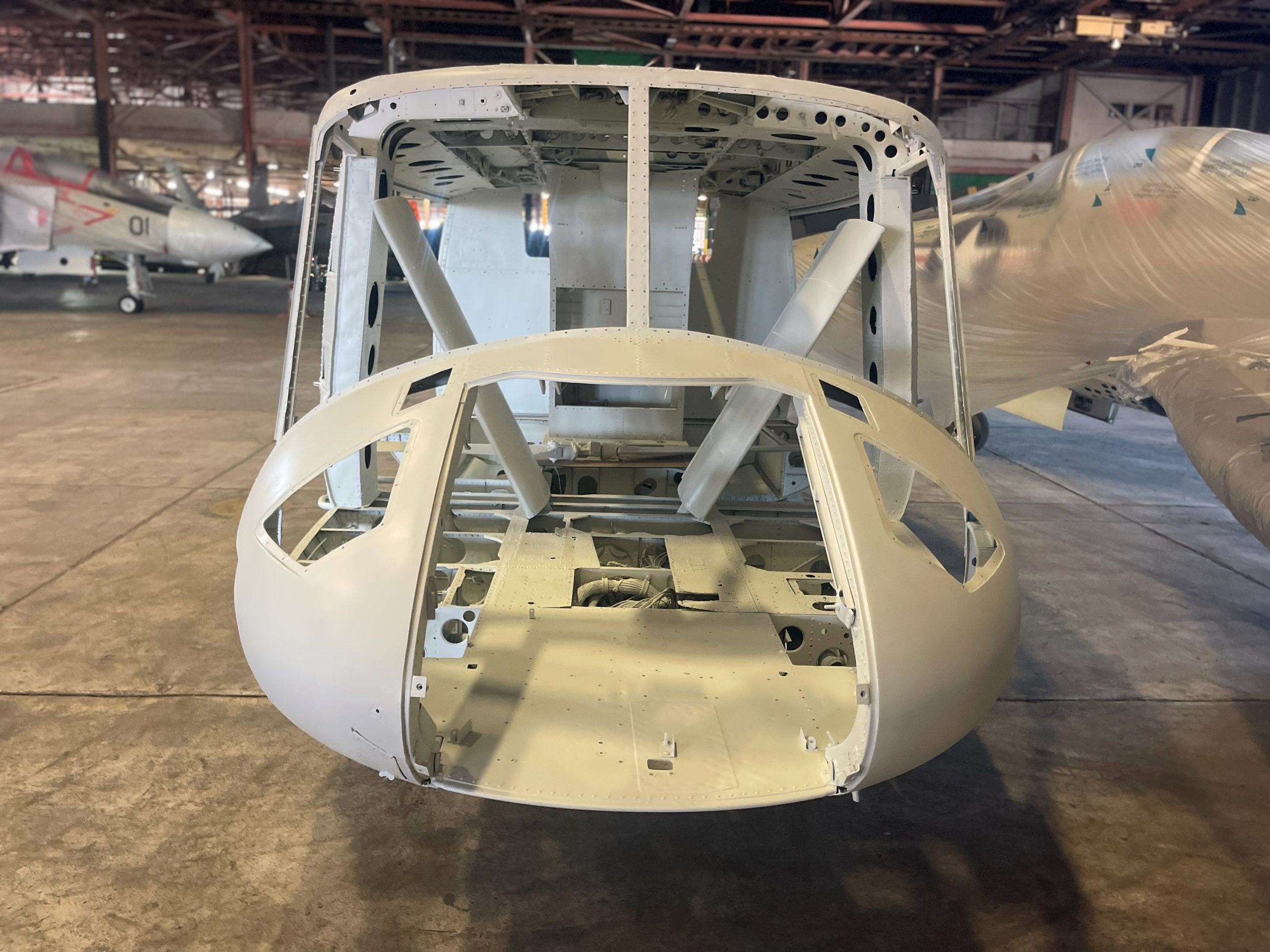
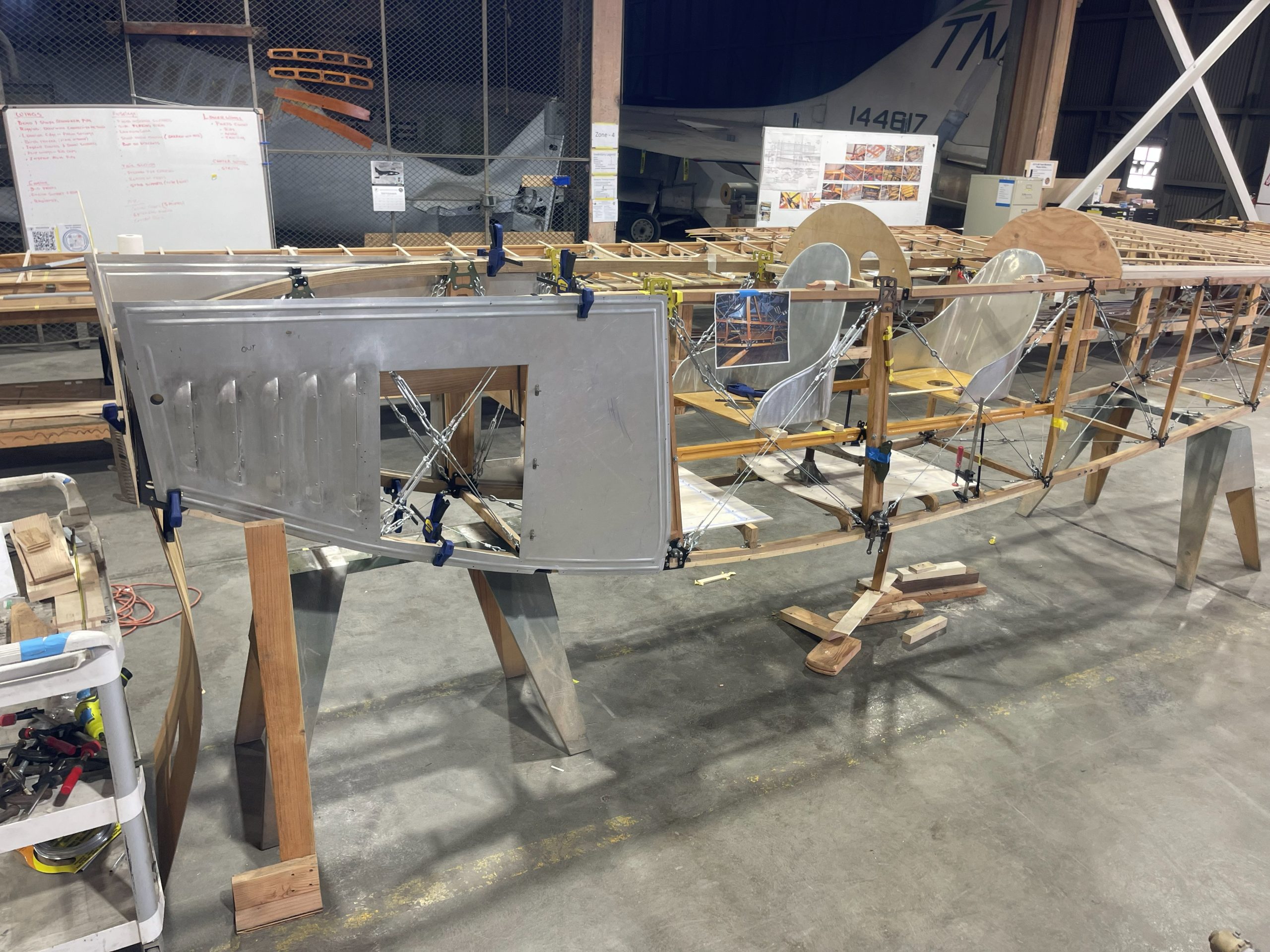
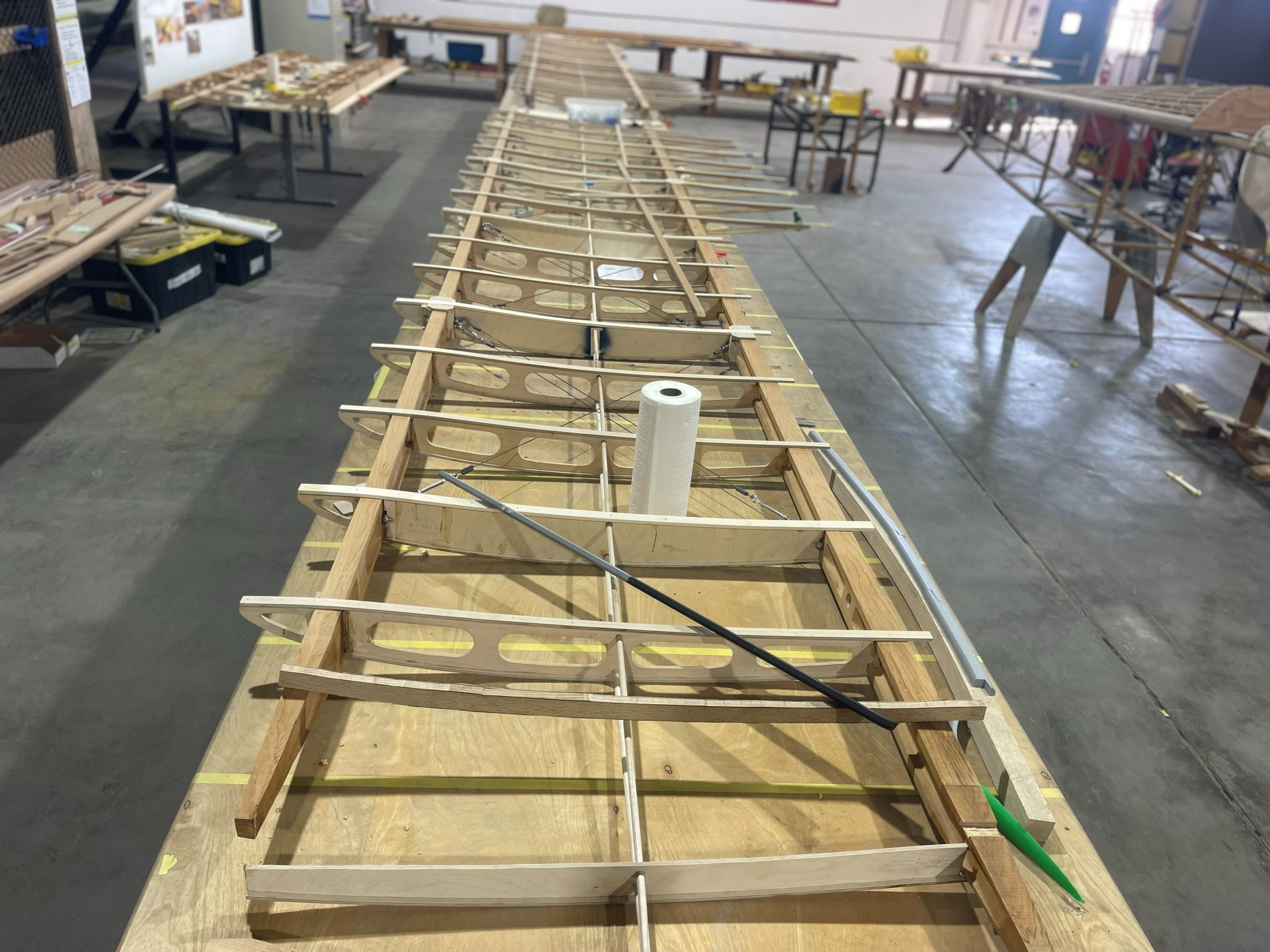
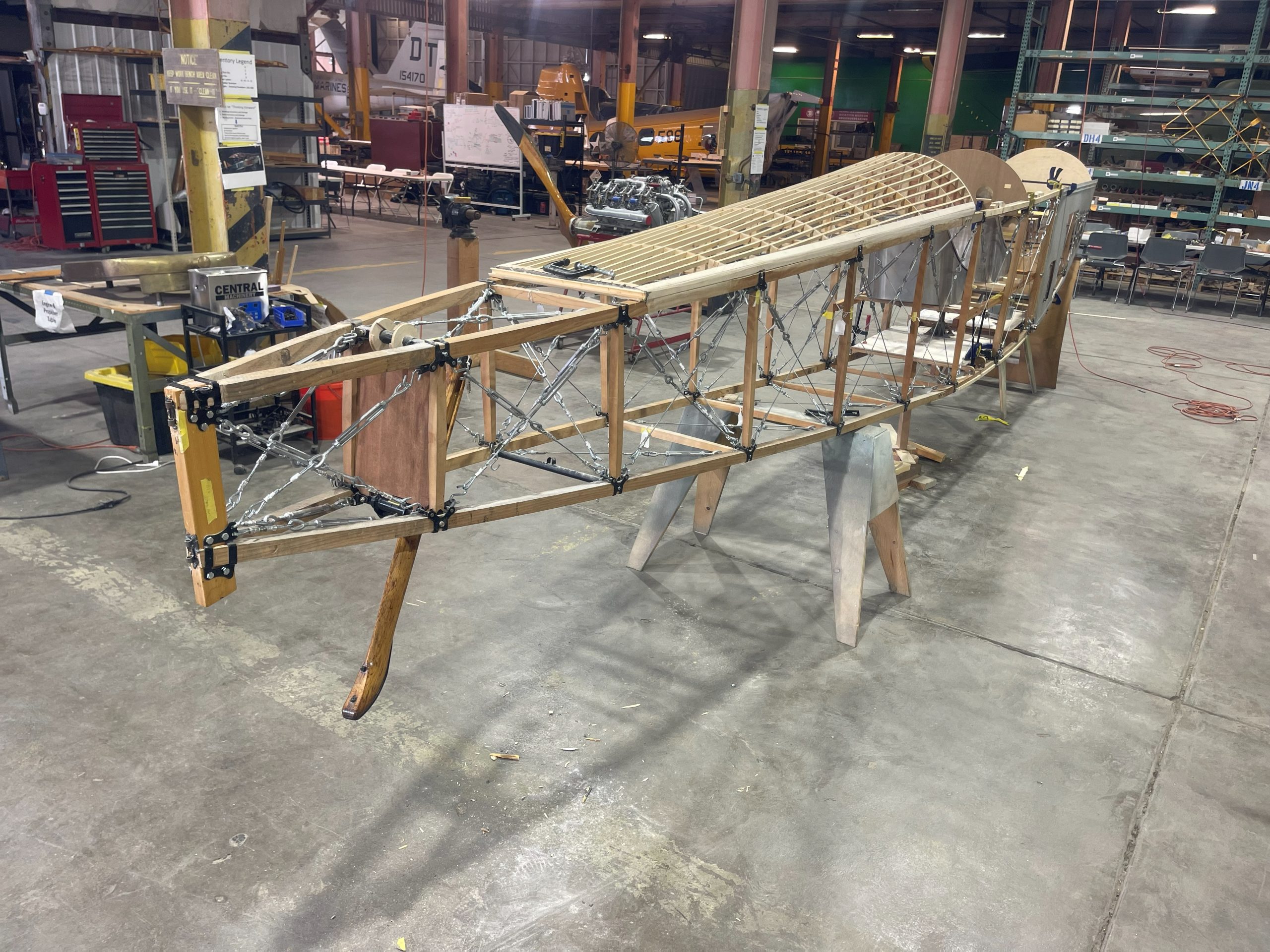
Meanwhile, following the restoration of their Bell UH-1N Twin Huey, BuNo 159198, the Flying Leathernecks have selected a stripped-out UH-1 Huey fuselage to become part of a unique display inside the planned gift shop of the new museum building, where the retired Huey will be fitted with merchandise racks. In the center of Hangar 297, aerospace engineering students from the University of California, Irvine continue to work on rebuilding the museum’s Curtiss JN–4D Jenny WWI trainer, which is intended to be suspended from the ceiling of the new building’s rotunda.

As for the new museum building for the Flying Leatherneck Aviation Museum, it will have around 130,600 square feet of space for museum facilities and will be able to display more than 40 historic Marine Corps aircraft dating back to WWI and WWII, all the way through the Korean, Vietnam, and Gulf Wars, up to the wars in Afghanistan and Iraq. The new hangar will also provide a venue for science, technology, engineering, arts, and mathematics (STEAM) educational experiences for students and visitors of all ages. In a statement made regarding the topping-out ceremony, the Flying Leatherneck Aviation Museum has stated: “As the only museum dedicated entirely to Marine Corps Aviation, FLAM will honor the Marines who flew, maintained, and supported these aircraft in peace and war—while inspiring future generations through education, innovation, and patriotism.”
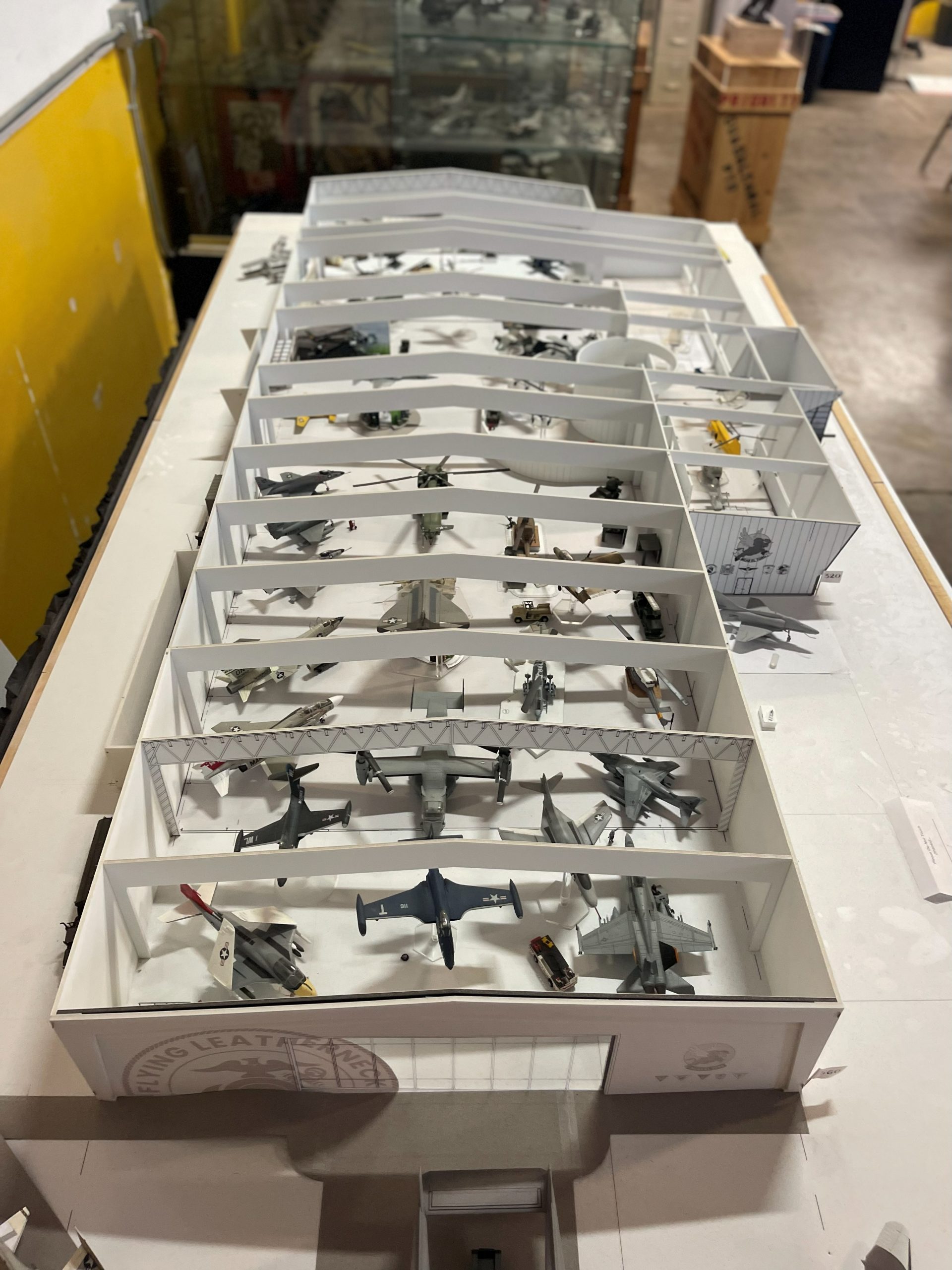
While the Flying Leatherneck Aviation Museum is certainly set to become one of the most extensive military aviation museums on the West Coast, and will honor the legacy of the former MCAS El Toro, it will also be a key part in the future of the former El Toro base as a part of the Orange County Great Park’s Cultural Terrace, a 35-acre campus which will host a number of museums and cultural and artistic centers, including a new Asian American History Museum, the new home of the Pretend City Children’s Museum (in fact, the FLAM is currently storing a Cessna 172 on behalf of Pretend City), and the former MCAS El Toro Building 369 (currently being repurposed as a new event venue called Aviator Hall). Furthermore, the Cultural Terrace will be connected to the Great Park’s existing Sports Complex by the Championship Bridge, a pedestrian walkway over Skyhawk Road. For more information about the Flying Leatherneck Aviation Museum, visit www.flyingleathernecks.org.
The Flying Leatherneck Aviation Museum will continue to develop the new building over the next year, while continuing to restore more aircraft and catalog its archival collections, all of which will make the short trip from Hangar 297 to the new building once it is ready to receive them. For more information, visit the Flying Leatherneck Aviation Museum’s website HERE.