






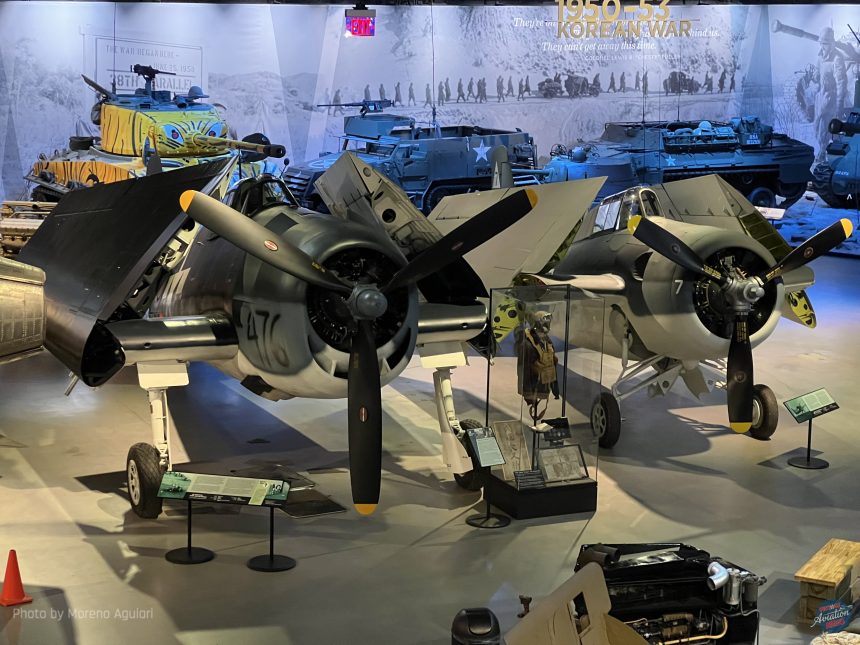

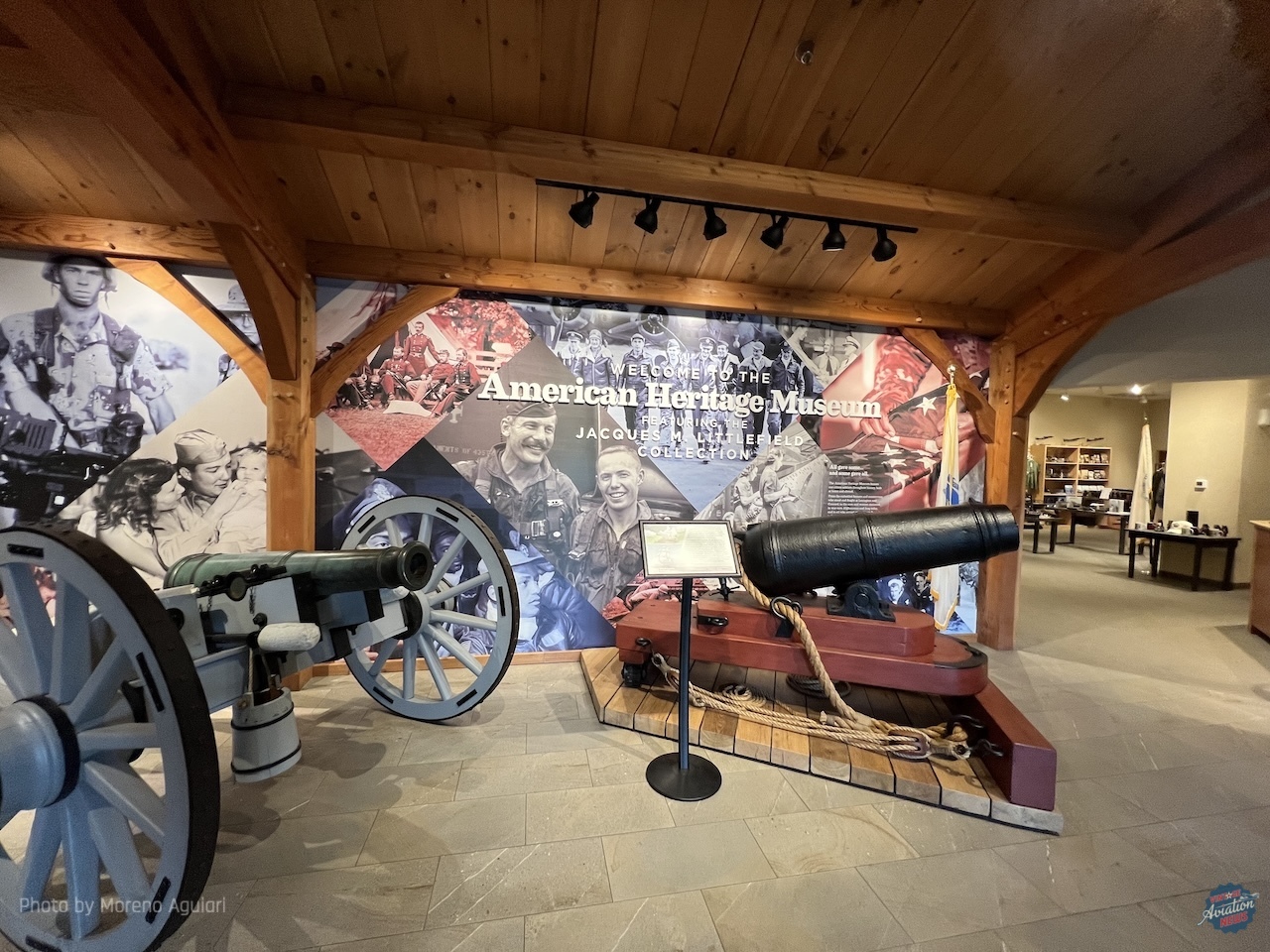
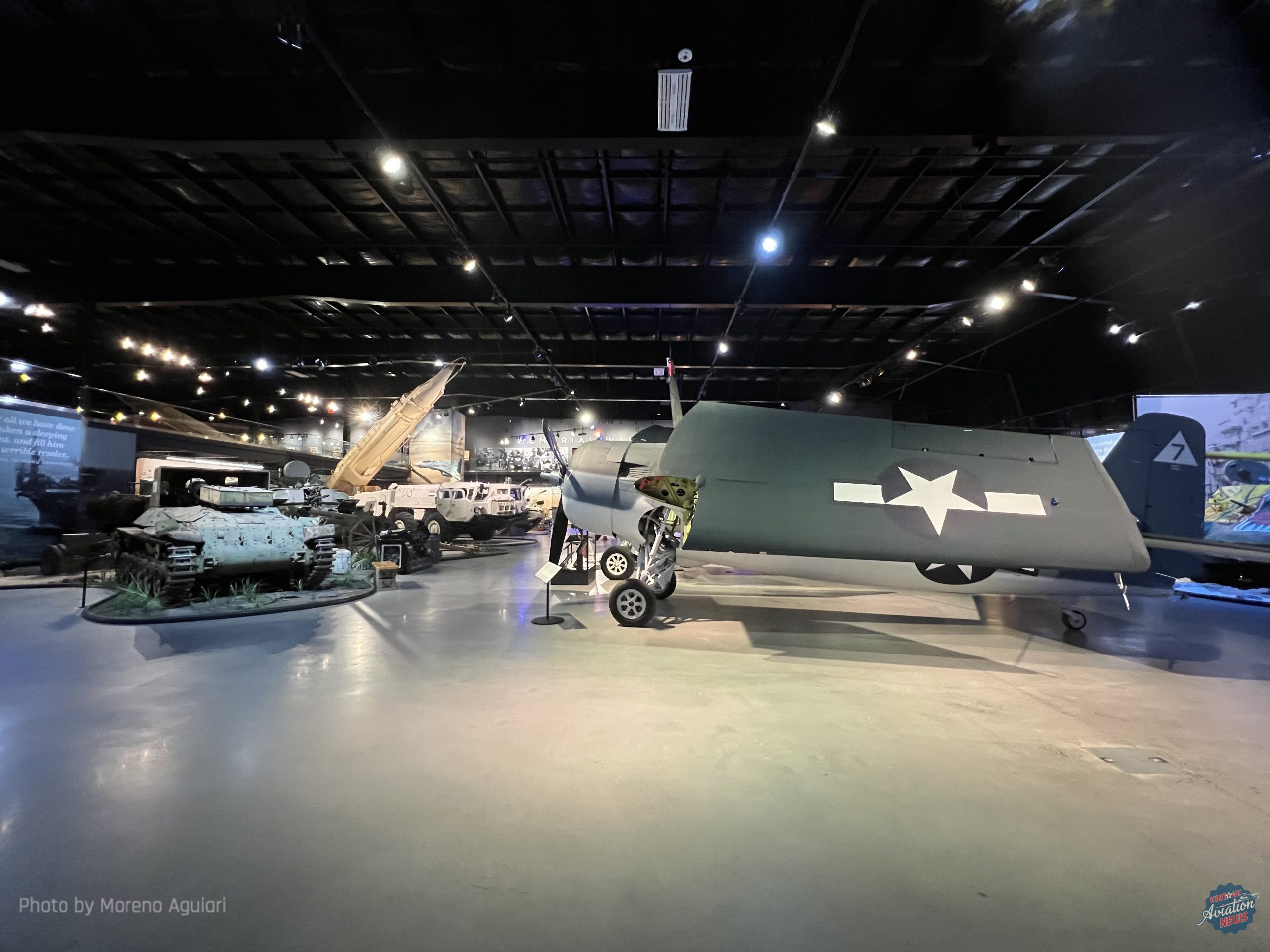
During a recent visit to Massachusetts, I had the opportunity to tour the American Heritage Museum in Stow, operated by the Collings Foundation. Welcomed by Rob Collings, President of the foundation, director of Marketing Hunter Cheney, and Ryan Keough, Vice President of Institutional Advancement, I was given an in-depth look at the facility and the evolving mission behind one of the nation’s most significant military history collections.
For more than five decades, the Collings Foundation has built an international reputation for its remarkable fleet of historic military aircraft and vehicles. Many of its aircraft were once fixtures at air shows across North America, most notably through the Wings of Freedom Tour. That traveling exhibition brought iconic World War II aircraft to communities across the United States and Canada, offering the public close encounters with rare machines—and even the chance to experience flight in them.
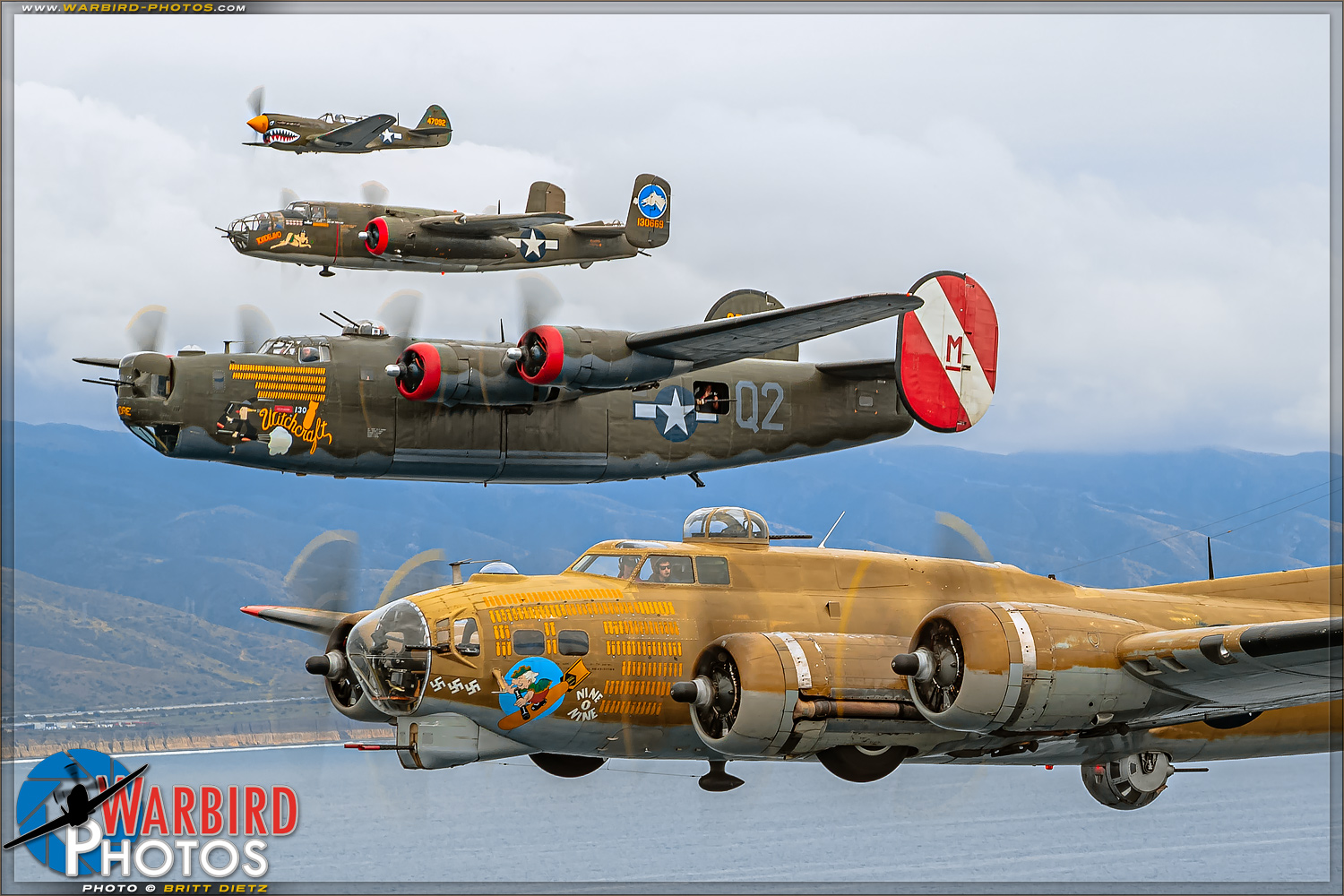
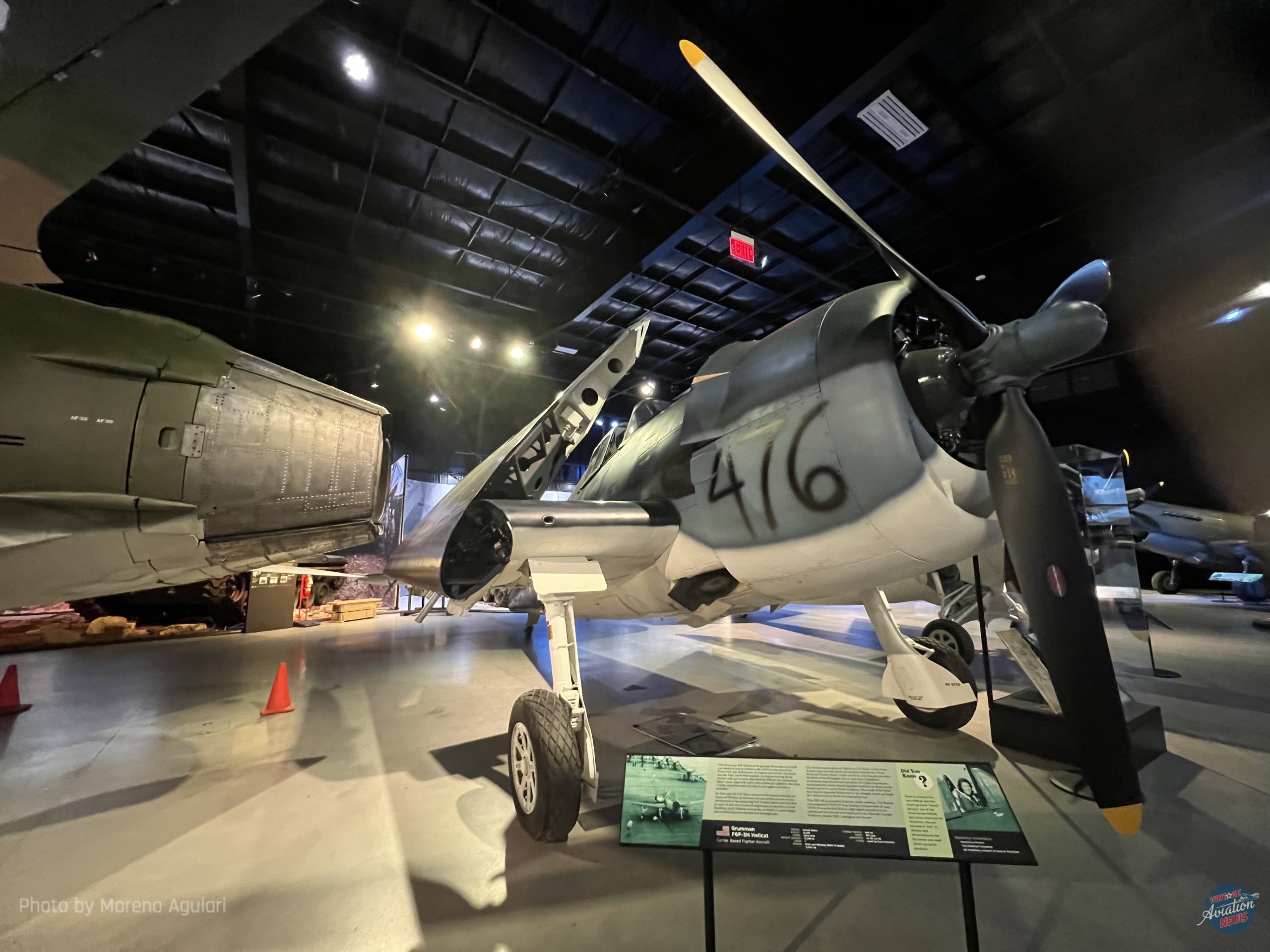
In recent years, however, the foundation has shifted its focus. Earlier this year, the organization announced the formal conclusion of the Wings of Freedom Tour, signaling a new era of operations. Much of the foundation’s active aircraft fleet is now transitioning to permanent display inside the American Heritage Museum, ensuring their preservation while broadening their educational reach.
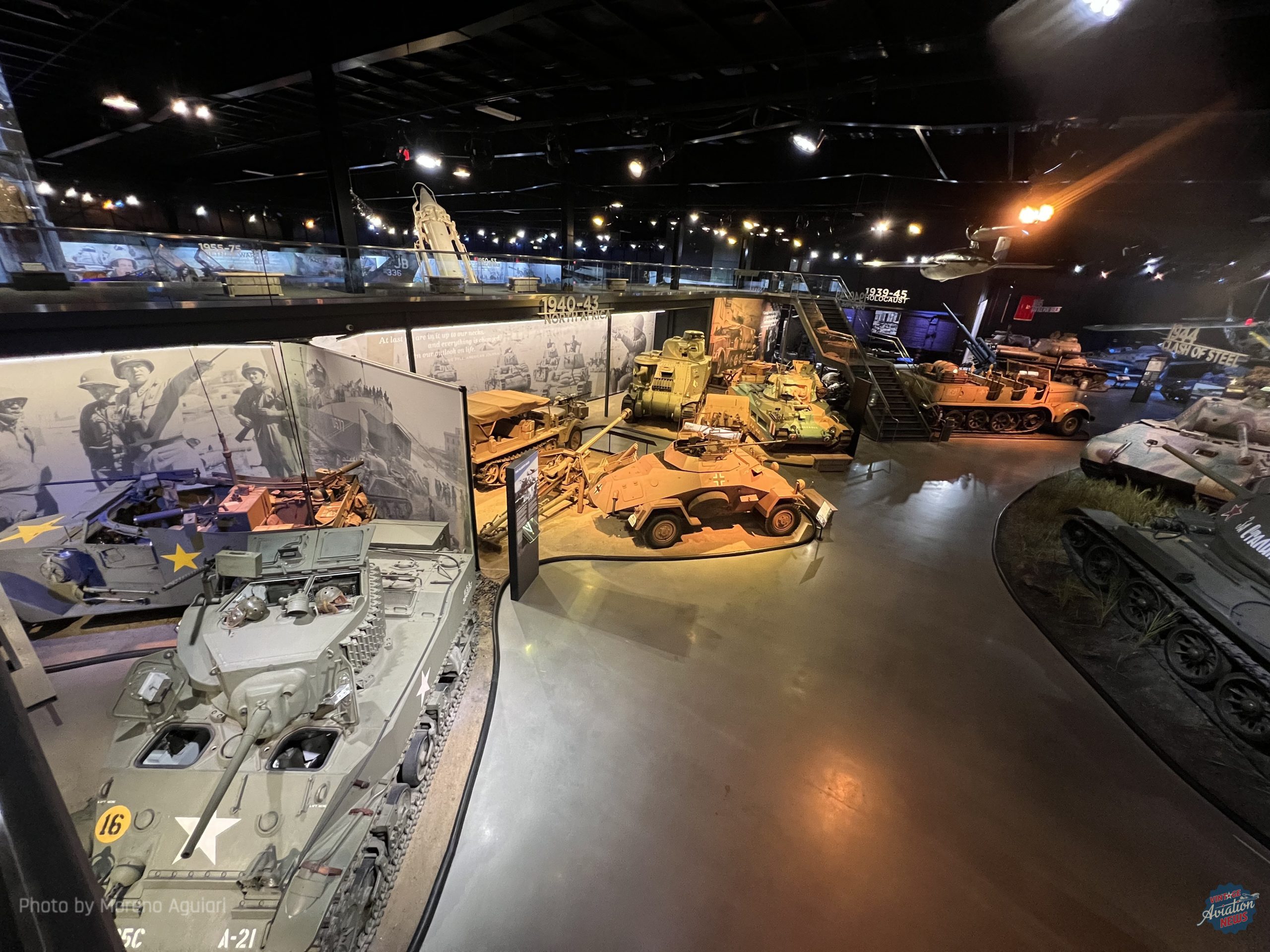
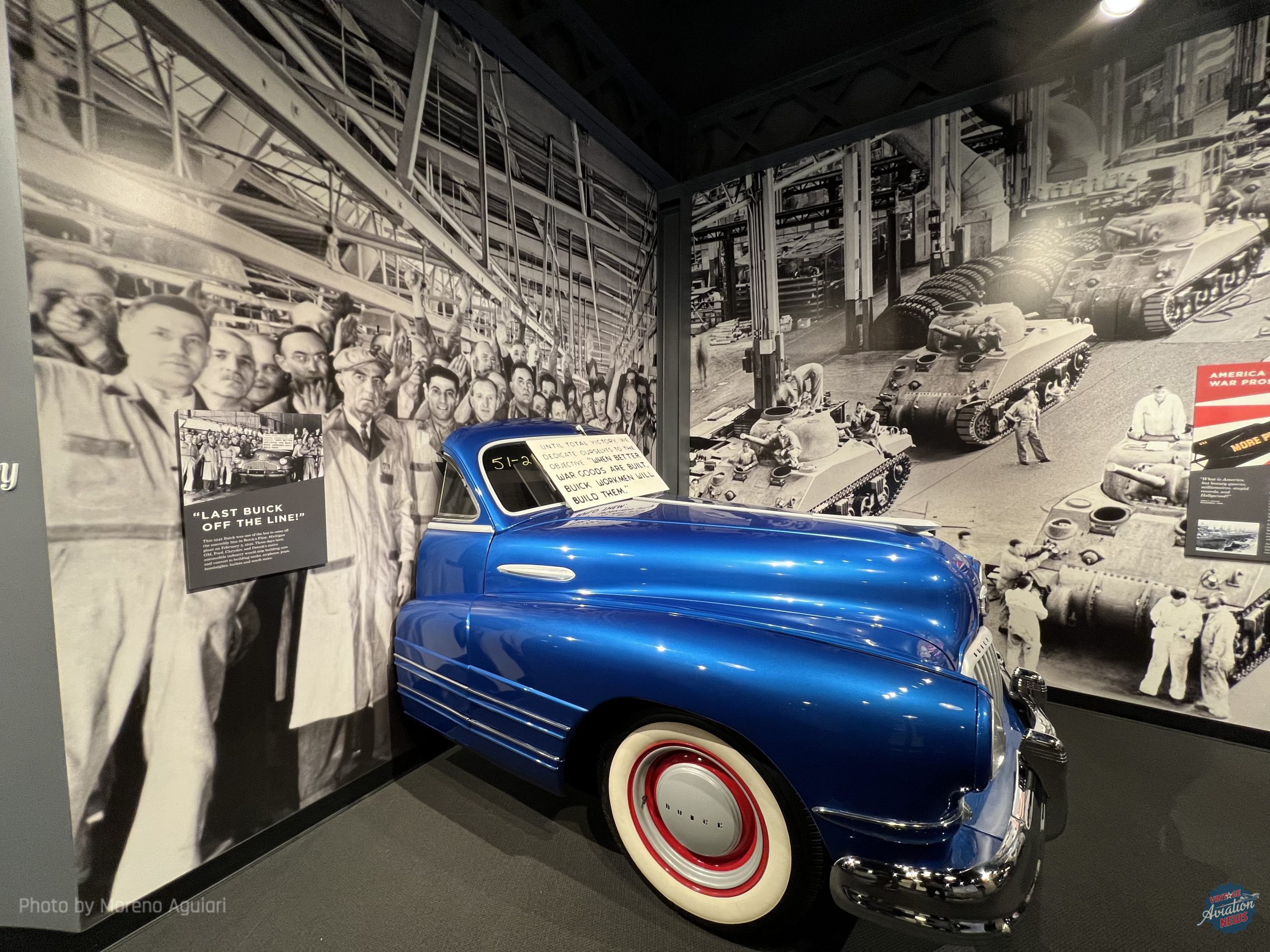
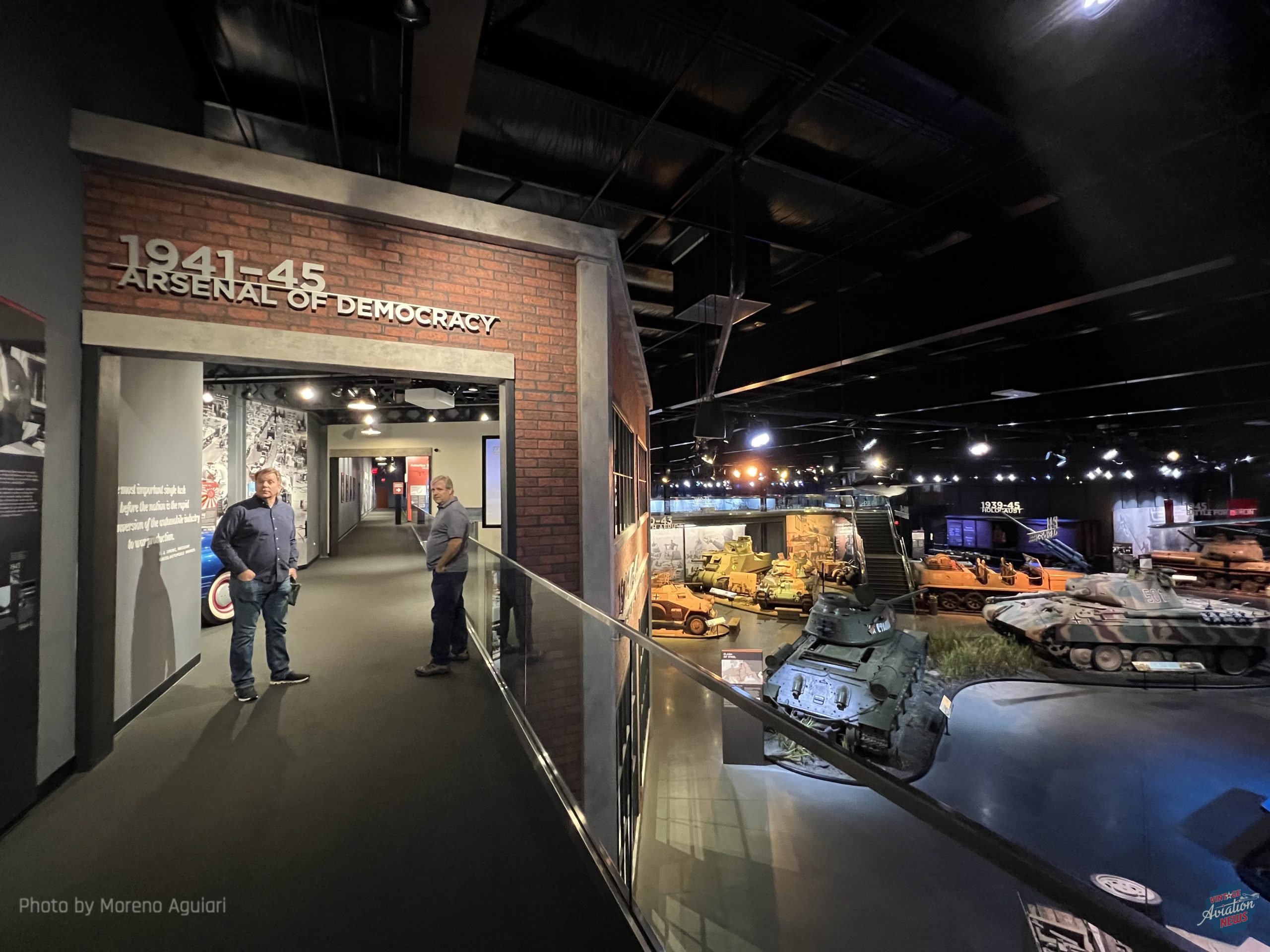
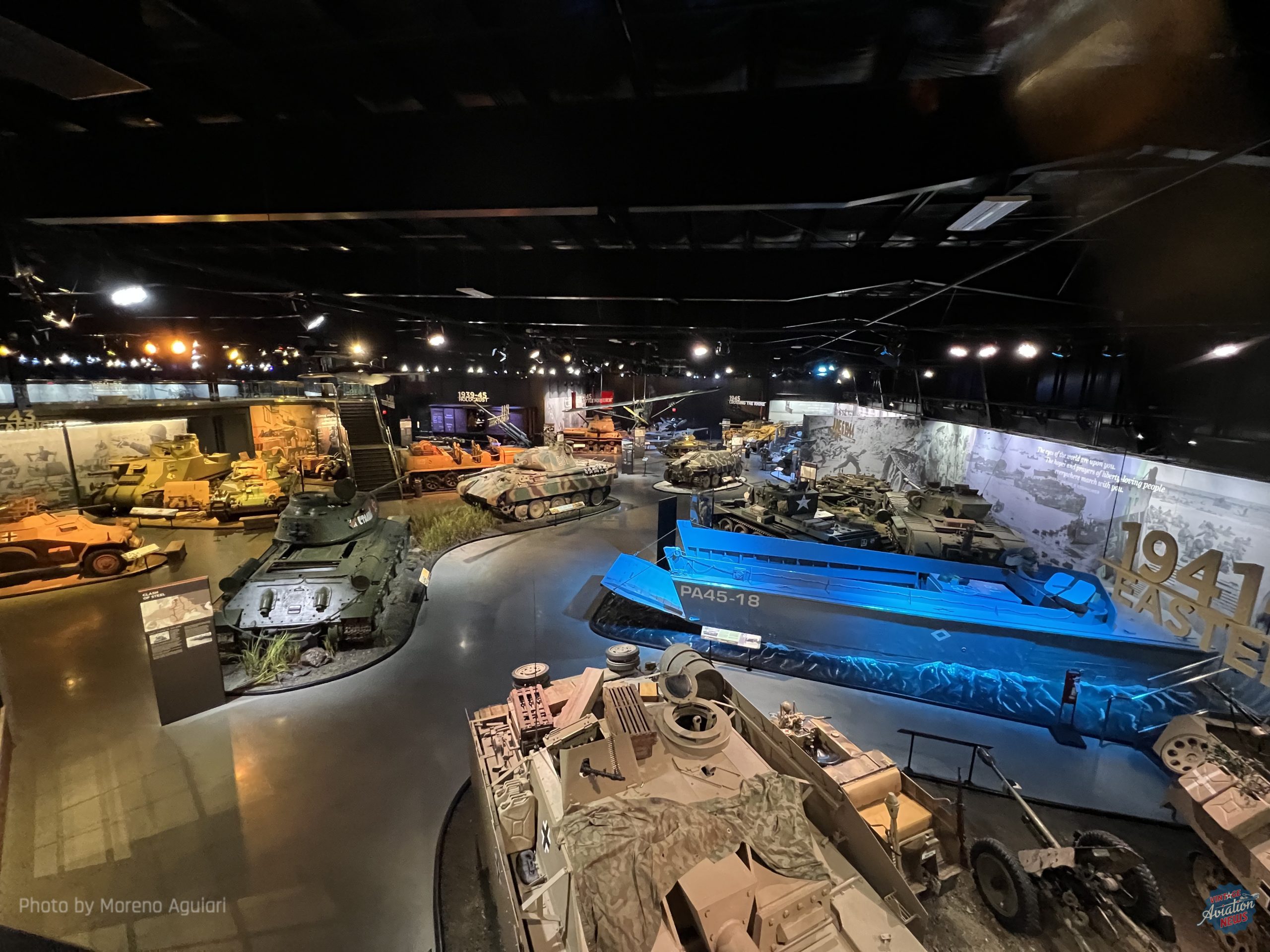
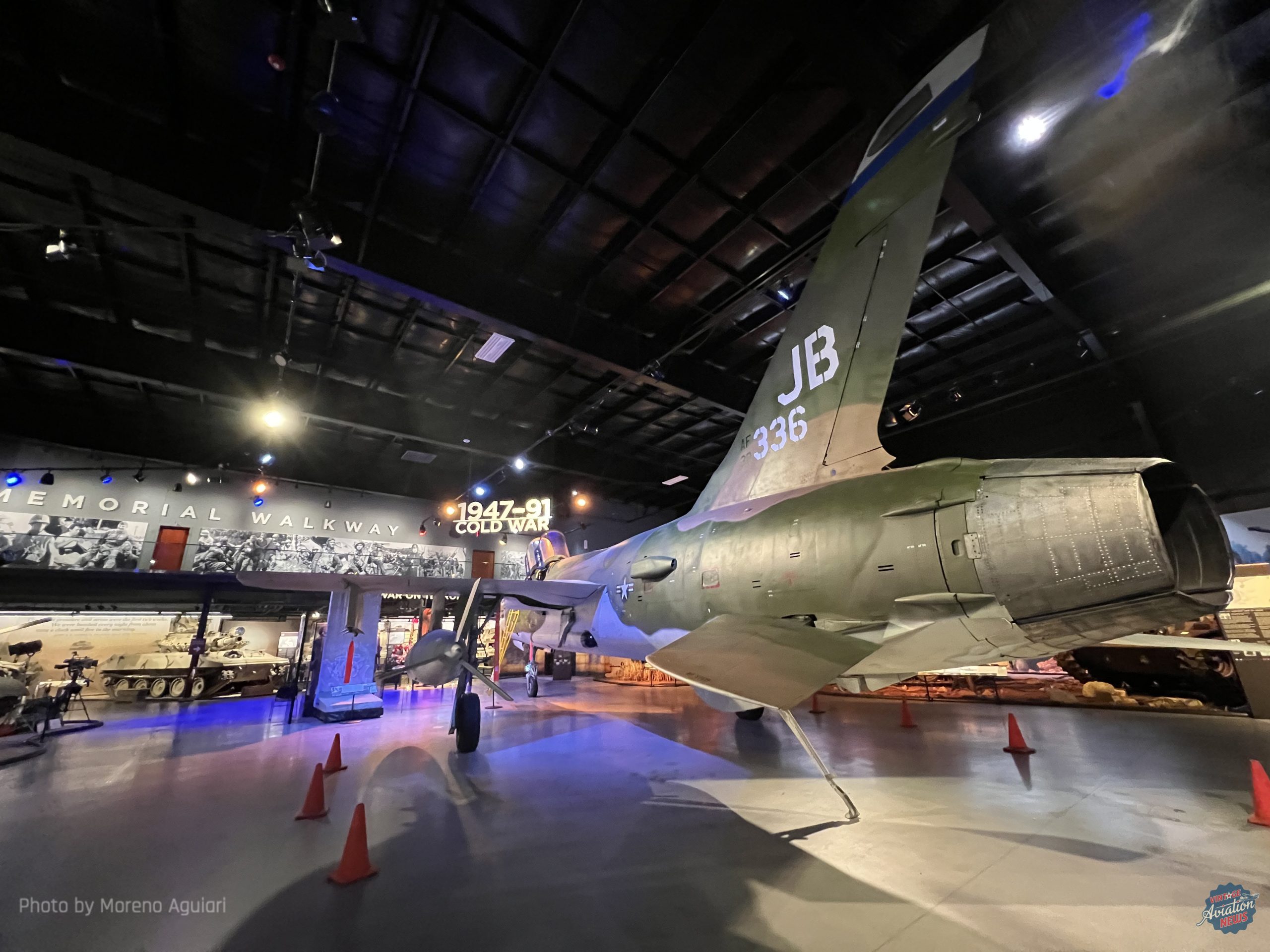
The museum itself is a 66,000-square-foot facility that opened following the Collings Foundation’s acquisition of the famed Jacques M. Littlefield Collection in 2013. That donation—one of the world’s most extensive private collections of tanks, armored vehicles, and military artifacts—transformed the foundation’s mission, providing the foundation with the resources to create a comprehensive center for military history.
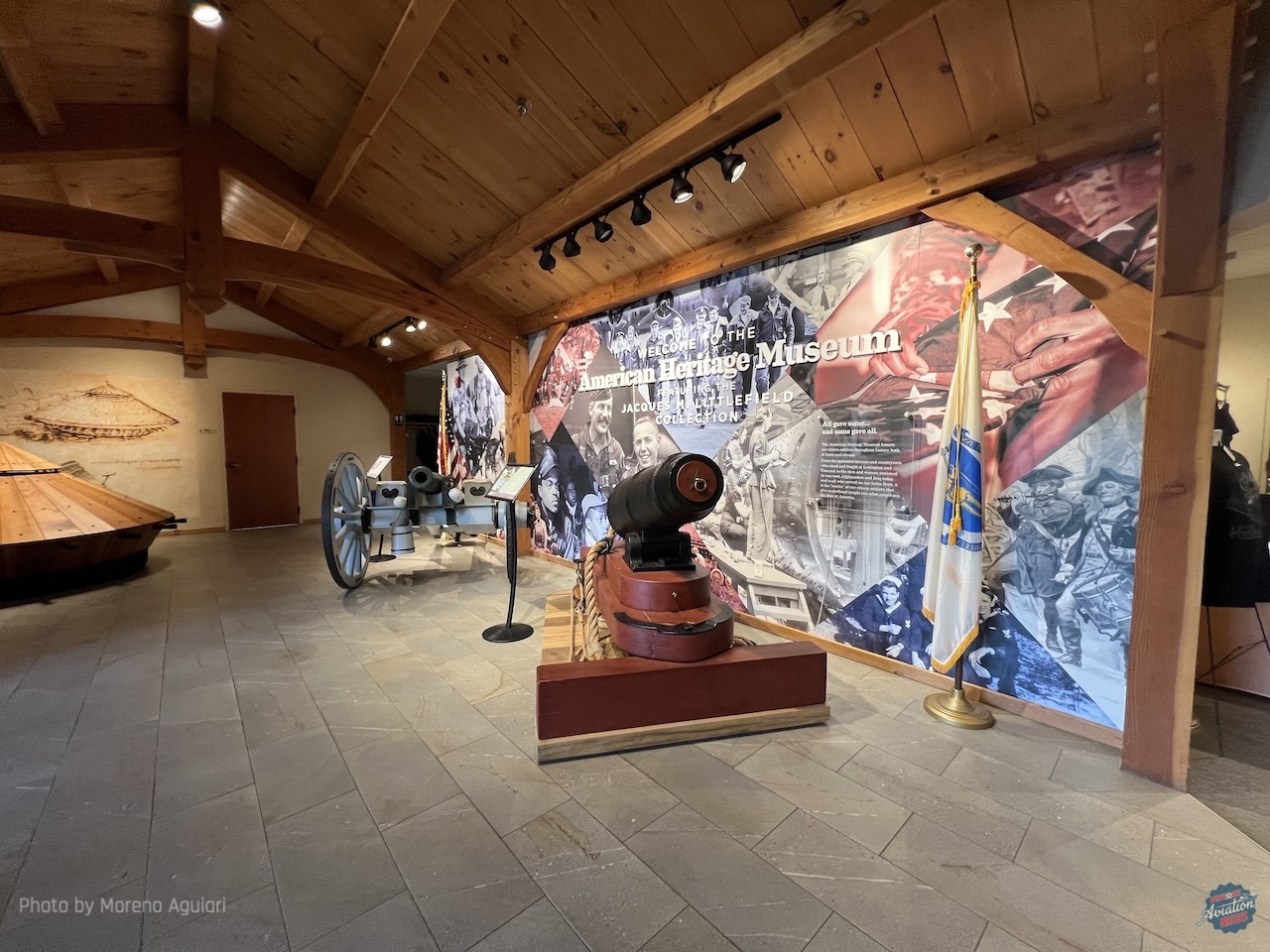
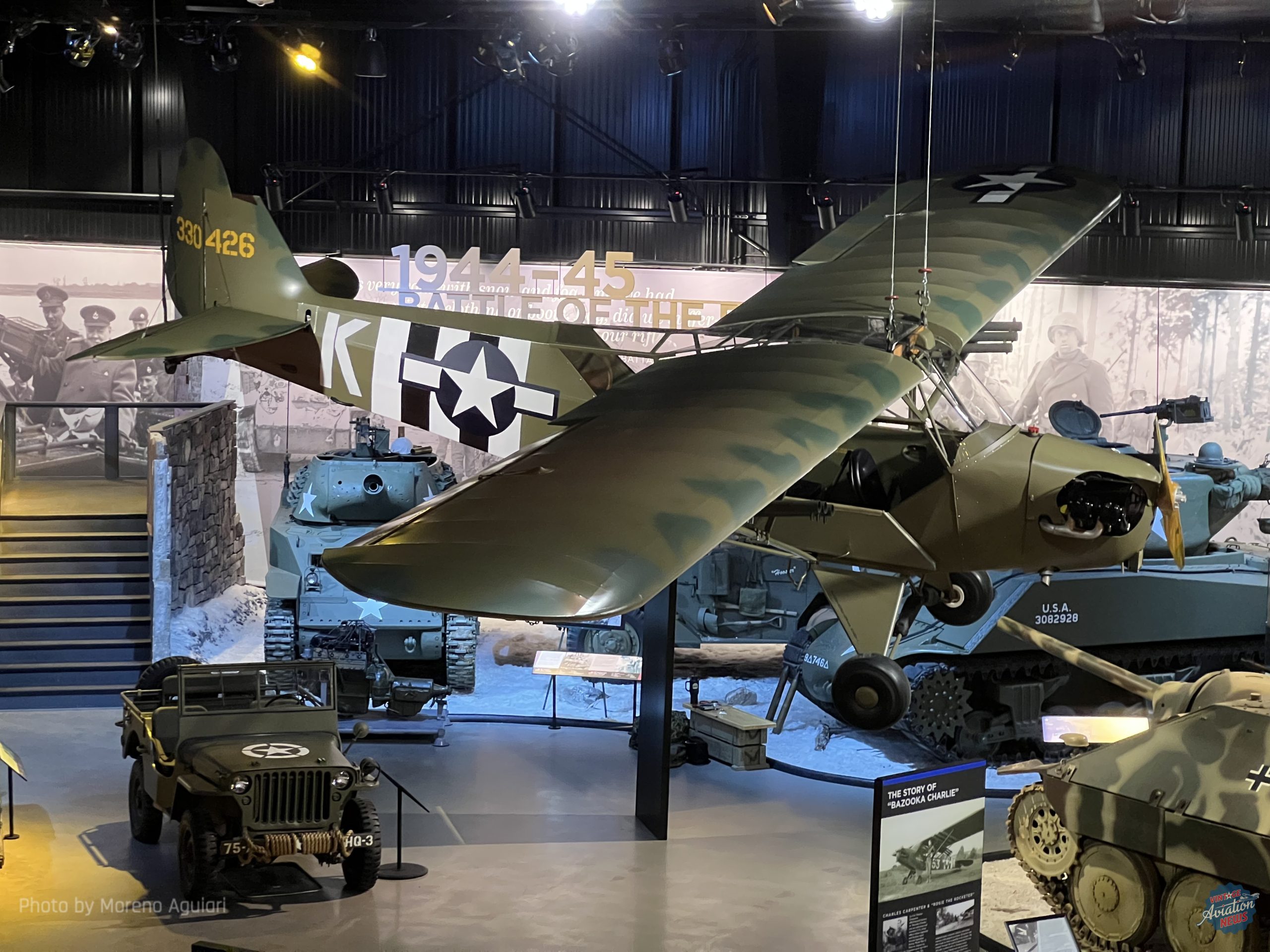
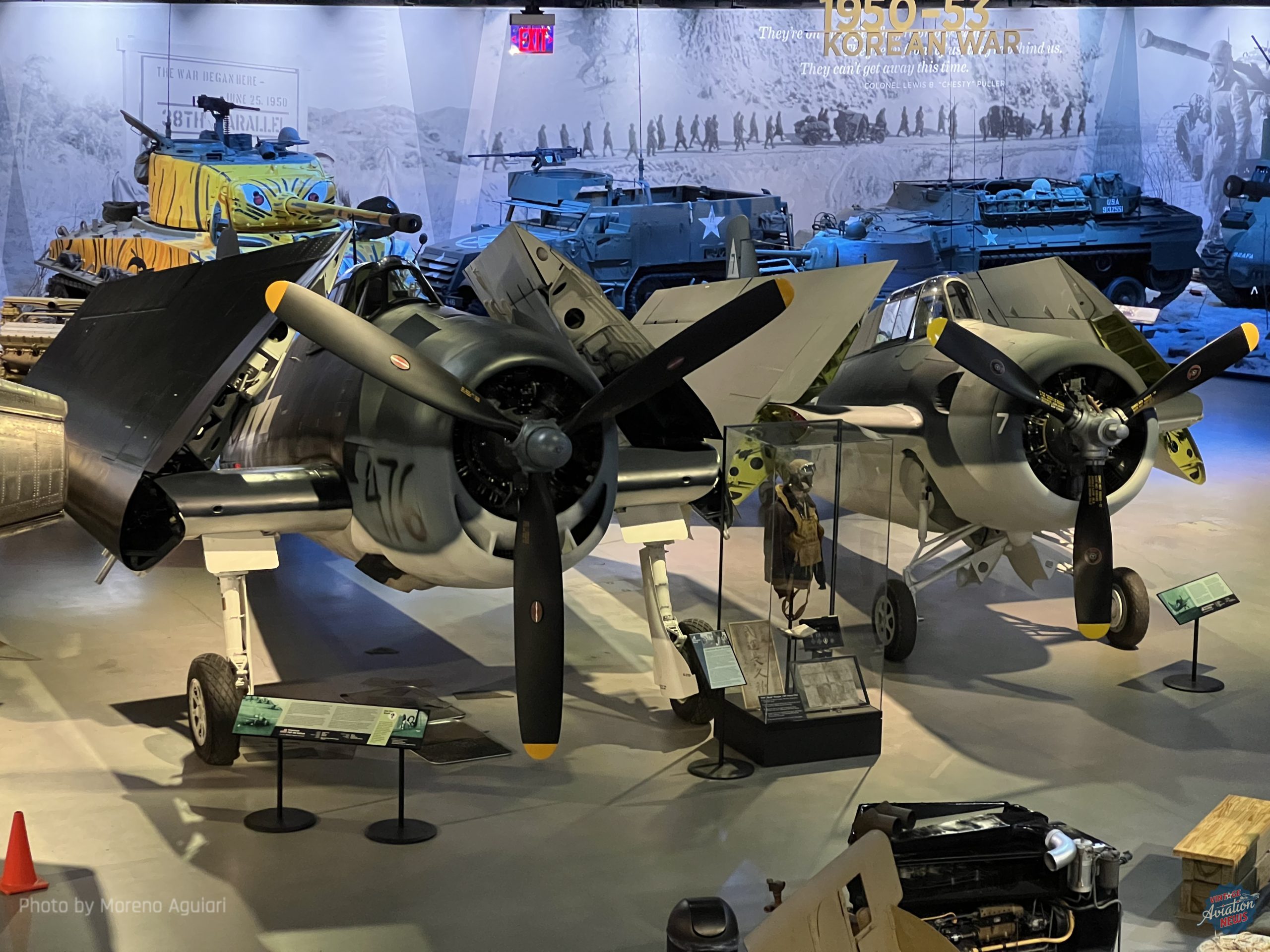
The American Heritage Museum presents U.S. and world history through immersive exhibits, interactive displays, and a carefully curated chronological narrative that spans from the Revolutionary War to modern conflicts. Its methodology centers on three themes: America’s fight for independence and the preservation of democracy, the role of the citizen soldier, and the impact of technological innovation on warfare.
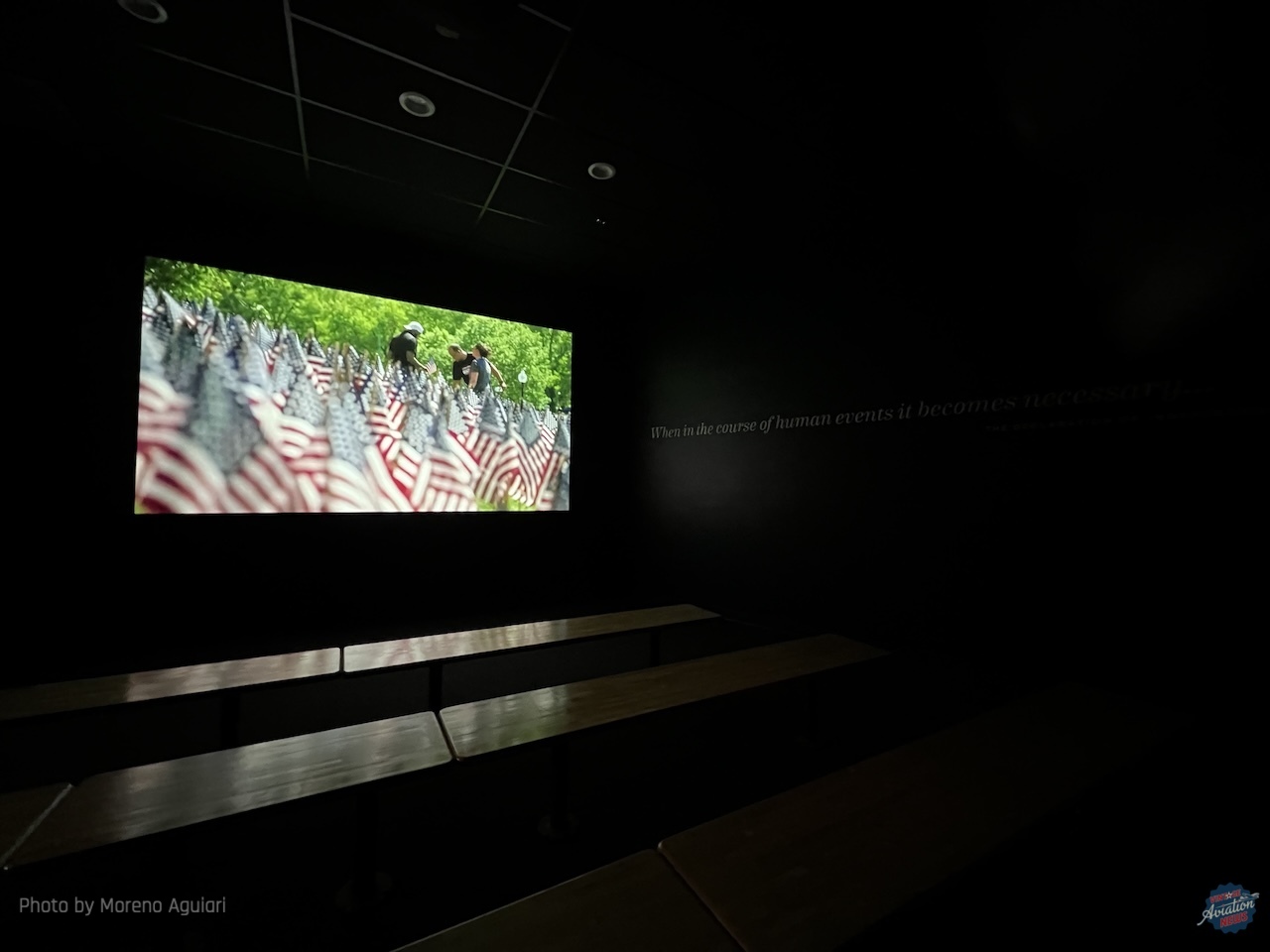
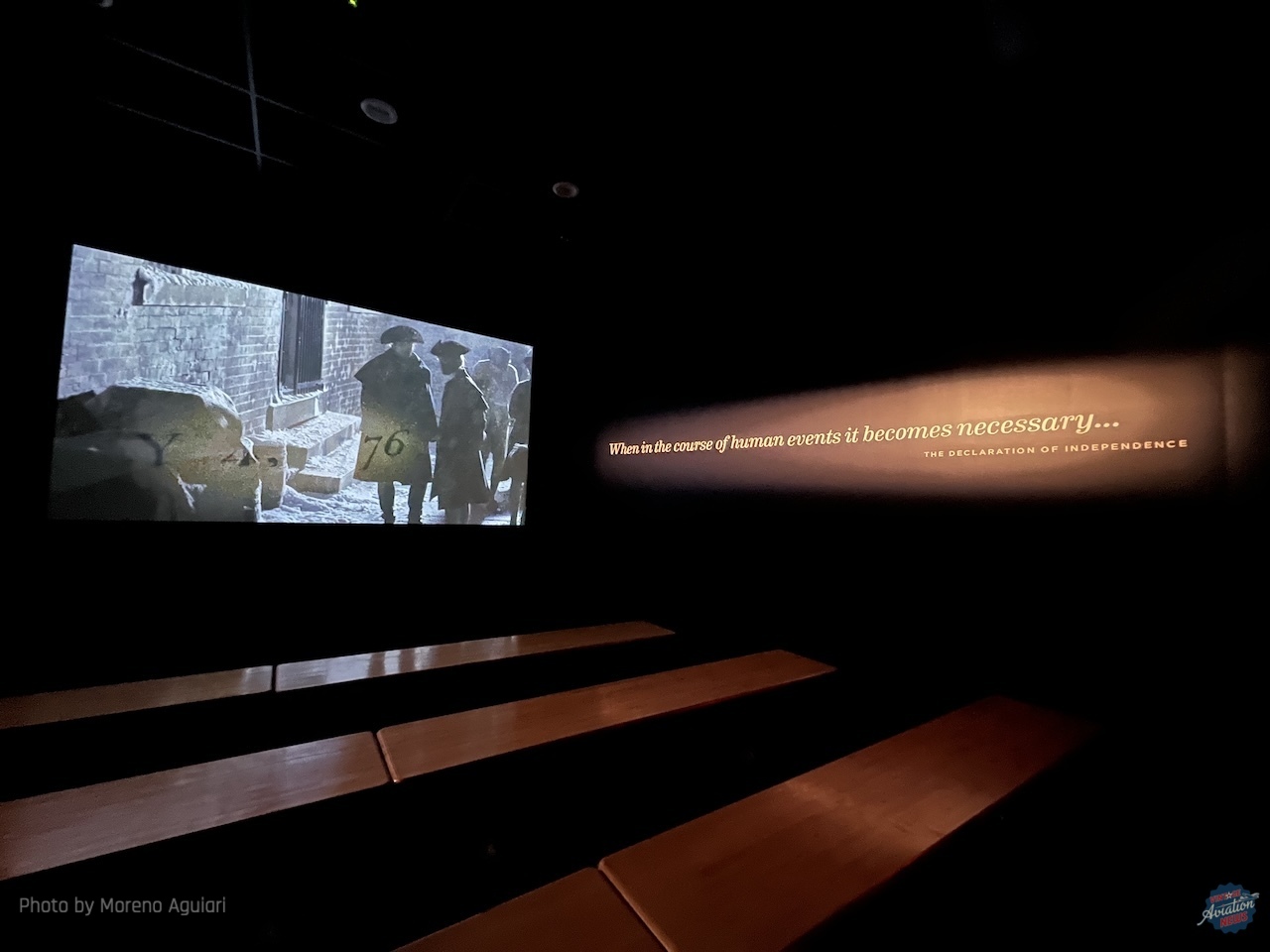
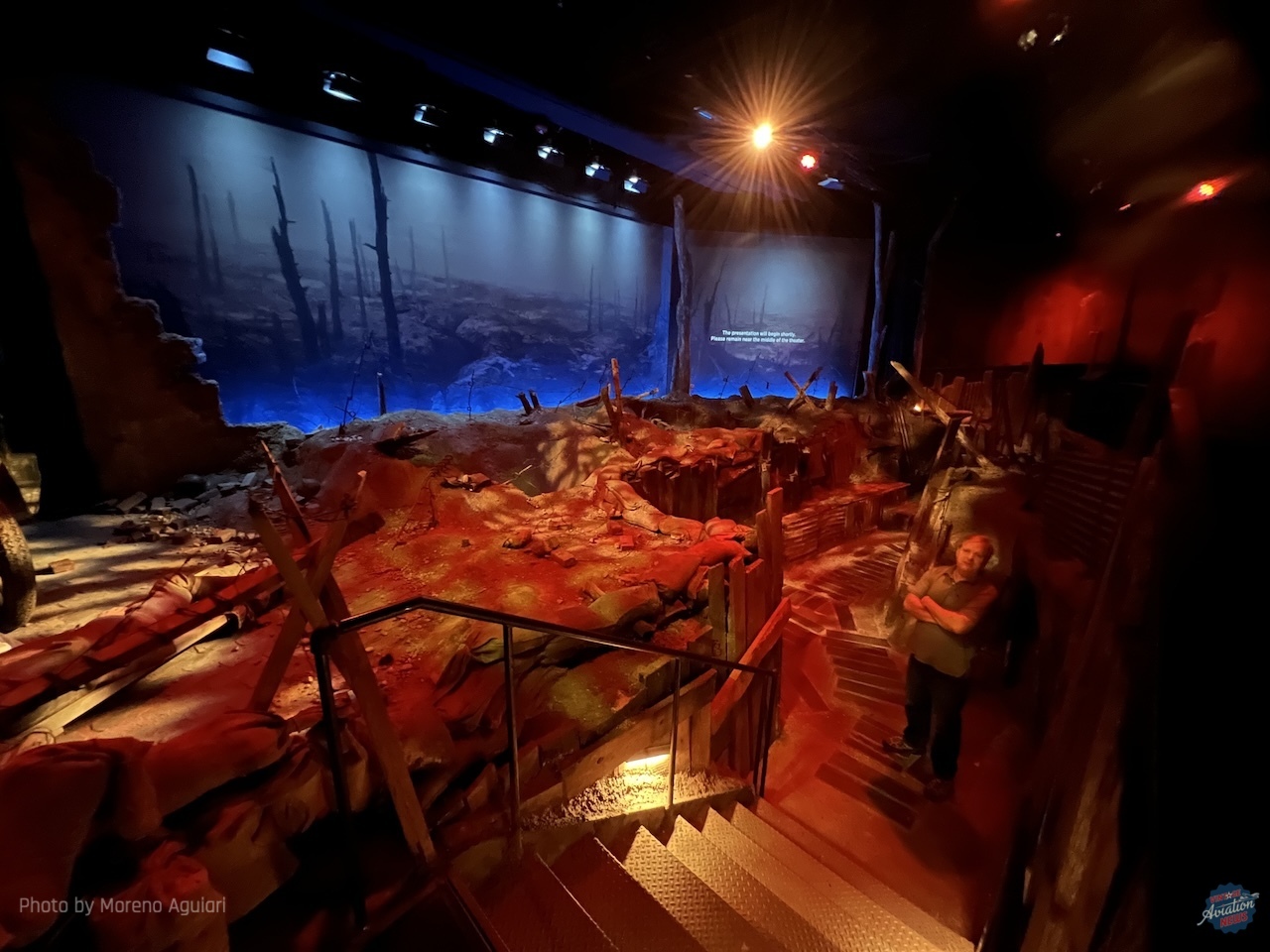
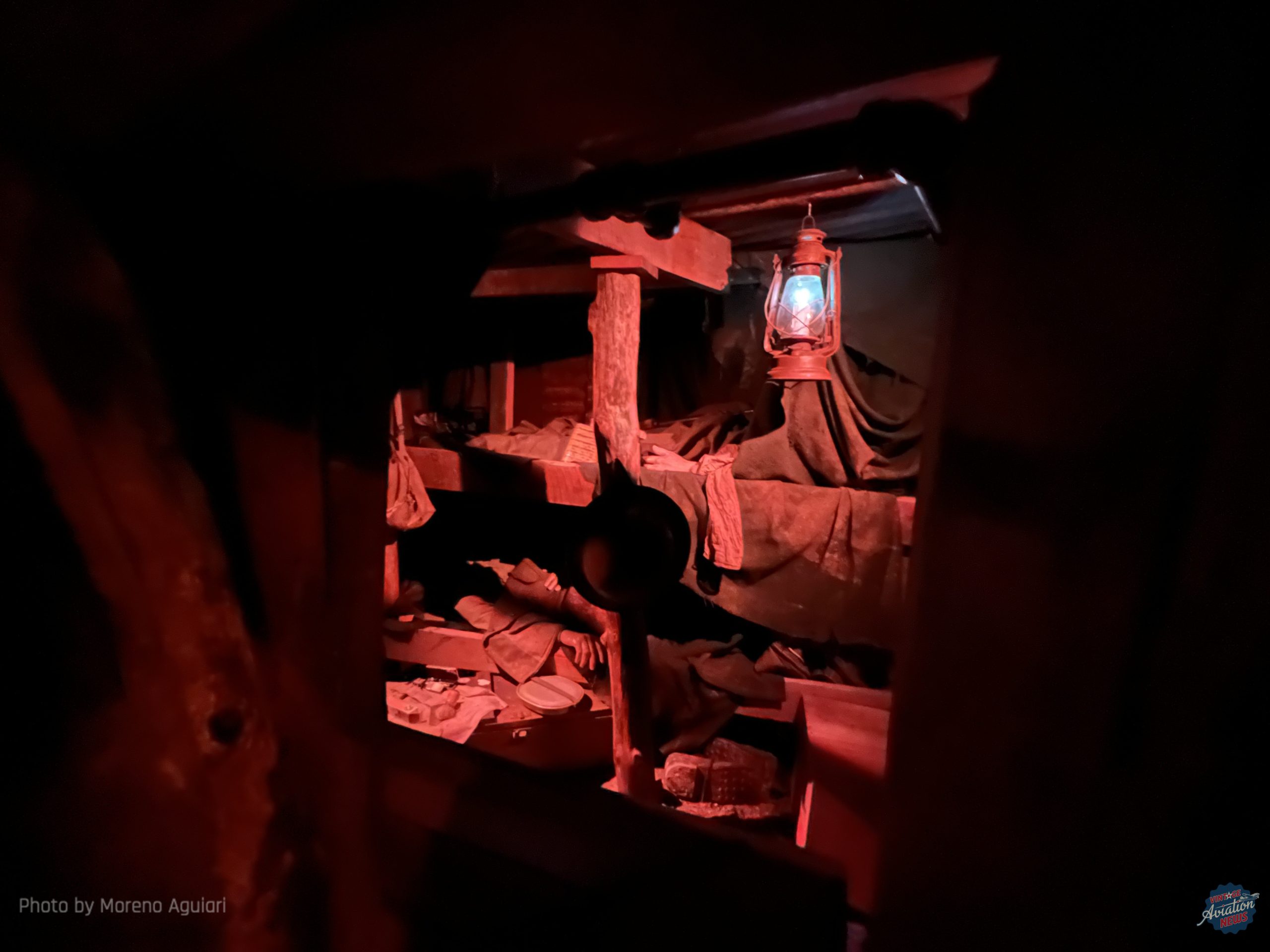
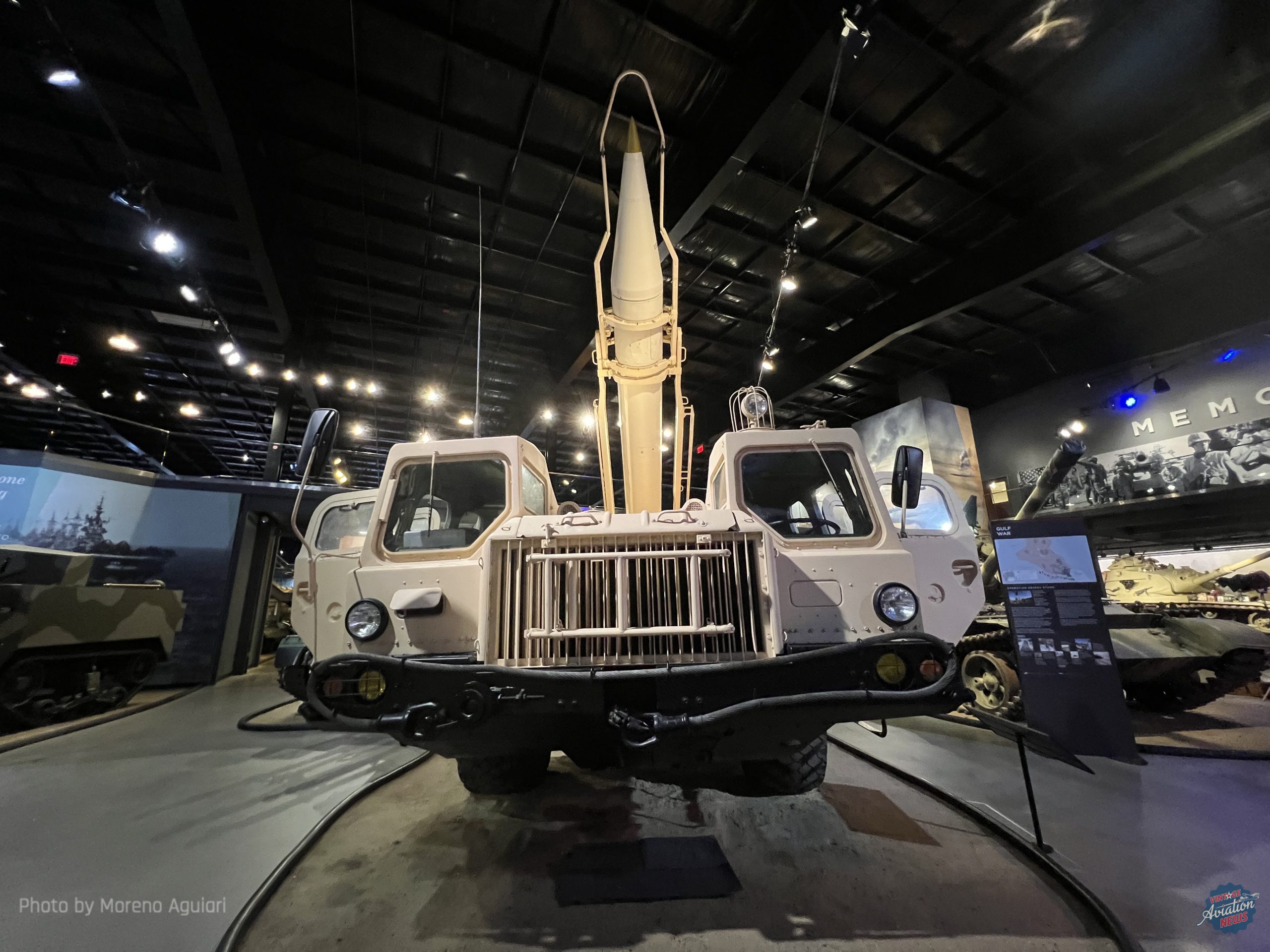
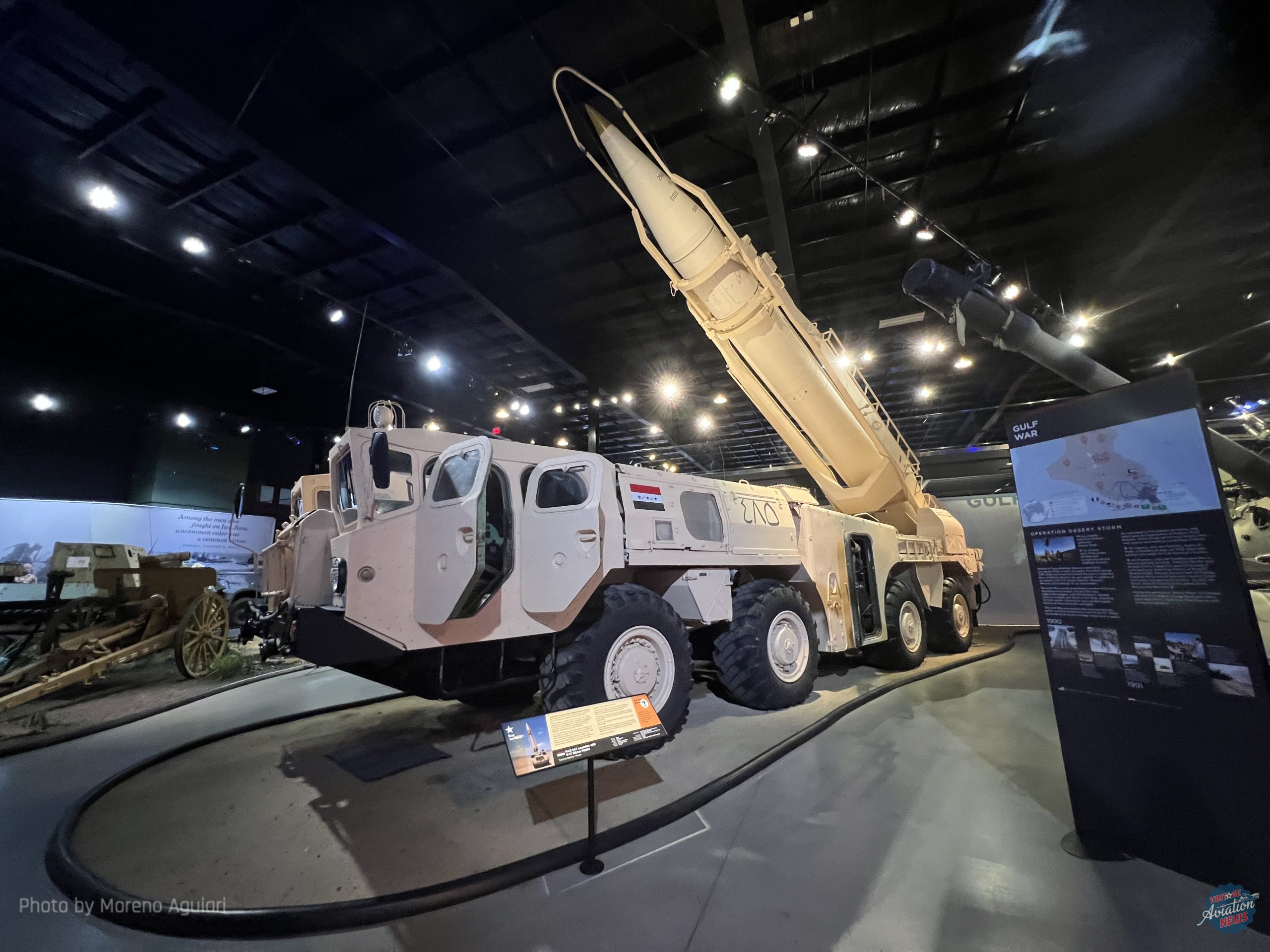
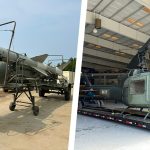
Among its holdings are some of the rarest military vehicles in North America, including an M1A1 Abrams tank, a Soviet T-34, a Jumbo Sherman, a German SdKfz 222 armored car, a Japanese Ho-Ro mobile artillery piece, and even a SCUD-B missile with its launcher. More than fifteen artifacts on display are the only known public examples on the continent.
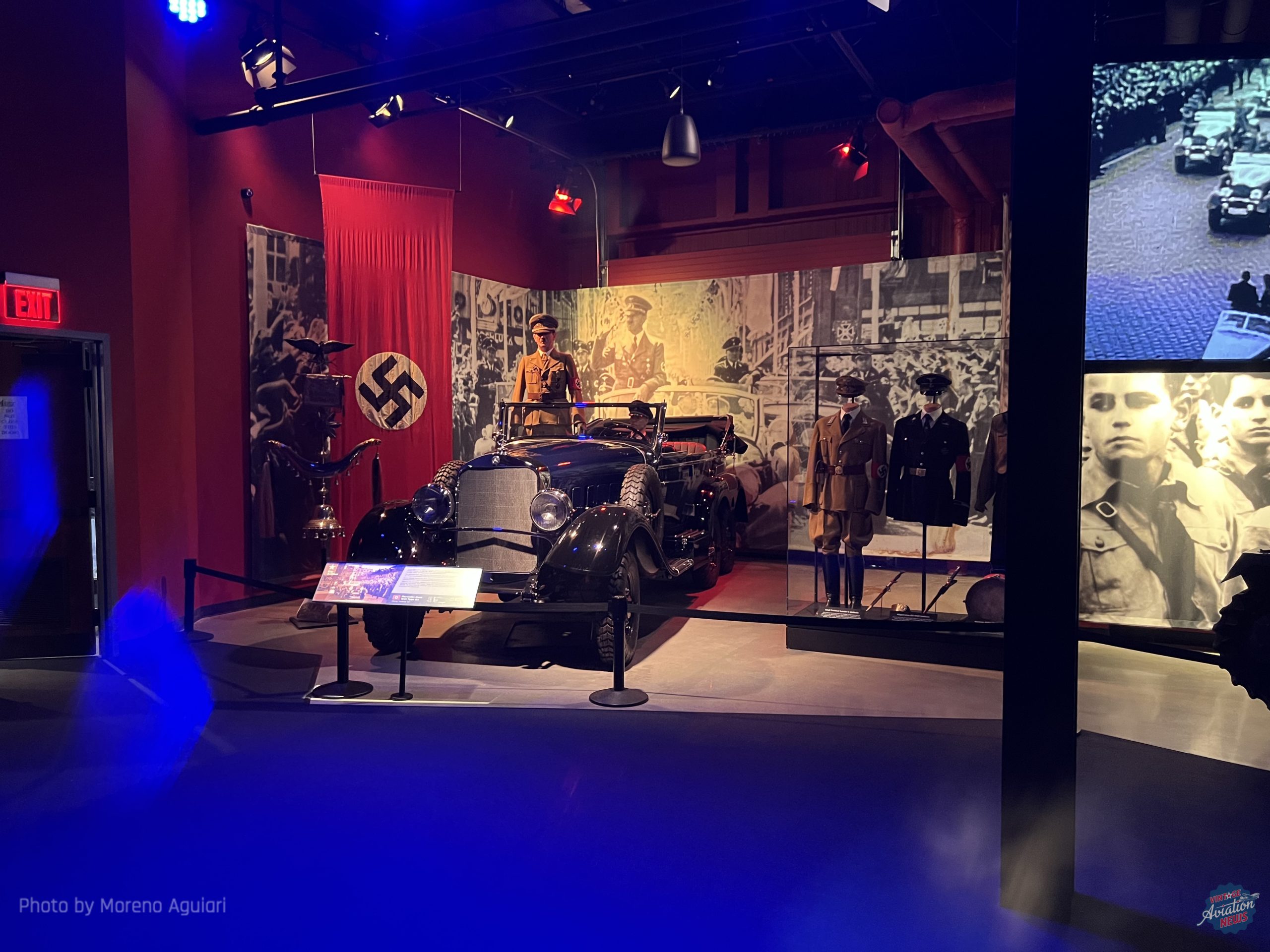
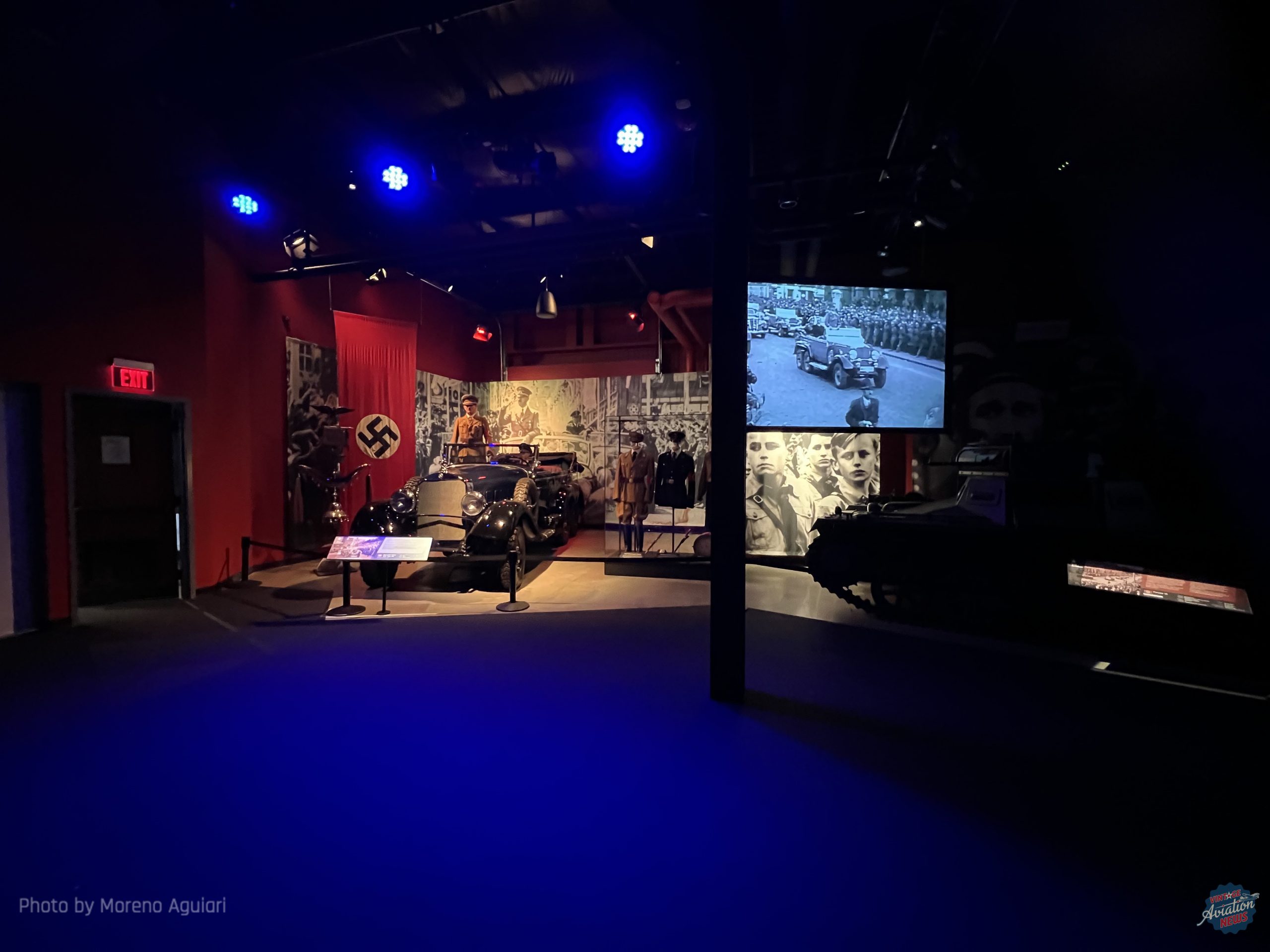
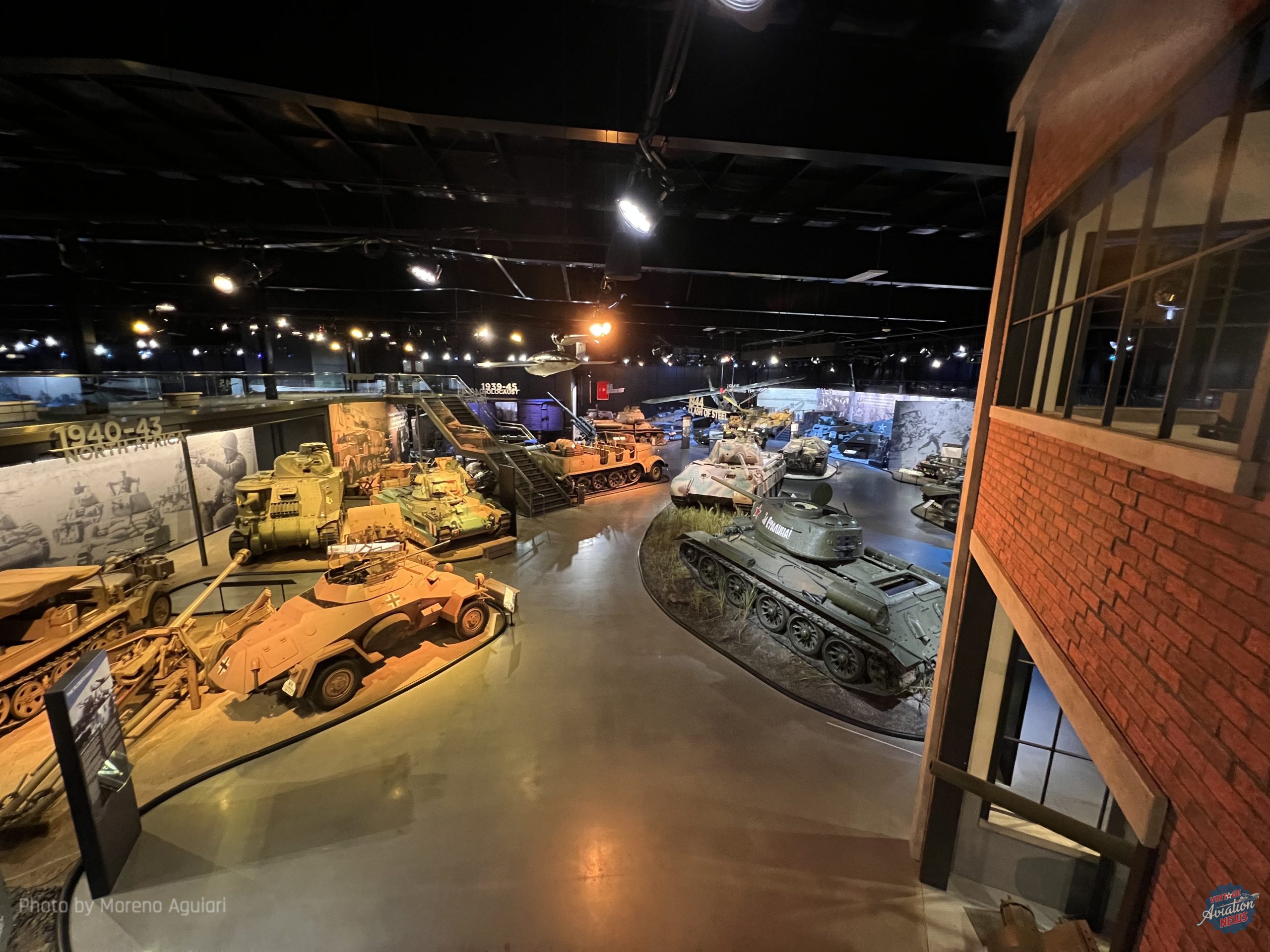
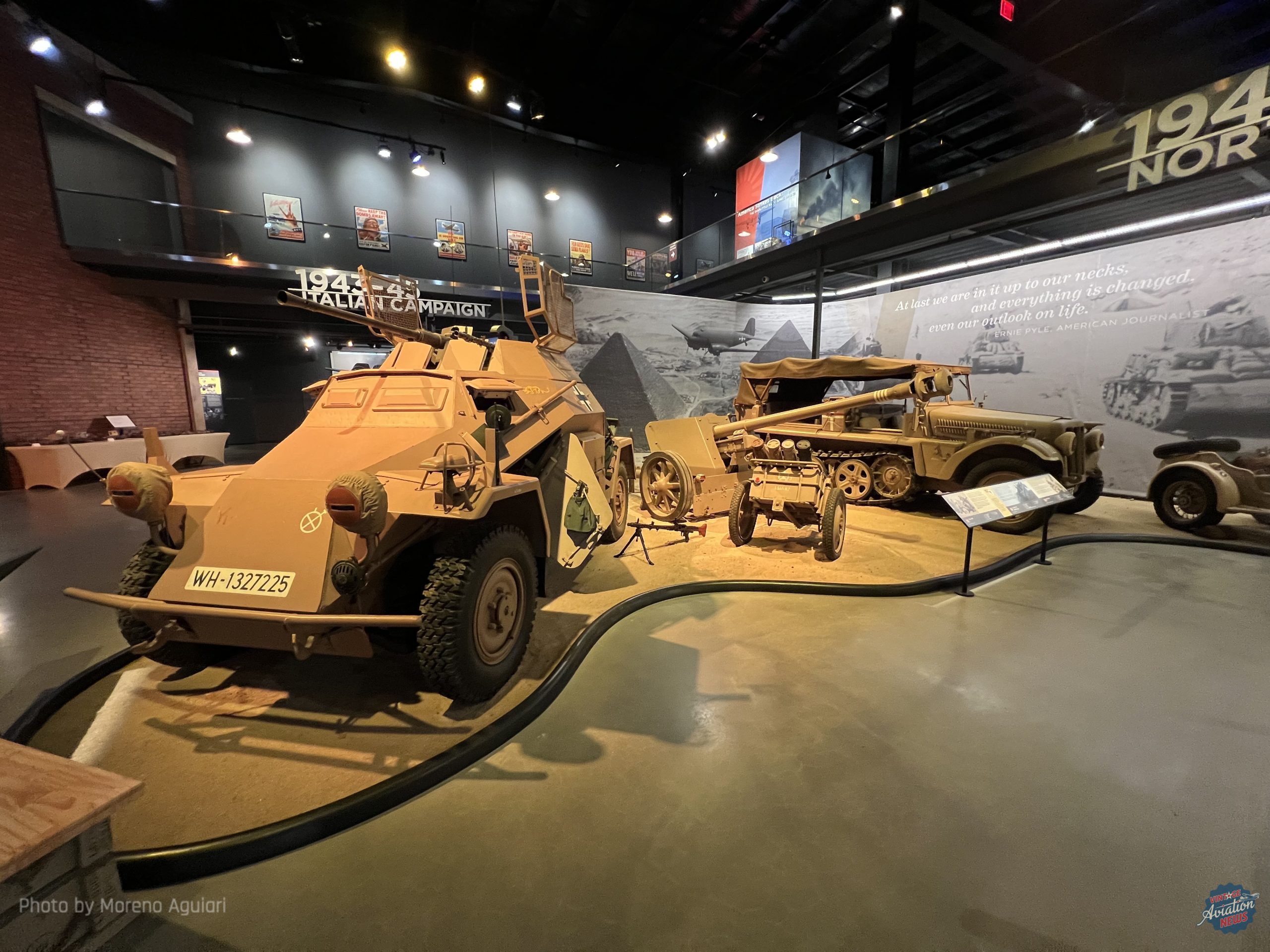
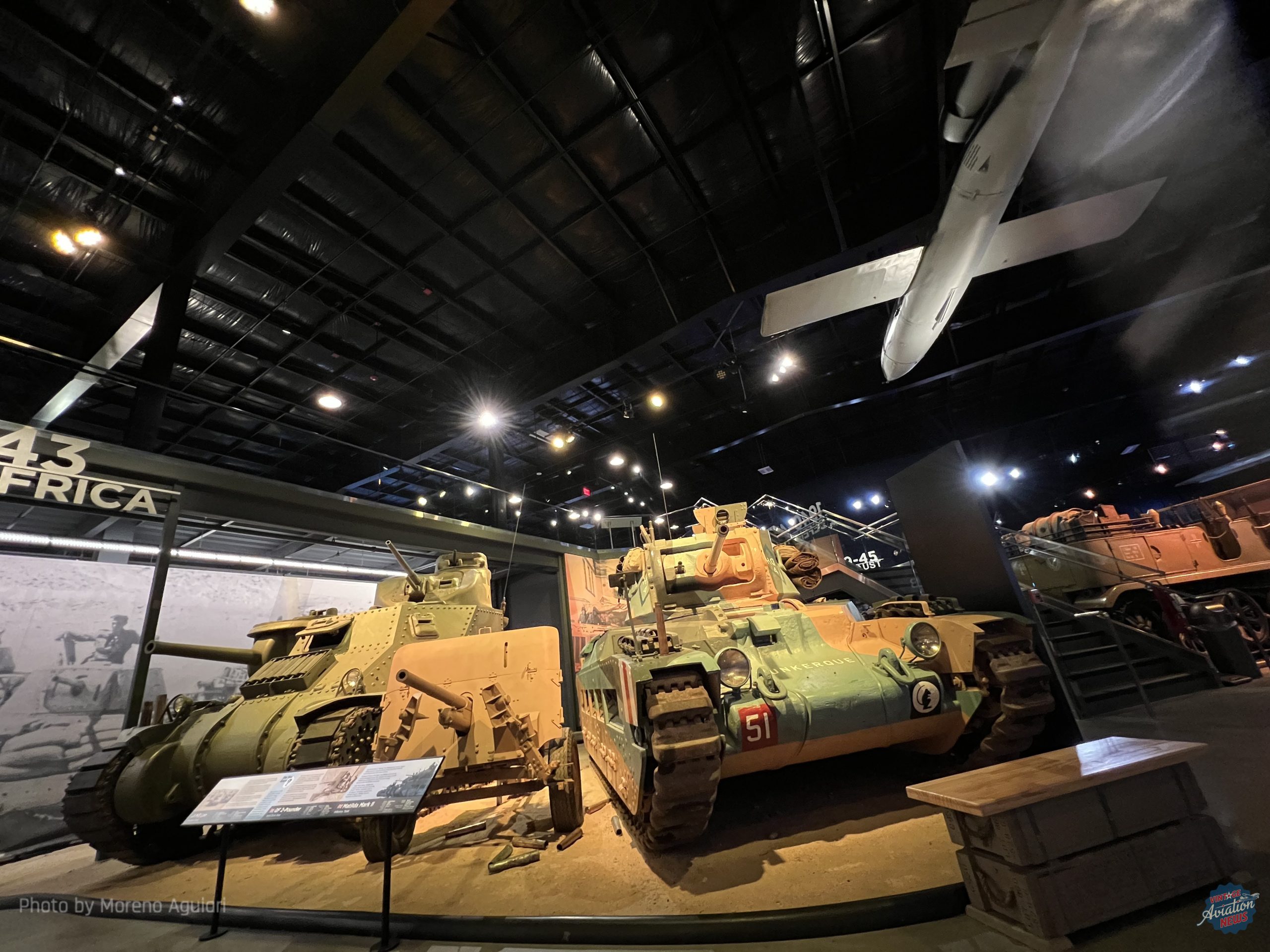
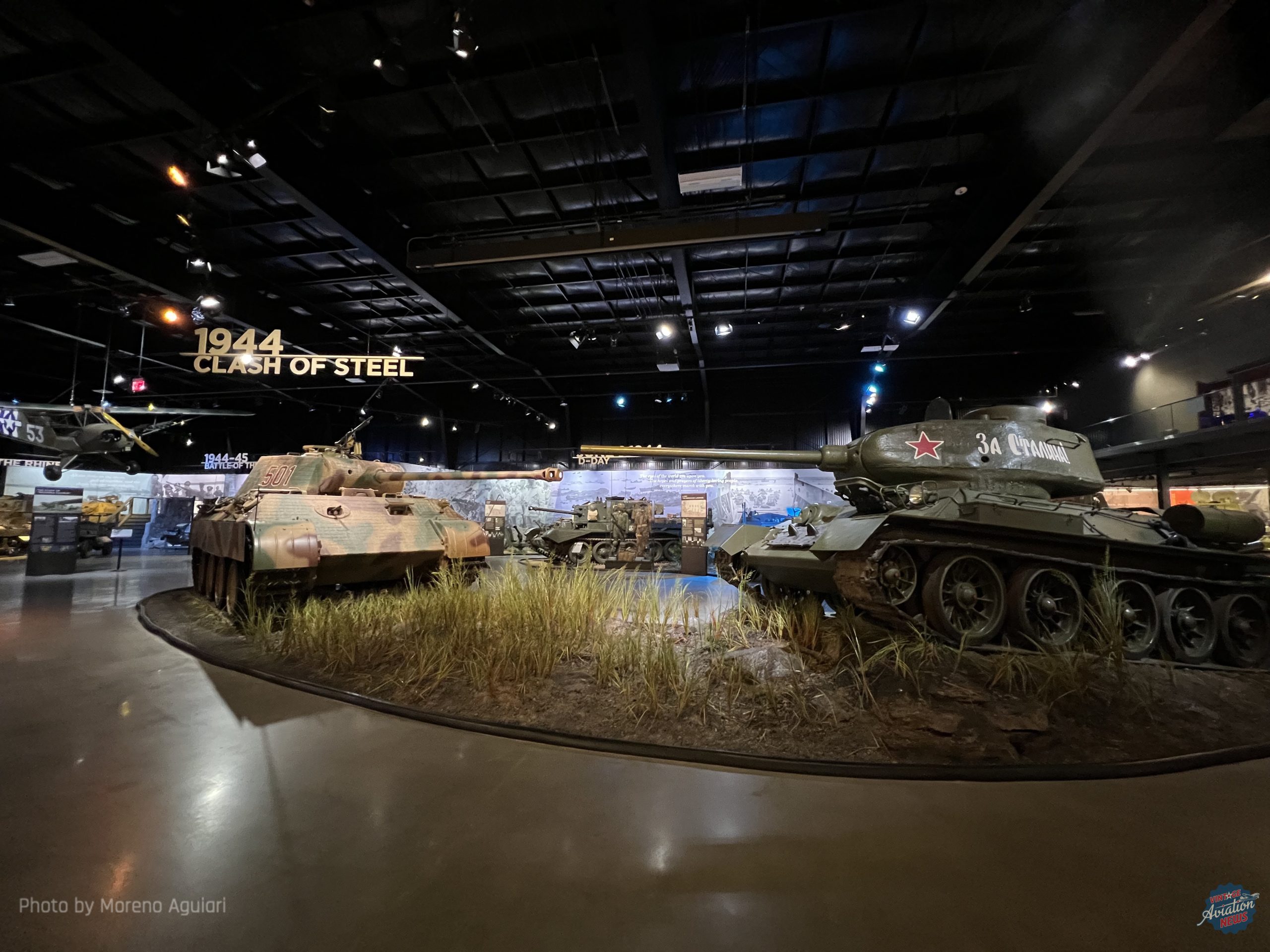
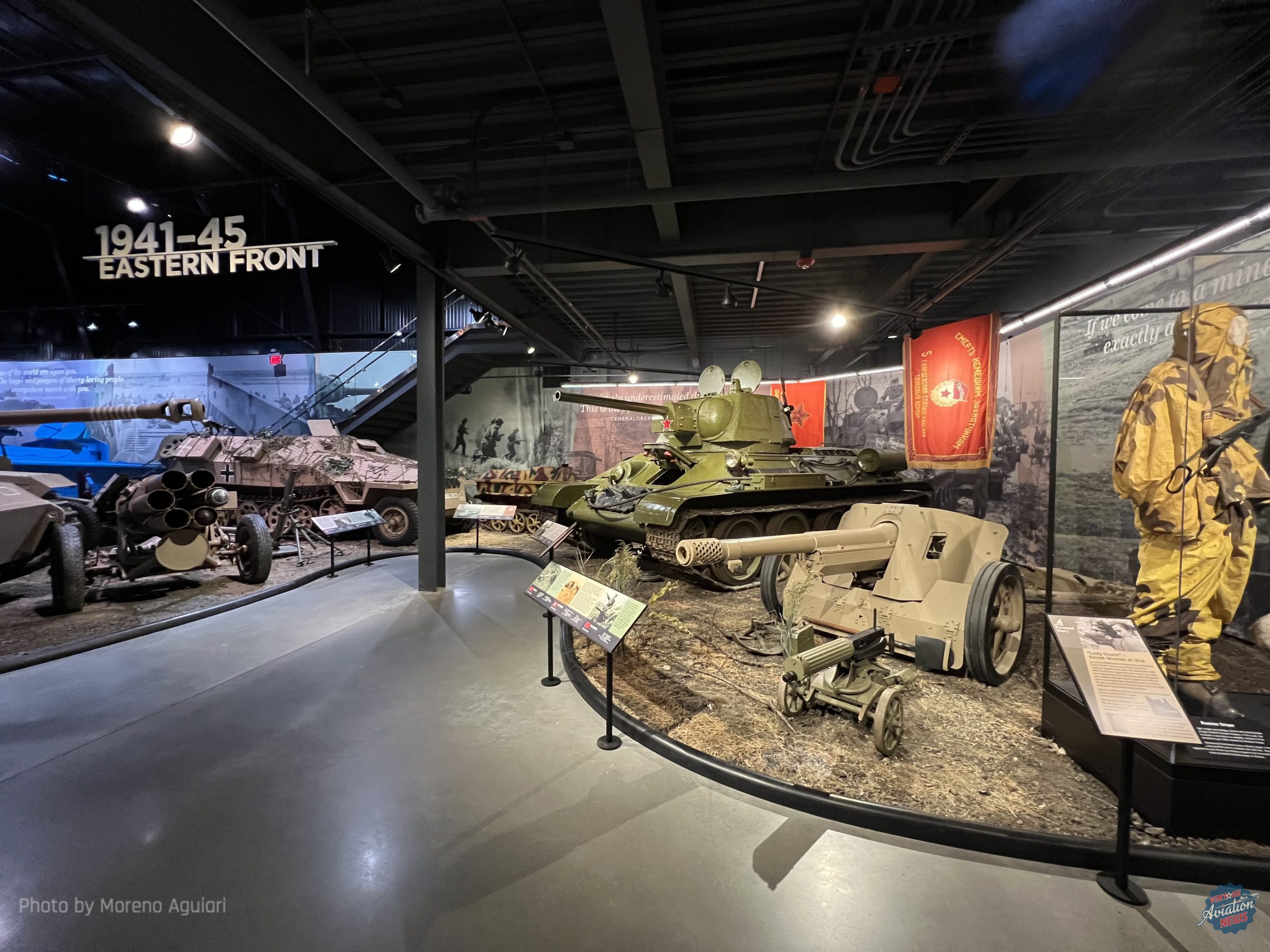
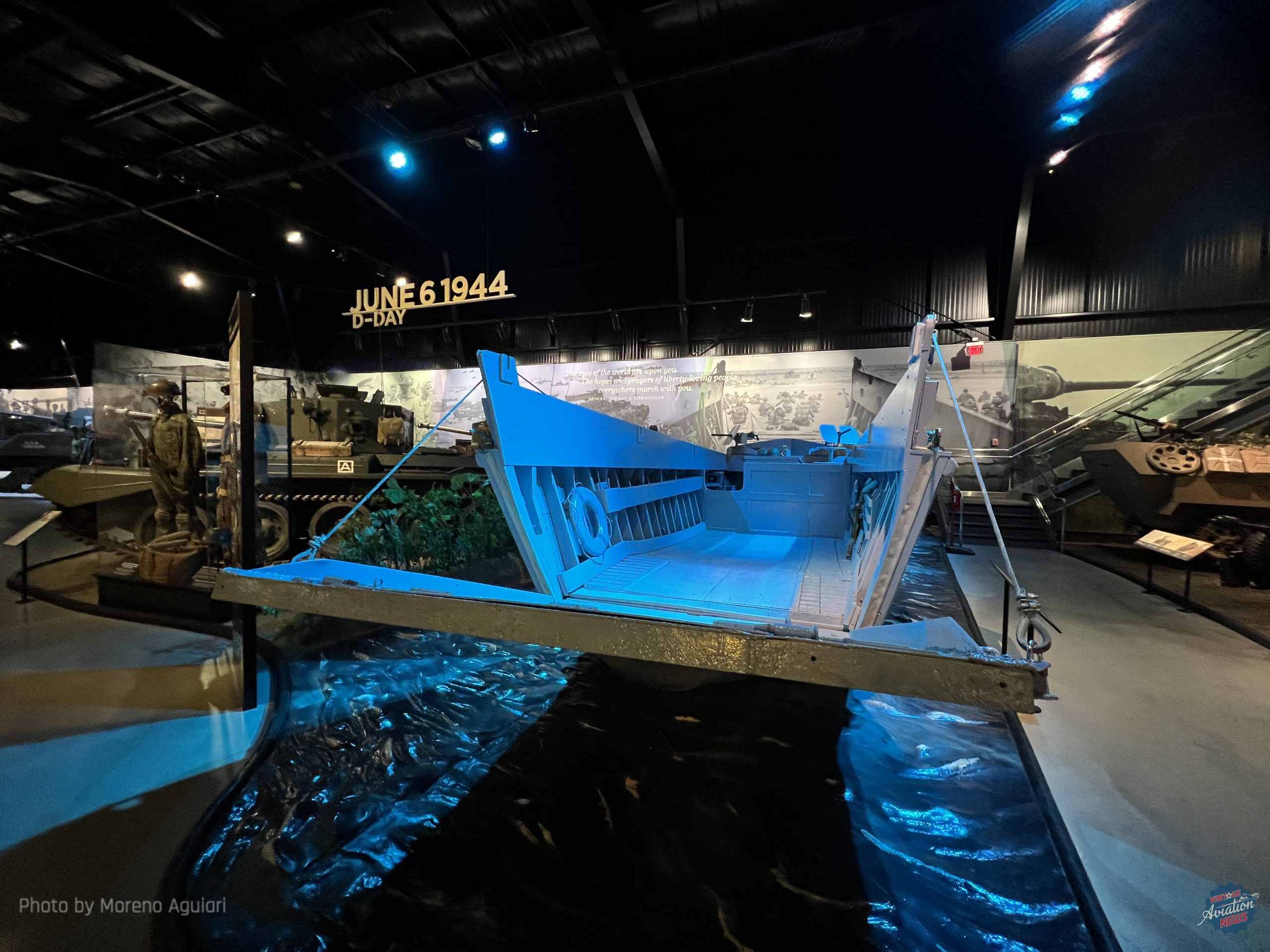
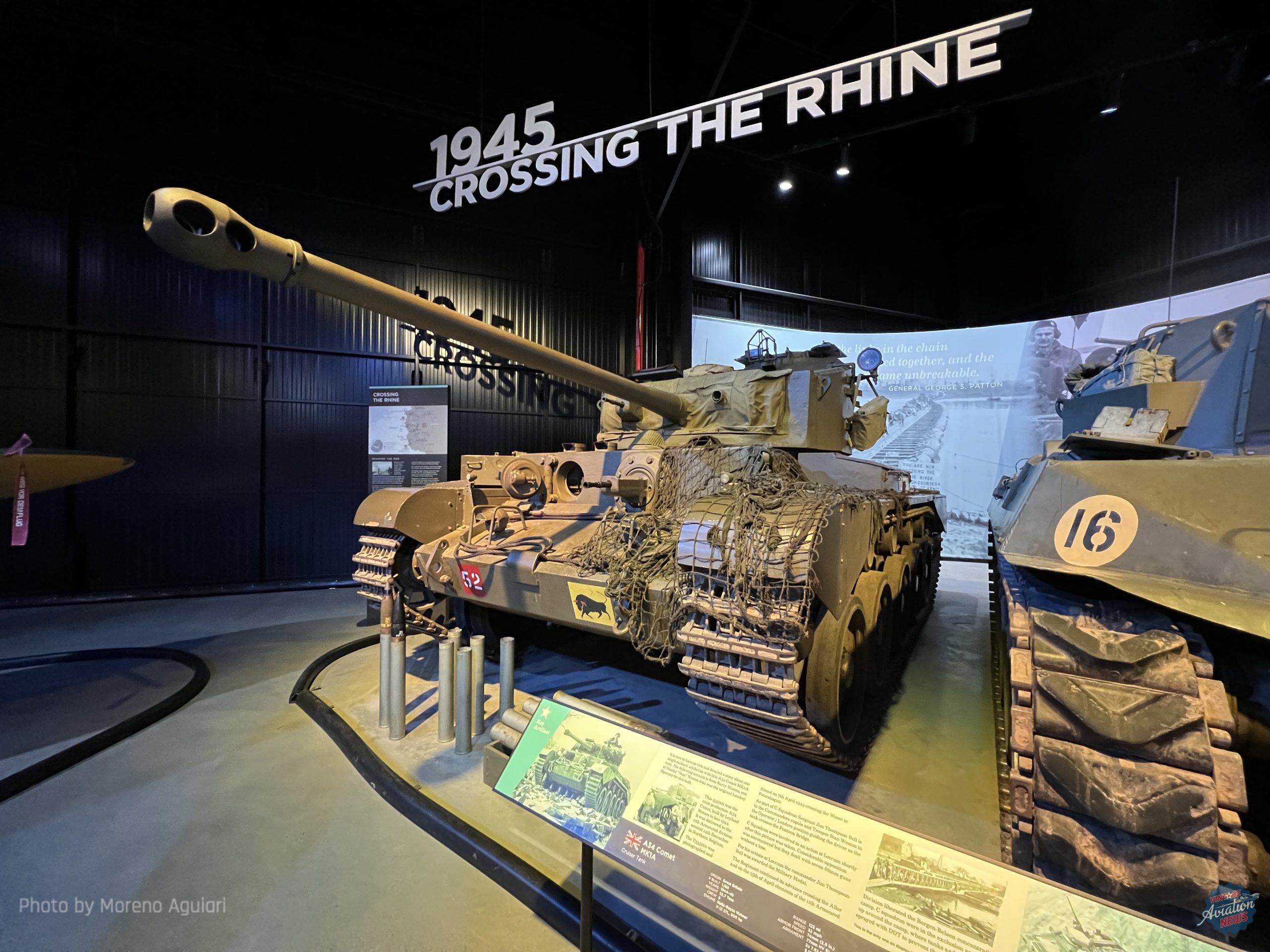
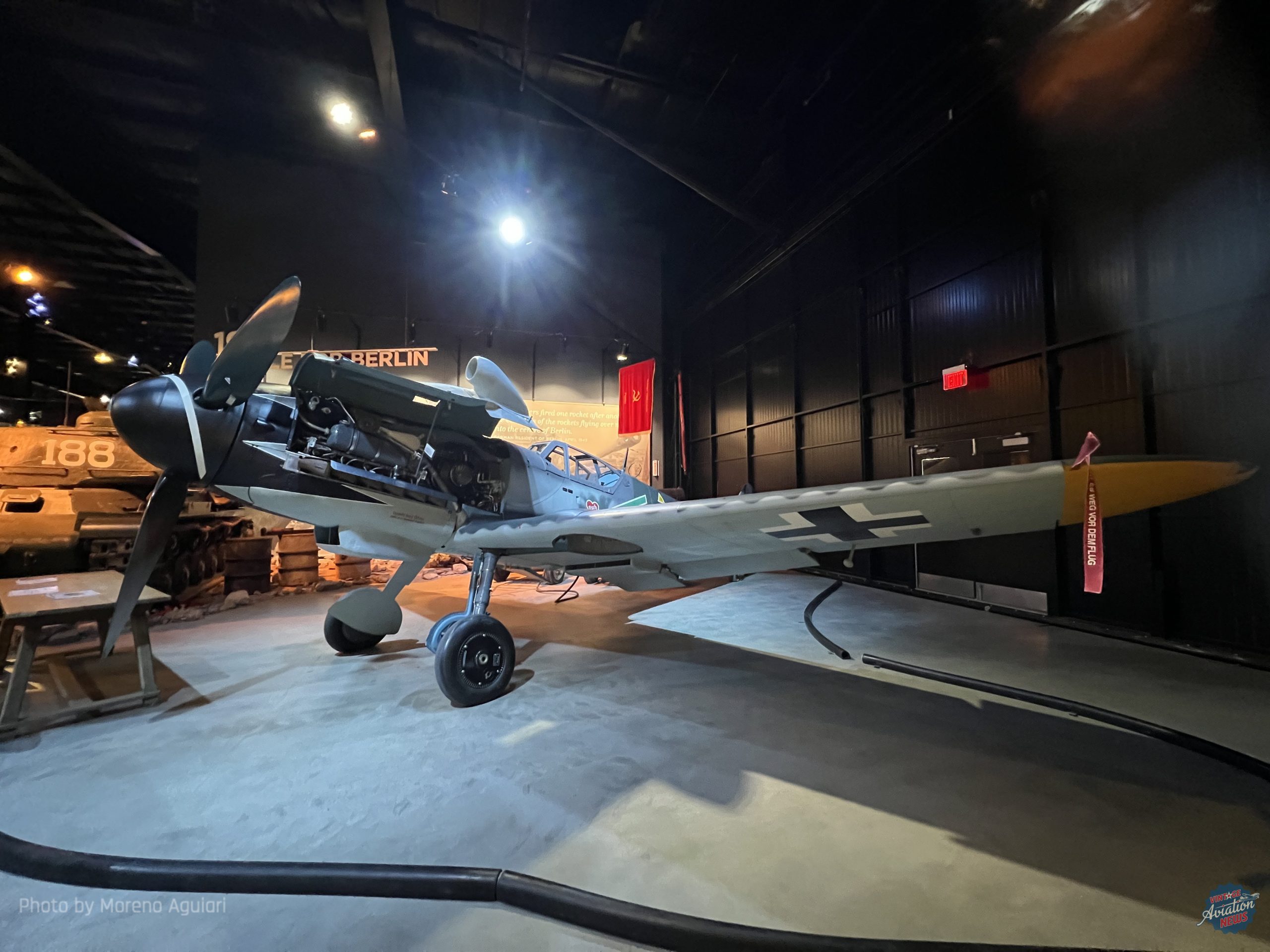
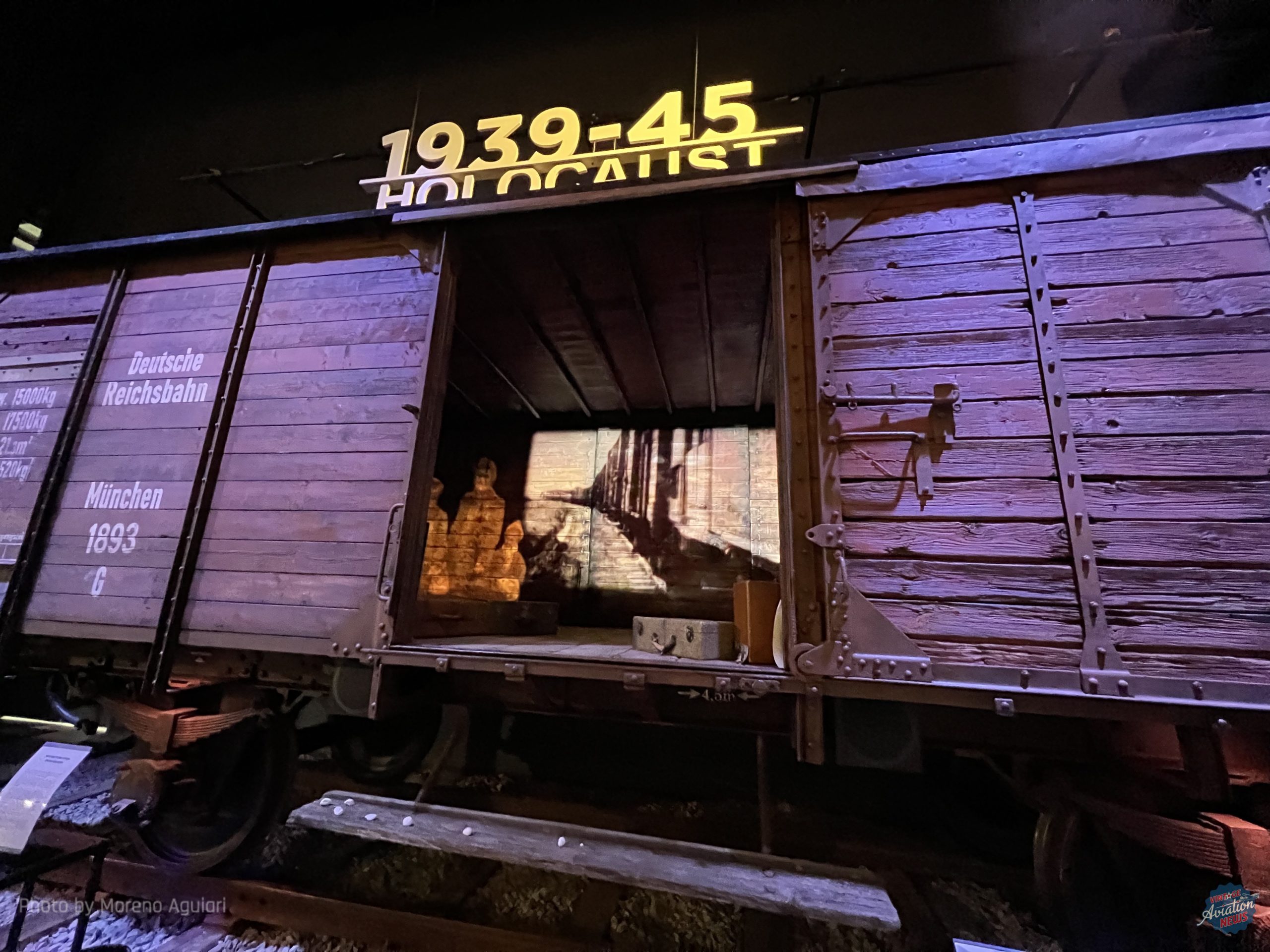
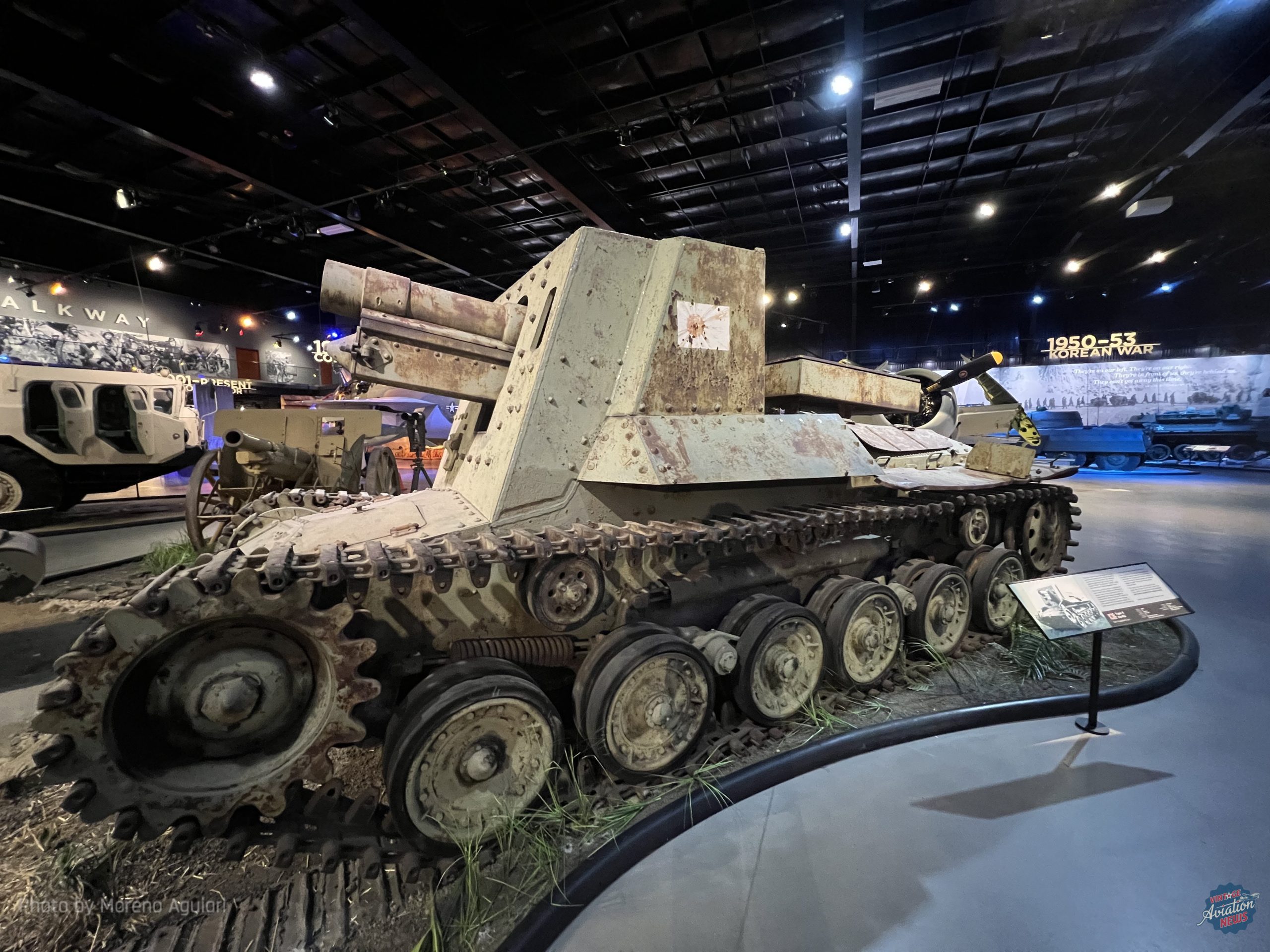
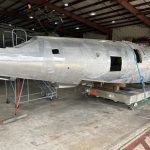
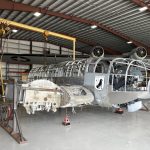
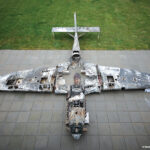
In addition to these exhibits, the museum is actively engaged in the restoration of several rare warbirds and veichles—projects we at Vintage Aviation News have closely followed and reported on (click HERE). These efforts highlight the museum’s continued commitment not only to preserving history but also to returning significant aircraft to their former glory.
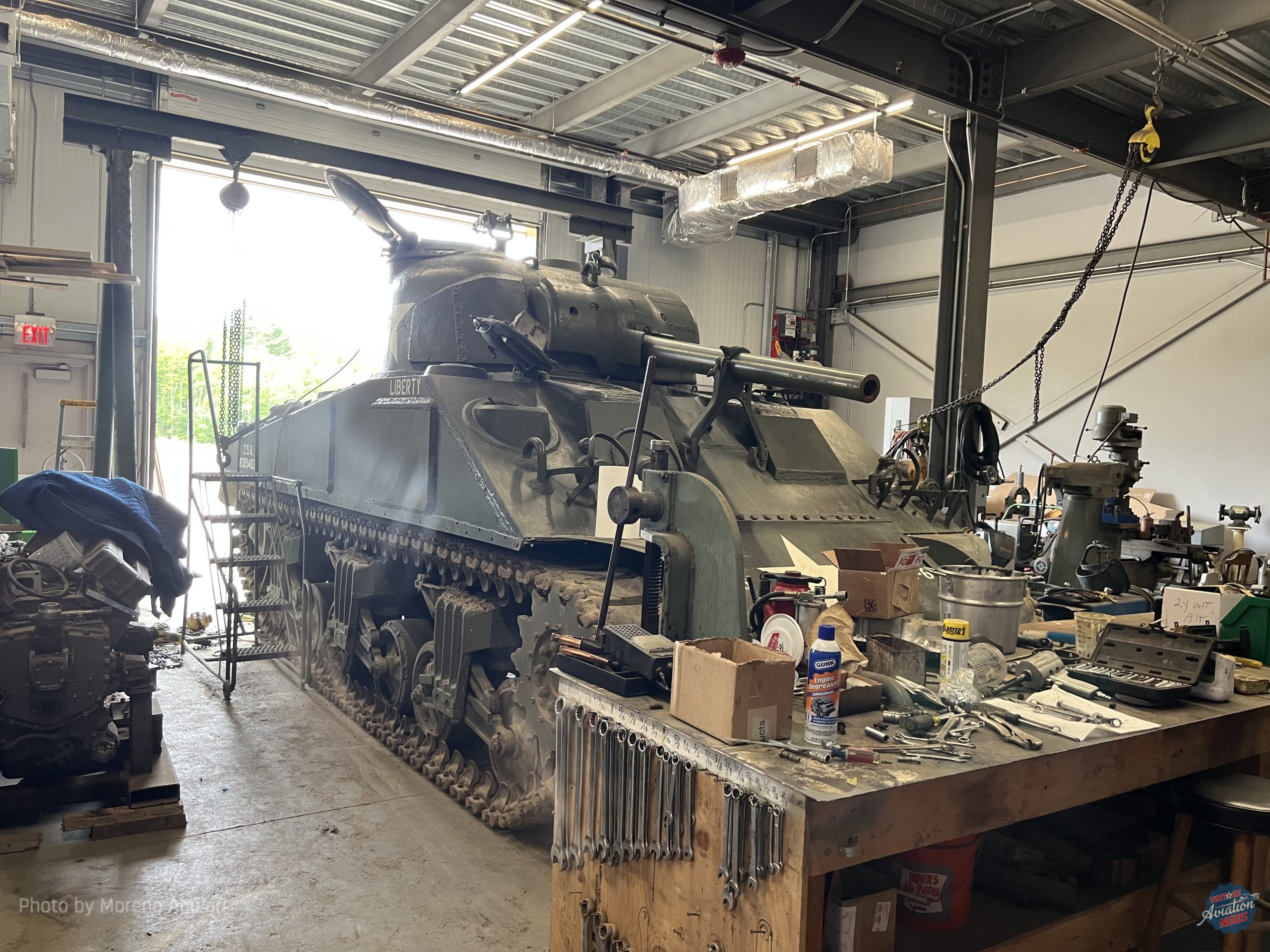
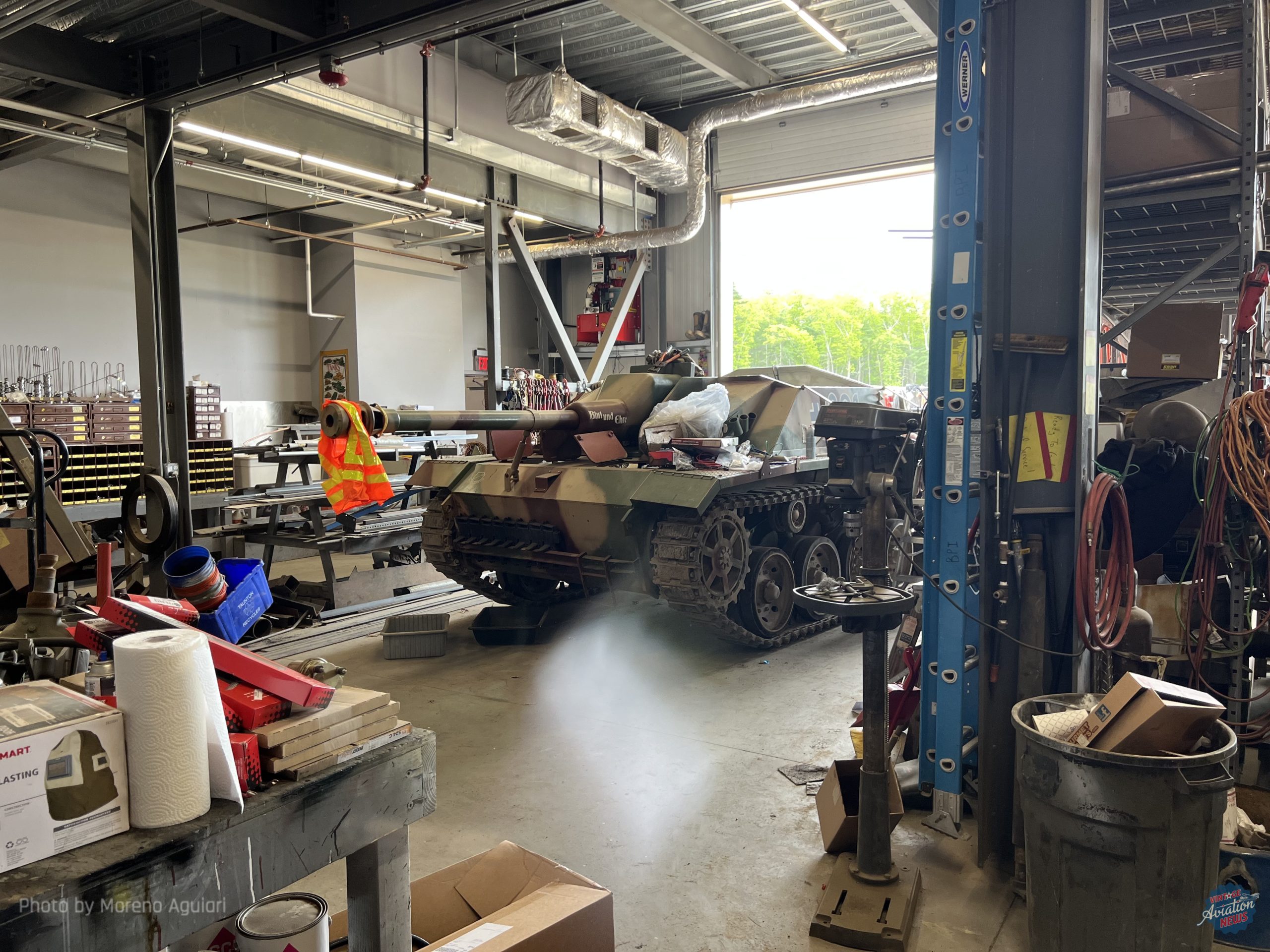
The museum’s mission extends beyond static exhibits. Through living history events, lectures, educational outreach, and community engagement, the American Heritage Museum seeks not only to preserve the past but also to inspire future generations. “Our goal is to honor and sustain America’s heritage,” says Collings. “By telling the stories of those who served and showcasing the technology and innovation that shaped history, we hope to educate and inspire.”
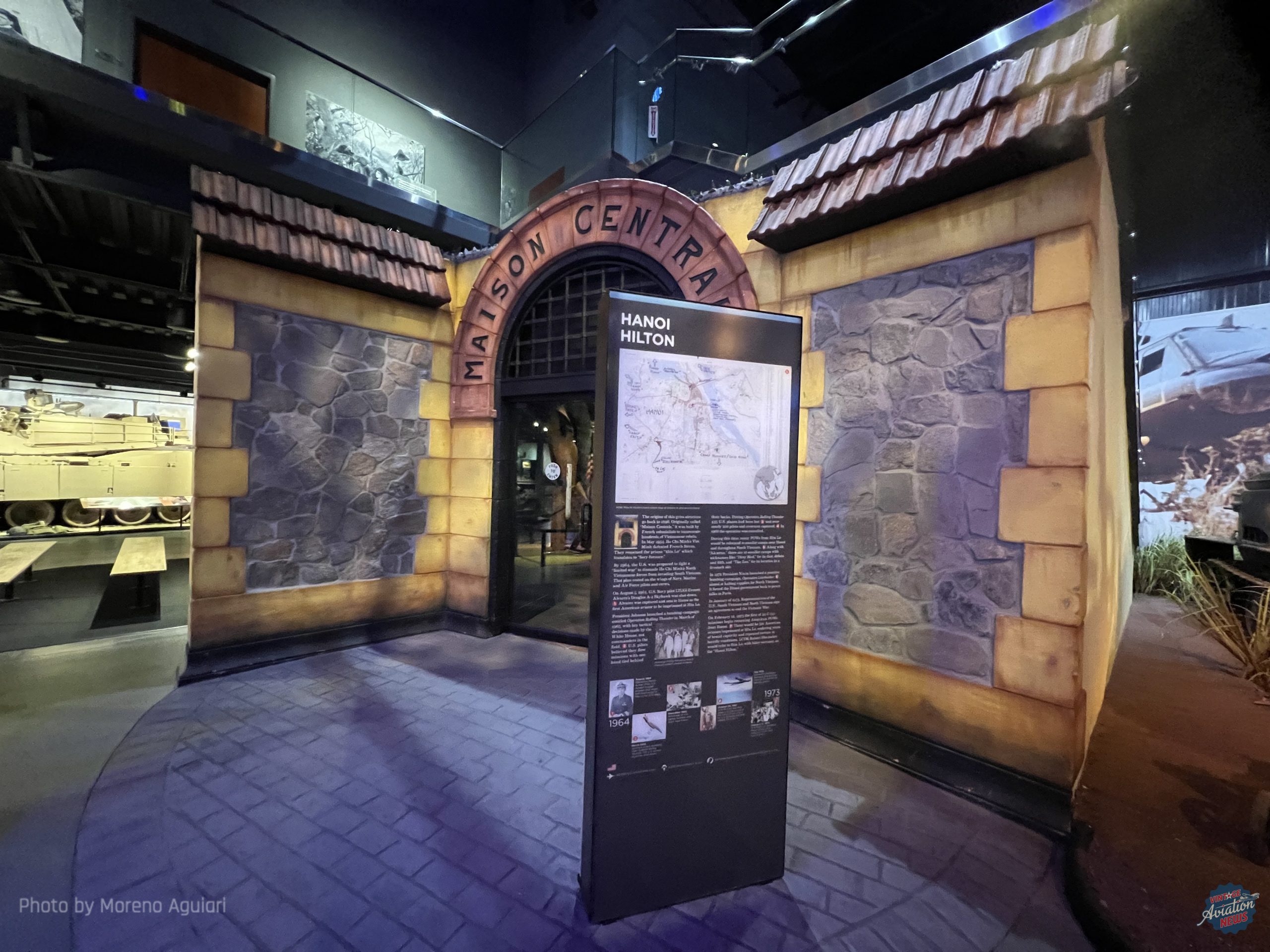
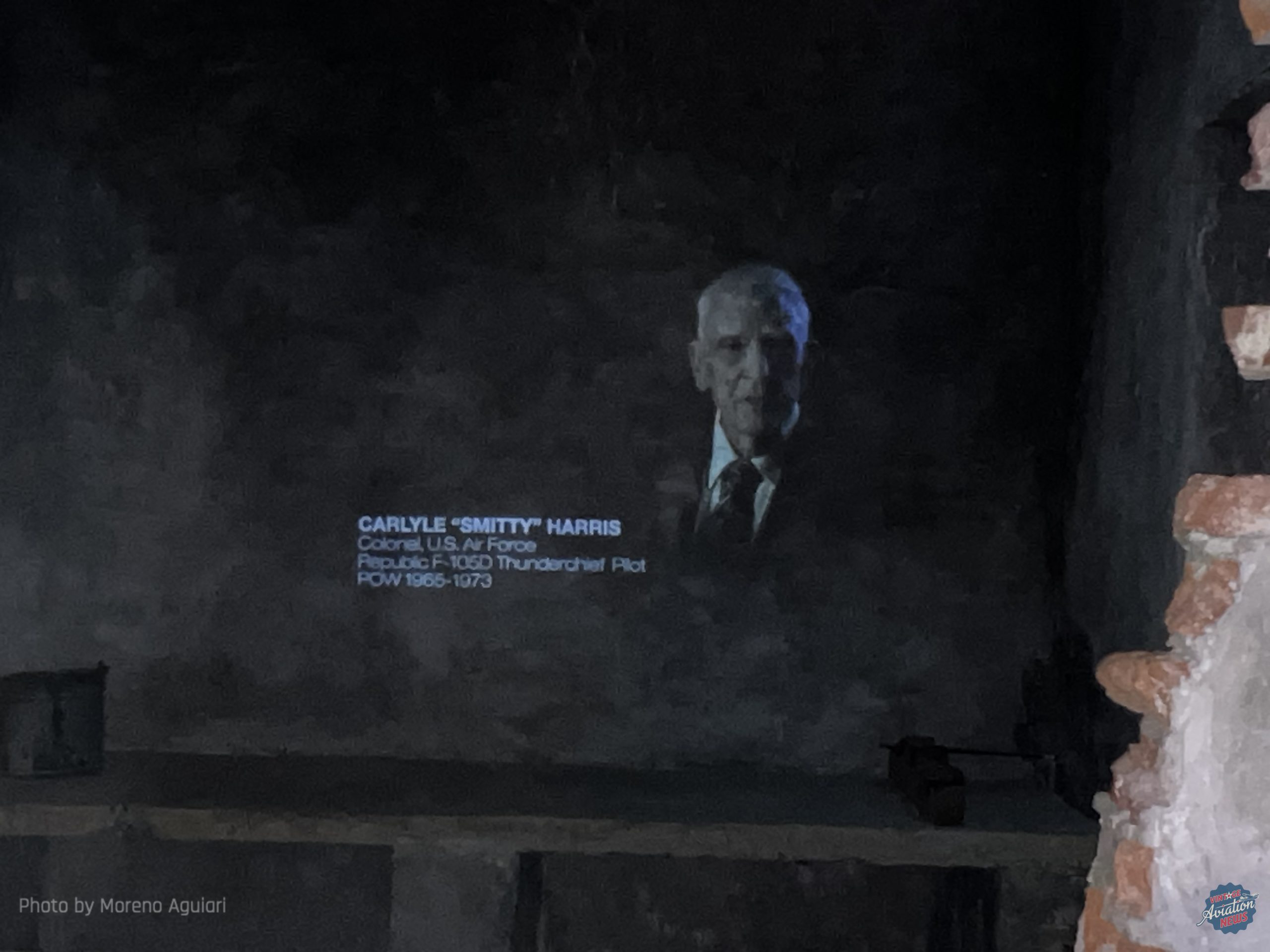
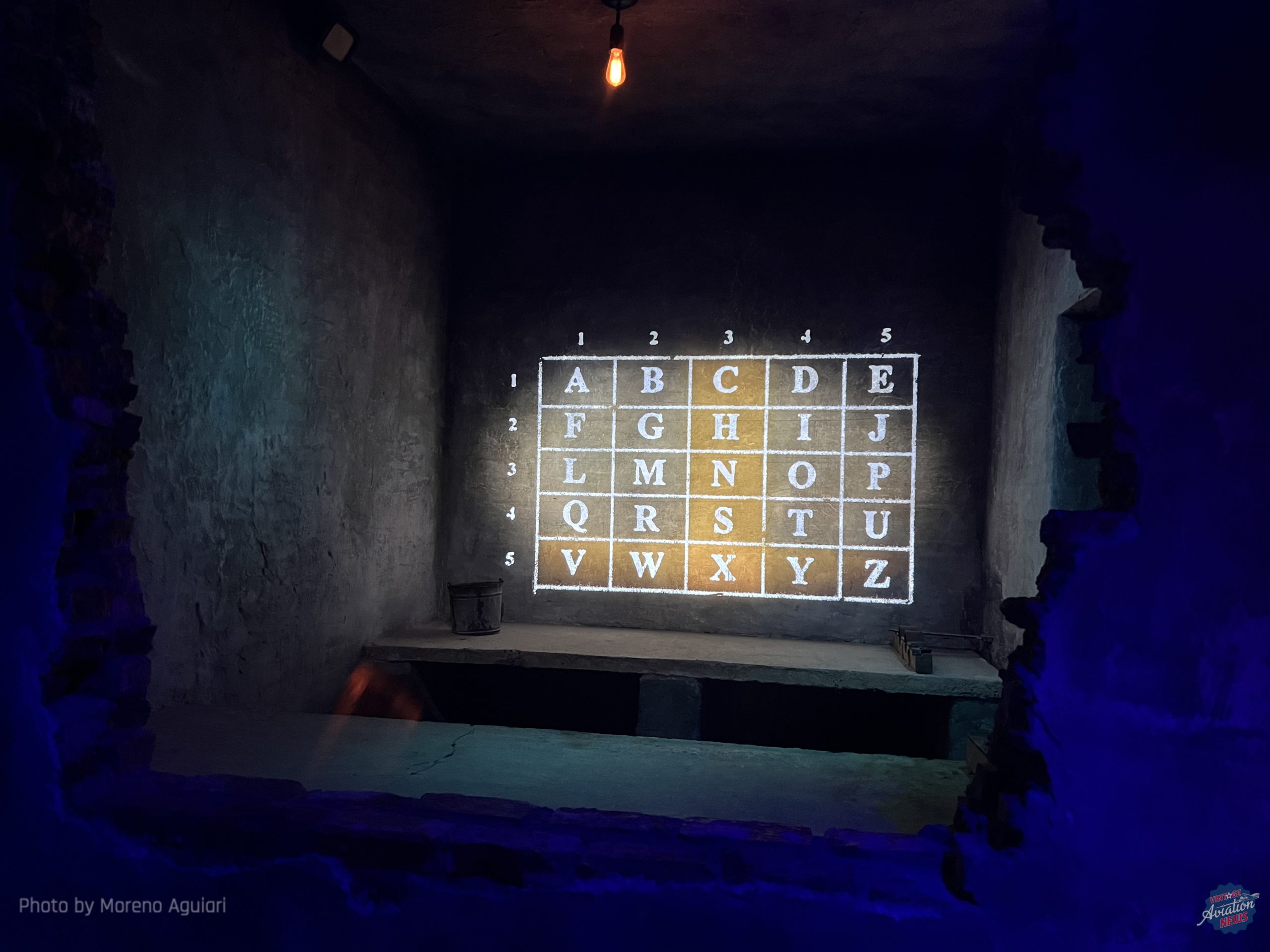
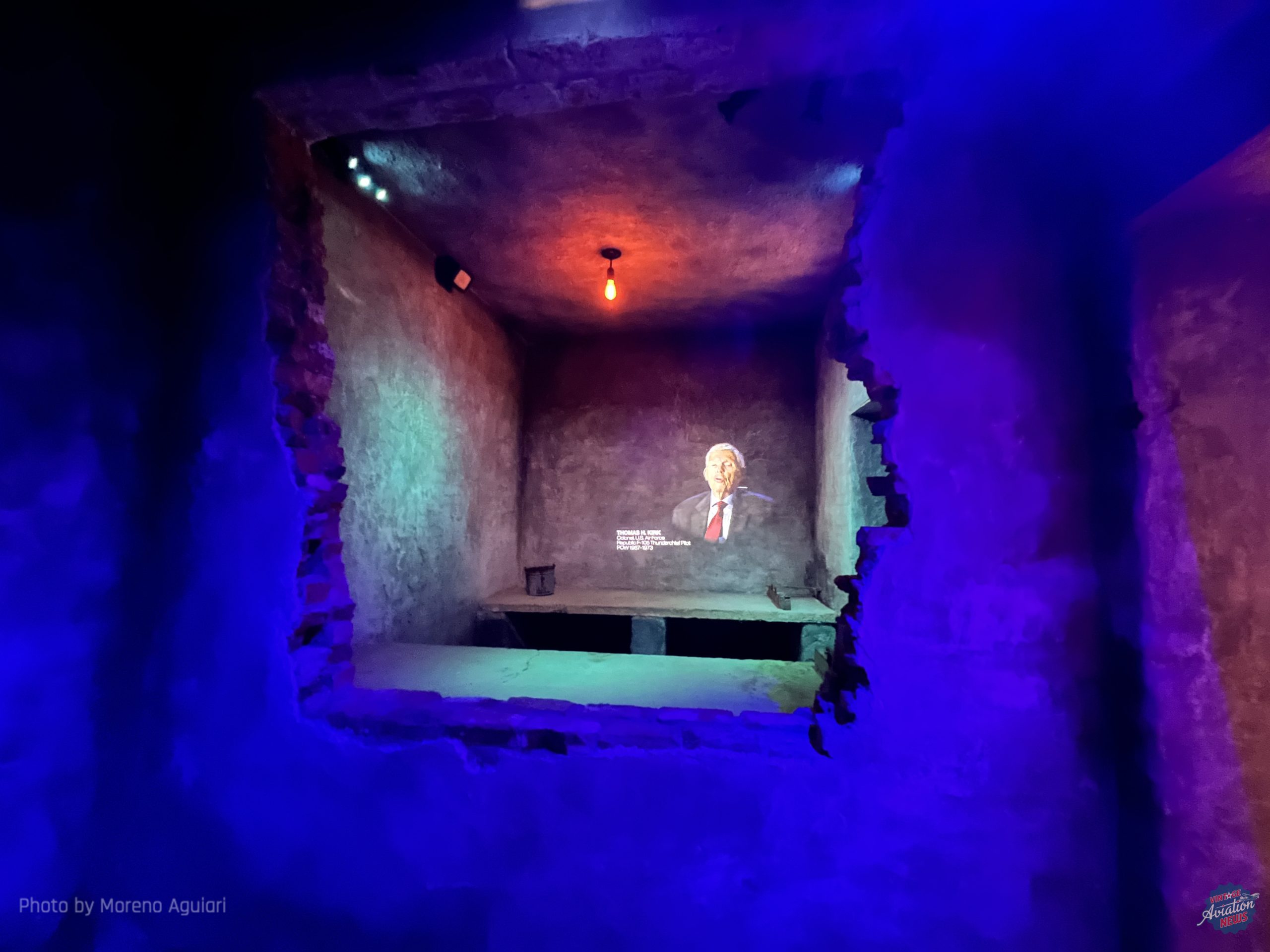
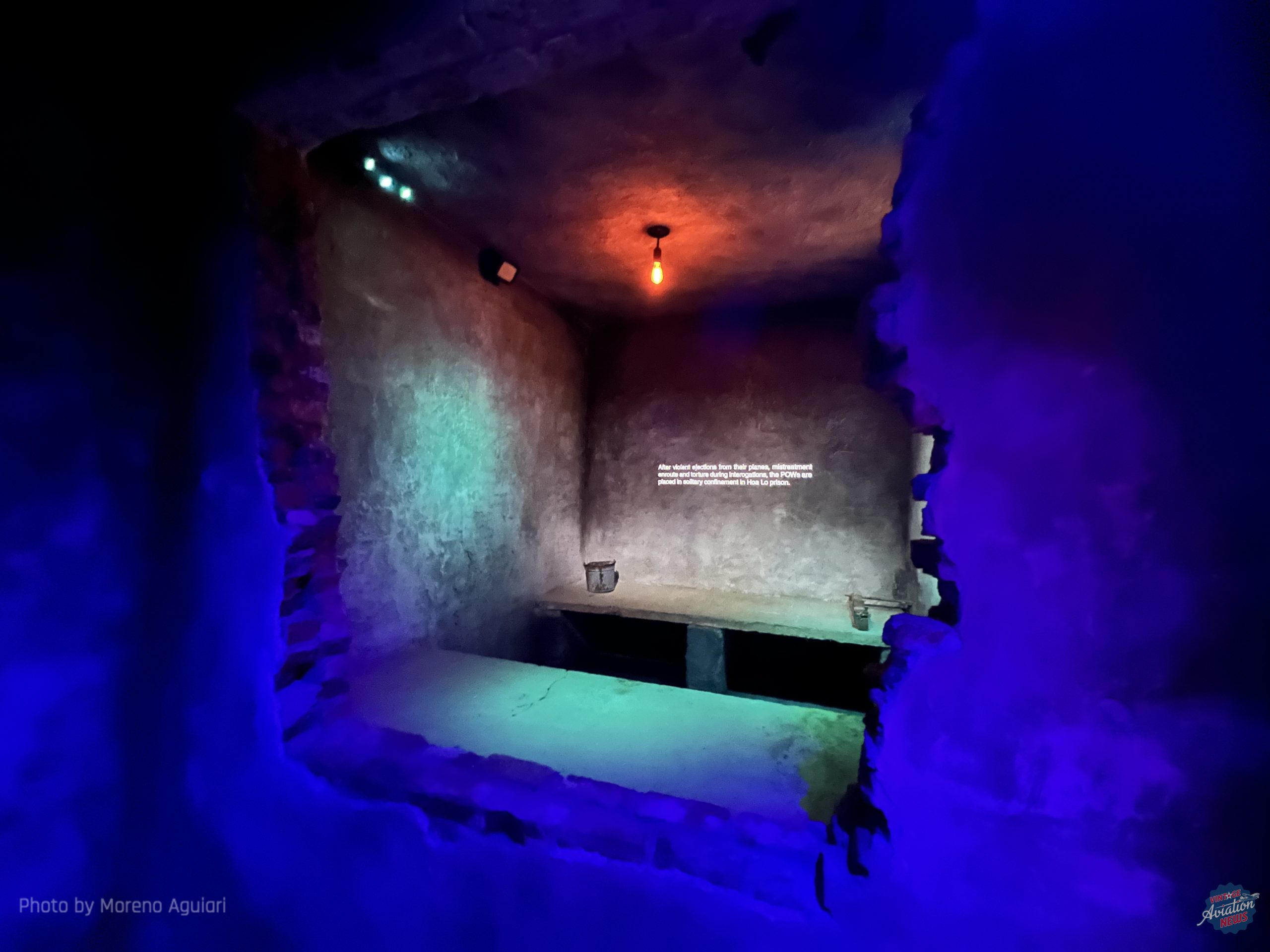
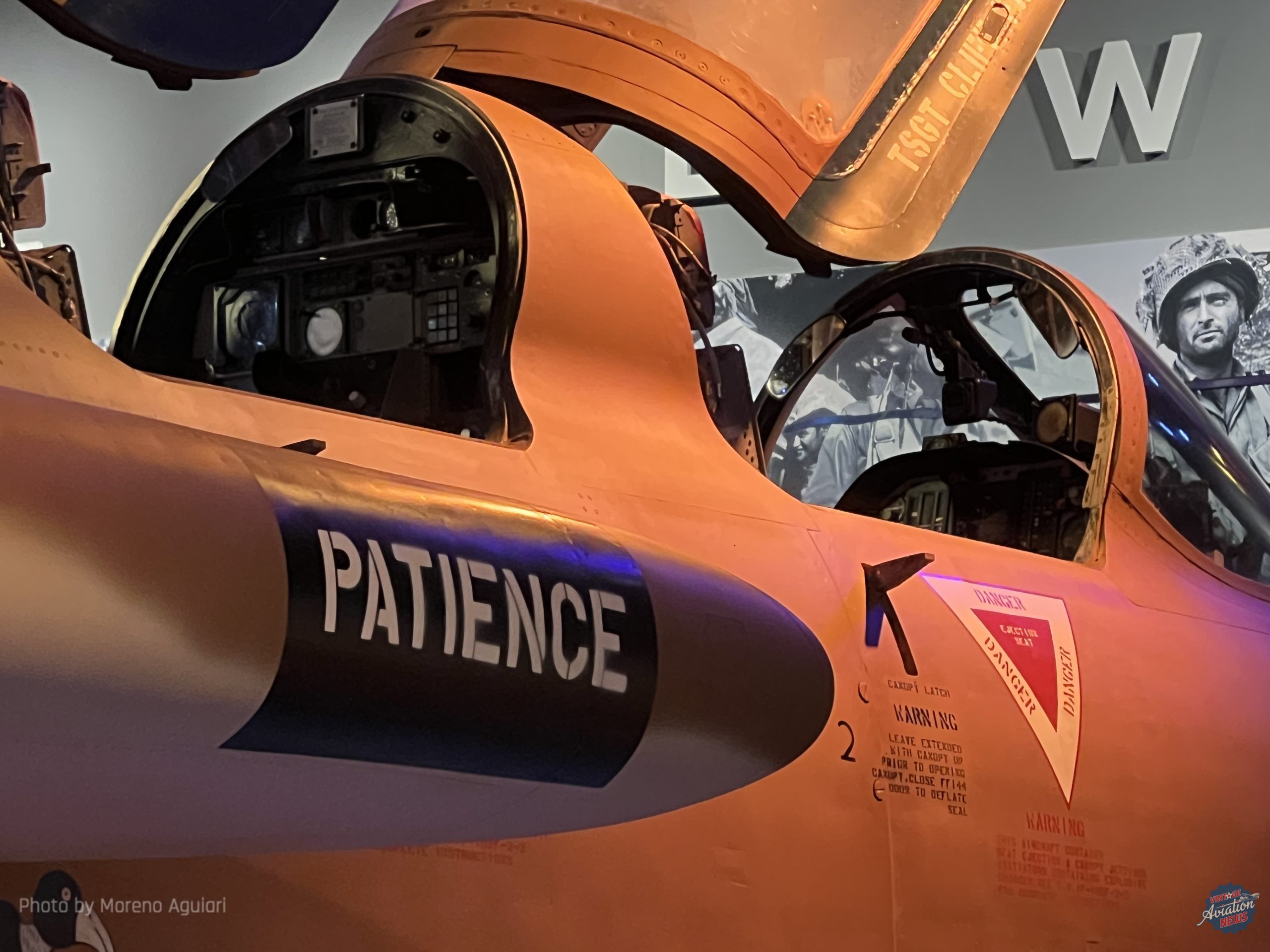
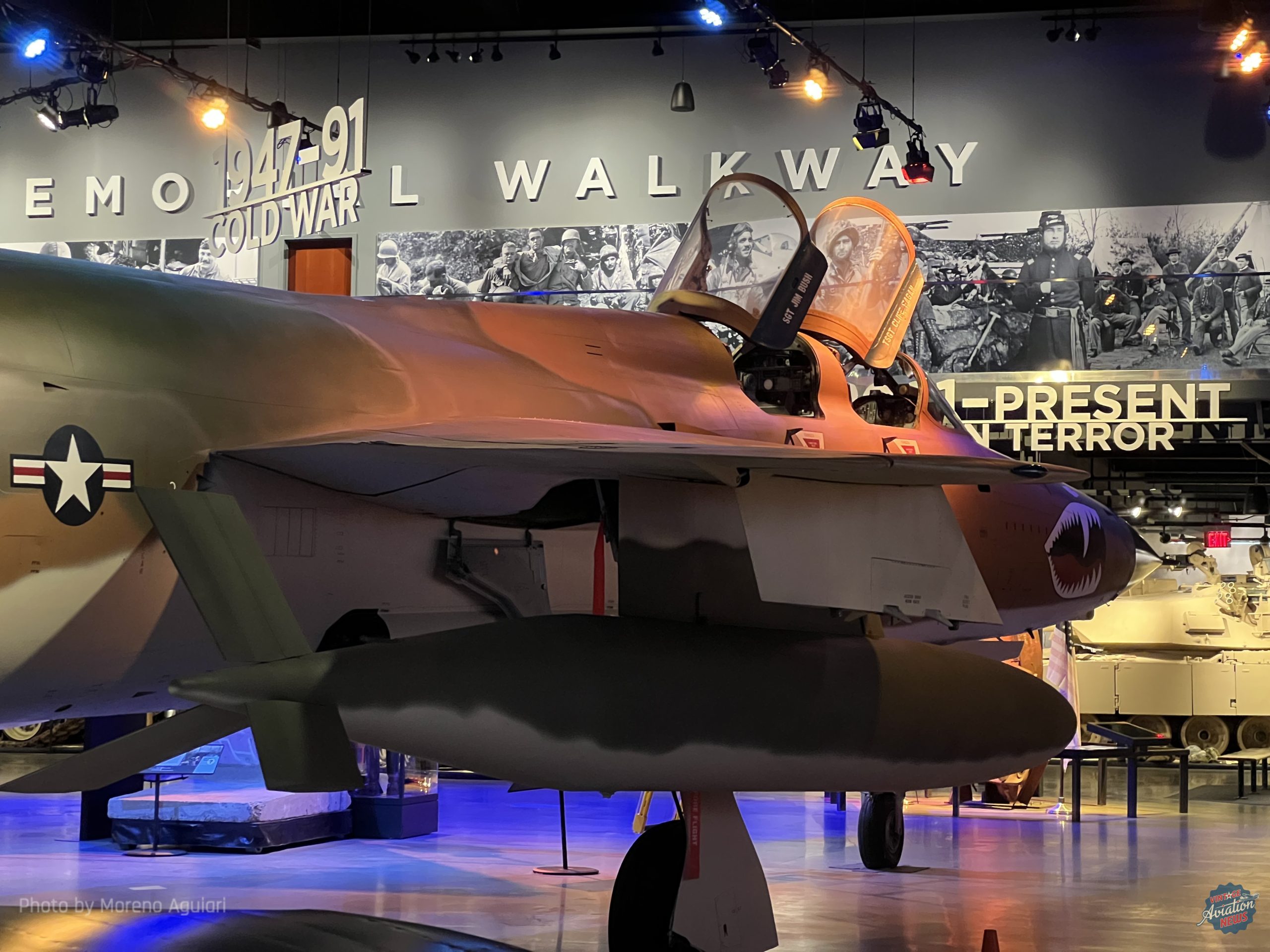
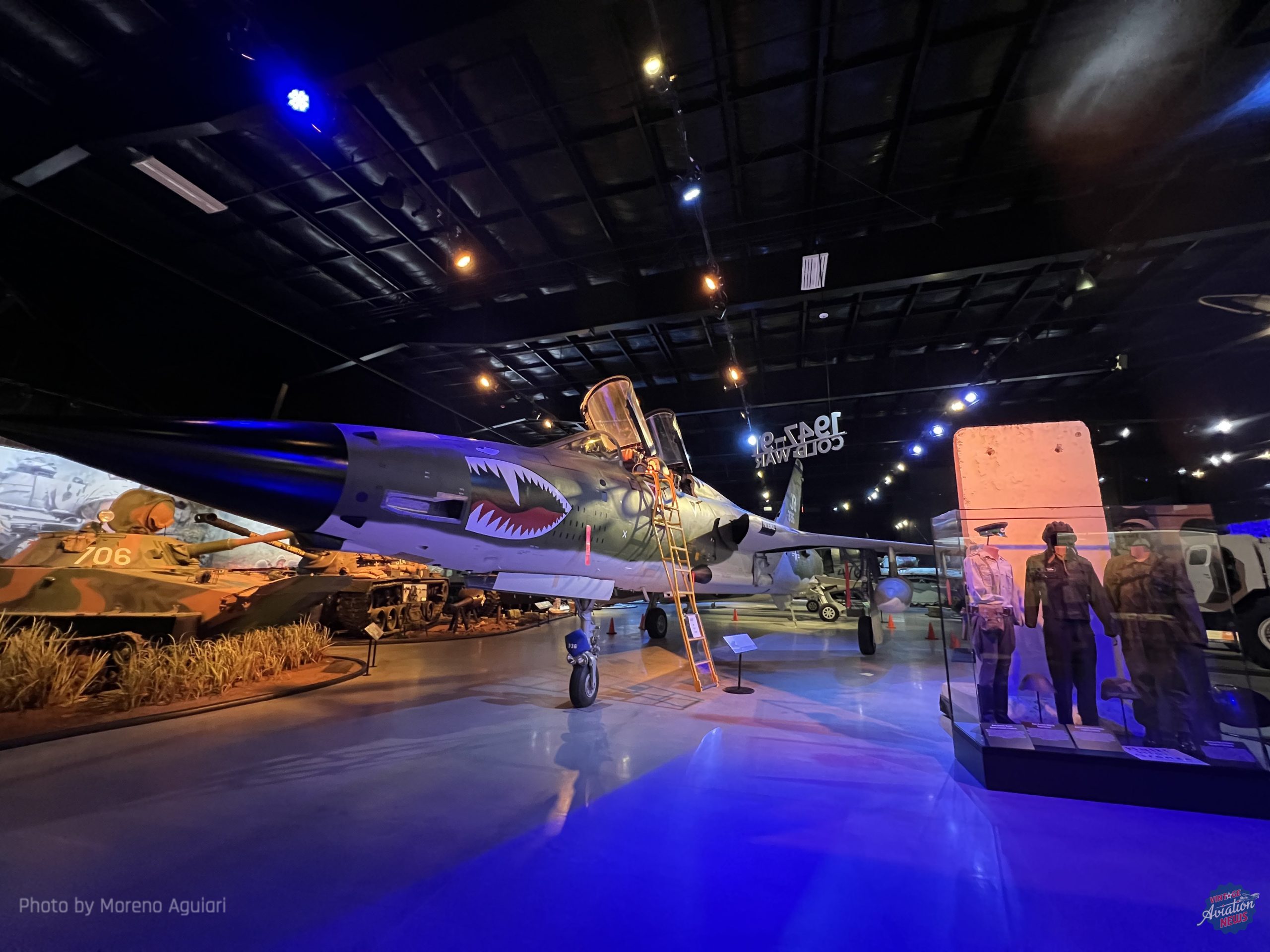
For visitors, the American Heritage Museum is far more than a collection of artifacts. It is a place where history is brought to life—a reminder of the sacrifices made, the challenges overcome, and the enduring importance of preserving freedom. For more information about the American Heritage Museum, visit www.americanheritagemuseum.org
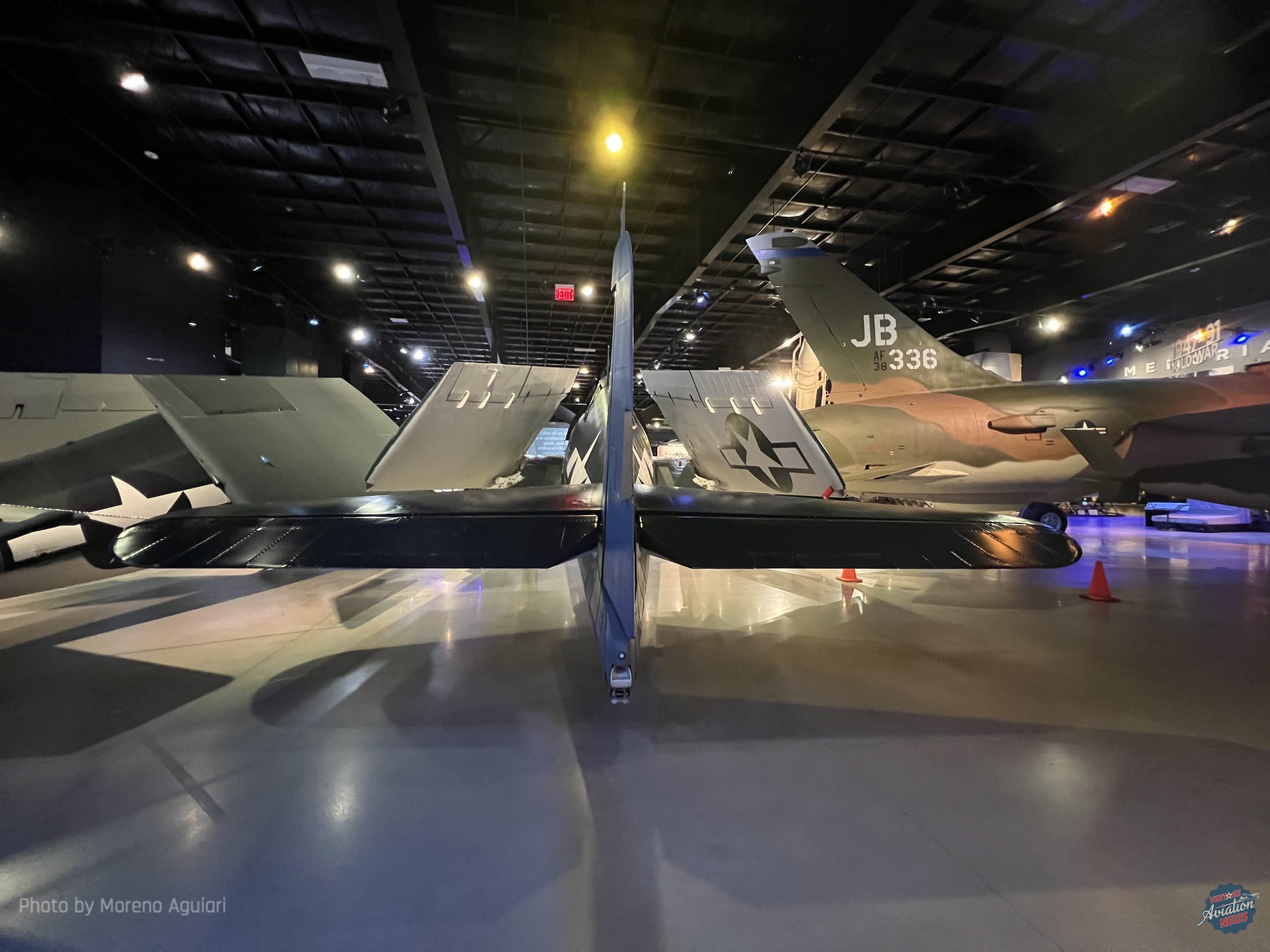
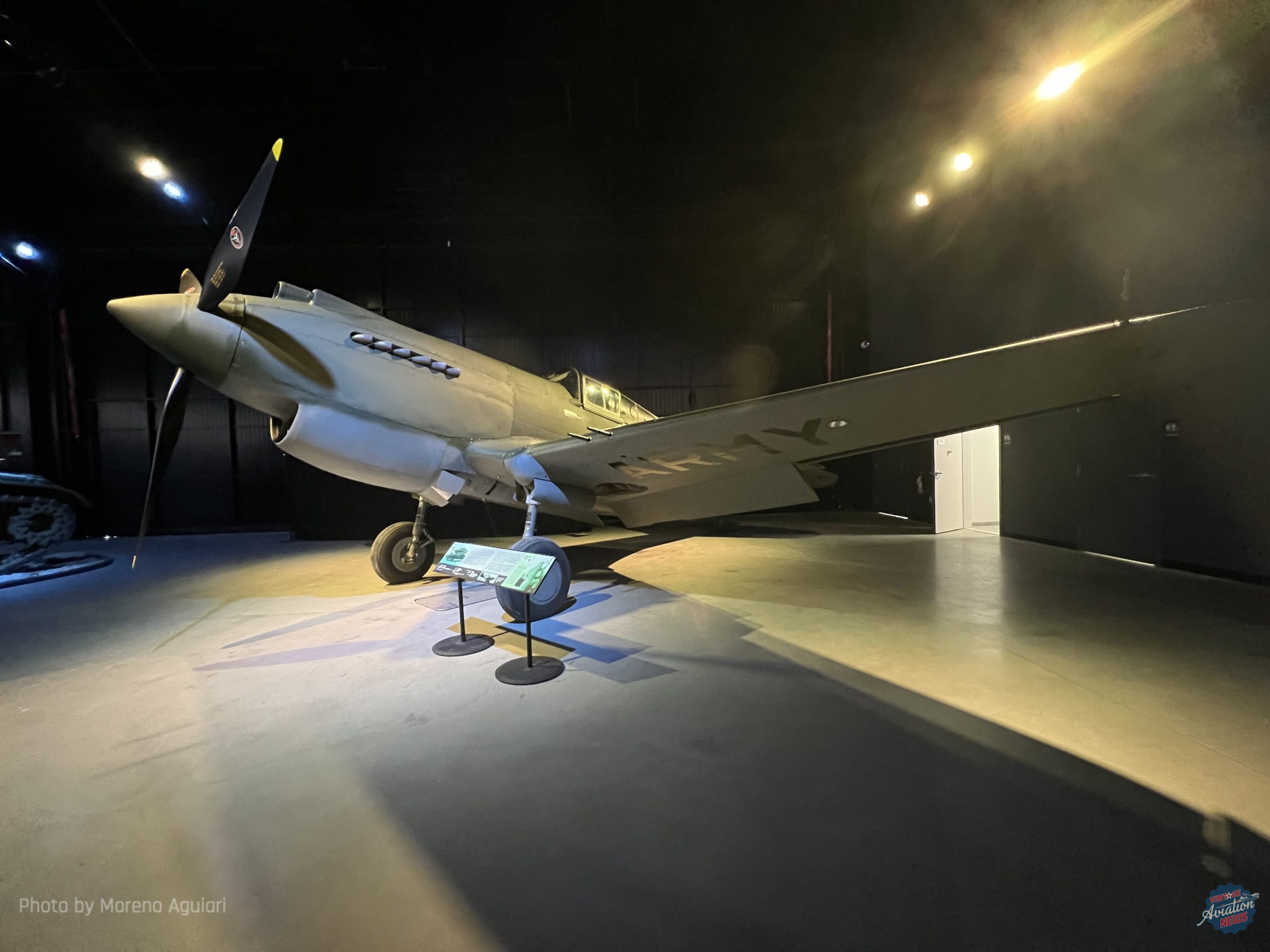
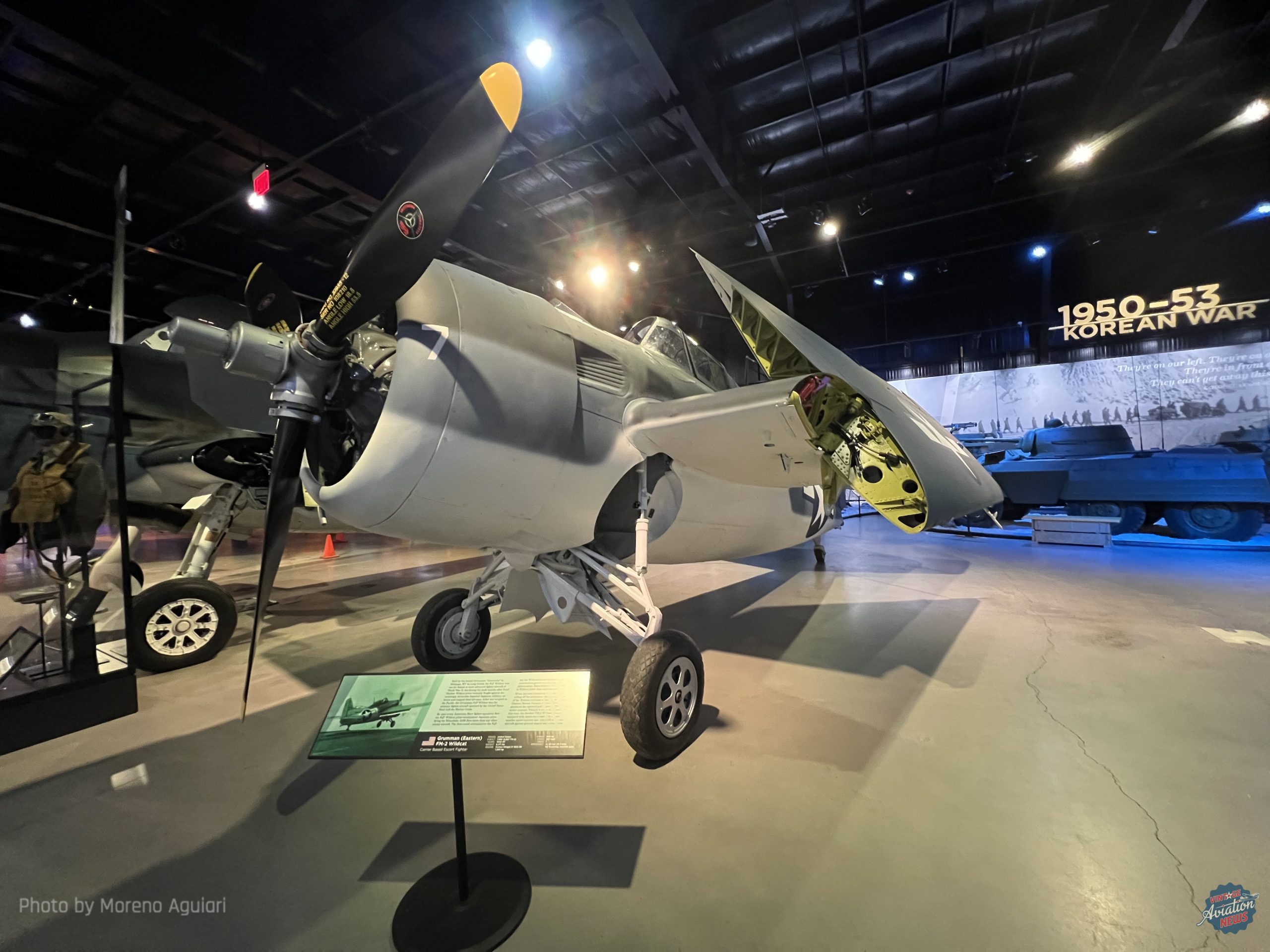
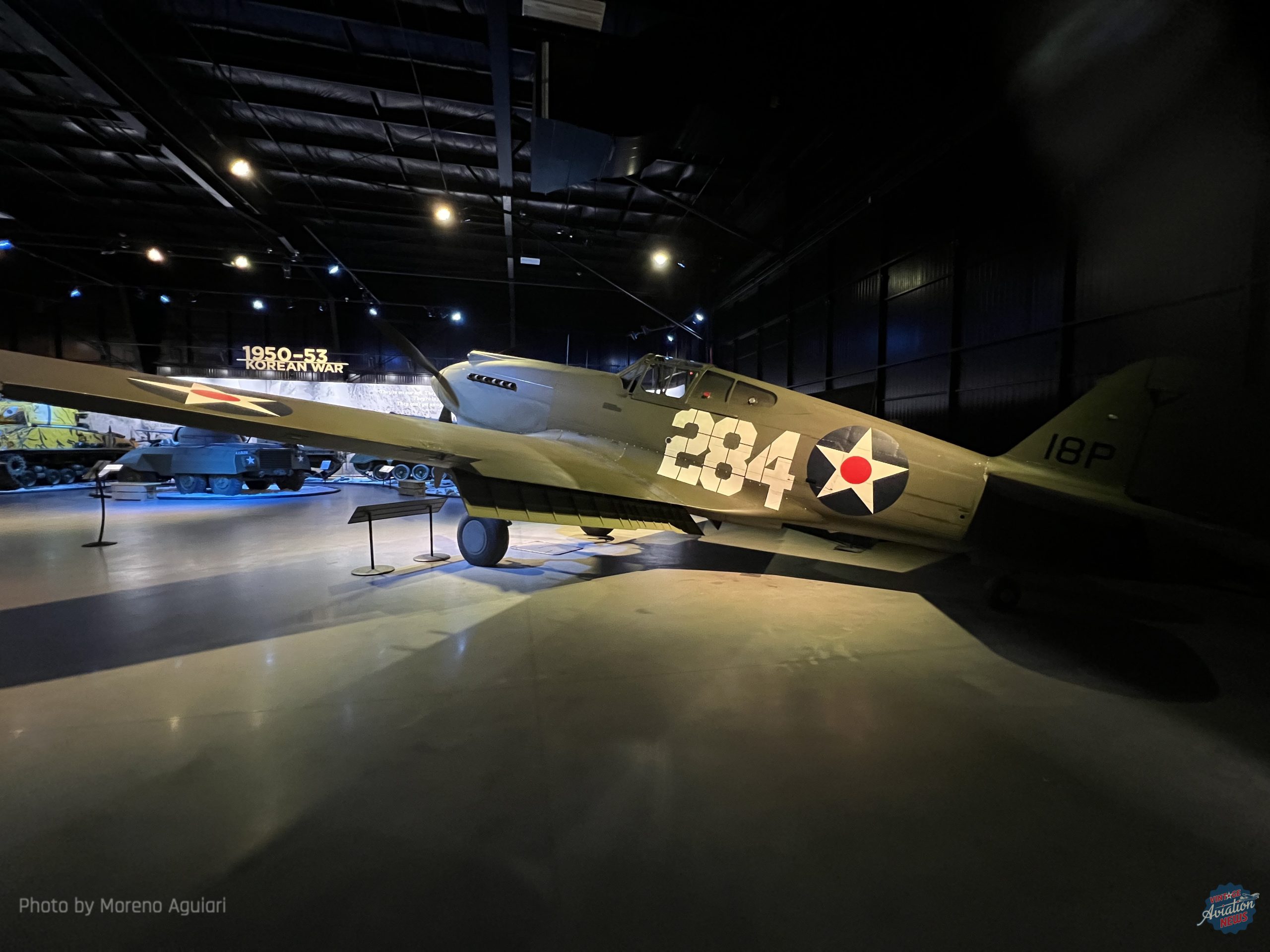
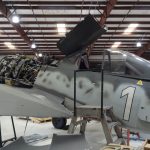



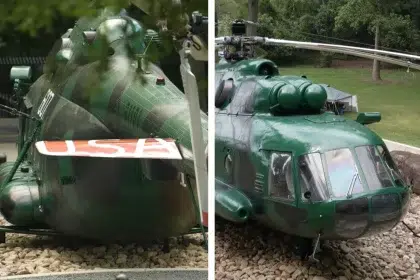


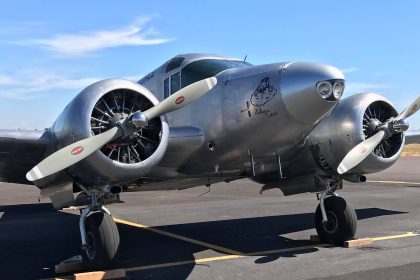
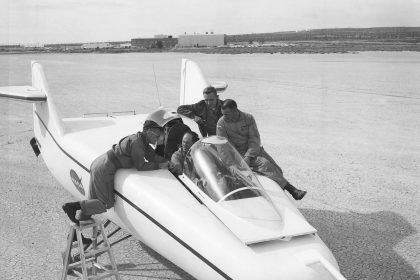





Despite some of the views of some ‘Modernists’, Museums and the teaching of a Country’s History – and the Sacrifices Made – are a Vital Contributor to World Safety.
For, unless you know where you’ve been, you don’t know where you are heading.
And, Unless You Know Your History, You Are In Danger Of Repeating Some Of Its Mistakes.
It’s a mistake too many of the UK’s ”Intelligencia” make – they prove the Speed of Light, Over Sound … they ‘Appear Bright, Until They Open Their Mouths’ – in decrying ‘, and being (undeservedly) ashamed of their Country’s Own Past.
* ”Intelligencia” … ‘Much Sound And Fury, Signifying Nothing”.
Well said
Those are some of the most impressive vehicles and aircraft, including my favorite squadron, VMF 214 known as the Black Sheep, and it would a good trip to this collection of vehicles and aircraft.
Great article. As I read I kept thinking, is this the museum in Hudson,MA? Clicking on the url at the end confirmed my thoughts. I travel from NH to Hudson MA each month and have always wanted to see this display. The photos in your article were wonderful.