






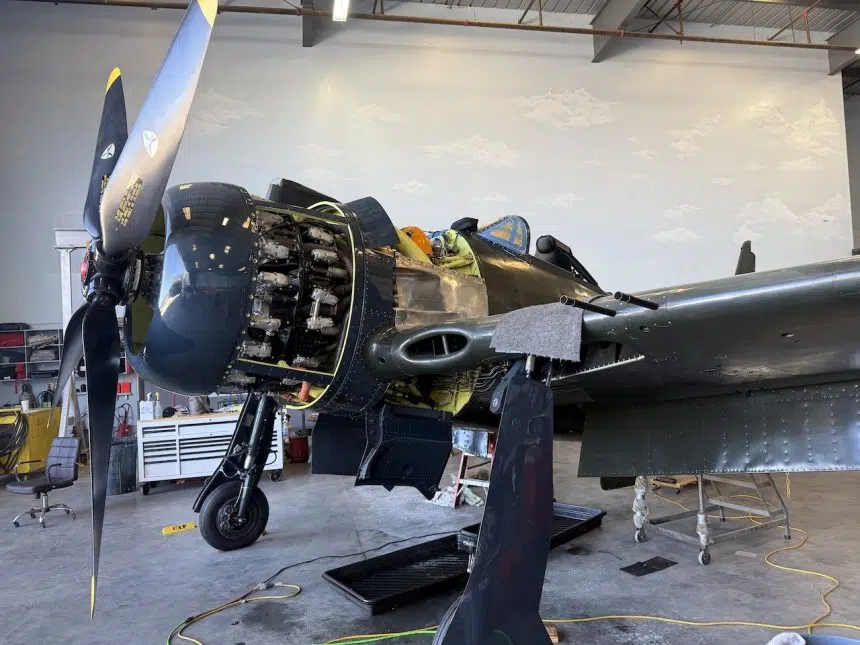

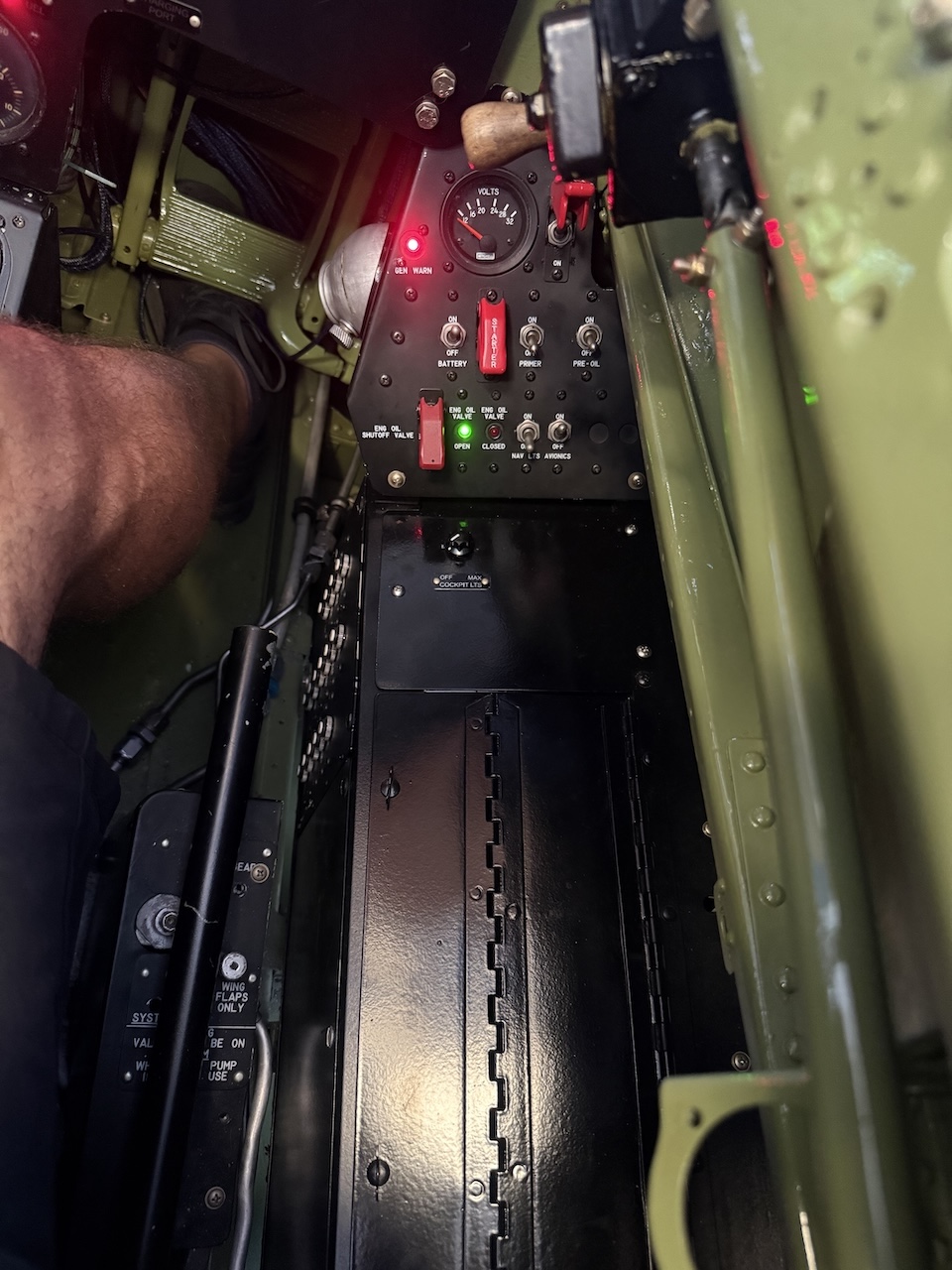
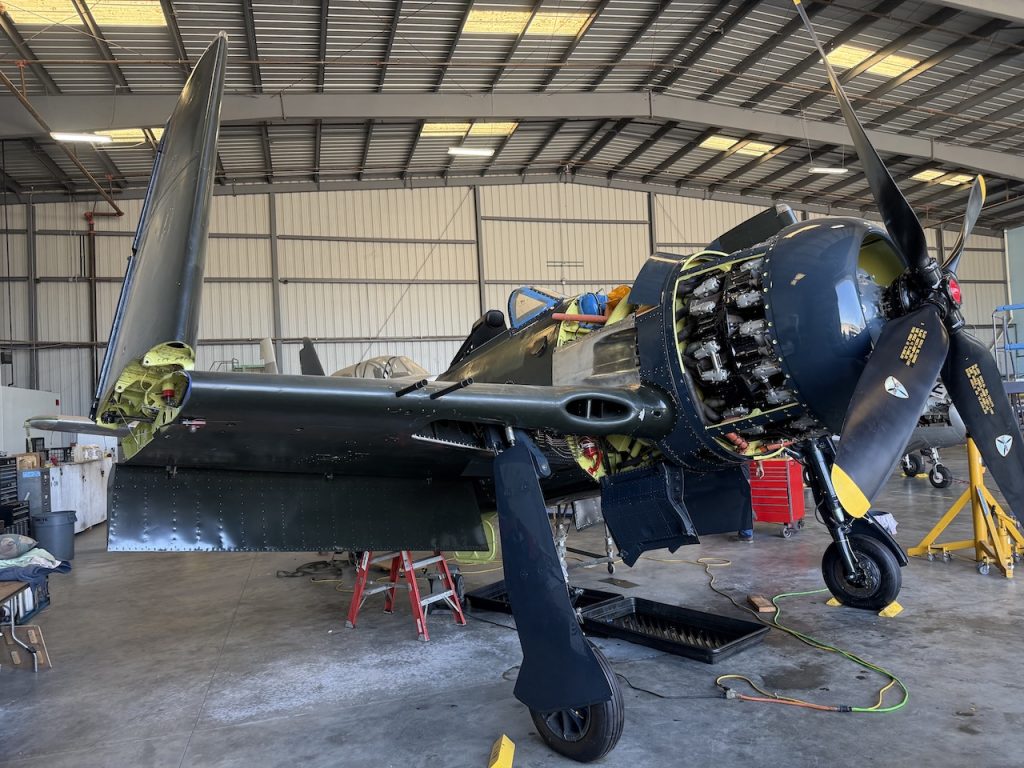
The Commemorative Air Force Southern California Wing’s Grumman F8F-2 Bearcat is approaching a major milestone, with crew chief John McMahon and his volunteer team preparing to run the aircraft’s Pratt & Whitney R-2800 engine. Following extensive work on the airframe, cockpit, and mechanical systems, the Camarillo-based fighter could undergo its first engine run very soon. Speaking with Vintage Aviation News on October 2, McMahon said only minor installation work remained before the team could proceed. The engine has been pre-oiled, fuel flow and pressure checks have been completed, and the throttle, mixture, and propeller controls are connected. Electrical checks of the engine-related systems have also been completed successfully.
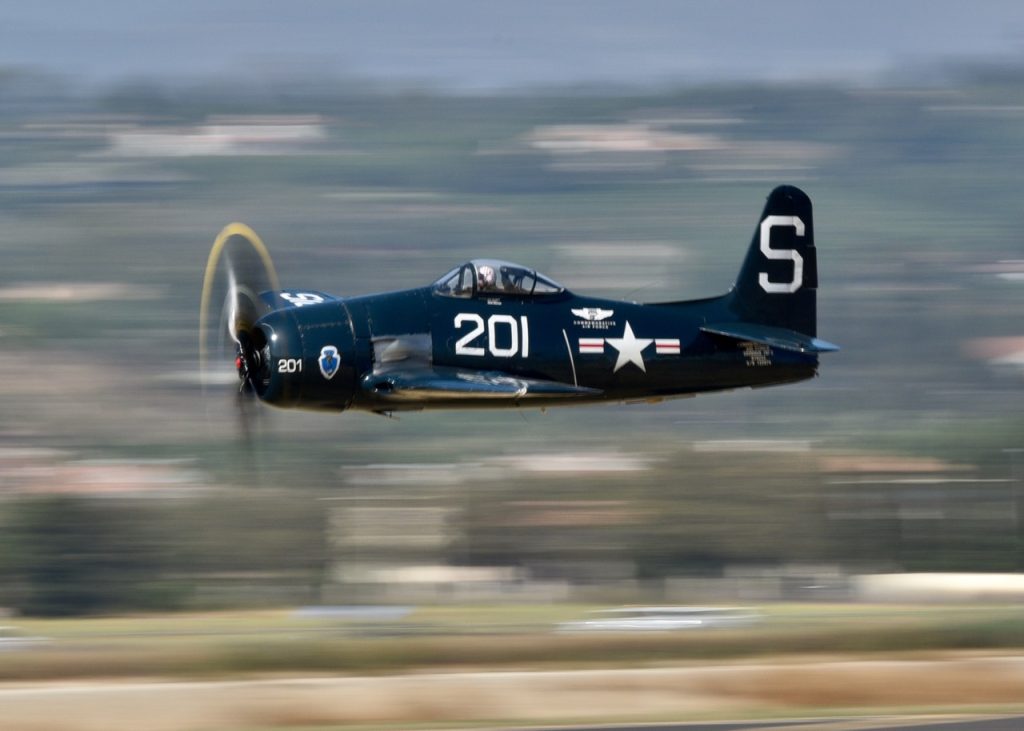
McMahon intends to conduct the initial run with a small team present, allowing time to identify and address any problems before inviting a larger audience. If that first run goes well, the wing hopes to arrange a subsequent demonstration for donors, members, and other supporters, potentially the following Saturday. That gathering will depend on the results of the initial testing. The upcoming engine run represents a substantial advance from our January 30, 2026 report. At that time, Bearcat BuNo. 122674 was already well into a comprehensive restoration following its grounding in 2020, when inspections revealed fatigue and age-related deterioration. Disassembly had exposed worn control linkages, aging plumbing, and other components requiring repair or replacement.
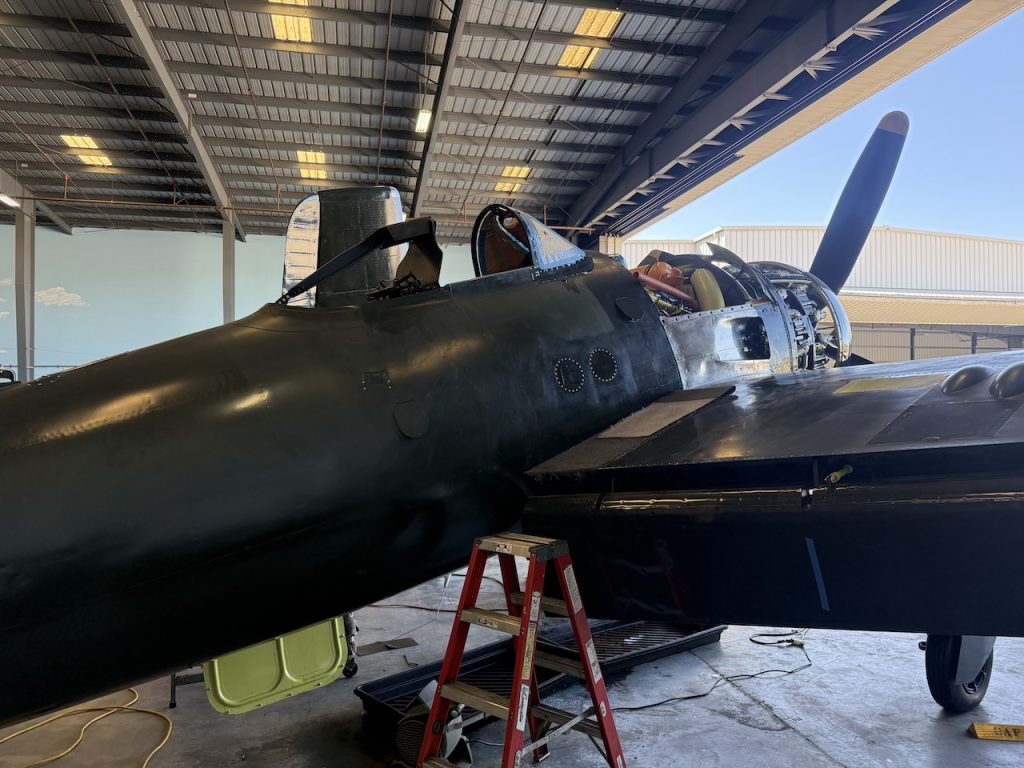
(Image credit: John McMahon)
By January, the vertical and horizontal stabilizers had been permanently installed, along with the control cables. The ailerons and their linkages were in place but awaited final rigging, while the elevators still needed fabric covering. Landing gear swings had been completed successfully, although further adjustments remained. The R-2800 was mounted, with fabrication of new oil, fuel, and sensing hoses approximately halfway complete. Repairs to the cowl ring and nose bowl were finished. Meanwhile, cockpit work included extensive rewiring, refurbished switch panels and circuit breakers, and an avionics package incorporating dual AV-30 instruments, a Garmin VHF radio, WAAS-capable GPS navigation, ADS-B traffic information, and LED lighting. A final repair to the windscreen frame remained before the canopy and windscreen could be installed.
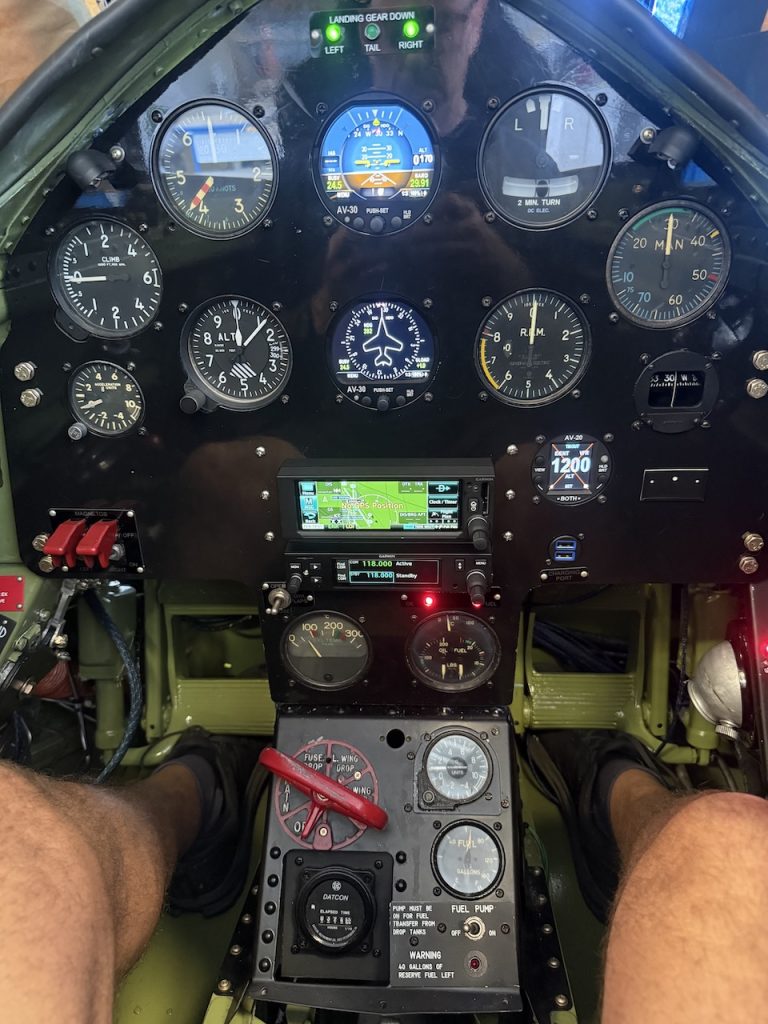
(Image credit: John McMahon)
Since then, the team has brought the aircraft’s systems much closer to completion. McMahon now describes the cockpit as essentially complete, although the control stick has yet to be installed. Power-on checks identified a few flight-related issues that will require attention before the aircraft flies, but the systems needed for the engine run are ready. The engine itself underwent an Inspect and Repair As Necessary process, commonly known as an IRAN, approximately five years ago, following the aircraft’s teardown. It then waited while the team completed the surrounding restoration work. The carburetor and other accessories also received specialist attention, with outside vendors helping the volunteers overhaul components and source difficult-to-find parts.
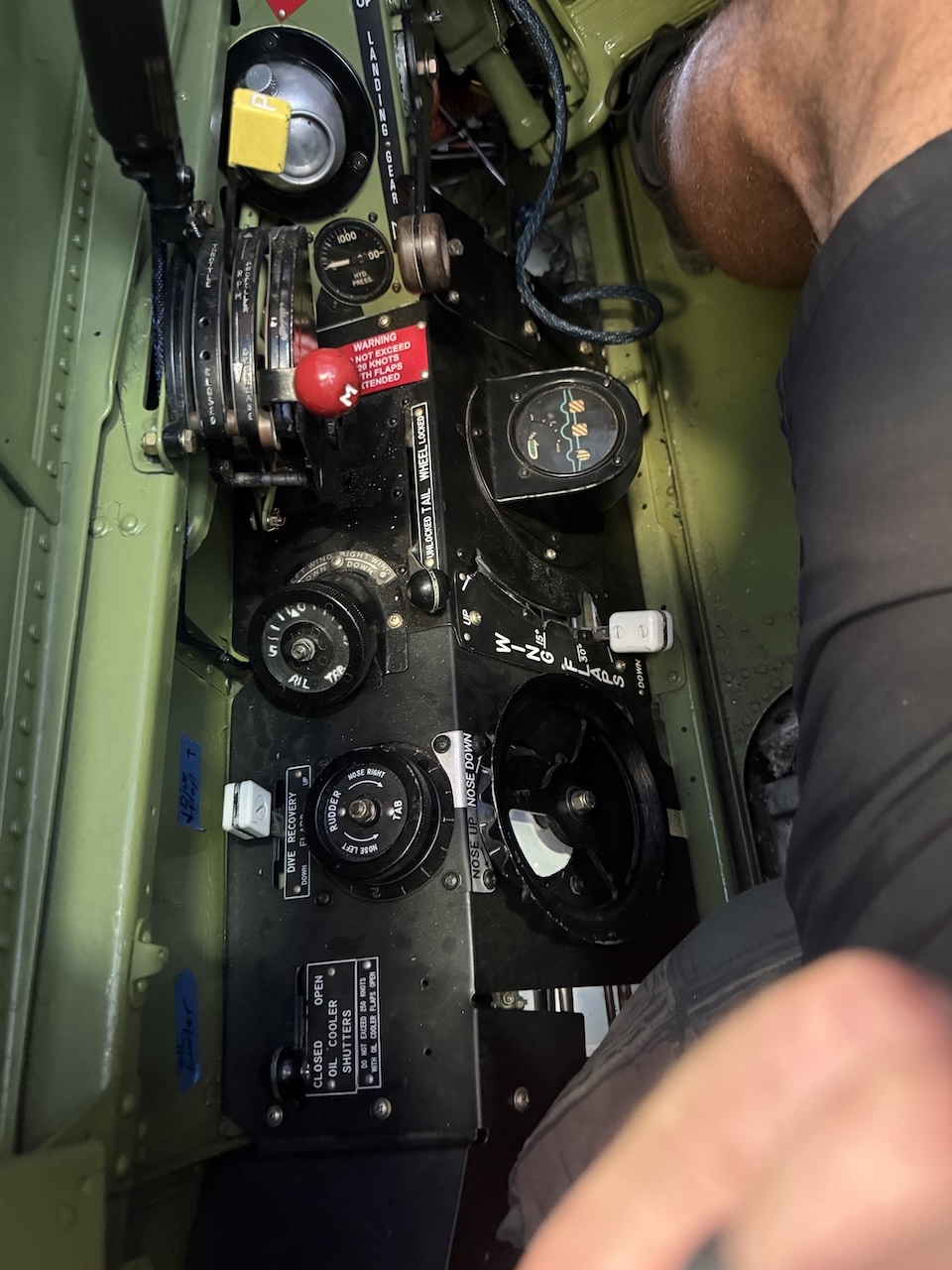
Every hose and rigid fluid line has been replaced, along with the flight-control cables. Work on the fabric-covered control surfaces has also progressed considerably. The team removed the old covering, inspected and repaired the underlying structures, and applied new fabric. The rudder and both elevators have received their silver protective coats and await their final blue finish. McMahon expects that work to be completed within the next month or two.
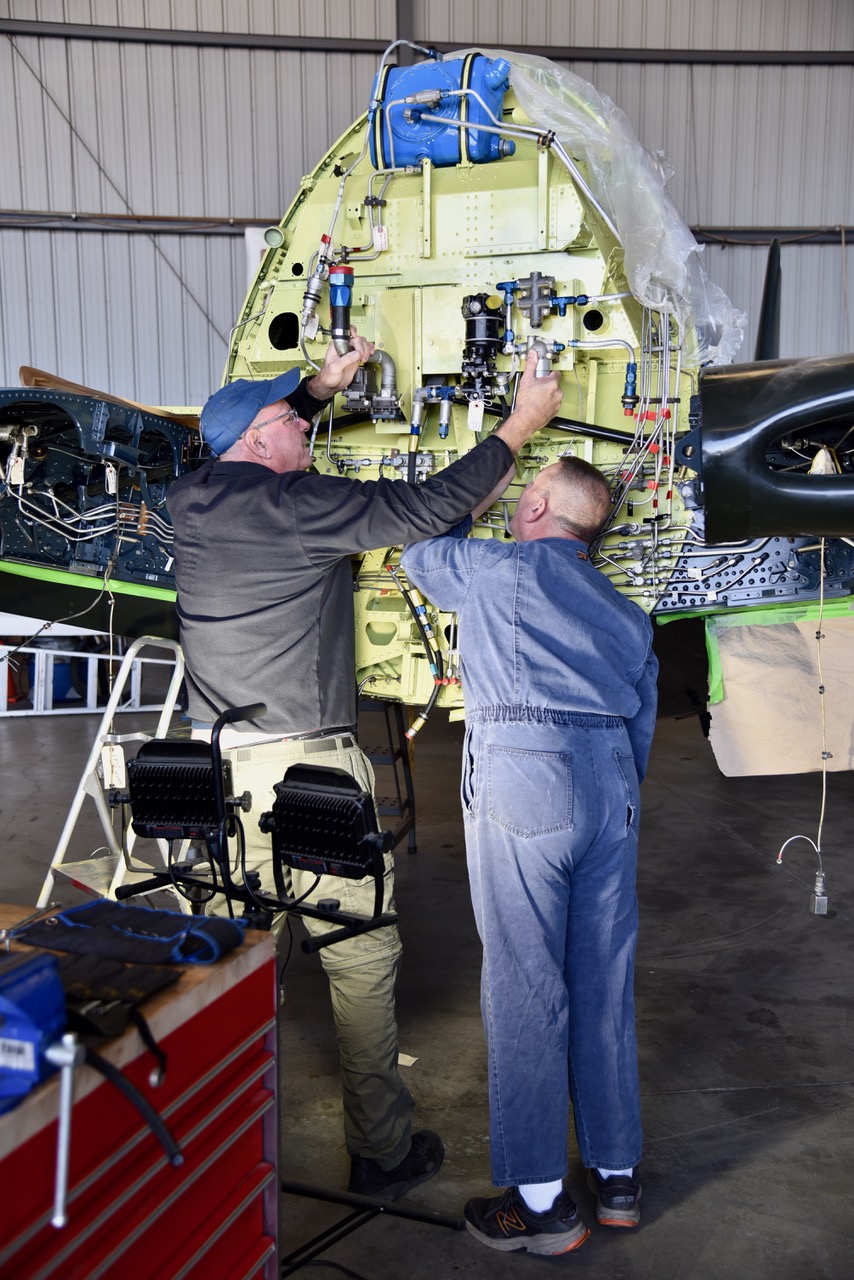
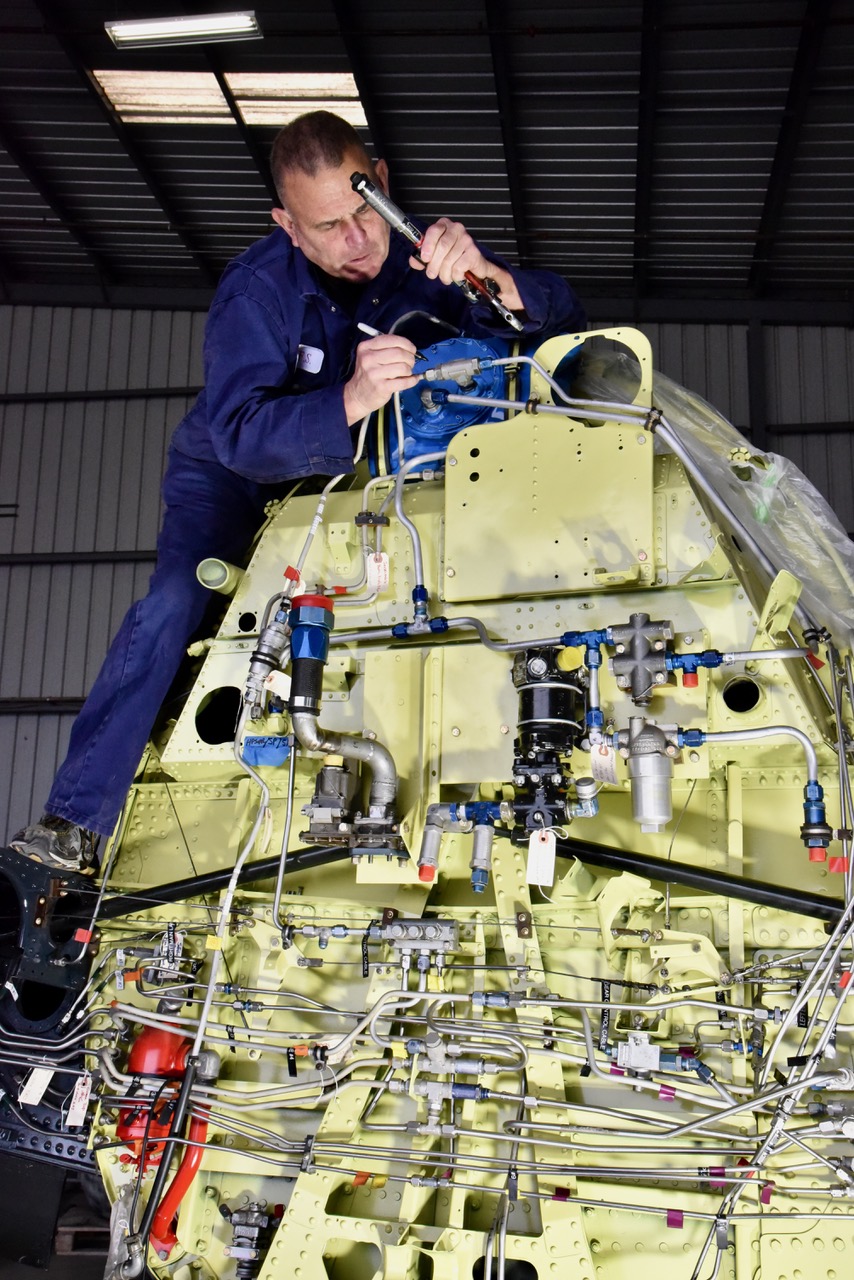
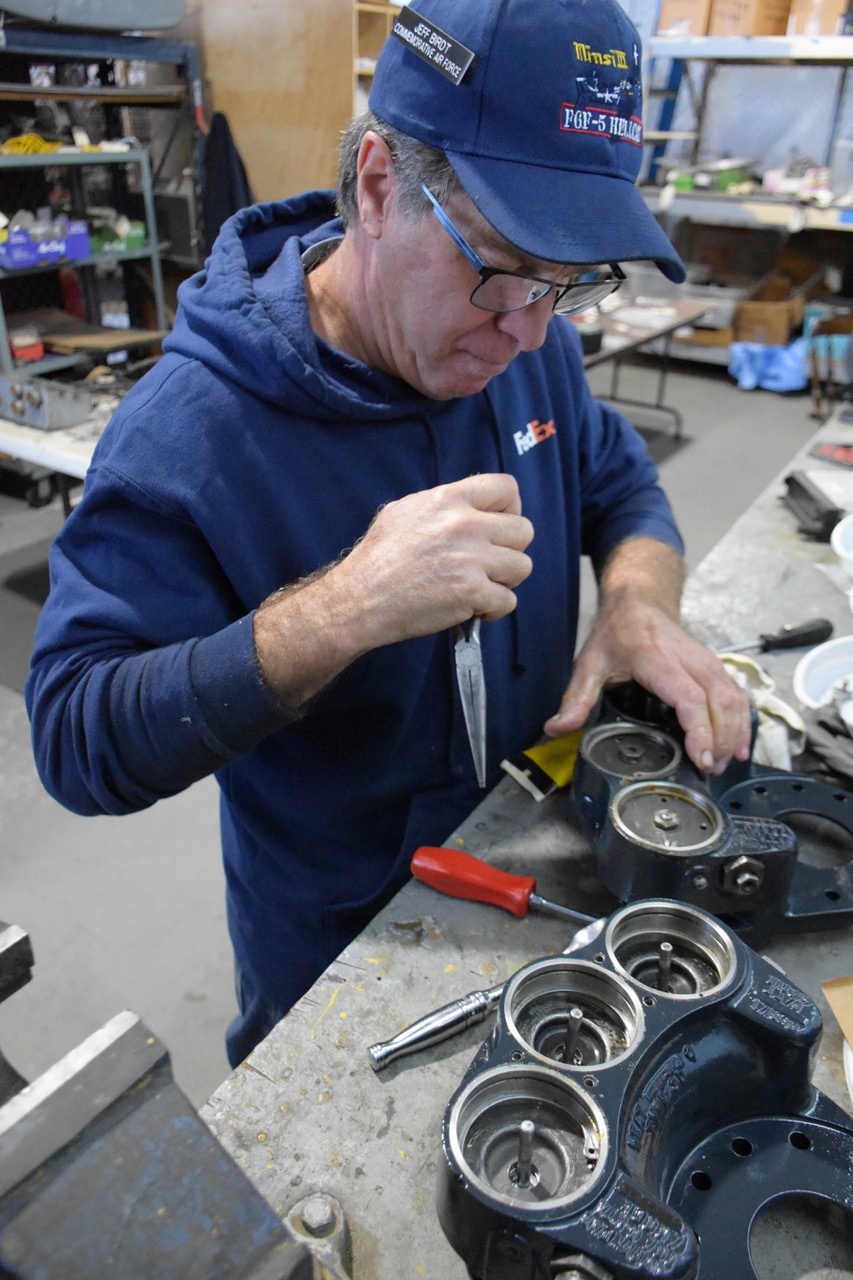
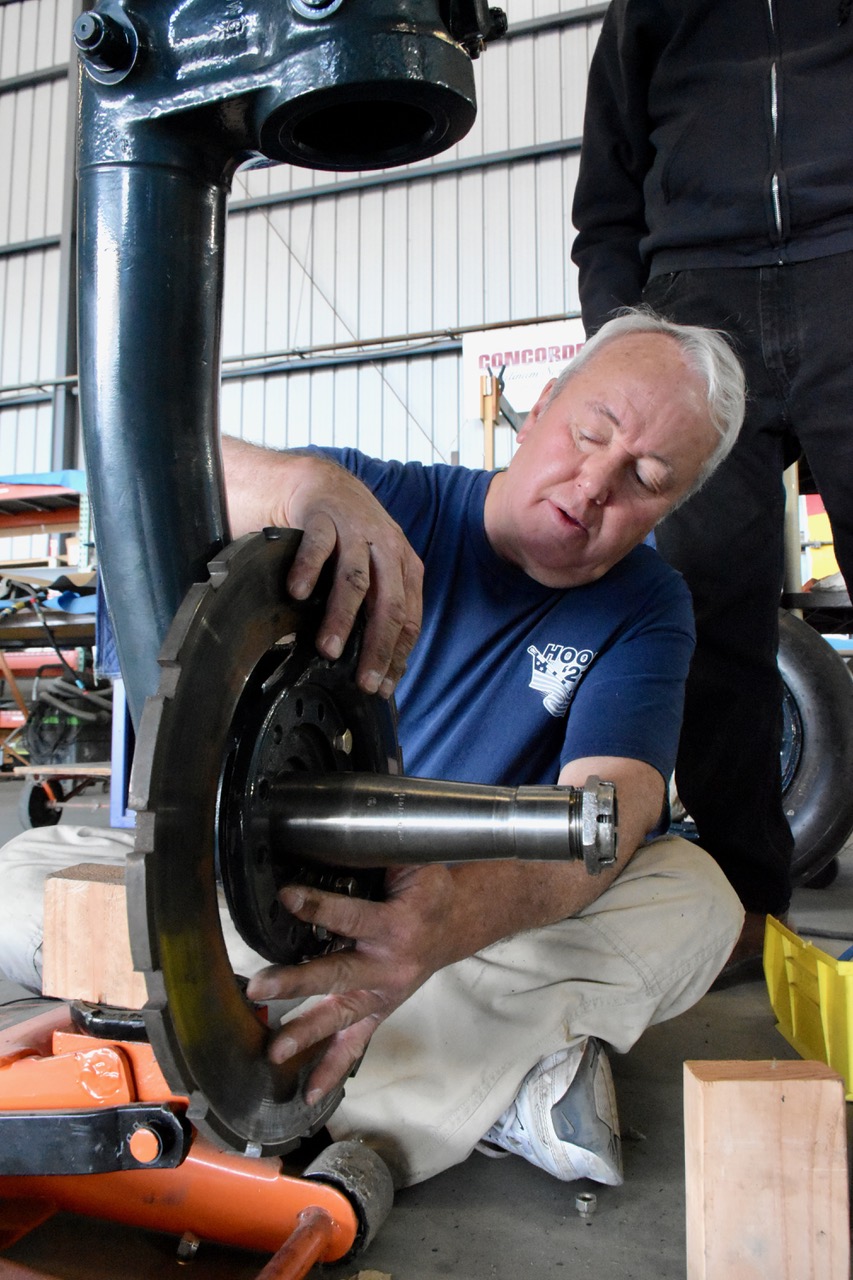
Approximately 20 volunteers have contributed to the restoration, with schedules ranging from occasional visits to regular weekly work. McMahon continues to work full time and travels approximately 90 miles to reach the project, generally spending two days a week at the hangar and sometimes more. “Everybody’s little piece is so important to all of it,” he said. The team is also working toward adding a tailwheel downlock indication system, a feature McMahon noted was absent from the original design. Wiring is already in place, although brackets and associated hardware still need to be developed. He hopes the installation may be completed before flight. In January, McMahon estimated approximately 18 months to flight readiness, suggesting a return around mid-2027. The current tentative target is January 2027, with insurance costs influencing when flying can begin. Any decision to accelerate that schedule will depend on wing leadership and the financial resources available. The final exterior paint scheme remains undecided. For now, the immediate priority is hearing the R-2800 run and evaluating the results—an important step toward returning the Bearcat to the skies. For more information about the Commemorative Air Force Southern California Wing, visit www.cafsocal.com.








The Mighty Bearcat… as in All Grumman planes a magnificent AC that helped shape the history of Our country and the world.
As part of the Grumman family ( my father 41 yrs A-6 design and on to the LEM Project and myself 15 yrs A- 6 refurbishment Ef111 and the Mighty F-14 Tomcat ) I speak from experience, witness and pride.
The Grumman Family motto was Always
” Pride in Workmanship ” long live Our aviation history!
Skippy D ” Anytime Baby!”
Simply fantastic
An interesting read of … ‘The Beast’!
The Grumman Family Fly-Past at Air Shows, always a Highlight; Led by the Wildcat, Next the Hellcat and, lastly the Bearcat … Always Impressive.