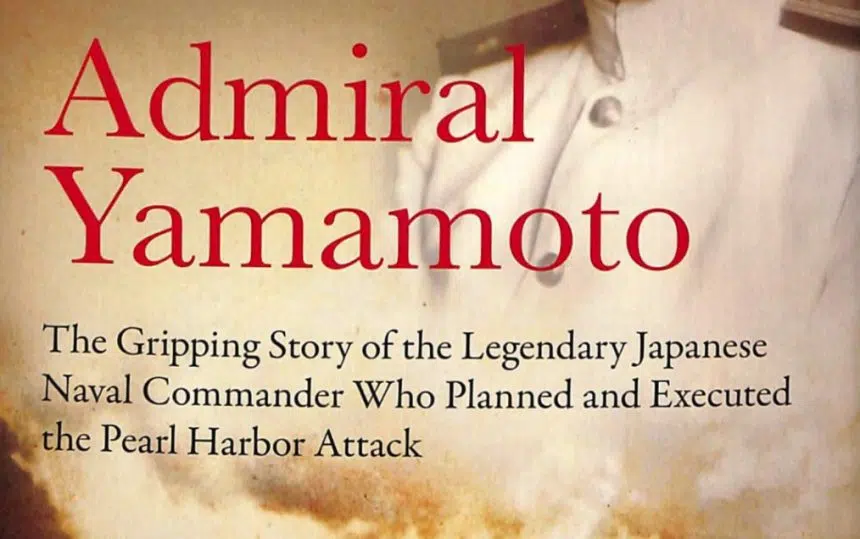

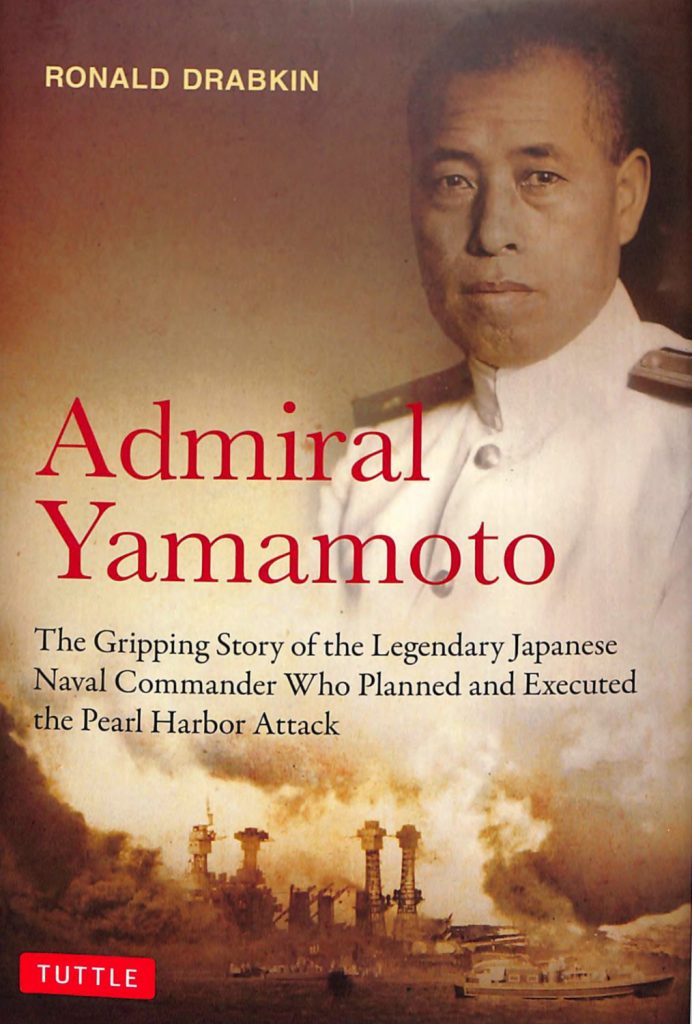
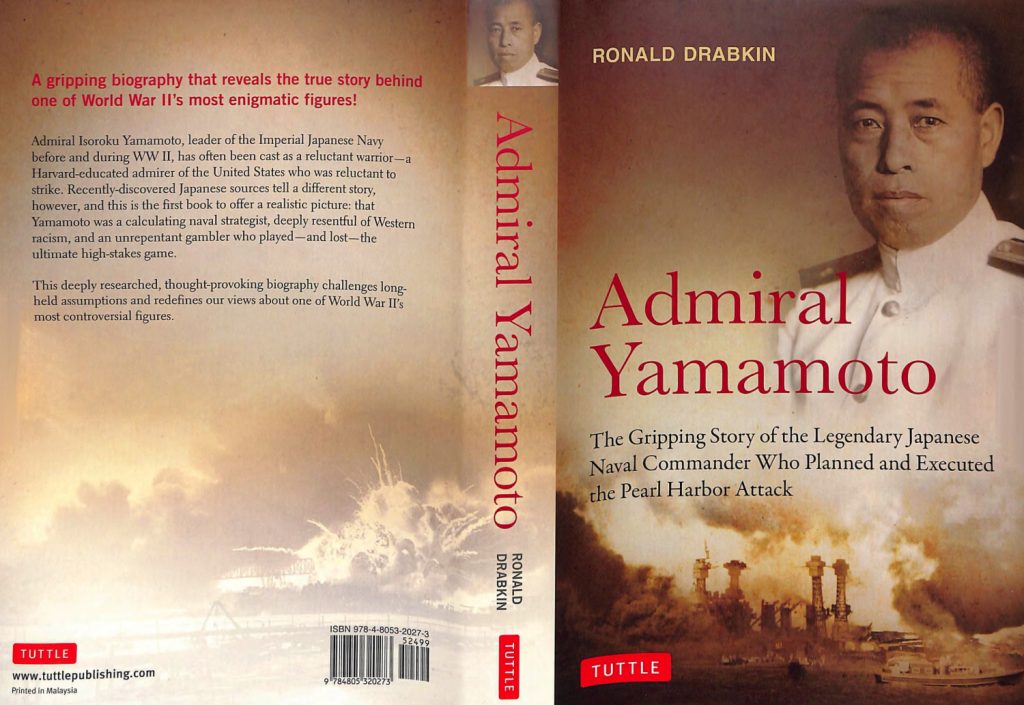
Admiral Yamamoto: The Gripping Story of the Legendary Naval Commander Who Planned and Executed the Pearl Harbor Attack by Ronald Drabkin, reviewed by Joe May, available on Amazon.com.
Fortunately for those interested in the fomenting of the Pacific War, author Ronald Drabkin* became interested in Admiral Yamamoto. He did so while researching through recently declassified Japanese archives during an investigation into another person, the subject of his first book. This title, his second book, Admiral Yamamoto, seems to superbly describe the man who was so influential in developing Imperial Japan’s naval air arm from the 1920s through the 1940s, modernizing the Imperial Japanese Navy (IJN) to incorporate aircraft carriers (the battleship admirals still had sway) during that same time, as well as devising Imperial Japan’s attack on Pearl Harbor, bringing the United States into WWII.
Throughout Admiral Yamamoto, he corrects myths born from propaganda as well as looking beyond the common oversimplifications to get a real understanding of the man, his thoughts, his aims, and his passions. Drabkin corrects these oversimplifications and inaccuracies succinctly, with examples. Some of these are:
- Yamamoto did not exactly attend Harvard University
- Yamamoto understood the U.S. Navy (USN) and U.S. industry, but he did not understand U.S. citizens—why this is true is fascinating as an example of how a person can be so right and so wrong at the same time
- Imperial Japan placed itself on a course for war against the U.S. as early as 1920
- Yamamoto trained his aviators hard and diligently
- Yamamoto is often described as a gambler, leading to assuming the wrong persona—Drabkin writes that he had a mind for statistics and calculating odds
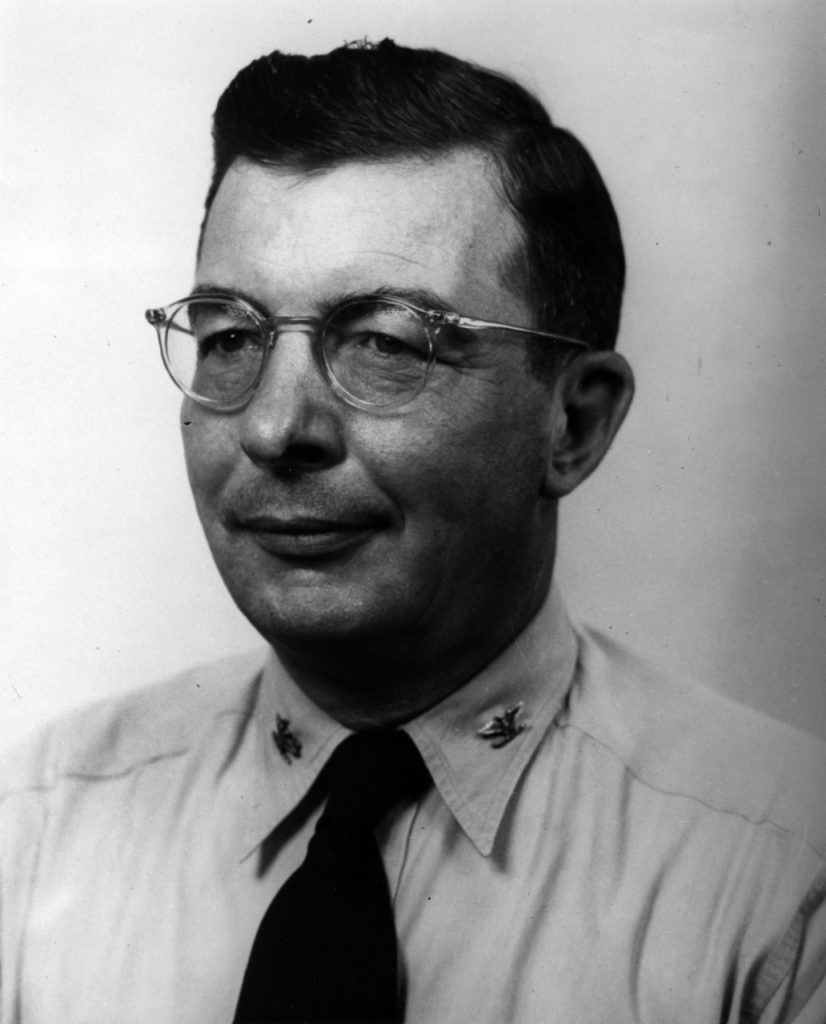
Drabkin also describes the making of the man, from his childhood family with a distant father through his closest friends as well as his family life with wife Reiko and their four children—including two long-term mistresses, geishas Niwa Michi and Kawai Chiyoko. He notes that Yamamoto had few friends throughout his life but kept the ones he made close to him his entire life, as he did with his family as well as both geishas. Of course, Yamamoto met with U.S. citizens, and he spoke English quite well. As readers learn from the author, Edwin Layton, a USN officer, was perhaps the American who was most familiar with Yamamoto. Layton spoke Japanese and even met with Yamamoto on a few occasions, which aided his intelligence career in the Pacific during WWII. Layton was effectively following Yamamoto’s trail of breadcrumbs.
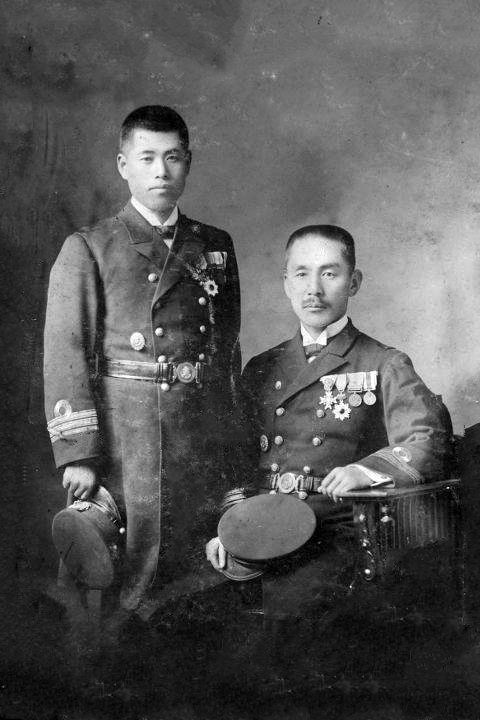
Admiral Yamamoto’s career with the IJN was stellar, which seems to be an understatement. He was party to negotiations for international treaties, met with leaders of other countries, including royalty, but was always and ever planning how to attack and defeat the USN throughout his career, as well as advancing the capability of his navy’s air arm. It was at the naval academy that he became friends with Hori Teikichi, a brilliant man who was Yamamoto’s closest and longest-term friend. He was a confidant as well as an advisor to Yamamoto, and Drabkin has done his research to show how remarkably influential and faithful Hori was. The politics of the time were the driving force in Imperial Japan, with the Imperial Japanese Army (IJA) as well as the IJN holding governmental positions ruling Japan at the time. Here, Drabkin helps readers greatly to comprehend the times, discussing the independence of these two armed services from one another, with no unifying command, and their increasingly authoritative control over the civilian government. Japan’s news media was also clamoring for increasing Imperial Japan’s ruling influence in (over) Asia with the success of taking Korea as well as Manchuria. He also explains, to a degree, the inexplicable taking of Manchuria by the IJA, sans orders, which led to further military control over Japan as well as the rise of Tojo.
Yamamoto wisely kept the IJN away from the IJA as much as possible, seeing the war crimes the IJA leadership was doing nothing to curtail (the press was also printing these events as luridly rewarding). Yamamoto was also less than impressed with the prevalent anti-Japanese racism in the United States, which was systemic, especially in California. Yamamoto’s surviving records do not indicate whether his views may have been racist or not, but there was plenty going around with California legalizing racism against the Japanese and the Japanese actions against all other races, first assassinating Korean royalty, then invading China. There were also assassinations and attempted assassinations by IJA coup groups when the civil government was felt to not be military enough, often with coup leaders legally let off rather easily. Drabkin follows how Yamamoto navigated these unstable times while rigidly advancing his naval air arm training and development, always with the aim of decisively attacking the USN. A complex story that the author easily explains without oversimplification, using his understanding and not convenient literary shortcuts. But what about the attack on Pearl Harbor? Drabkin emphasizes Yamamoto’s planning, of course, since the admiral was an ocean away during the infamous surprise attack in 1941. The author details how Japan intended to announce an end to negations—not declare war, as is so often misreported—thereby making the attack legal under international law. Here, the law forbids an attack while negotiations are ongoing. So, it was to be a surprise attack. Initiating a war with a surprise attack had been Imperial Japan’s trait throughout its history.
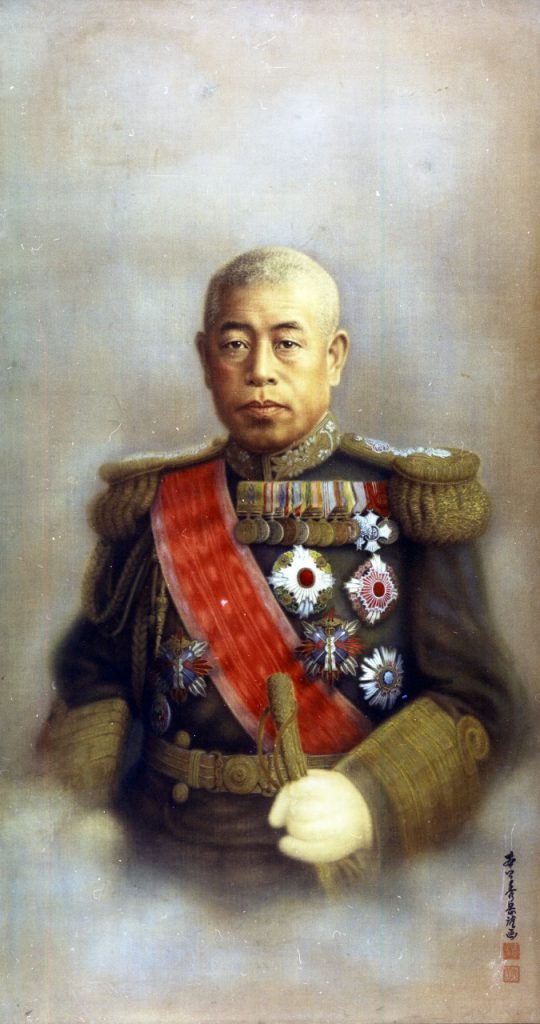
Drabkin clearly shows that if the announcement had been made, as planned, 30 minutes prior to the attack, it would be a distinction without a difference. The United States would have been just as unified in its drive to avenge such a devastating and treacherous act. A 30-minute window would have been seen as disingenuous, even insulting. Yamamoto knew U.S. industrial potential but not the U.S. citizenry as the author well describes. Additionally, the author expertly details the mission that targeted Admiral Yamamoto in an aerial assassination. There was a legal issue involving a kill mission against a country’s leader, but that was deemed irrelevant since Imperial Japan began the war illegally. Again, a distinction without a difference.
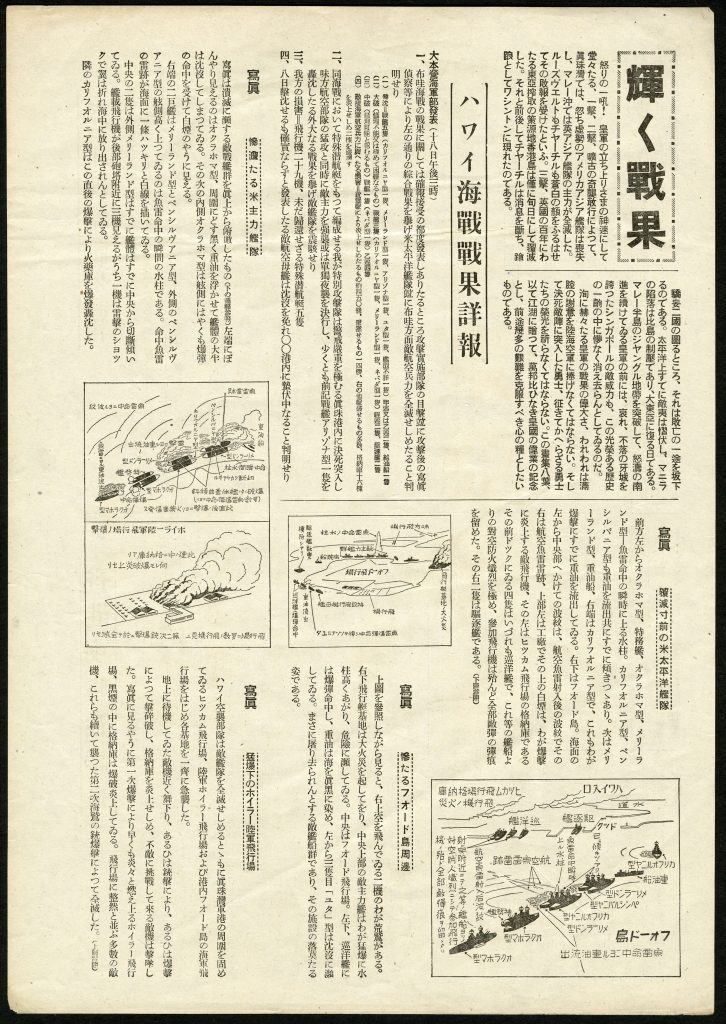
Admiral Yamamoto: The Gripping Story of the Legendary Naval Commander Who Planned and Executed the Pearl Harbor Attack is an excellent work by Drabkin and belongs in libraries both professional and public. Many of the included images aren’t found published elsewhere, though many are not credited. Since an index is lacking, readers are advised to highlight or tab pertinent material. Also, readers will note a lack of hyphenation with U.S. aircraft designations, P38 instead of P-38, but this does not distract in reality. Tuttle Publishing should also be commended as it continues to bring books regarding Asian culture and Asian history to the Western hemisphere.
*Note: Drabkin uses the Western naming convention, which has the family name written last, after the given name. Japan’s writing convention does this oppositely, with the family name first. The author’s use of the Western convention is entirely correct since his audience is a Western one. This review uses the Japanese convention, not to argue, but because Vintage Aviation News has a global audience.
| Hardcover
Publisher: Tuttle Publishing (2026) Size: 9” x 6½” Index: X Bibliography: ✔︎ Notes: X (endnotes) Photos: ✔︎ Cost: $25 ISBN: 978-4-8053-2027-3 Page Count: 253 Available on Amazon |