






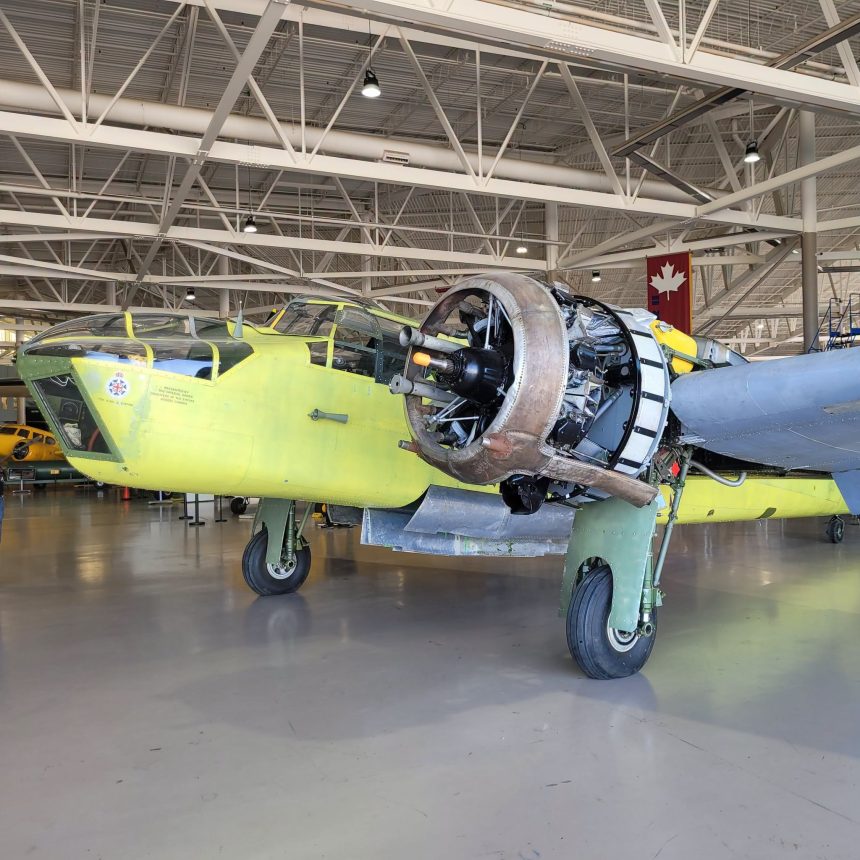

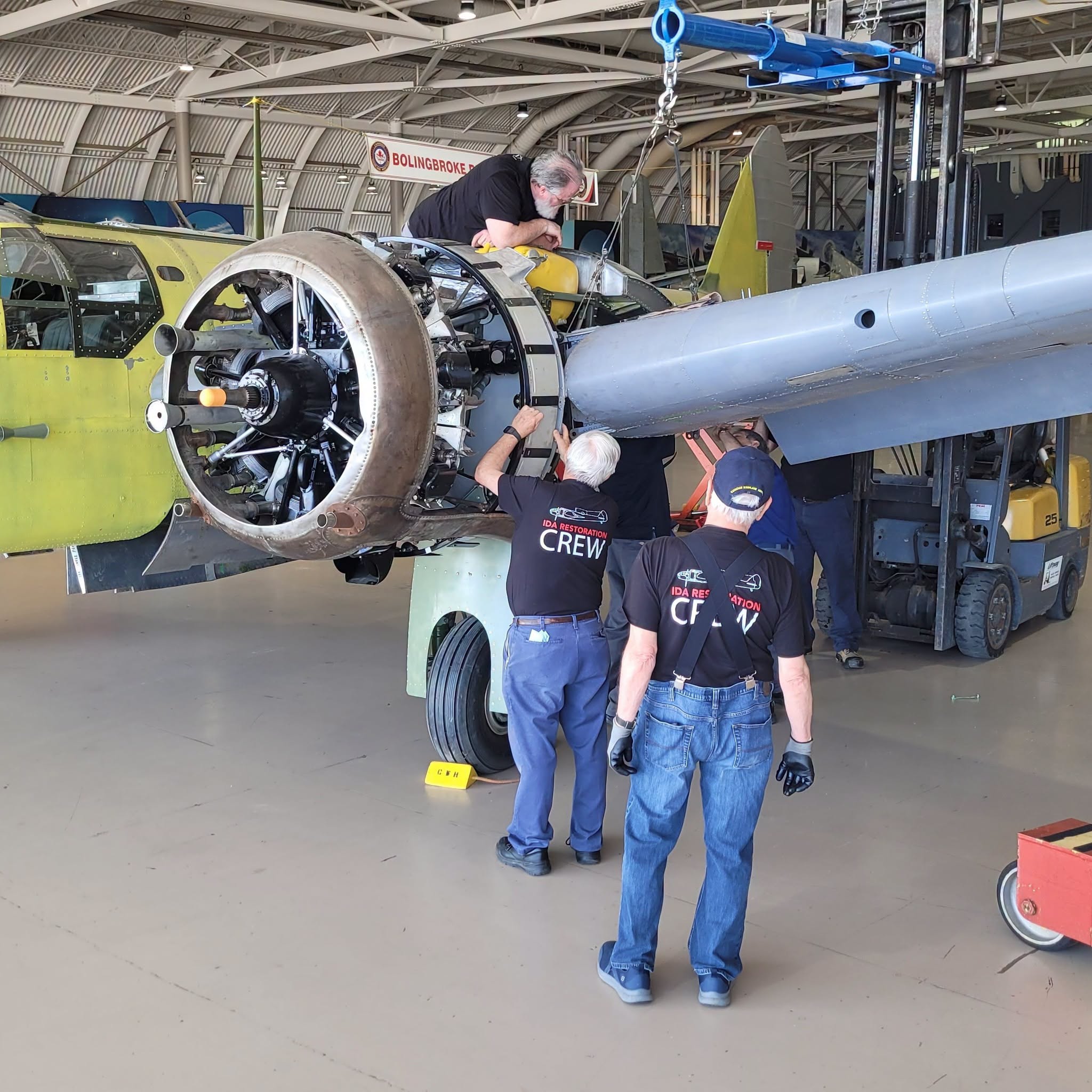
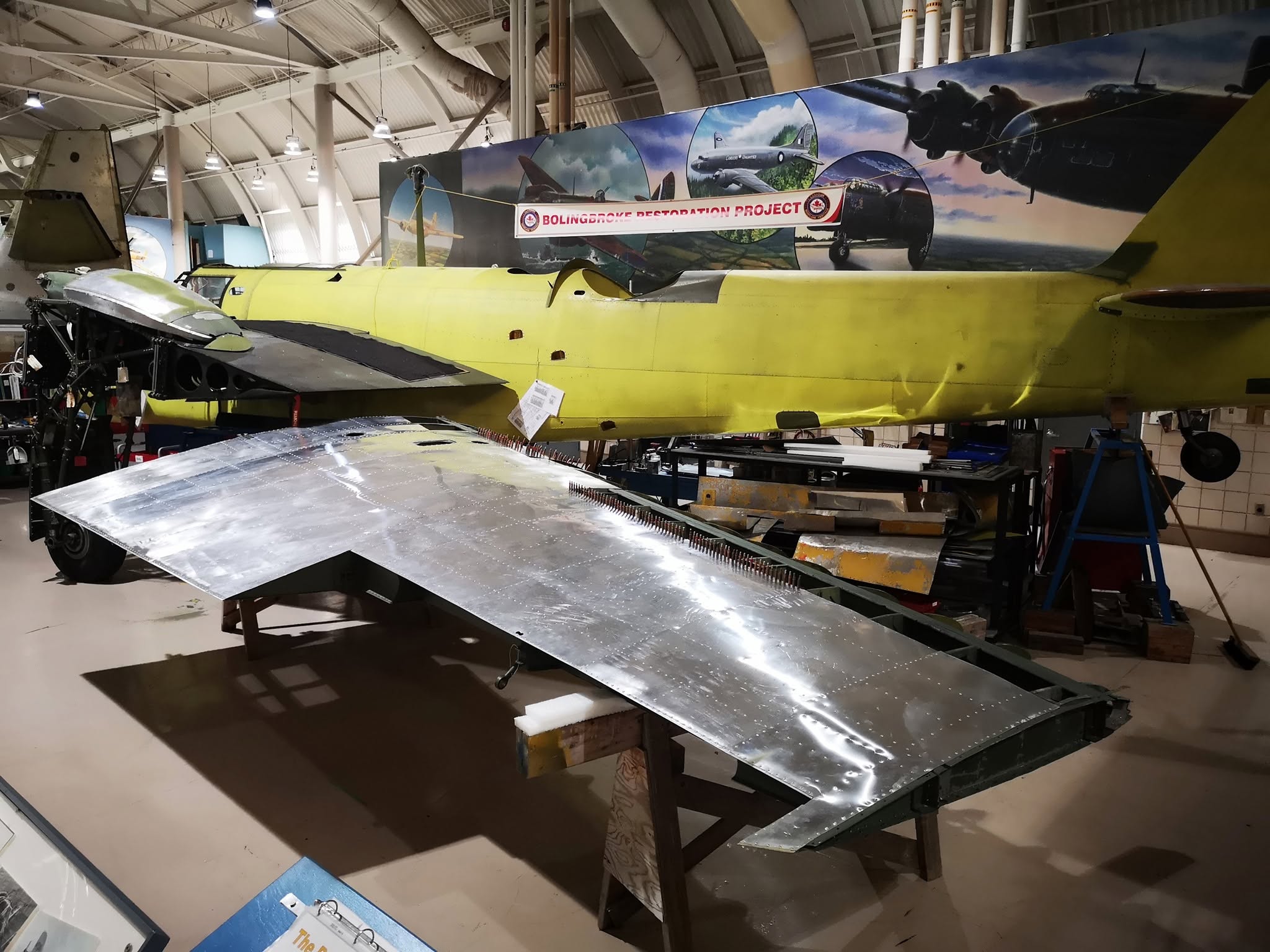
On August 5, 2026, the Canadian Warplane Heritage Museum at John C. Munro Hamilton International Airport in Mount Hope, Ontario, marked a major milestone in one of its most extensive and lengthy restoration projects by reattaching the outboard wing panels to their Bristol Bolingbroke bomber, which we previously covered back in 2013 HERE. This achievement comes as just another stepping stone in the path to take several surplus airframes and make a composite aircraft that served as an unsung hero of the Royal Canadian Air Force during WWII, serving as both a maritime patrol aircraft that protected Canadian waters from German and Japanese submarines, and served as a training aircraft on which thousands of pilots, navigators, bombardiers, and gunners, not only from Canada but from across the British Commonwealth would hone their skills before going overseas to fly and fight in more famous aircraft such as the Avro Lancaster and Handley Page Halifax.
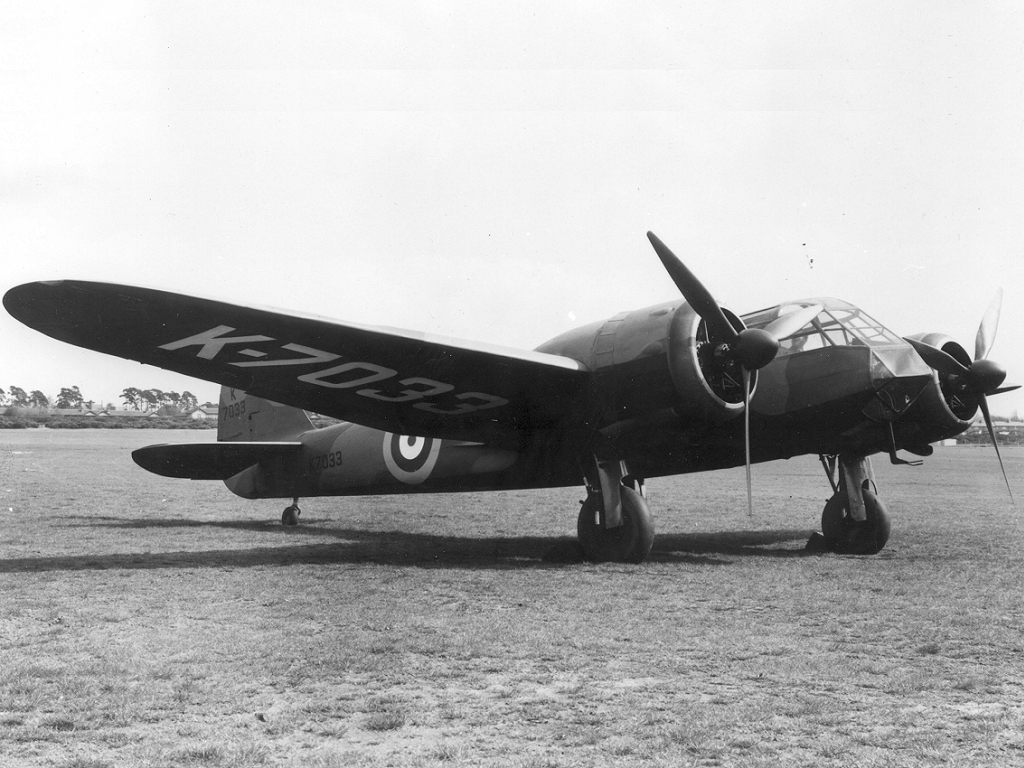
The story of the Bristol Bolingbroke is tied directly to that of a bomber aircraft designed and built in England by the Bristol Aeroplane Company, the Bristol Blenheim. Derived from a design for a twin-engine airliner, the Blenheim was among the most modern twin-engine bombers of the Royal Air Force in the late 1930s, but when World War II broke out on September 1, 1939, the rapid advancements in aeronautical technology already revealed the Blenheim’s limitations. Nevertheless, the Bristol Blenheim served with distinction through the early phases of the Second World War, from the Battle of France to maritime patrol missions over the North Sea and the English Channel.
They also took the fight across the Channel to German airfields in occupied Europe, but sustained heavy casualties from German ground fire and interceptors. At the height of the Blitz bombing campaign against the United Kingdom, numerous Blenheims were outfitted as night fighters to shoot down German bombers such as Heinkel He 111s, Dornier Do 17s and Junkers Ju 88s. Bristol Blenheims also served as bombers in the Mediterranean, North African, and Middle Eastern theaters of operation, as well as in South East Asia, and faced the Japanese onslaught in Malaya, Singapore, and Burma in late 1941 – early 1942, with further examples manufactured under license from Bristol in Finland being flown in the Finnish Air Force against the Soviets in both the Winter War (1939-1940) and the Continuation War (1941-1944) before being used against the Germans in the Lapland War (1944-1945), with the Finns later converting their last operational Blenheims into target towing aircraft in the postwar years until they were retired in 1958.
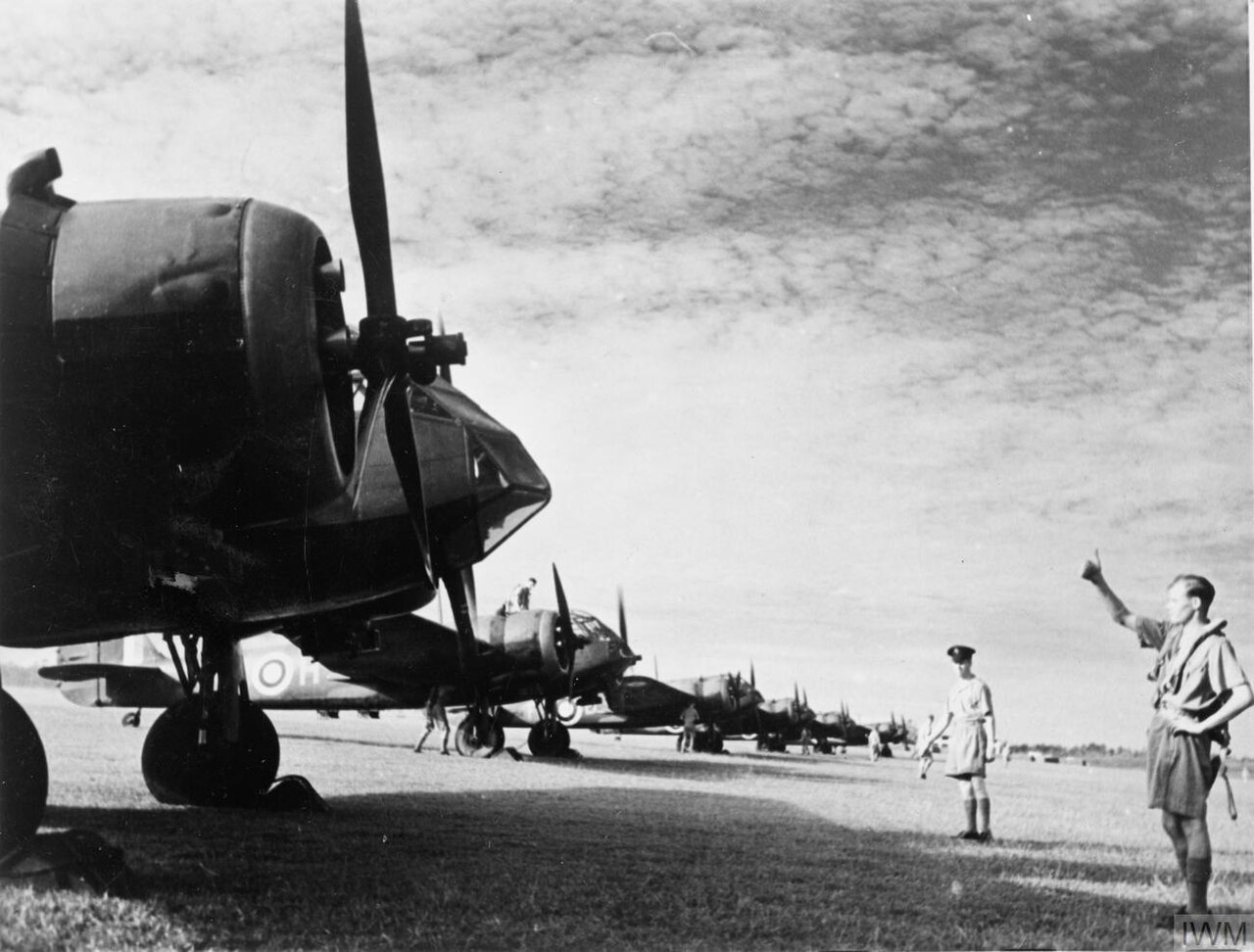

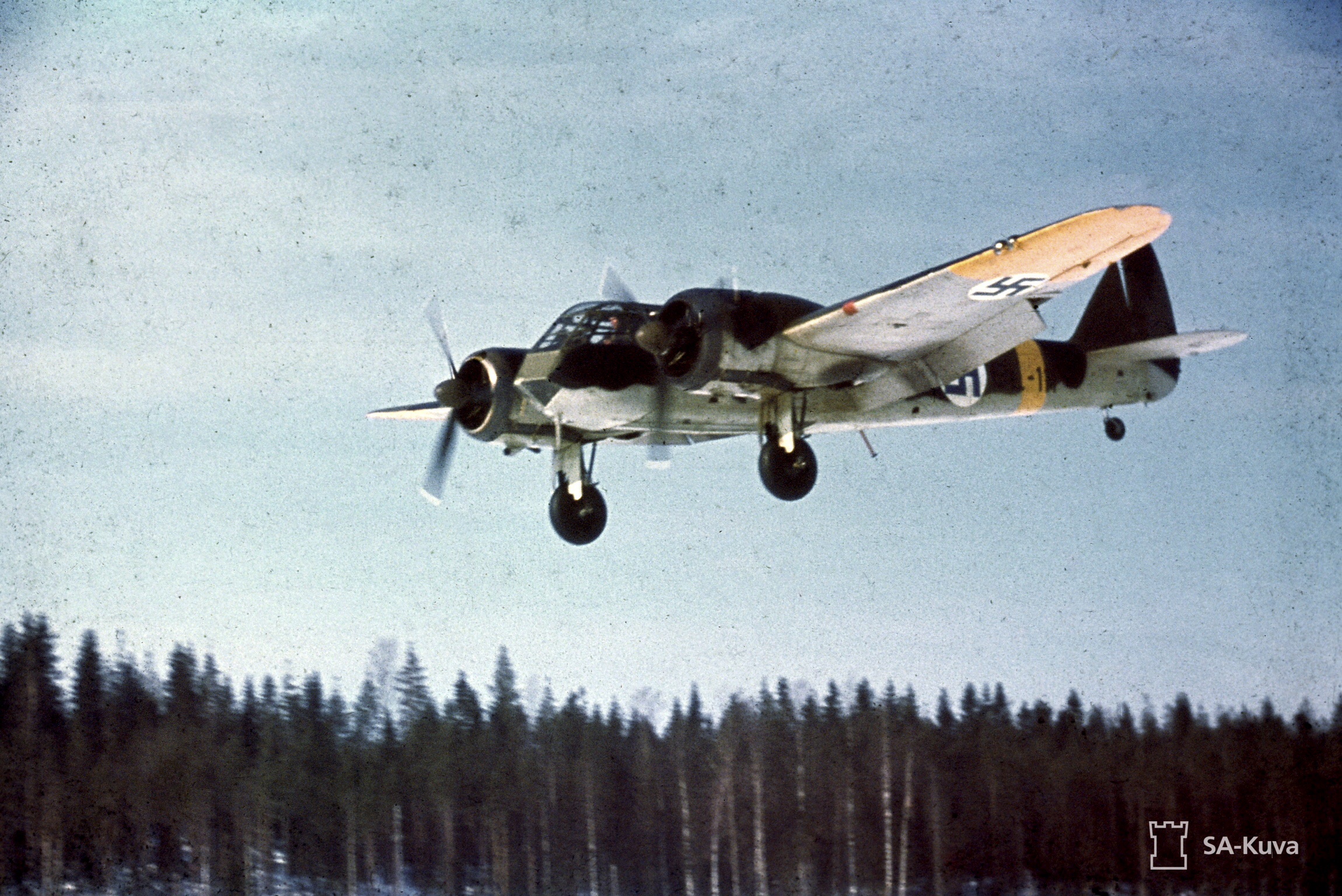
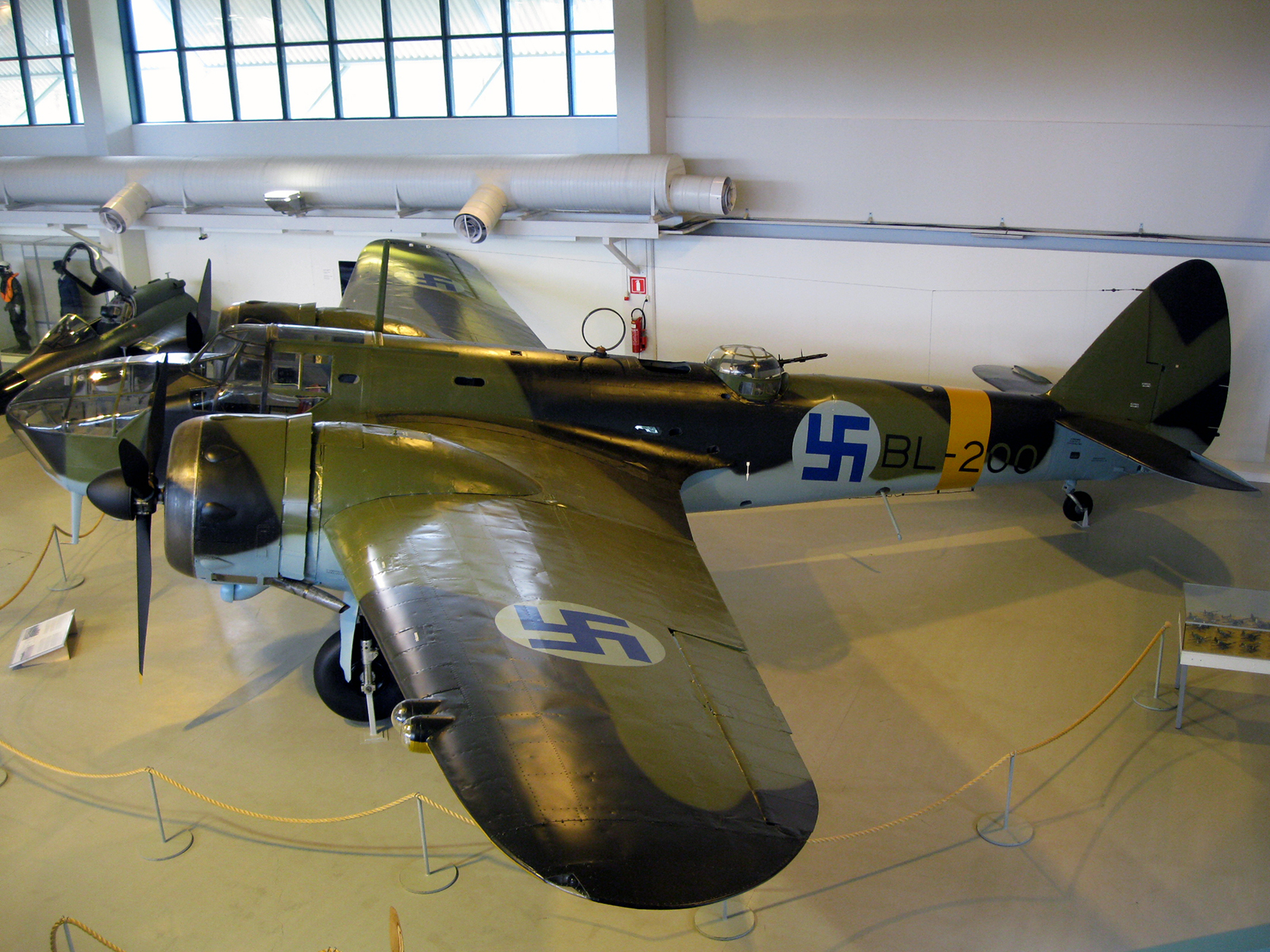
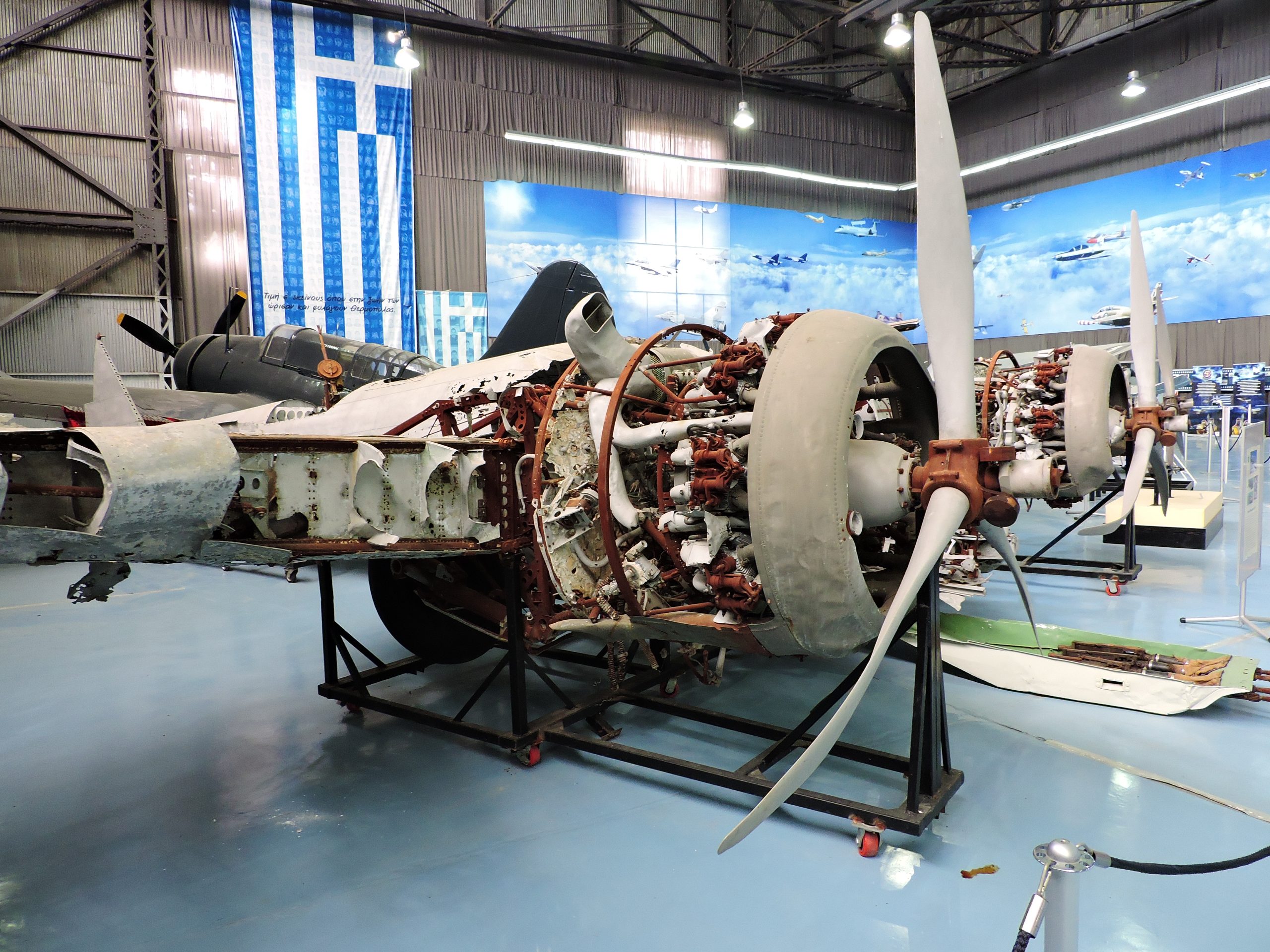
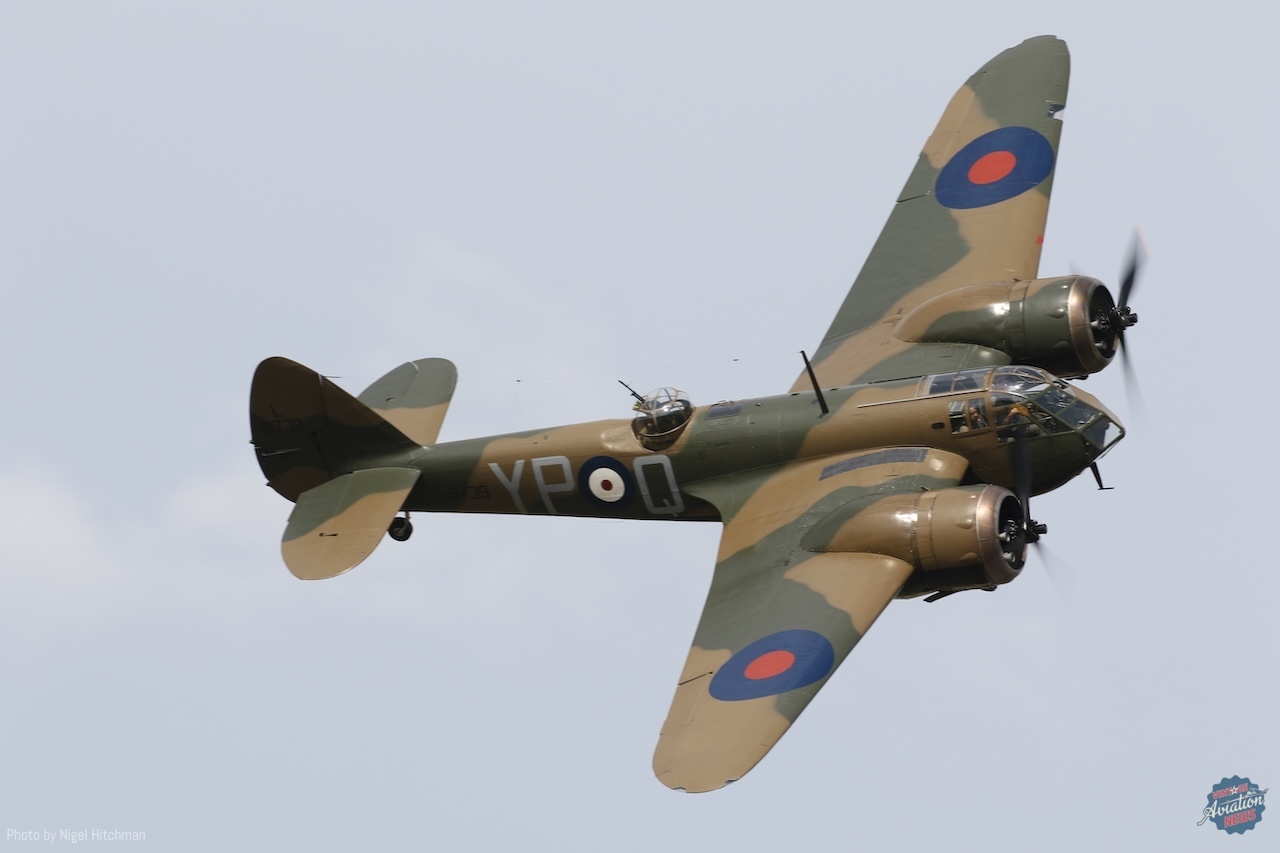
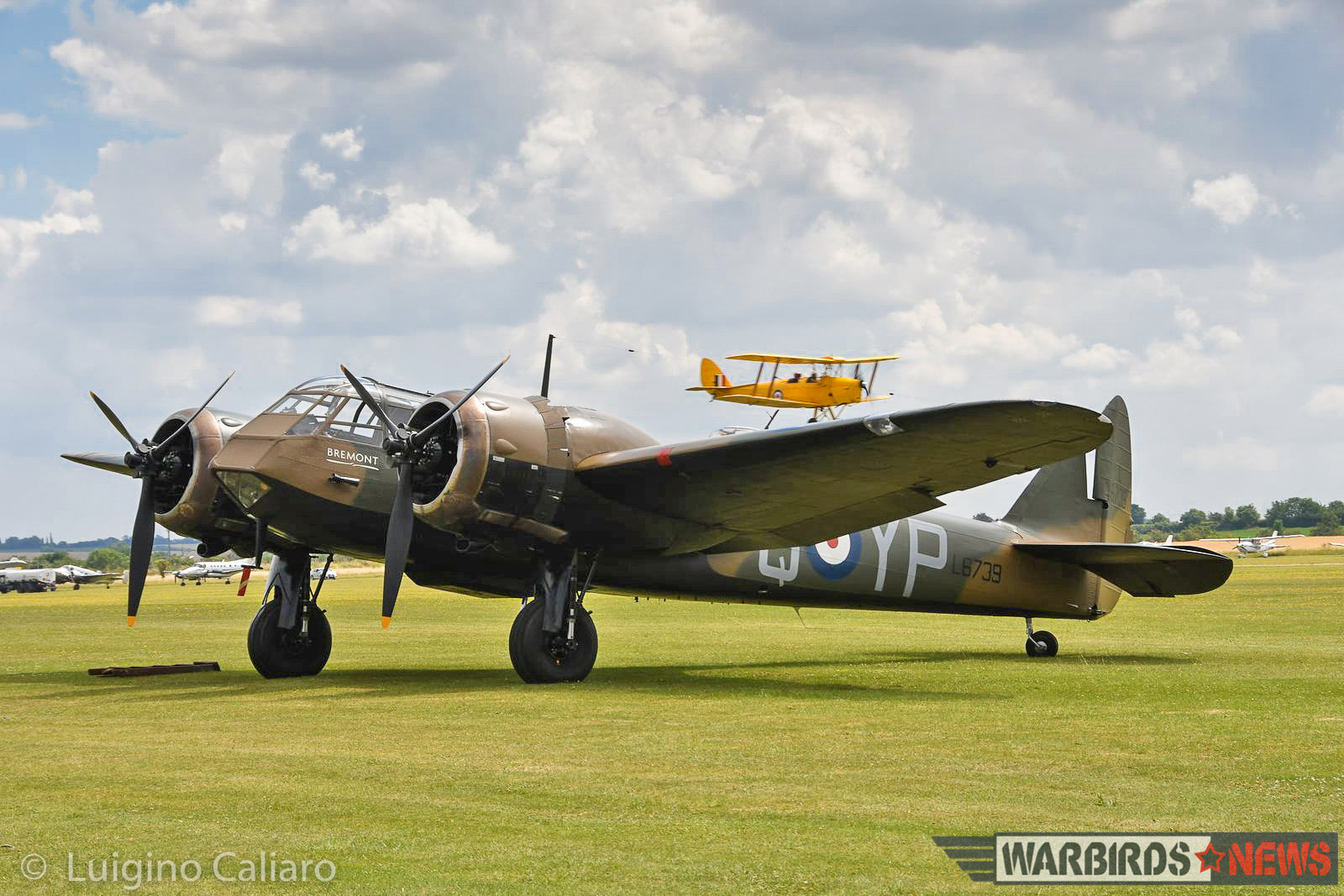
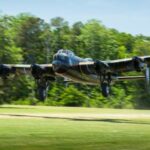
Besides flying for the Royal Air Force, Bristol Blenheims were flown by the air forces of Australia, Canada, Croatia, Finland, Free France, Greece, the British Raj, New Zealand, Poland, Romania, South Africa, Turkey, and Yugoslavia, with captured examples also being flown for flight testing by the Germans, Italians, and Japanese. However, there are no complete British-built Bristol Blenheims still remaining, save for the preserved wreckage of Blenheim Mk IV s/n L9044, a former No. 203 Squadron RAF aircraft shot down by friendly fire off the coast of Rethymno, Crete, recovered in 1996 and placed on display at the Hellenic Air Force Museum at Tatoi Airport just north of Athens, Greece. A Finnish example is preserved at the Finnish Air Force Museum near Jyväskylä Airport in Tikkakoski, Finland. But most other aircraft that have been restored to resemble the Bristol Blenheim, including a flyable example based at Duxford Aerodrome, Cambridgeshire, are in fact the Blenheim’s Canadian cousin, the Bristol Bolingbroke.
Even before the outbreak of WWII, the Royal Canadian Air Force saw in the new Blenheim bomber being developed across the pond, specifically the Mk. IV variant with a longer nose for the bombardier and increased operational range, as an aircraft capable of being Canada’s most modern maritime patrol aircraft. Thus a production contract was written between the Bristol Aeroplane Company and Fairchild Aircraft Ltd of Longueuil, Quebec, the Canadian division of the Fairchild Aircraft Manufacturing Company based in the United States. Following the prototype’s first flight on September 14, 1939, the first Bolingbroke entered operational service with the RCAF just two months later on November 15.
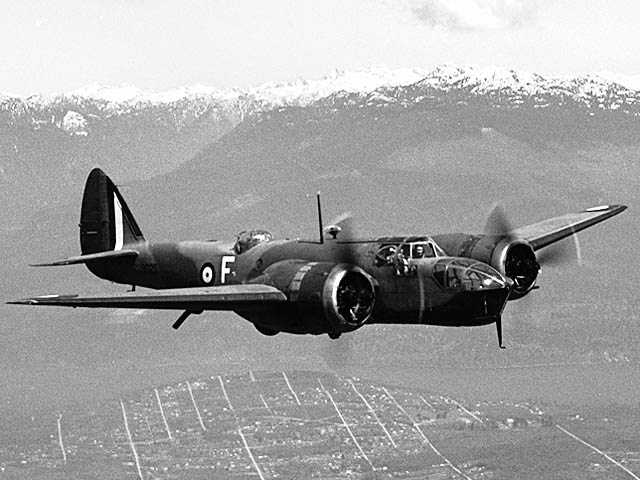
After an initial production order of 18 Bolingbroke Mk I aircraft built to British standards, the primary variant built by Fairchild Aircraft of Canada was the Bolingbroke Mk IV. By outward appearance, the Bolingbroke Mk IV was nearly identical to the Blenheim Mk IV, and was powered by the same Bristol Mercury radial engine used on the Blenheim. However, the Bolingbroke, nicknamed the “Boly” by RCAF crews, was fitted anti-icing boots on the leading edges of the wings and a dinghy in case the crew of three (pilot, bombardier/navigator, and gunner) needed to ditch on the open seas. Additionally, the cockpit instruments were built to American/Canadian standards rather than British ones, and some Bolingbrokes were fitted with attachments for the installation of twin pontoon floats.
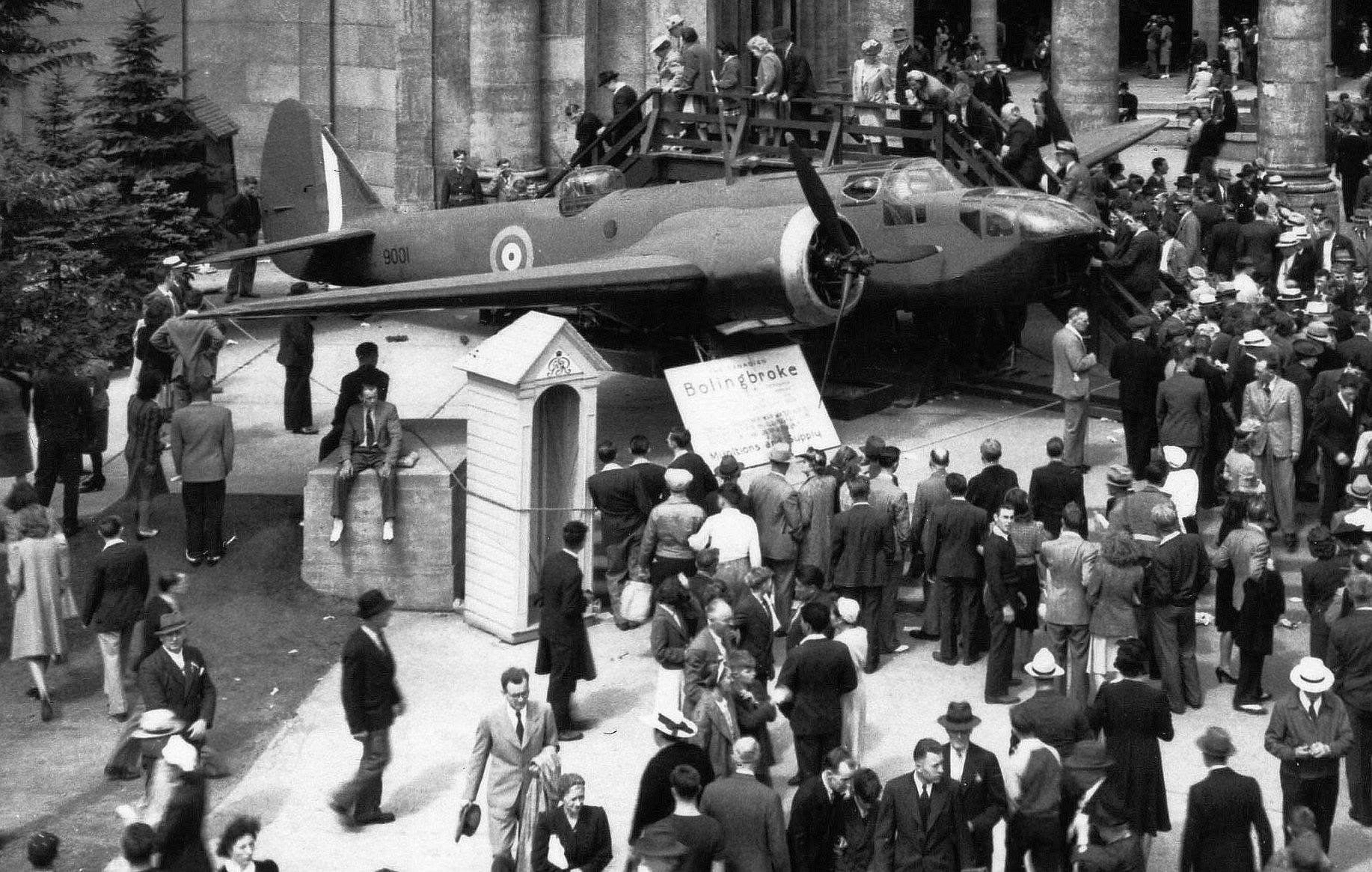
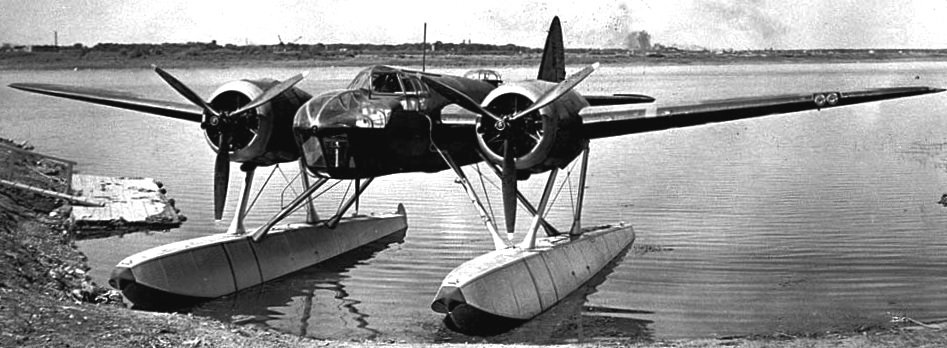
During the war, no less than eight RCAF squadrons under the Home War Establishment (HWE) were outfitted with the Bristol Bolingbroke, patrolling the Atlantic coast through the Eastern Air Command (EAC) and the Pacific coast through the Western Air Command (WAC), with at least two of the WAC squadrons being sent to assist Canadian and American forces in the Aleutian Campaign (1942-1943).
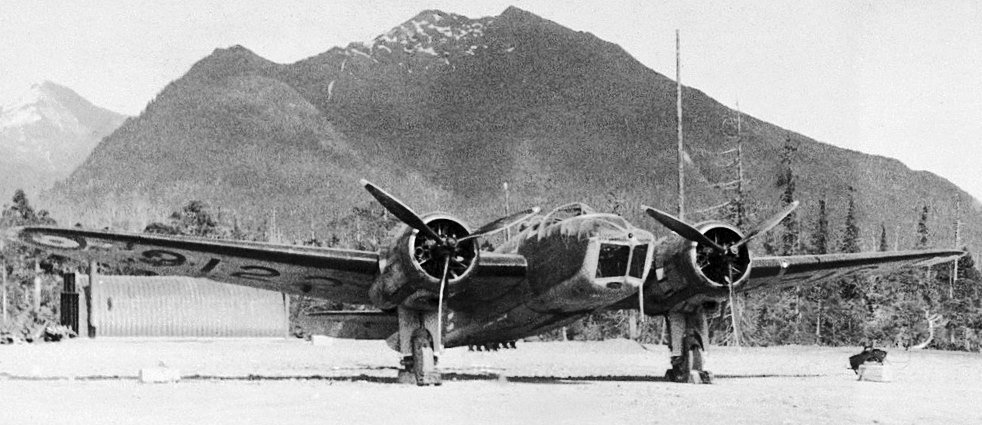
With the introduction of new maritime patrol aircraft manufactured in America, though, such as the Consolidated PBY Catalina and the Lockheed Hudson and Ventura bombers, the Bolingbrokes were repurposed as bomber trainers. Indeed, of the total of 626 Bolingbrokes produced, 350 would be manufactured as the Mk IVT training variant, which were employed by the British Commonwealth Air Training Plan (BCATP) to instruct flying cadets in bomber aircraft to be pilots, bombardiers, navigators, and gunners at training fields across Canada, from Quebec to Ontario, Manitoba, Saskatchewan, Alberta, and Prince Edward Island before going overseas to fly heavy bombers for Bomber Command such as the Avro Lancaster and Handley-Page Halifax. Besides Canadian airmen learning on these aircraft, the BCATP also ensured that airmen from across the British Commonwealth destined for bomber duties would learn the ropes of their trade on Bolingbrokes.
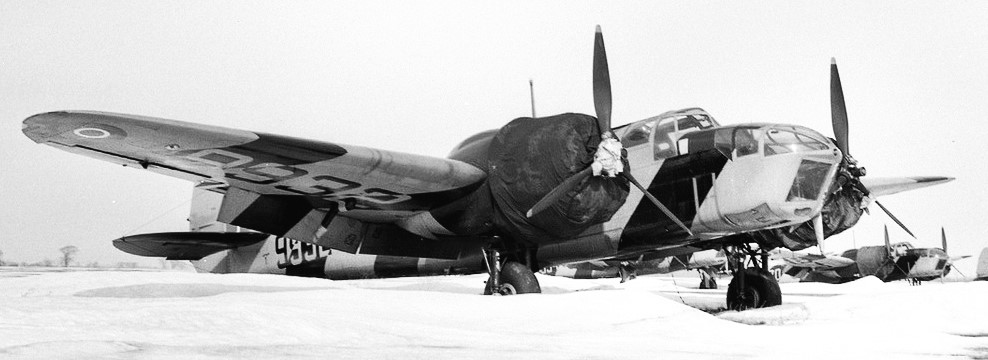
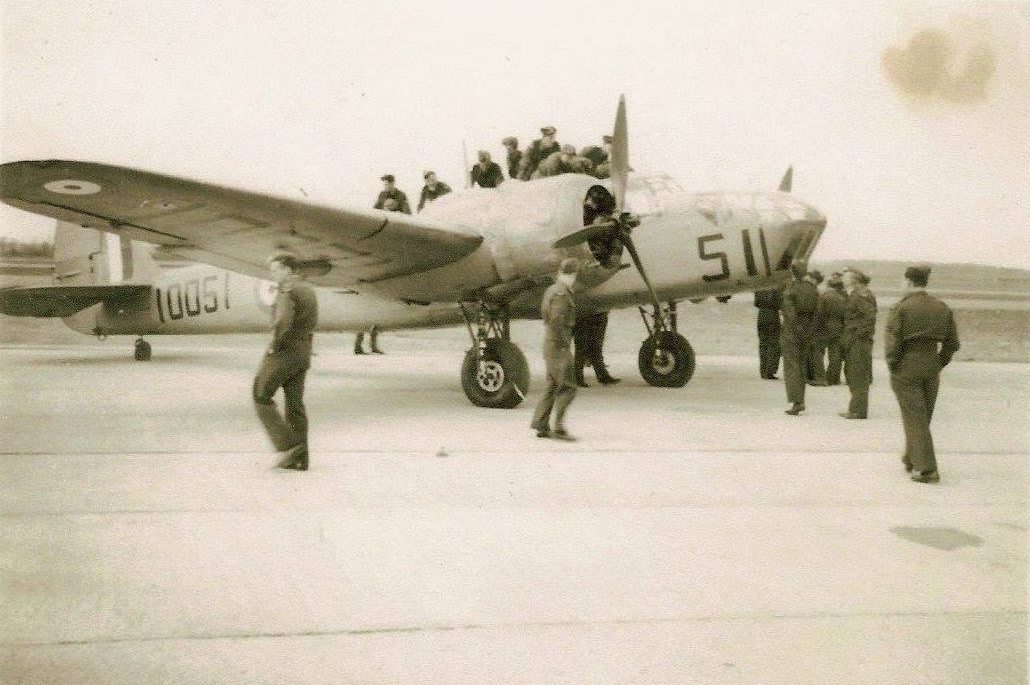
After the war, much of the Bristol Bolingbrokes were subsequently scrapped, however, numerous aircraft were put up for disposal by the War Assets Corporation (now GCSurplus) and sold to farmers, who would repurpose pieces of the old Bolingbrokes, from installing landing gear wheels on farm equipment, stripping sheet metal panels from the wings and fuselages to make panels for outbuildings, or harvesting the electrical wiring, tubing, and other interior pieces as new hardware. Much of the remaining parts of the airplanes would then sit for decades on the properties of these farmers until the historic value of these aircraft was recognized by some of the pioneers of the international warbird community, particularly in Canada, the United States, and the United Kingdom, where Bolingbroke airframes were also used in static and airworthy restorations to depict British-built Bristol Blenheims. A prime example of these kinds of restorations has been Bolingbroke Mk IVT RCAF s/n 10201, which has gone through two separate restorations to airworthiness, with the latter incorporating the nose of a Blenheim Mk I, and the aircraft now flown by the Aircraft Restoration Company out of Duxford Aerodrome in England in Cambridgeshire has been flown in the production of the 1997 British miniseries Ain’t Misbehavin’ and the Christopher Nolan film Dunkirk.
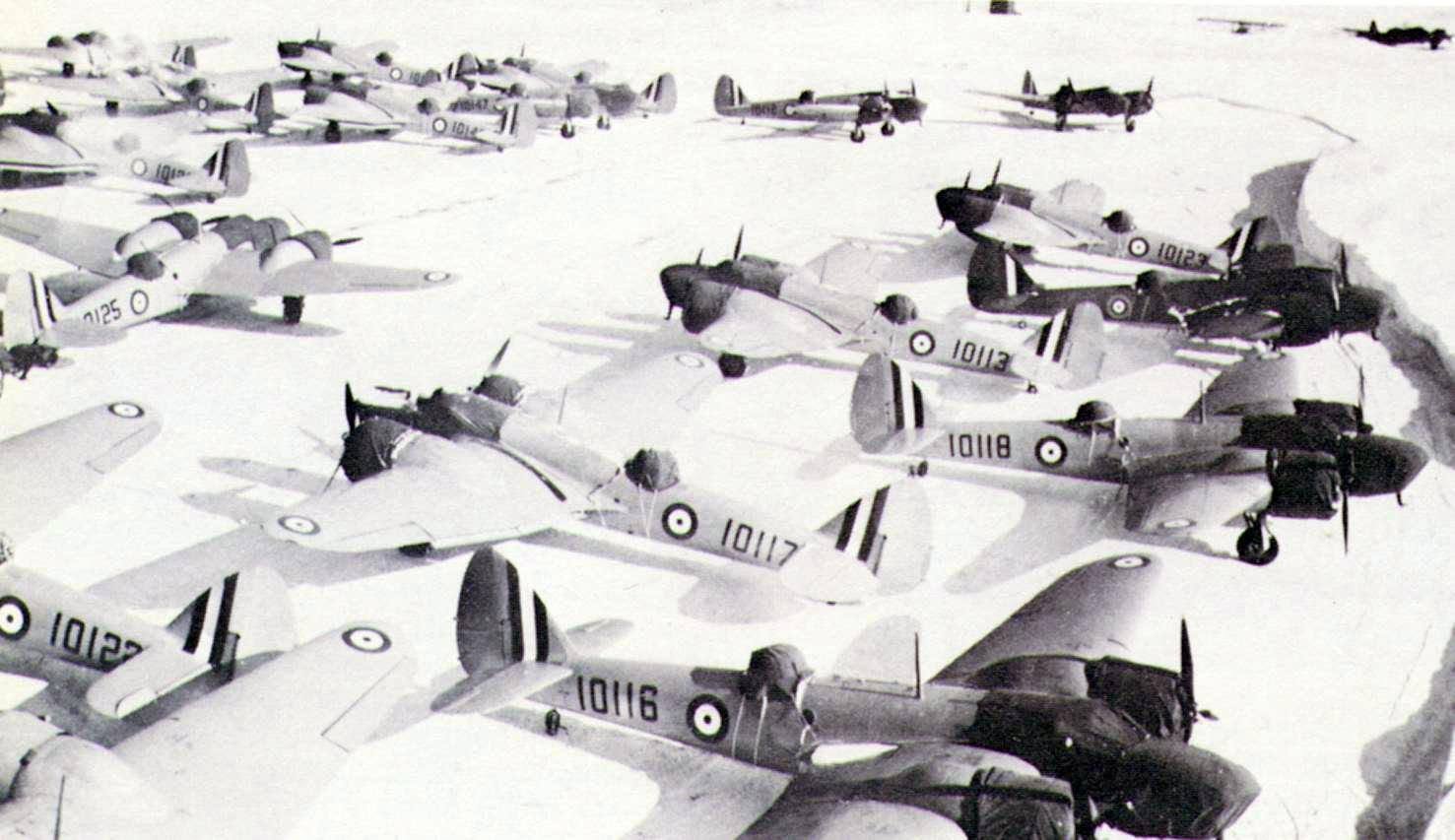
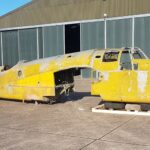
The Bolingbroke project at the Canadian Warplane Heritage Museum is in fact a composite made up of eight Bolingbroke Mk IVT airframes that have been combined to create a single intact example for static display at the museum in Mount Hope. These airframes include parts from RCAF 9889, 9937, 9949, 9981, 9989, 10040, 10117, and 10184. Most of these had served at or were sent to disposal at RCAF Station Macdonald, near Portage la Prairie, Manitoba, and were recovered as wrecks that had sat exposed to the harsh elements of the Canadian prairie for around 30 to 40 years before the dedicated volunteers of the Canadian Warplane Heritage Museum acquired the hulks of four of these airframes in May 1980 and transported them by truck and trailer from Winnipeg to Hamilton Airport, then acquired four more airframes.
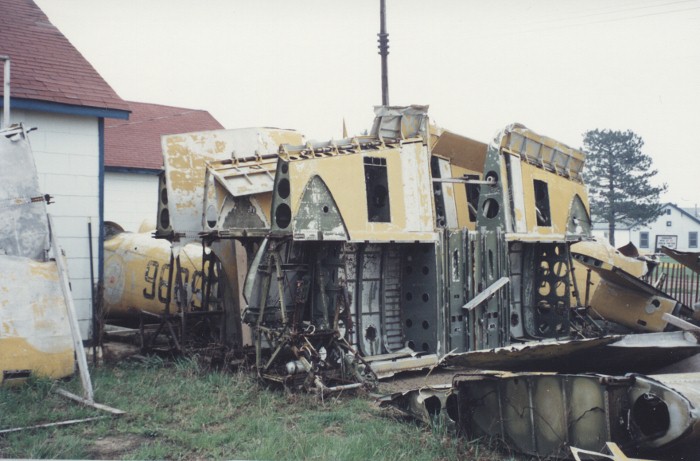
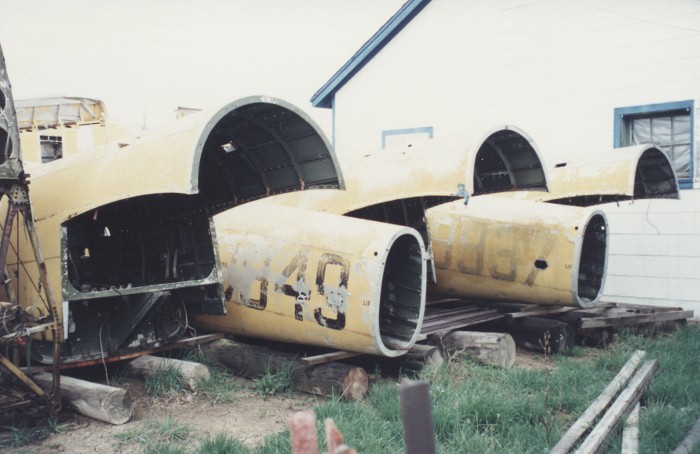
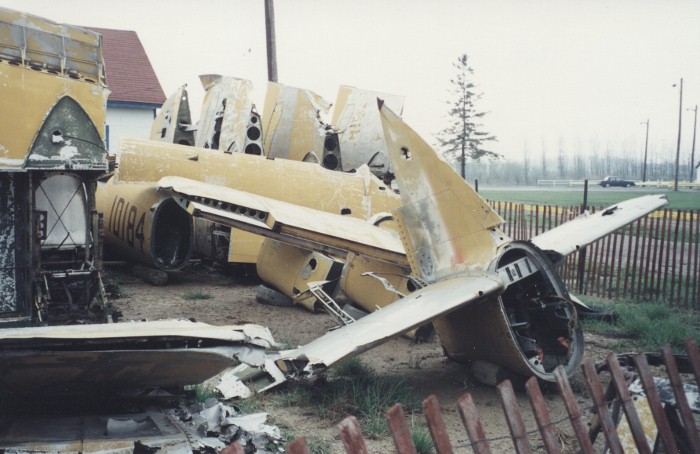
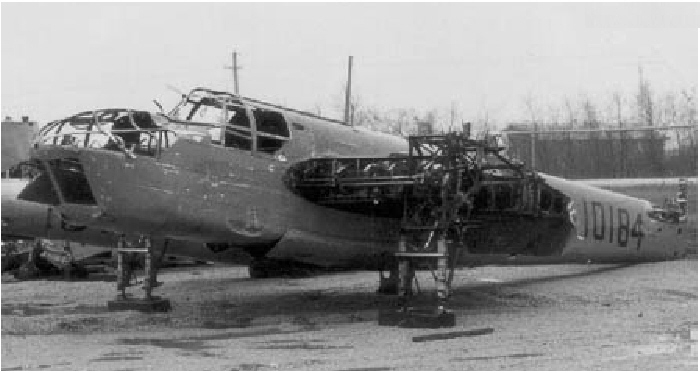
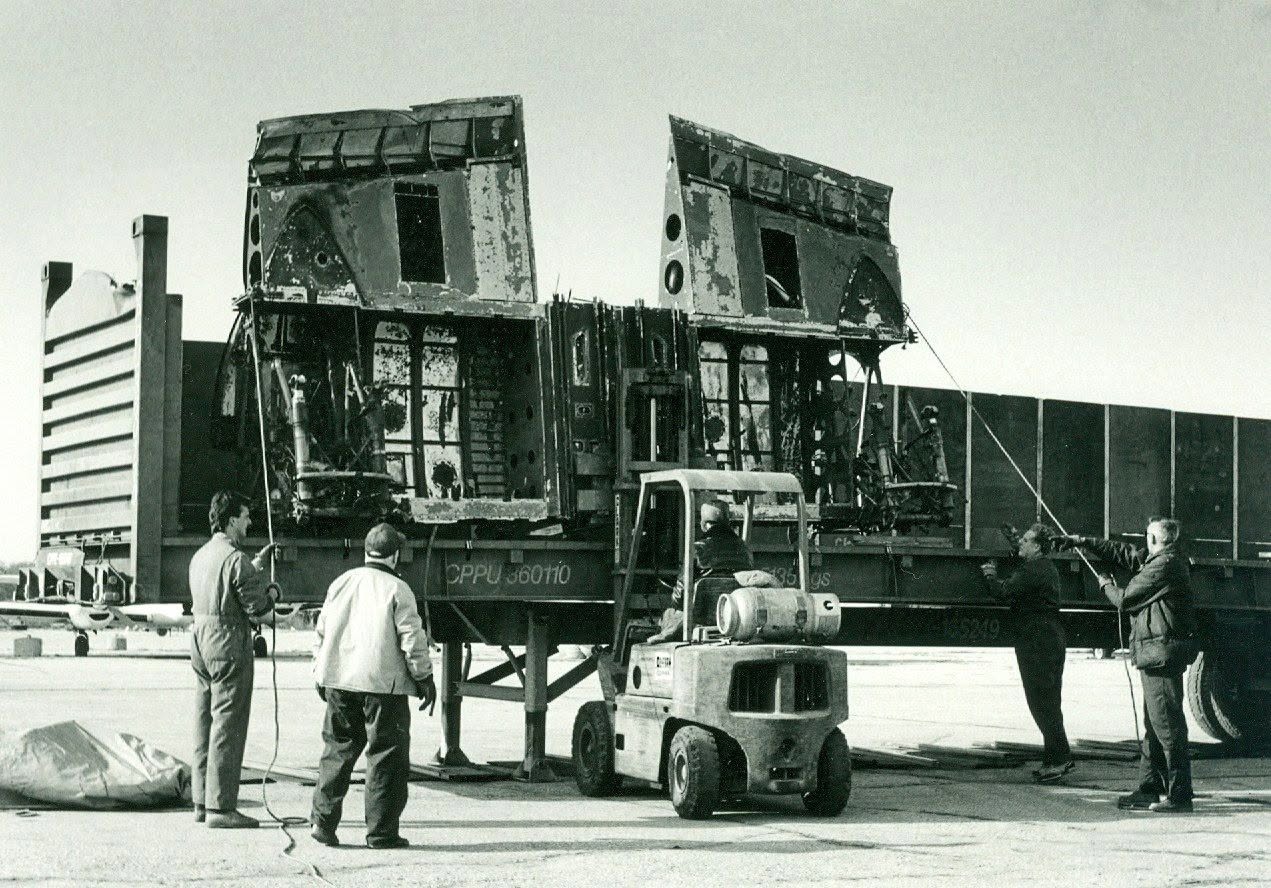
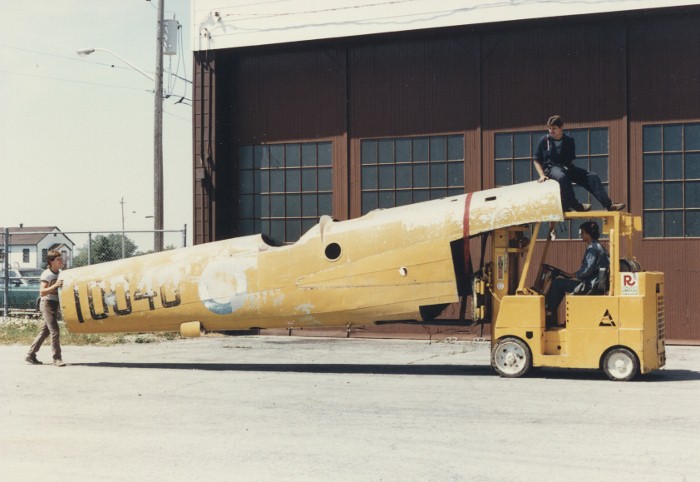
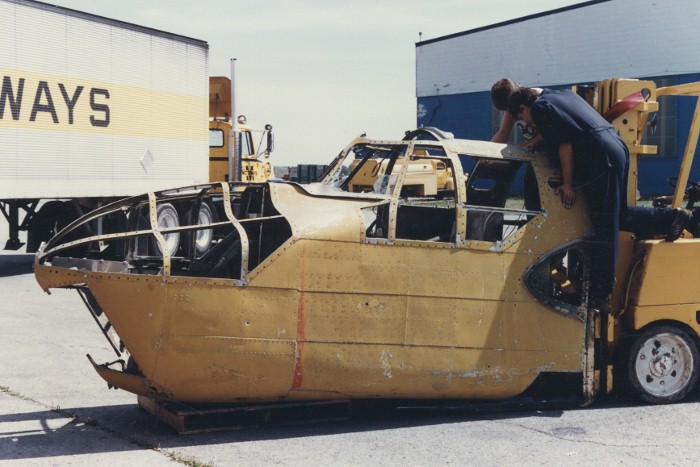
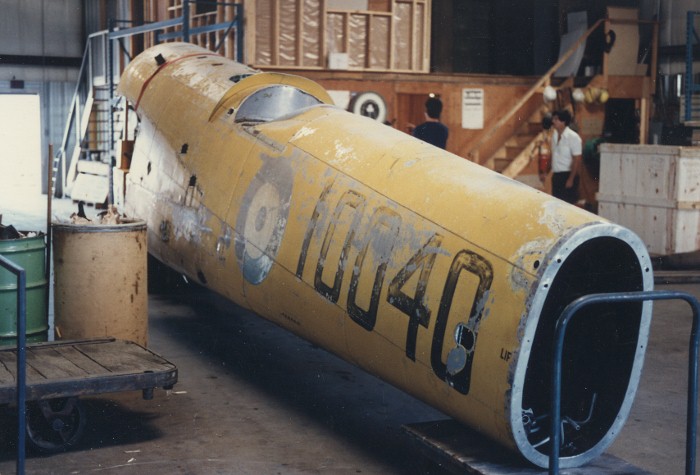
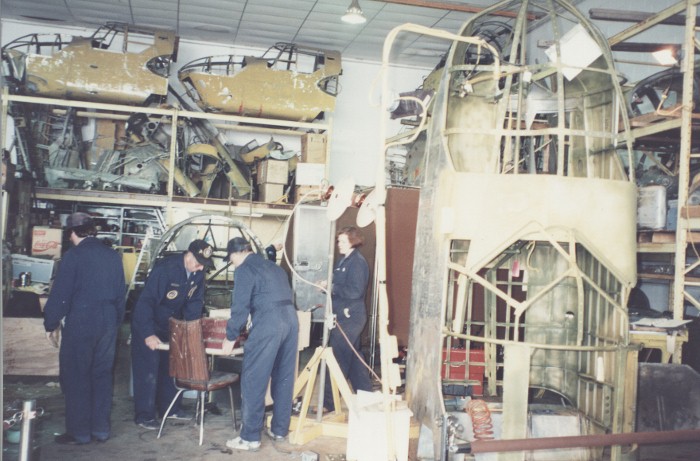
When the battered Bolingbroke airframes were brought to Hamilton Airport, the volunteers certainly had their work cut out for them. Nevertheless, with tireless dedication, they set to work. However, the project was almost lost when, on February 15th, 1993, the museum’s Hangar 3 caught fire, which led to the destruction of five aircraft (a Hawker Hurricane, Grumman Avenger, Auster, Stinson 105 and Supermarine Spitfire), along with the administrative offices, engineering records and all ground and maintenance equipment. However, the Bolingbroke restoration project, along with the museum’s Fleet Finch trainer and the CWHM’s Avro Lancaster FM213, were evacuated in time before the collapse of Hangar 3. In the aftermath of the fire, the museum was rebuilt in its current purpose-built hangar, which was opened in 1996, and has since expanded to become one of Canada’s largest aviation museums with over 40 aircraft. The CWHM’s Bolingbroke has made great strides in the last 15 years, with two Bristol Mercury radial engines having been cleaned and overhauled in 2012 at Vintage V-12s in Tehachapi, California, before returning to the CWHM. Yet these engines were still missing many important internal components, so in 2016 the Canadian Warplane Heritage Museum reached an agreement with the Montreal Aviation Museum at McGill University’s Macdonald Campus, which is also rebuilding their own Bolingbroke. In exchange for cosmetically restoring the Bristol Mercury engines for the Montreal Bolingbroke, the CWHM was able to acquire some internal components from these engines to outfit their own set.
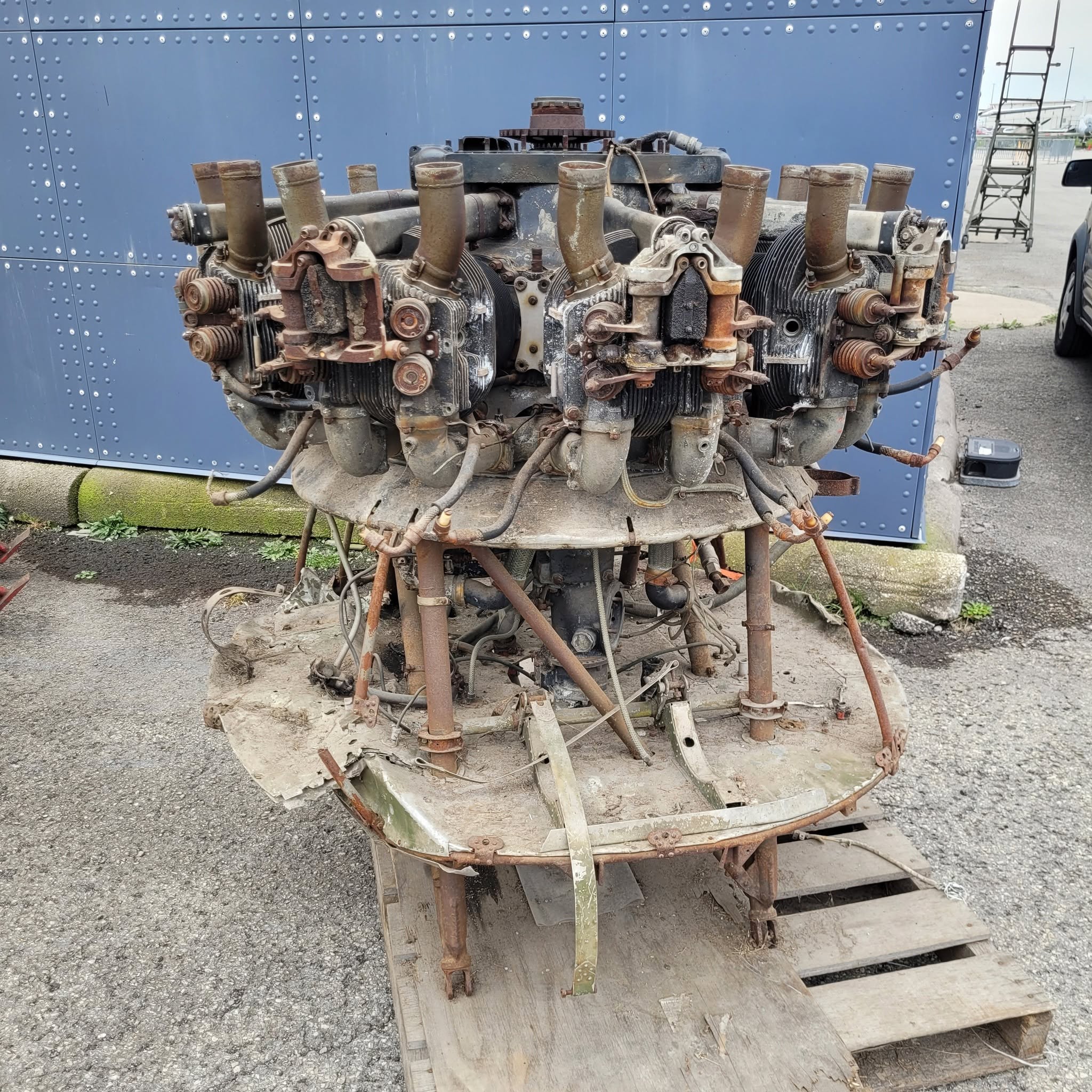
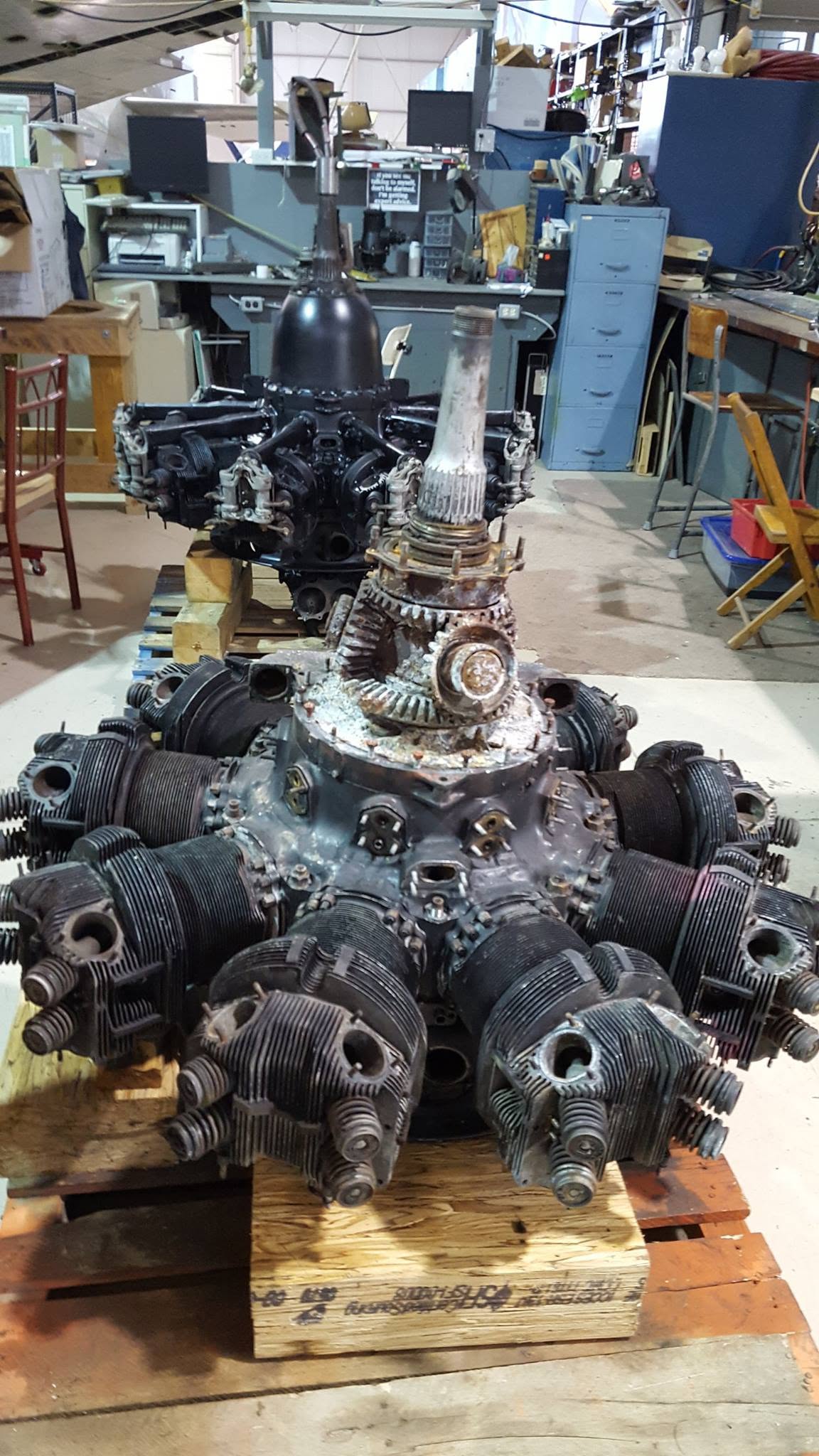
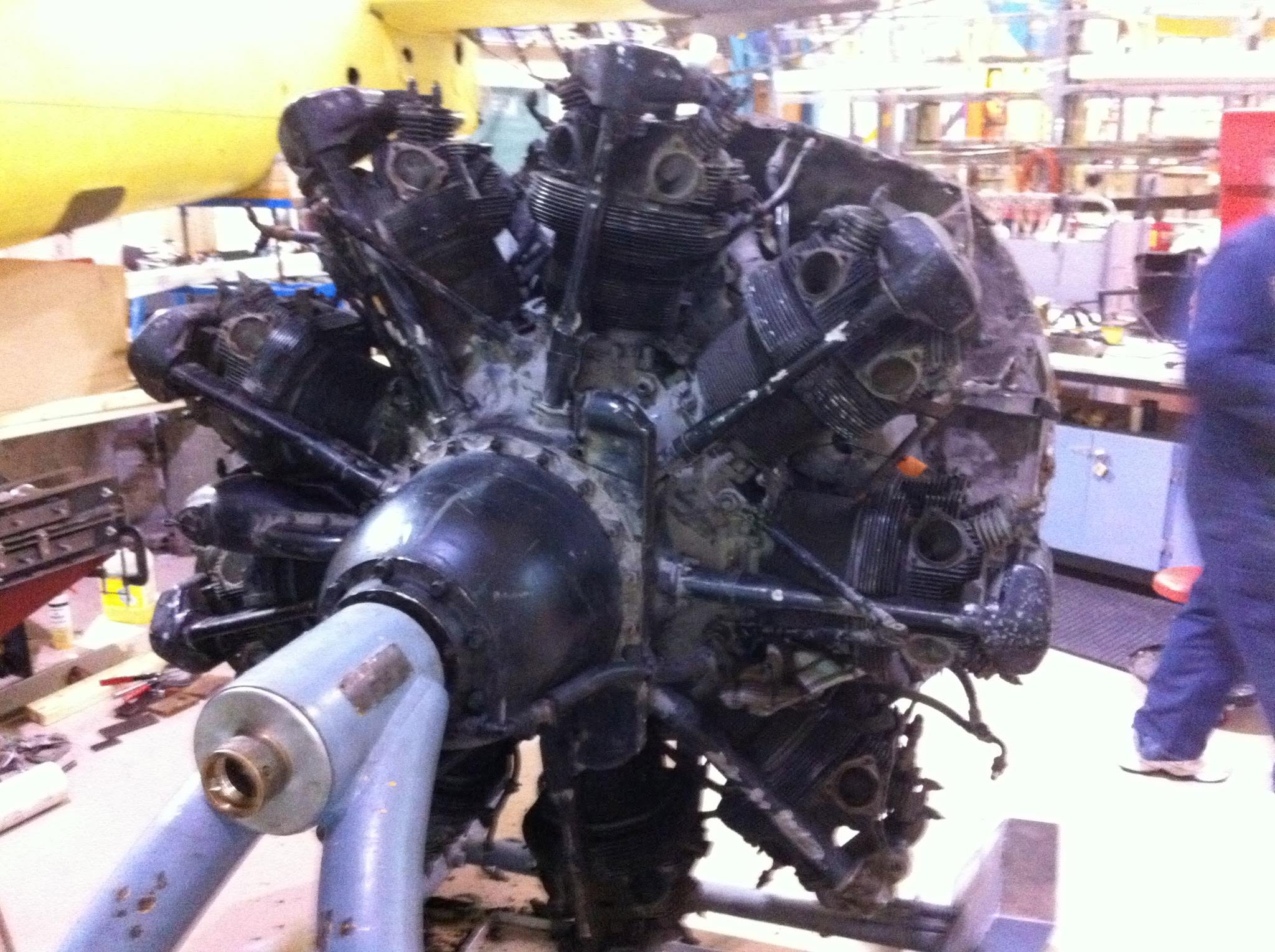
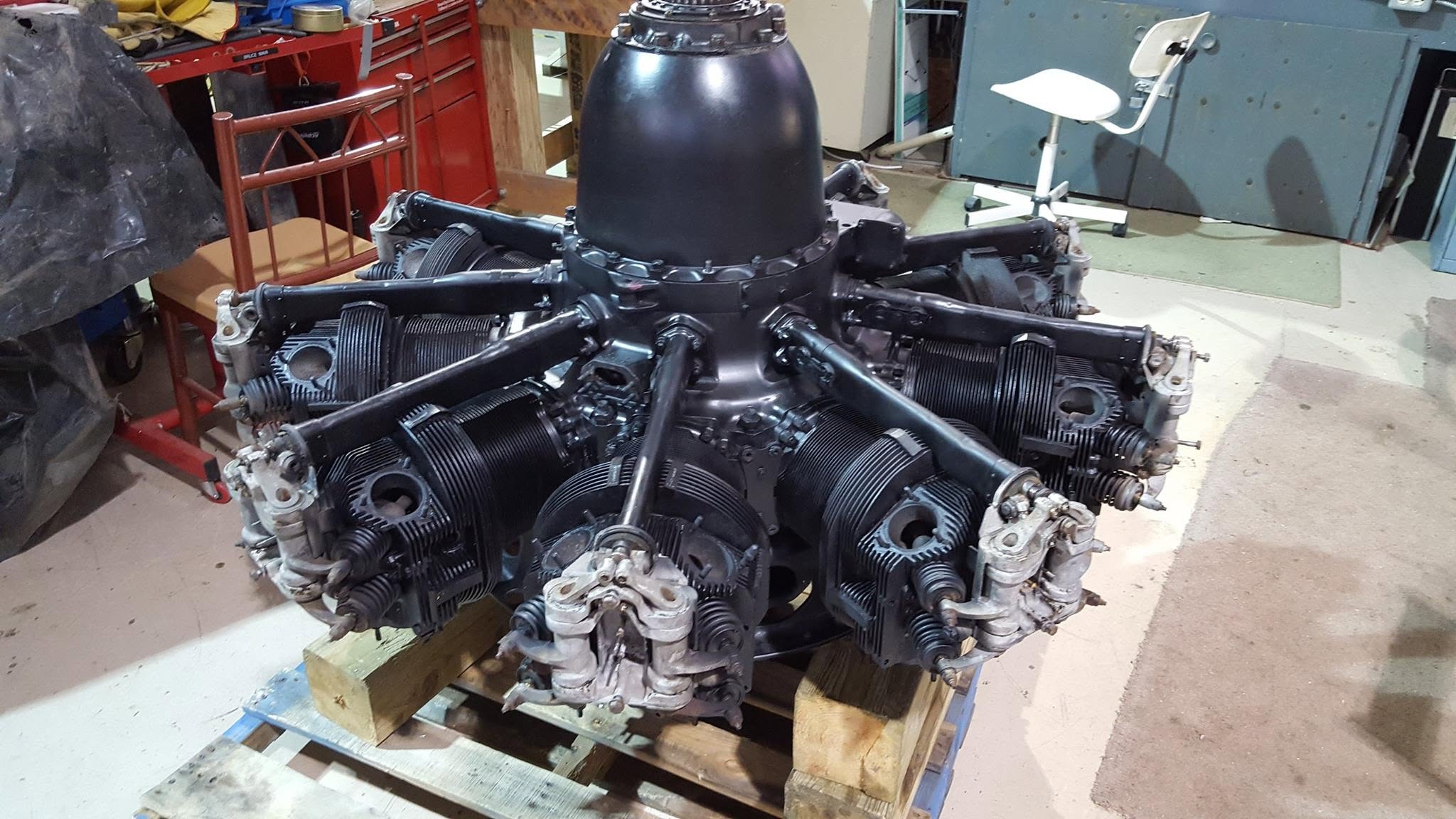
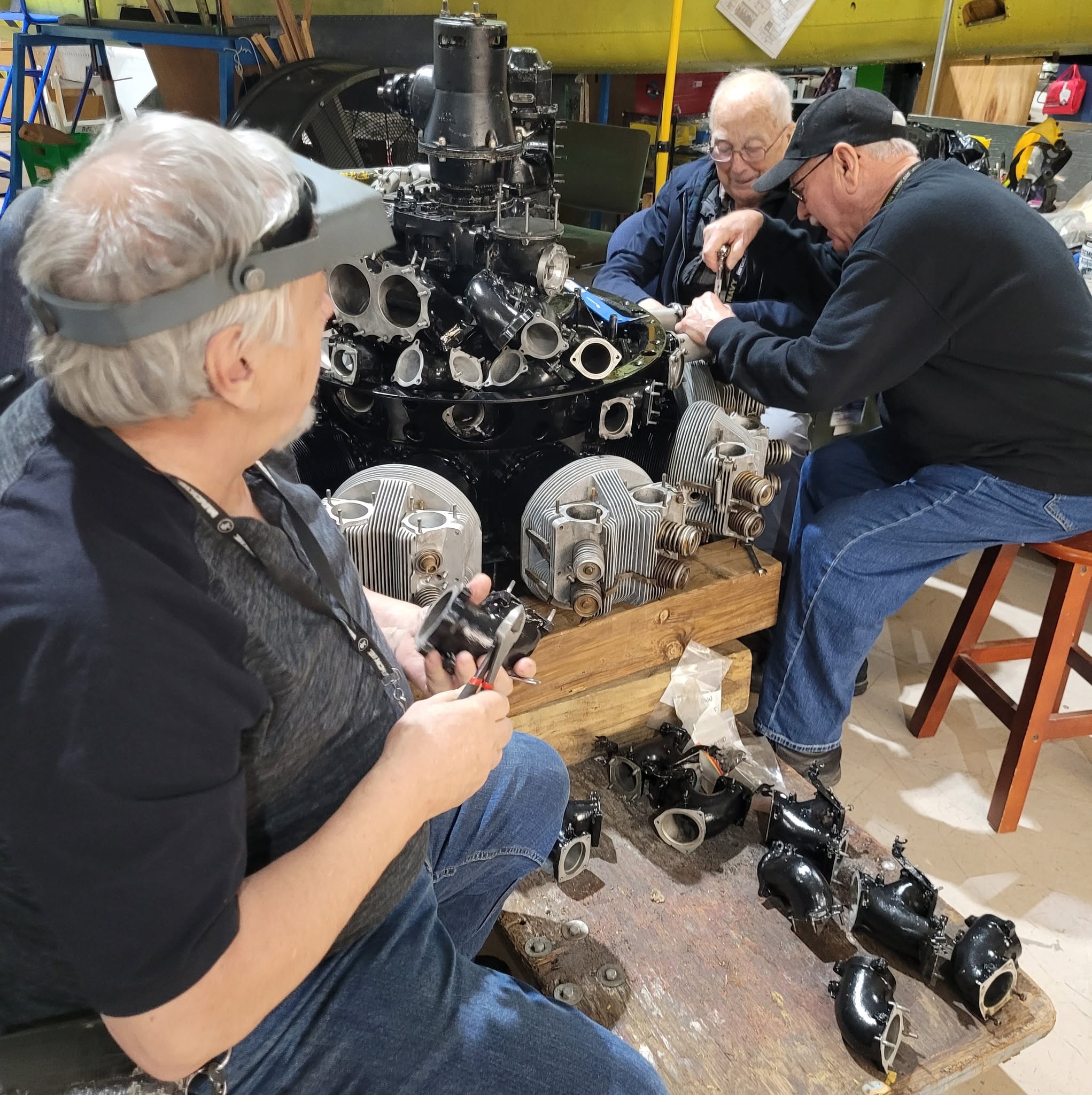
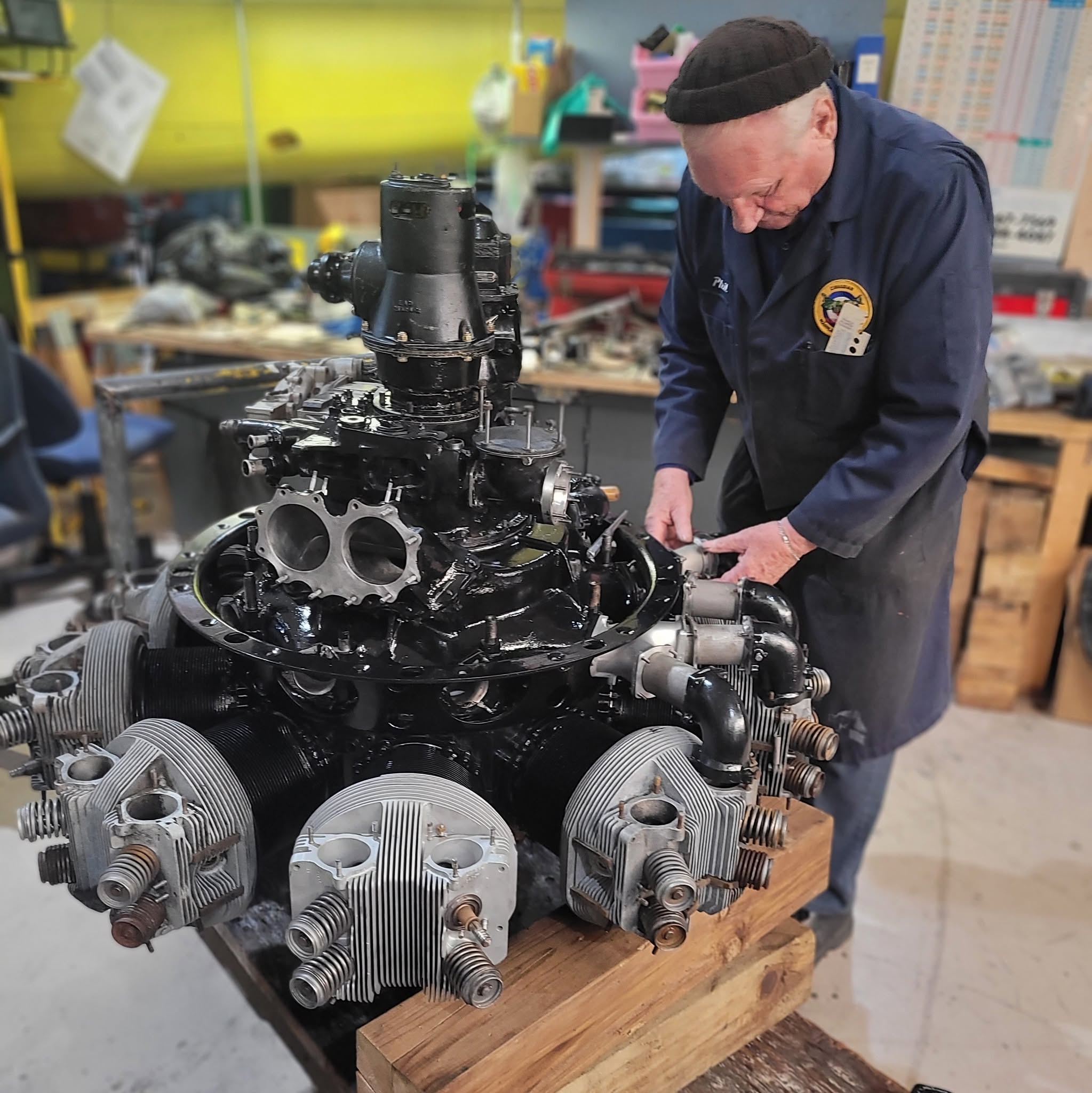
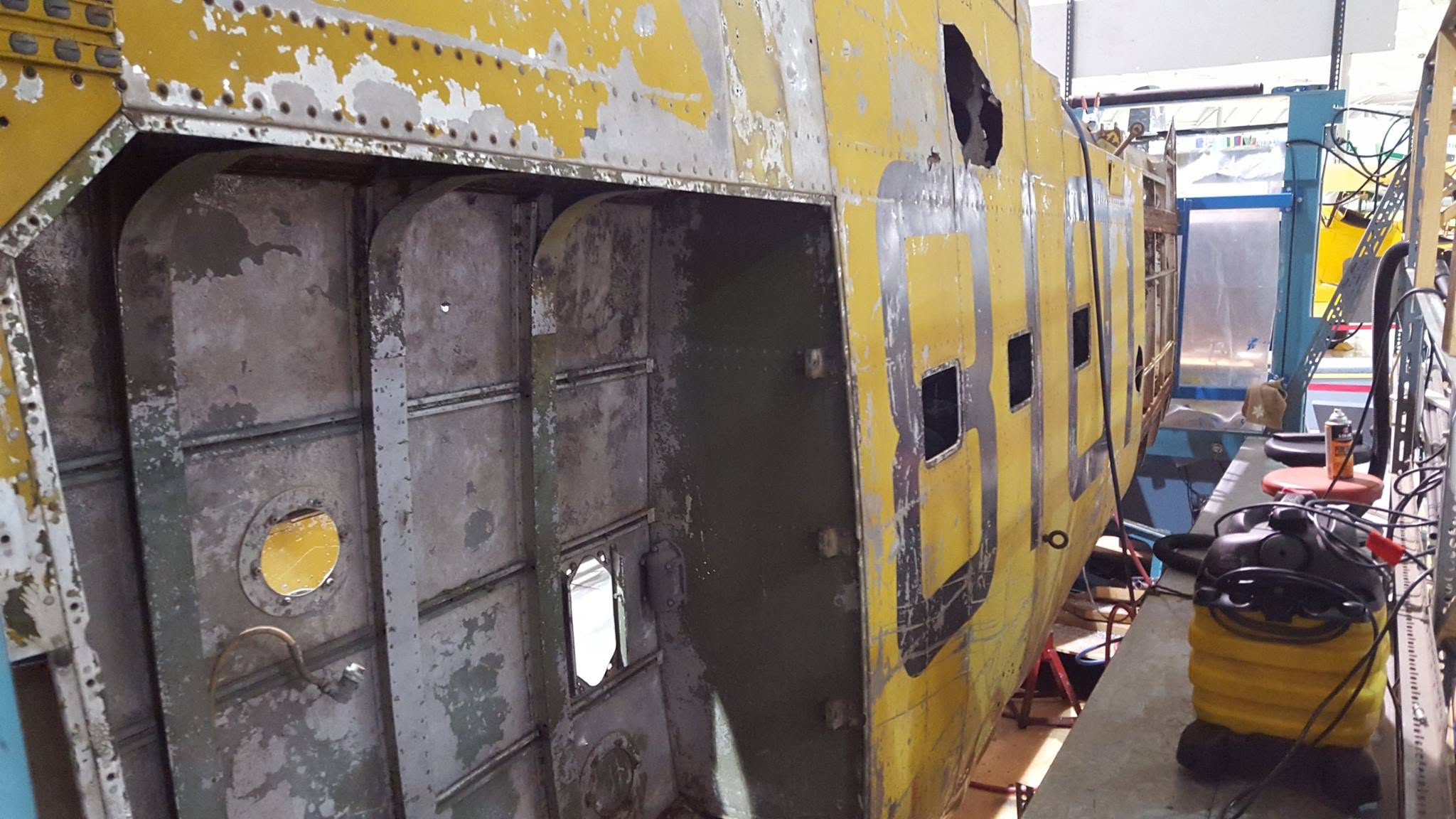
Additionally, when it came to reskinning the aluminum panels of the wings of their Bolingbroke, the CWHM was greatly helped by KF Aerospace of Kelowna, British Columbia, who helped remove original but damaged skins from the wings and install new panels when needed. Work was slow but steady, with work on reskinning the first wing selected for the restoration starting in January 2016 and going on until 2021, with repairs also being made to the internal wing structure, such as replacing the spars and restoring longerons and ribs. In October of that same year, the fabric-covered rudder was reattached to the tail of the Bolingbroke, and in November 2023, the museum celebrated the reinstallation of the first Mercury engine on the Bolingbroke by attaching one of their engines to the left-hand nacelle. In December of 2025, the right-hand nacelle received its Bristol Mercury, bringing the aircraft one step closer to its original appearance.
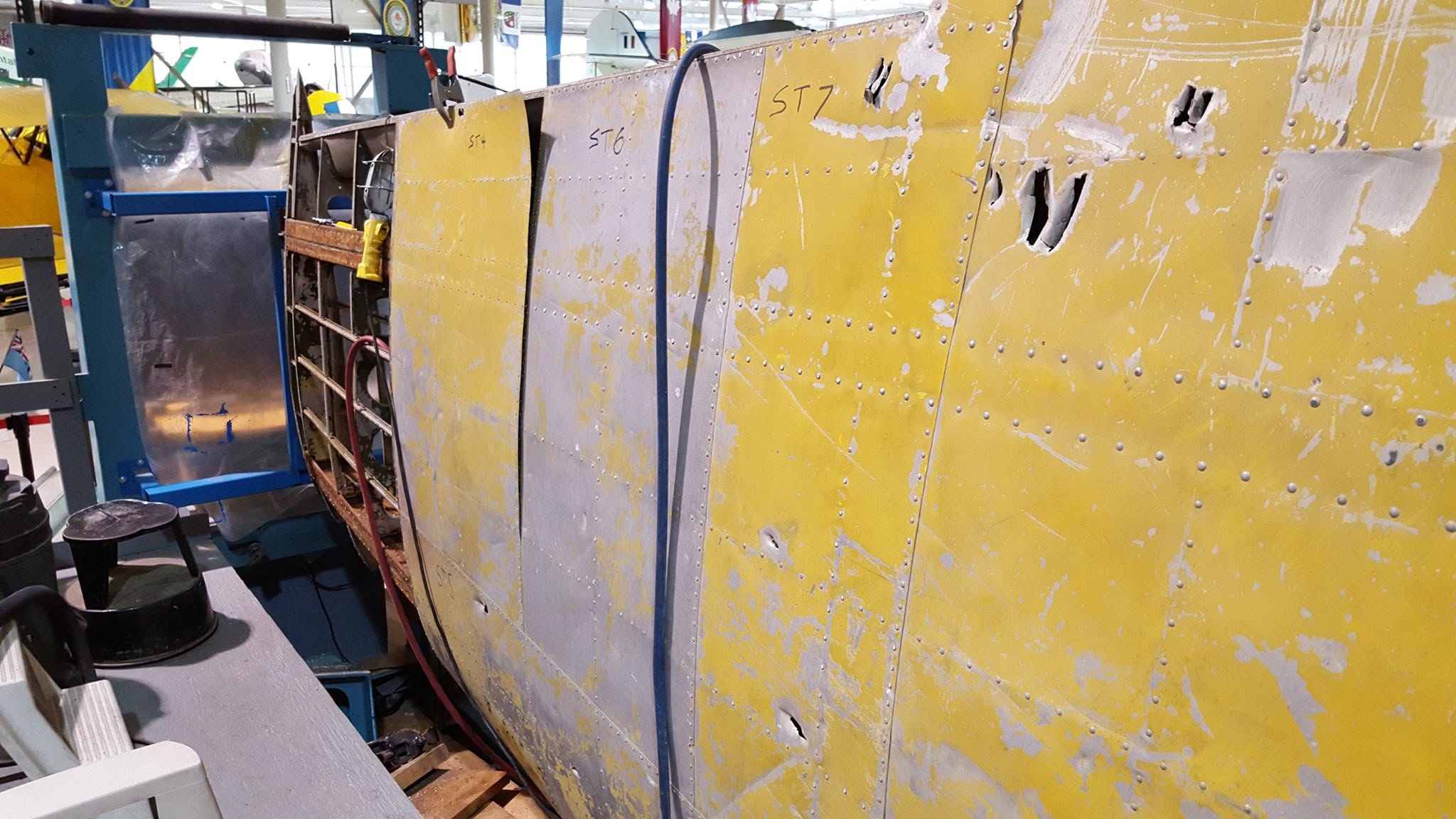
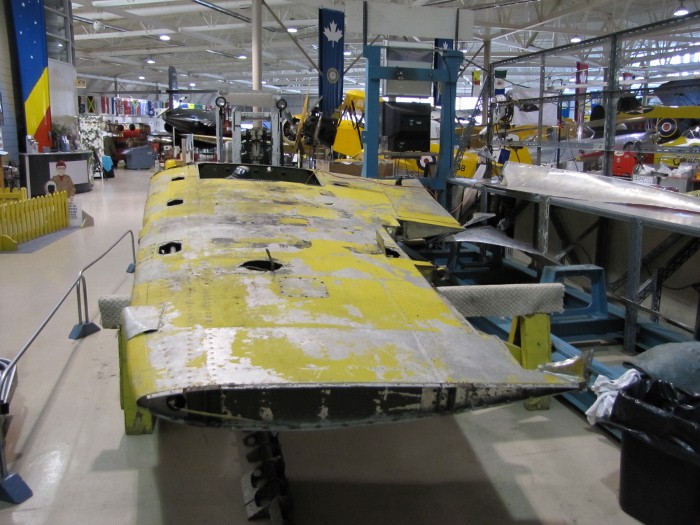
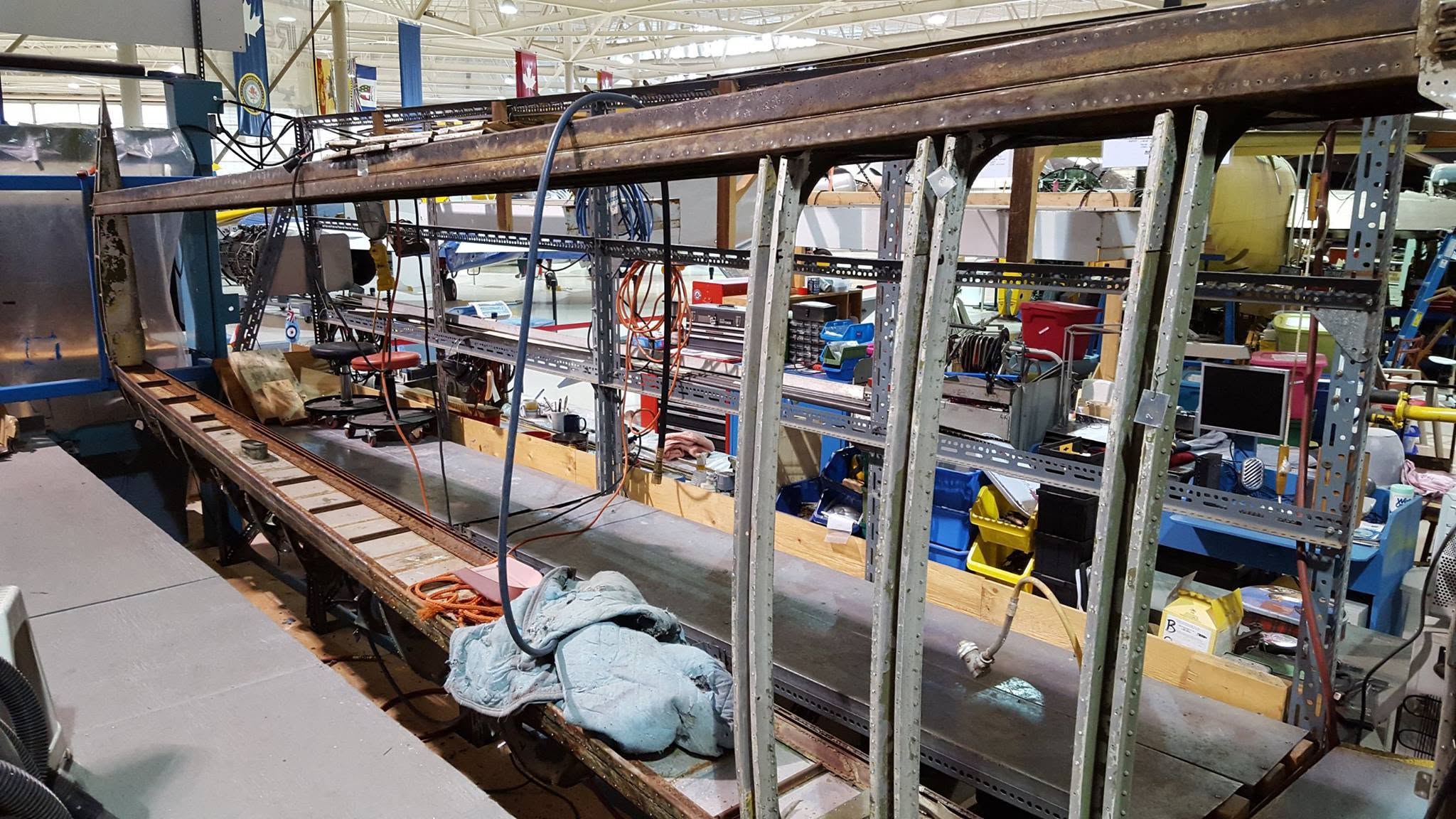
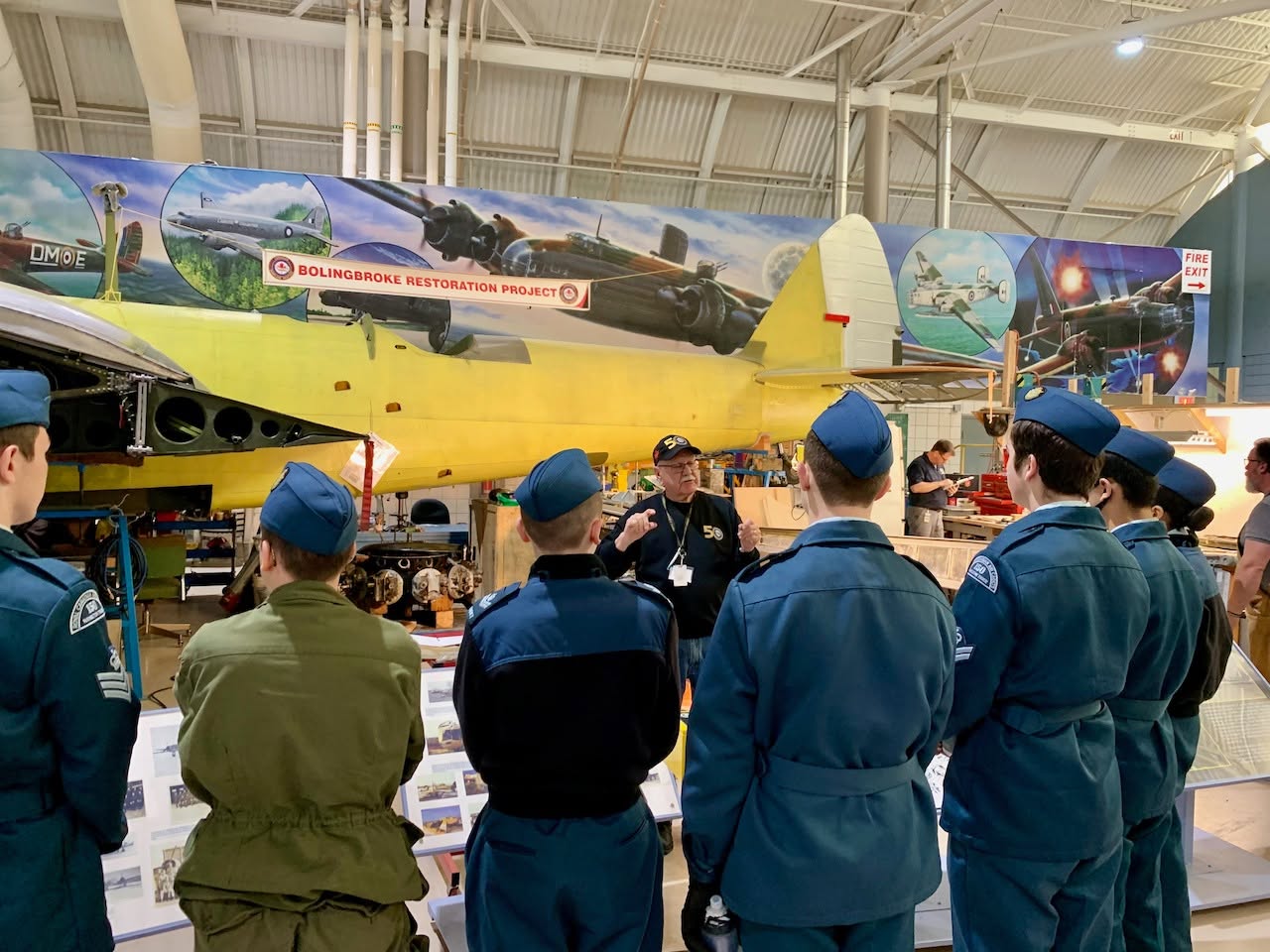
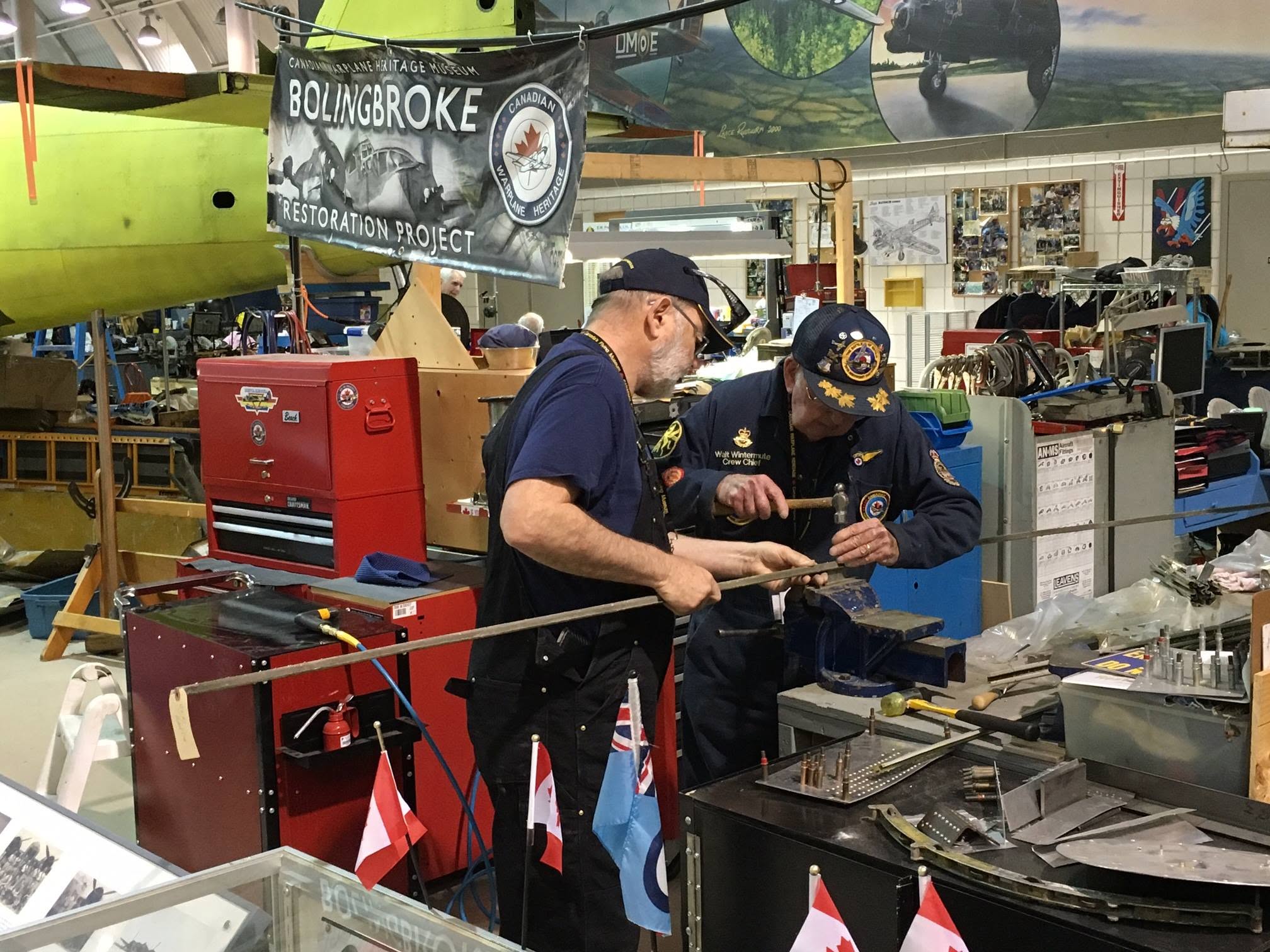
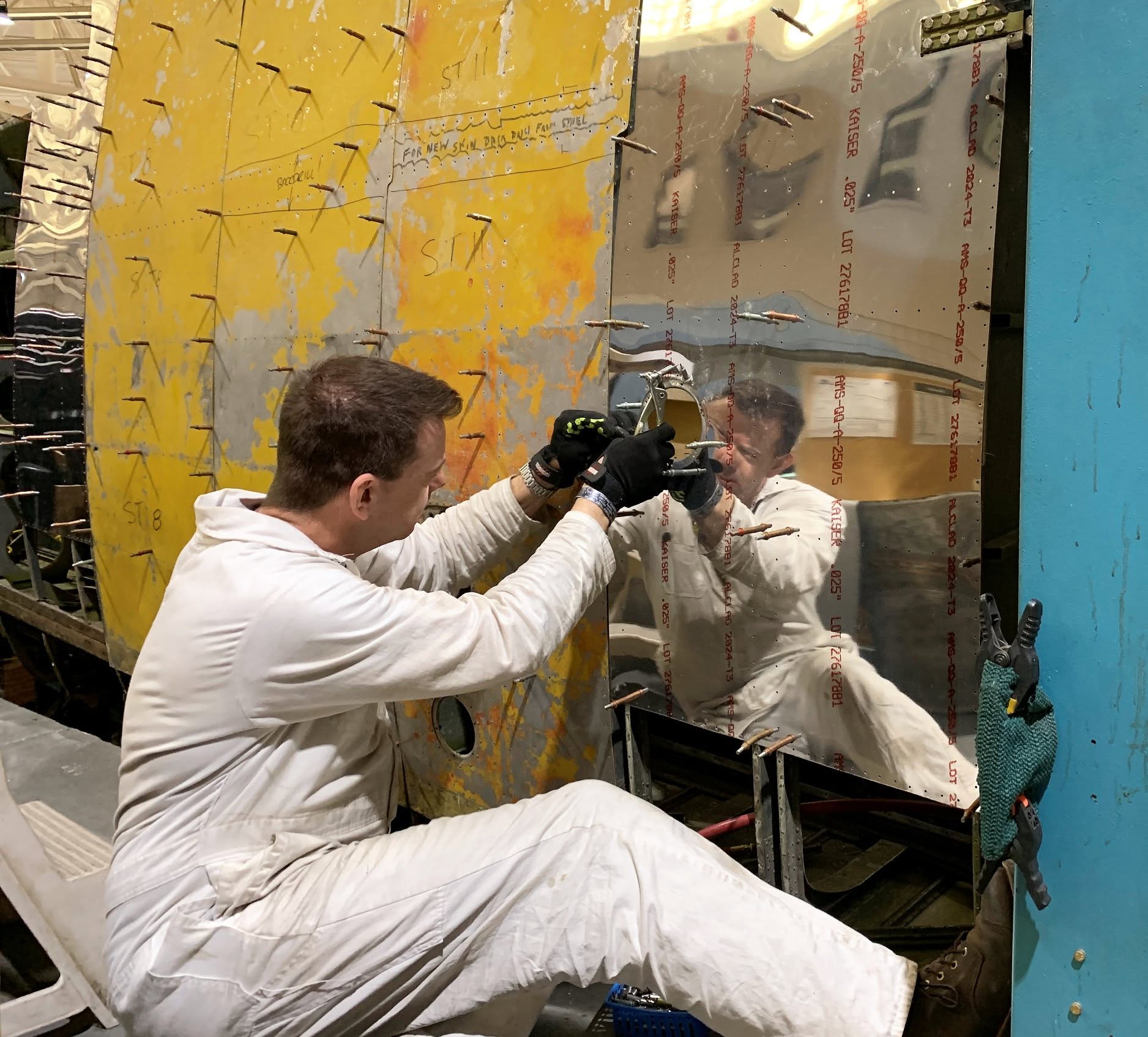
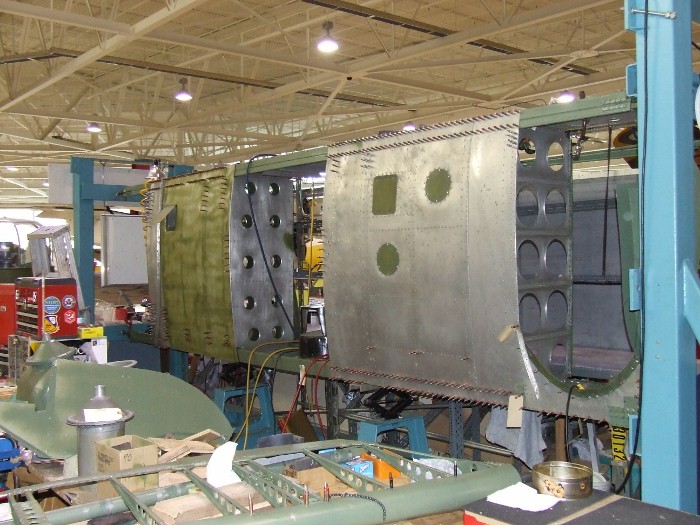
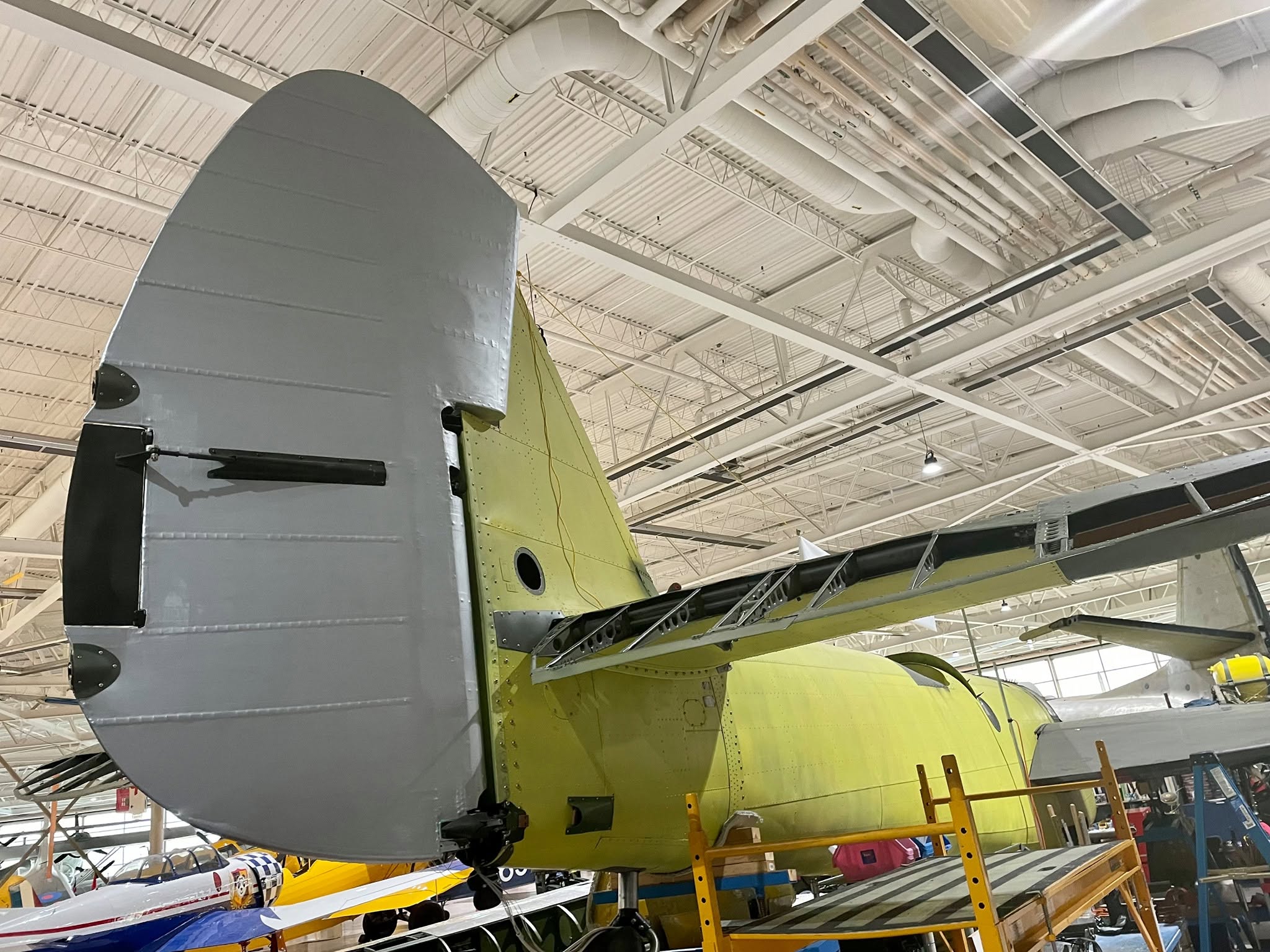
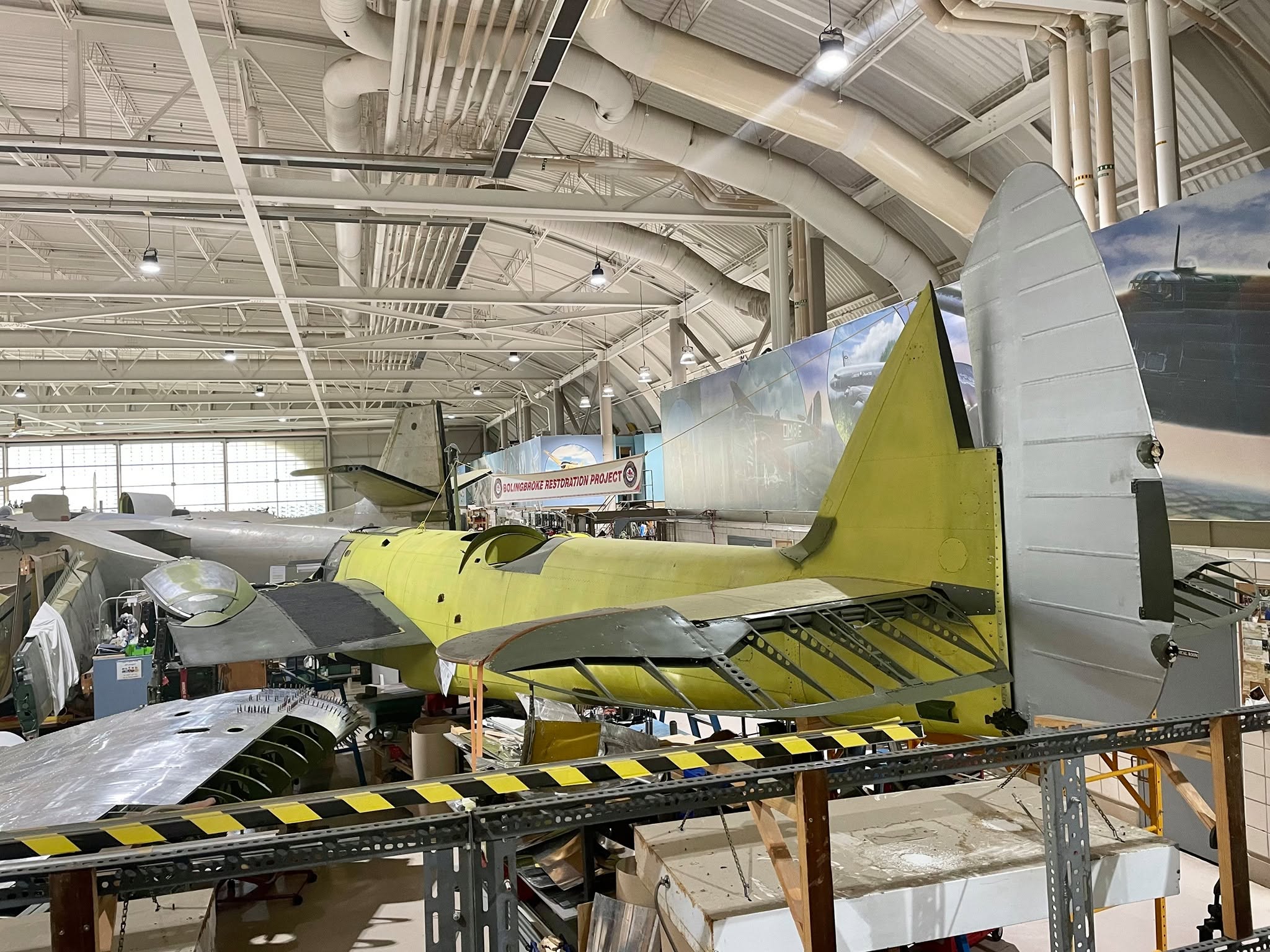
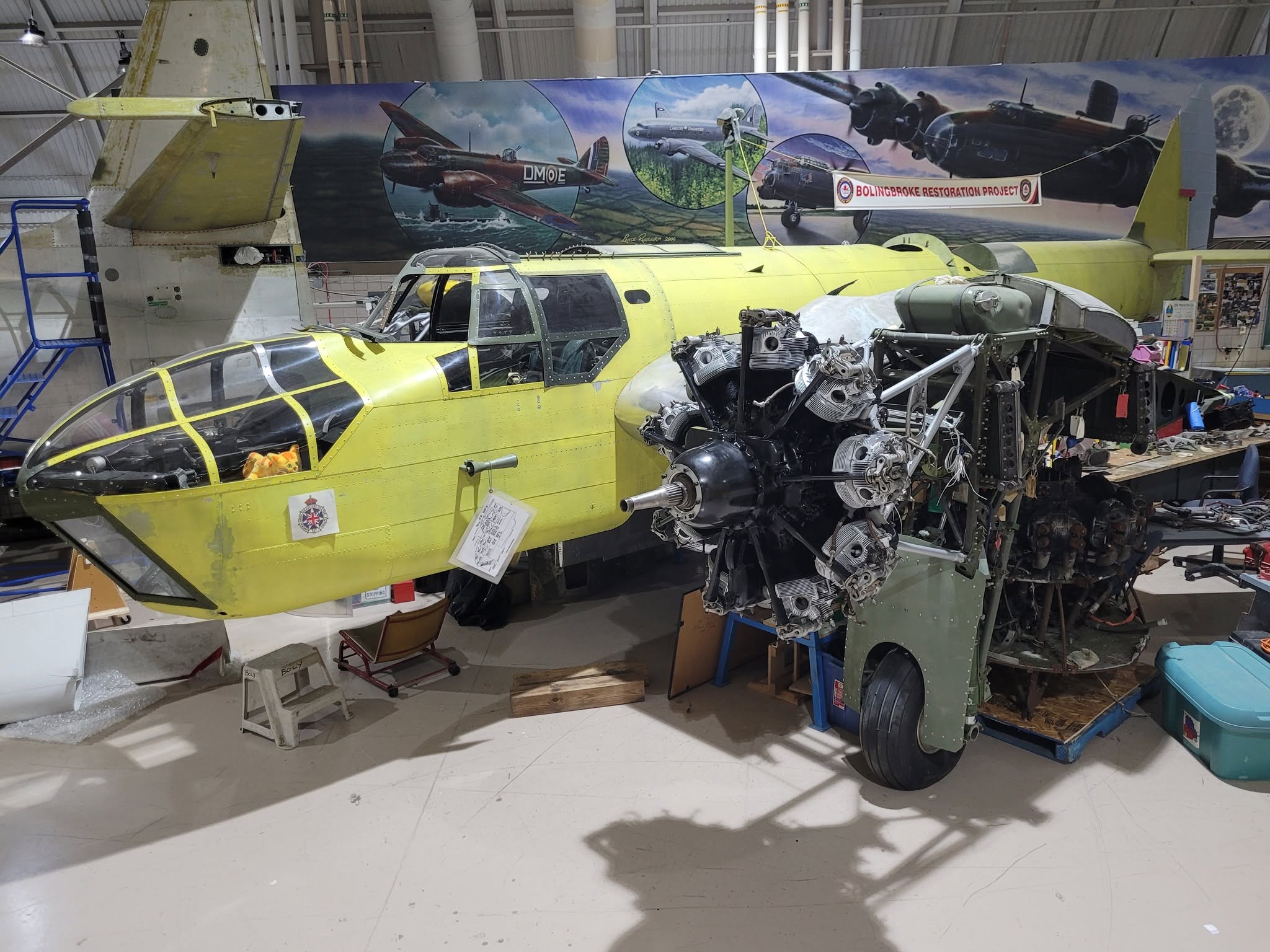
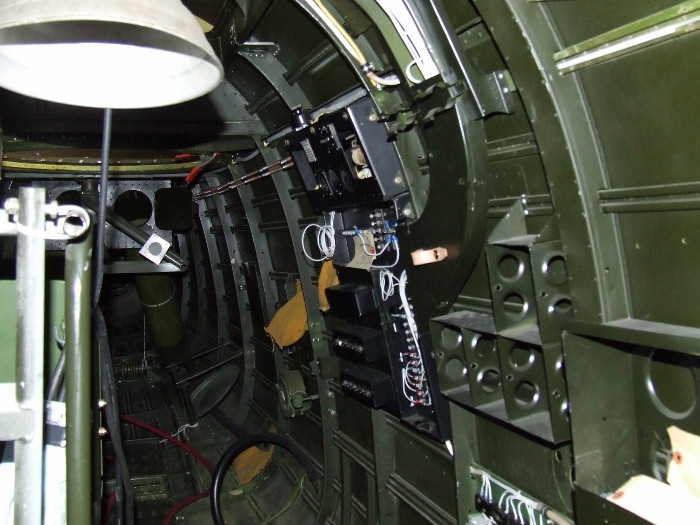
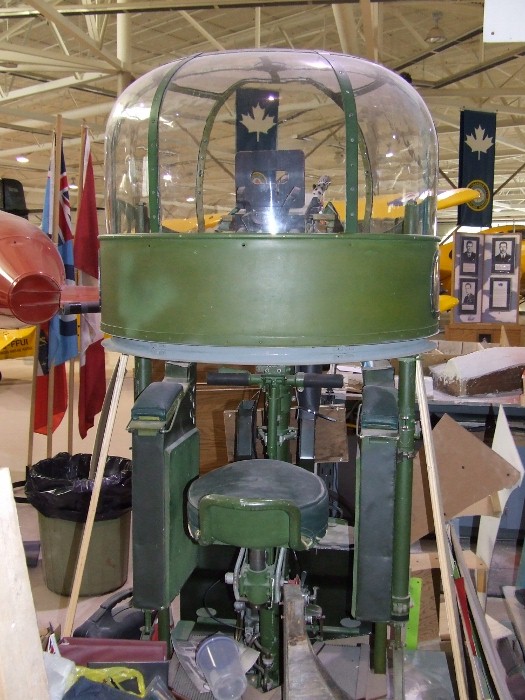
One reason for the length of this particular project has been the necessity for the volunteers to work on other aircraft in the collection, from maintaining the airworthy fleet such as Lancaster FM213 to restoring other aircraft, such as the museum’s TBM-3E Avenger torpedo bomber RCN 86180, which made its first post-restoration flight on May 1, 2026 after a 17-year restoration following its acquisition by the CWHM in 2009. But with the completion of the Avenger, the restoration volunteers have been able to focus more attention on the Bolingbroke. In March 2026, the museum also installed the Bolingbroke’s distinctive power-operated turret, which was carried over from the Bristol Blenheim. This turret would be armed with either a single .303 in Browning machine gun or a pair of .303 in Browning machine guns.
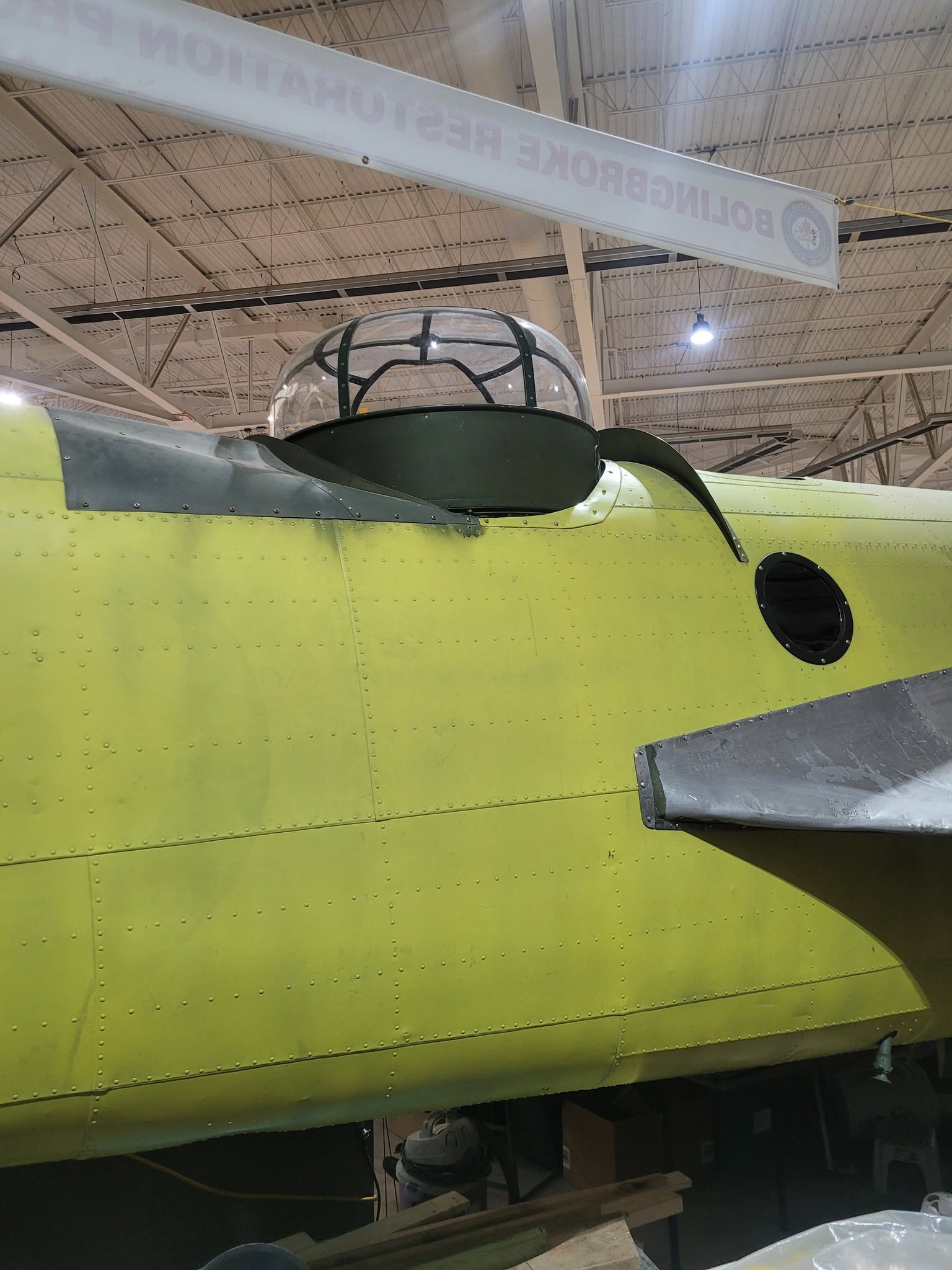
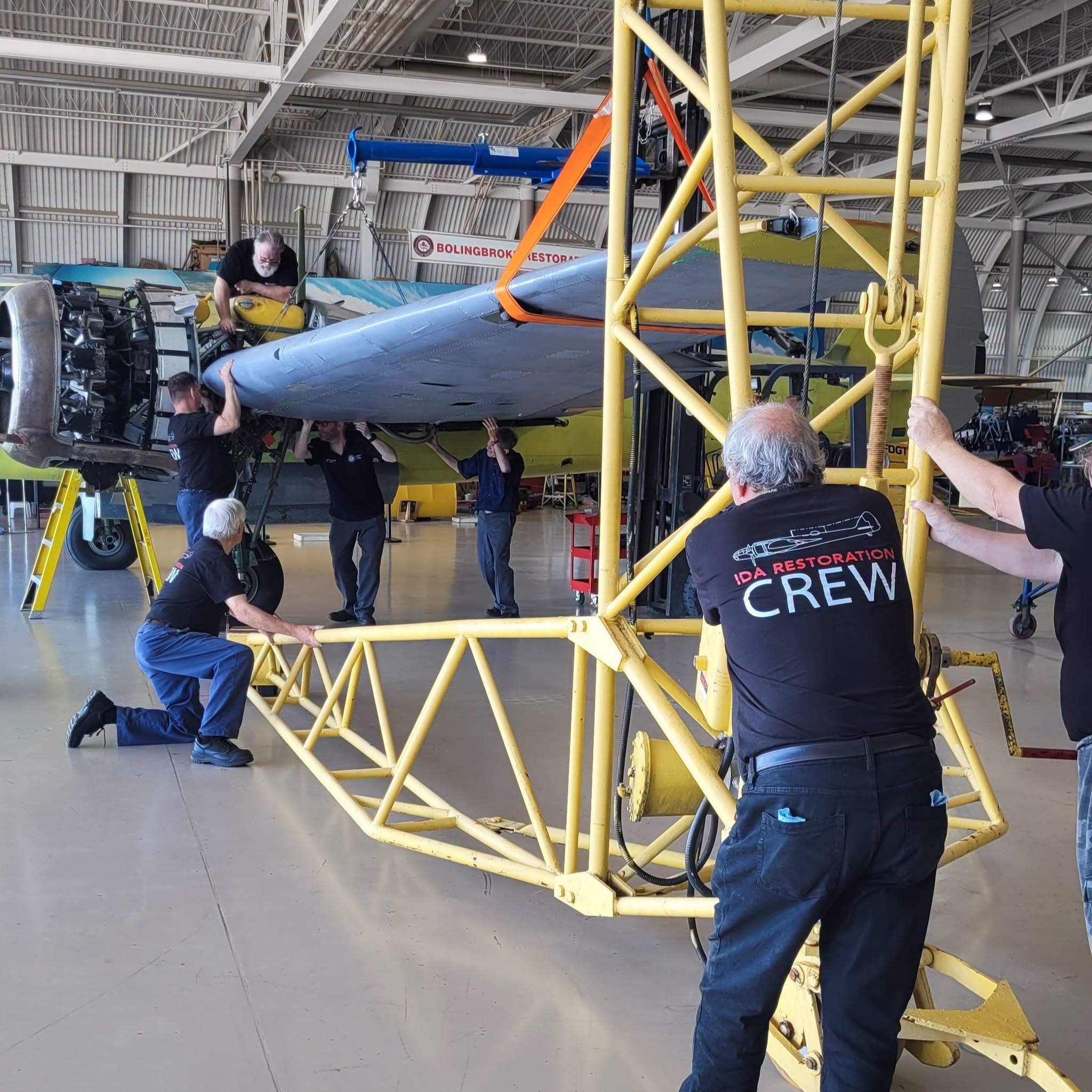
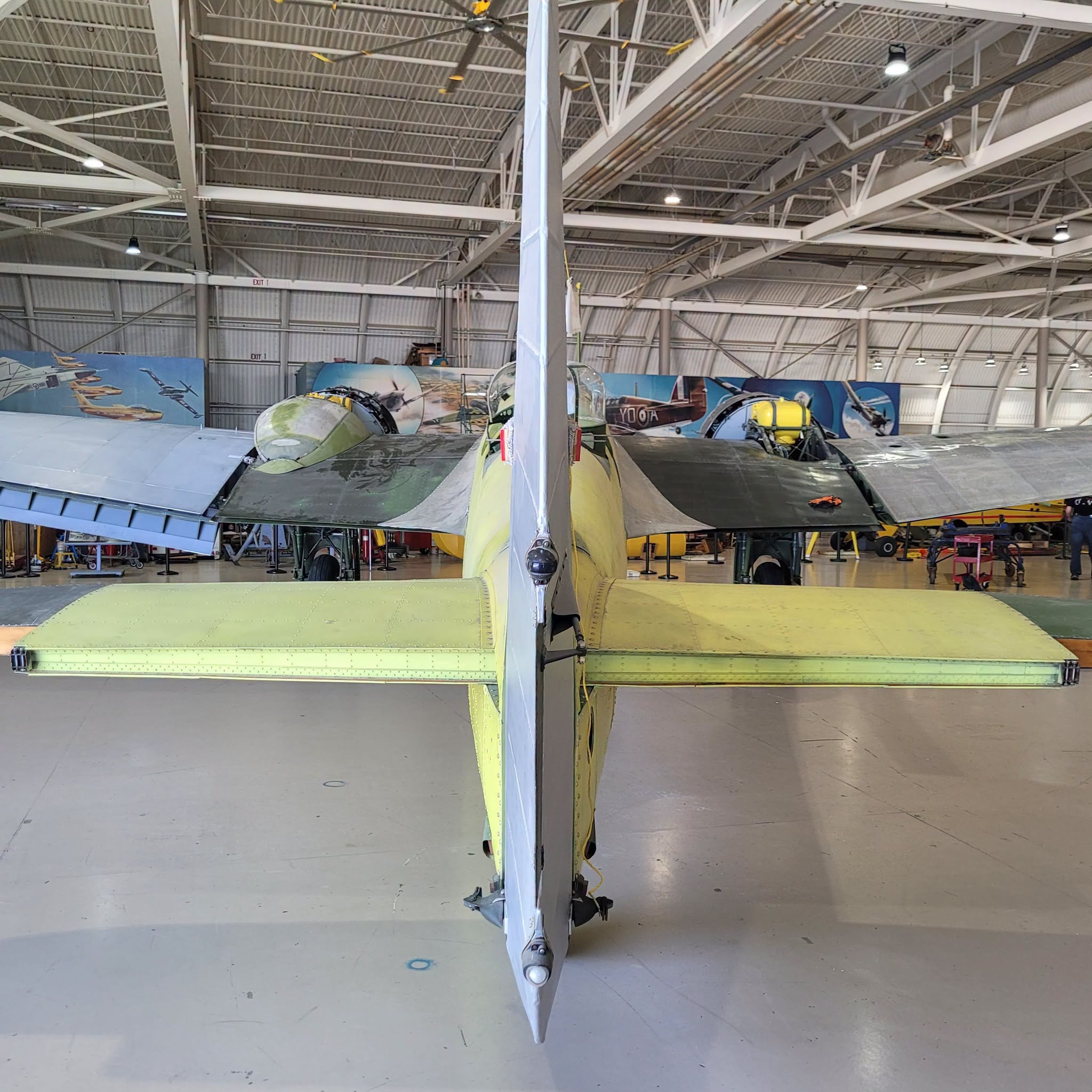
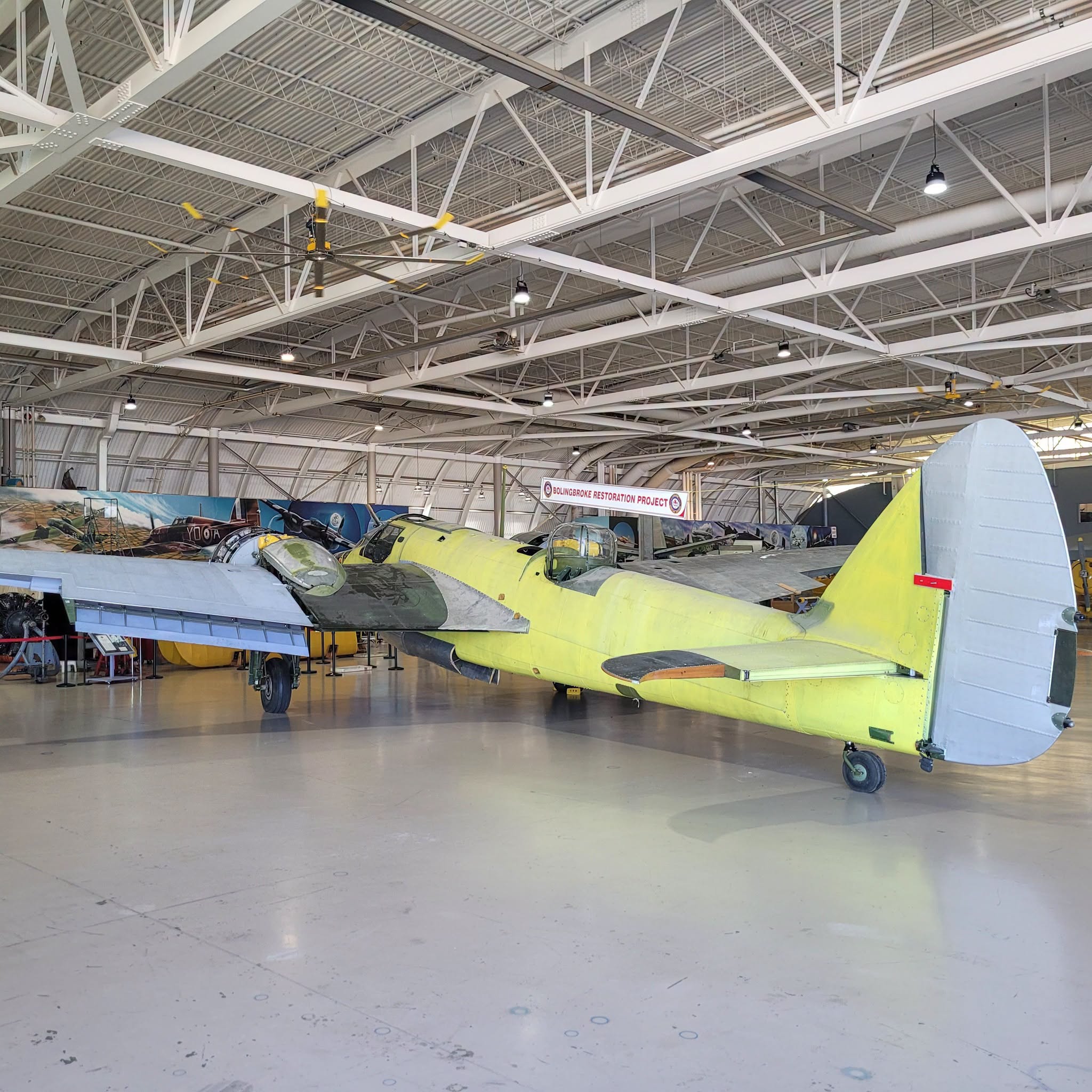
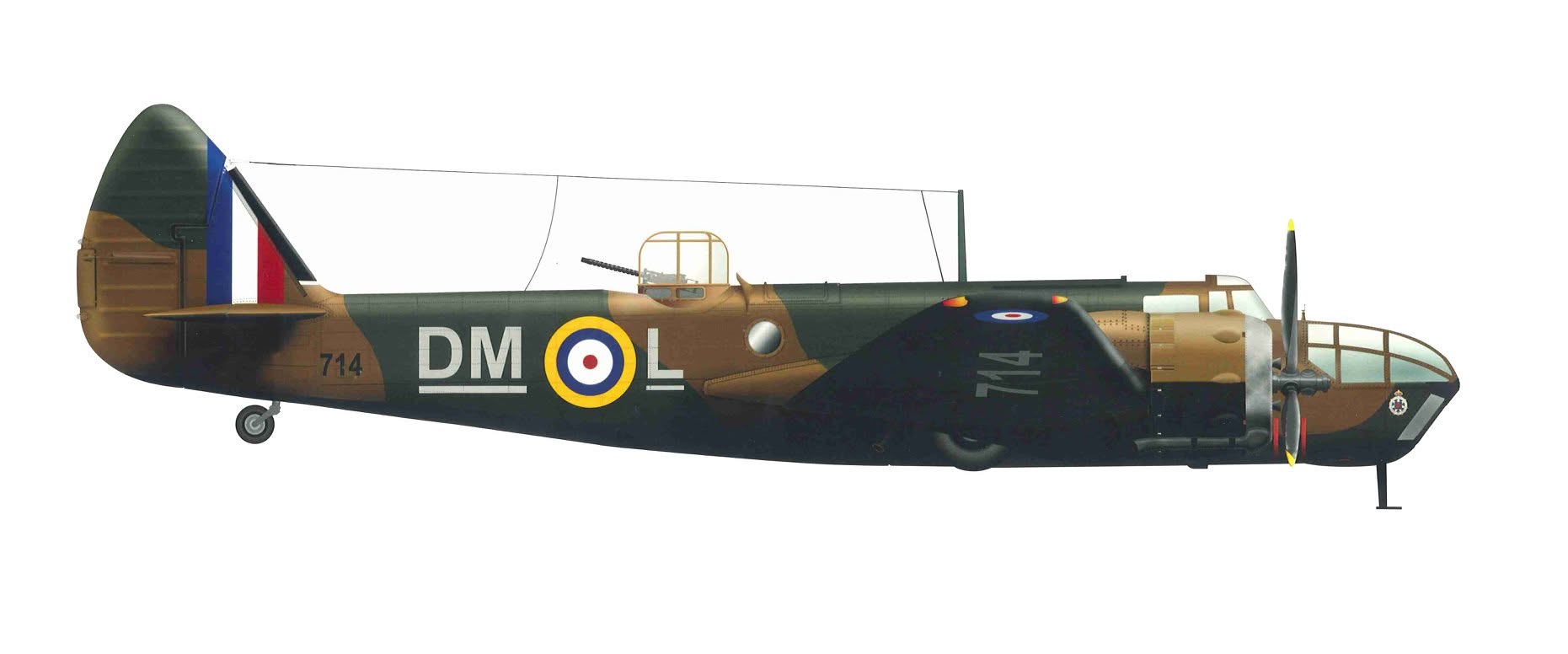
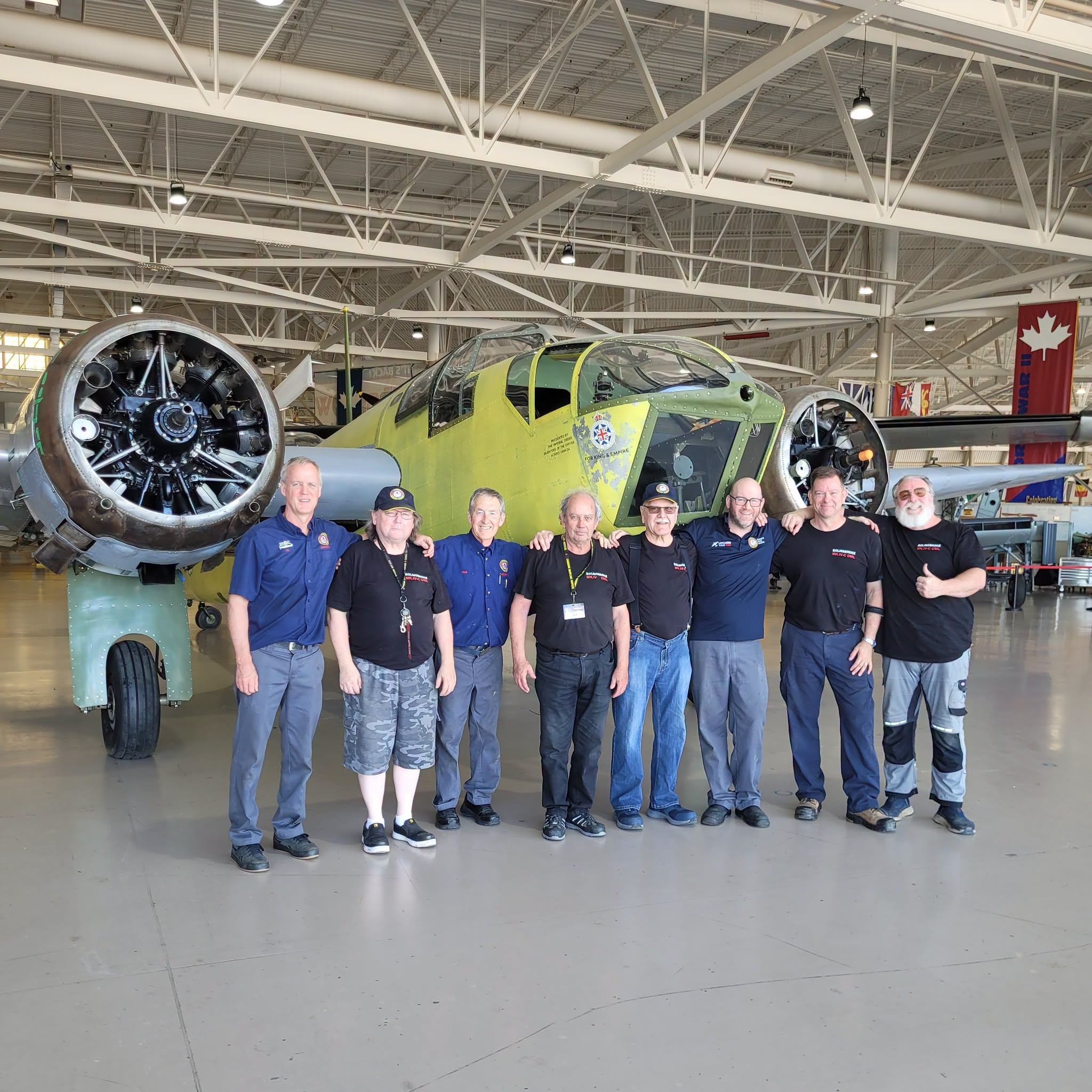
Now that the reskinned outer wing panels have been refitted to the CWHM’s Bolingbroke, the exterior of the aircraft is at last nearly fully reassembled, though further work such as the reinstallation of the propellers remains to be done. Although the Bolingbroke being restored by the museum is a composite, and the museum itself has listed RCAF 10117 as the main identity for their composite airframe, it will be painted in the colors of Bolingbroke Mk I RCAF s/n 714 of No. 119 (BR) Squadron. This aircraft was noteworthy not only for being one of the first Bolingbrokes ever built, but it was also the subject of a wartime project of the Imperial Order Daughters of the Empire, a Canadian women’s charitable organization. The IODE raised enough funds to purchase RCAF 714 and donate it to the RCAF, where it was taken on strength at RCAF Station Rockcliffe, Ontario, on July 5, 1940. When it was donated by the IODE, the aircraft was named “Ida” and had the IODE’s coat of arms painted on the exterior of its nose. After initial assignments with the Test and Development Establishment at Rockcliffe and No. 8 Bomber Reconnaissance (BR) Squadron RCAF at RCAF Aerodrome – Sydney, Nova Scotia, RCAF 714 was then sent to No 119 (BR) Squadron RCAF at RCAF Station Yarmouth, Nova Scotia, becoming the first Bolingbroke attached to this squadron.
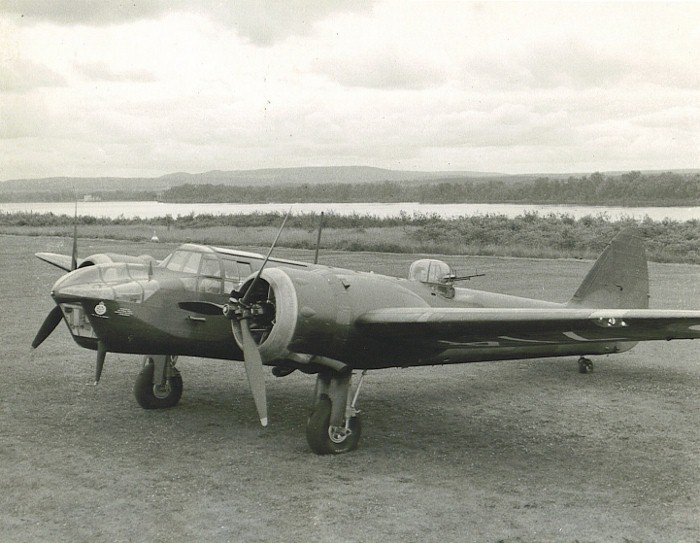
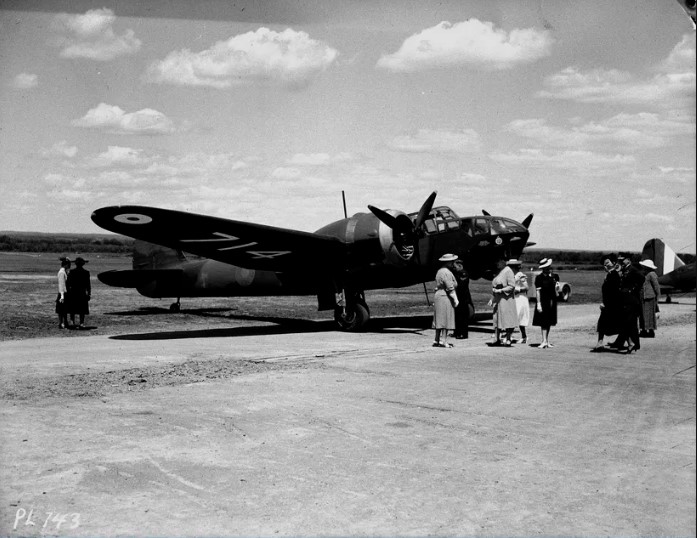
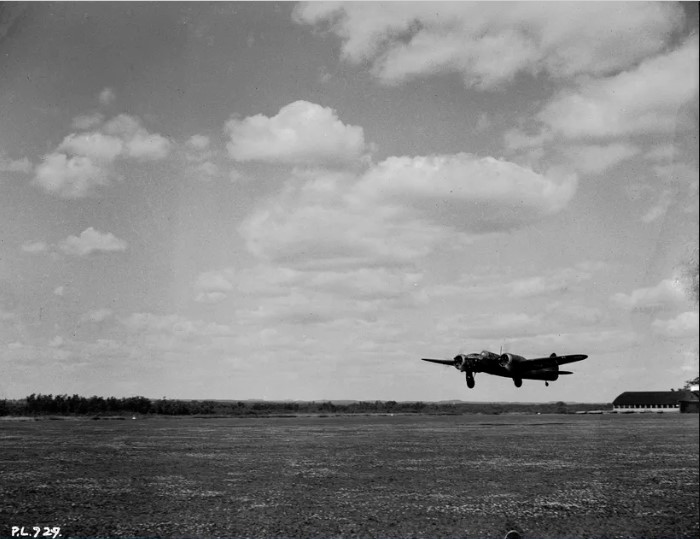
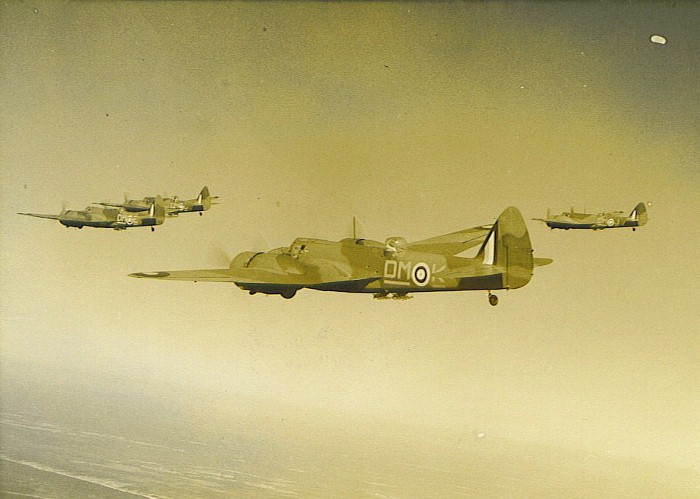
On October 2, 1941, RCAF 714 went out to search for a missing US naval aircraft, but got lost and ran low on fuel, being forced to make a wheels-up landing in a field near Greenland, New Hampshire. The four-man crew onboard the Bolingbroke were uninjured, and the aircraft was sent for repairs, first at No. 4 Repair Depot RCAF at RCAF Station Scoudouc in New Brunswick, then to Clark Ruse Aircraft of Dartmouth, Nova Scotia, where the repairs were finished by May 8, 1942. Following the repairs, Bolingbroke s/n 714 was reassigned to training duties to No. 1 Training Command, later being modified for target towing duties until it was stricken from the RCAF’s inventory on June 27, 1944, and subsequently scrapped.
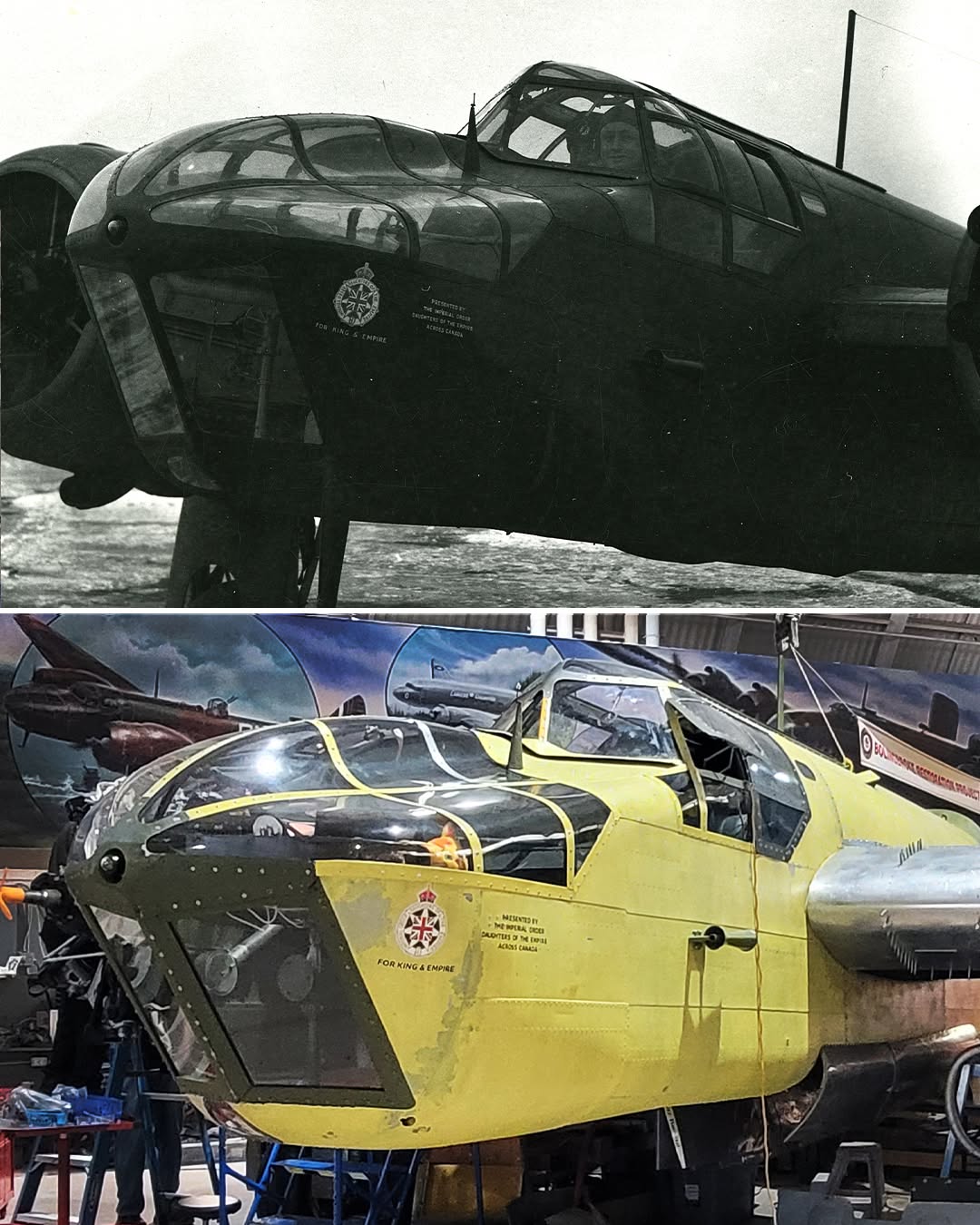
When the Bolingbroke restoration at the Canadian Warplane Heritage Museum is complete, the aircraft will be on permanent display in the museum, and serve as a remainder of the unsung efforts of the Bristol Bolingbroke in the defense of Canada’s coast and in training scores of bomber crews from across the British Commonwealth in Canadian skies before they saw combat in the European, Pacific, and South East Asian theaters of operation during the Second World War. To learn more, visit the Canadian Warplane Heritage Museum’s website HERE.






An entire generation of Western Canadian farm kids grew up playing endless hours in old surplus Bolingbrooks.
An entire generation of Western Canadian farm kids grew up playing on surplus Bolingbrooks.
The Blenheim/Bolingbroke was developed from the Private Venture of Lord Rothermere (who was then proprietor of the Daily Mail) in 1934; who required a fast and spacious private aeroplane for his personal use.
His requirements were for a fast aircraft that would accommodate a crew of two and six passengers; it was faster than many R.A.F (Biplane) Fighters of the time
But, by the time of War in 1939, weighed down with Self-Sealing Fuel Tanks, a Power-Operated Turret and other military requirements – coupled with the Speed of modern monoplane Fighters – it was no longer a Front Line Aircraft.
Though, as the only machine currently available, it Soldiered On; fairly easy pickings for German Fighters.
As a Night Fighter during the Post Battle of Britain Blitz, it was barely able to catch any Luftwaffe Targets found; but pioneered the first use of Airborne Radar.
Good to see them (and all other aircraft of yesteryear) preserved.