





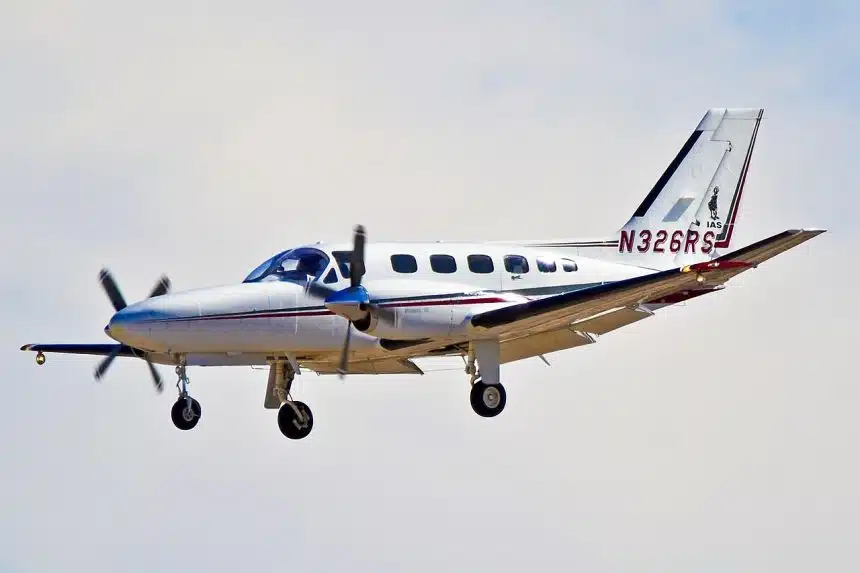

On this day in aviation history, 51 years ago (August 26, 1975), the Cessna Model 441 took flight for the first time. Later named the Conquest II, the pressurized twin-engine aircraft was Cessna’s first turboprop design and was developed to bridge the gap between the company’s piston-powered aircraft and its Citation business jets. Development of the Model 441 began in November 1974, although its origins traced back to the proposed piston-powered Model 431 of 1972. The design evolved into a turboprop-powered development of the Cessna 404 Titan, incorporating a high-aspect-ratio wing and Garrett TPE331 engines. The Model 441 received FAA certification in August 1977, with the first customer aircraft delivered the following month.
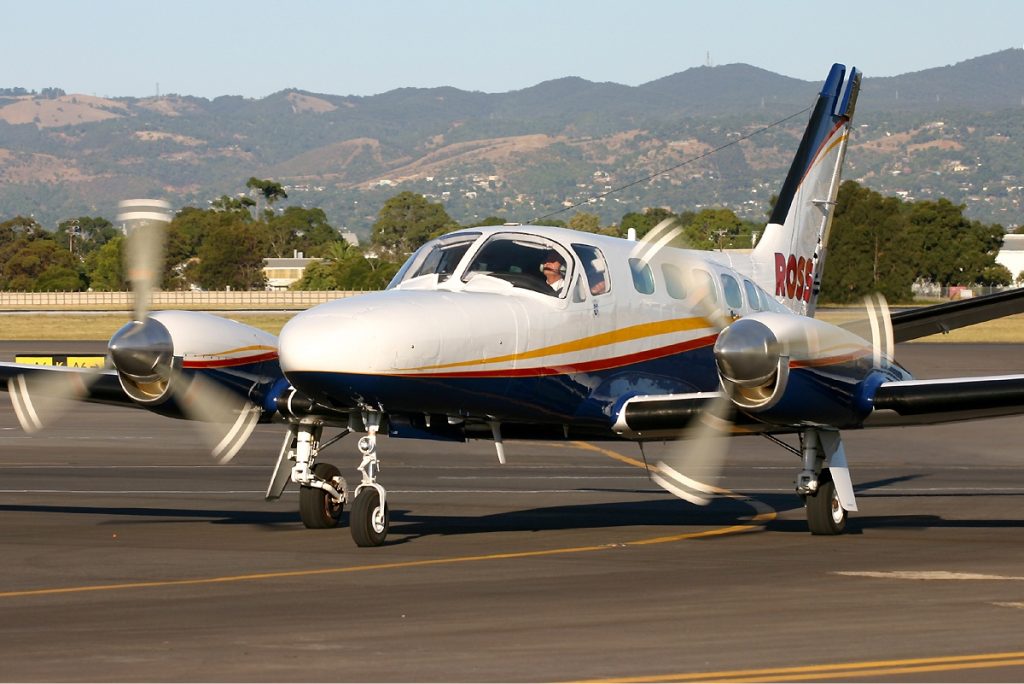
Cessna renamed the aircraft the Conquest II in 1983, distinguishing it from the smaller Conquest I. Production continued until 1986, with 362 aircraft completed. The Conquest II found widespread use with corporate owners and charter operators, while examples also served organizations such as Australia’s Royal Flying Doctor Service. Its combination of speed, range, and efficiency has allowed many to remain operational decades after production ended. The Conquest II measures 39 feet in length with a wingspan of 49 feet 4 inches and was originally powered by two 636-horsepower Garrett TPE331-8 turboprops. It could reach 340 mph, cruise at approximately 298 mph, and had a range of 2,525 miles. The aircraft has a service ceiling of 35,000 feet and can accommodate up to ten passengers with a single pilot.








Okay, and……???