
Information and imagery for this report were provided by John Parker of Warbirds Online, documenting one of Australia’s most significant and painstaking aircraft restoration efforts: the preservation of Fairey Battle Mk.I N2188, an aircraft whose survival was once far from assured. Among the rarest surviving World War II aircraft anywhere in the world, Fairey Battle Mk.I RAF serial N2188 represents a vanishing chapter of early-war military aviation. Today undergoing a long-term static restoration at the South Australian Aviation Museum (SAAM) in Port Adelaide, the aircraft stands as both a technical challenge and a historical cornerstone. Few realize how close Australia came to losing all physical evidence of the Fairey Battle, or how one airframe recovered from a remote swamp has become a global benchmark for restoration accuracy.
Australia received approximately 366 Fairey Battles during the early years of the Second World War, acquired in haste to address a critical shortfall in bomber and ground-attack capability. Although the type proved obsolete for frontline combat, it became an essential training and transition aircraft within the Royal Australian Air Force, preparing aircrew for more advanced designs that would follow. Of the more than 2,200 Battles produced in Britain, only four complete original airframes are known to survive worldwide today, making N2188 one of the most historically valuable examples in existence.
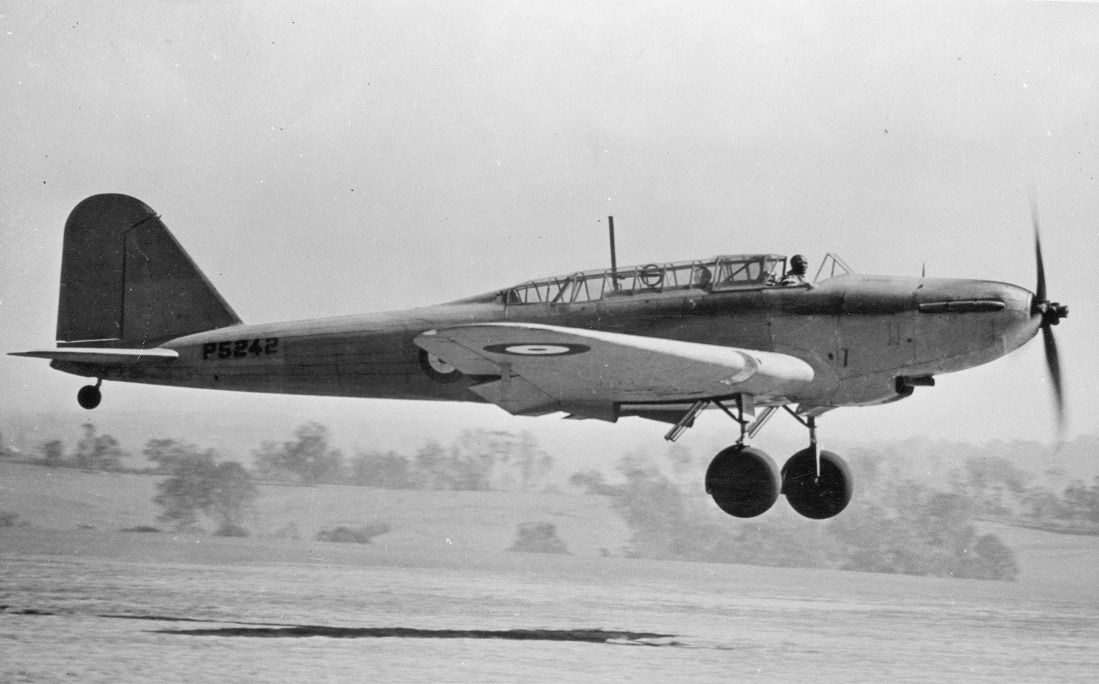
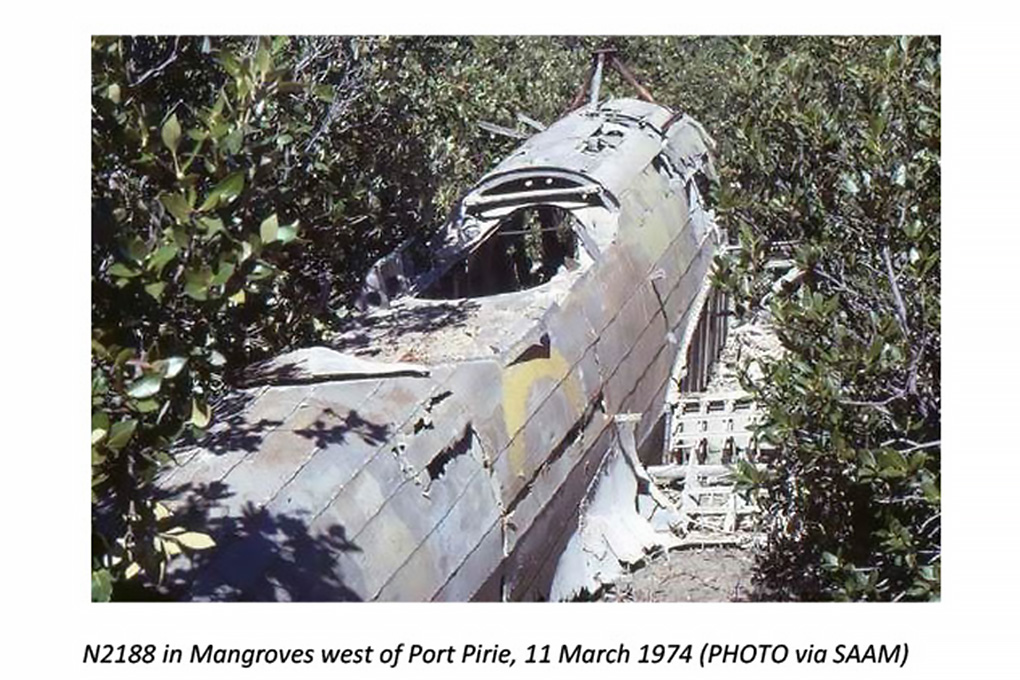
Built in the United Kingdom in 1939, N2188 entered RAF service before being transferred to the RAAF in 1941. Its Australian career was largely spent with No. 2 Bombing and Gunnery School at Port Pirie, where it fulfilled an instructional role. The aircraft survived multiple incidents, including a forced landing at sea in 1942 and a second emergency landing in swampy terrain in 1943 caused by a glycol leak. Although salvaged after the first incident, the second effectively ended its flying career. By late 1944, N2188 had been administratively written off and reduced to components, its remains left abandoned in a remote location. The wreck lay undisturbed for decades until it was rediscovered in the mid-1970s near Port Davis. Recovery efforts eventually brought what remained of the aircraft into museum hands, but exposure to saltwater and decades of neglect had taken a heavy toll. When restoration formally began at SAAM in 1999, the challenges were immediately evident. While much of the primary structure survived, corrosion was extensive and many internal fittings were missing entirely.
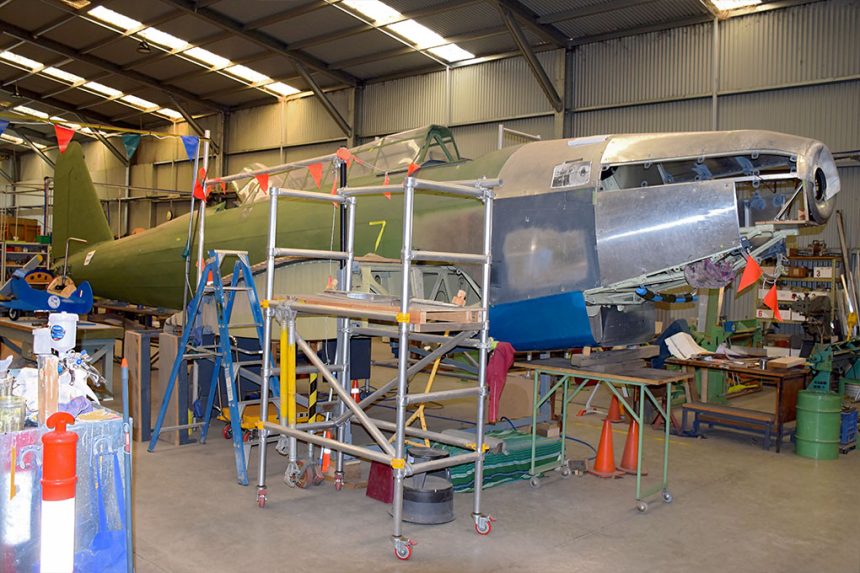
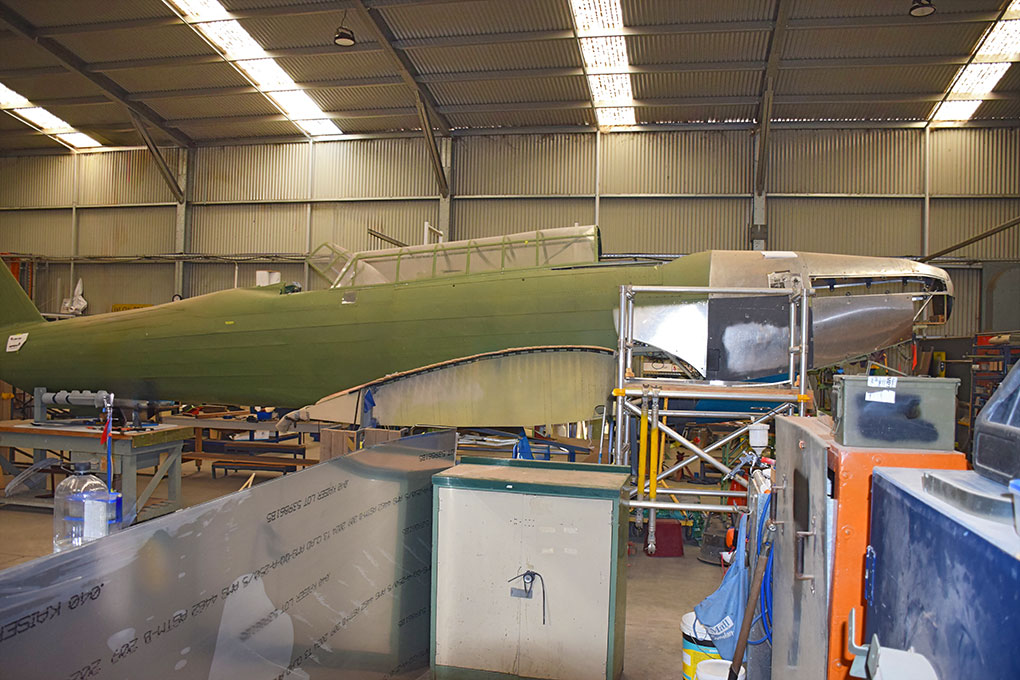
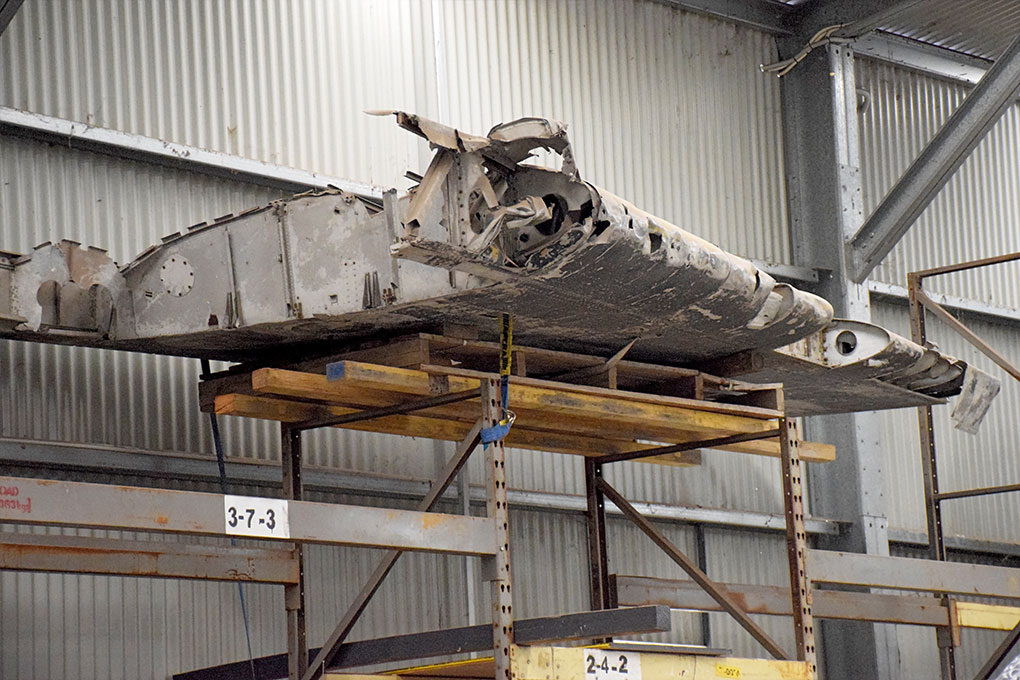
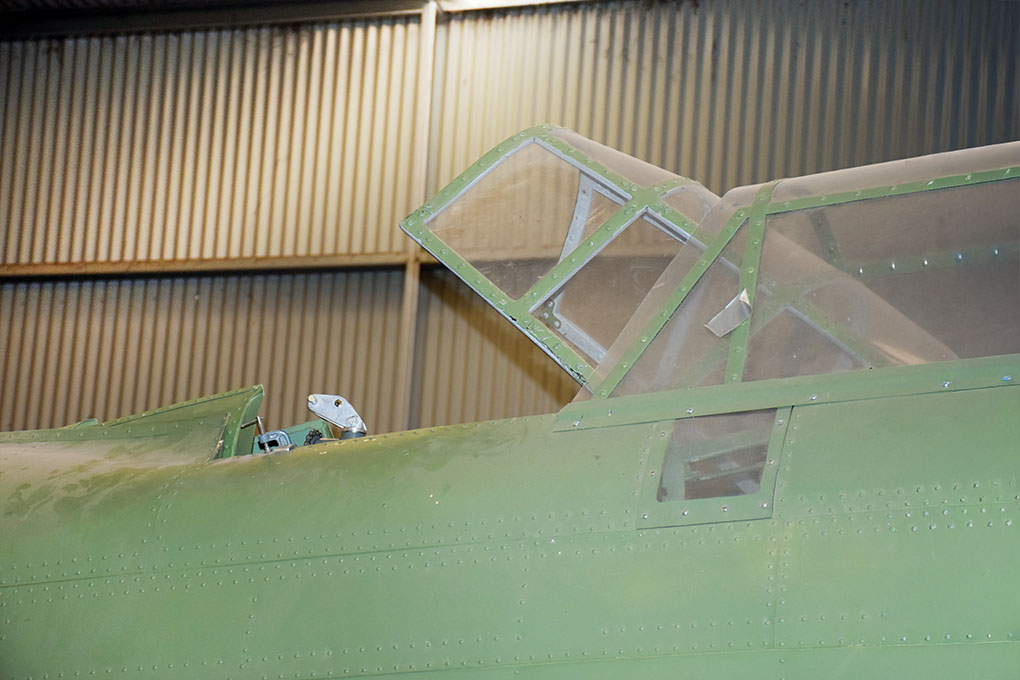
What followed has become one of the most ambitious and methodical aircraft restorations ever undertaken in Australia. Given the scale of the Fairey Battle, even housing the project required significant planning. Today, the fuselage—now largely rebuilt—dominates the museum’s workshop, offering a striking visual measure of the task faced by SAAM’s volunteer team. Over many years, the fuselage was carefully dismantled, repaired, and reconstructed using original components wherever possible, supplemented by authentic parts recovered from other Australian Battle airframes. As the project progressed, SAAM embarked on an international search for missing components. This effort led to the acquisition of a more complete wing assembly recovered from south of Hofsjökull, Iceland, generously donated by the Royal Air Force Museum in the United Kingdom. Although the wings arrived in extremely poor condition, they were judged to be the most viable option available. Additional components were sourced from across Australia and overseas, including Belgium, Canada, New Zealand, and the UK, forming a truly global restoration effort.
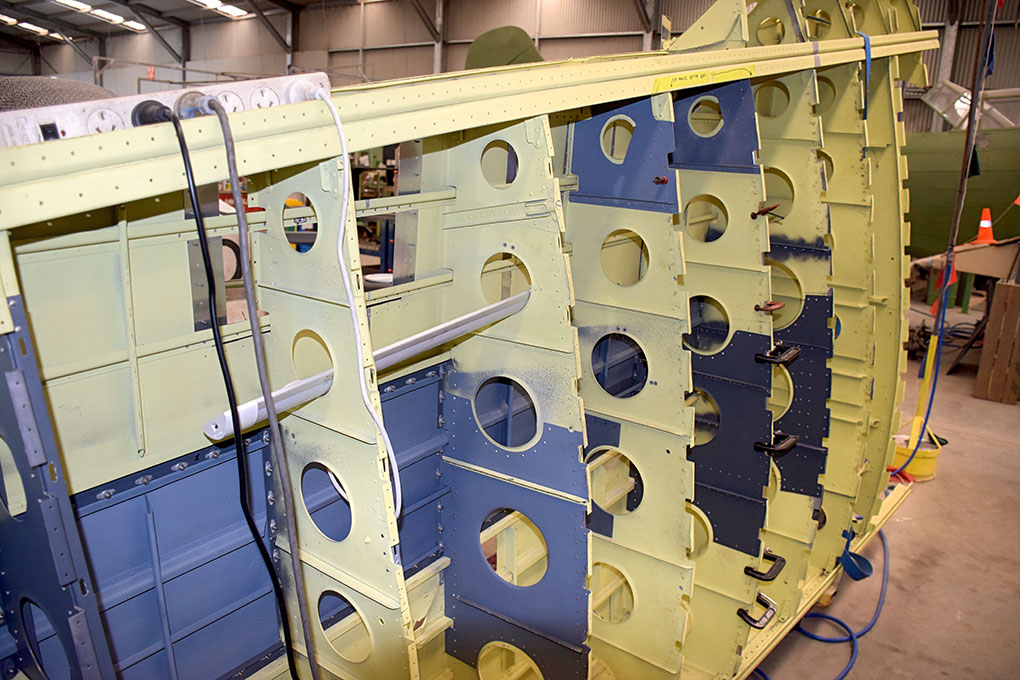
The wings have since undergone extensive disassembly and reconstruction, with ribs repaired or replaced and damaged sections rebuilt in preparation for eventual re-skinning. Meanwhile, progress on the fuselage has reached an advanced stage. Internal fittings, including the cockpit instrumentation, gun mounts, canopy structure, and radiator, are now in place, and the fitting of the engine cowlings marks a major milestone in the project’s evolution.
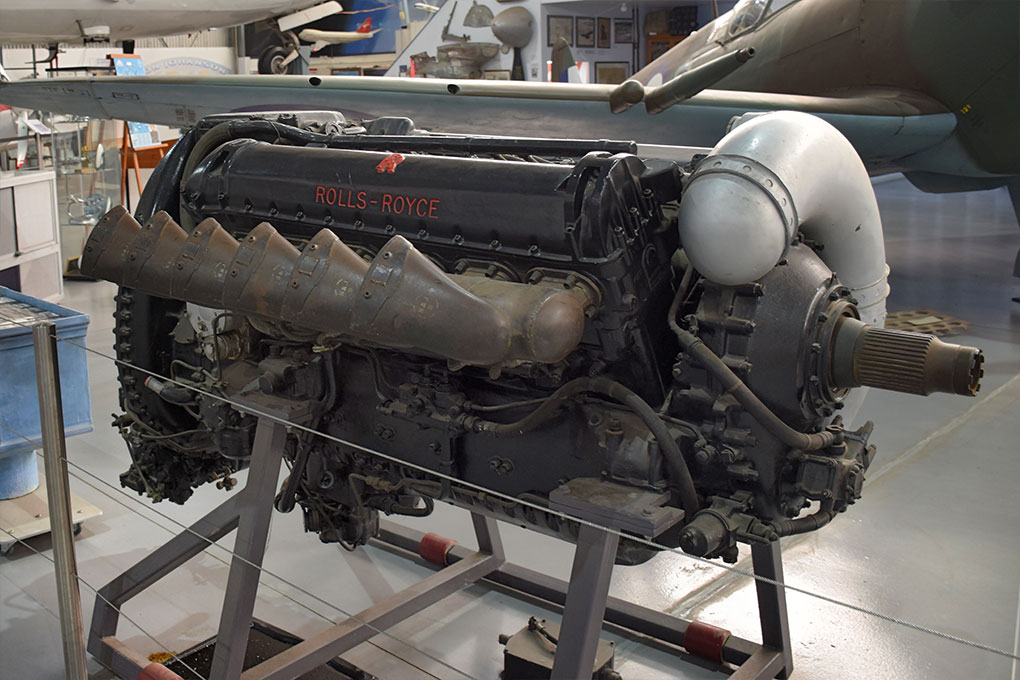
Crucially, SAAM has secured the correct Rolls-Royce Merlin II engine and a complete propeller assembly, both in excellent condition. This achievement underscores the museum’s commitment to historical authenticity. Rather than producing a purely visual exhibit, the restoration aims to create a reference-standard airframe, faithful in detail and configuration to the aircraft as it existed during its RAAF service.
While the Fairey Battle was quickly eclipsed by more capable designs, its importance within the RAAF cannot be overstated. For many Australian aircrew, it served as the bridge between obsolete biplanes and the modern combat aircraft of the later war years. N2188 embodies that transitional period and preserves the story of an aircraft type that quietly shaped the RAAF’s wartime evolution. More than 25 years into the restoration, work on N2188 is still ongoing, but its completion is now clearly within sight. The project’s defining strength lies in its uncompromising approach, prioritizing original material and historically correct components wherever feasible. When finished, Fairey Battle Mk.I N2188 will stand not only as a rare survivor, but as a benchmark for how historically significant aircraft restorations should be approached.
The scale, complexity, and duration of this undertaking reflect the exceptional dedication of the South Australian Aviation Museum’s volunteer team. Their work represents restoration at the highest level, combining technical skill, historical research, and long-term perseverance. In preserving N2188, they are safeguarding one of the most important and least represented aircraft types of the Second World War for future generations. For more information about the South Australian Aviation Museum, visit www.saam.org.au