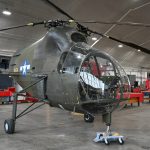


After more than 70 years in storage and a four-year restoration project, the last remaining example of the Kellett XR-8 helicopter will be on public display for the first time at the National Museum of the United States Air Force in Dayton, OH. This design represents the first American helicopter with an intermeshing rotor design, and will be placed on display in the museum’s Research & Development (R&D) Gallery, taking its rightful place alongside other experimental aircraft, from the Bell X-1B to the North American XB-70 Valkyrie and the Northrop-Grumman YF-23.

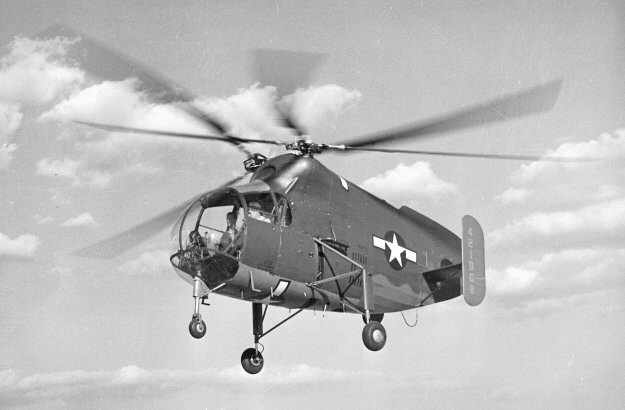
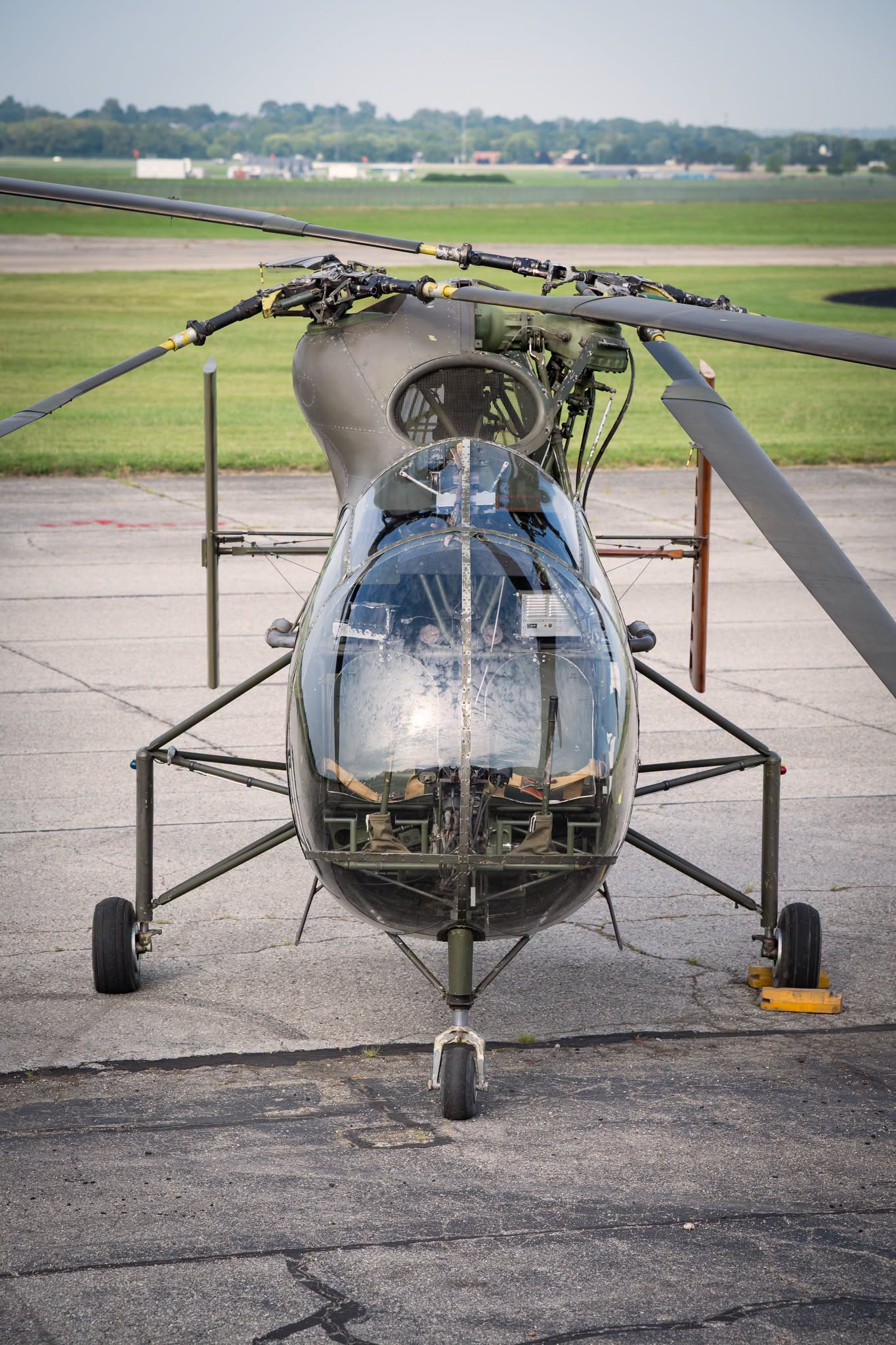
The Kellett XR-8 was originally designed by the Kellett Autogiro Company based in Philadelphia, Pennsylvania. While the company’s autogiro designs had seen limited use in military service during the 1930s, with the idea that they could be used for reconnaissance and artillery spotting, the advent of the helicopter, whose key advantage over the autogiro was its ability to take off and land vertically, caused Kellett to design their own helicopter, which became the XR-8. Although German engineer Anton Flettner had developed the first intermeshing rotor helicopters in the Fl 265 and the Fl 282 Kolibri (Hummingbird), the XR-8 was the first of its kind built in America. On January 7, 1943, the US Army Air Force approved the Kellett Company’s proposal and on September 11, 1943, issued the company a contract to build two prototypes for evaluation. On August 7, 1944, the first Kellett XR-8 prototype, USAAF serial number 43-44714, made its first flight with Kellett test pilot Dave Driskill at the controls. The second prototype, 44-21908, would not make its first flight until March 1945, as several control issues and the rotor synchronization on 43-44714 were being addressed. Although both prototypes were fitted with a single Franklin O-405 6-cylinder inline 245hp engine, powering a set of wooden rotor blades with steel tubes inside separated by just 12 1⁄2 inches, and the fuselages for both helicopters were made with a tubular-steel framework covered in fabric and sheet metal, 43-44714 differed from 44-21908 in that the former had a set of non-rigid three-bladed rotors, while the latter had a set of two-bladed rotors. Both aircraft were refitted with a set of wood and fabric tail stabilizers, but on 43-44714 these had squared edges while 44-21908’s had rounded edges.
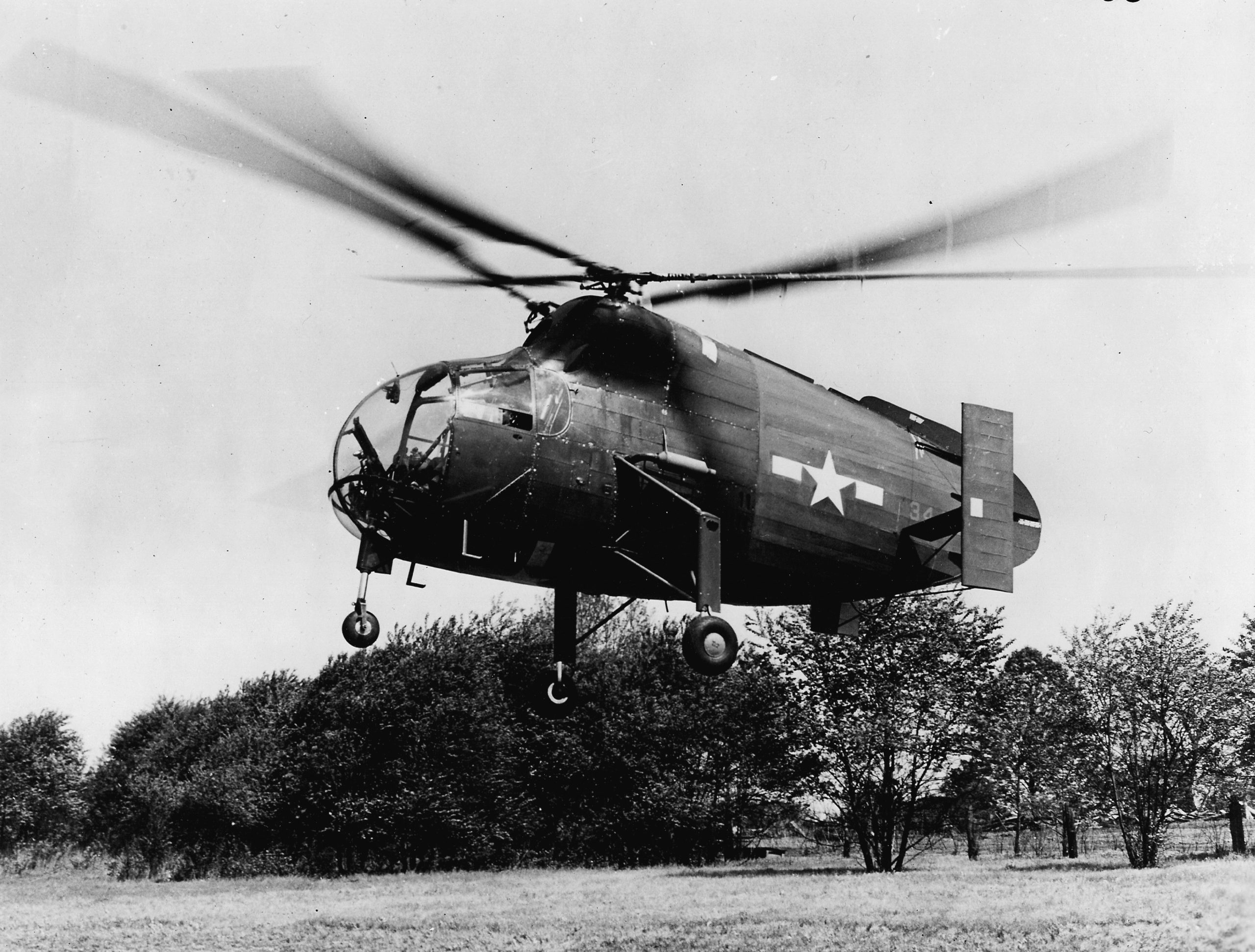
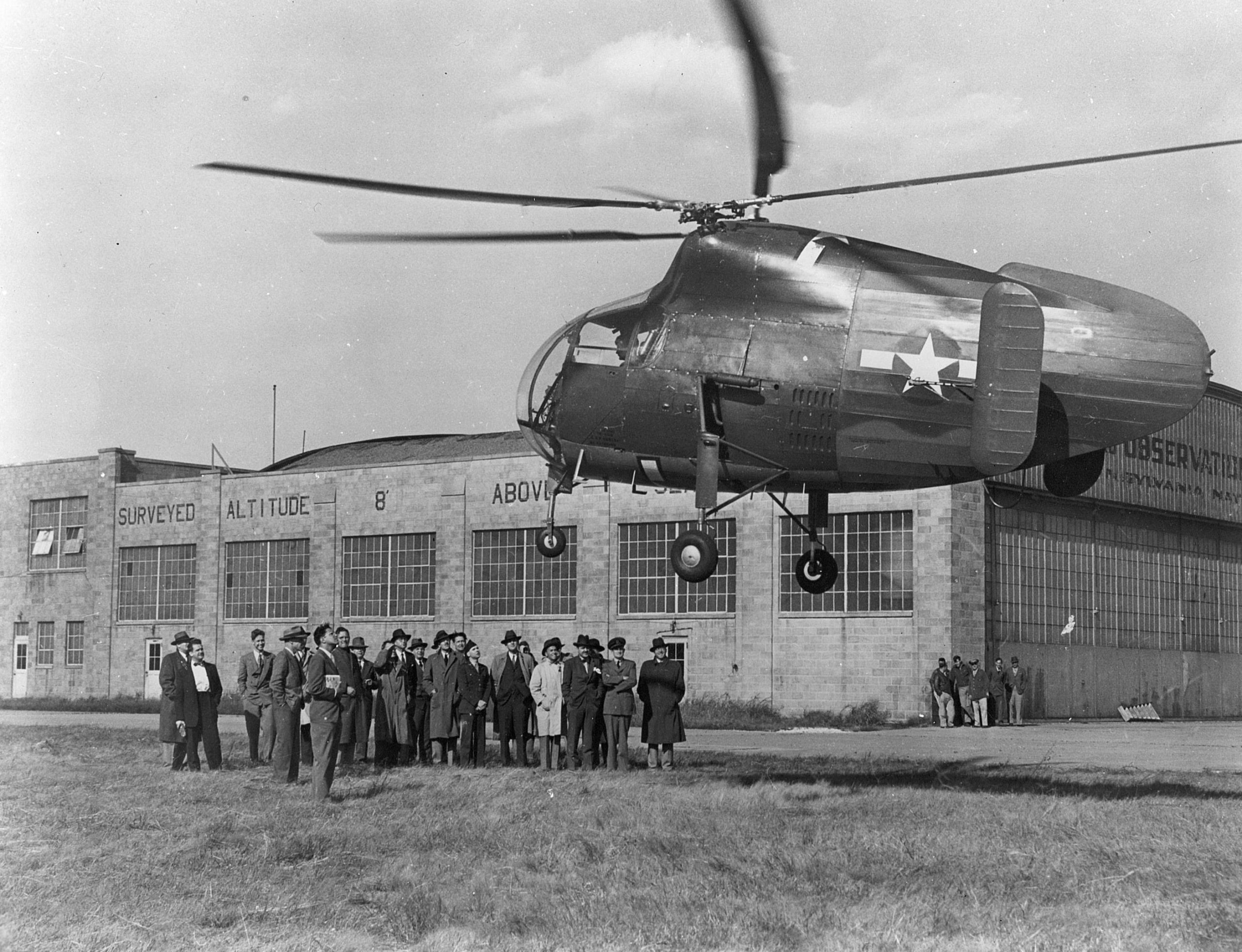
During flight trials, 44-21908 suffered from severe rotor vibration issues, so further flight trials were carried out on 43-44714, which was only accepted for official flight testing with the US Army Air Force by January 23, 1946, but since the control issues encountered in previous tests were never fully resolved, the Kellett XR-8, nicknamed the “Eggbeater” for its egg-like shape and rotor configuration, never left the prototype stage of development, and the intermeshing rotor design would be seen on later designs, such as those produced by the Kaman Aircraft Corporation.
Nevertheless, Kellett XR-8 43-44714 was selected for historical preservation and was donated by the US Army Air Forces to the Smithsonian Institution for display in the planned National Air Museum. However, the aircraft would instead spend more than 70 years in storage, first at a former Douglas C-54 production plant at Orchard Place Airport in the Chicago suburb of Park Ridge (now the site of Chicago O’Hare International Airport) from 1946 to 1952; then it spent 70 years in storage at the Paul E. Garber Preservation, Restoration, and Storage Facility (formerly the Silver Hill Facility) in Suitland, Maryland, before being permanently allocated to the National Museum of the USAF in 2022.
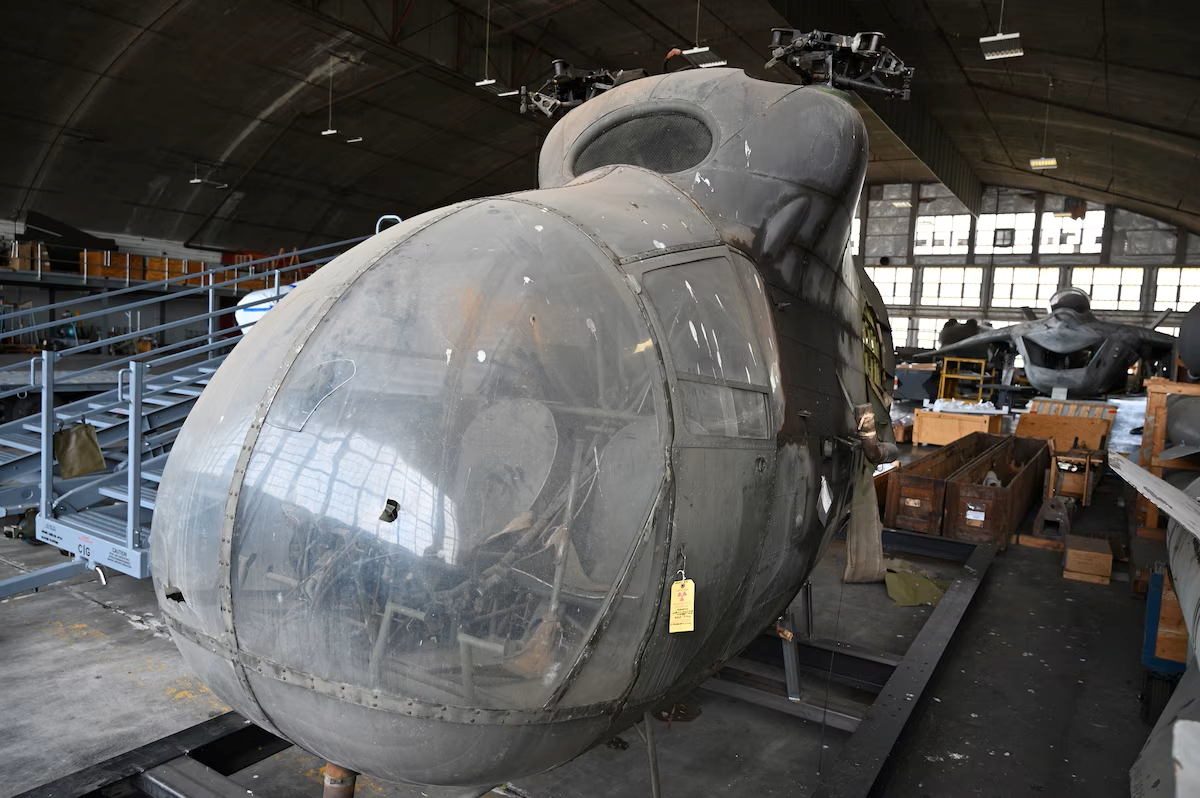
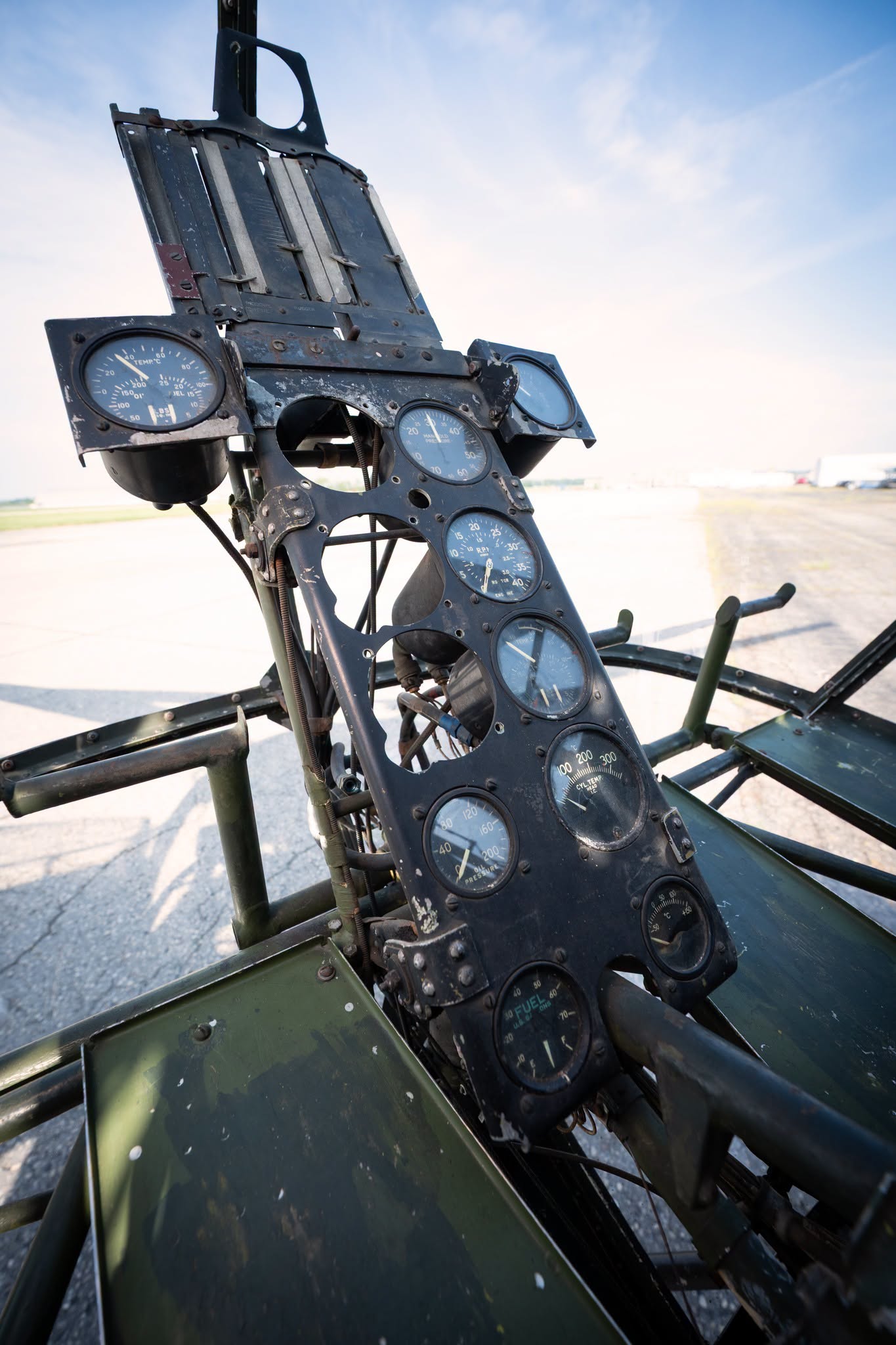
In 2023, after one year of being in storage at the NMUSAF’s restoration hangar at Wright-Patterson Air Force Base, enough workspace was made to finally begin the restoration of Kellett XR-8 43-44714. This project has been a mixture of restoration and a conservation project, with the intent being to retain as much of the original structure as possible and retain the original paint while replacing missing parts and stopping the spread of any corrosion. Being a one-of-a-kind prototype, the XR-8 did not come with any manuals or blueprints, and museum restoration volunteers often had to rely on trial and error to figure out how to reassemble the helicopter. The original plexiglass windscreen and windows were cut and retained, while the instrument panel, flight controls, pilot’s seats, and fuel tanks were refurbished and installed in the XR-8.

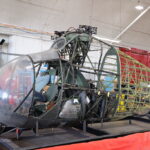
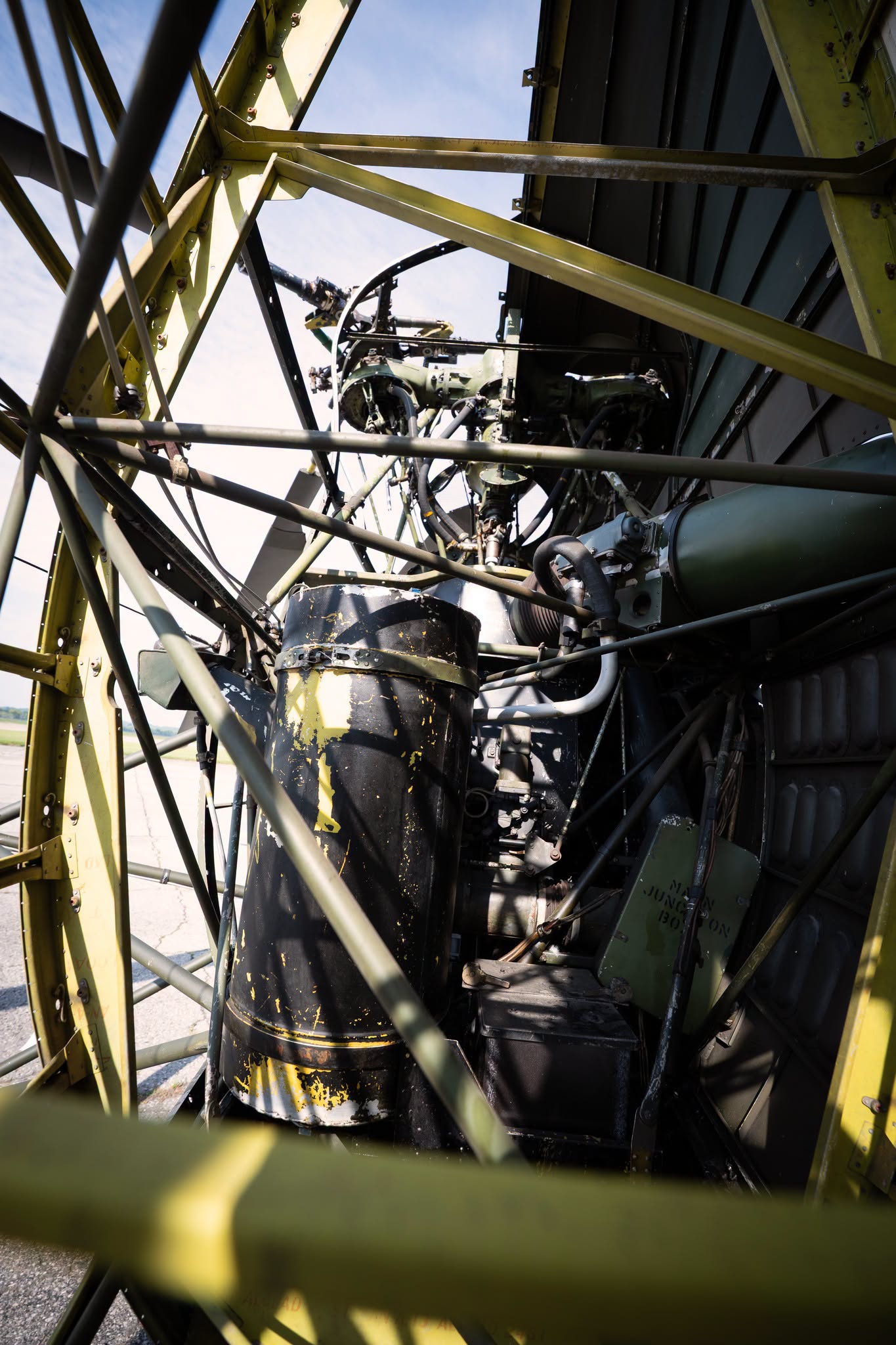
In order to provide visitors with a rare glimpse into the construction techniques of this unique helicopter, it was decided to keep the right side of the XR-8 covered but leave the structure of the left side of the helicopter exposed to see the framework that would be covered by doped fabric or by sheet metal panels. The two tail stabilizers were refabricated, but the left stabilizer has also been left uncovered to show the wooden construction, while the right side of the Kellett XR-8’s tail wears new fabric painted olive drab next to 80+-year-old aluminum panels covering the engine compartment.
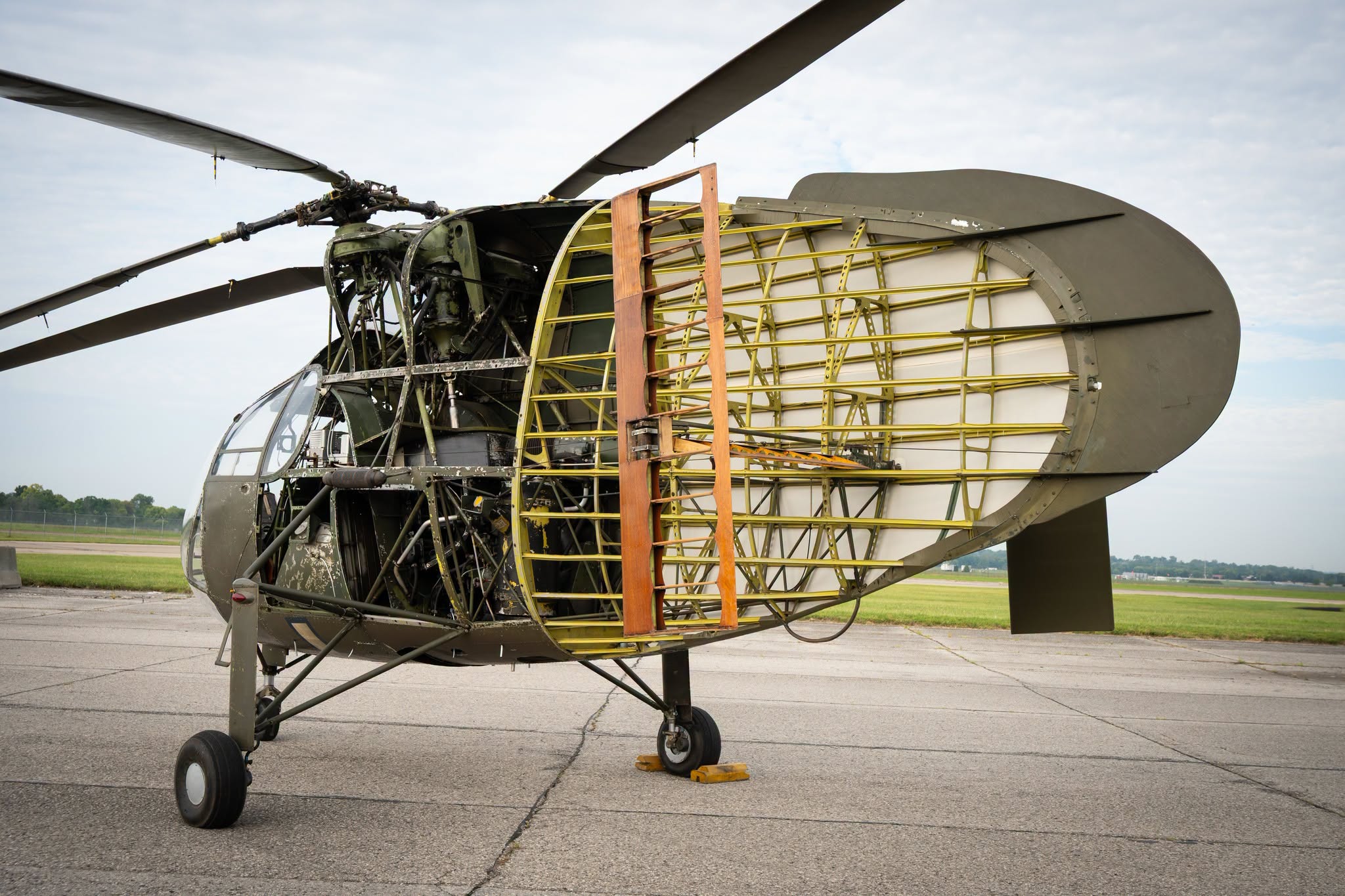
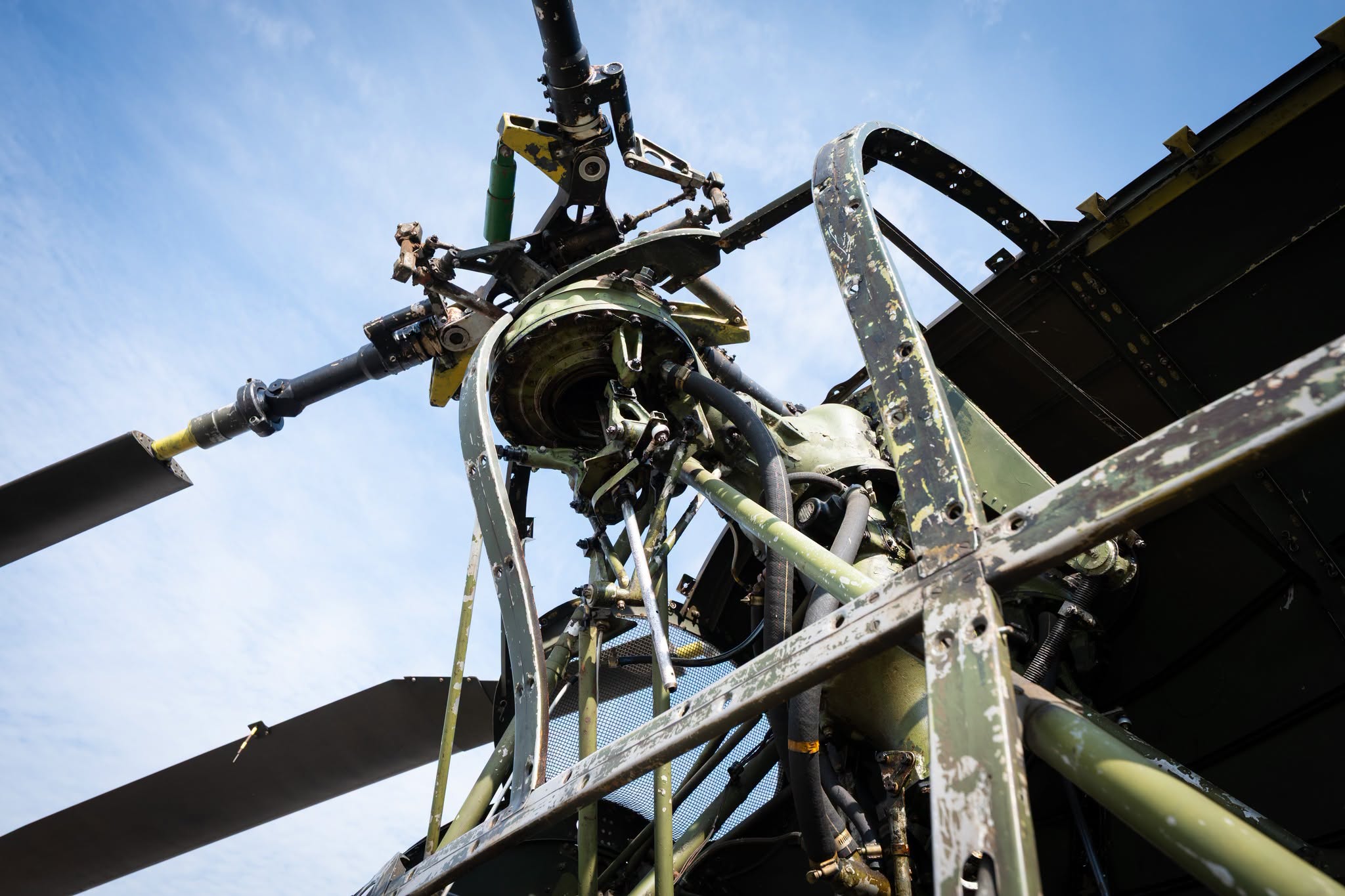
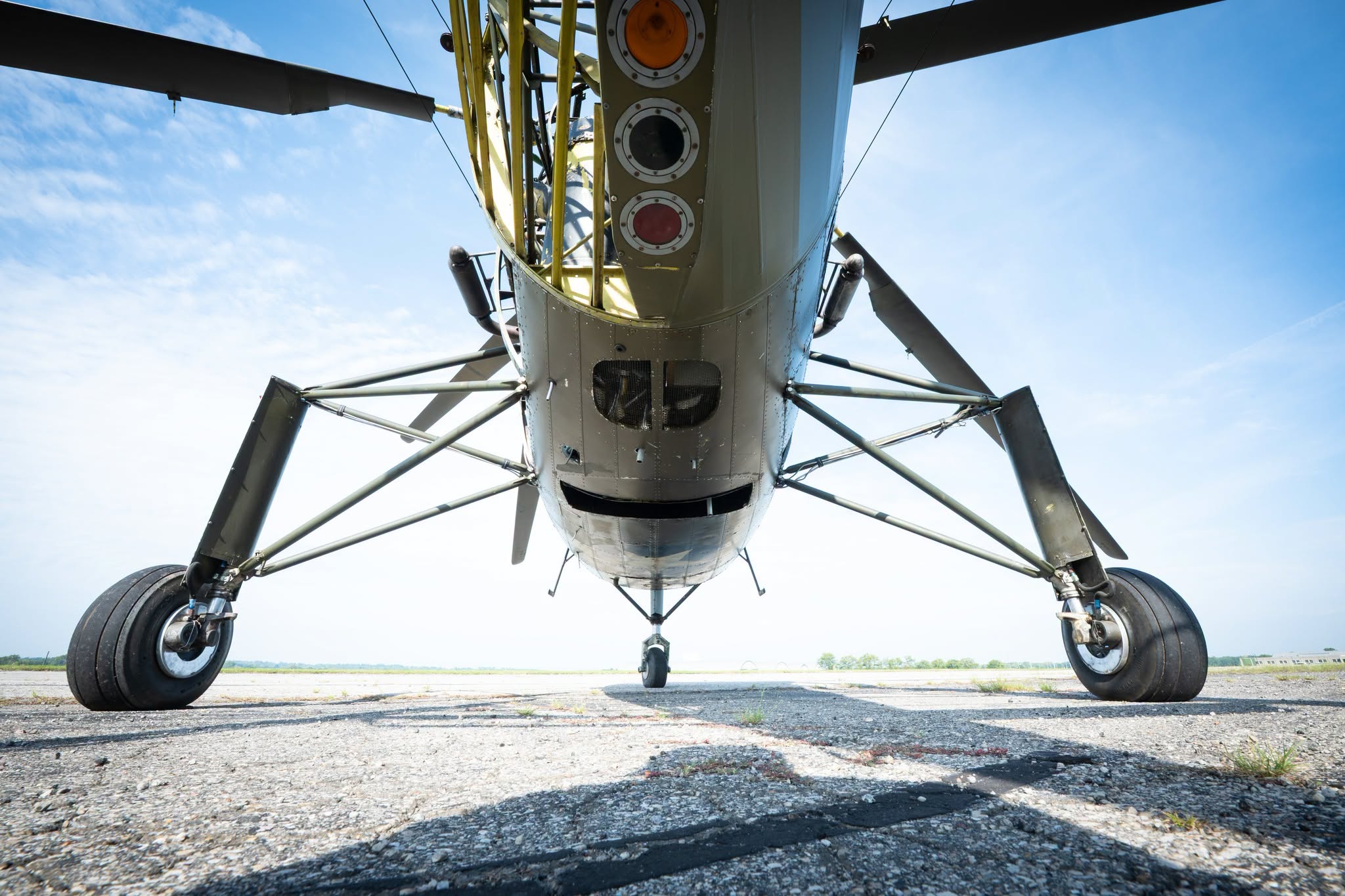
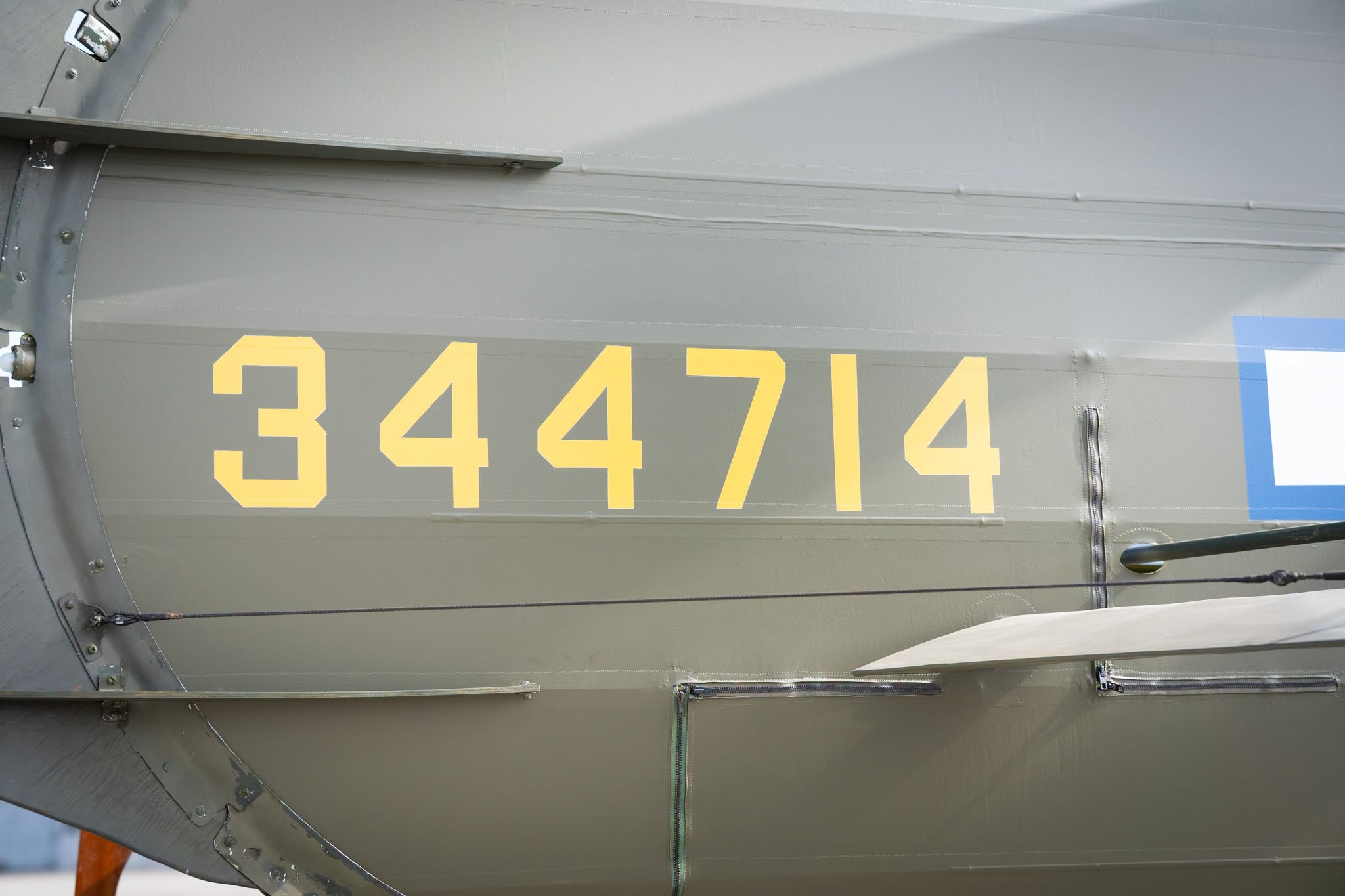
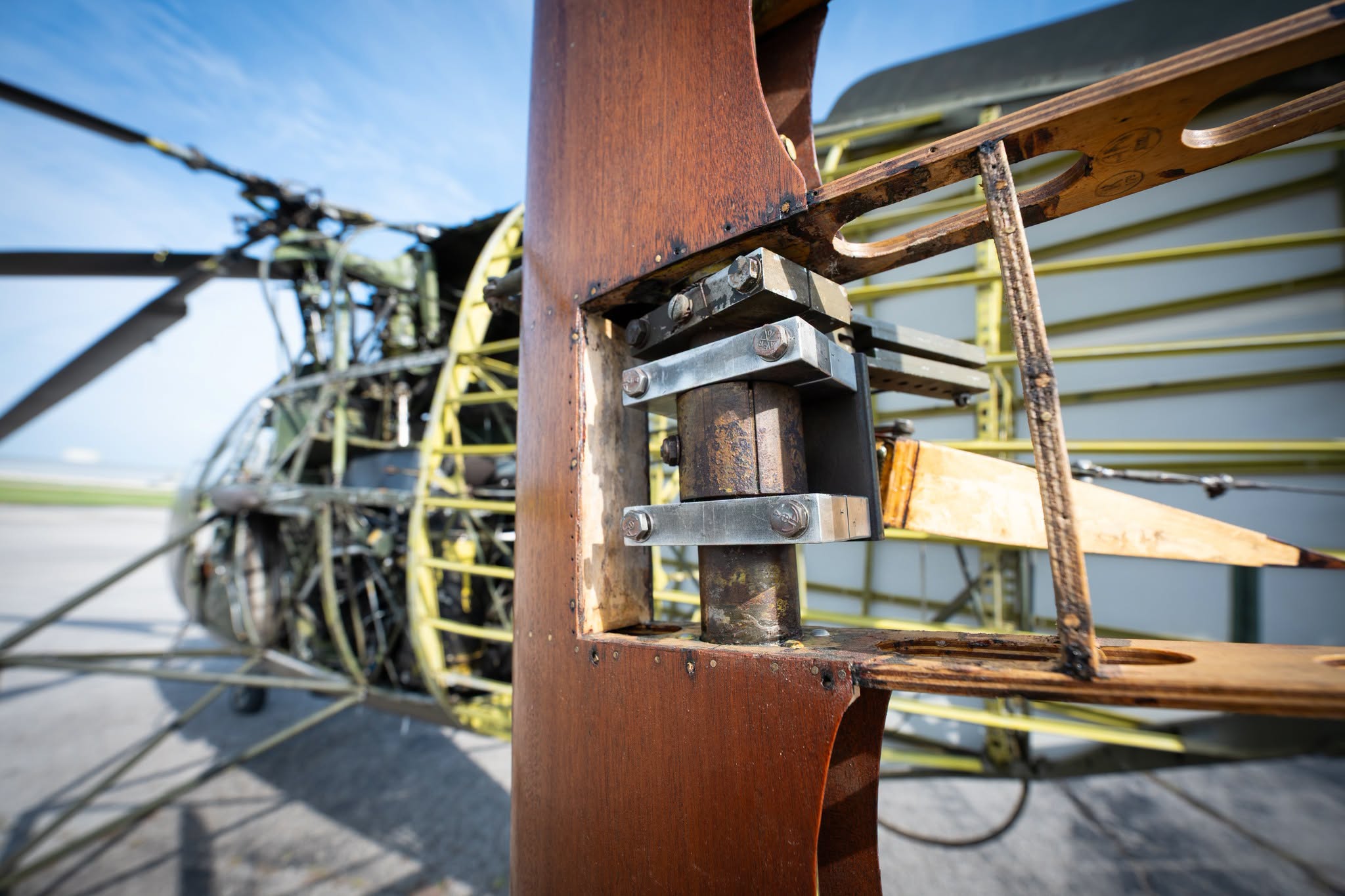
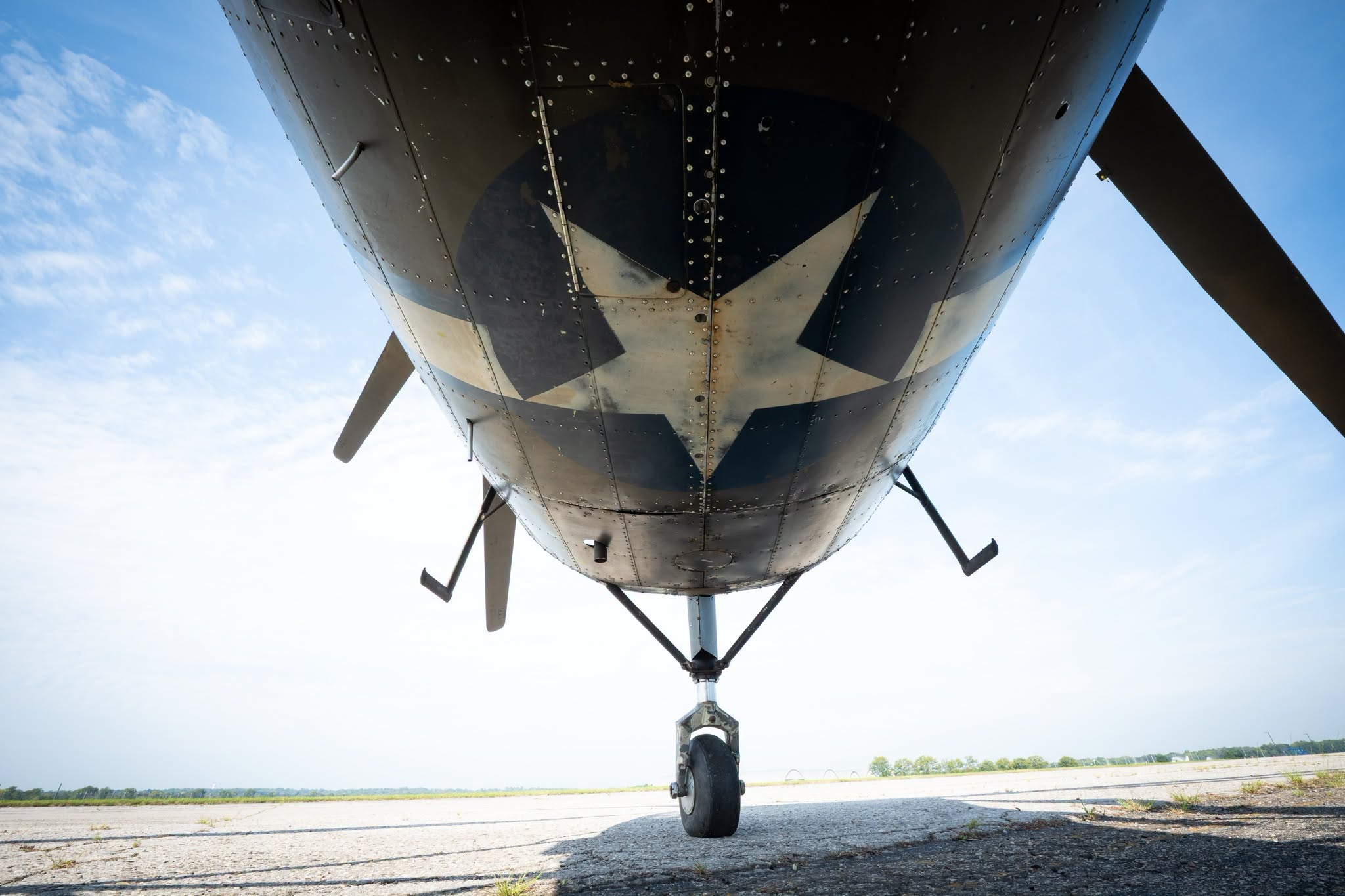
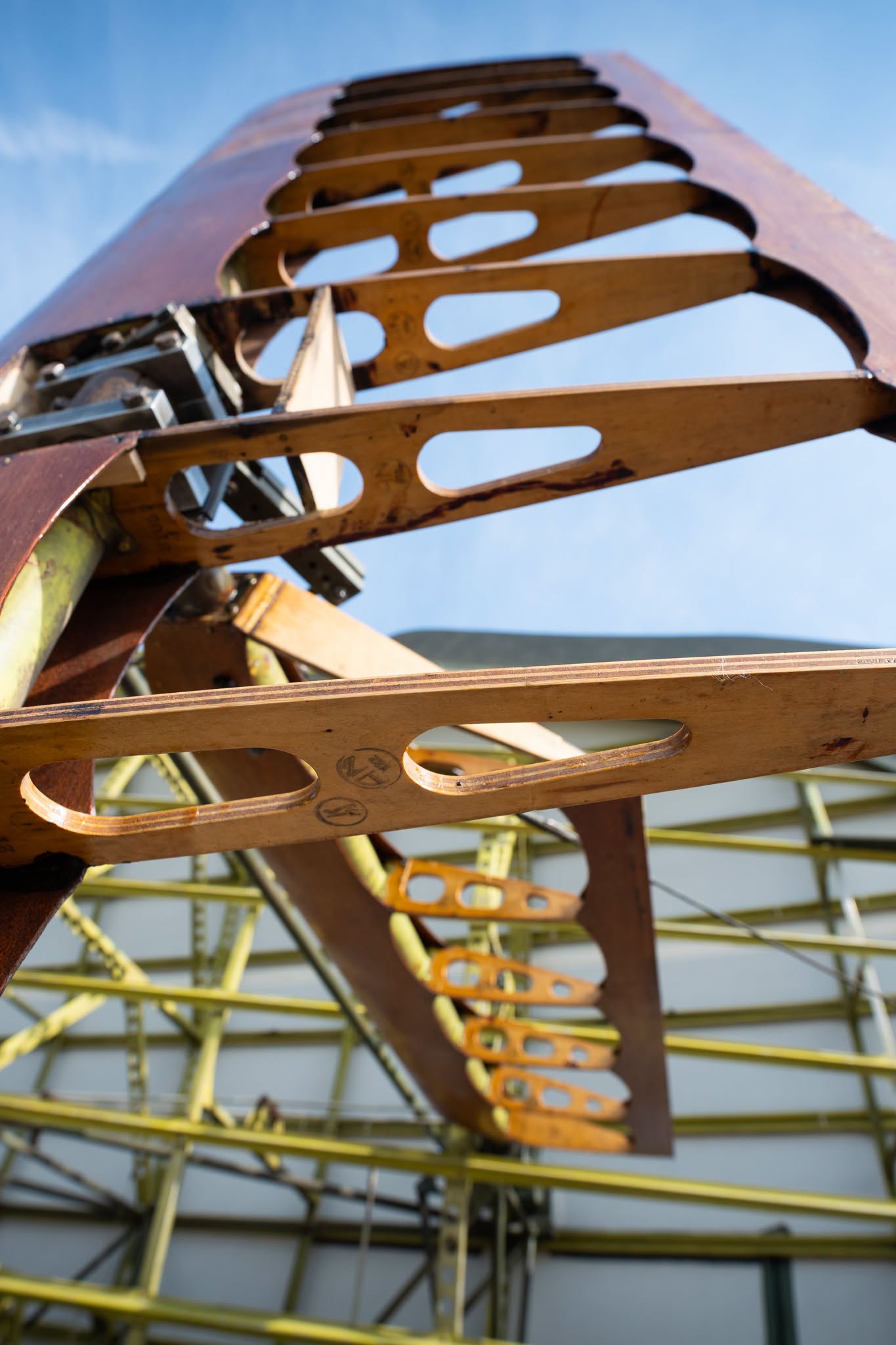

Now, the Kellett XR-8 has officially been brought out of the NMUSAF’s restoration hangar for its official post-restoration photoshoot. The XR-8 is officially set to go on display at the National Museum of the USAF’s R&D Gallery by Spring 2027, where plans call for it to be placed next to the Ryan X-13 Vertijet vertical takeoff and landing (VTOL) jet.
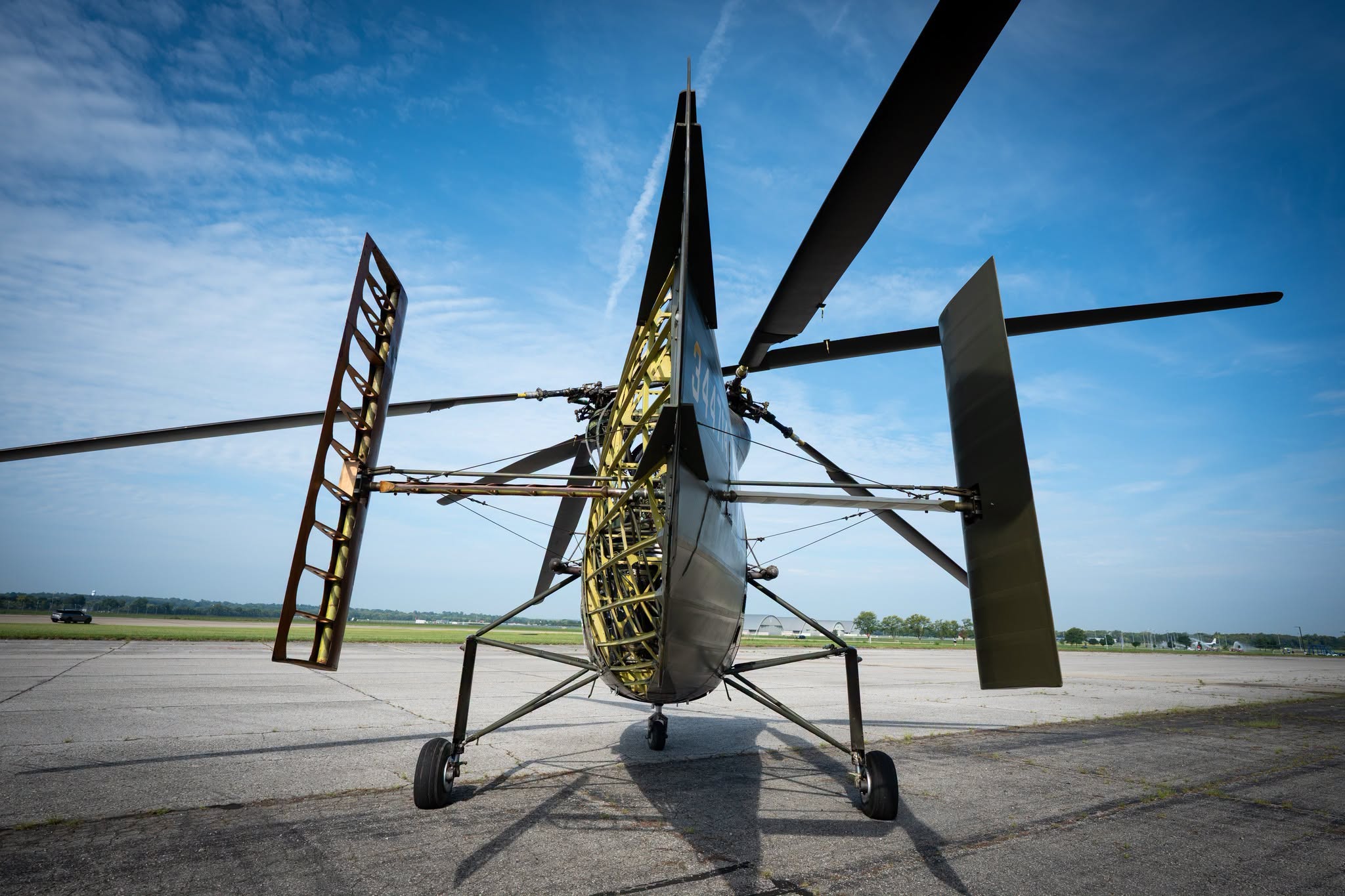


For many museum visitors, it will be the first time they will have seen the XR-8 “Eggbeater”, but after more than 70 years in storage and four years of restoration, this little-known helicopter will finally have its place in one of the world’s most respected aerospace museums. The museum has also released two videos of the aircraft on its YouTube channel HERE and HERE. For more information, visit the National Museum of the USAF’s website HERE.