






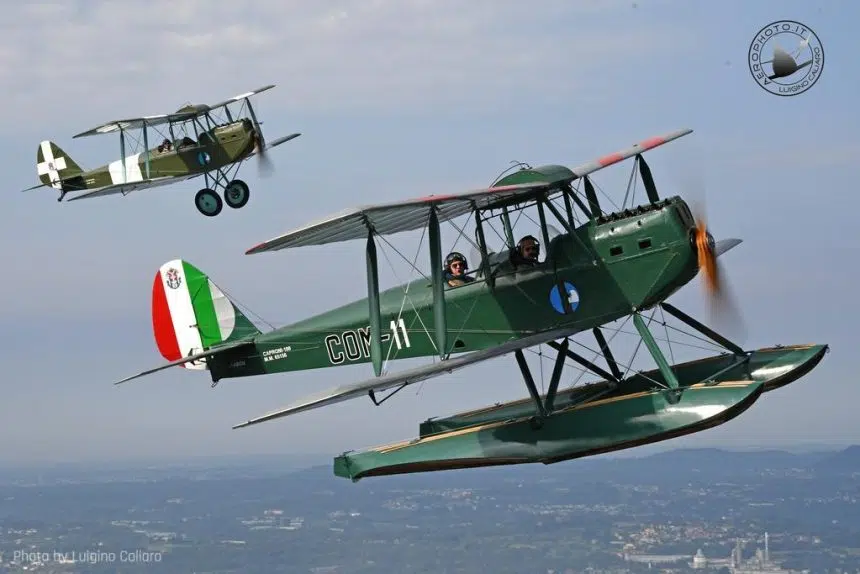

Two of Italy’s oldest flying aircraft recently shared the skies above Lake Pusiano for a rare formation flight, bringing together the landplane and floatplane versions of the Caproni Ca.100. Accompanied by a WWII-era de Havilland Tiger Moth serving as the camera aircraft, the three biplanes represented nearly 300 years of aviation history. On Saturday, October 3rd, the morning flight took place over a lake situated between the provinces of Como and Lecco in Lombardy. Known as the “Pearl of Brianza,” Lake Pusiano provided the setting for an exclusive photographic session featuring two aircraft whose continued operation owes much to the dedication of Italian businessman and historic aircraft owner Gerolamo Gavazzi.
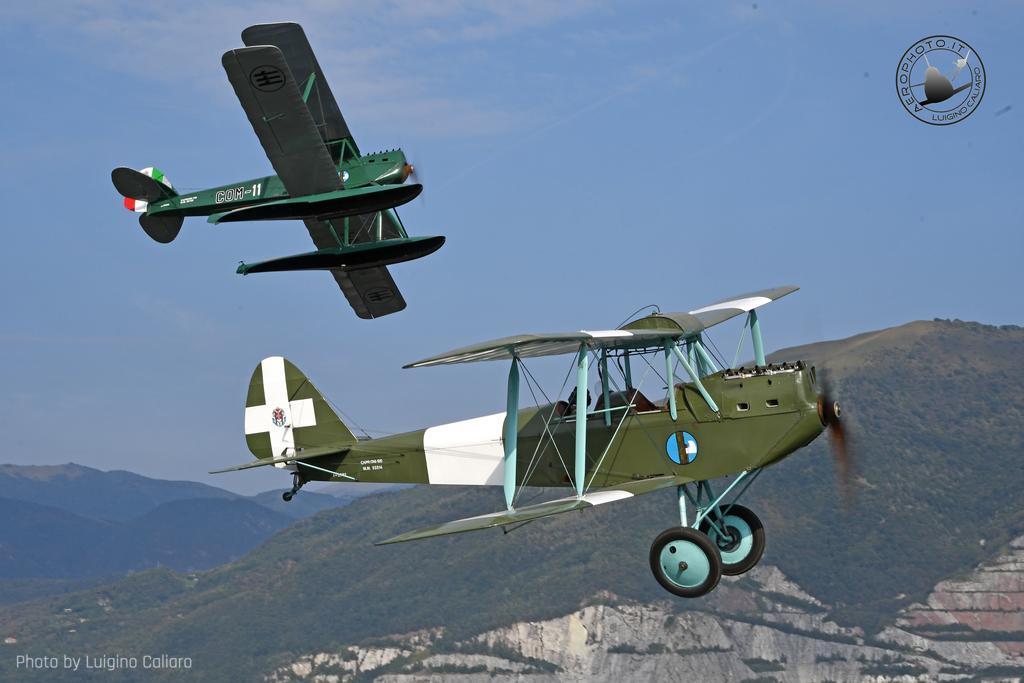
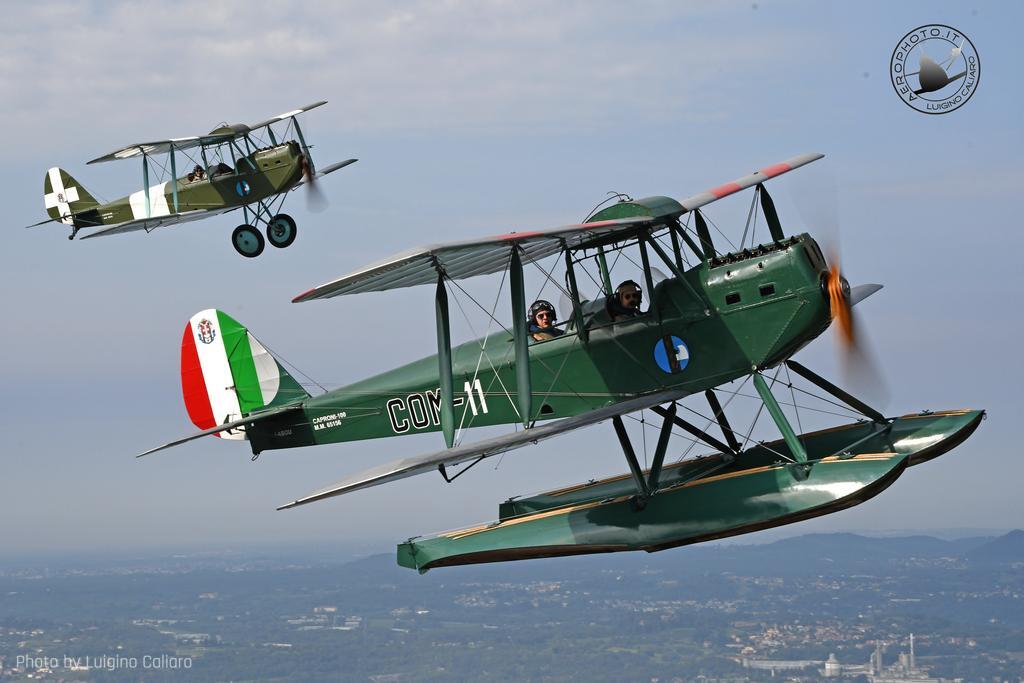
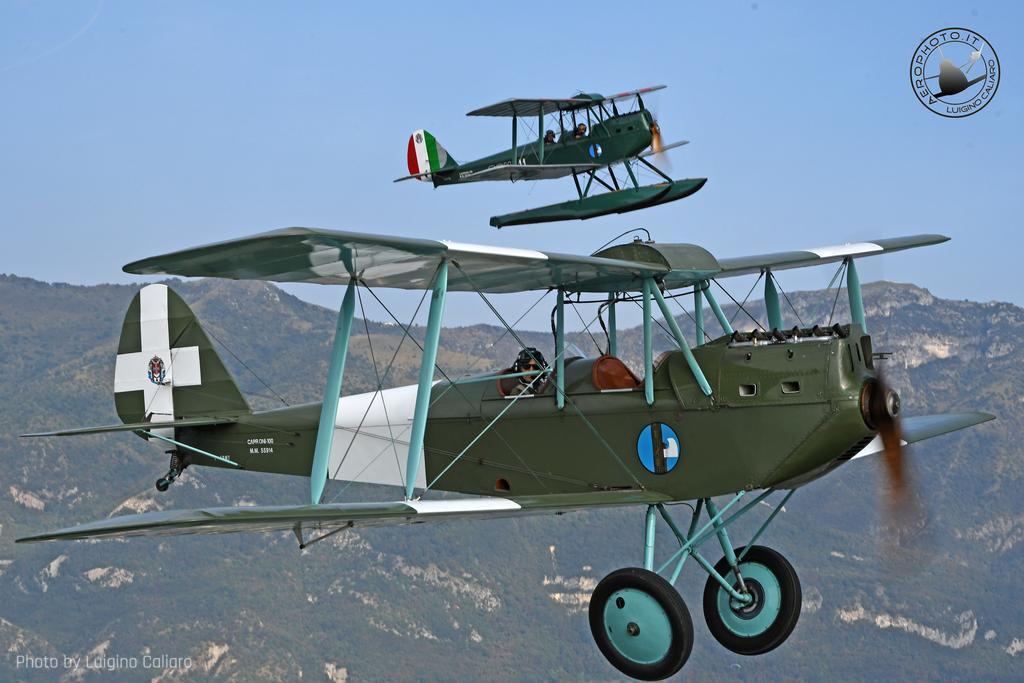
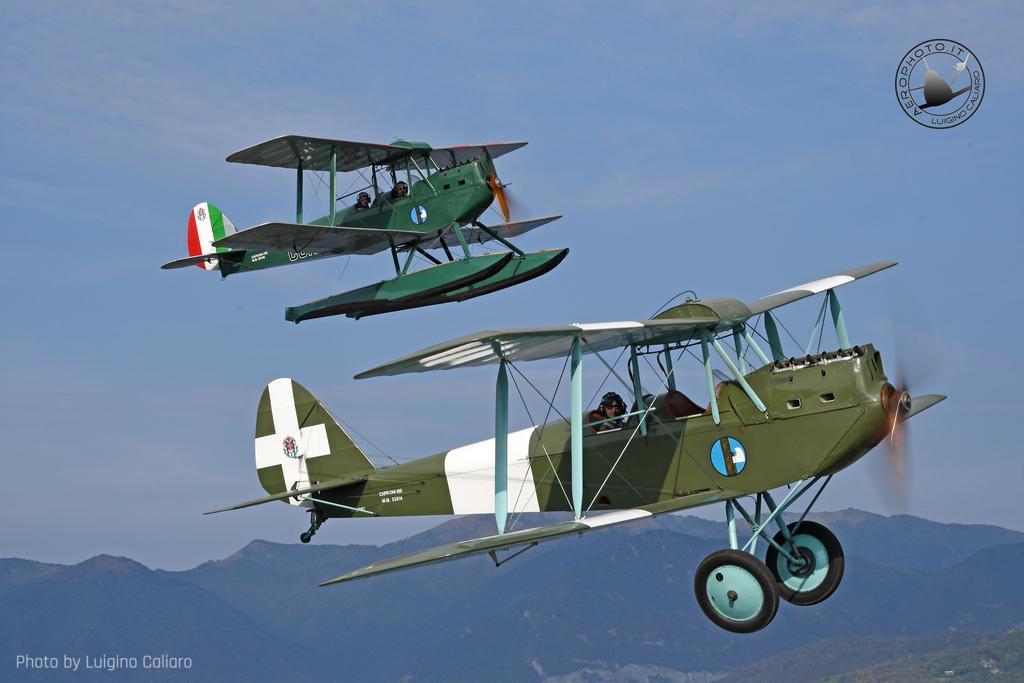
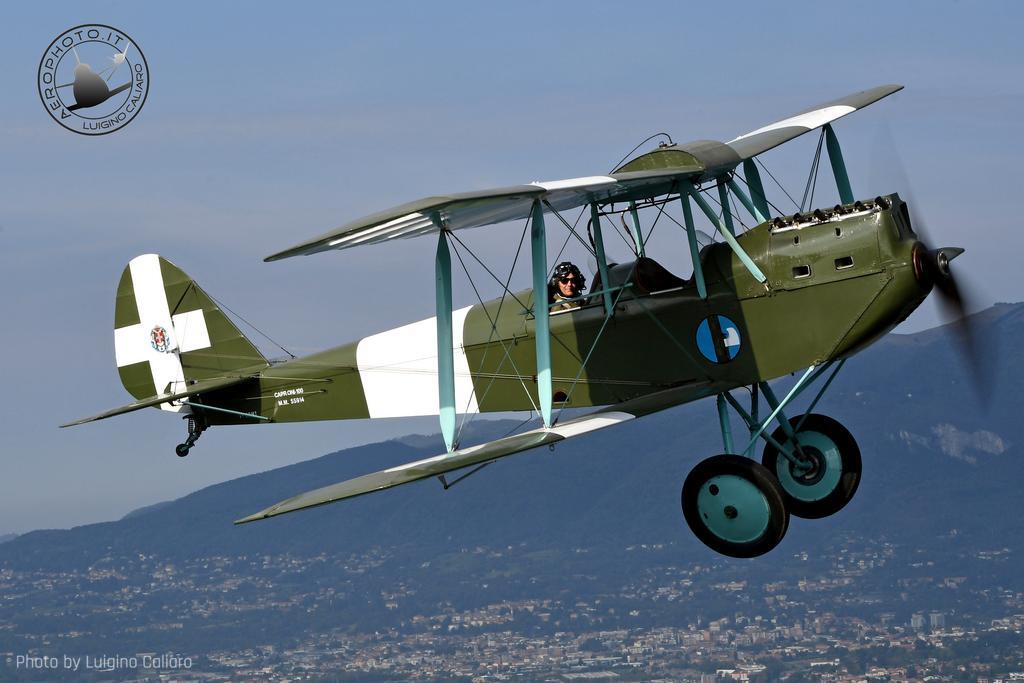
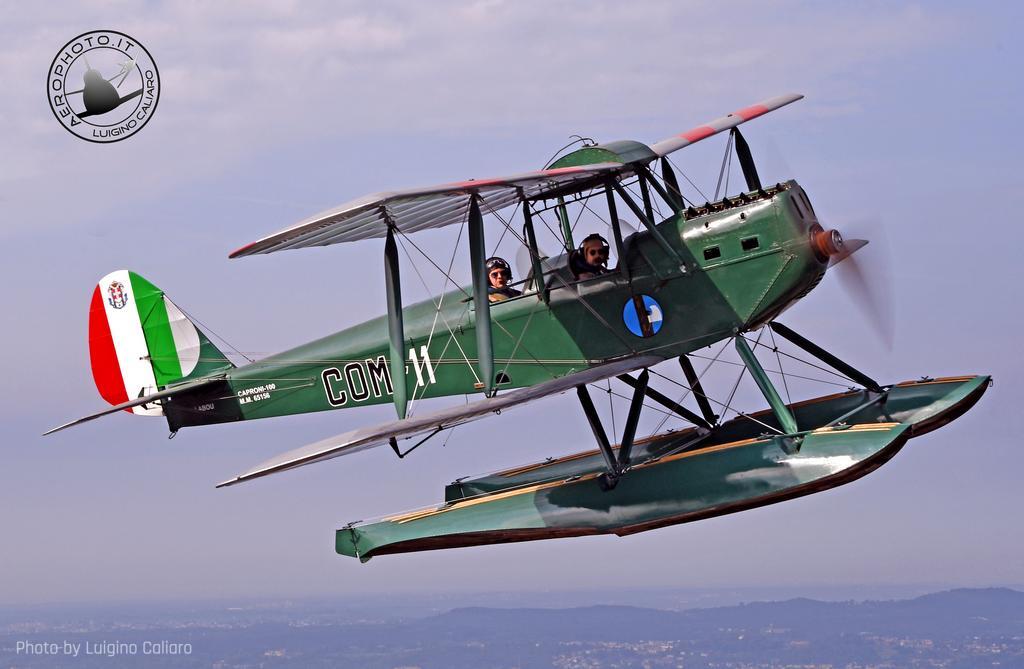
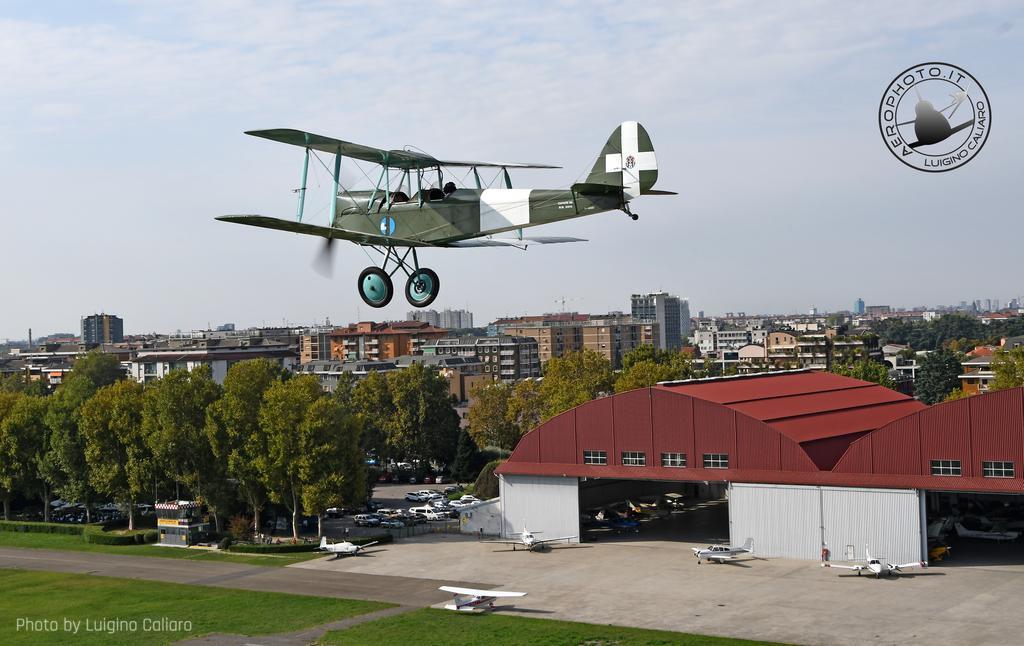
The 1933-built Ca.100 landplane, I-ABMT, arrived from its base at Milan’s Bresso Airport with display pilot Renato Cortelletti at the controls. Joining it was the float-equipped I-ABOU, built under license by Macchi in 1935 and operated from Lake Como by Aero Club Como, flown by Carlo Novati. According to photographer Luigino Caliaro, this was the first time the two Capronis had flown together in formation in several decades.
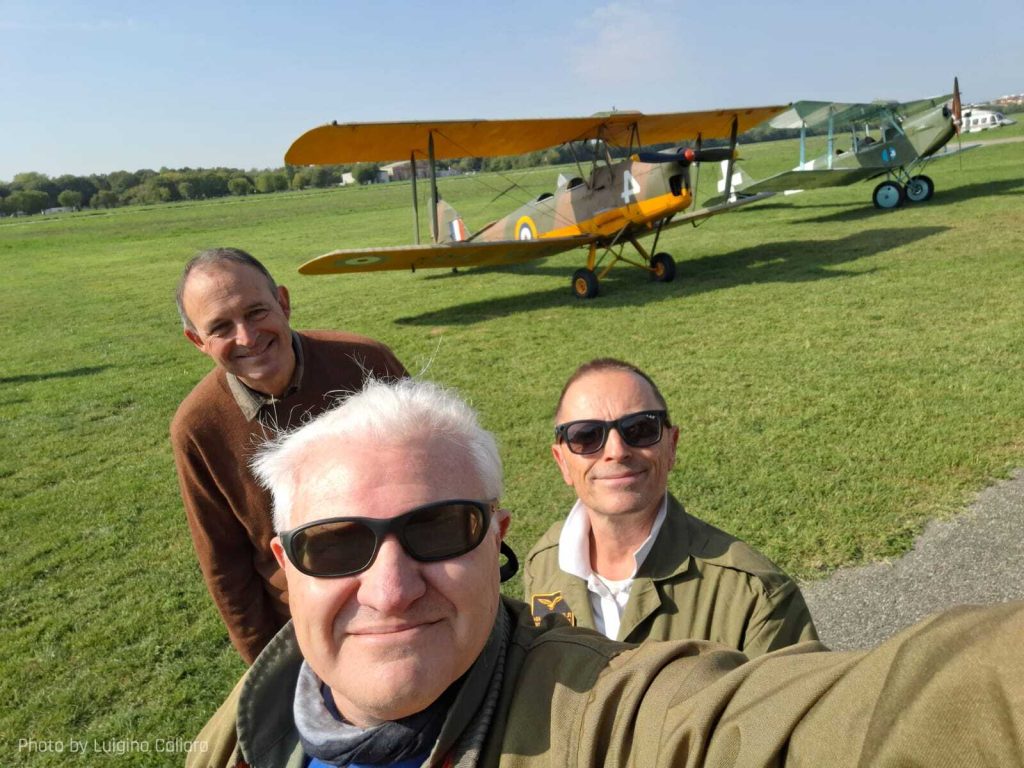
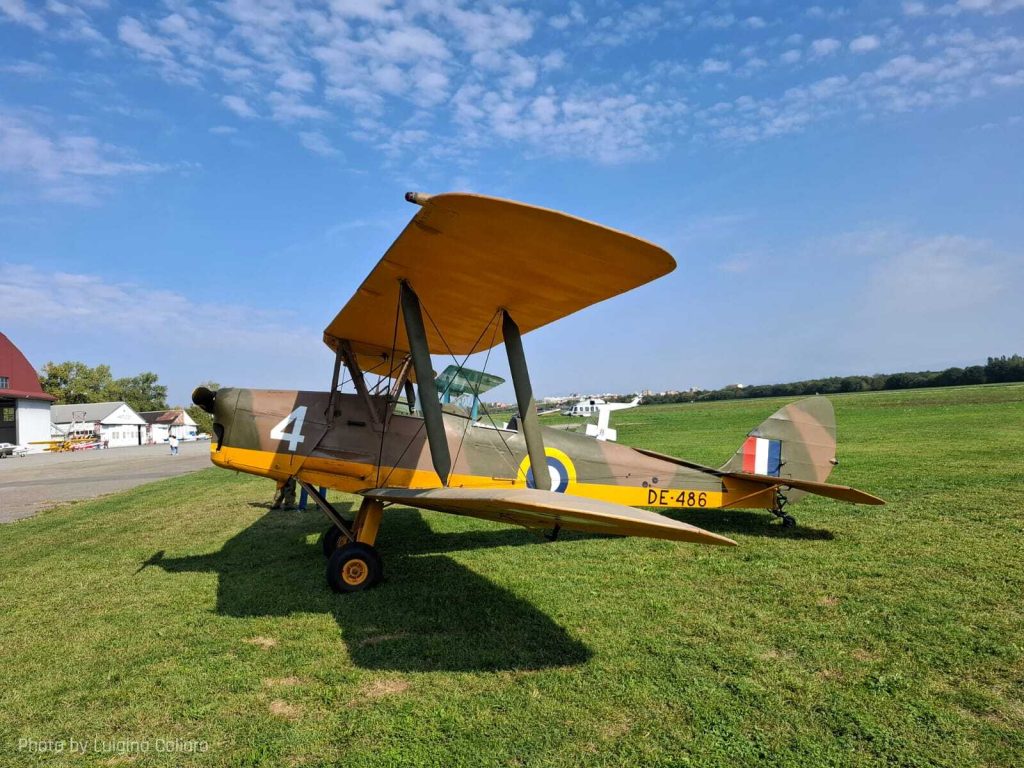
Completing the group was de Havilland DH.82A Tiger Moth I-BANG, construction number 85482, flown by its owner, Gustavo Cappava. Built in 1942, the aircraft served as an RAF trainer during WWII before entering civilian ownership. For this flight, it carried Caliaro as he photographed the two Capronis against the landscape of northern Italy.
(Image credit: Luigino Caliaro)
The occasion followed I-ABMT’s return to flight in early September after three years on the ground and an extensive maintenance program. VAN recently featured Cortelletti discussing that work, the aircraft’s distinctive handling characteristics, and its planned appearance at Festivolare in Trento. Built at Caproni’s Taliedo factory in 1933, I-ABMT is regarded as the oldest airworthy aircraft in Italy. Originally produced for the Italian military, it served as a trainer in Rome, helping prepare pilots in the years preceding WWII. Its postwar career took it into civilian commercial work, including skywriting and aerial advertising over Milan for several prominent Italian brands. Eventually withdrawn from service, the biplane remained idle for years before being discovered abandoned during the 1960s. Gavazzi subsequently undertook an extensive restoration to return it to flying condition. Original components were retained wherever possible, preserving both the aircraft’s authenticity and its period character. Among I-ABMT’s surviving features are a Sonia clock designed for the Regia Aeronautica, Italy’s Royal Air Force, an item known as the “Diavoletto,” or “little devil,” and a Pezzani compass with a distinctive dome-shaped design. These details contribute to the character of an aircraft that remains a remarkably authentic example of the Ca.100.
(Image credit: Luigino Caliaro)
Gavazzi’s involvement with the type extends to I-ABOU, the floatplane affectionately known as the Caproncino, Italian for “Little Caproni.” Considered the world’s oldest airworthy seaplane, it is based with Aero Club Como, whose origins date to 1932 and which is recognized as the world’s oldest seaplane operator. Macchi built I-ABOU during the spring of 1935 at its factory in Varese. Carrying production number 3992, it entered Regia Aeronautica service as MM65156 and was initially assigned to the seaplane school at Pola Puntisella, then in Italy and now part of Croatia. Around 1938, Samuele Silvano acquired the aircraft and registered it I-ABOU. He kept it at Pavia on the River Po, in hangars that had previously housed seaplanes serving Italy’s first commercial air routes between Trieste and Turin. By 1948, the Ca.100 had moved to Lake Como, where it underwent refurbishment and began conducting training and pleasure flights. Its work also included humanitarian missions. During the devastating River Po floods of November 1951, I-ABOU transported supplies to isolated communities. Gavazzi later rescued the aircraft and returned it to airworthy condition in 1991 following a six-year restoration. However, another lengthy rebuilding effort lay ahead. On July 11, 2006, after completing several passenger flights, I-ABOU was taxiing for its final scheduled takeoff of the day when it collided with a Cessna returning to the seaplane ramp. Nobody was injured, but the Caproni capsized. Gavazzi committed to restoring the aircraft once again. The process proved long and difficult, particularly the repair of its Colombo S.63 engine, which was sent to the United Kingdom. Nearly 15 years passed before the powerplant could be reinstalled on the restored airframe. By September 2021, the Ca.100 was once again ready for flight. On April 7, 2022, it finally returned to the air over Lake Como with Cesare Baj and Gerolamo Gavazzi aboard, ending an operational hiatus of almost 16 years and reclaiming its place as the world’s oldest airworthy seaplane.
(Image credit: Luigino Caliaro)
Bringing the two Capronis together over Lake Pusiano required considerable patience. Caliaro explained that several attempts had been made in recent years to arrange the photographic flight, but the aircraft’s age and historical importance demanded careful attention to technical readiness and weather conditions. For the floatplane in particular, the condition of the lake’s surface had to allow safe operations. When those conditions finally aligned, the result was a rare opportunity to see the world’s only flying examples of the Caproni Ca.100 together in their native skies. For Gavazzi, the pilots, and the people who maintain these aircraft, the flight reflected decades of work that have kept two exceptional survivors of Italian aviation history in the air.







Non ho parole per esprimere ammirazione, capacità, professionalità, dedizione al volo e alla storia al mio carissimo amico Renato Cortelletti, esemplare in ogni aspetto,semplicemente unico, complimenti, volare con il Caproni occorre grandissima esperienza di volo