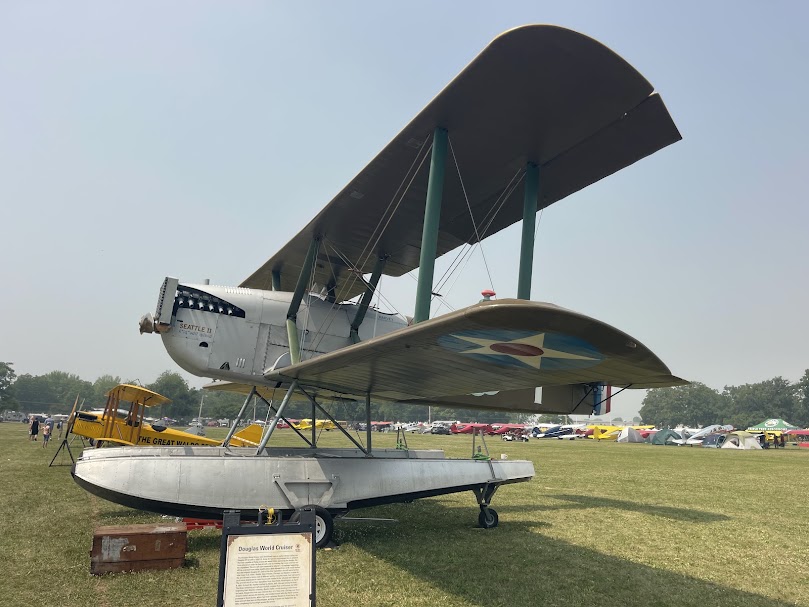
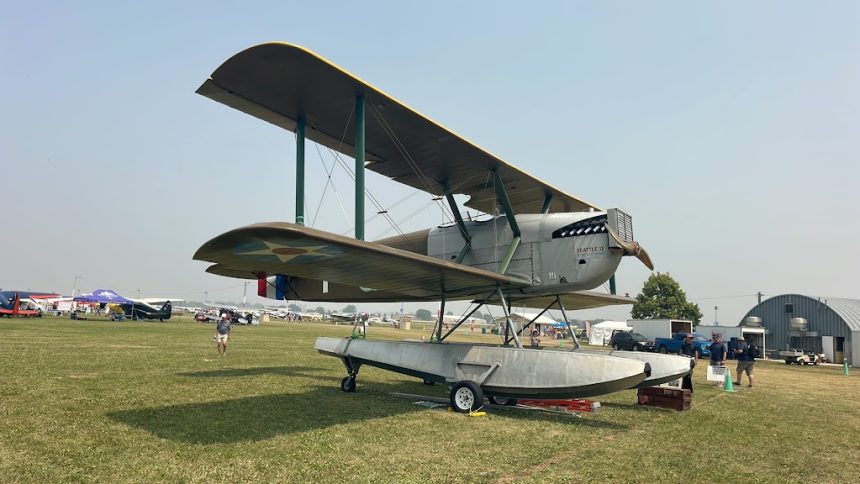

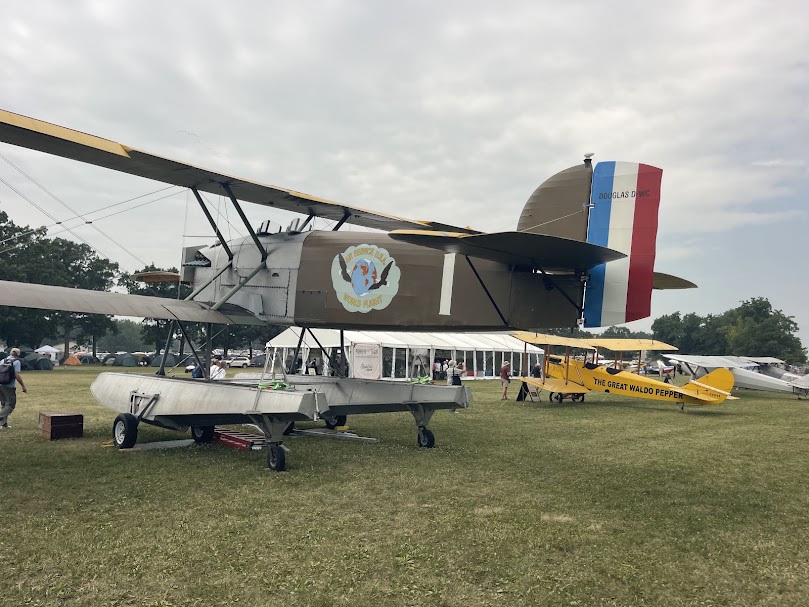
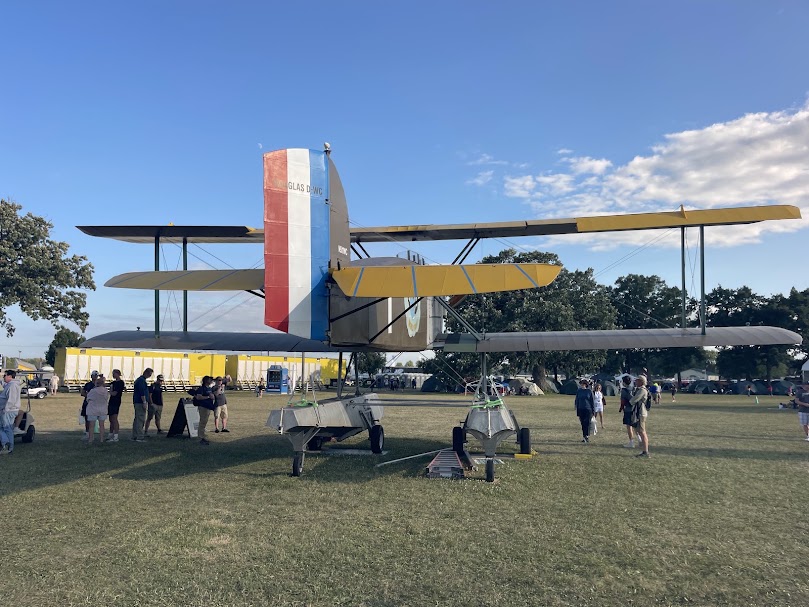
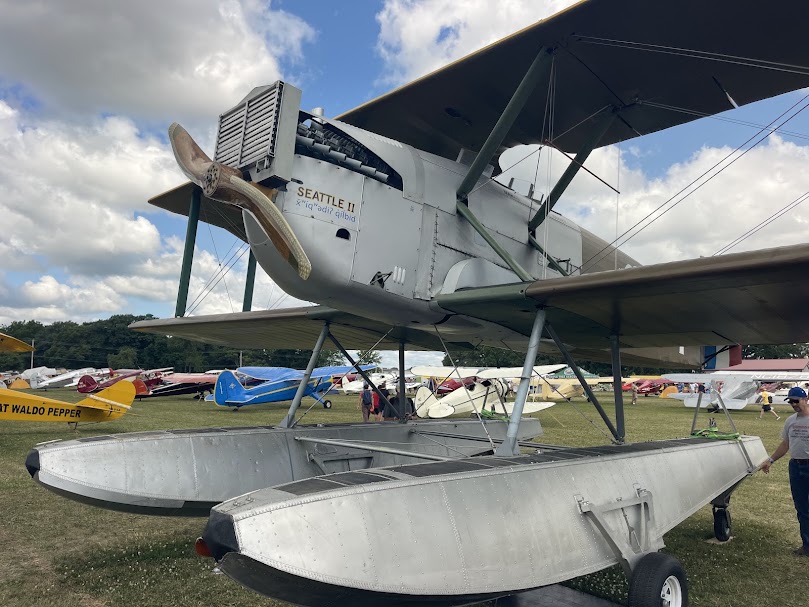
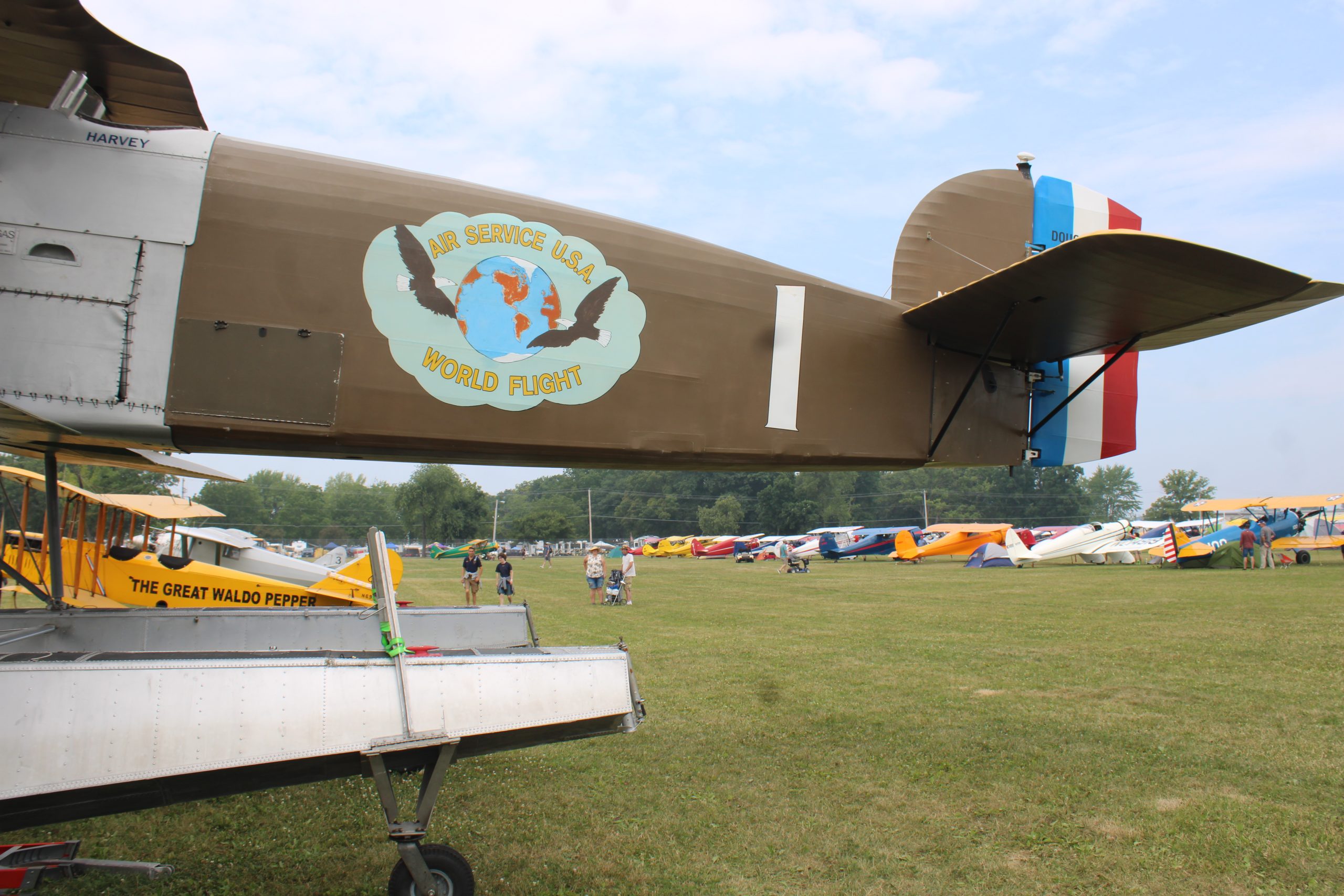
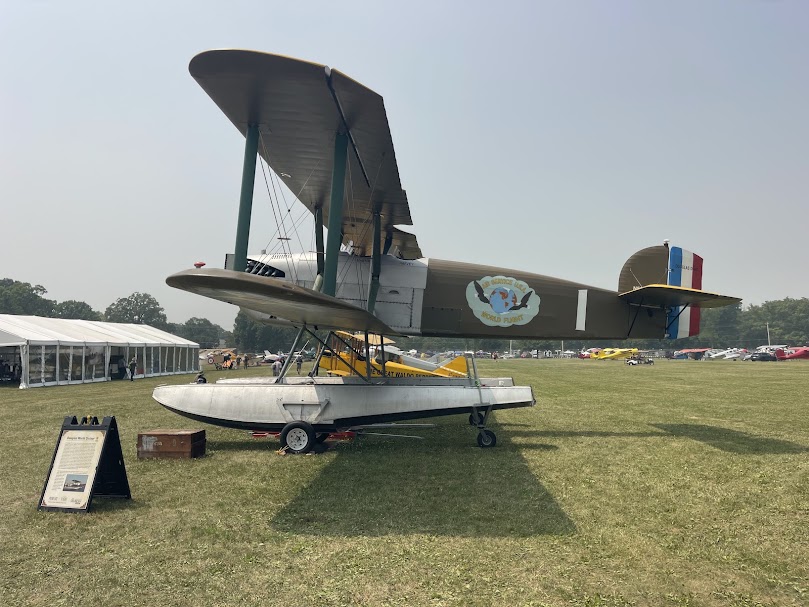
Towering over the fleet of vintage 1920s and 1930s fabric biplanes and gleaming monoplanes assembled in the Vintage section of EAA Airventure stands a faithful replica of the Douglas World Cruiser, the first airplane to fly around the world in 1924. Having been constructed over a 13-year span from 2001 to 2014, and making its first flight on December 20, 2014, this aircraft will remain on loan from builder and pilot Bob Dempster at the EAA Aviation Museum at the conclusion of Airventure 2026.
The Douglas World Cruiser (DWC) came about in 1923 when the fledgling U.S. Army Air Service was seeking to maintain relevancy among the public in the early 1920s during a period of shrinking military inventories in the wake of the end of World War I. That year, the Army Air Service set out to complete the first aerial circumnavigation of the globe, a feat some considered impossible with the current state of aviation.
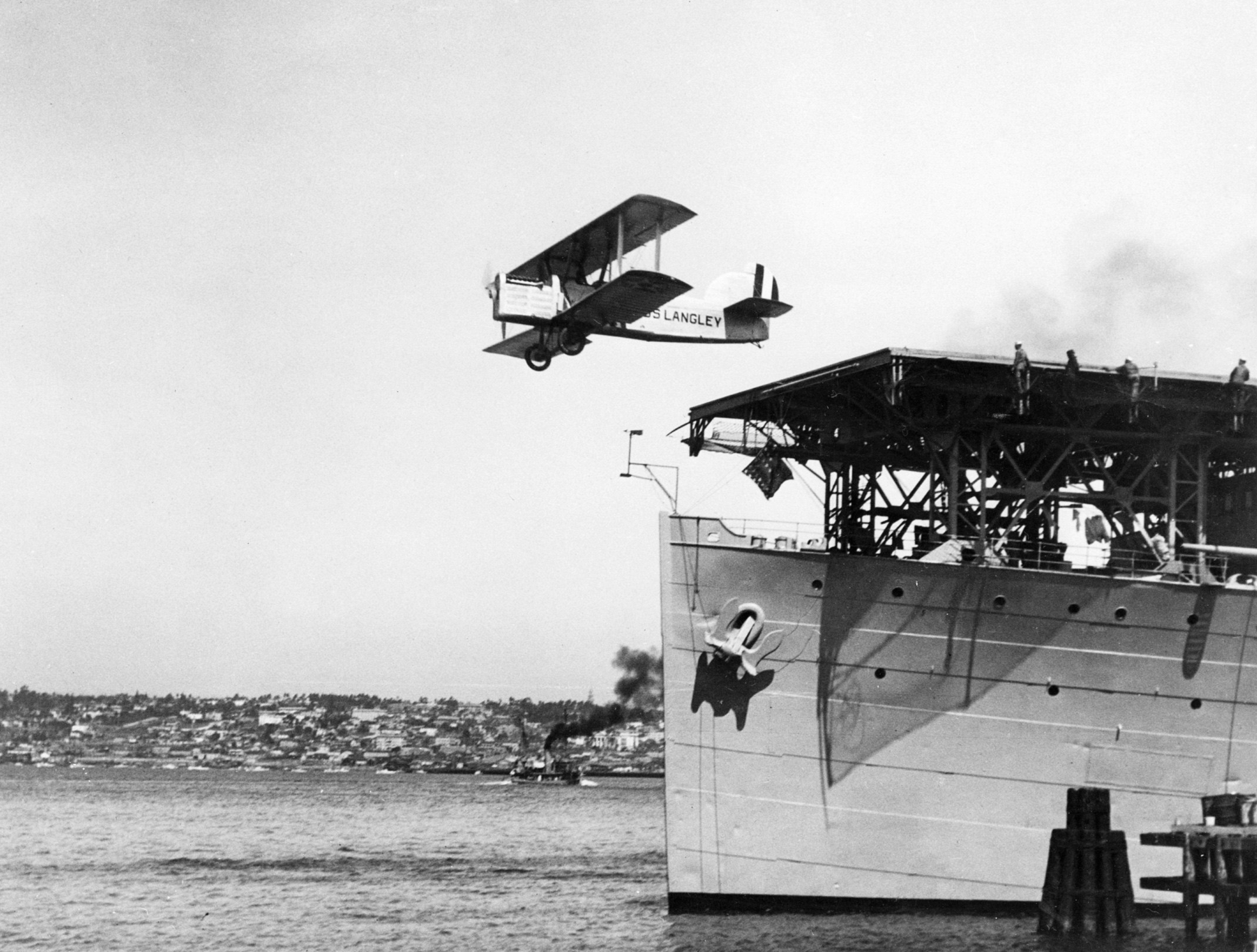
On hearing of the Army’s interest in a round-the-world flight, designer Donald Douglas, founder of the Douglas Aircraft Company, proposed modifying the company’s pre-existing Douglas DT torpedo bomber already in service with the US Navy aboard the first American aircraft carrier, USS Langley (CV-1), into a purpose-built aircraft for the Army’s specifications, promising to complete the design within 45 days of signing the contract. The Army Air Service accepted Douglas’ proposal, and sent test pilot and engineer Lt. Erik Nelson to Douglas’ headquarters in Santa Monica, California, to help oversee the design and construction of what would become the Douglas World Cruisers (DWC), while a young Jack Northrop, later famous for his flying wing designs, was in charge of designing the fuel system for the DWCs.
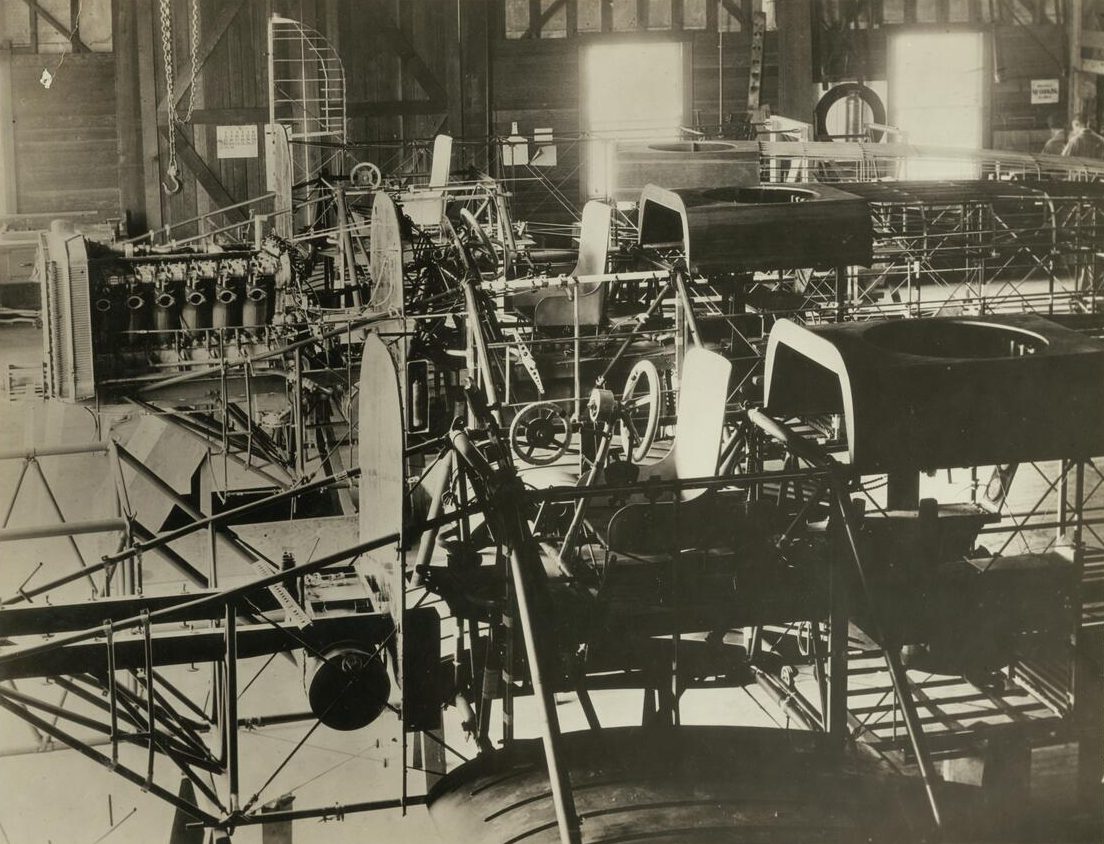
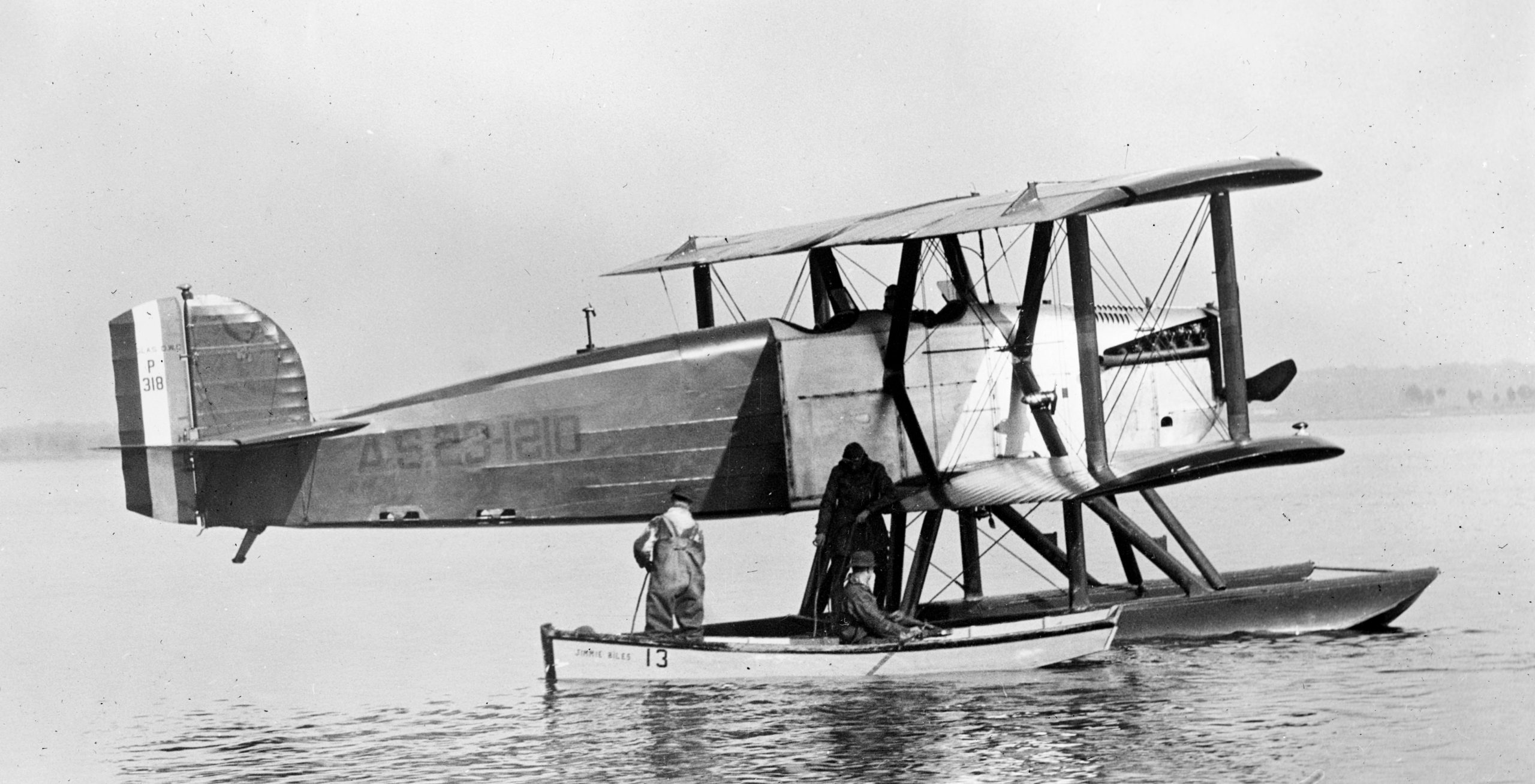
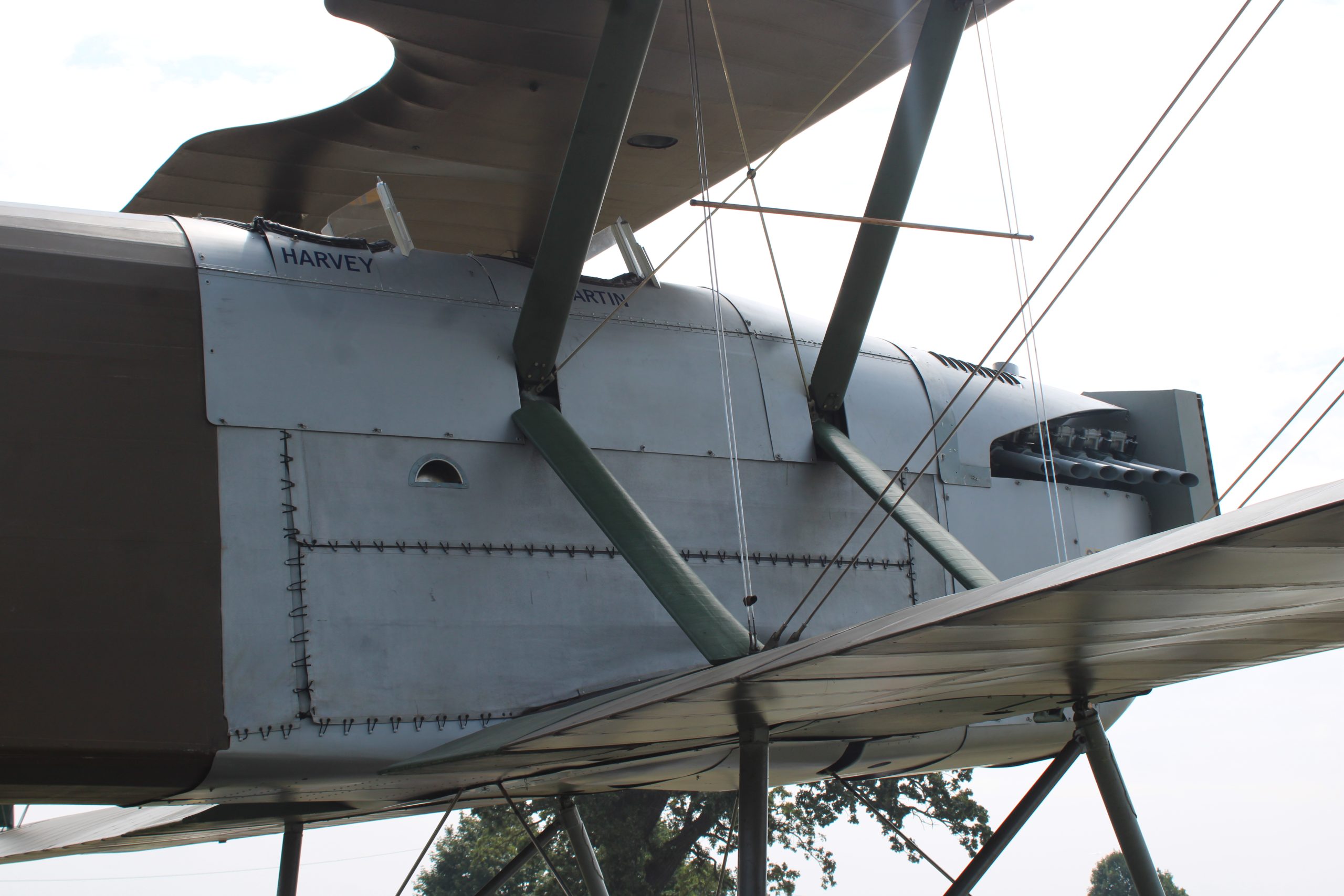
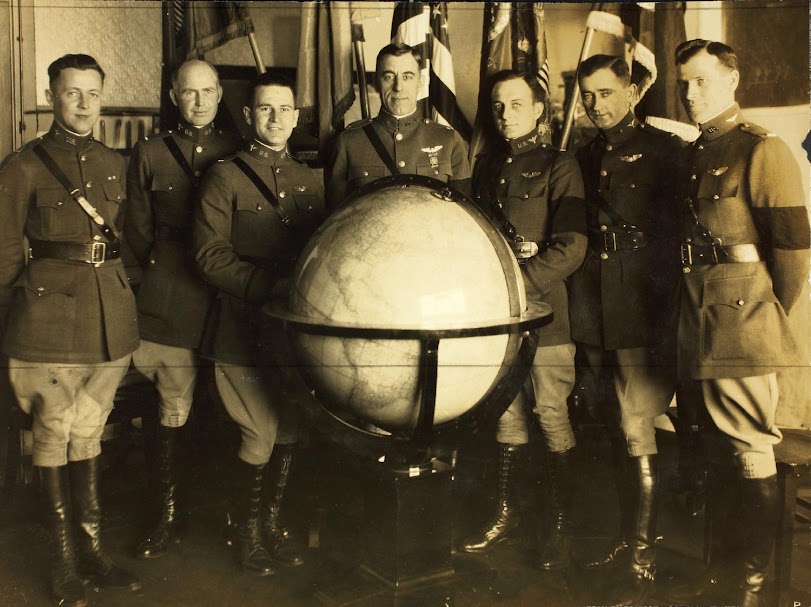
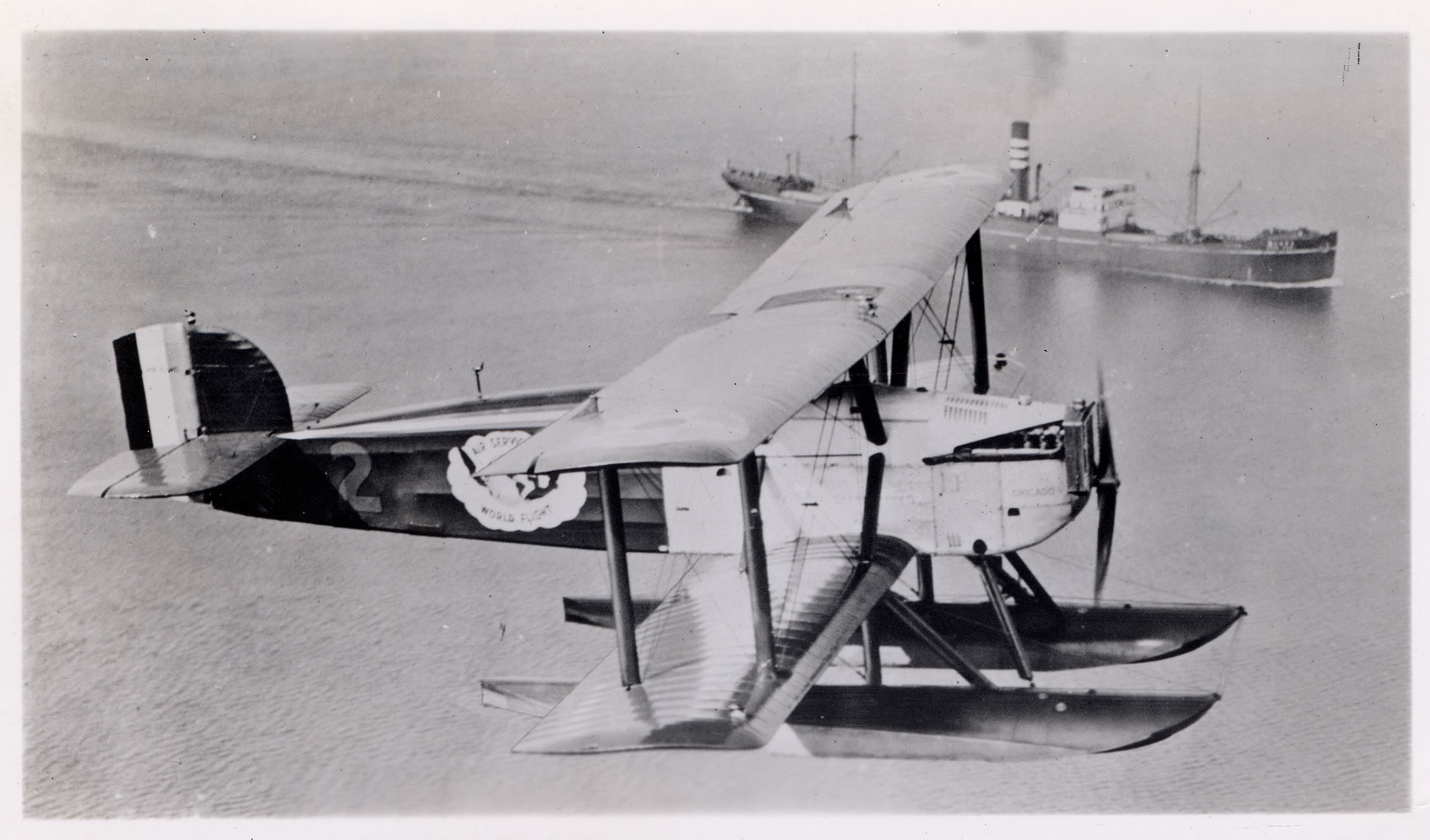
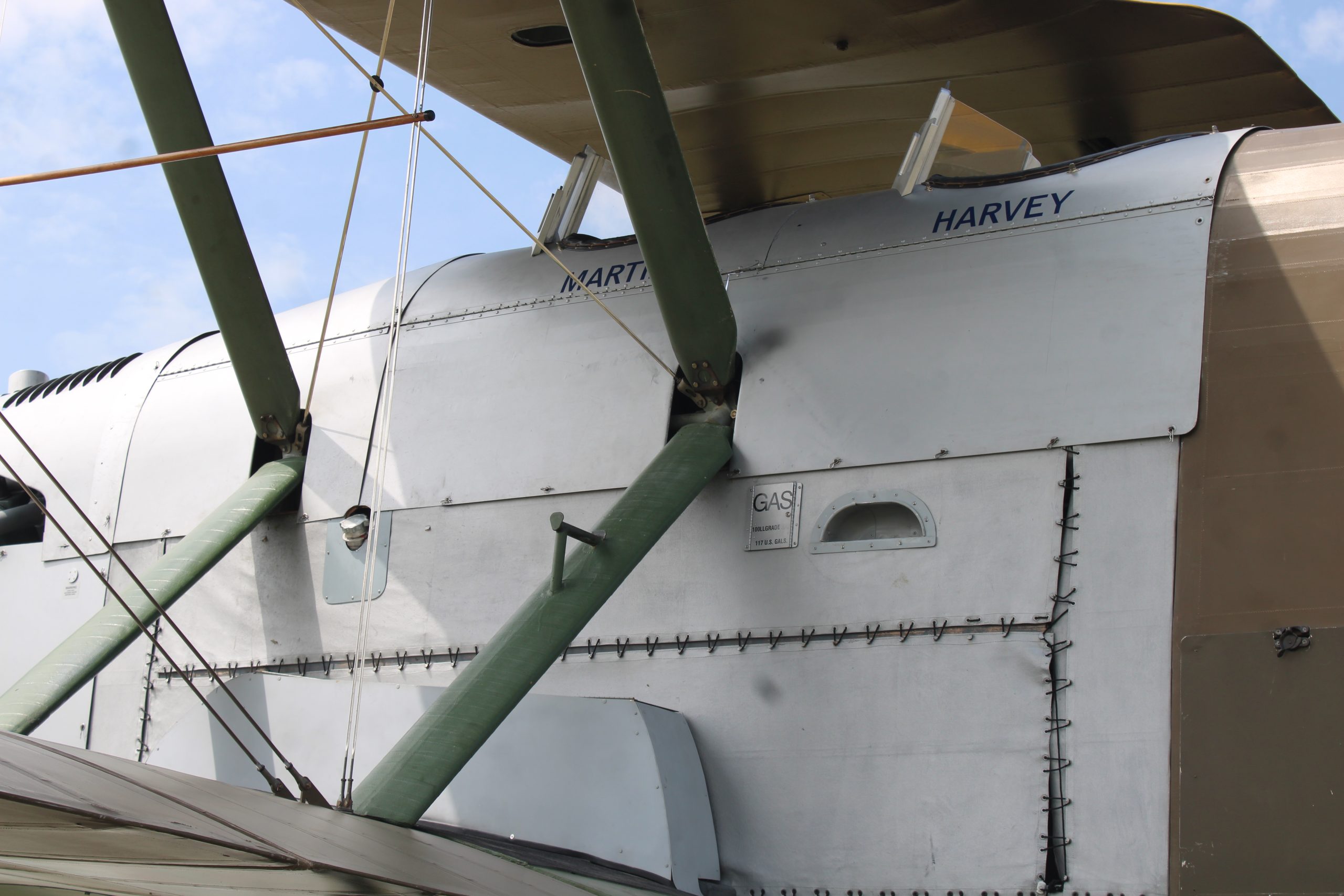
The first prototype, construction number 144, serial number 23-1210, was delivered to McCook Field, Dayton, Ohio for flight testing in November 1923, and on completion of the flight trials at McCook, four more aircraft were built for the actual flight around the world. The four Douglas World Cruisers were numbered 1 through 4 and named for prominent cities across the United States. Aircraft No.1 (23-1229) was to be flown by the flight’s commander, Major Frederick Martin, and Staff Sergeant Alva Harvey, the aircraft’s copilot/mechanic, while aircraft No.2 (23-1230) was flown by Lt. Lowell Smith and Lt. Leslie Arnold. Aircraft No.3 (23-1231) was crewed by 1st Lt. Leigh P. Wade and SSgt. Henry Ogden and finally, the No.4 aircraft (23-1232), was to be flown by Lts. Erik Nelson and John Harding, Jr. Each aircraft had tandem open cockpits with dual flight controls, was powered by a single 420hp Liberty L-12 engine, and could be configured to be flown both on wheels or pontoon floats. Meanwhile, a global logistics chain was established to help the World Cruisers secure spare parts, tools, fuel, oil, and other necessities for the flight. Like the DT torpedo bombers, the wings of the Douglas World Cruisers could also be folded back against the fuselage for easier stowage on ships or in small aircraft hangars that would normally be too narrow for the planes to be brought inside.
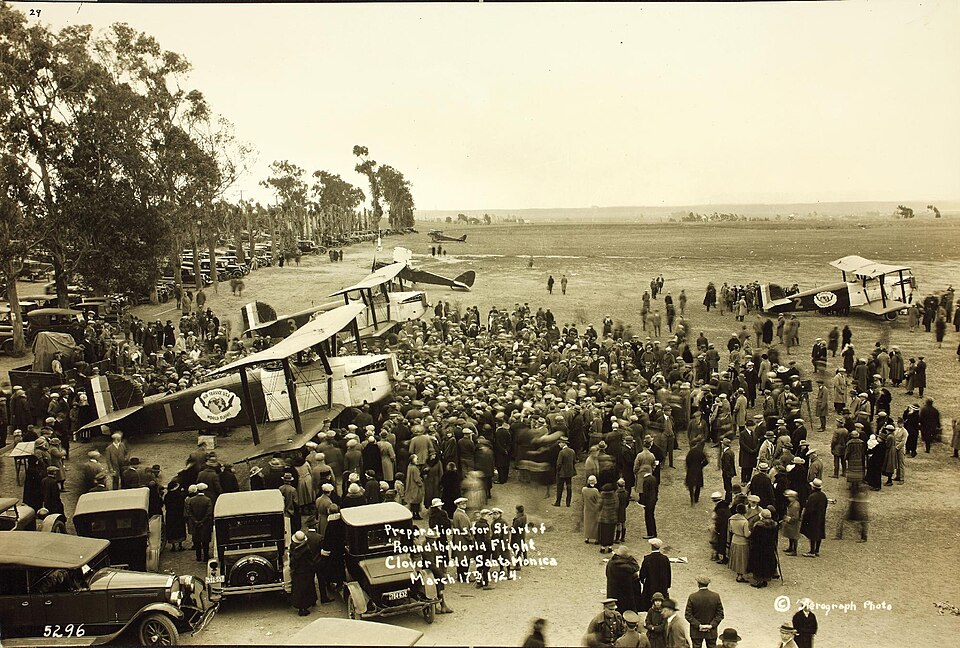
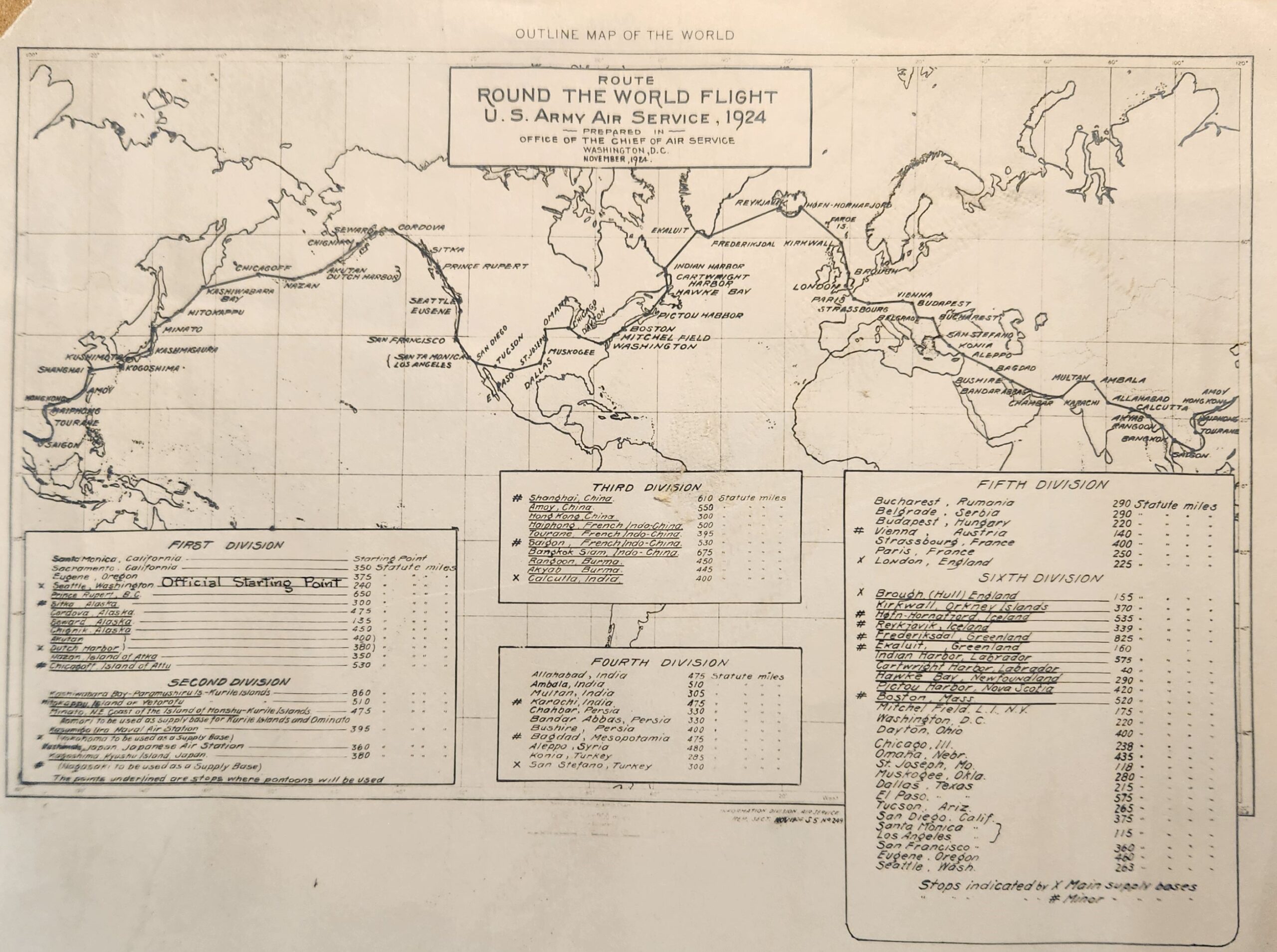
On March 17, 1924, the Seattle, Chicago, Boston, and New Orleans set off from Clover Field (now Santa Monica Airport), California and after making stops in Sacramento, Eugene, Oregon, Portland, and Vancouver, Washington, they arrived in Seattle on March 20, where on March 27, the four aircraft were officially christened, with 23-1229 being named Seattle, 23-1230 the Chicago, 23-1231 becoming the Boston, and 23-1232 being named New Orleans. On April 6, 1924, the flight around the world officially commenced from Sand Point, Seattle, with Frederick Martin serving as flight commander from the DWC Seattle. From Sand Point, the World Cruisers flew along the Pacific Northwest coast into British Columbia and the Alaska Panhandle.
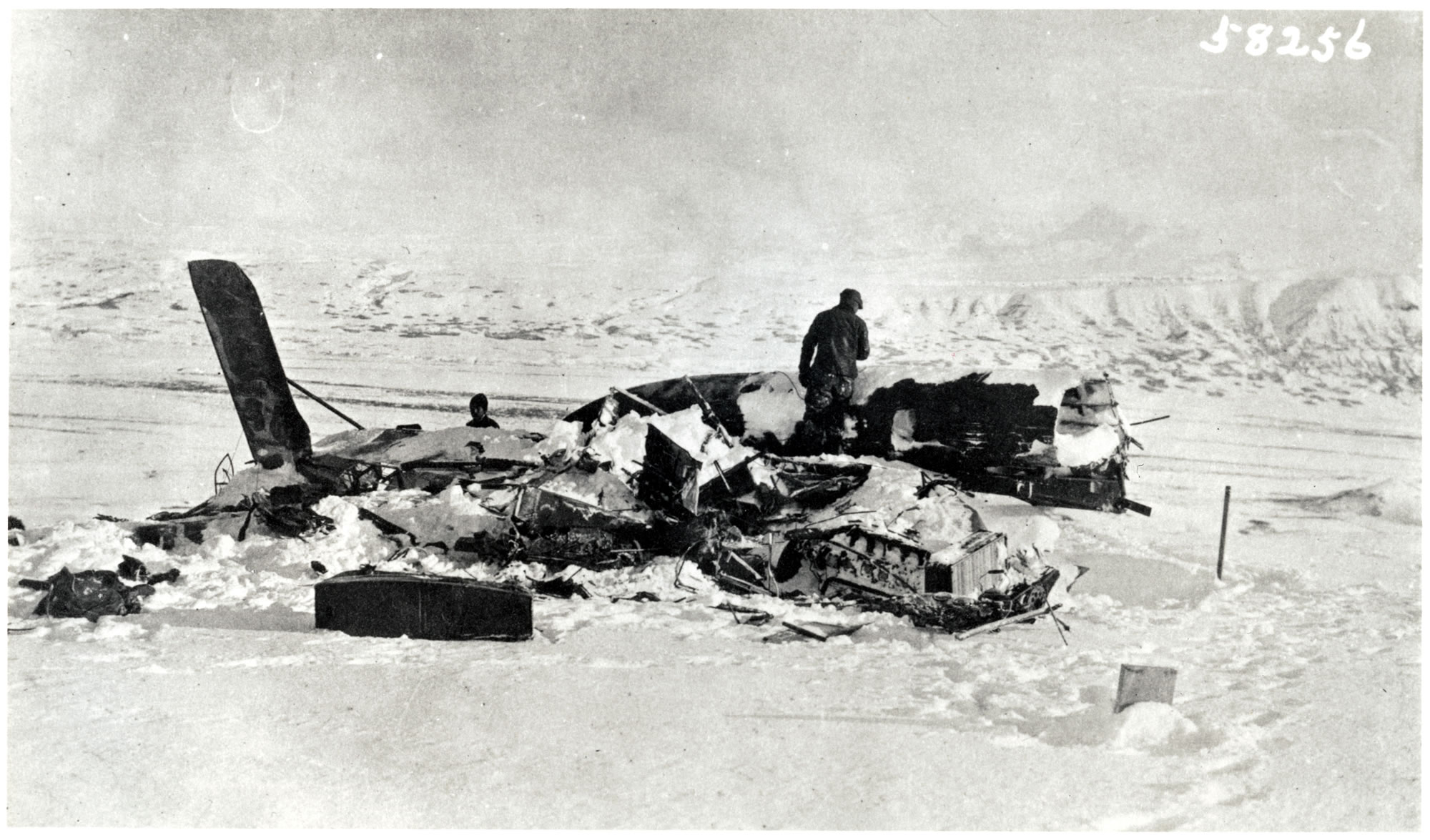
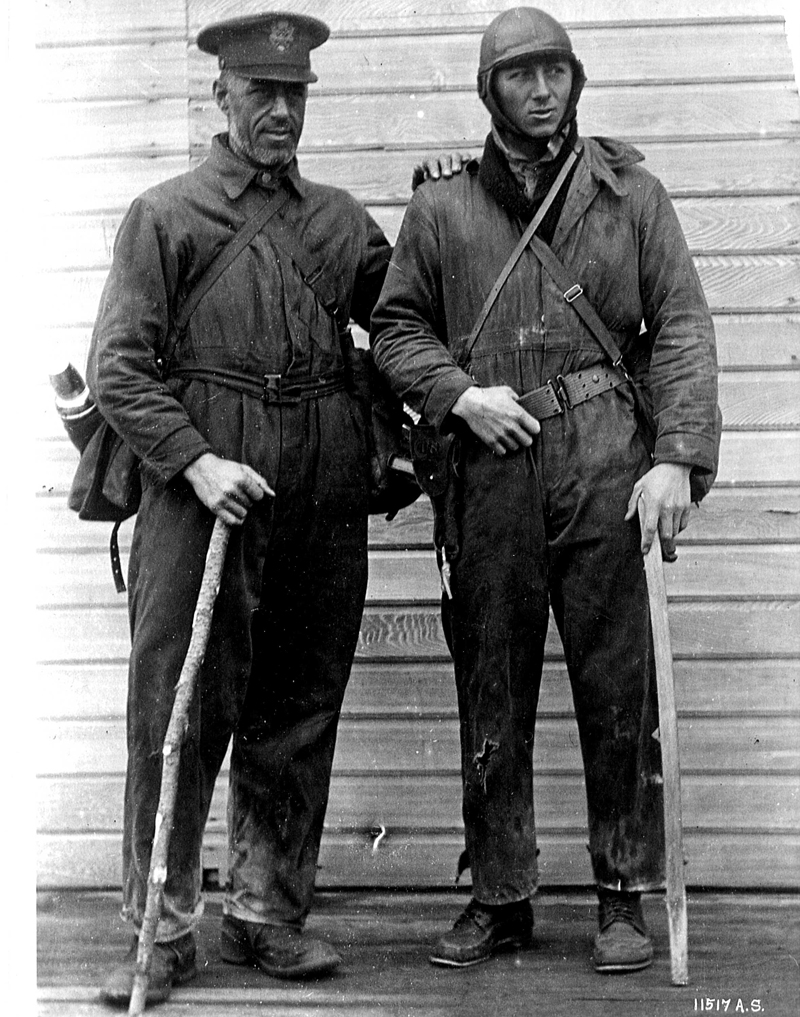
On April 15, Seattle blew a hole in its crankcase while departing Prince Rupert, British Columbia, forcing Martin and Harvey to land and spend ten days replacing the engine while the Chicago, Boston, and New Orleans proceeded up through Alaska in spite of terrible weather conditions. On April 25, Martin and Harvey took off and flew up the coast to attempt to catch up with the rest of the World Cruisers, now up in Dutch Harbor in the Aleutian Islands. Five days later, on April 30, 1924, while attempting to reach Dutch Harbor after departing from Chignik, the Seattle crashed into the side of a mountain overlooking Port Moller, on the Alaska Peninsula. Miraculously, both Martin and Harvey survived the crash with only minor injuries, but the remoteness of the crash site combined with poor weather and no radios meant that after two days of waiting, the remaining Douglas World Cruisers were ordered to carry on their flight west on May 2.
In the meantime, Martin and Harvey initially tried to wait out the stormy weather, but eventually decided to brave the snow and rough terrain on their way to the beaches of Moller Bay. After six days in the Alaskan bush, the two airmen found themselves at an unoccupied trapper’s cabin, using it to get some food and rest before proceeding on their journey. On May 10, Martin and Harvey were found by locals and brought by boat to the Port Moller Cannery, with word of Martin and Harvey’s rescue reaching the crews of the Chicago, Boston, and New Orleans on May 11. With that, Lt. Lowell Smith of the Douglas World Cruiser Chicago was made flight lead as he headed for Attu Island.
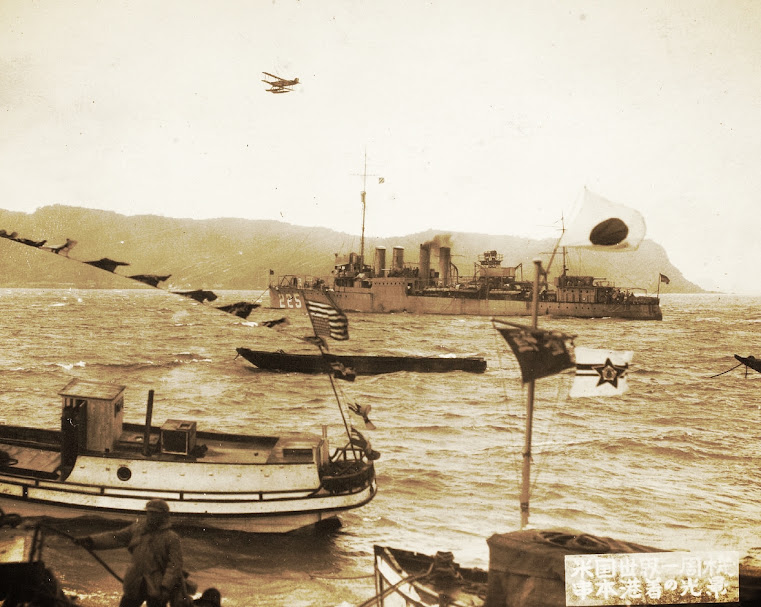
From May to June 1924, the three remaining Douglas World Cruisers would fly from Attu to the Kuril Islands to Japan, staying in Tokyo from May 22 to June 1 before leaving Japan for China and Hong Kong before traveling through French Indochina (with stops in modern-day Vietnam at Hue, Da Nang (then Tourane) and Saigon) before traveling to Bangkok Thailand, while the county was still known as the Kingdom of Siam. They then made their way through Burma and India, with stops in Rangoon (now Yangon) and Calcutta (now Kolkata).
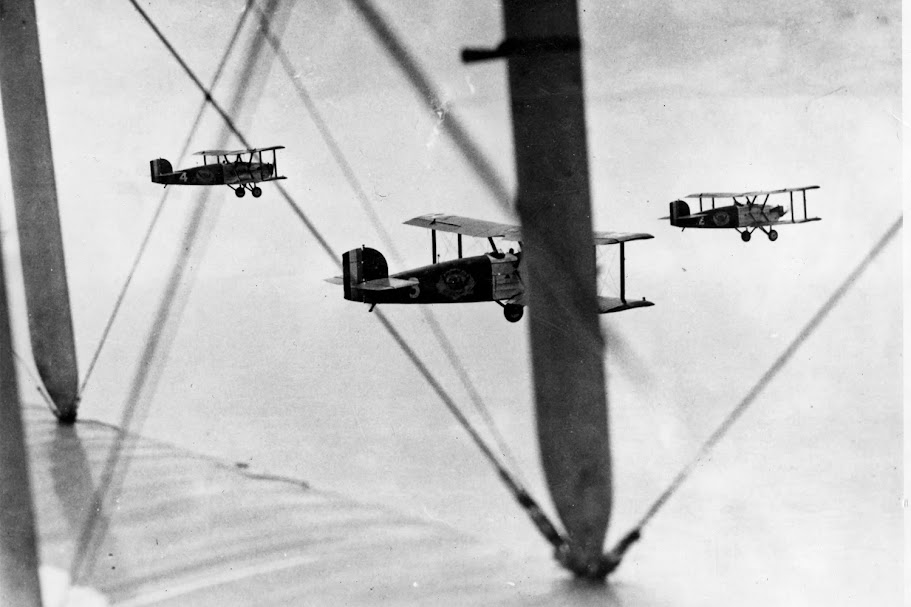
July of 1924 would see the Douglas World Cruisers proceed to modern-day Pakistan, landing in Karachi on July 4 before proceeding to Bandar Abbas on July 7, followed by stops in Baghdad, Aleppo, Istanbul, Bucharest, and Vienna before arriving in Paris on Bastille Day, July 14. Two days later, the World Cruisers crossed the English Channel and landed in London before flying up to Brough, East Riding of Yorkshire to begin preparations for their flight across the Atlantic, which would see them fly from Brough to Kirkwall in the Orkney Islands on July 30th.
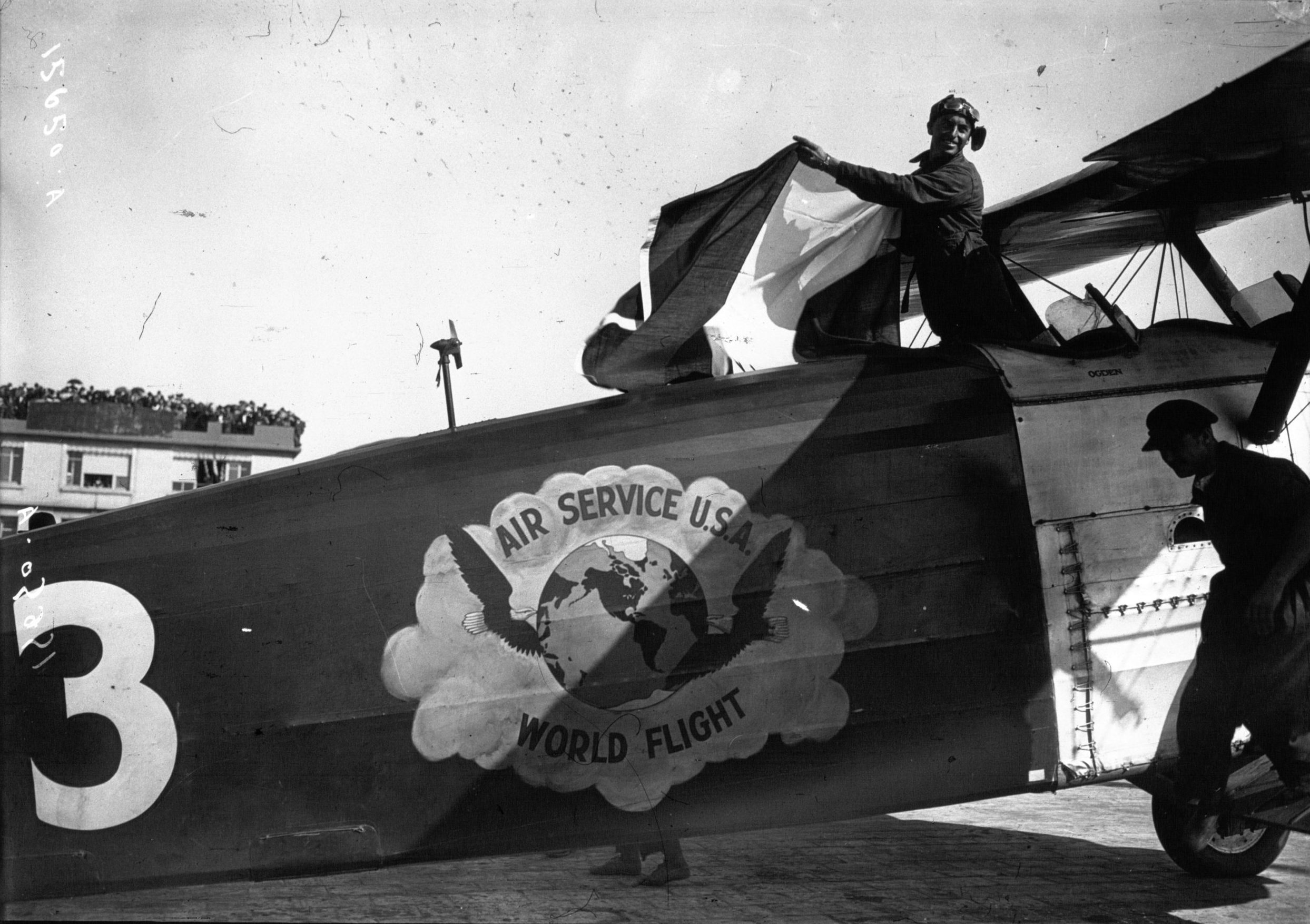
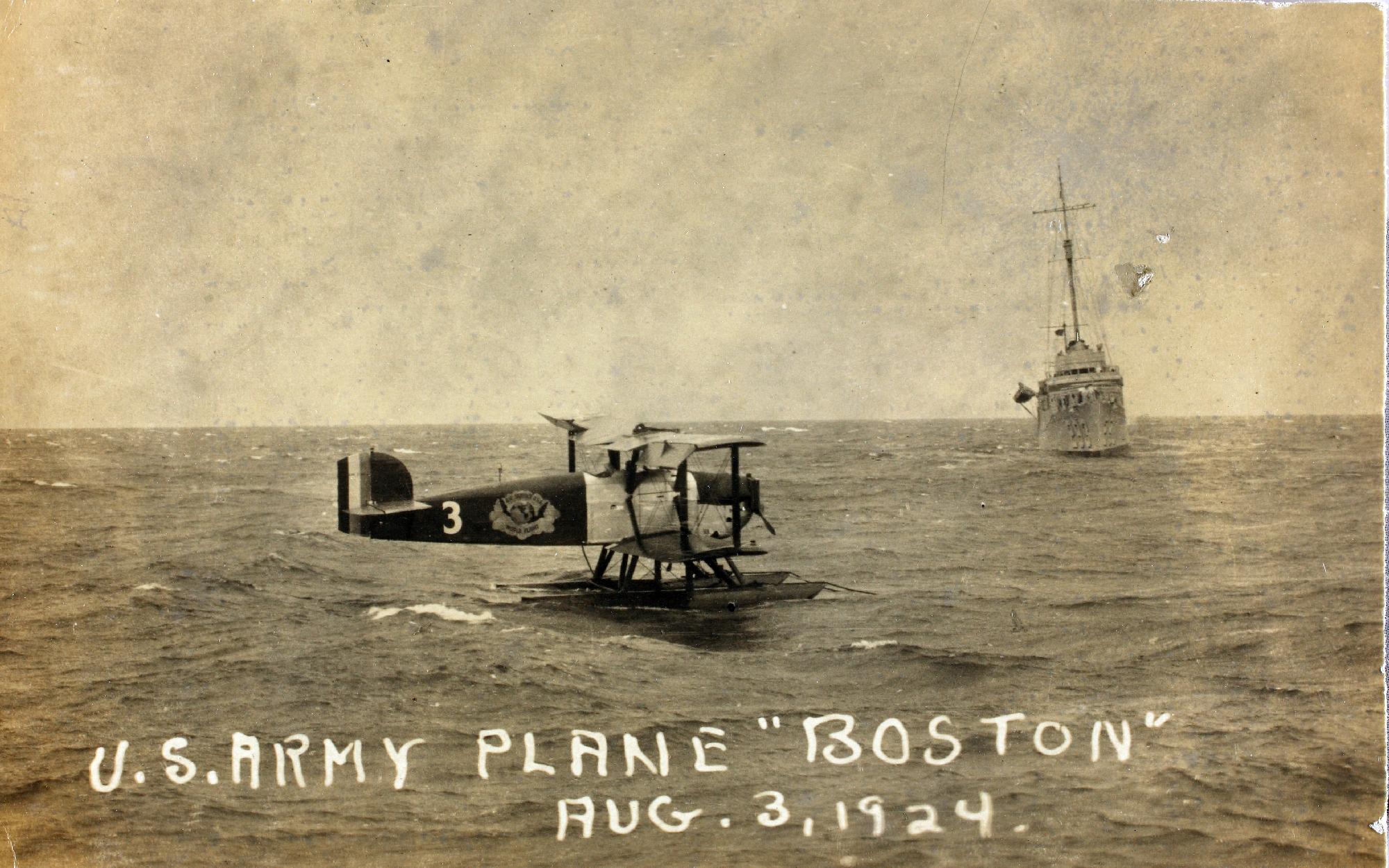
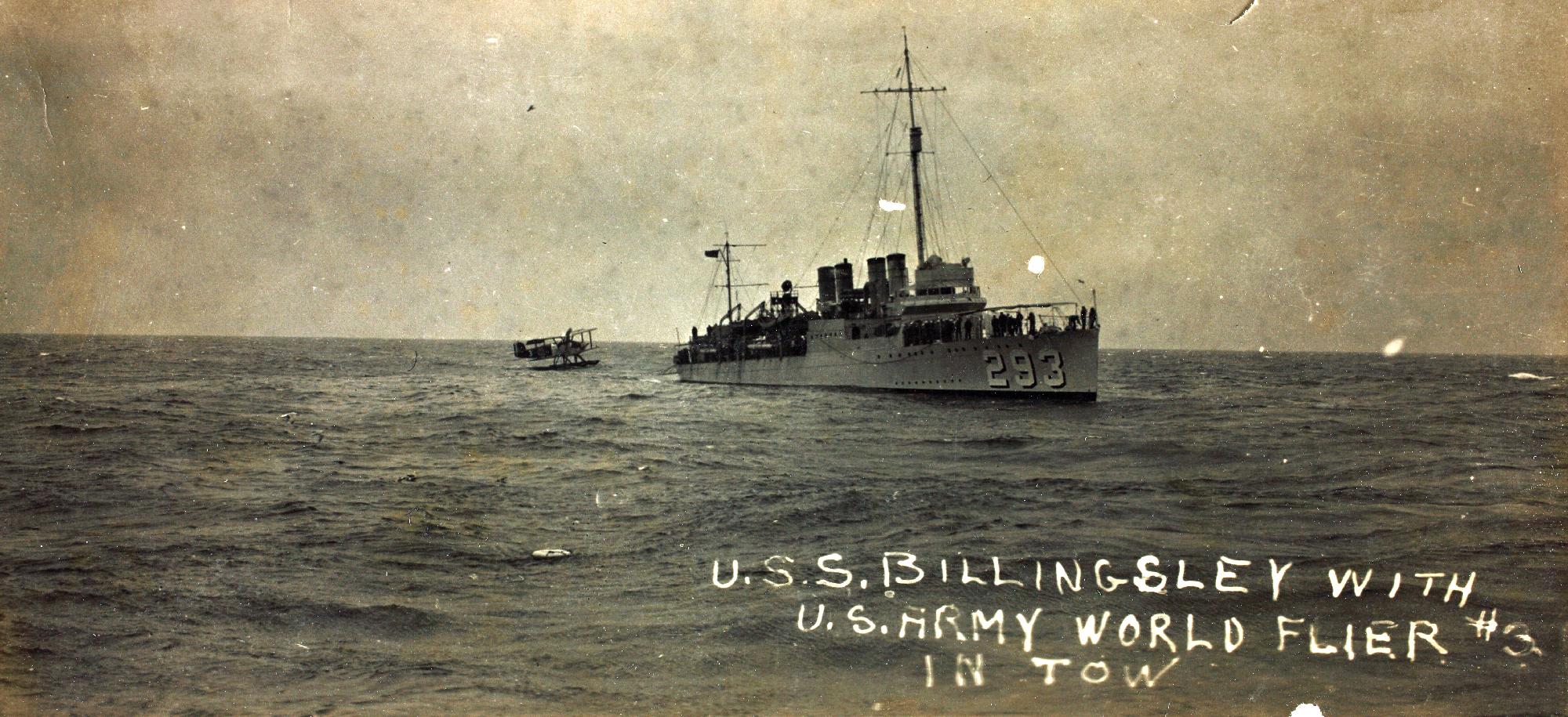
However, on August 3, 1924, as the three Douglas World Cruisers flew from Kirkwall to Hornafjörður, Iceland, the cruiser Boston began losing oil pressure over the Atlantic Ocean, forcing pilot Leigh Wade and mechanic Henry Ogden to land at sea on their pontoon floats. Flying above them, the crew of the Chicago, Lowell Smith and Leslie Arnold, circled their position, then flew off to drop handwritten notes to the destroyer USS Billingsley (DD-293), which raced to the approximate location of the Boston, while Smith and Arnold went on to land in Hornafjörður. The first ship to arrive at the Boston’s position, however, was the British trawler Rugby-Ramsey, followed by the USS Billingsley, which towed the Boston until rendezvousing with the light cruiser USS Richmond (CL-9), which attempted to hoist the airplane aboard after Wade and Ogden got on deck, but with the plane suspended four feet above the waves, the tackle on the ship’s crane came loose, plunging the Boston back into the choppy sea and cracking the wooden floats. Despite emergency repairs and an attempt to continue the tow to Iceland, the Boston capsized about a mile from shore and sank. Now there were just two World Cruisers in the race around the world, but the crews of the Chicago and the New Orleans would remain to complete the epic voyage.
On August 5, the two remaining crews flew on to Reykjavik, and would make repairs and wait for a break in the weather and the ice before setting off for Greenland. During their stay in Greenland, the American flyers met with the Italian aviator Antonio Locatelli, who was leading his own attempt at flying around the world from the cockpit of a German Dornier Do J Wal flying boat, and together, they planned to fly from Iceland to Greenland in what would be the longest leg of the flight of the World Cruisers.
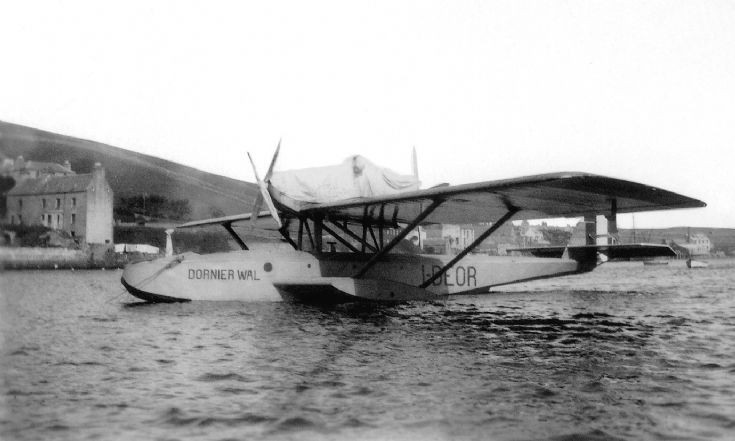
On August 21, the two remaining Douglas World Cruisers set off from Reykjavik, along with Locatelli and his crew in their Dornier. For 11 hours, the two American aircraft flew west, and despite good weather in the first half of the flight, fog and storms over the Denmark Strait forced the DWCs to fly so close to the wavetops that they had to dodge icebergs at sea. Nevertheless, the Douglas World Cruisers landed at Frederiksdal (now Narsarmijit) on the southern tip of Greenland, but Locatelli and his crew were nowhere in sight. On August 24, they flew to Ivittuut for their last stop before landing back in North America. The next day, the two American crews learned that Locatelli and his crew were rescued by the USS Richmond, but having been damaged after three days adrift on rough seas, Locatelli’s Dornier was scuttled at sea to prevent it from being a navigational hazard for ships. Weather and the necessity for repairs would delay the departure of the Chicago and the New Orleans until August 31, when they arrived at Ice Tickle Island, Labrador, and after flying to Hawkes Bay, Newfoundland on September 2, they came to Pictou, Nova Scotia, where Leigh and Henry Ogden were waiting with them in the prototype Douglas World Cruiser, 23-1210, now named the Boston II. On September 5, 1924, the three aircraft made an unscheduled landing at Mere Point, Maine, their first landing in the United States since leaving Alaska in May, before proceeding for Boston the next day.
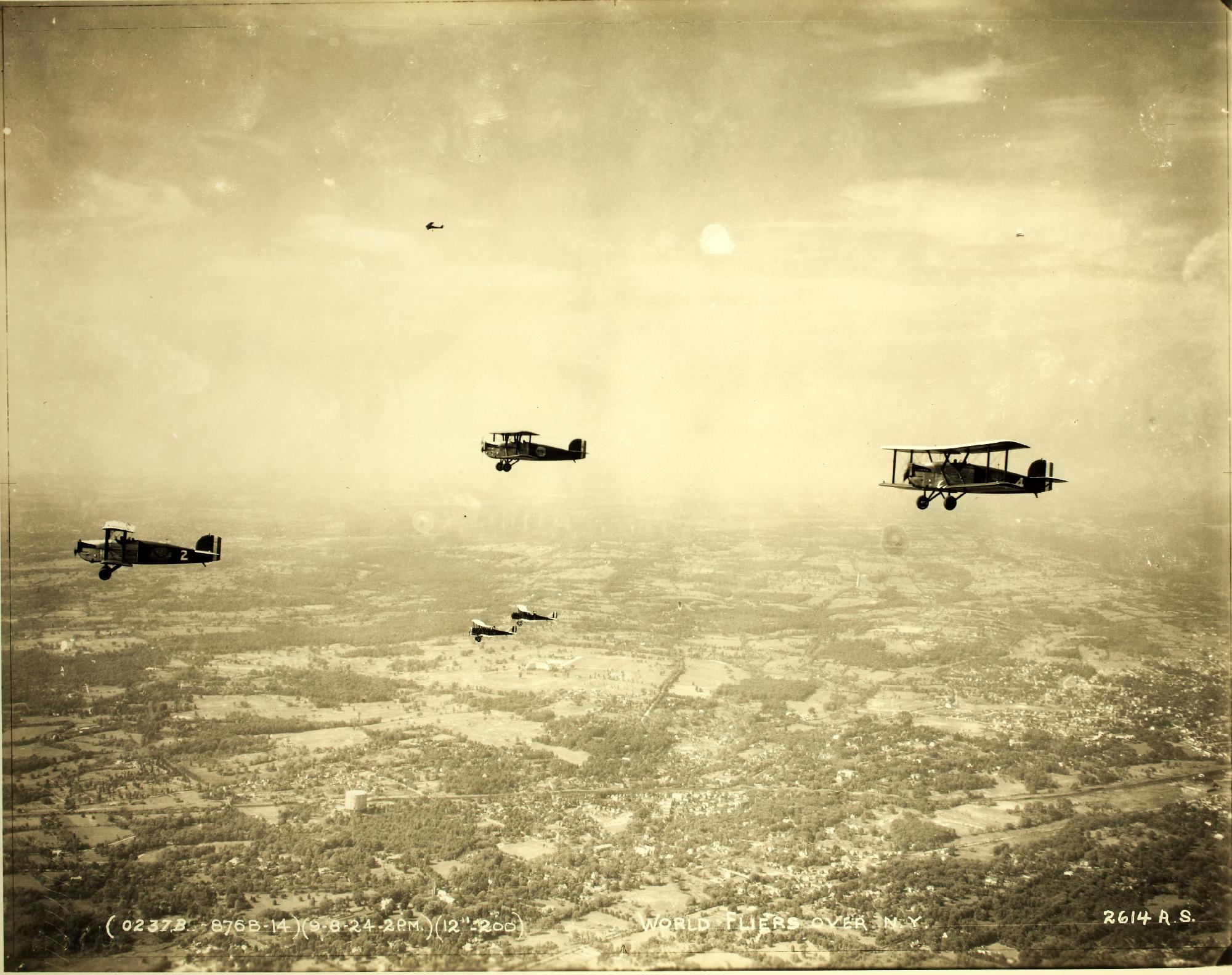
Over the next few weeks, the Douglas World Cruisers would cross the continental United States and receive a hero’s welcome at every stop, from New York City, to Washington, D.C., Dayton, Chicago, Omaha, Dallas, El Paso, Tucson, San Diego, Santa Monica, San Francisco, Eugene, Vancouver, finally returning to Seattle on September 28, 1924, 175 days after their departure from Sand Point. They had become the first pilots to circumnavigate the globe, spending a total of 371 flying hours, with the remainder of their waking hours filled with repairing damage, replacing worn-out components, and waiting for better flying weather. After completing their Round-the-World flight, the crews of the Douglas World Cruisers went on lecture tours, and a silent documentary film gave moviegoers an unparalleled glimpse into the highlights of the flight (which can be viewed HERE), and the Douglas Aircraft Company would adopt the motto “First Around the World – First the World Around”. Additionally, the crews of the Chicago, Boston, and New Orleans shared credit for being awarded the Mackay Trophy for the “most meritorious flight of the year”.
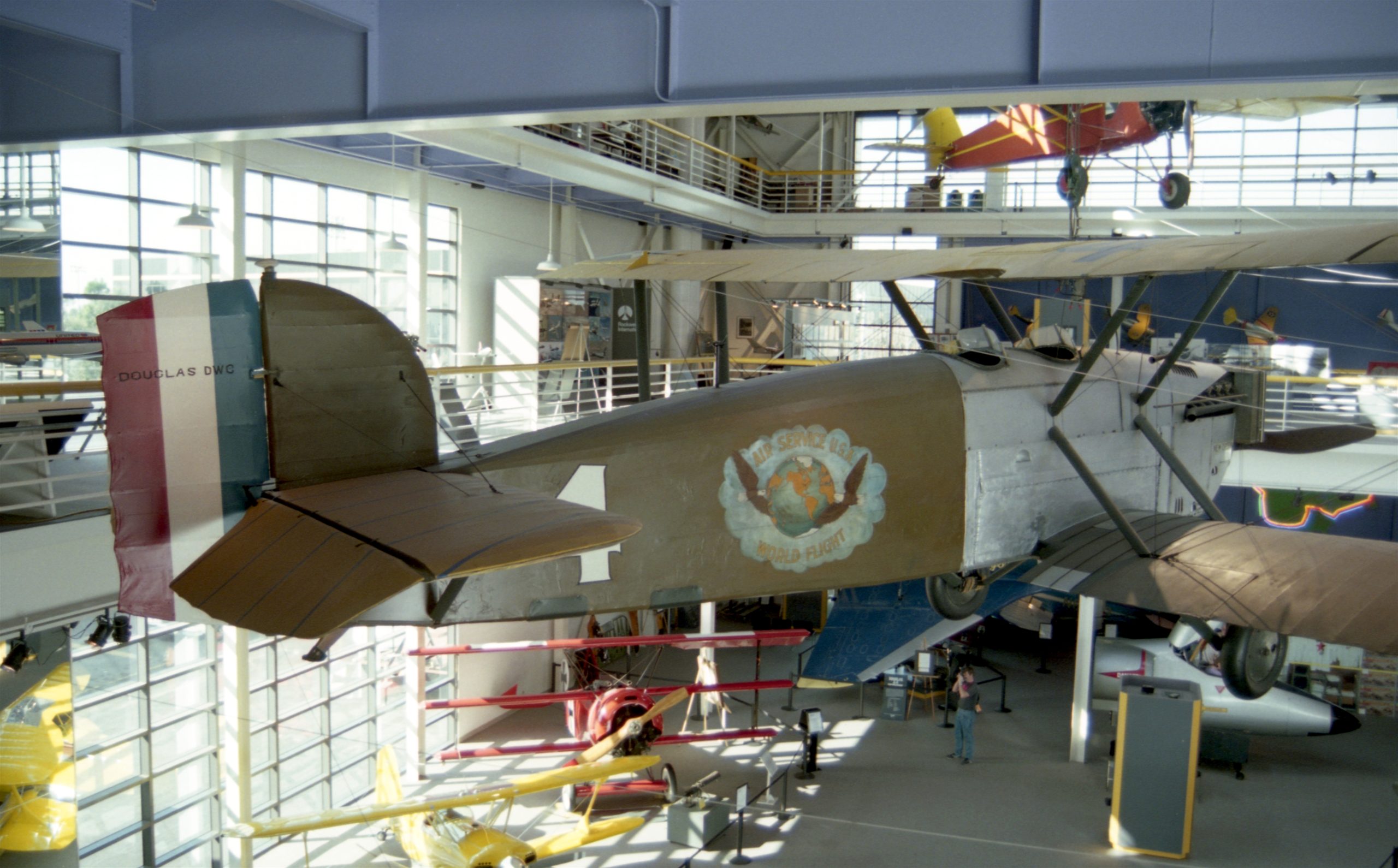
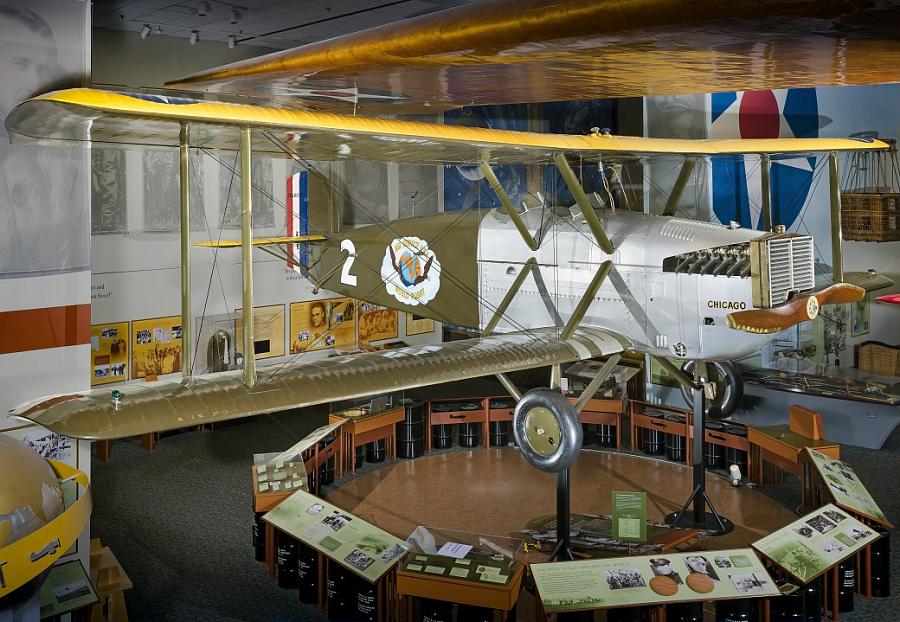
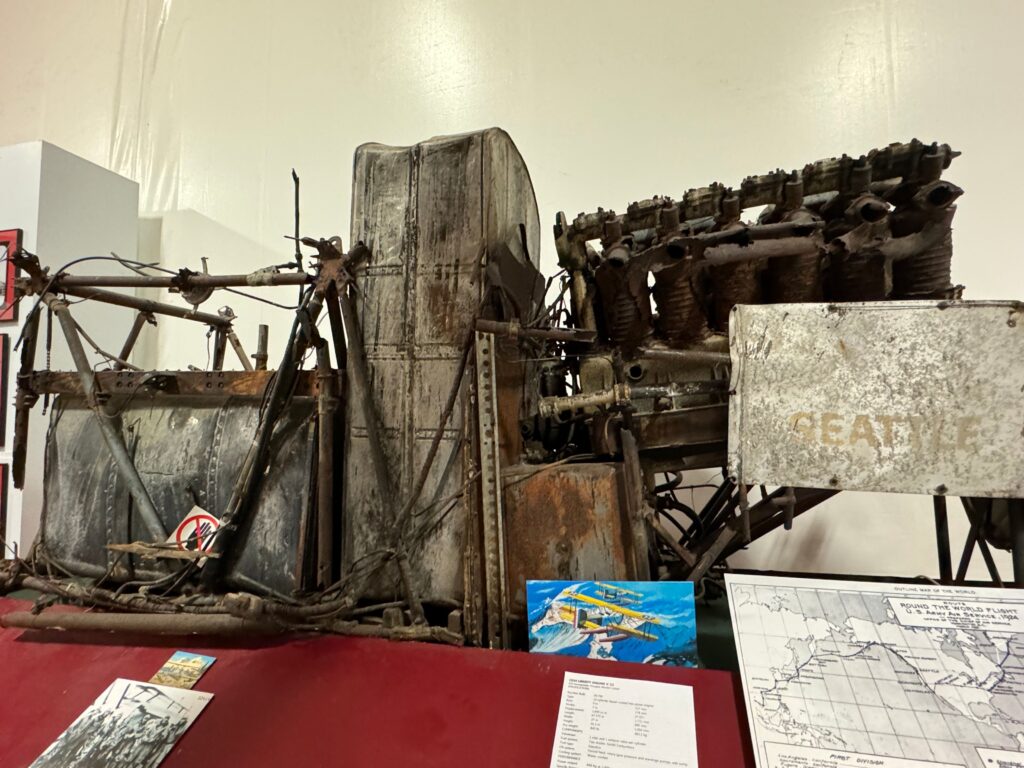
Today, the two Douglas World Cruisers that made the entire flight around the world still remain today, with the Chicago on display at the Smithsonian’s National Air and Space Museum in Washington, D.C., alongside the Spirit of St. Louis and Amelia Earhart’s red Lockheed Vega, while the New Orleans was given to the Los Angeles County Museum of History, Science, and Art, where it was on display until being loaned to the National Museum of the USAF from 1957 to 1988, and then to the old iteration of the Museum of Flying in Santa Monica from 1988 until it closing in 2002. Currently, however, the New Orleans is undergoing conservation/restoration efforts at an undisclosed location in Los Angeles. In 1967, Bob Reeve, founder of Reeve Aleutian Airways, recovered the wreckage of the Seattle from its crash site near Port Moller for display at the Centennial Aviation Museum in Anchorage. After surviving a devastating museum fire on September 5, 1973, the remains of the Seattle are on display at the Alaska Aviation Museum in Anchorage.
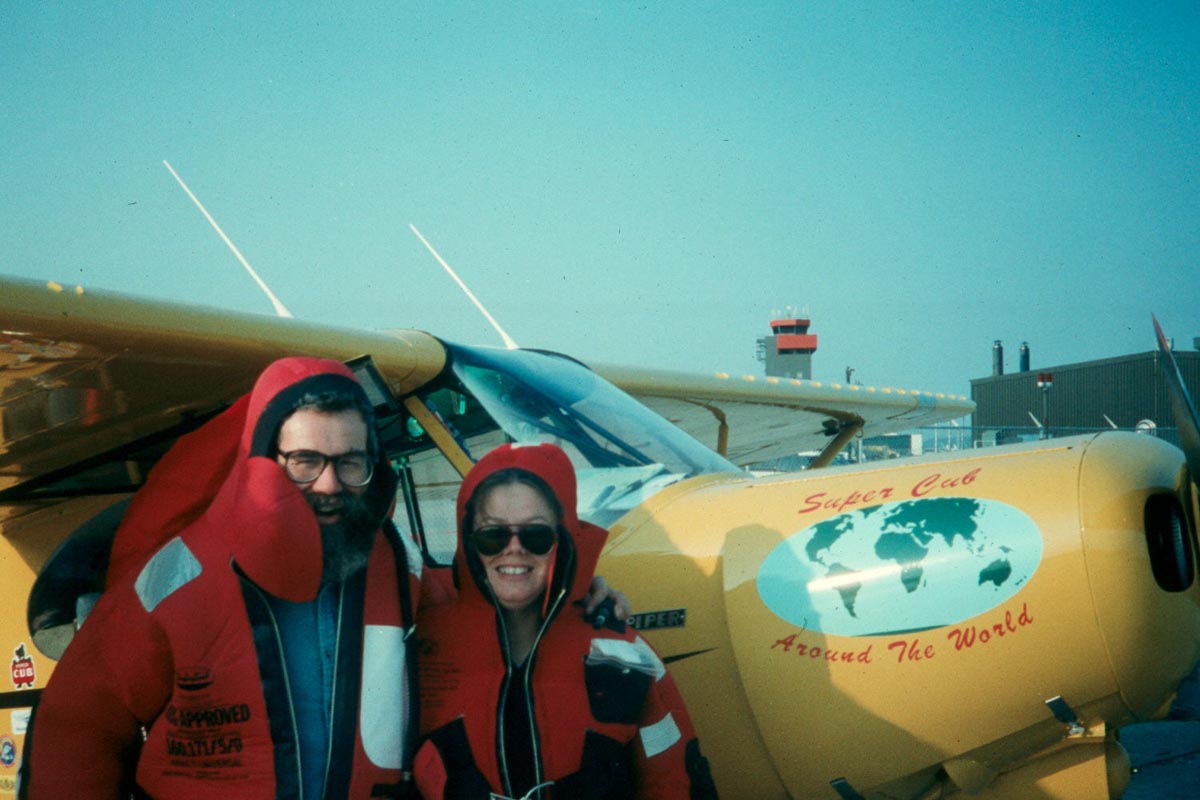
As for the replica that has been prominently displayed at Oshkosh, it has been the brainchild of pilots Bob and Diane Dempster of Centralia, Washington. The couple share a love of aviation, and gained fame for making long distance flights in both Piper J-3 Cubs and Piper Super Cubs, having made over a dozen flights from Seattle to the Piper Aircraft factory in Lock Haven, Pennsylvania, flying from England to Egypt in an attempt to reach Australia in 1990, flew from Seattle to the Dominican Republic and Puerto Rico and back to Seattle in 1992, flew a Piper Super Cub named “Howdy” on a round-the-world flight of their own that took over two years between 1994 and 1996, flying from Seattle to New York, then to Canada, Greenland, Iceland, the Faroe Islands, Scotland, England, France, Italy, Greece, Egypt, Saudi Arabia, Bahrain, the United Arab Emirates, Pakistan, India, Bangladesh, Myanmar, Thailand, Malaysia, Indonesia, Australia, the Philippines, Taiwan, Okinawa, and the Ryukyu Island, making it two thirds of the way around the world before their plans to fly through Russia were denied, forcing them to have Howdy shipped to Seattle from Amami-o-shima. They also set an official speed record of 99.49 mph (160.12 km/h) flying their Super Cub from Seattle to Oshkosh in 16 hours, 24 minutes, 3 seconds to attend the EAA’s Airventure, while closer to home, Bob also spent years giving passengers rides over Seattle in a WACO UPF-7 biplane for Olde Thyme Aviation out of Boeing Field.
It was in 2001 that Bob Dempster began work on building an airworthy replica of the Douglas World Cruiser, more specifically a replica of the World Cruiser Seattle, by establishing the Seattle World Cruiser Association, a nonprofit organization to allow Dempster and a dedicated team of volunteers to raise enough money for this massive undertaking, with the ultimate goal of flying this replica around the world, just the original four had set off from Sand Point (now the site of Magnuson Park). Also in 2001, Bob and Diane founded Global Coffee, which would become the headquarters for the association, and another avenue for the public to learn about and support the construction of the Douglas World Cruiser replica.
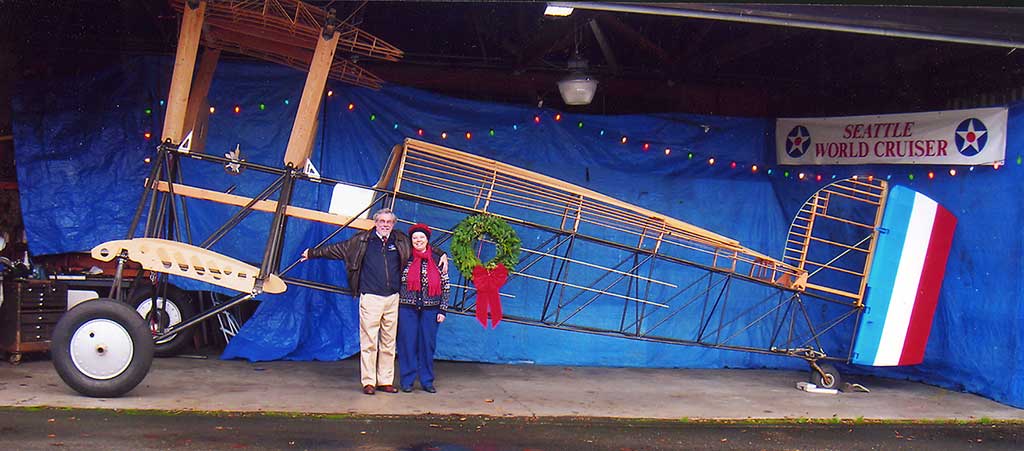
Though it would be constructed to the same dimensions as the original DWC, there would have to be some changes to the design to make it compatible with modern aviation regulations. In the design of the five original World Cruisers, the frame of the fuselage underneath the doped fabric exterior was a mix of welded tubular steel and wood and wire trusses, which largely maintained on the Seattle II replica. Originally, though, the replica’s fuselage was assembled with adjustable metal tie rods before being replaced with metal tubing. This reduced the cost of construction while making a stronger structure that was also easier to construct.
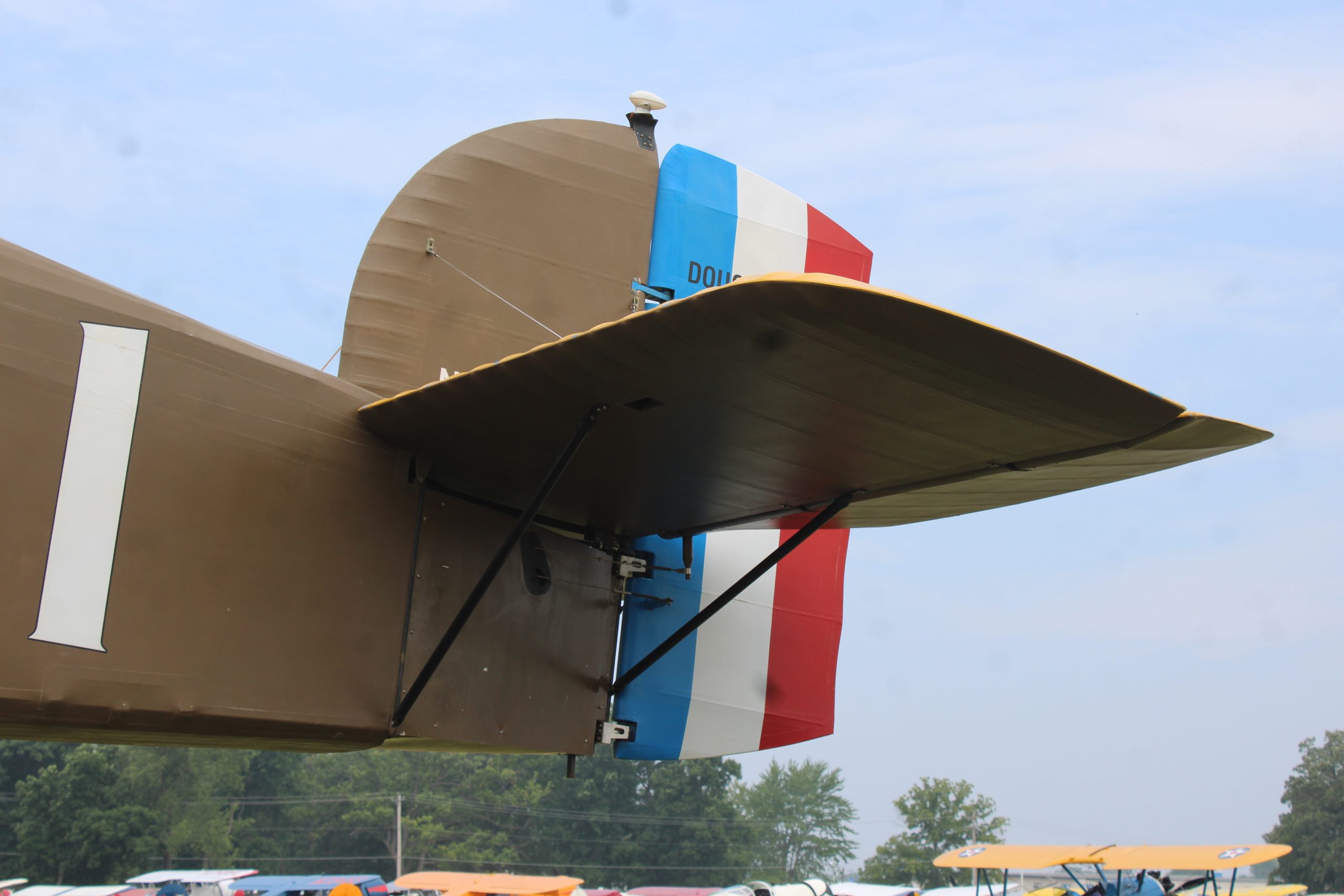
Other distinctions between the originals built in 1923 and the replica built over the course of 14 years were the installation of modern avionics such as radio communications, a tail wheel in place of the original skid, brakes on the main landing gear wheels, and Edo aluminum pontoon floats with small rudders as opposed to the original wooden floats that were non-steerable, with the metal floats also guaranteeing better hydrodynamics and durability. The fabric covering for the Douglas World Cruiser replica, dubbed the Seattle II, formed yet another point of divergence from the original design. In 1924, the Douglas World Cruisers were made with doped cotton fabric, whose organic fibers would sag when wet, distorting the airflow over the aircraft and adding weight to the aircraft that degraded its performance. When exposed to the sun, the cotton fabric would dry out and tighten around the fuselage longerons and wing ribs, creating another source of distortion for the airflow. Cotton fabric is also prone to rotting, which ensured that the mechanics who worked on the original Douglas World Cruisers had to constantly replace fabric panels after environmental exposure. Lastly, the paints used on the doped fabric surfaces were also flammable as well. All of this has been excluded from the construction of the replica, which benefits from advancements made in the development of synthetic fabrics that have a longer lifespan than organic fabrics, and there is no shortage of non-flammable paints and finishes for the aircraft as well.
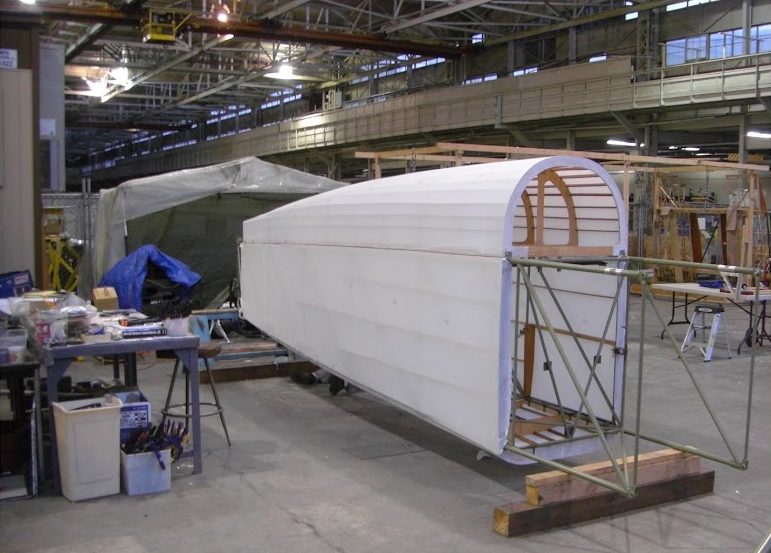
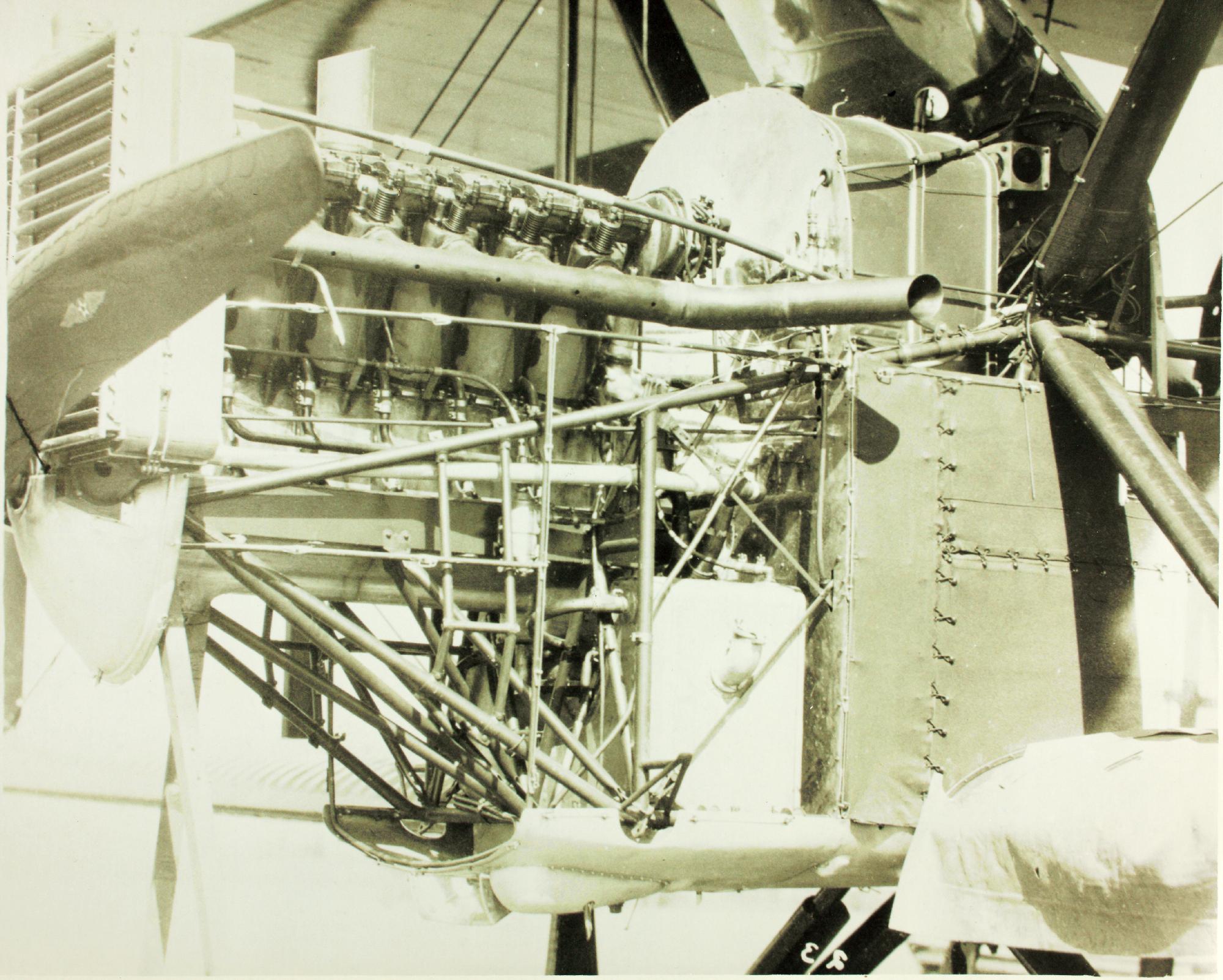
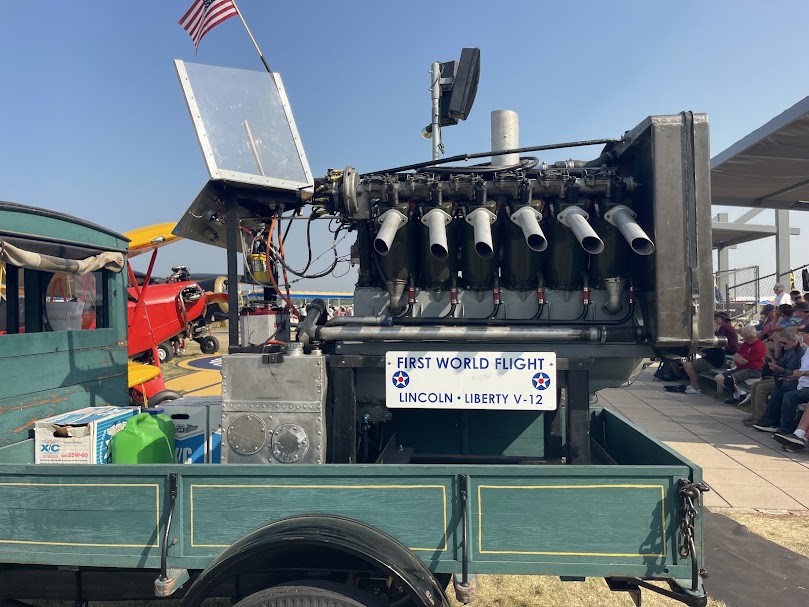
While the construction of the Douglas World Cruiser replica has been made with safety and modern international aviation standards in mind, Bob and Diane Dempster have been equally committed to ensuring that the replica presents a visual match to the original as well, with original drawings and photographs being used as reference for the construction of the Seattle II. Perhaps no better example of this mindset of creating a visual match for this aircraft exists than for its powerplant, an original Liberty L-12 inline engine.
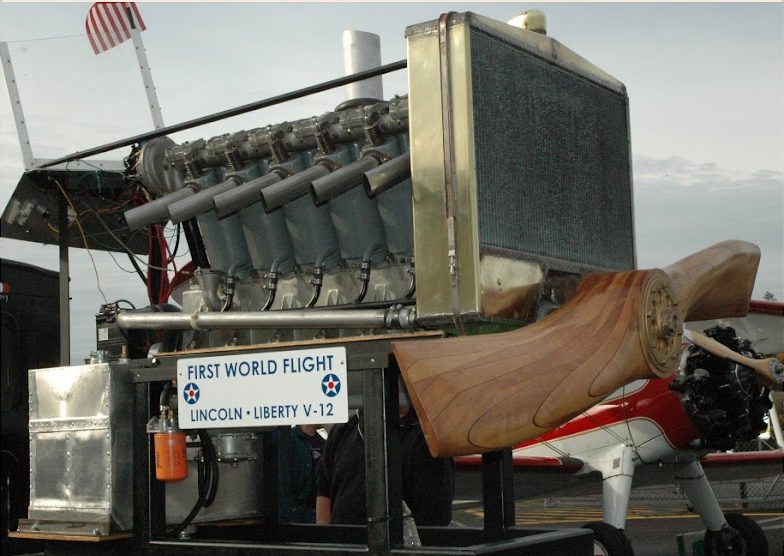
Developed in 1917 during WWI, the L-12 was one of the most powerful aircraft engines to enter mass production during the First World War, and well after the war, tens of thousands of Liberty engines were used on numerous American aircraft designs, and powered aircraft such as the licensed versions of the de Havilland DH-4 that fought over France in 1918 and pioneered the transcontinental air mail routes, to the Curtiss NC-4 flying boat that made the first transatlantic flight in 1919 and the Fokker T-2 transport that became the first airplane to fly nonstop across the United States in 1923. It was also the engine that powered both the first airplane built by the Douglas Aircraft Company, the Douglas Cloudster, and the direct precursor to the Douglas World Cruiser, the Douglas DT torpedo bomber.
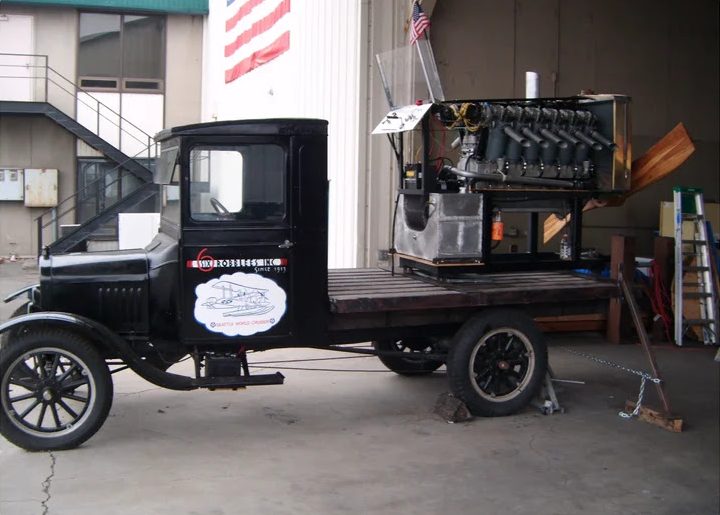
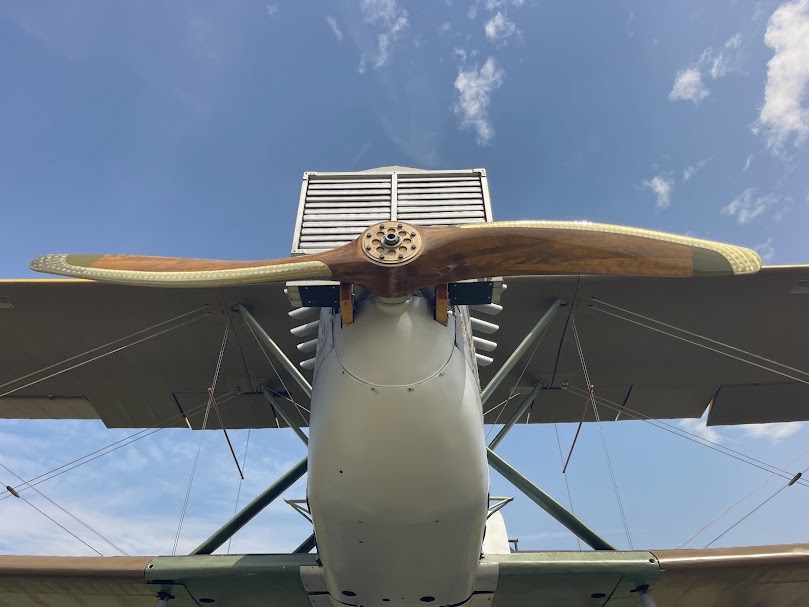
Bob Dempster and his team of volunteers have returned two Liberty L-12 engines to running order, with one installed in the Seattle II itself (which was originally manufactured in 1918 by the Lincoln Motor Company), and another mounted on the back of a 1921 Ford pickup that is used for ground demonstrations for the public, and performed their first engine run in 2008. Maintaining a 100+ year-old V12 engine is no easy task, but with patience and a supply of spare parts, they have shown that it can be done. As far as the propeller was concerned, the Seattle World Cruiser Association’s ties to the Museum of Flight came in handy, for the museum has an original propeller from the Douglas World Cruisers in its collection. 3D scans were made from this original, and were used in the fabrication of a brand new wooden propeller for the Seattle II, as well as a shortened test propeller to be fitted to the Liberty L-12 mounted on the Ford pickup for engine demonstrations.
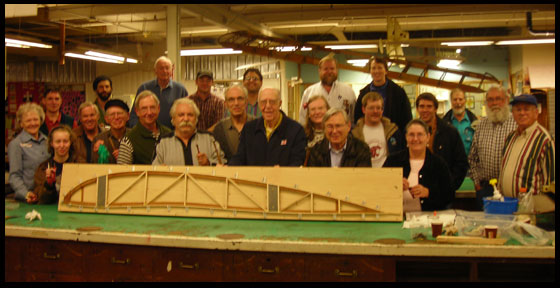
The wing ribs and spars of the Seattle II, like those of the original Douglas World Cruisers, were built of wood. One of the biggest sources of assistance the Seattle World Cruiser Association was EAA Chapter 26, based in Seattle, which would help host the Build-A-Rib events, in which members of the chapter would come together to build wing ribs for the Seattle II construction project, and Bob Dempster would publicly acknowledge that “We are fortunate to have assembled a unique staff of FAA certified mechanics and inspectors, assisted by aircraft builders and designers from the commercial, experimental, and antique aircraft restoration fields.”
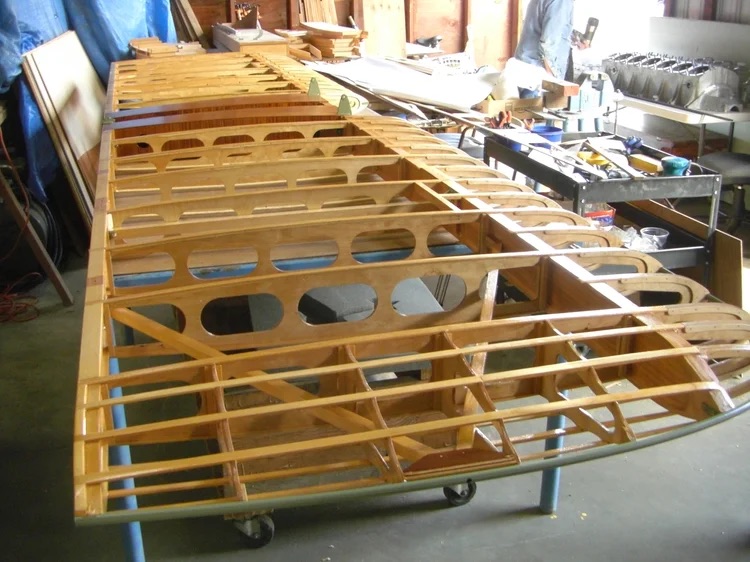
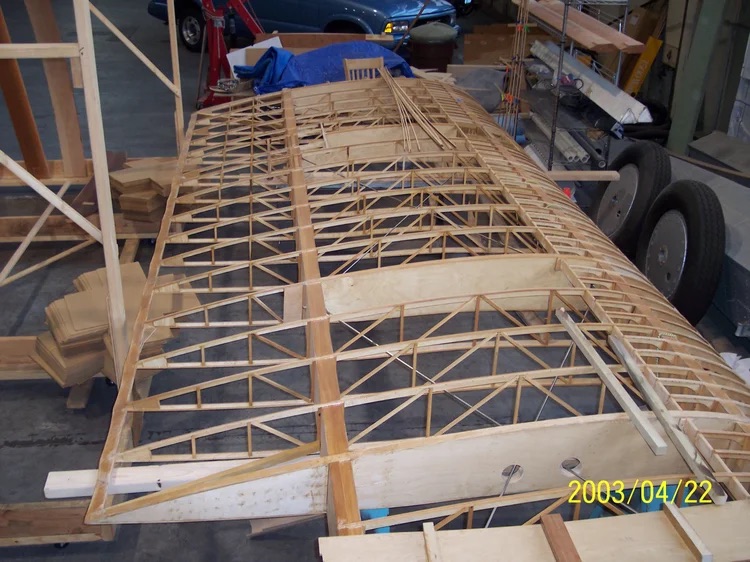
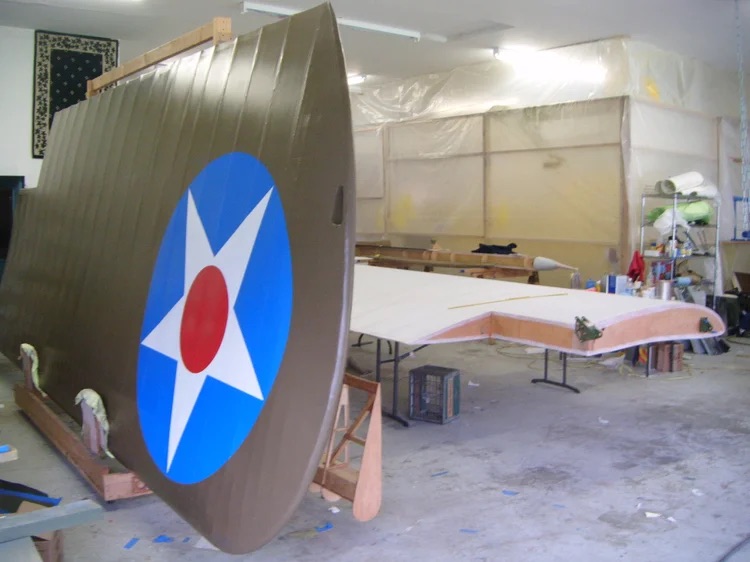
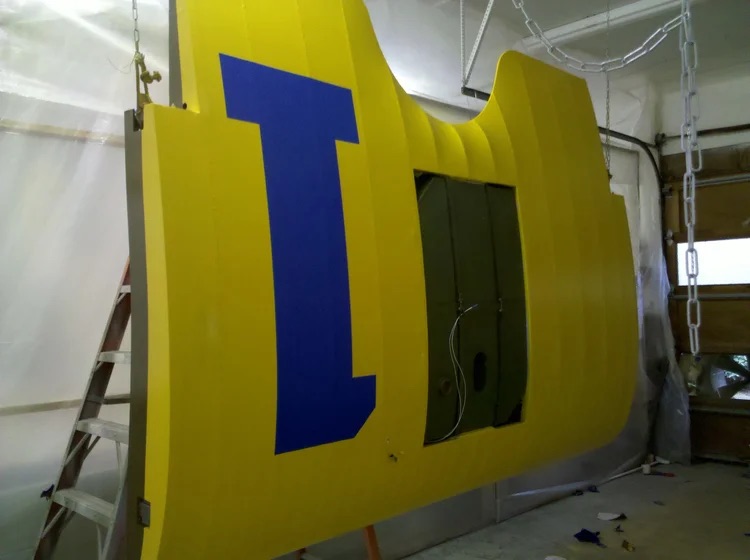
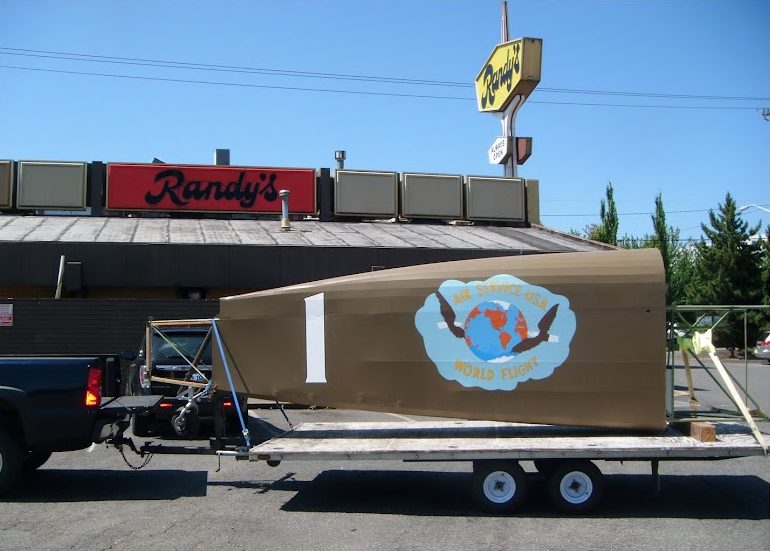
Six years into the project, in 2007, one of the biggest milestones was achieved when the Seattle II’s fuselage frame was placed on its landing gear for the first time. Following the first public engine run, the next big achievement was installation of the fabric on the rear fuselage frame, and getting this section of the aircraft painted with the accurate markings of the original Seattle, and displaying it at the now-closed aviation-themed diner Randy’s, which was another meeting place for the volunteers to go out for dinner and discuss the project at length.
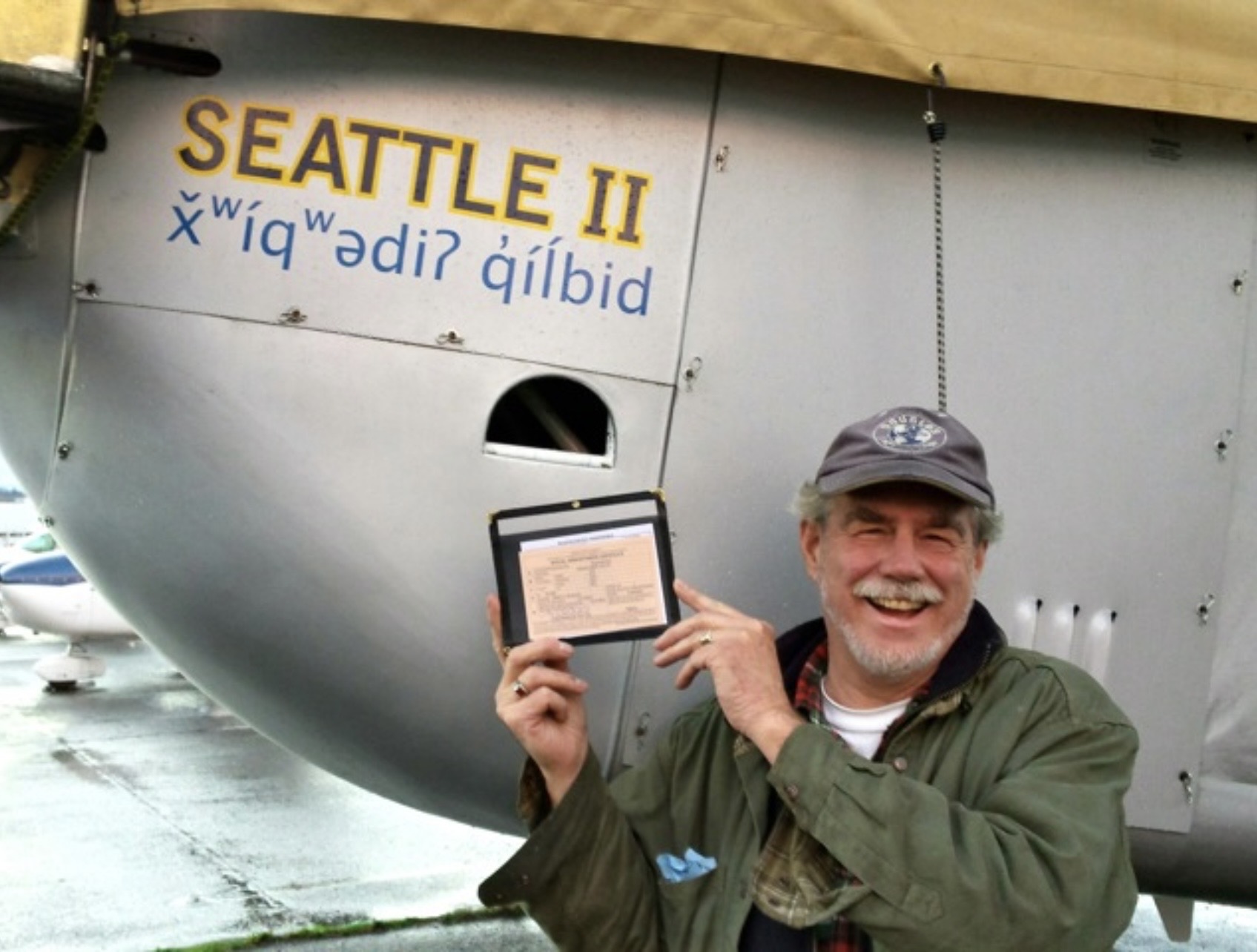
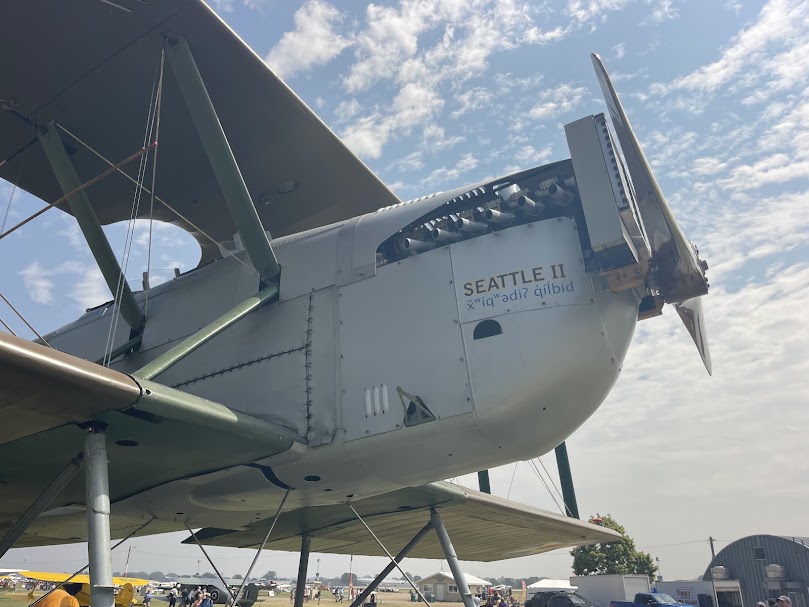
On June 29 2013, the Seattle II, registered as N511WC, was at last complete, and made its official public debut at the Museum of Flight at Boeing Field, and was officially christened as Seattle II. It looked somewhat quaint in comparison to the large airliners and military transports being assembled and tested at Boeing Field, but it was just as exciting for those in Seattle to see a replica of an aircraft that once proudly bore their name into the very skies above the city nearly 90 years prior. One detail worth mentioning on the aircraft is that on both sides of the engine cowling, below the name “SEATTLE II”, there is some text that reads “x̌ʷíqʷədiʔ qílbid”. This is in fact printed in the Lushootseed language of the Indigenous peoples of Seattle, and translates to “Thunder Canoe”, with this Indigenous name being dedicated at a ceremony at Boeing Field by Duwamish Tribe member Ken Workman, a descendant of Chief Seattle, the namesake of the city of Seattle.
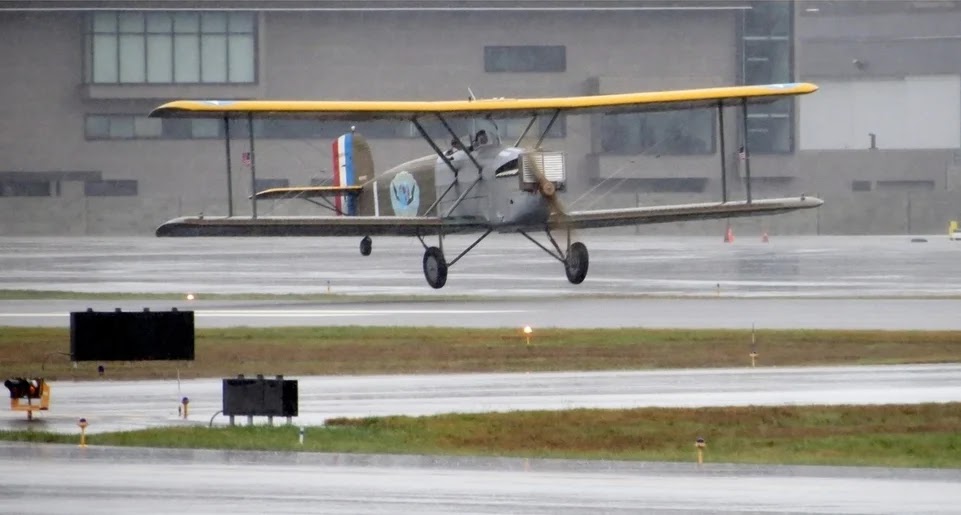
Less than one year later, on May 14, 2014, the Seattle II began taxi trials at Boeing Field, culminating in the first test hop made on December 20, 2014, where pilots Bob Dempster and Tom Imrich flew 50 feet above the runway at Boeing Field in front of the Museum of Flight, where a cheering crowd stood in the rain before Dempster gently brought the aircraft back to the runway and taxied to the museum. (Link to this test hop HERE)
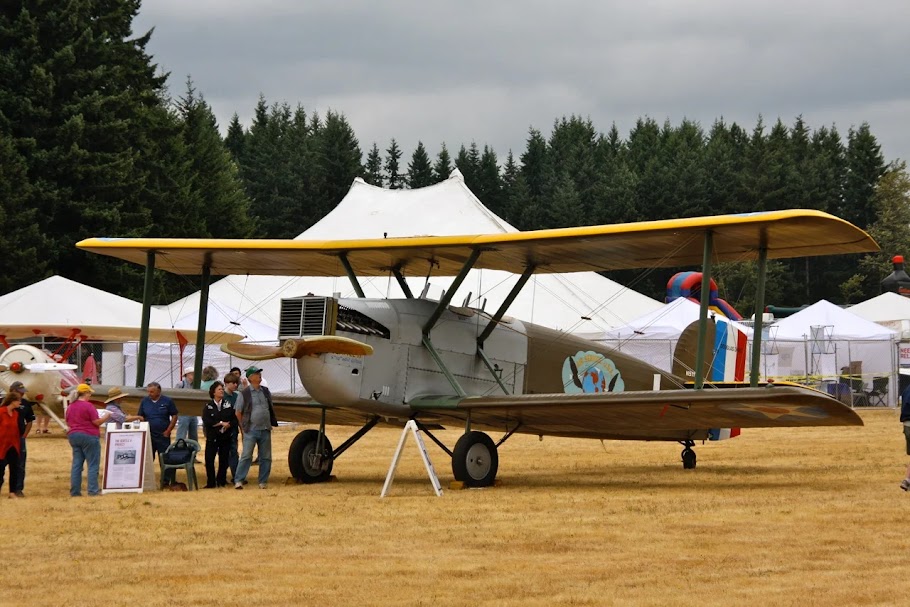
Following this brief hop in the rain, N511WC was carefully disassembled and transported to Arlington Municipal Airport, about an hour’s drive from Boeing Field. It would be here that further testing would continue, and on May 11, 2015, the Seattle II made its first official flight, with pilot Carter Teeters at the controls (Link to a video of the first flight HERE). Further flight testing would continue at Arlington Airport before the Seattle II, where Seattle II officially earned the Antique Champion award during the 2015 Arlington Fly-In, and was displayed at the show alongside a rebuilt Boeing Model 40 mailplane (featured in this article HERE) and a Gee Bee QED replica (featured in these articles HERE).
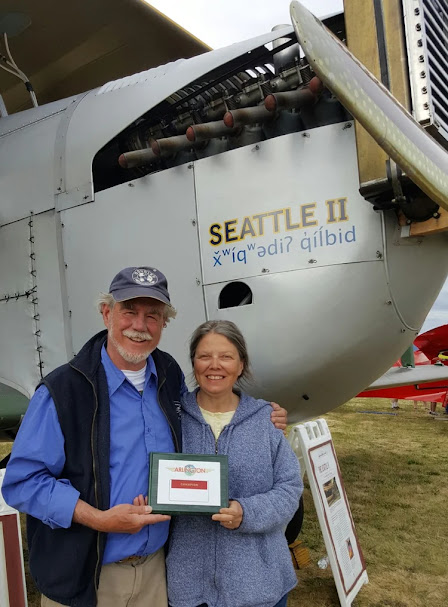
In 2016, N511WC was flown to Boeing Field for the 100th anniversary of the founding of The Boeing Company, which in addition to merging with McDonnell-Douglas in 1997, was also responsible for providing maintenance services for the original Douglas World Cruisers in March 1924 before their departure from Sand Point on their round-the-world flight. To attend the ceremony at Boeing Field, Carter Teeters and Diane Dempster flew the Seattle II down from Arlington Municipal Airport and saw the sights over the Seattle skyline before coming in to make their landing.
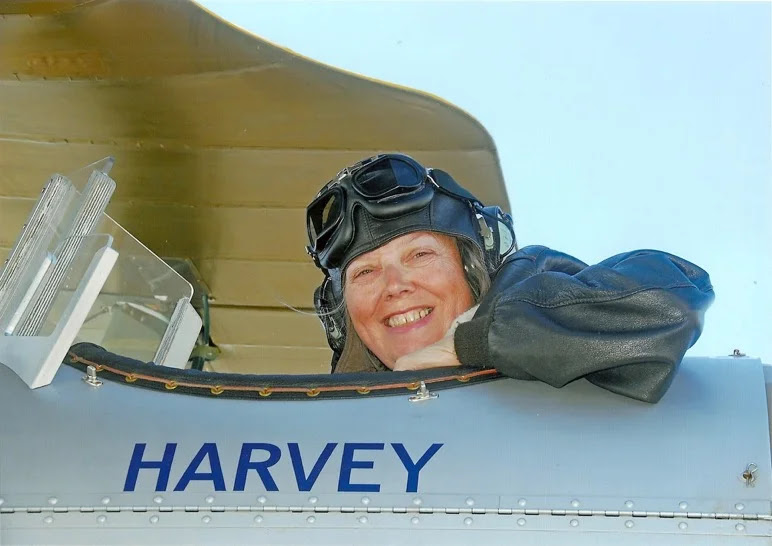
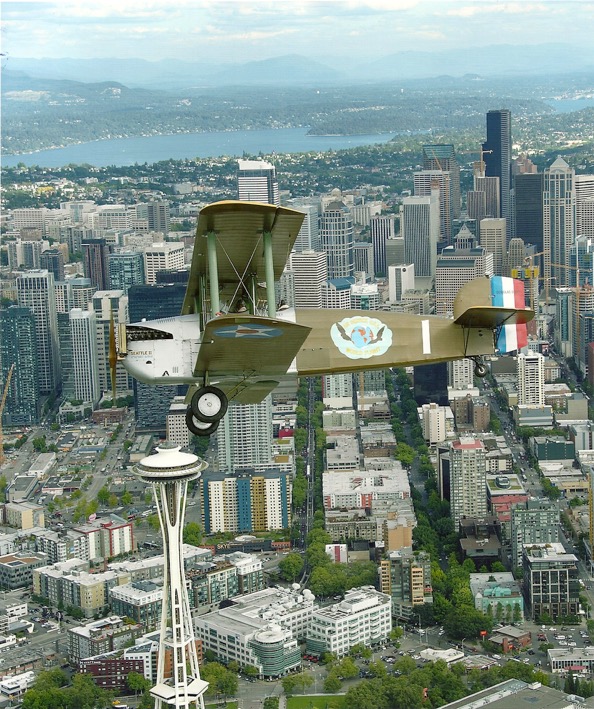
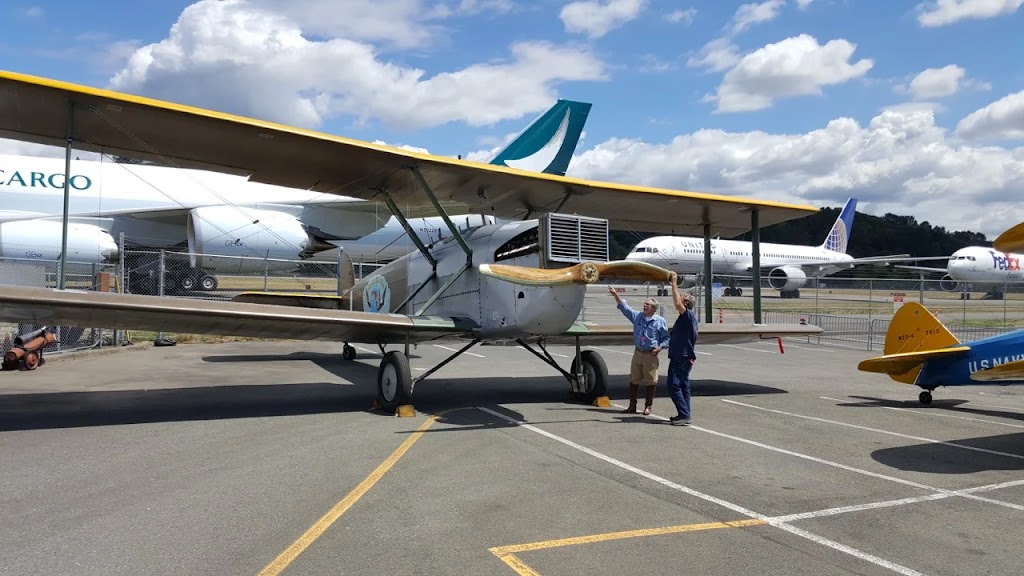
For Bob and Diane Dempster, it was nothing short of incredible to have the Seattle II at the center of all of this attention, with the project having progressed from humble beginnings, with the construction of the first wing ribs in their coffee shop in Renton, to moving the project from hangar to hangar at Renton Airport, working inside the old Boeing II plant at Boeing Field alongside the Museum of Flight’s B-17F Flying Fortress, B-29 Superfortress, and Lockheed Super Constellation shortly before the demolition of the old factory building in 2010, followed by finishing their inside the old Pacific Northern Airlines hangar and later the Clay Lacy Aviation hangar at Boeing Field. Now, it was up to them to begin flight testing with the Edo pontoon floats in the waterways of the Seattle area, and prepare to commemorate the round-the-world flight of the original Douglas World Cruisers.
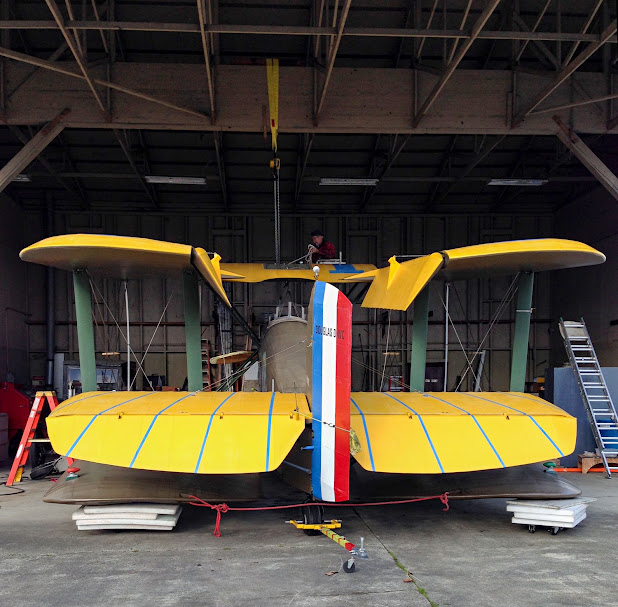
2017 would be a busy year for the Seattle World Cruiser Project, with the team sending the Seattle II’s Liberty engine out for an overhaul after its flights in 2016. In June 2017, the upgraded Liberty engine returned and was refitted to the Seattle II. In December 2017, the Edo pontoon floats were finally fitted to N511WC, but remained indoors for the winter until spring would allow the team to begin their trials on water.
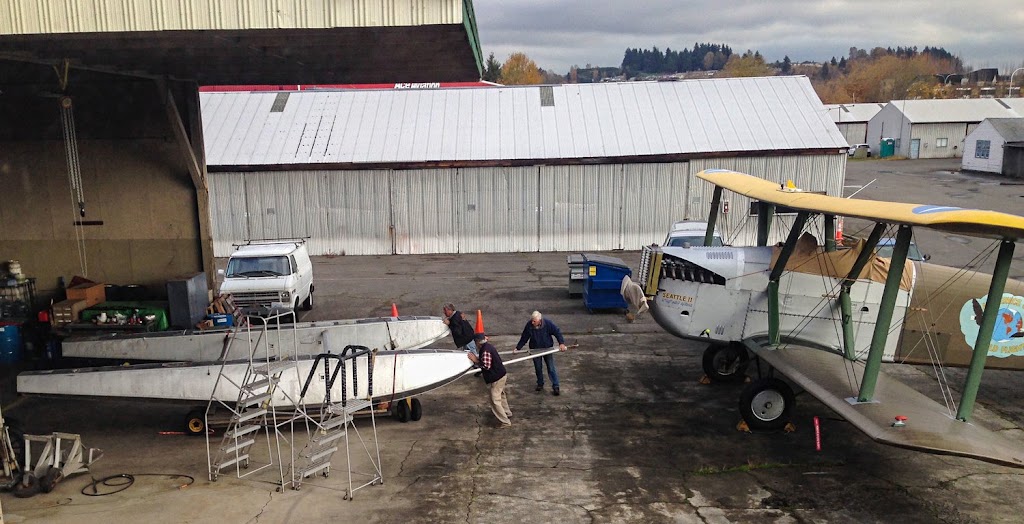
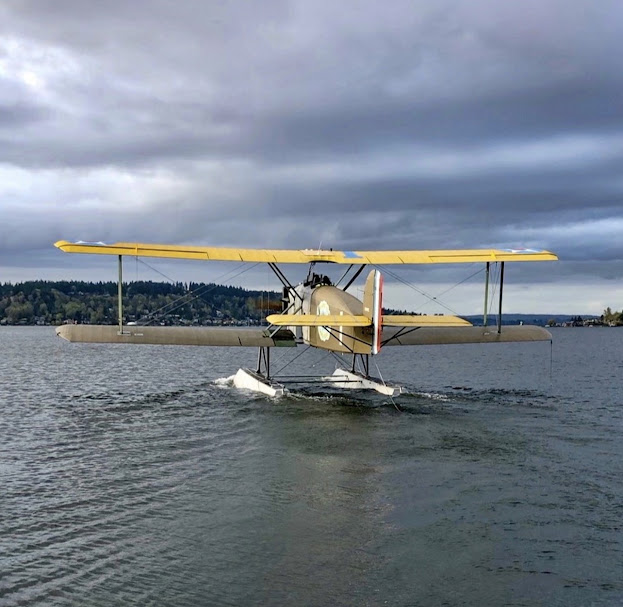
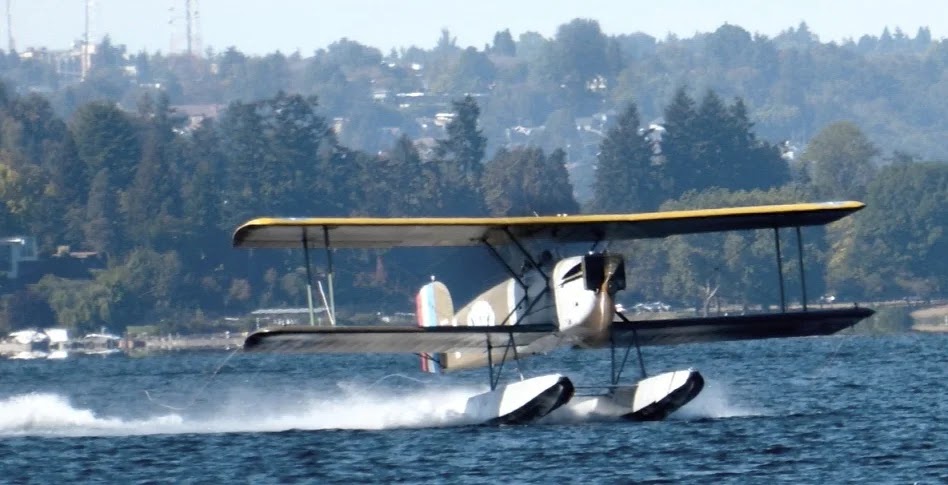
On April 9, 2018, the Seattle II was brought out of its hangar at Renton Airport and to the launch ramps of Will Rogers–Wiley Post Memorial Seaplane Base, where the aircraft was gently coaxed into the waters of Lake Washington and began its water taxing trials, as well as to gain experience with launching and recovering the aircraft from the seaplane ramps with the beaching gear and trailer. It would not be until September 18 that Seattle II would make a second outing on Lake Washington, and would complete its first takeoff and landing from water (Video of the takeoff and landing on Lake Washington HERE). Following this, the Dempsters began planning to fly the Seattle II on its own round-the-world flight to commemorate the flight of the original Douglas World Cruisers.
Crucially, at least one part from the original Seattle was to make the trip aboard the Seattle II. During the 1967 recovery of the wreck of the Seattle, Bob Reeve was accompanied by Lowell Thomas, Jr, former Lieutenant Governor of Alaska and a pilot himself, who pulled the original control wheel from the Seattle and handed it to his father, the famed journalist Lowell Thomas, Sr., who had written the 1925 book The First World Flight, only his second book published after recounting his time spent in World War I with Lawrence of Arabia. The elder Thomas knew the crewmembers of the Douglas World Cruisers, and kept this keepsake for the rest of his life, passing it on to Lowell Thomas Jr, who in turn gave the original control wheel to Bob Dempster to install in the pilot’s cockpit of the Seattle II.
The modern flight was to be accompanied by a support plane, with a Pilatus PC-12 offered as a candidate, to fly a team of technicians, spare parts, and cameras to record the progress. However, in addition to the logistical, mechanical, and weather challenges of the planned flight, political issues and airspace restrictions would prove to be just as monumental to overcome. Year after year, the Seattle II stood poised and ready to depart its namesake city to begin its flight around the world, but sadly, the years leading to the centenary of the 1924 flight would see circumstances out of the Dempster’s control prevent the Seattle II from flying around the world. By 2023, N511WC had moved from Renton Municipal Airport to Chehalis-Centralia Airport, and would largely be placed in storage in a hangar there. A ground-running of the Liberty L-12 engine on N511WC was held on June 8, 2024, but the end of the centennial year of the 1924 world flight would see the Seattle II remain in storage at Chehalis-Centralia, and with the lack of space at the Museum of Flight in Seattle to display the Seattle II, the Dempster’s Douglas World Cruiser replica faced an uncertain future. But by the spring of 2026, it was decided that if the Seattle II would not be able to see the world, then it would at least be at the center of the world’s largest airshow.
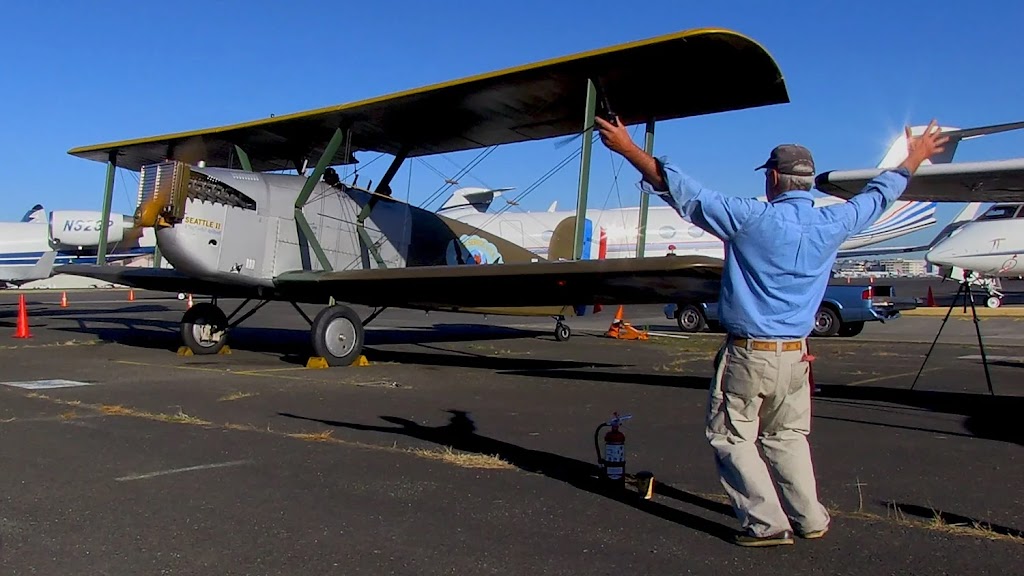
In July 2026, the disassembled Seattle II was brought by truck from Centralia, Washington to Pioneer Airport on the grounds of the EAA Aviation Museum at Wittman Regional Airport in Oshkosh, Wisconsin. Bob and Diane helped put their airplane together, and for the first time, N511WC was at AirVenture. Audiences marveled at its size, and standing on the Edo pontoon floats, it was certainly the tallest airplane in the Vintage area, lined next to the EAA Museum’s Standard J-1, Spirit of St. Louis replica, and Swallow biplane.
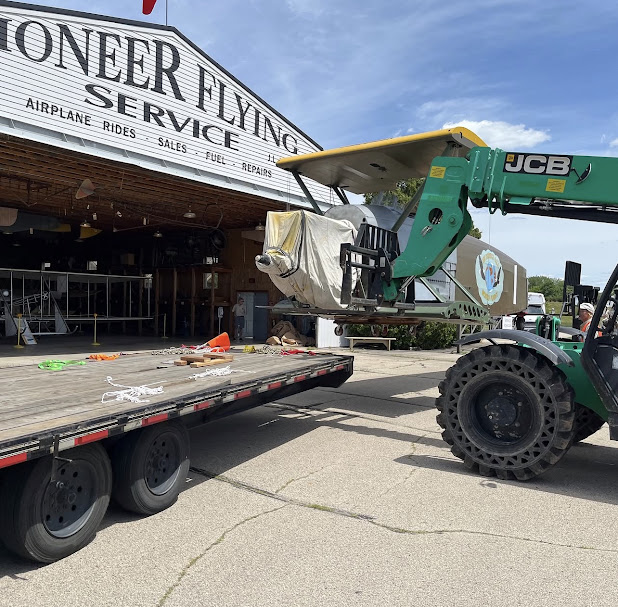
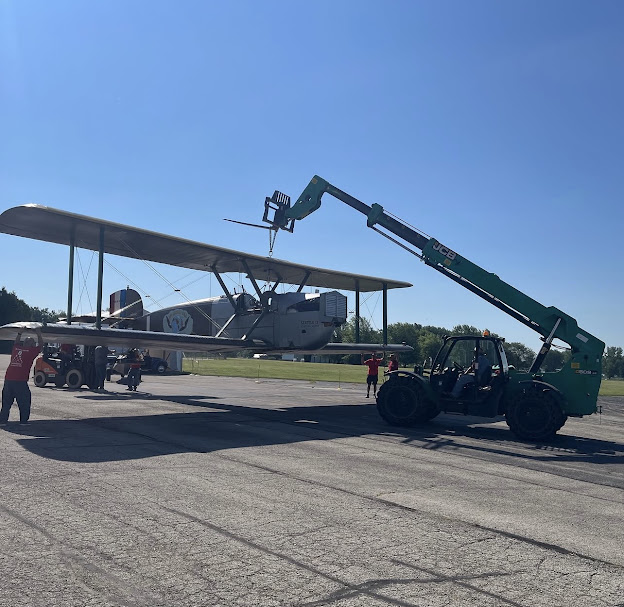
With the end of AirVenture 2026, the Seattle II will remain on loan from Bob and Diane Dempster to the EAA Aviation Museum for at least one year. It remains to be determined whether or not the aircraft will remain at Oshkosh beyond one year or return to Washington state.
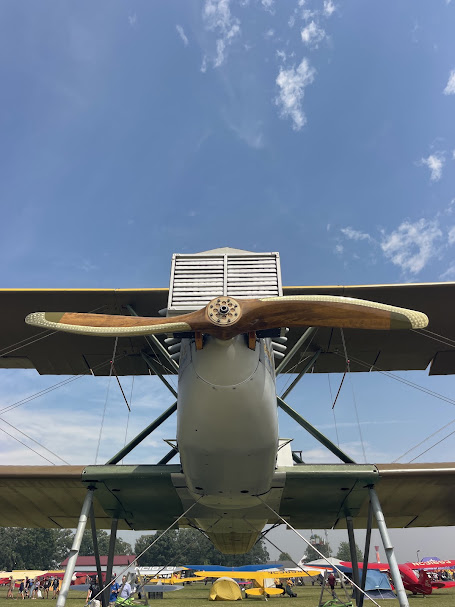
In any case, the construction of the Douglas World Cruiser replica Seattle II represents a living memorial to the brave U.S. Army Air Service pilots and mechanics who set out to do what no other aircrew had ever done before in the history of aviation, demonstrating that airplanes could successfully cross the world, regardless of terrain, oceans, or weather conditions to the point where flights around the world on a daily basis have become a routine part of life, and just as it was said of the Age of Sail that it was defined by “Wooden Ships and Iron Men”, so too is the story of the Douglas World Cruisers an embodiment of a time when aviation was defined by wooden planes and iron men. For more information, visit the Seattle World Cruiser Project’s website HERE.