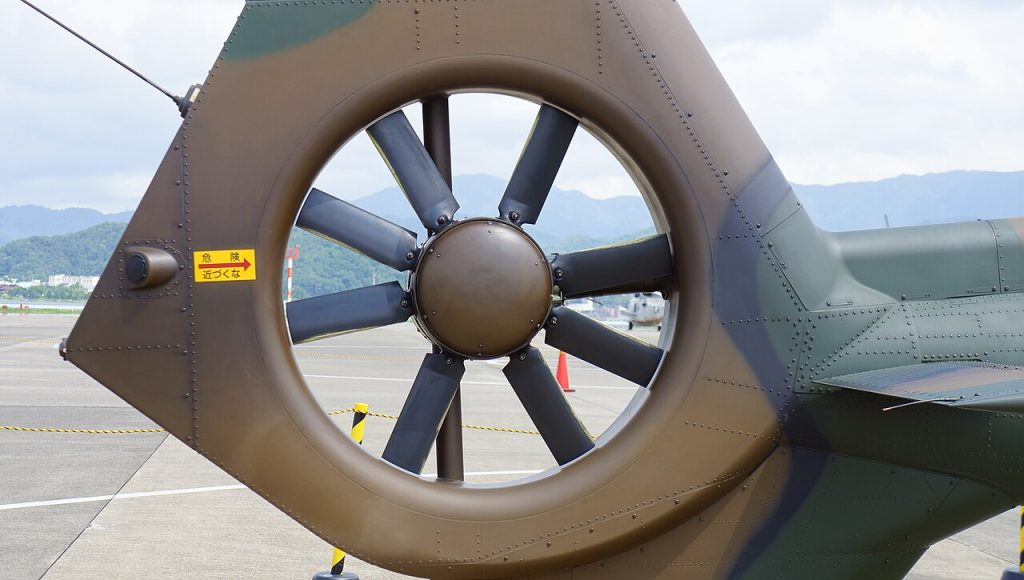
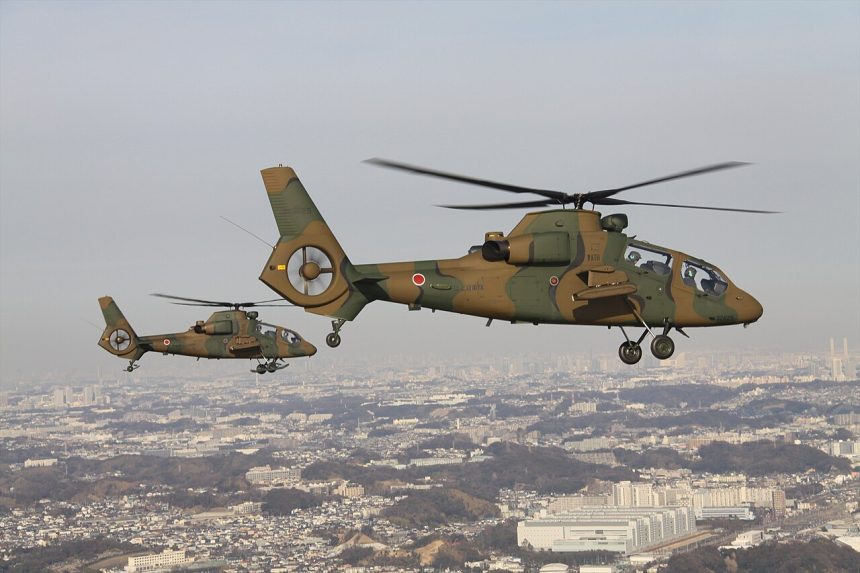


On this day in aviation history, 30 years ago (August 6, 1996), the first flight of the Kawasaki OH-1 Ninja took place. The OH-1 is a Japanese reconnaissance helicopter developed to replace the Japan Ground Self-Defense Force’s OH-6D Loach fleet. Developed by Kawasaki, the Ninja holds the distinction of being the first helicopter built wholly in Japan. Kawasaki began development of the OH-1 in the late 1980s, following the JGSDF’s issuance of a requirement for a new scout helicopter, the OH-X program.
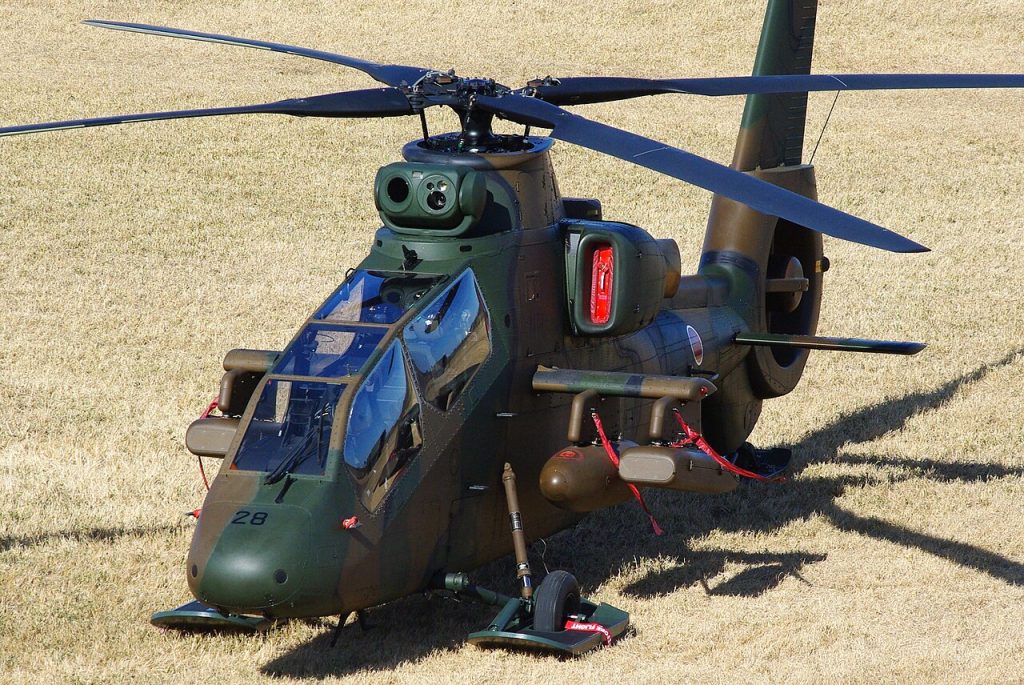
In 1991, Kawasaki’s proposal for the OH-X program was selected by the JGSDF, beating out Mitsubishi and Fuji. The OH-1 prototype was tested extensively throughout the late 1990s, which led to the discovery that the helicopter could also serve in a light-attack role. The JGSDF took delivery of the first production OH-1s in January 2000. An AH-2 variant was proposed, featuring more powerful engines and armament, designed specifically for attack and anti-tank missions. This proposal was rejected in favor of the Boeing AH-64 Apache.
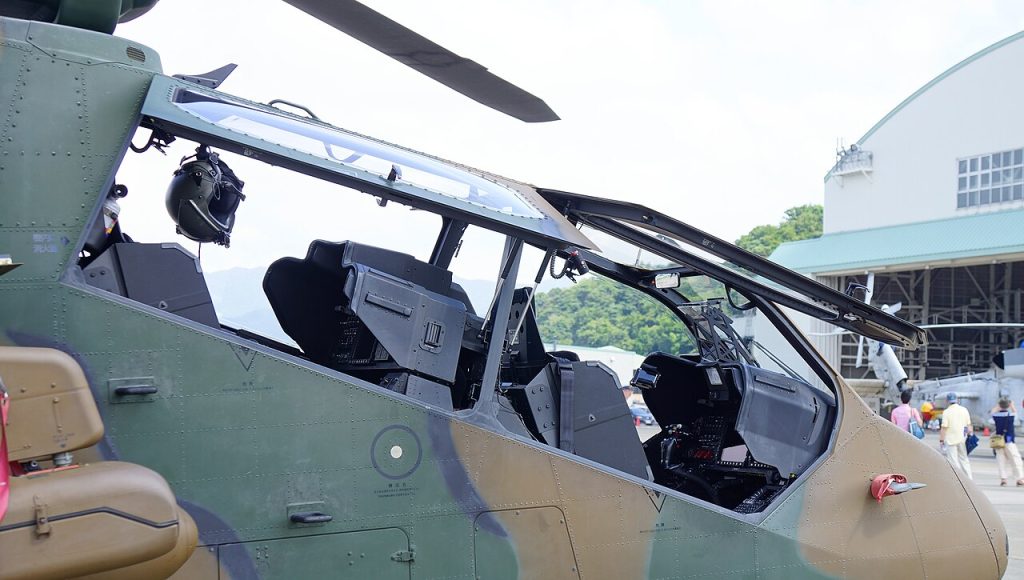
The OH-1 features fixed landing gear, in a conventional layout, and is flown by a crew of two. Twin Mitsubishi TS1-M-10 turboshaft engines, each with 890 horsepower, power the OH-1 to a cruise speed of 140 mph (173 mph maximum). Kawasaki’s Ninja has a range of 300 nautical miles, and a service ceiling of 16,010 feet. Armament can be mounted on four under-stub-wing hardpoints, in the form of Type 91 air-to-air missiles. As of 2013, Kawasaki has manufactured 38 OH-1s, and the helicopter continues to serve with the Japan Ground Self-Defense Force today.