
By Randy Malmstrom
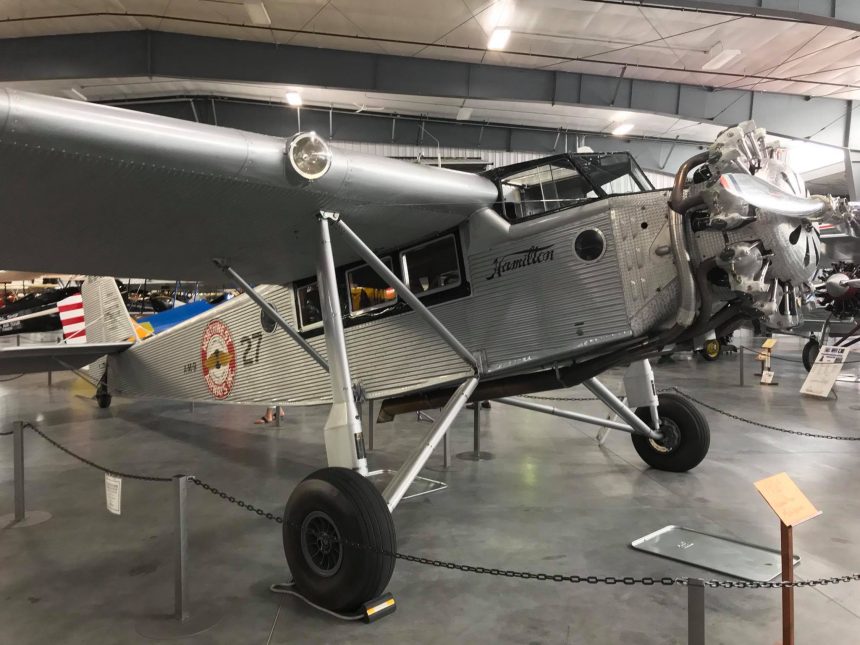
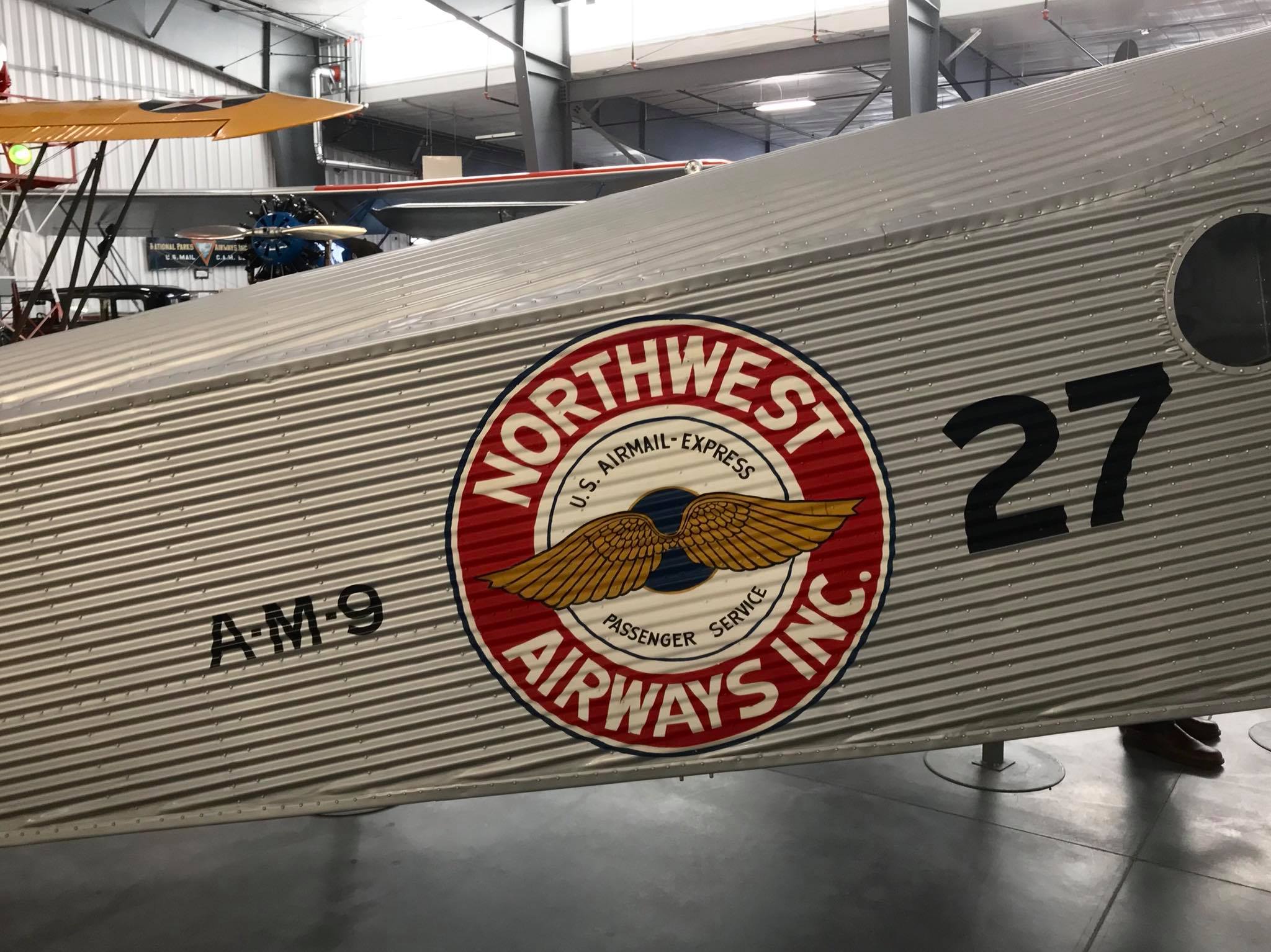
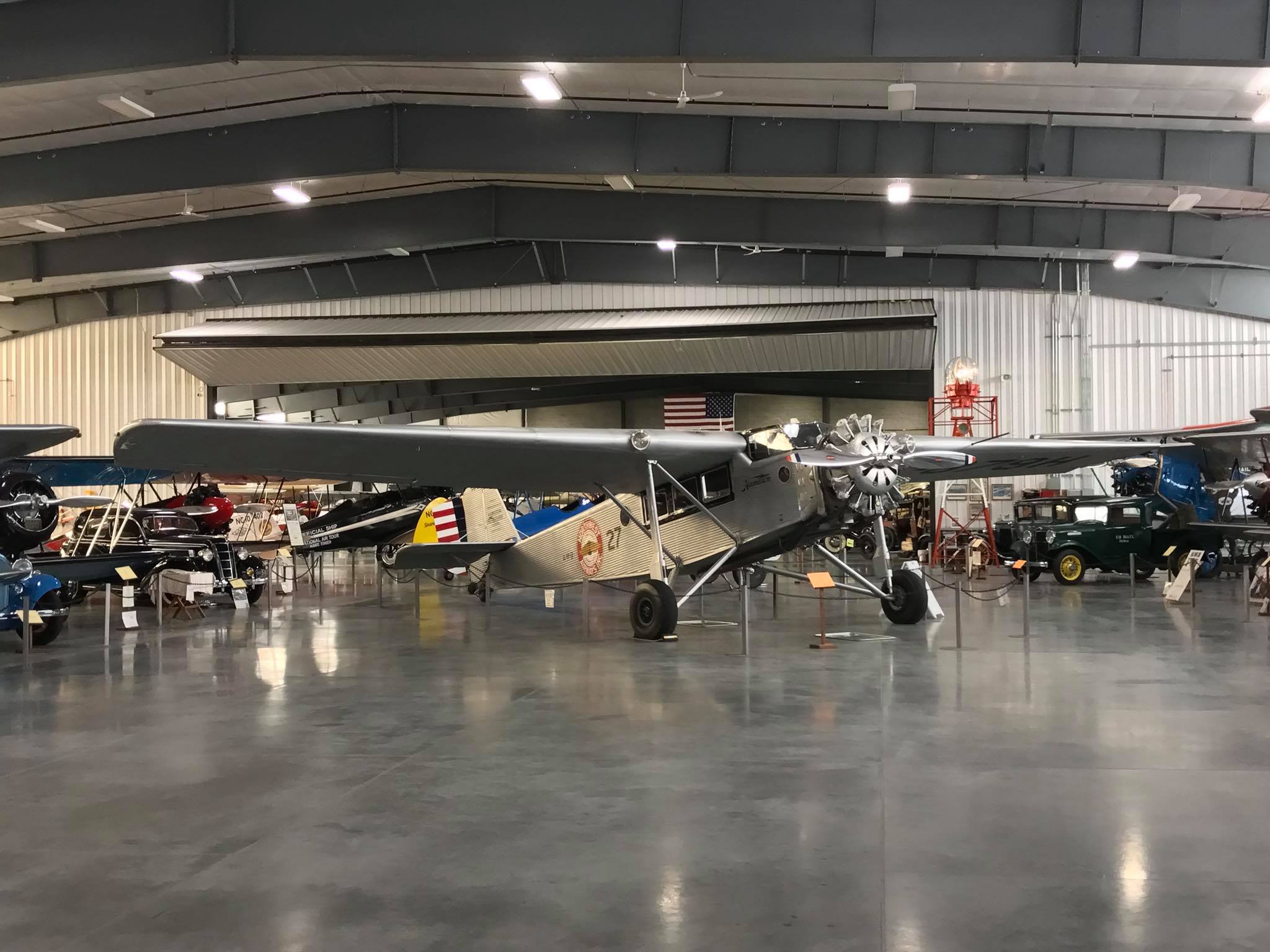
Hamilton H-47 Metalplane, Hamilton Serial No. 65, N879H. This particular aircraft was built in 1929 by the Hamilton Metalplane Division of Boeing Aircraft Company, located in Milwaukee, Wisconsin, and was one of 25 H-47 aircraft built between 1928 and 1929. It was originally licensed as NC875H, but its number was changed to NC897H by aircraft restorer Jack Lysdale so that he could restore it using the Northwest Airways, Inc. logo and aircraft number 27.
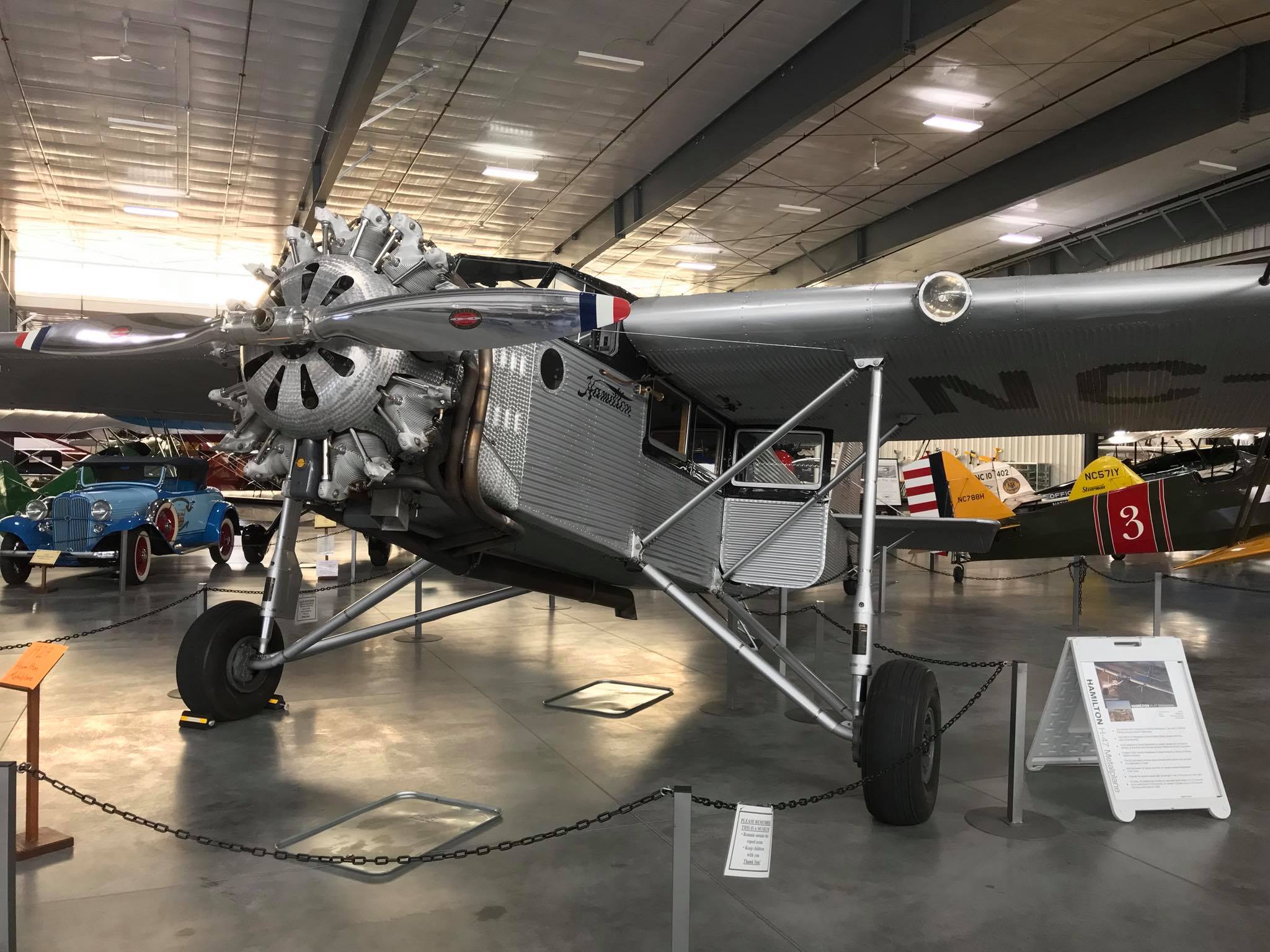
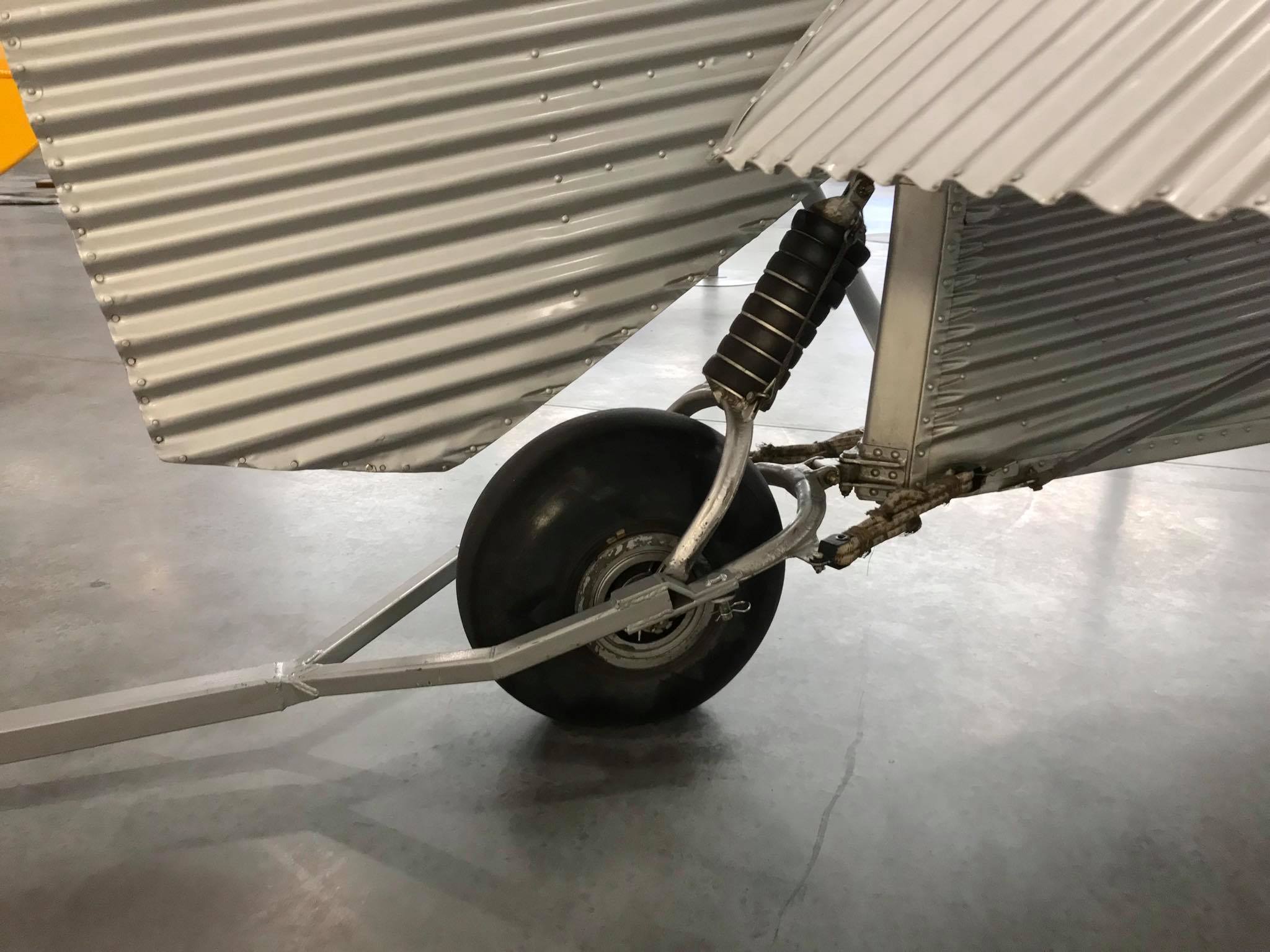
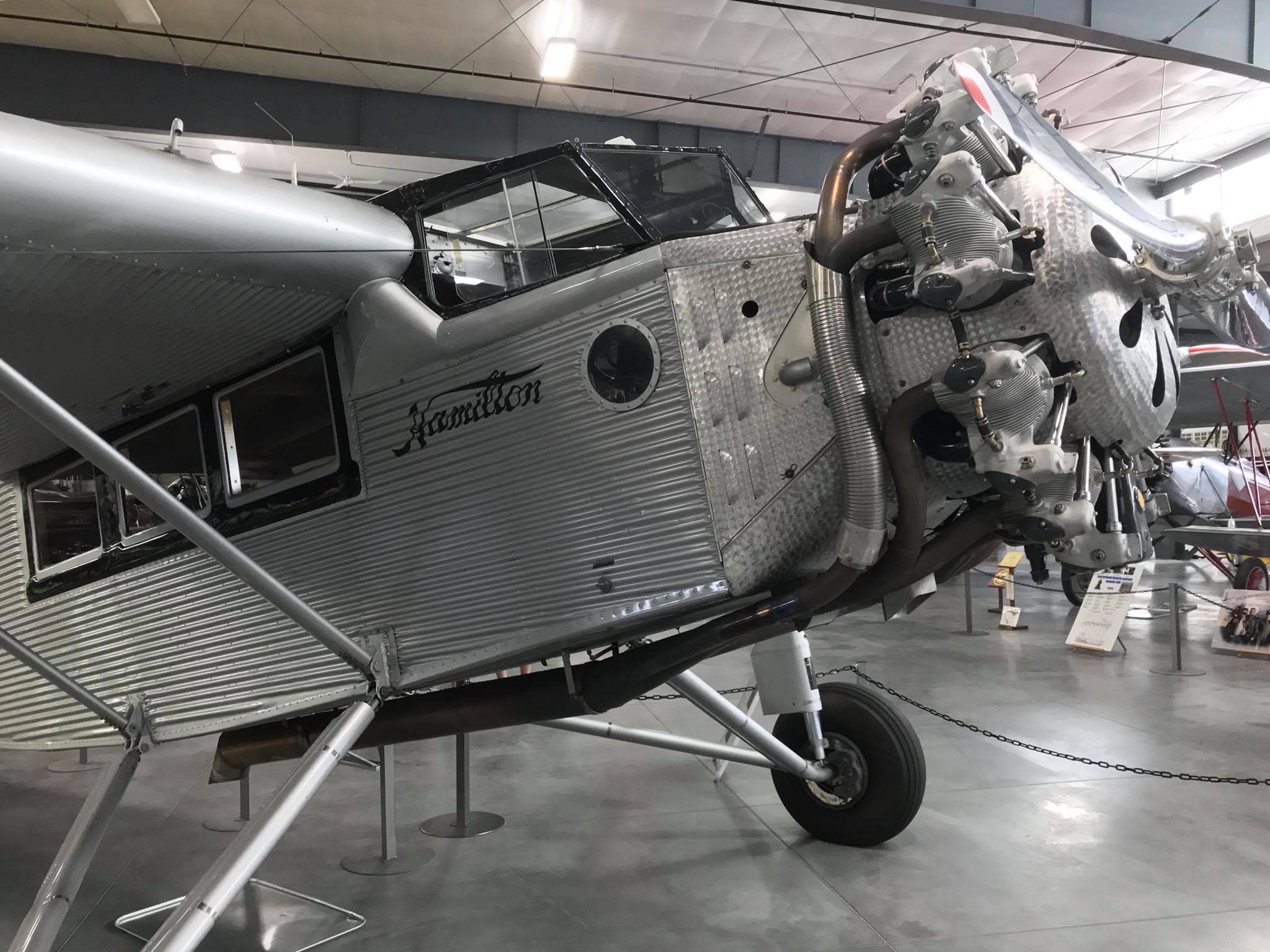
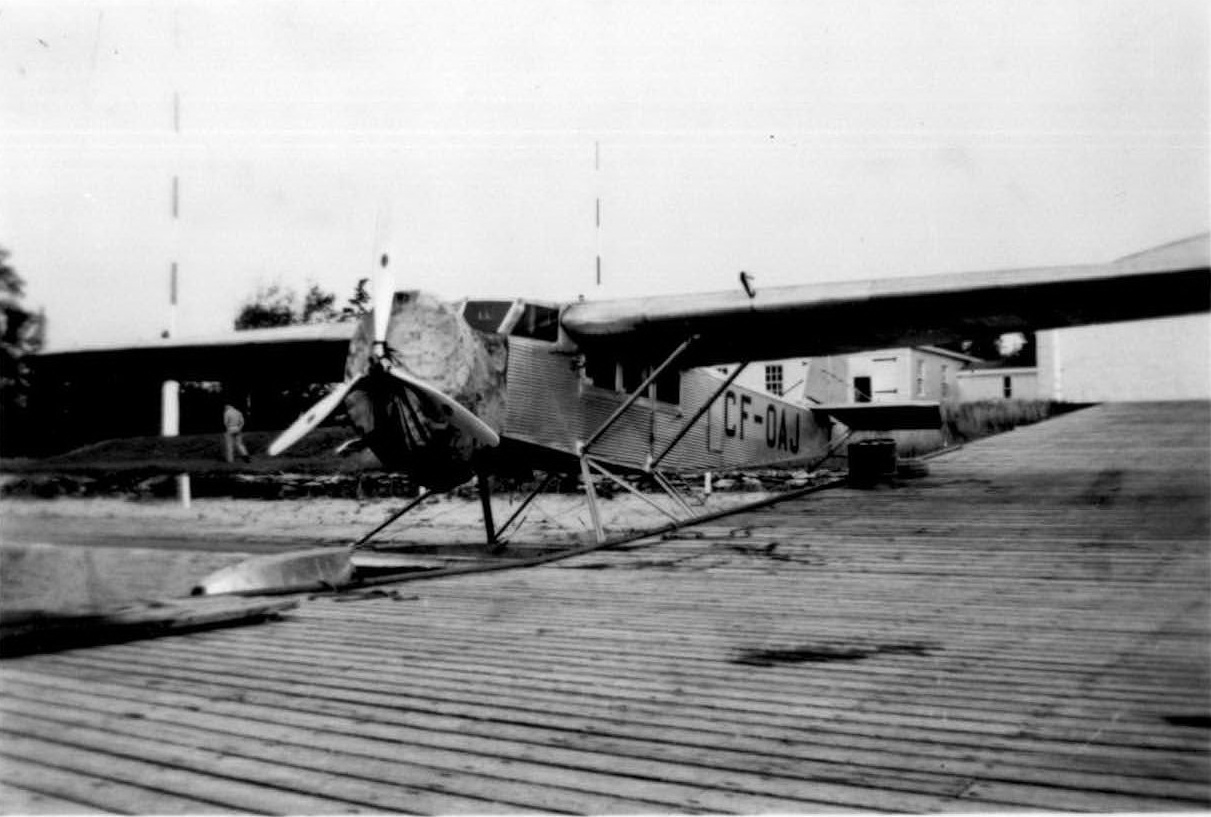
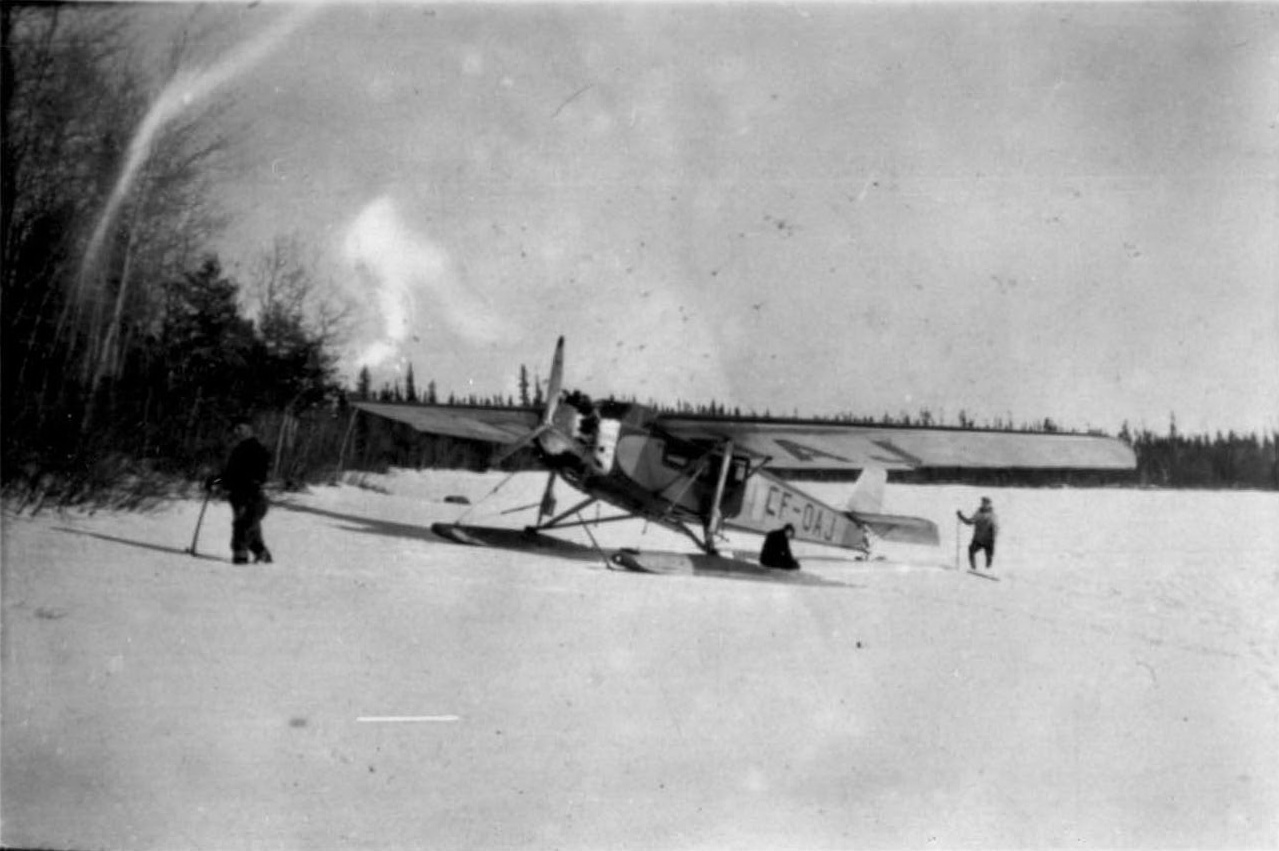
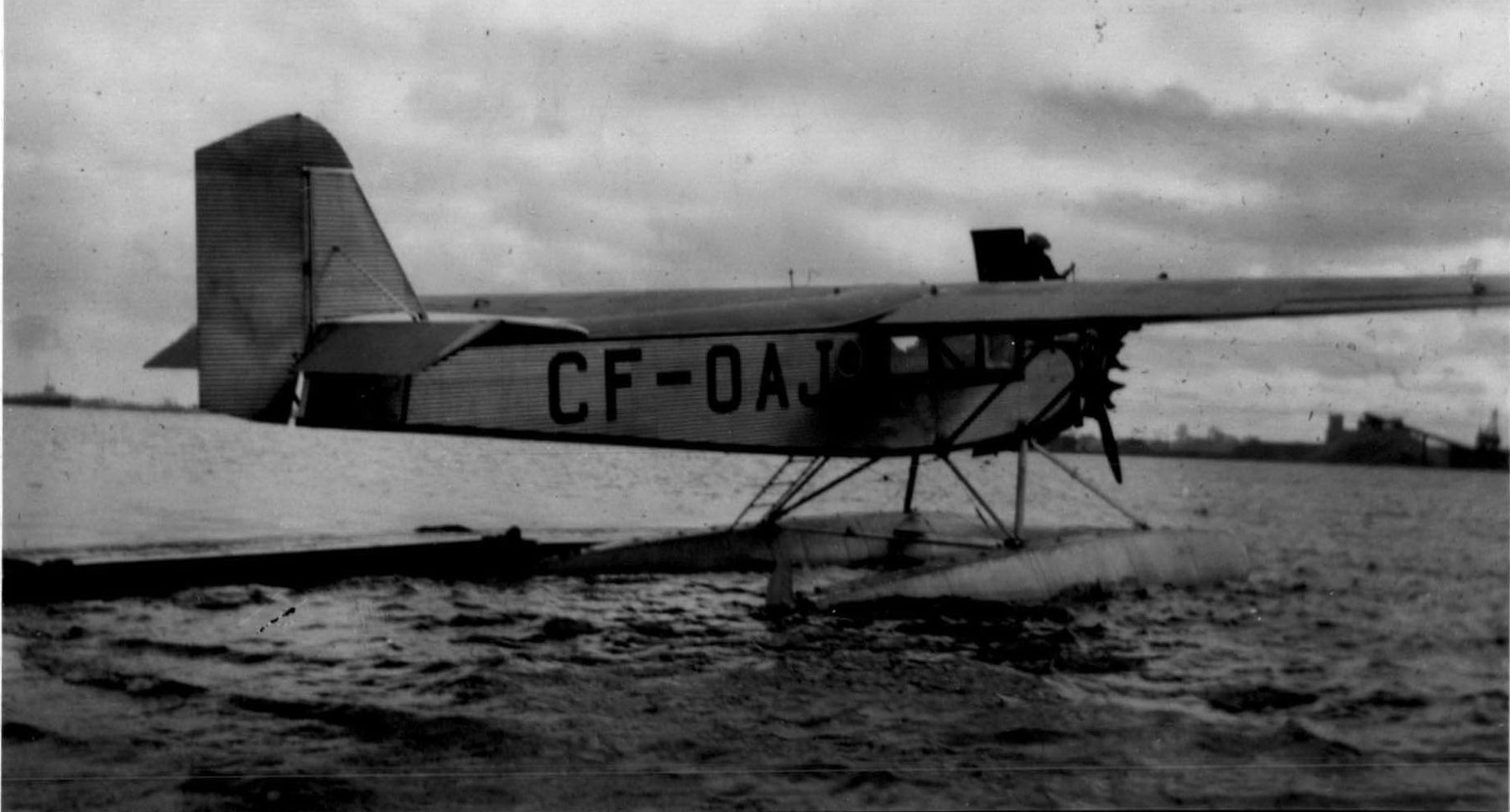
It is the sole survivor of its type (reportedly, there is another in Alaska consisting of a fuselage and wings*). This airplane was first delivered as Hamilton Serial No. 65 on Edo floats in 1930 to the Ontario Provincial Air Service in Sault Ste. Marie, Ontario (a Provincial agency charged with supporting management of the province’s vast forestland), with Canadian license CF-OAJ, and was flown primarily as a float plane and was used to conduct aerial surveys, spot forest fires, and deliver men and equipment; it never served as a passenger plane/airliner. After passing through the hands of numerous owners over the years, it ended up in storage in Deering, Alaska, where it fell into disrepair. At the time, its logbook indicated it flew a total of 5,183.5 hours up until its last flight in July of 1947.
In 1951, Northwest Airlines Capt. Harry McKee learned of the aircraft and acquired it from Don Cross of Deering. With the assistance of fellow Northwest Airlines employees and the airline itself, the airplane was shipped to Minneapolis/St. Paul International Airport. With volunteer help from present and former airline employees, work began on restoring the aircraft for static display, but escalating expenses and complications caused enthusiasm for the project to wane, and the incomplete project was placed in storage.
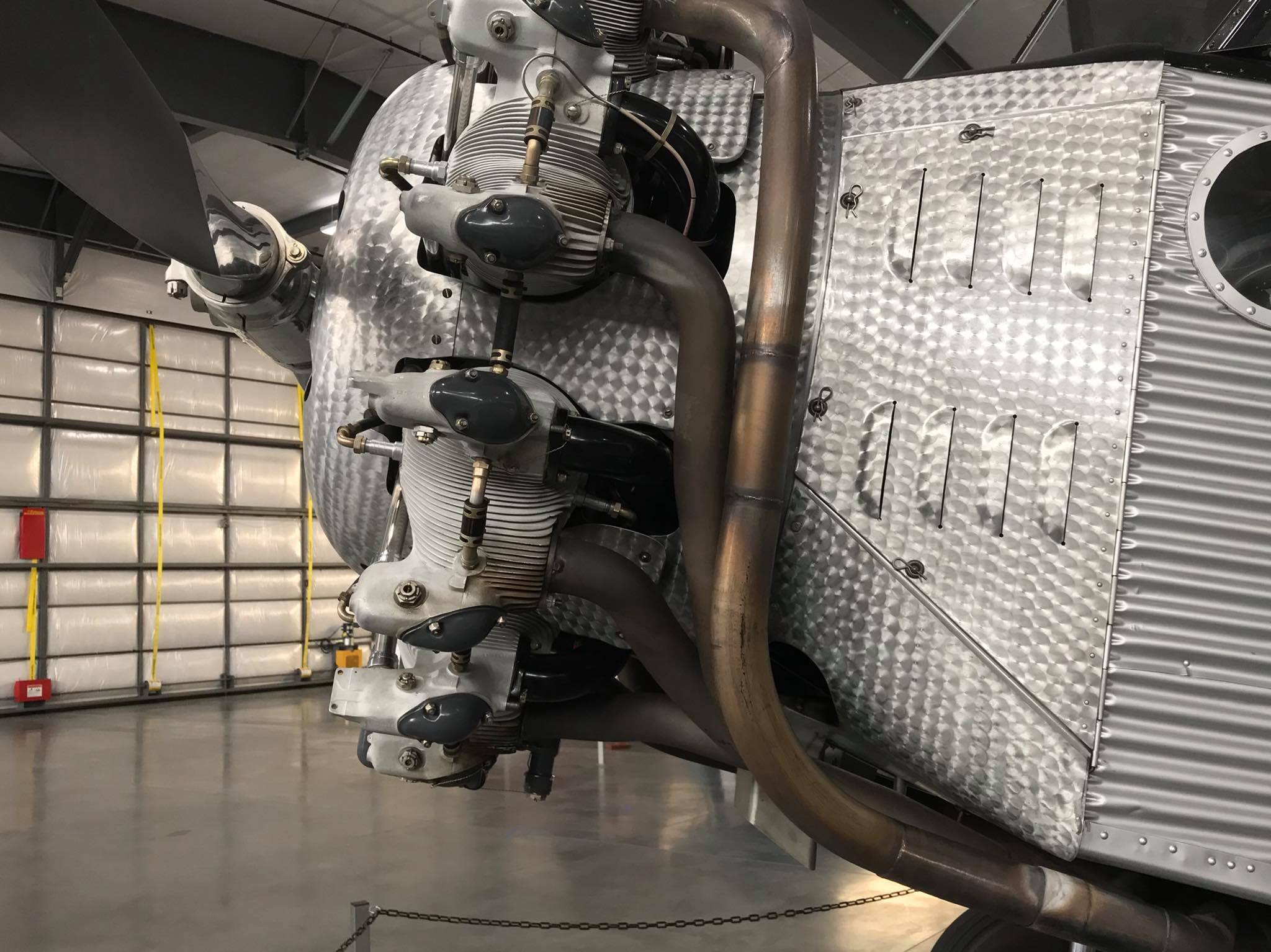
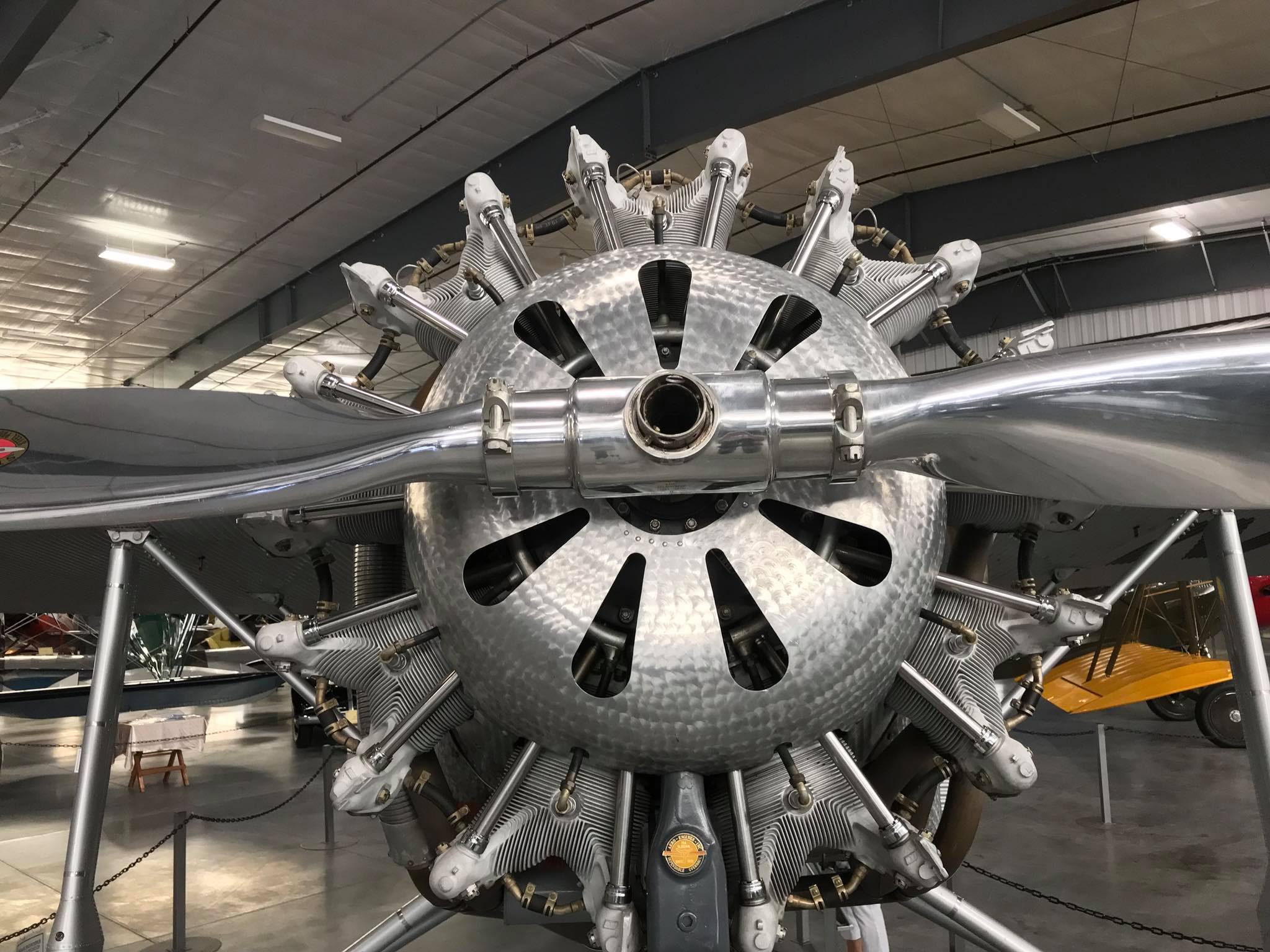
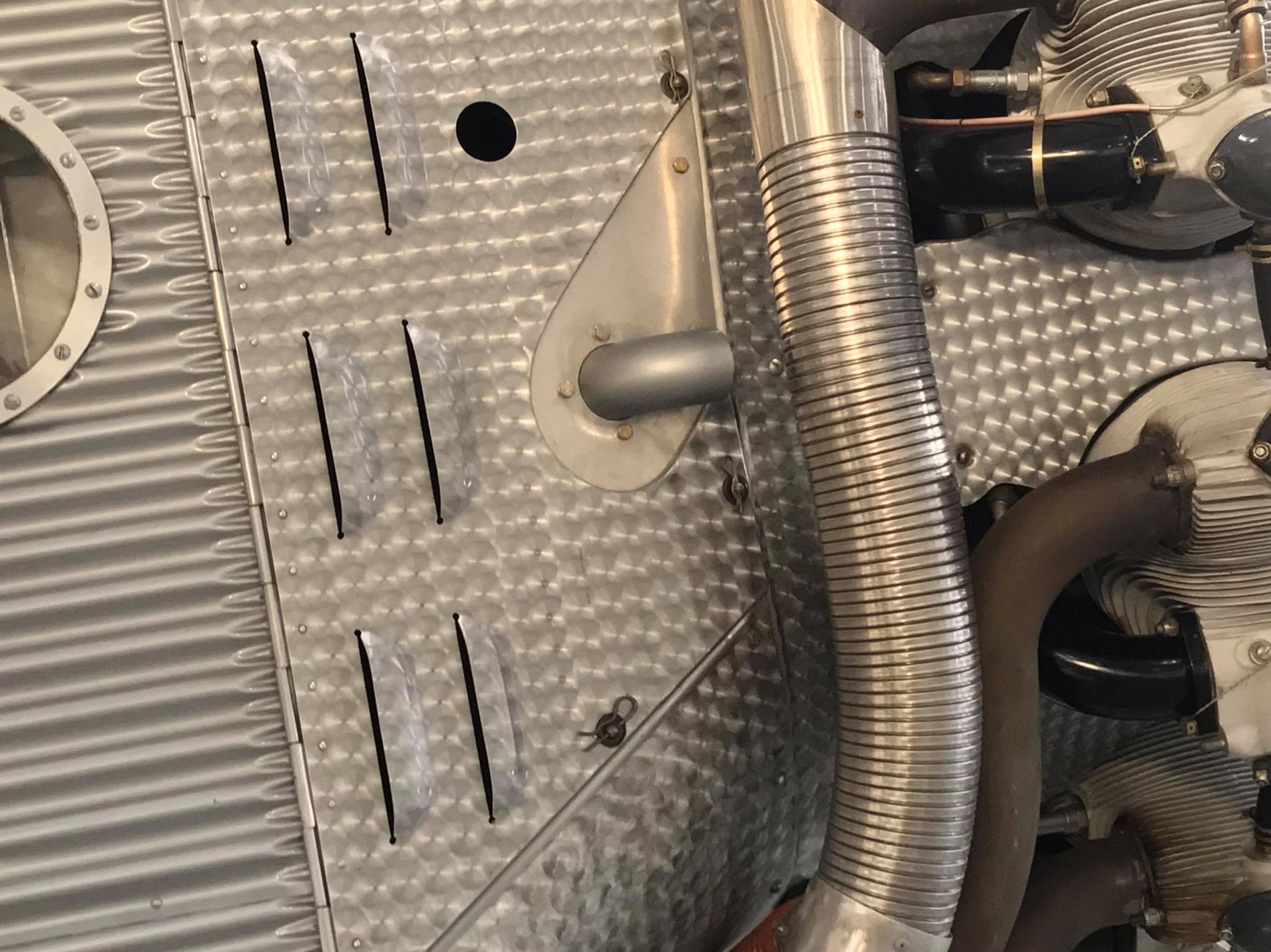
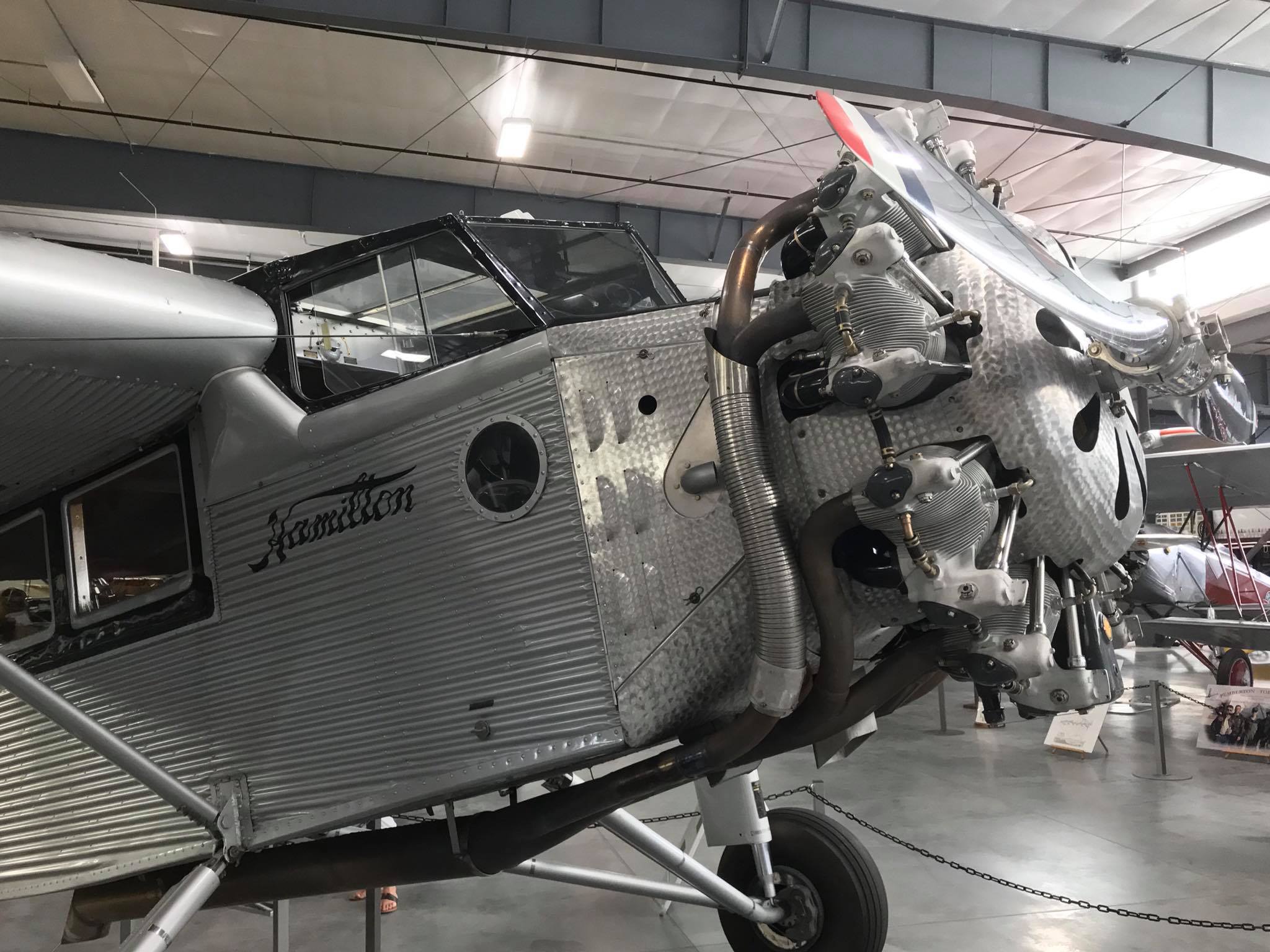
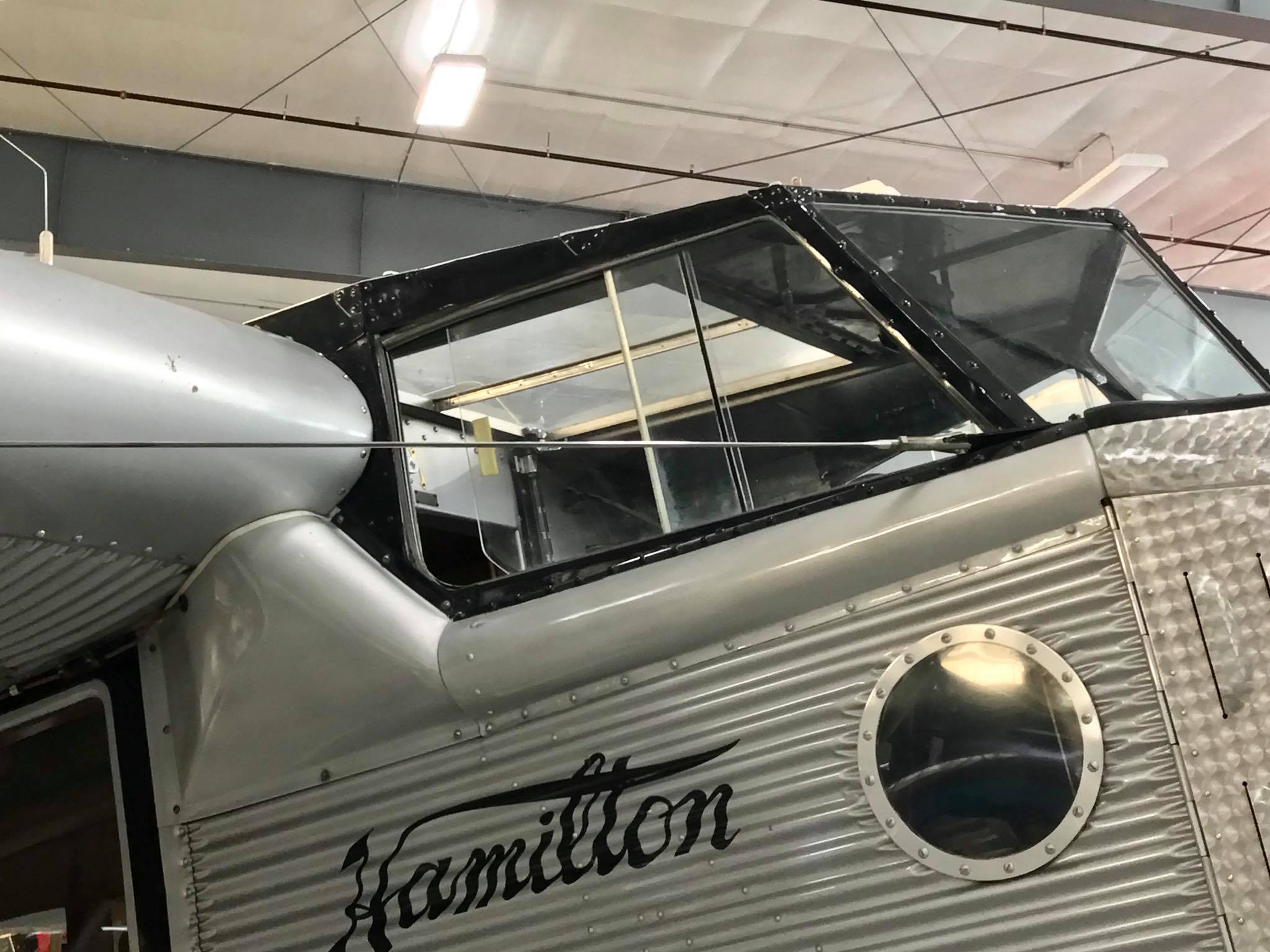
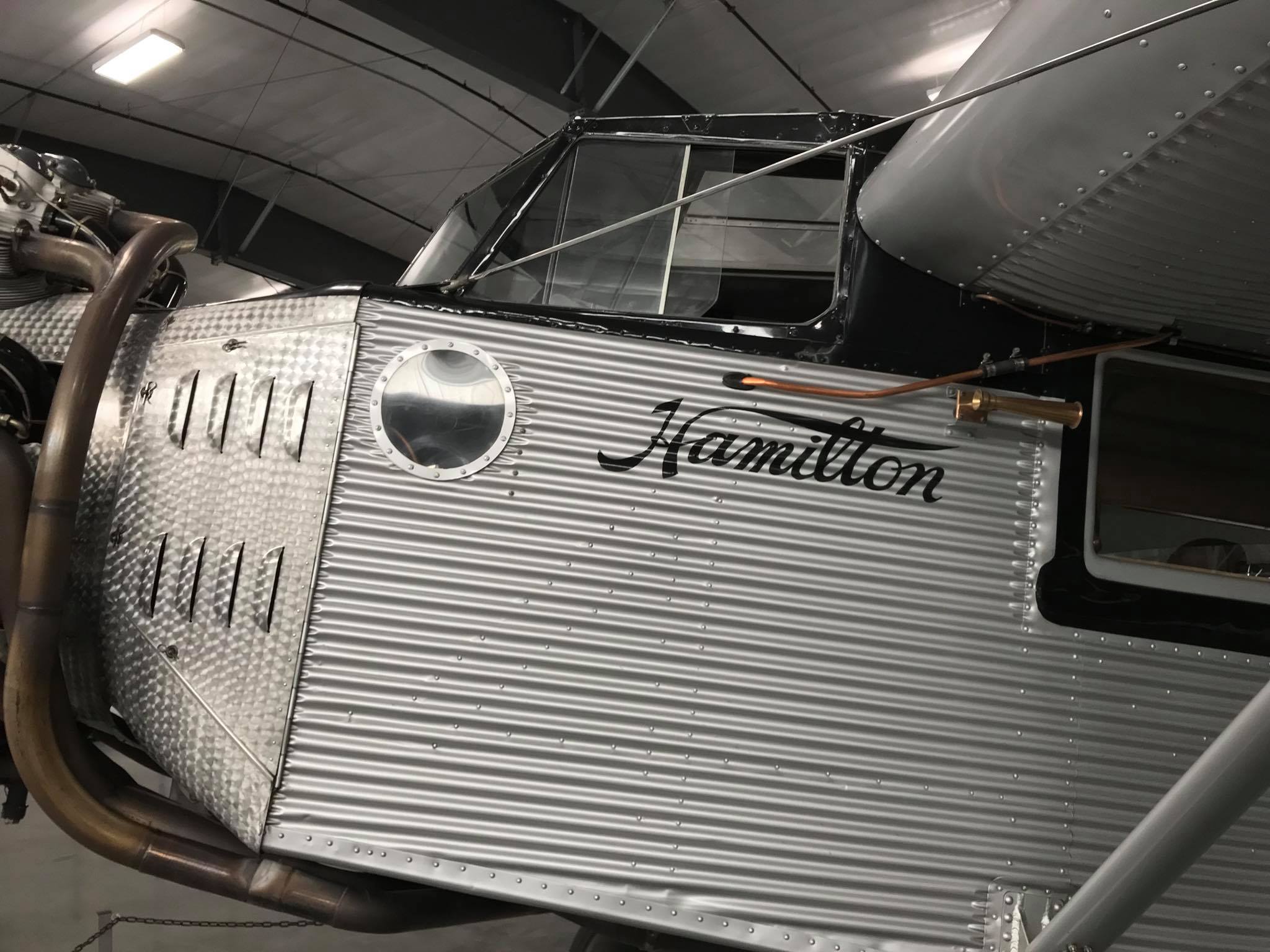
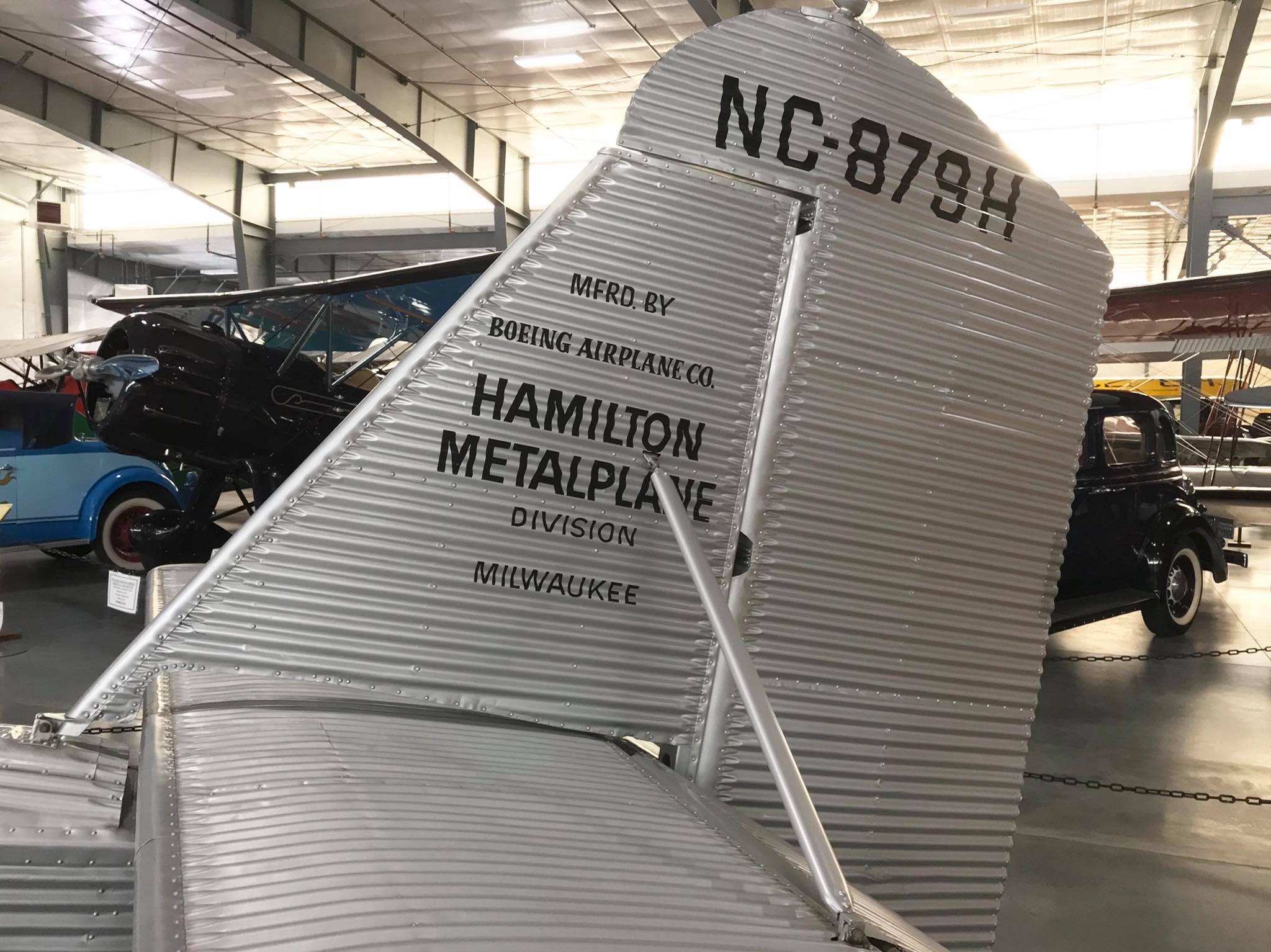
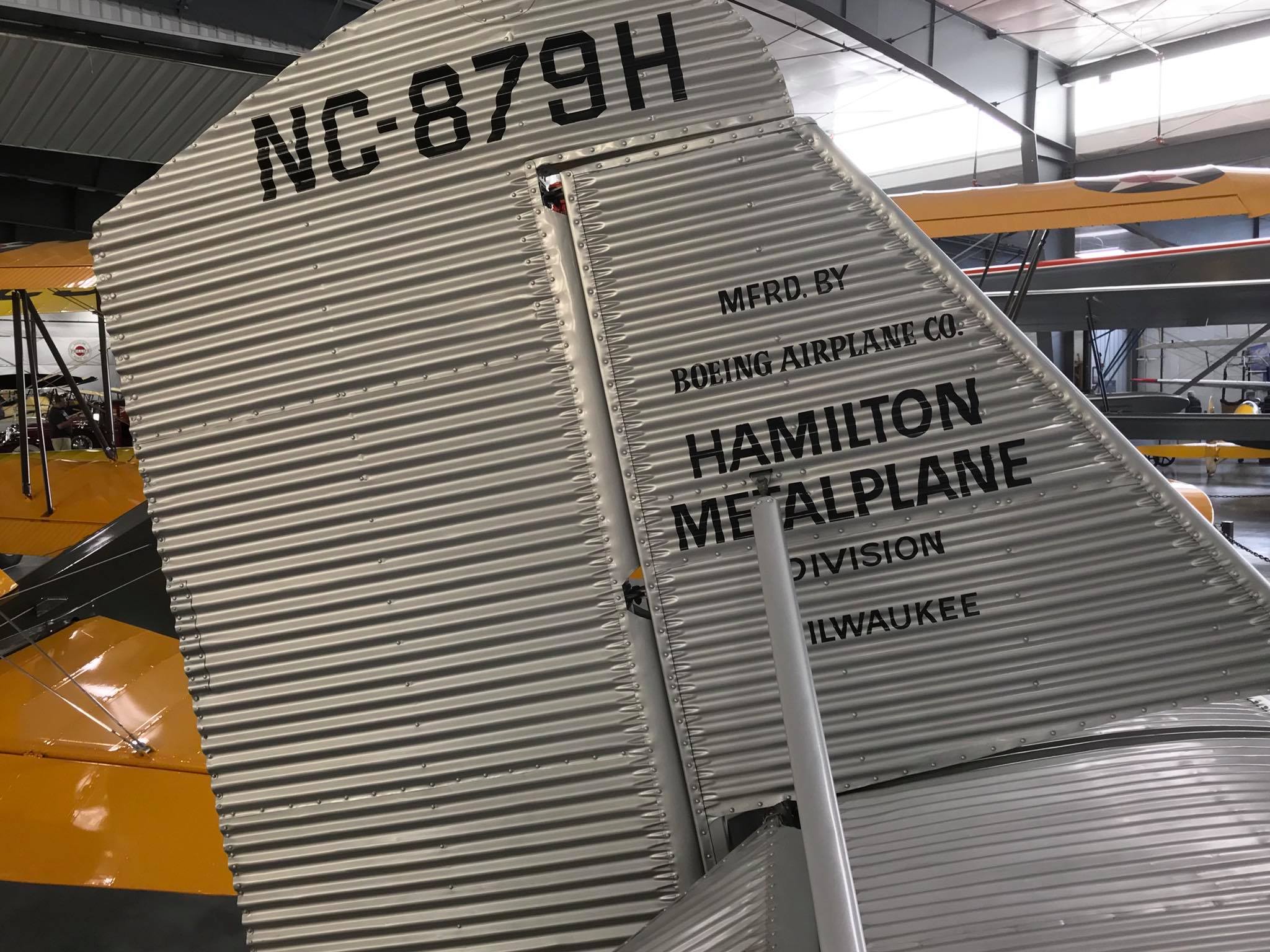
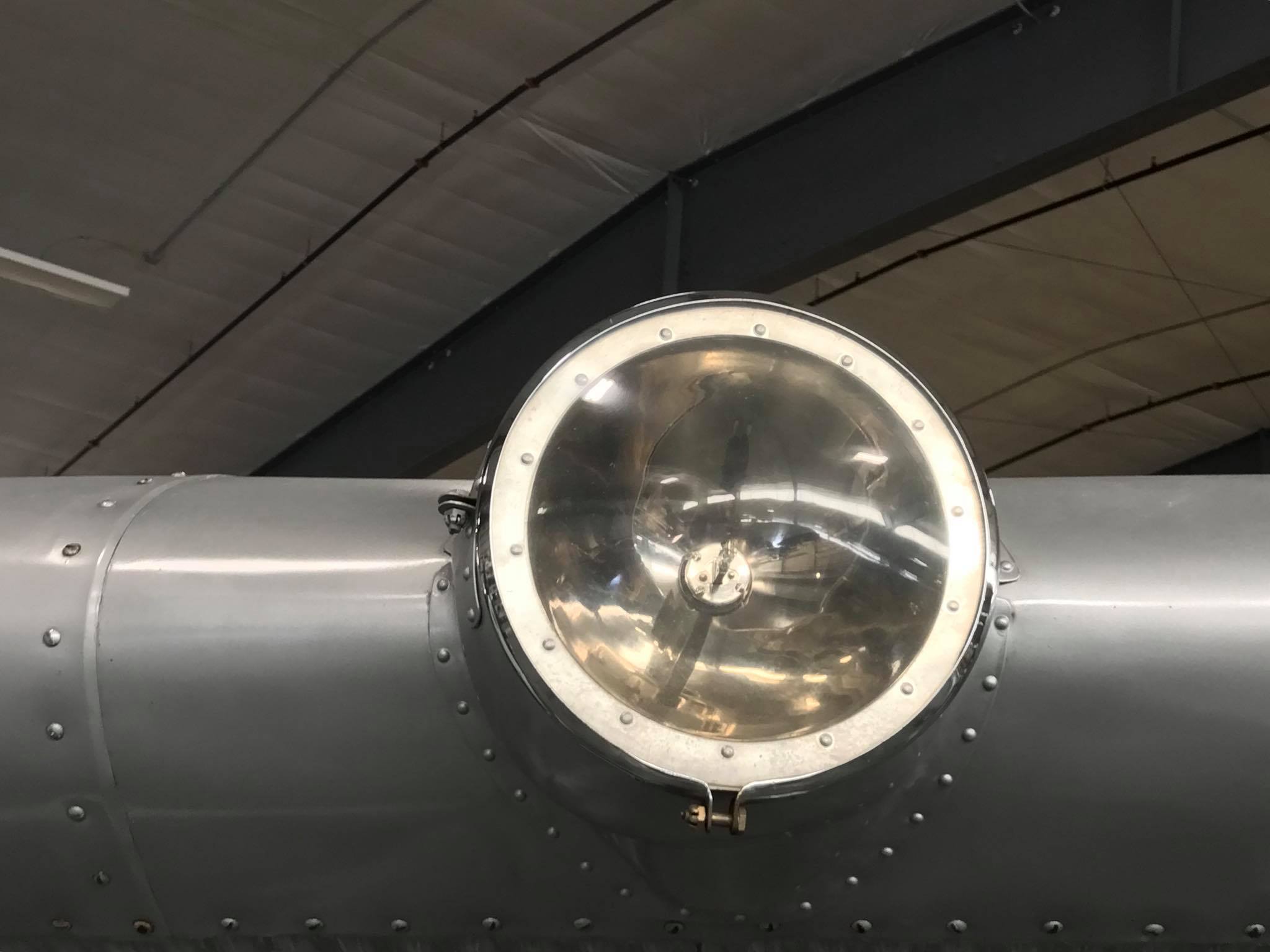
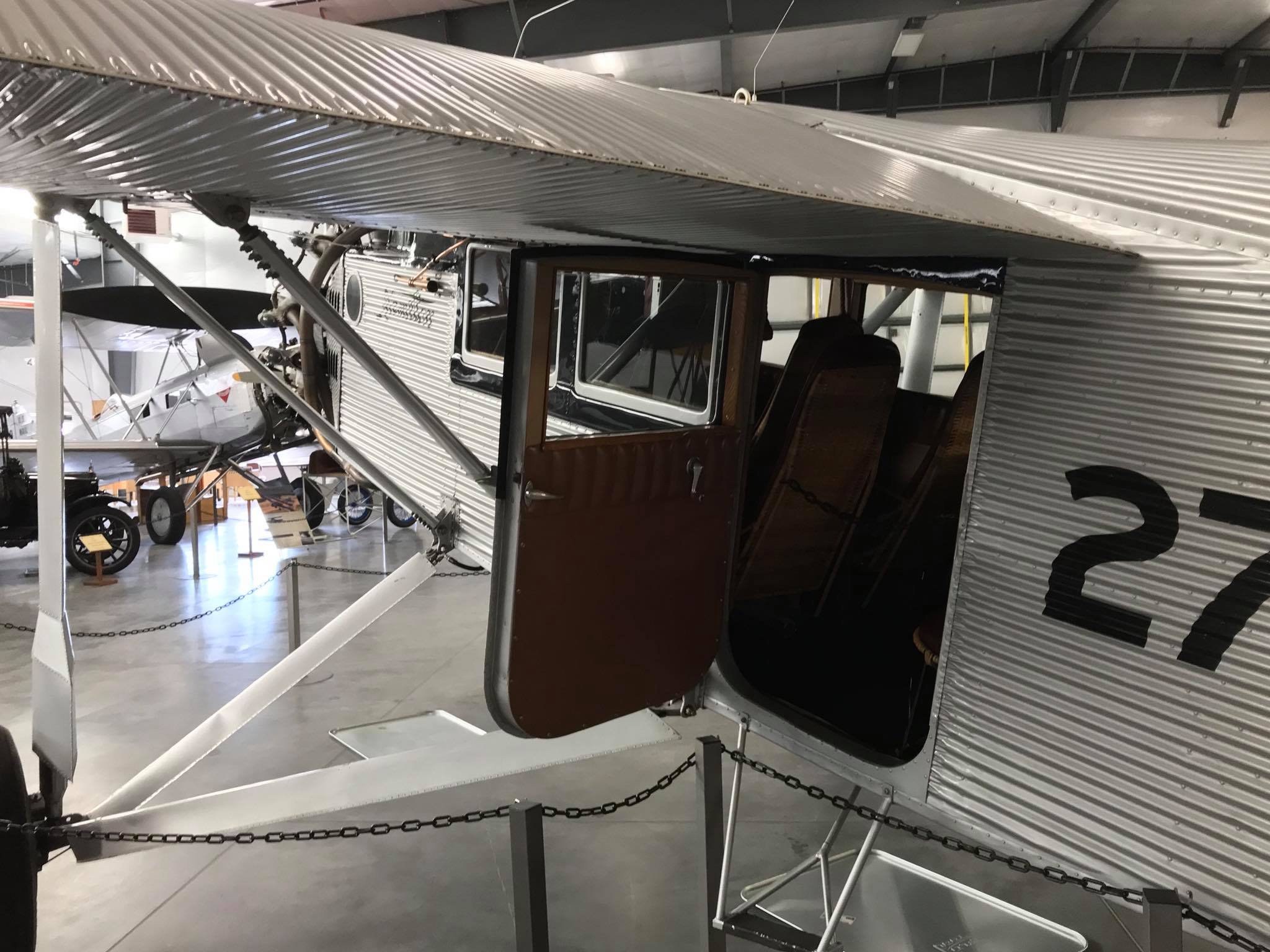
In December of 1972, it was acquired by Jack Lysdale, in whose hangar at Fleming Field in South Saint Paul, Minnesota, it had been stored. He and a group of craftsmen completely disassembled the aircraft to restore it to airworthy restoration, with Northwest Airways livery, often with parts fabricated to the original specifications. The controls, electrical system, nose cowling, firewall, oil tank, and fuel tanks were all rebuilt, along with the wicker and leather seats. Most remarkably, Lysdale convinced Alcoa Aluminum to dig out the original 1929 H-47 rolling dies and produce a short run of the corrugated airframe material; just enough to re-skin NC-879 H. Its first flight as a restored aircraft took place on August 12, 1975; and that same month, it was put on display at the Blakesburg, Iowa Antique Fly-in where it took five first place honors including Grand Champion. It also earned the Experimental Aircraft Association’s Silver Age Championship Trophy in 1976. Jack Lysdale placed the Metalplane in storage in 1978 but kept it in airworthy condition. Lysdale was responsible for the restoration of some 150 aircraft post-WWII for civilian use before his death in 1992, and his family eventually arranged to have the airplane auctioned off by the Barrett-Jackson Collector Car Auction in 2010.
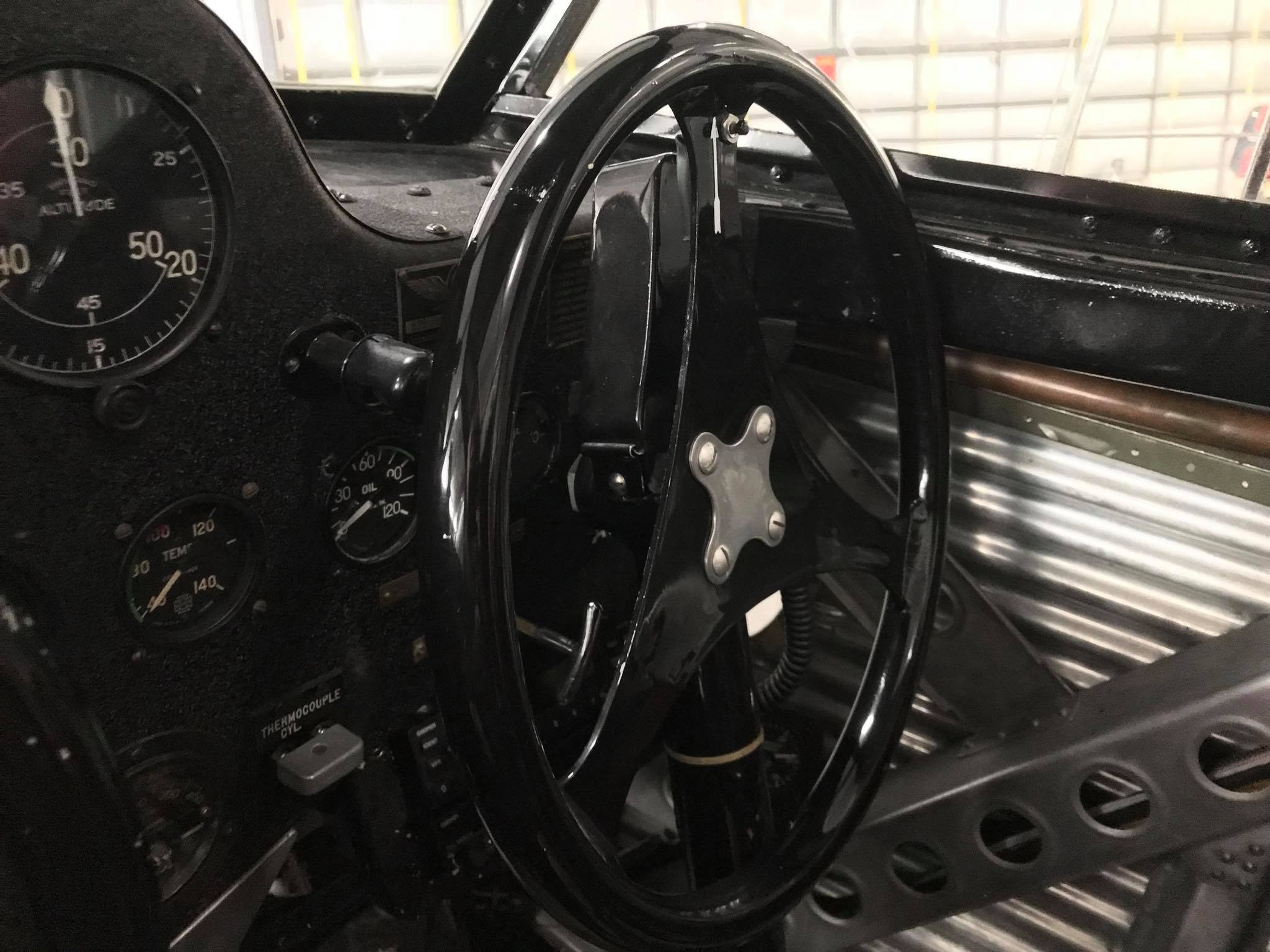
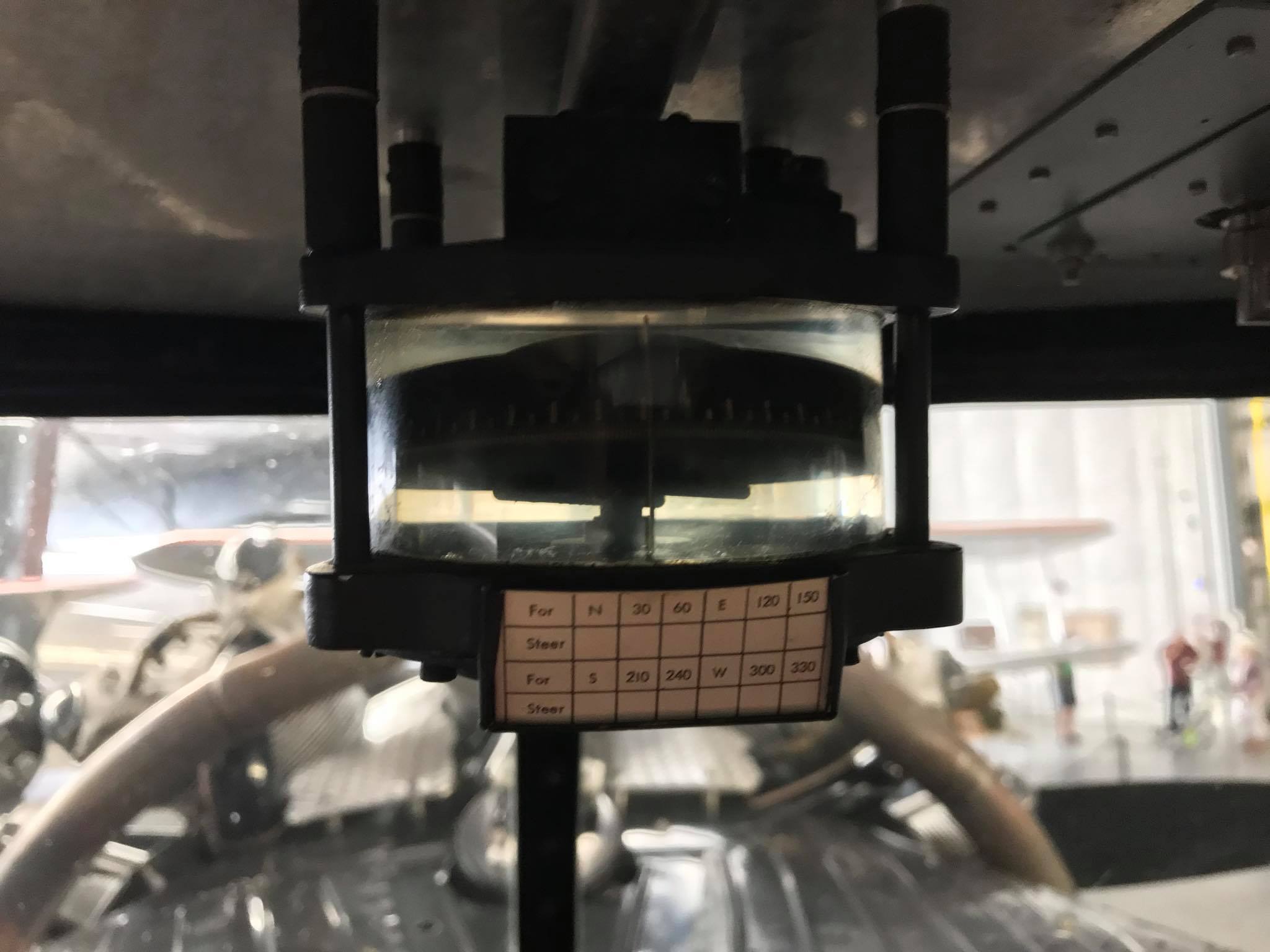
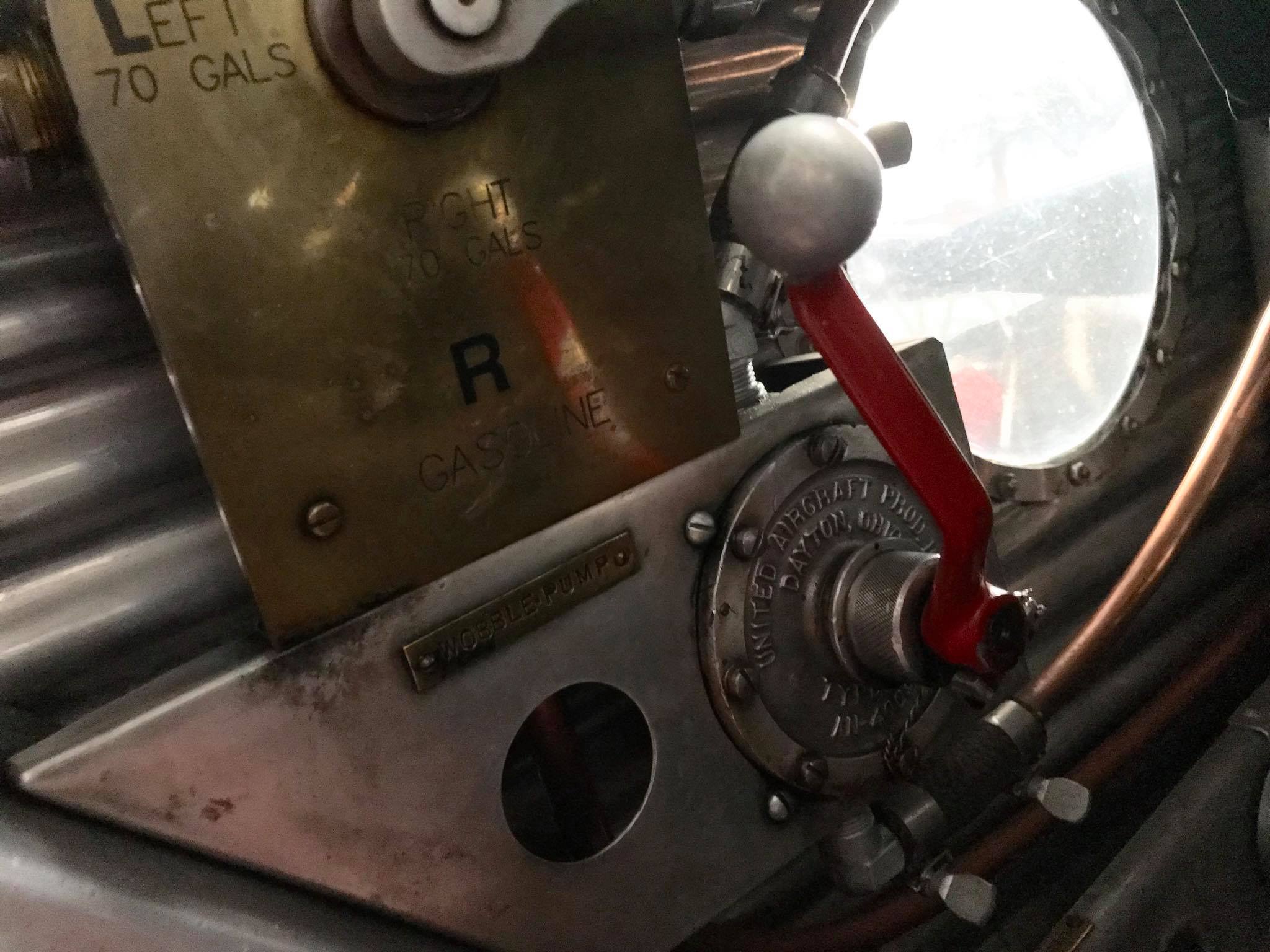
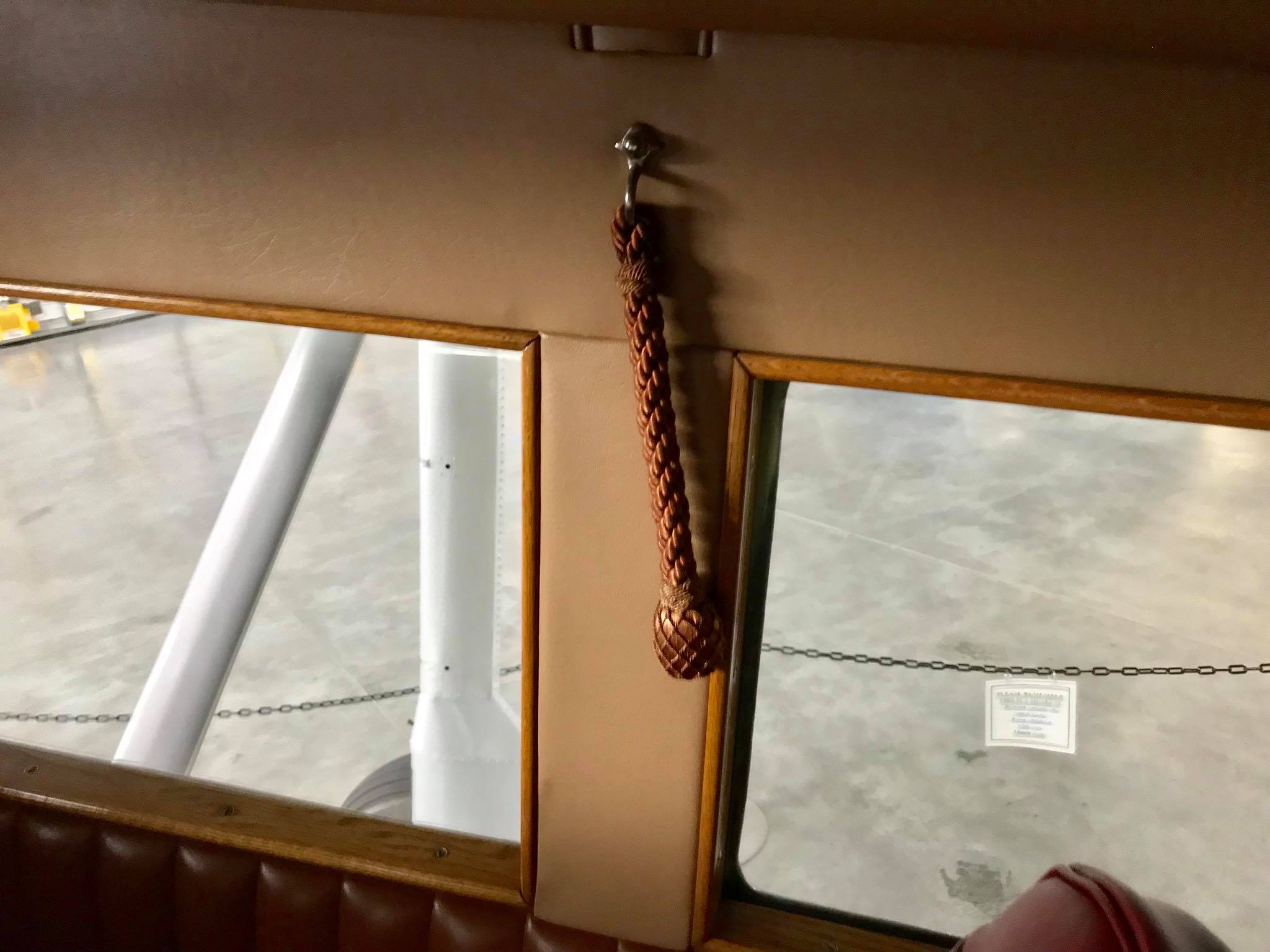
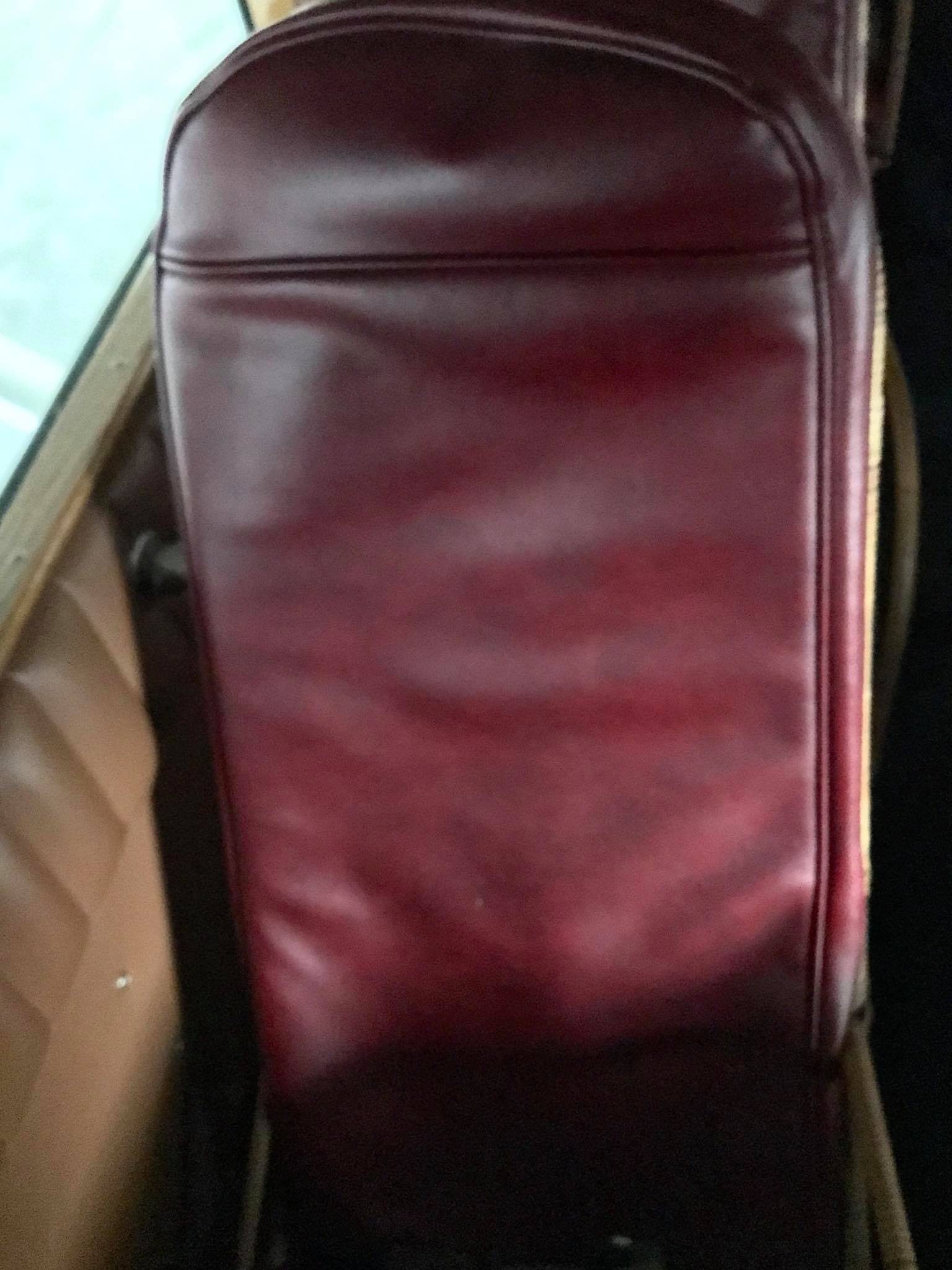
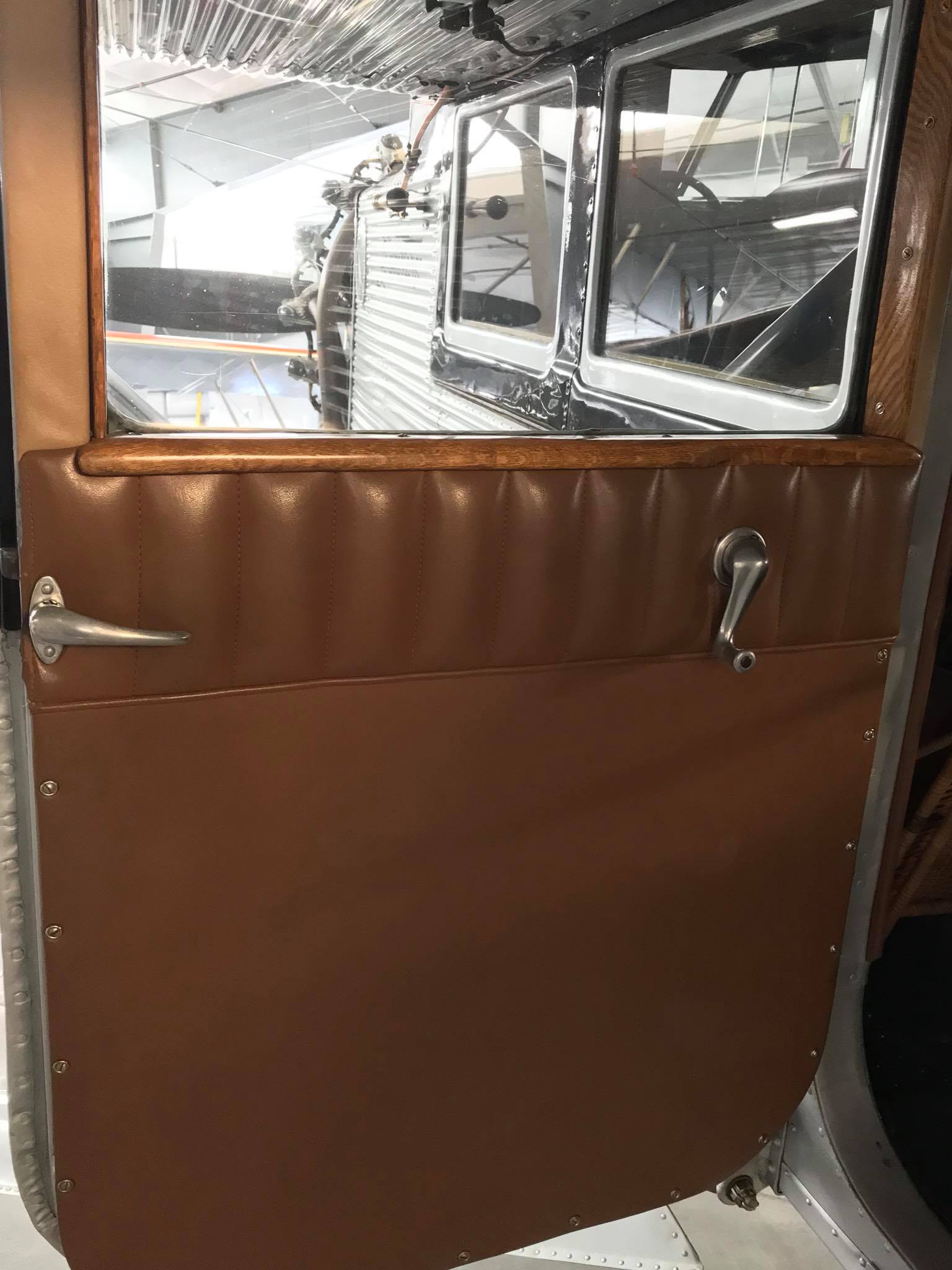
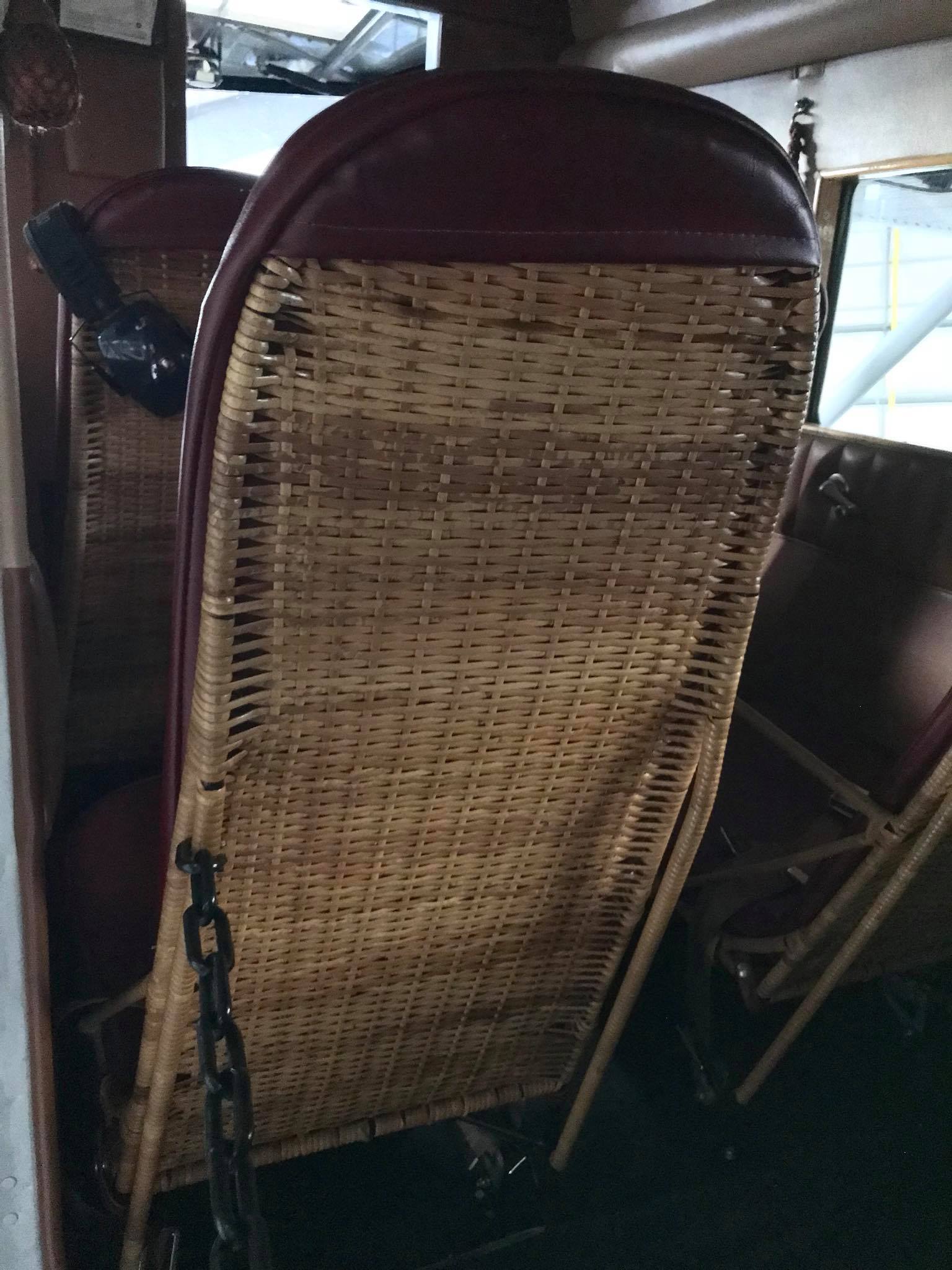
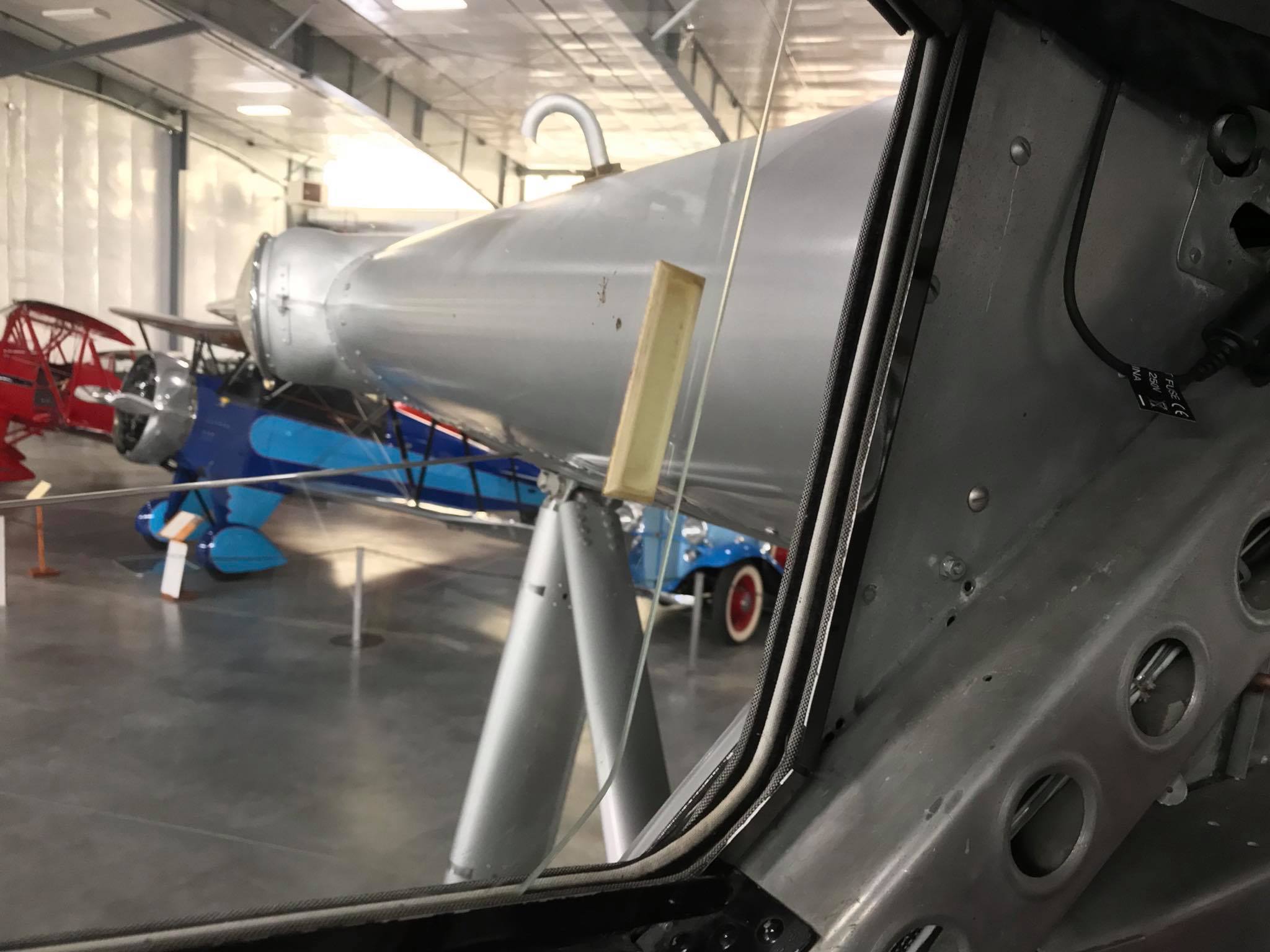
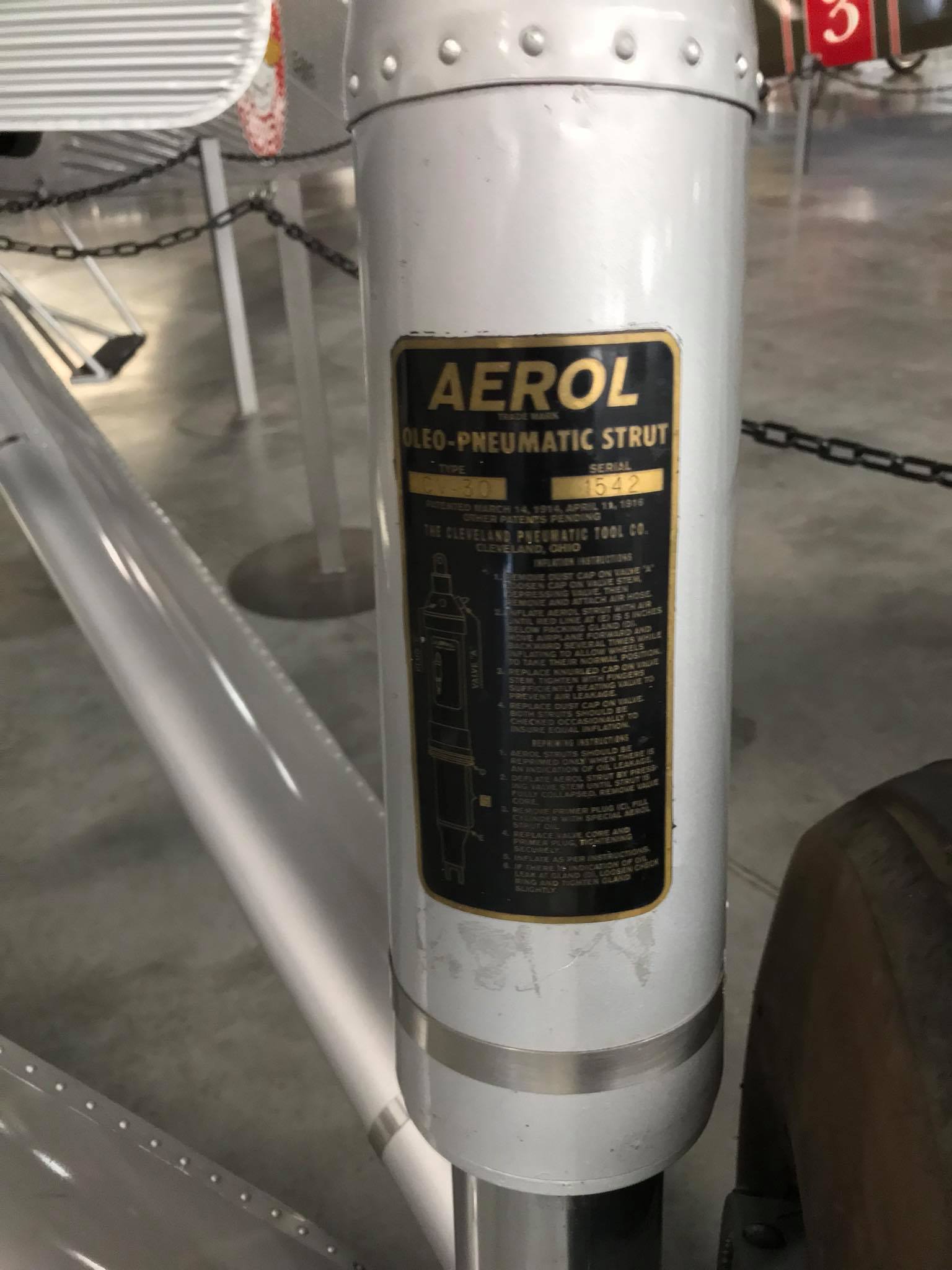
Howard Wright, a Seattle entrepreneur, pilot and vintage aviation enthusiast, was the successful bidder on the aircraft. In early 2011, he located the airplane’s original 1929 Edo 6400 floats in a snowbank behind the hangar of an aviation pioneer in Fairbanks, Alaska; Kenmore Air in Washington restored them. The original H–47 was powered by a 525-horsepower Pratt & Whitney R-1690 Hornet, but parts for that engine were unavailable, so Wright had this aircraft fitted with a Pratt & Whitney R-1340 Wasp (that delivers up to 600 horsepower, depending on the propeller). The airplane is registered to Historic Flight Foundation, which founder and pilot John Sessions had moved to Felts Field in Spokane (his hometown). My photos when it was temporarily at the Western Antique Aeroplane and Automobile Museum (WAAAM) in Hood River, Oregon.
Thomas F. Hamilton of Seattle, Washington, was only 16 years old (and a high school dropout) when he designed and built his first seaplanes (which were seen around Seattle’s Lake Washington among other venues). In 1914, he moved his operations to Vancouver, B.C. and founded the Hamilton Aero Manufacturing Ltd. As WWI broke out, the US military became very interested in Hamilton’s background and requested that he relocate to the eastern U.S. (military leaders at the time wanted to keep most of their aviation resources closer to Washington, D.C., and not in the remote Pacific Northwest). The Matthews Brothers Furniture Company (a Milwaukee, Wisconsin, woodworking firm) was looking for an experienced person to run their new aviation division since a large military contract was signed to produce wood propellers for the U.S. Navy and Army, so Hamilton became their director of aviation in 1918.
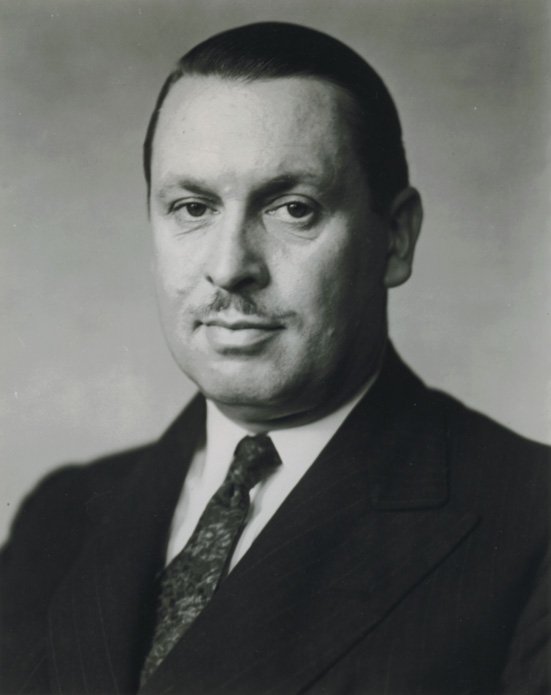
However, once the war ended, Matthews Brothers ceased as a company, but Hamilton bought their entire inventory of wood propellers and started his own company called the Hamilton Manufacturing Company located in Milwaukee, Wisconsin. In 1924, the Stout Metal Airplane Company of William B. Stout (a pioneer builder of all-metal aircraft) was bought by the Ford Motor Corporation and developed the Ford Tri-Motor. Like the Junkers F.13, the world’s first all-metal aircraft, it had a cantilever wing design and corrugated metal skin, and the Tri-Motor was built for hauling passengers and mail. In response, Hamilton and a number of shareholders in the Milwaukee community decided to build an all-metal aircraft as well. The result was a new company called the Hamilton Metalplane Company, which built some of the earliest all-metal U.S.-made aircraft. And the first all-metal aircraft built by this company was the Hamilton Metalplane H-18, christened the “Maiden Milwaukee,” and was introduced in 1927. It had the distinction of being the first U.S. air certificate for an all-metal airplane in the United States, and it won the Spokane Air Races the same year.
Also in 1927, Hamilton had hired James McDonnell, later of McDonnell Douglas Aircraft, as chief designer. McDonnell had worked for Stout and Ford and incorporated similar features and ideas into the construction of the “Milwaukee Maiden.” By 1929, the Hamilton Metalplane Company had become a separate division of the Boeing Aircraft Company, but eventually it and all of its patents and assets were absorbed into Boeing. Hamilton, however, had retained his propeller business, and in 1930, he merged it with Standard Steel Propeller (a competitor) to form Hamilton Standard Propeller Corp., which became the world’s largest manufacturer of propellers (during WWII alone, more than 500,000 “Ham Standards” were produced).
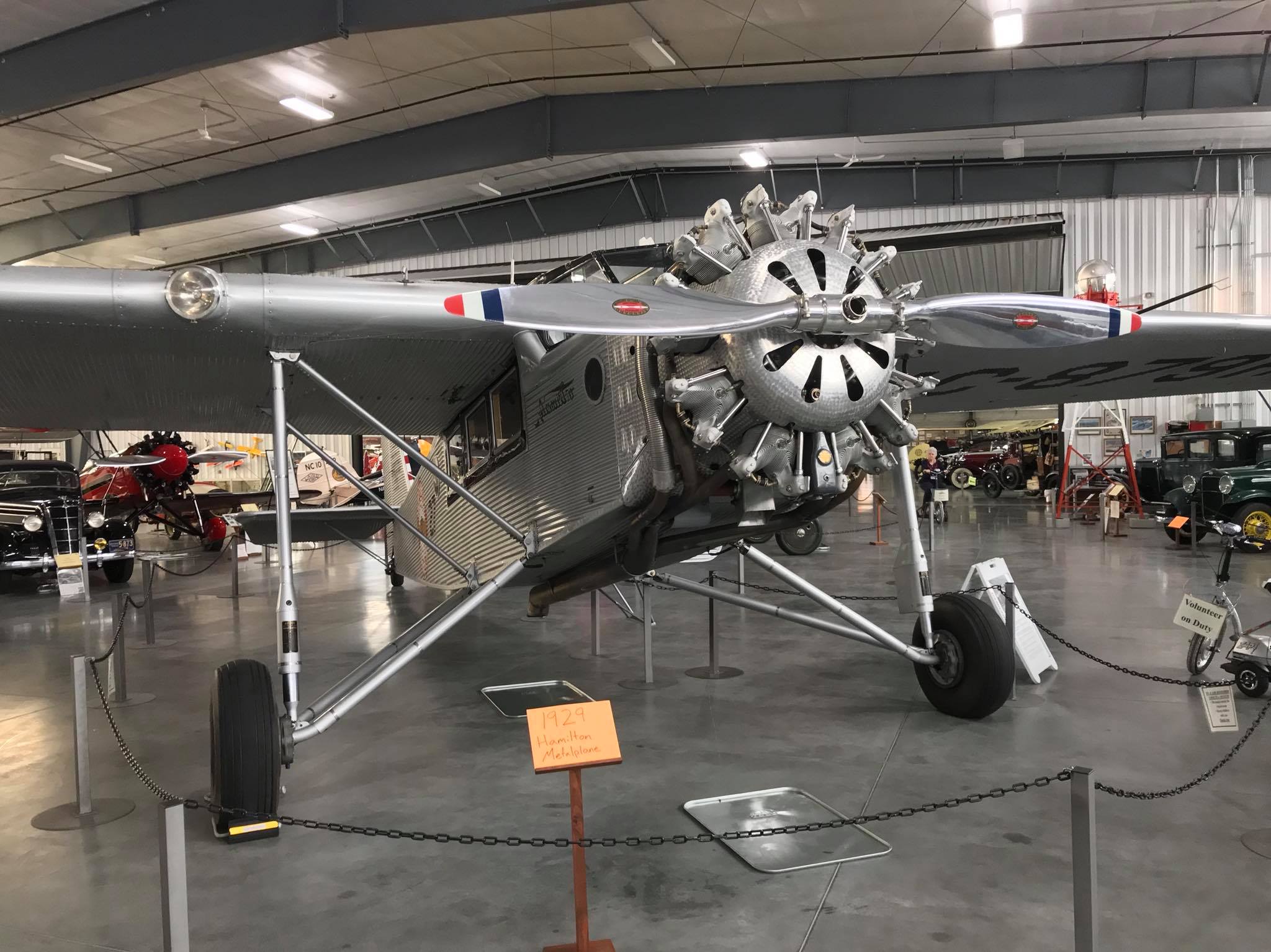
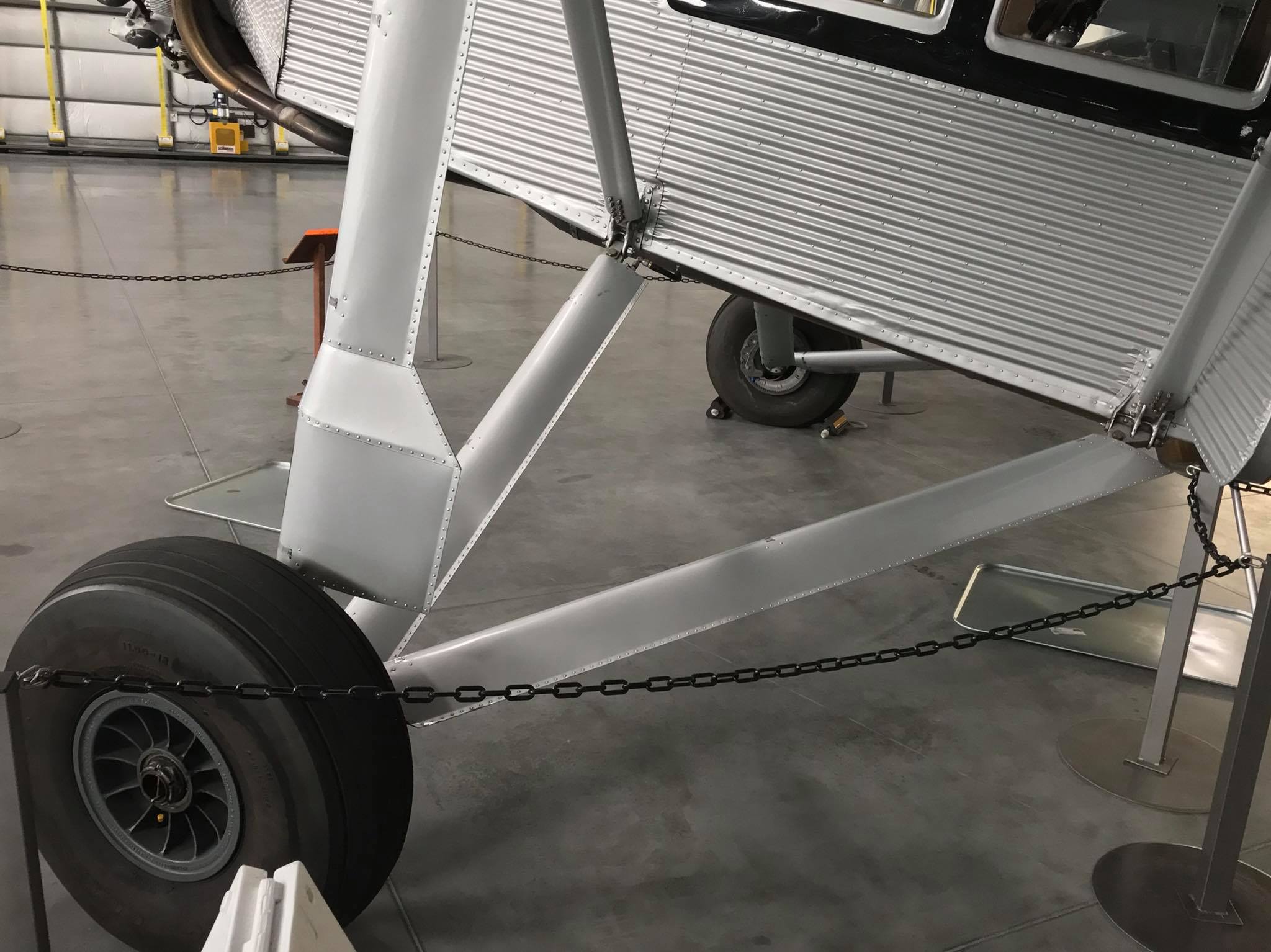
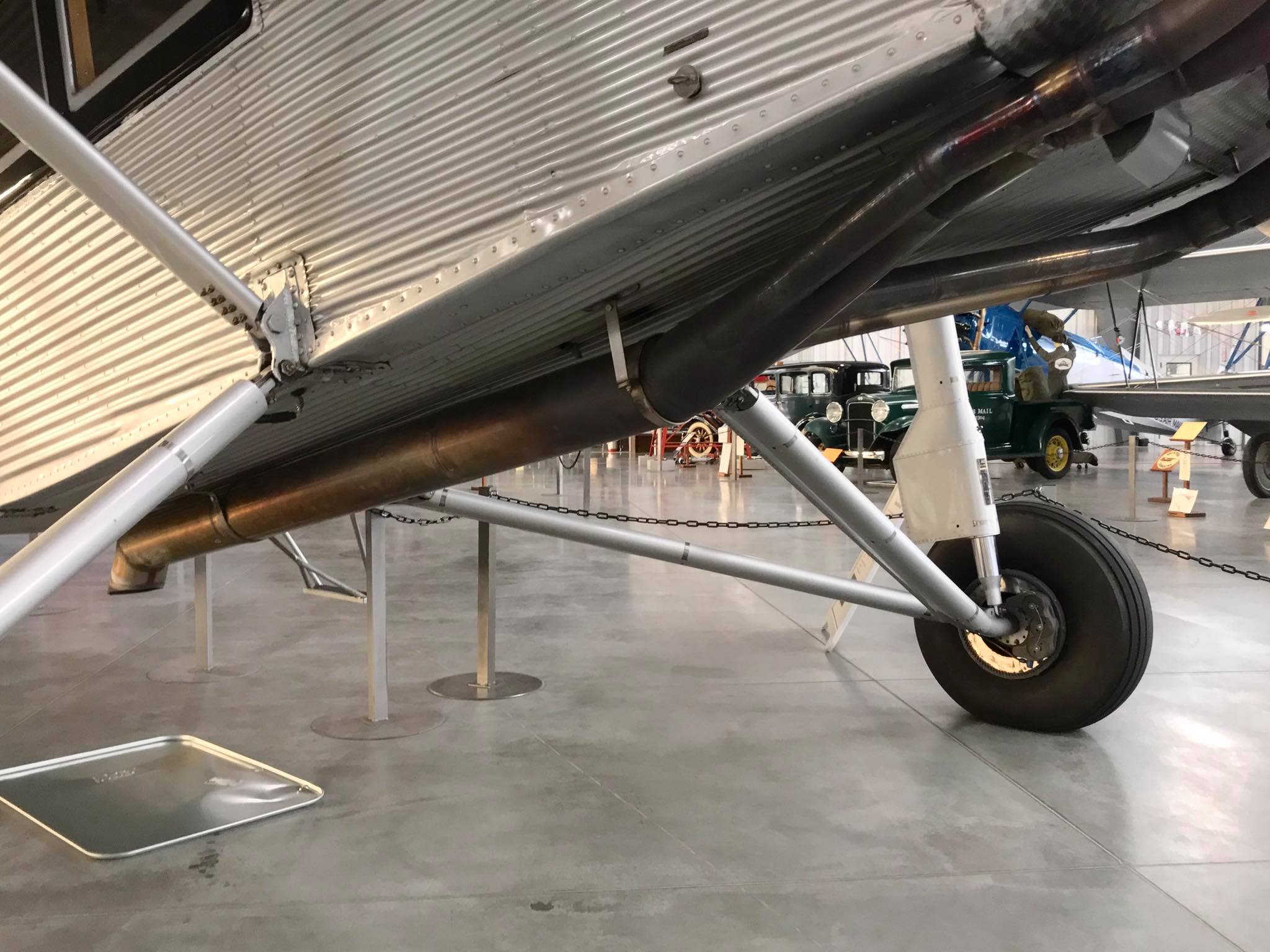
The H-47 is largely associated with Northwest Airways, Inc. (the progenitor of Northwest Airlines, Inc. which reincorporated in 1934) which had a fleet of nine Metalplane aircraft (hence the markings on this restored aircraft), some of which were assigned to its Dakotas-Montana-Spokane-Seattle route that ran flying H-45 and H-47 aircraft between 1928-1933 (the company had previously flown open cockpit aircraft on their flights); and Northwest’s focus was not in hauling passengers, but in flying mail for the U.S. Post Office Department. Wien Alaska Airways received its first of two Metalplanes in 1929, and it became the first all-metal airplane to operate in Alaska and the first aircraft type to make round trips between Alaska and Asia when it flew to Siberia and back, piloted by company founder and pilot Noel Wien. That company received its second Hamilton Metalplane in 1939 after it had been used in the Howard Hawks film “Only Angels Have Wings” starring Cary Grant, Jean Arthur and Rita Hayworth. Isthmus Airways offered 30-minute north-south passenger flights across the Panama Canal Zone between the Atlantic and Pacific Oceans in a Hamilton Metalplane on floats and thus offered the first and fastest nonstop “transcontinental” airline service. Hamilton produced the H-45 (450 hp.) and H-47 (525 hp.) passenger and mail variants. James McDonnell oversaw the design process.
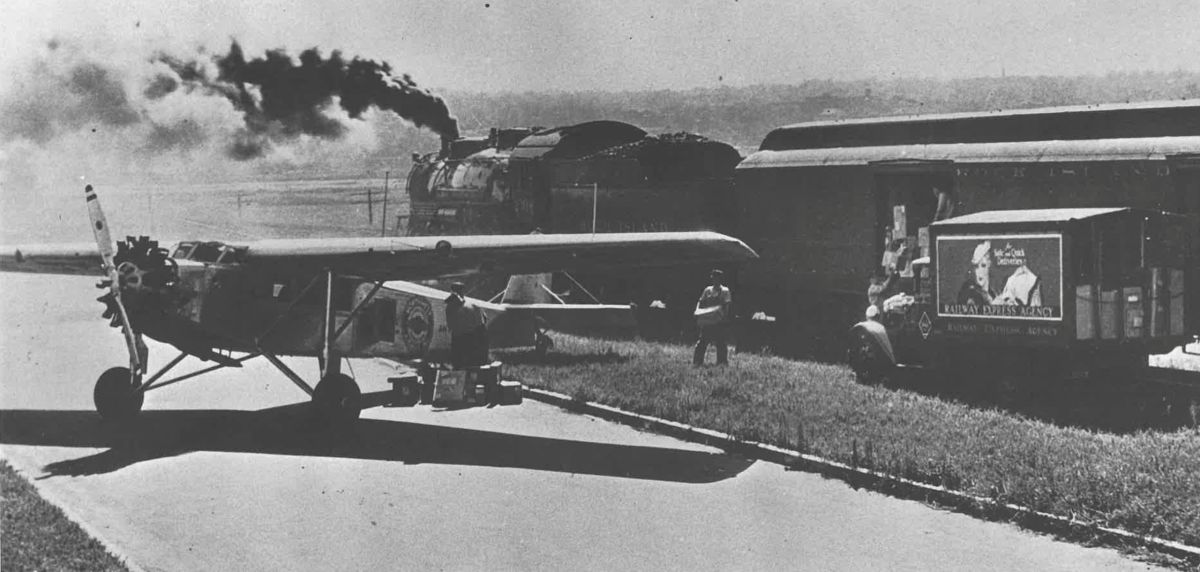
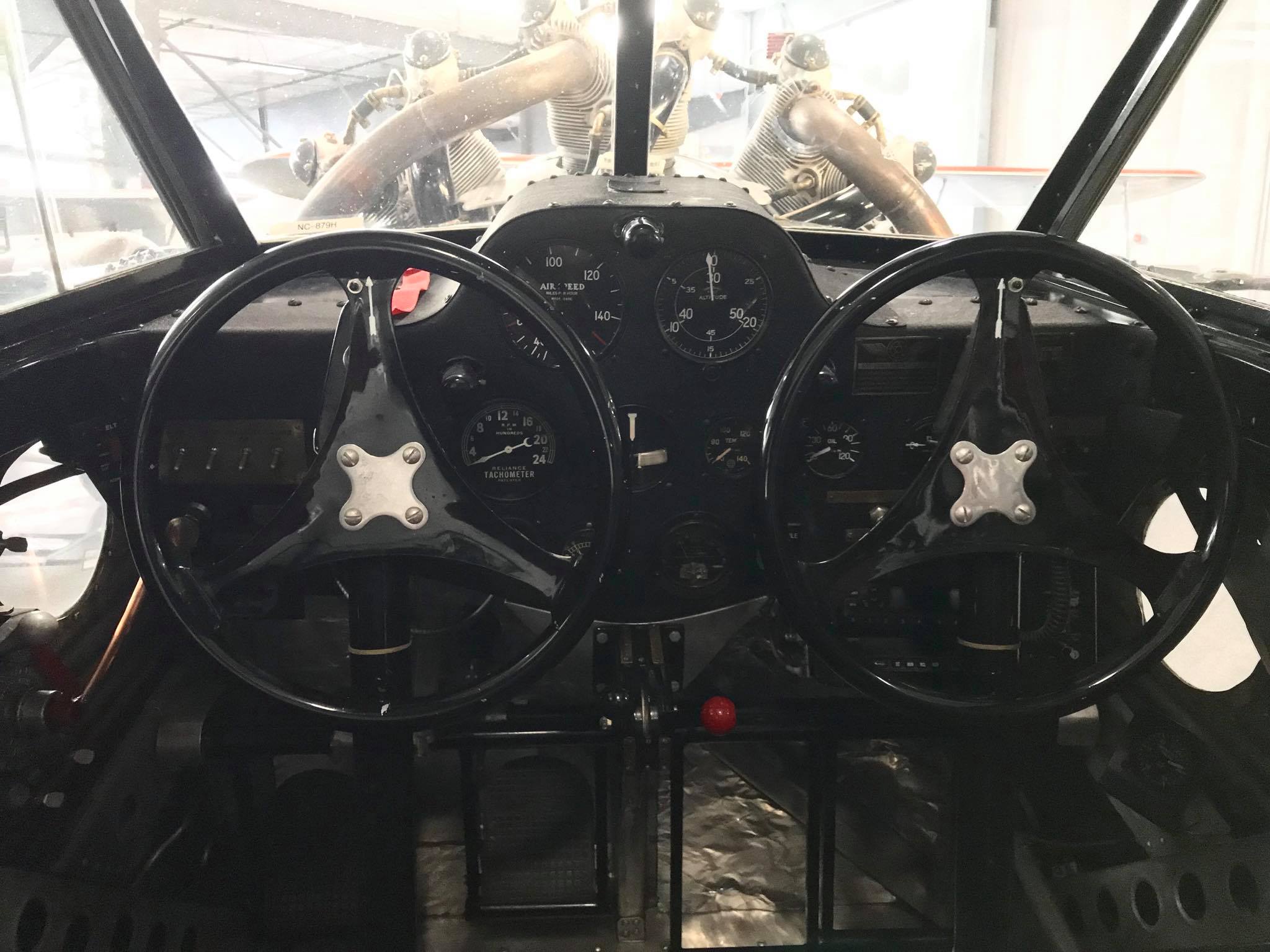
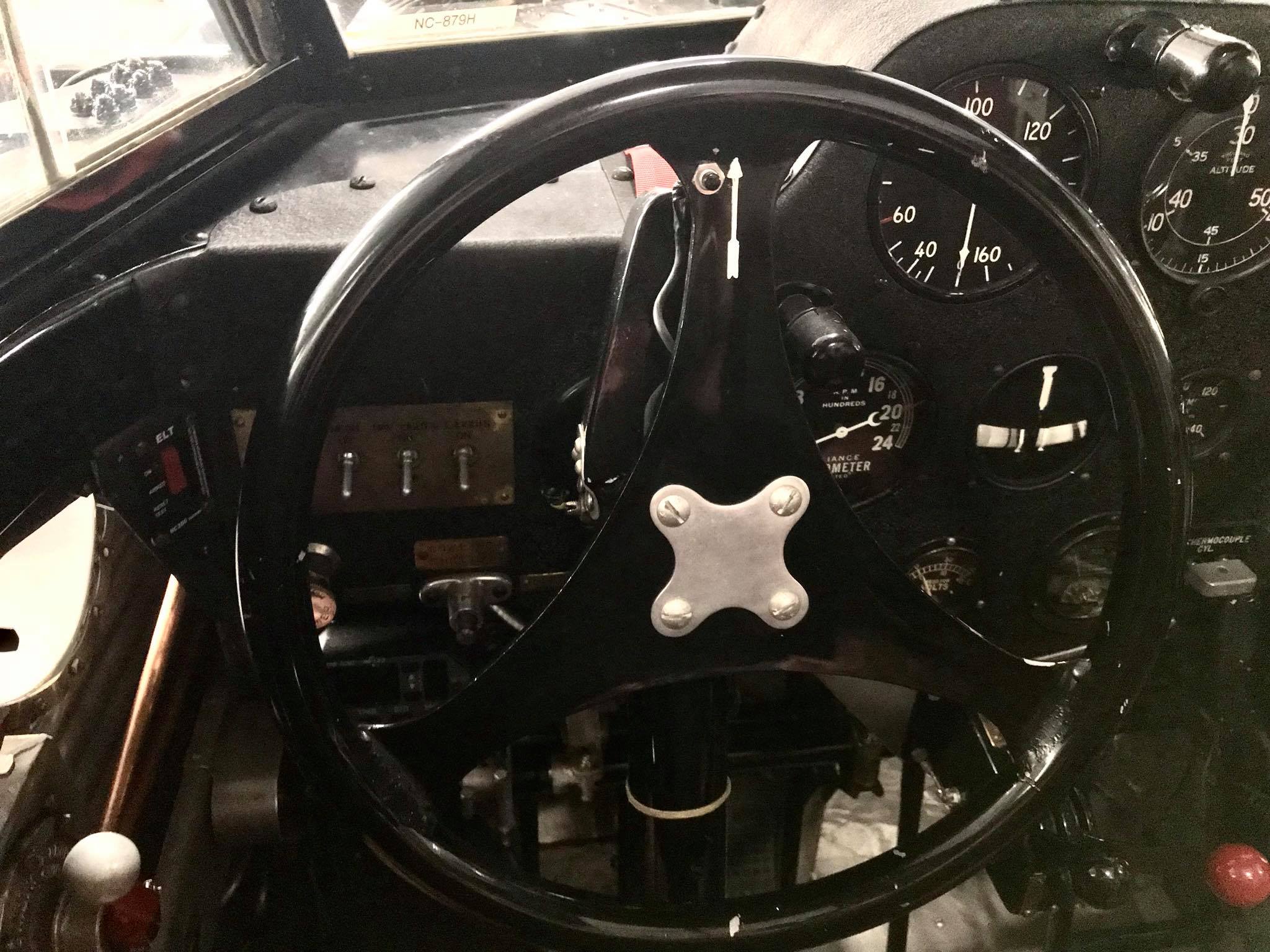
The H-47 had a base model list price of $24,000 with an additional $3,500 for the seaplane configuration. Crew: 2. Capacity: 6 passengers. Powerplant in the original H-47: one 525-hp Pratt & Whitney R-1690 Hornet single-row, 9-cylinder air-cooled radial engine. The cockpit is small; the right seat folds up against the right sidewall so there is room to crawl into the left seat. You get into the right seat by swinging the seat down and into position, standing on it while sticking your head out of the rooftop hatch, and then lowering yourself onto the seat. The airplane does not have an elevator-trim indicator, so positioning the trim for takeoff involves turning the small crank, located above, behind, and between the pilots on the ceiling bulkhead, from one limit to the other while counting the number of cranks (usually 24). You then crank half that amount to position the adjustable horizontal stabilizer in the middle position.
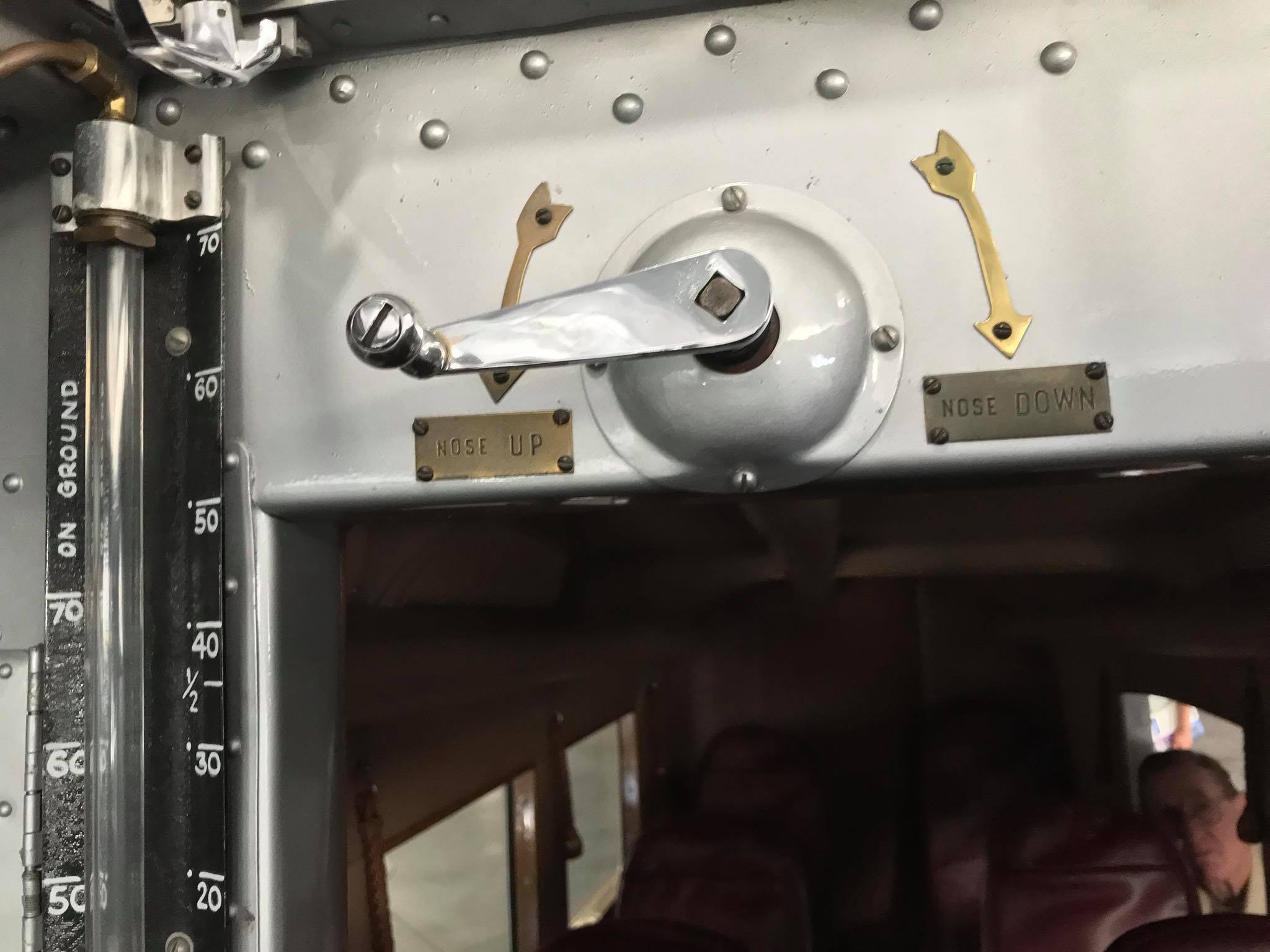
The aircraft has no wing flaps. In the seaplane version, heading into the wind for takeoff, you raise the water rudders using a cable on the left cockpit sidewall and hold the elevator fully aft while advancing the throttle to 1,900 rpm and 32 inches manifold pressure. Gradually release back-pressure, then adjust the elevator. The aircraft lifts off at about 70 mph and climbs at 80 mph. Cruise speed is about 110 mph on floats and about 125 mph on wheels. The control wheels resemble the steering wheel of an automobile and are not particularly responsive, especially in a roll. It takes frequent and substantial aileron input to keep the airplane level.
Editor’s notes: Since the author wrote this profile, H-47 N879H has been acquired by the Fountainhead Antique Auto Museum of Fairbanks, Alaska, which is set to combine its collections with those of the nearby Pioneer Air Museum to create a singular airplane and automobile museum.
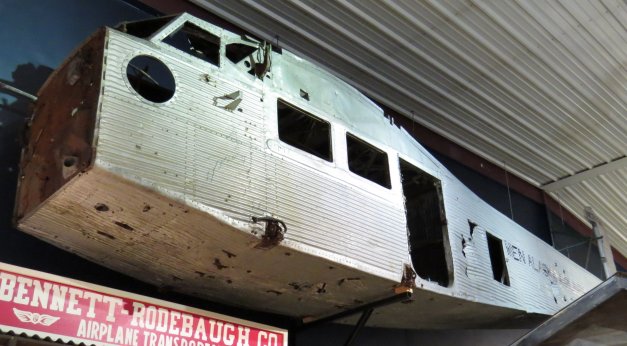
*The fuselage of another Hamilton H-47 Metalplane, aircraft NC7791, is preserved in the collection of the Alaska Aviation Museum in Anchorage, along with the rudder from Metalplane NC876H.
About the author 
Randy Malmstrom grew up in a family steeped in aviation culture. His father, Bob, was still a cadet in training with the USAAF at the end of WWII but did serve in Germany during the U.S. occupation in the immediate post-war period, where he had the opportunity to fly in a wide variety of types that flew in WWII. After returning to the States, Bob became a multi-engine aircraft sales manager and, as such, flew a wide variety of aircraft; Randy frequently accompanied him on these flights. Furthermore, Randy’s cousin, Einar Axel Malmstrom, flew P-47 Thunderbolts with the 356th FG from RAF Martlesham Heath. He was commanding this unit at the time he was shot down over France on April 24th, 1944, and spent the rest of the war as a prisoner of war. Following his repatriation at war’s end, Einar continued his military service, attaining the rank of Colonel. He was serving as Deputy Wing Commander of the 407th Strategic Fighter Wing at Great Falls AFB, MT at the time of his death in a T-33 training accident on August 21, 1954. The base was renamed in his honor in October 1955 and continues to serve in the present USAF as home to the 341st Missile Wing. Randy’s innate interest in history in general, and aviation history in particular, plus his educational background and passion for WWII warbirds, led him down his current path of capturing detailed aircraft walk-around photos and in-depth airframe histories, recording a precise description of a particular aircraft in all aspects.