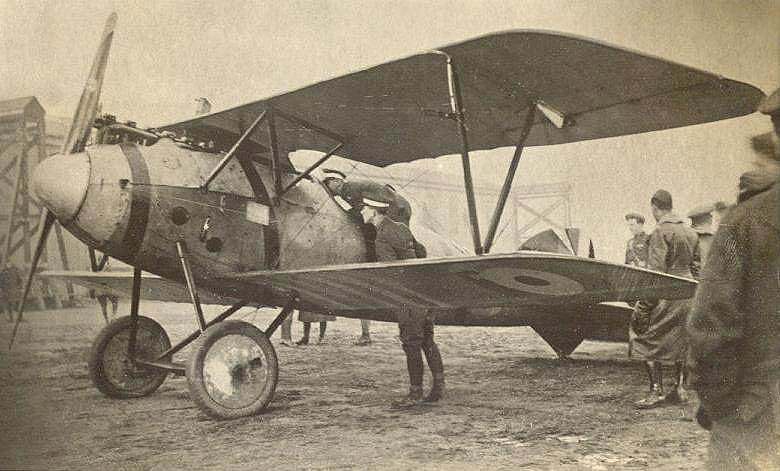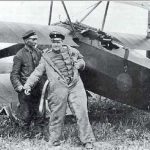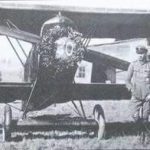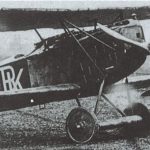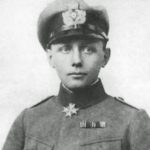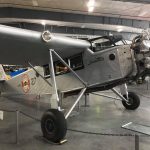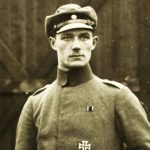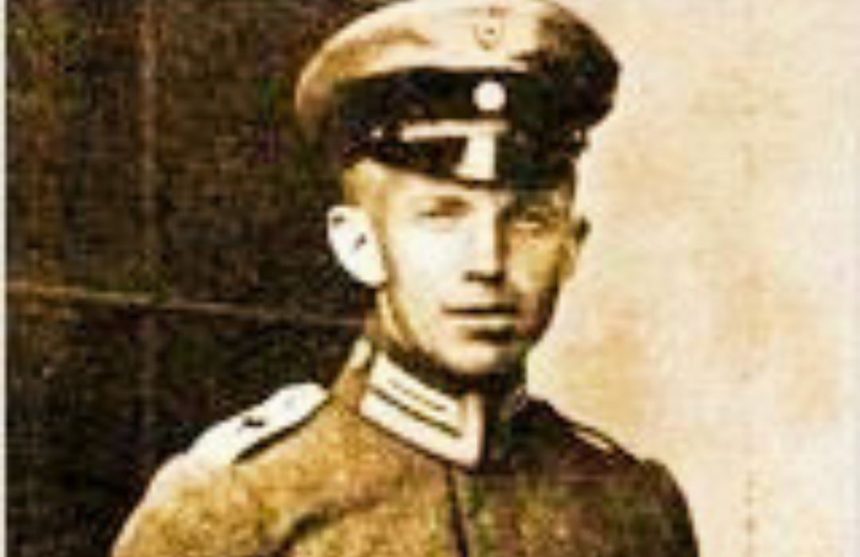

During WWI, many pilots used parachutes after mid-air collisions or after sustaining major damage to their aircraft. For some of them, parachutes saved their life, but for others, they didn’t open. Among the first aces to survive after jumping from the aircraft using a parachute was Otto Fruhner. Born on September 6, 1893, in Silesia, Otto Fruhner started his military career as an aviation mechanic on November 14, 1914, with Field Flier Detachment 4. Then he completed pilot training and, starting in June 1916, flew two-seater aircraft as an enlisted pilot for Flieger-Abteilung (Flight Detachment) 51 on the Eastern Front against the Russians. In August, Otto Fruhner received the Iron Cross Second Class and was promoted. In July 1917, he volunteered to be a fighter pilot and joined Jagdstaffel 26. His first victory came on September 3, 1917, when he shot down two Sopwith planes on the same day. Otto Fruhner had to wait till January for his third victory, which he scored on January 3, 1918, followed by another one the next day.
Ace Journey of Otto Fruhner
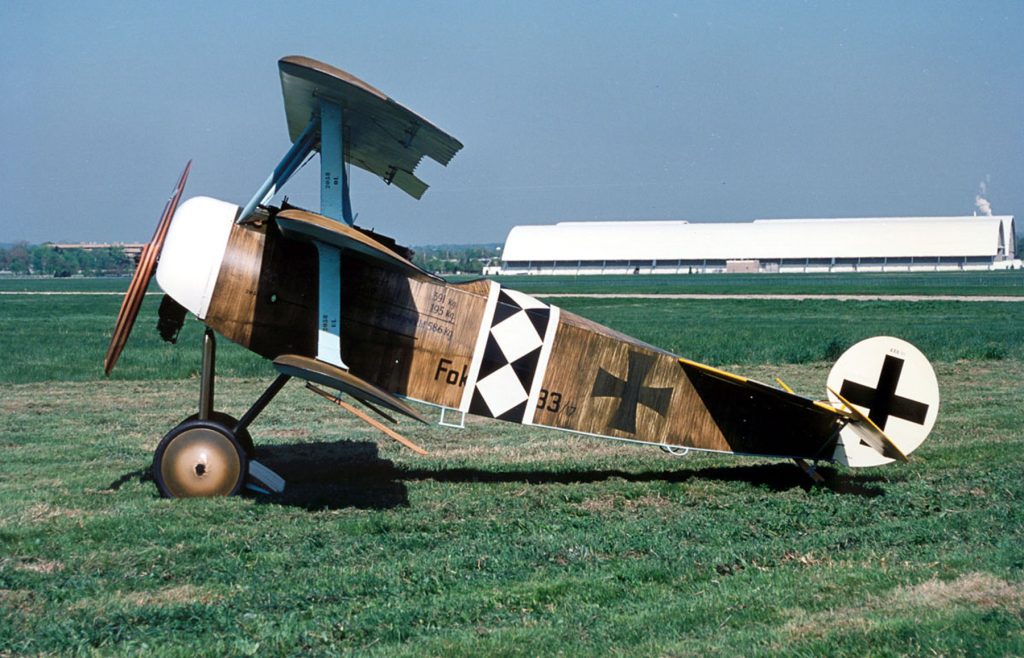
Otto Fruhner became an ace on January 22 after shooting down a Sopwith Camel. He scored one more victory in January, followed by two in February, and one in March, bringing his score to nine. On June 3, he was awarded the First Class Iron Cross. At the same time, he was awarded the Prussian Military Merit Cross, the highest honor for bravery given to enlisted men in the German military. On July 1, he shot down his tenth enemy aircraft and became a double ace. Further, Otto Fruhner shot down three more aircraft in July and five in August. After shooting down two more victories on September 2 and one the next day, on September 4, he shot down three Sopwith Camels from No. 70 Squadron RAF. On that day, the British lost eight fighters, and the dogfight was the RAF’s biggest loss in a single battle during WWI. After that, Fruhner was promoted to Leutnant. He was also nominated for the Pour le Mérite, which is the highest bravery award for German officers. Only five German aces received both awards. However, the Kaiser left his position before he could approve the award. Otto Fruhner scored three more victories to bring his score to 27. On September 20, 1918, during a dogfight with Sopwith Camels from No. 203 Squadron RAF, Otto Fruhner collided with one of the planes. He was injured but managed to jump from his damaged aircraft and parachute to safety. The Camel he hit also crashed, and this was counted as Fruhner’s 27th victory. After this incident, Fruhner was taken off combat duty.
The Legacy
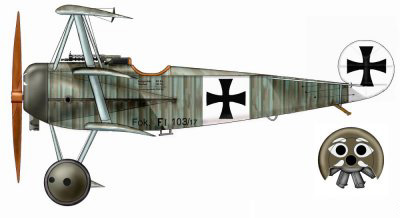
Otto Fruhner was discharged from military service on September 30, 1919. After the war, he worked at a German Commercial Pilot School. On May 1, 1935, he joined the Luftwaffe as a Captain and became the commander of the Pilot School in Ludwigslust. He was promoted to Major on April 1, 1936. He was promoted to Lieutenant Colonel on March 1, 1939, and became the airbase commander in Burg bei Magdeburg on August 26, 1939. On November 7, 1939, Otto Fruhner took charge of the Luftwaffe’s Pilot Training School in Kolberg and served as its airbase commander as well. On August 1, 1940, he became the commander of the Luftwaffe Flight Instructor School and airbase commander at Brandenburg-Briest. Otto Fruhner was promoted to Colonel on September 1, 1941, and to Major General on May 1, 1944. In April 1945, he led a combat group of Luftwaffe personnel at Havelberg on the Elbe. He was taken prisoner that month and released on April 2, 1947. Otto Fruhner died in Villach, Austria, on June 19, 1965. In the Aces series, Otto Fruhner was a brave pilot and teacher who helped his country by training a new wave of pilots. Read stories about more Aces HERE.