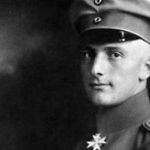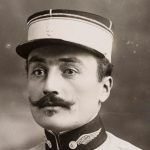
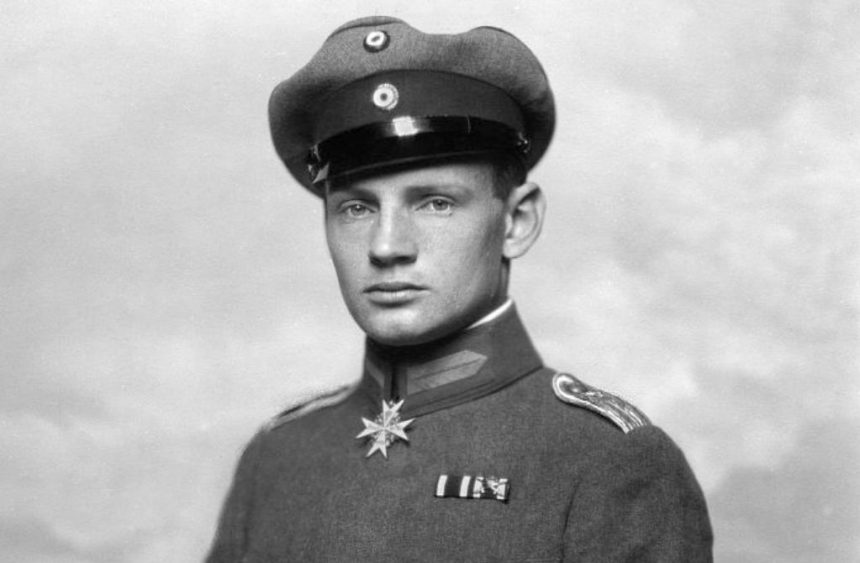

In WWI, many individuals served in the land forces first before joining the air forces. But only a few left their mark while serving with both forces. One such individual was Heinrich Gontermann. Born on February 25, 1896, in Siegen, Germany, Gontermann joined the 6th Uhlan Cavalry Regiment in August 1914. As soon as he joined this unit, he was sent to the battle, where he was wounded in September 1914. He demonstrated leadership from the start of the war, and in the spring of 1915, he was promoted to lieutenant and awarded the Iron Cross Second Class. Later in 1915, he requested a transfer to the German Air Service, which was accepted, and he completed pilot training in early 1916. Initially, he flew in reconnaissance units, flying a Roland C.II with Kampfstaffel Tergnier and the AGO C.I with FA 25. He requested a transfer to the fighter unit and joined Jasta 5 after completing fighter pilot training on November 11, 1916. In his new unit, Heinrich Gontermann flew Albatros D.III aircraft. He did not waste much time, and just three days after joining Jasta 5, on November 14, he shot down an F.E.2b to gain his first and sole victory of 1916.
Ace Journey of Heinrich Gontermann
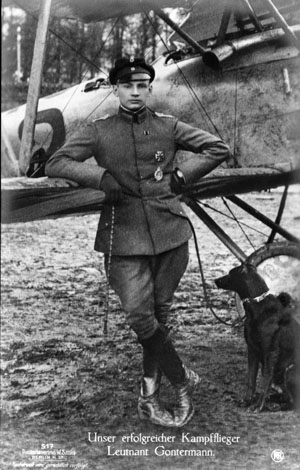
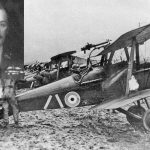
After a slow start to 1917, Heinrich Gontermann managed to destroy three F.E.2bs by mid-March. On March 24, he shot down a Sopwith 1½ Strutter to complete five victories and officially became a flying ace. On March 25, he shot yet another Sopwith 1½ Strutter. In April 1917, also called Bloody April, Germany’s biggest air raid on Britain and France in WWI, Gontermann destroyed 11 aerial targets to reach a personal score of 17. In May, he joined Jasta 15 as the unit commander. With this unit, he scored his first victory on May 4, when he shot down a SPAD. On May 6, he was awarded the Knight’s Cross with Swords of the Royal House Order of Hohenzollern. He shot down two aircraft on May 10, following a victory on May 11 to reach a score of 21. For this, he was awarded the Pour le Mérite, informally known as the Blue Max, on May 12, with which he was granted four weeks’ leave. After returning, he shot down two aerial targets in June, followed by two in July, and 10 in August, reaching a personal score of 35. Among all the victories he had scored since August, 17 were balloons. He destroyed three aircraft in September and achieved his 39th and final victory on October 2, when he shot down a SPAD.
Death and Legacy
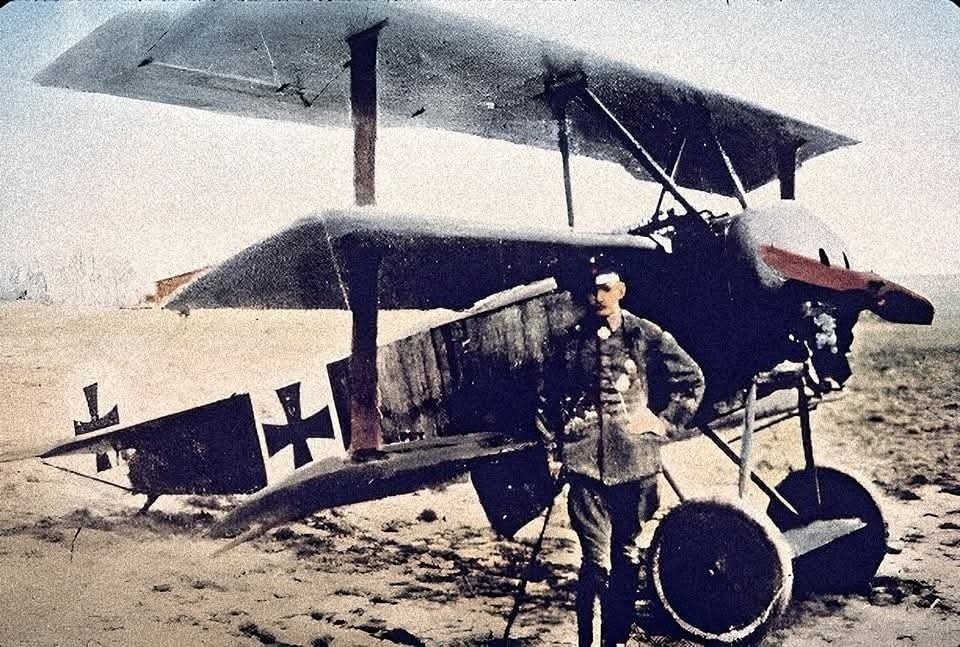
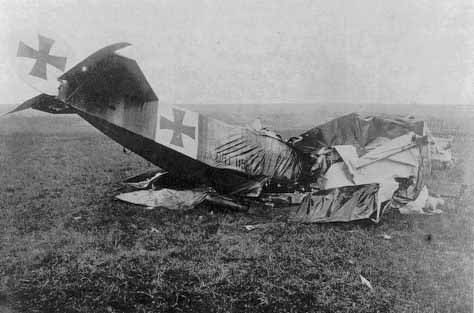
As the German Air Squadrons were shifting towards a new airplane, the Fokker Dr.I, many pilots were given the responsibility to try it, including Gontermann. On October 30, 1917, Heinrich Gontermann flew a Fokker Dr.I plane, and a few minutes into the flight, he attempted aerobatic maneuvers at nearly 2,300 feet. During the second loop, the upper wing broke off, and the plane crashed to the ground. Gontermann survived the initial impact but suffered severe head injuries from hitting the machine gun breech. He was taken to the hospital, but he could not survive due to deep wounds. He was one of several German pilots who died while testing the Fokker Dr.I. Following these incidents, Fokker faced accusations of poor construction and was told to change how the plane was produced. Out of all 39 victories, 17 were balloons, seven were SPADs, six were F.E.2s, three were Caudrons, two were Sopwith 1½ Strutters, and one each were B.E.2c, R.E.8, Sopwith Triplane, and Nieuport. On August 19, 1917, he shot down four balloons in three minutes. In the Aces series, Heinrich Gontermann stands out as a courageous ace who was not overpowered by an enemy plane but defeated by internal issues. Read about more Aces HERE.