






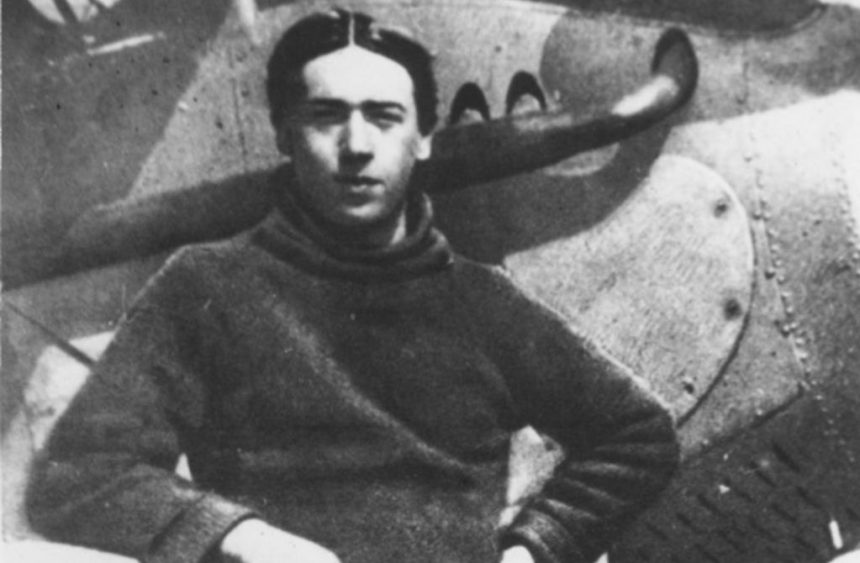

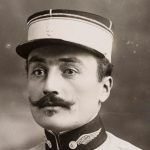
Some aces scored victories in WWI, while others did so in WWII; however, very few achieved victories in both conflicts. One such ace who scored in both wars was Marcel Haegelen. Born on September 13, 1896, in Belfort, France, Haegelen volunteered for military service on September 15, 1914, to join the 27th Infantry Regiment. He first stayed behind the lines in support roles and did not go to the front until February 16, 1915. On April 10, 1915, he got typhoid fever and was evacuated to recover, and it took him several weeks to get better. During this time, with his father’s support, Marcel Haegelen volunteered for the aeronautical service. His application was accepted on July 25, 1915, and he was assigned to aviation schools. He completed his pilot training in January 1916 and joined Escadrille 8, a reconnaissance squadron. After spending some time in this unit, he underwent fighter pilot training and joined Escadrille 3 in February 1917. His first combat victory came on May 27, when he shot down an EA airplane, followed by another victory on May 28.
Marcel Haegelen’s Ace Journey
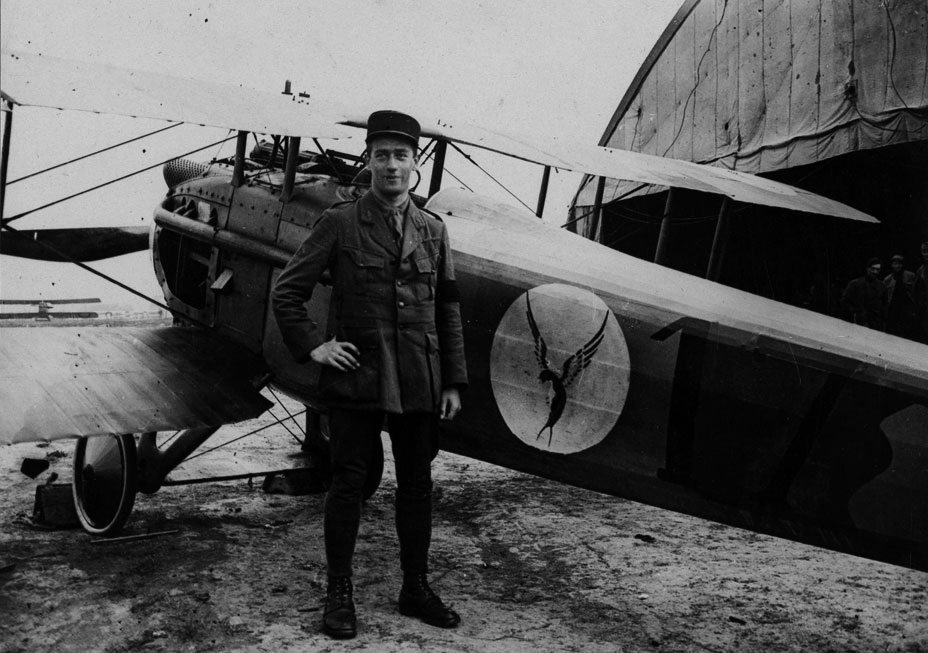
On May 29, Marcel Haegelen crashed his SPAD airplane and was injured. After the accident, he could only recover by September and joined the SPA 103 squadron. He could not score more victories in 1917, and in March 1918, he was transferred to the newly formed SPA 100 as a second lieutenant. In this new unit, on March 23, he shot down two Albatros D.Vs. On June 6, he destroyed an enemy observation balloon to become an ace with five official victories. He shot down another balloon on the following day, followed by two more victories in June to reach a personal score of eight. He scored four victories in July, two in August, six in September, and three in October, ending his WWI with a personal score of 23. Among Marcel Haegelen’s victories, 12 were balloons, seven were EA aircraft, two were Albatros D.Vs, and one each was a Fokker D.VII and a two-seater aircraft. After the armistice, he remained in the French Armed Forces. He served in various units, including in Germany and Poland. On August 3, 1920, Marcel Haegelen left the army but stayed in Poland and became the director of the Warsaw center of the Franco-Romanian air navigation company. He worked there for a year and a half before returning to France. On May 1, 1922, he officially joined Hanriot, an aircraft company, and became their chief pilot at their factories in Levallois and Reims. On August 3, 1925, he reenlisted for four months to serve in Morocco during the air campaign against the Rifian insurgents. After returning to France on November 25, 1925, he rejoined Hanriot as chief pilot and test director. In his role, he tested new aircraft, promoted them, and participated in rallies and air shows abroad. Flying a Hanriot HD 4½ racing aircraft, he won the Michelin Cup in 1931 and 1932, setting a speed record of 263 kmph (163 mph) over 2,000 km (1,240 miles). In addition, Marcel Haegelen became president of the French Civil Pilots Union.
Participation in WWII
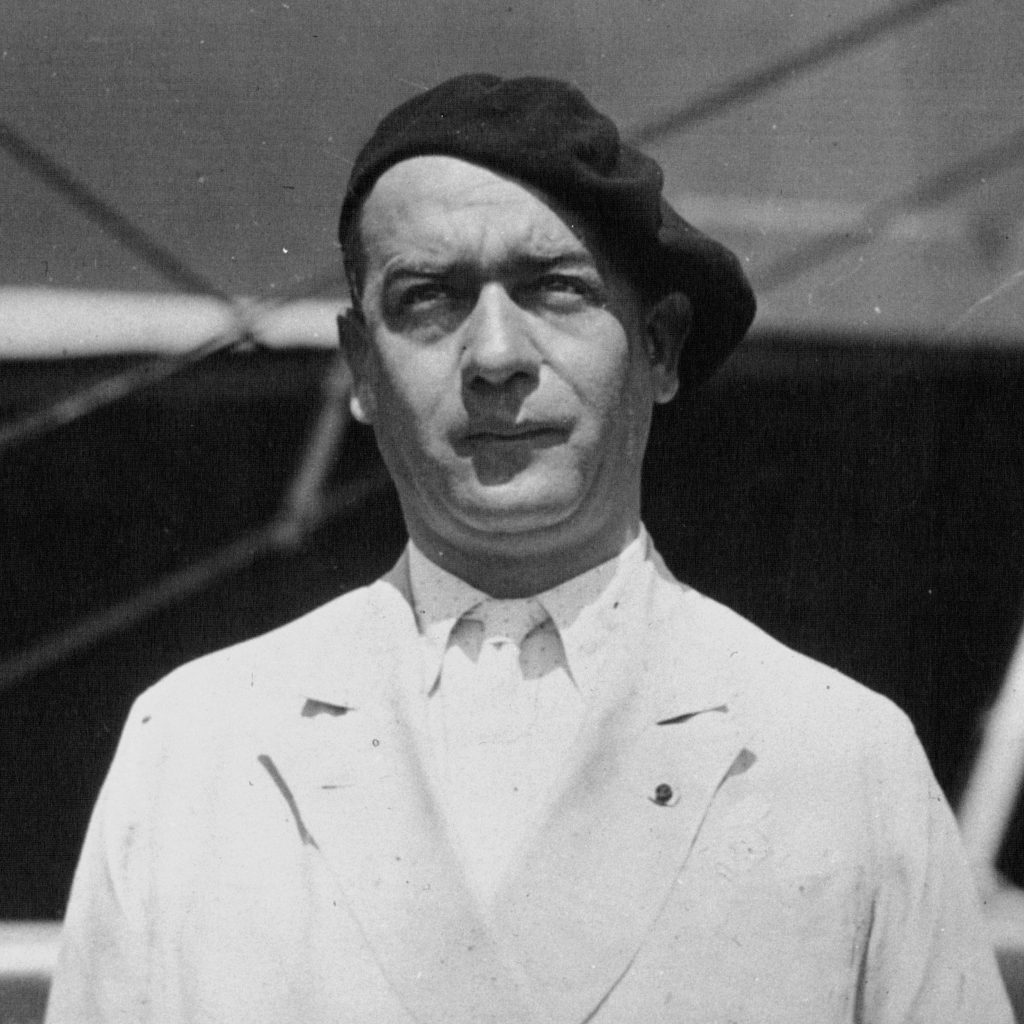
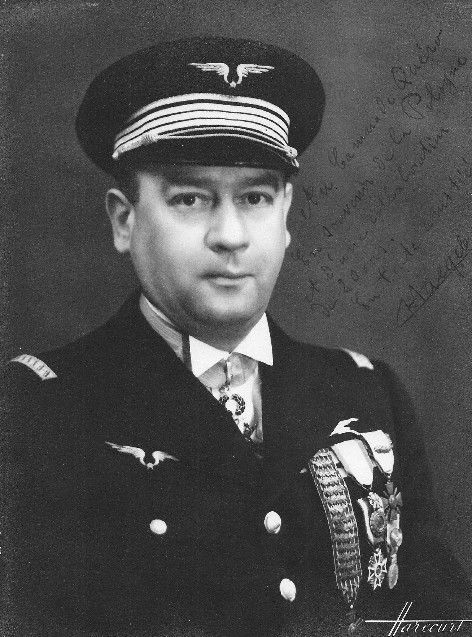
When WWII began, Marcel Haegelen was 43 years old but still a skilled military pilot. He was based in Bourges, where he formed an air defense patrol unit with Curtiss H-75 fighters. In June 1940, during a Luftwaffe attack on aircraft factories in central France, Lieutenant Colonel Marcel Haegelen flew his Curtiss H-75 to shoot down a German Heinkel He 111, his 24th overall victory and first in WWII, making him a part of a handful of aces who scored in both world wars. However, Bourges soon became part of the occupied zone, and its factories had to produce aircraft for Germany. Marcel Haegelen had to work for the enemy, but soon found a way to serve his country. On May 12, 1941, he started working for the “Air” intelligence service and provided weekly reports on German activities at the Bourges factories. He was arrested by the Nazi secret police force, Gestapo, on March 12, 1943, and taken to prisons in Bourges, Orléans, and later Fresnes, from which he was eventually released. On May 2, 1945, he returned to active duty in the Air Force and became the commander of the Avord airbase with the rank of colonel. On February 26, 1947, he was promoted to Inspector General of the Air Force. On August 1, 1947, he was assigned to the Light and Sport Aviation Service as the head of the military bureau. He continued to participate in air shows and exhibitions, including parachute jumps. He died suddenly from a cerebral hemorrhage on May 24, 1950. In the Aces series, Marcel Haegelen stands out as a unique ace who scored in both world wars and rose to the top with his flying skills and courage. Read stories about other Aces HERE.





No mention of Canadian ace Billy bishop with 72 kills, highest scoring allied ace. I wonder why that is?
He will be featured in one of the upcoming articles.