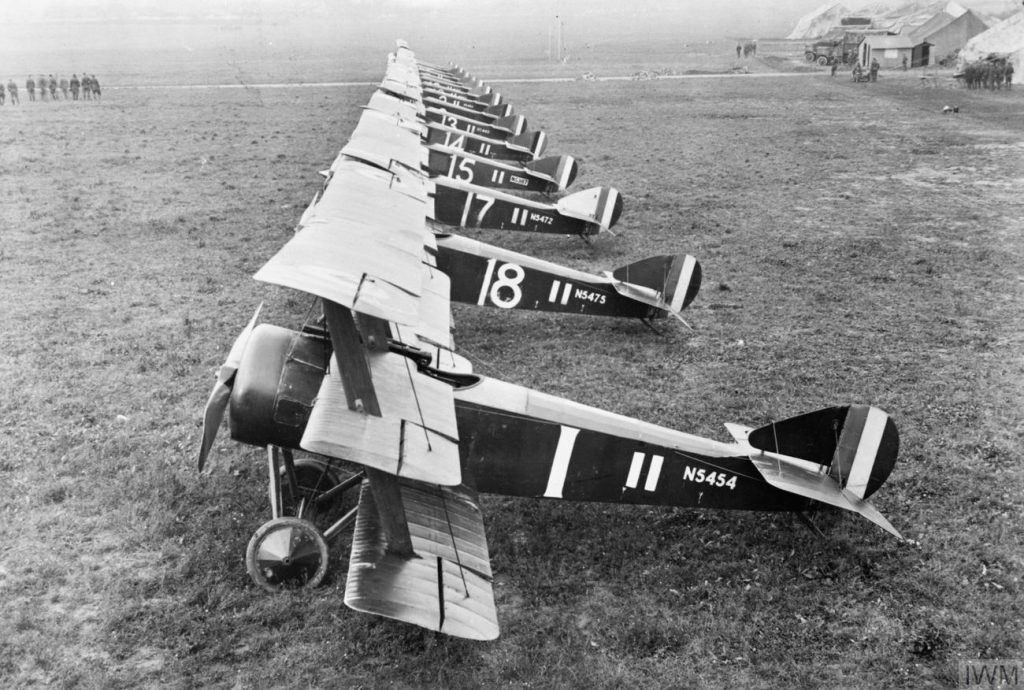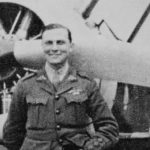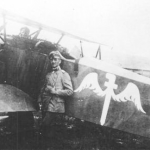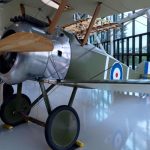
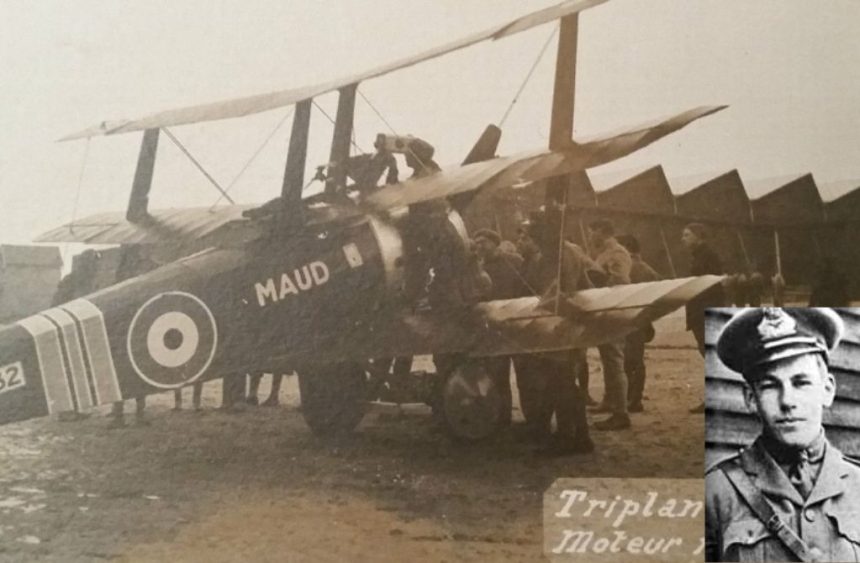

During WWI, aerial fighting and bombing were focused on land-based trench warfare. Many pilots became aces while flying over the Western and Eastern Fronts. But there are a few pilots who could become aces while serving at maritime fronts. One among them was Charles Dawson Booker. Born on April 21, 1897, in Kent, England, Booker spent the initial few years studying in Australia. He returned to England in late 1911 to complete his education. He joined the Royal Naval Air Service as a Flight Sub-Lieutenant on September 8, 1915. Initially, after serving with the 5th Naval Wing, he joined the Naval Squadron in 1916. His first victory came while flying a Sopwith Pup aircraft, when he downed an Albatros D.III out of control on January 23, 1917. He then received a new Sopwith Triplane aircraft, in which he went on to score 21 more victories before transitioning to a Sopwith Camel. He did not score in February and March.
Ace Journey of Charles Dawson Booker
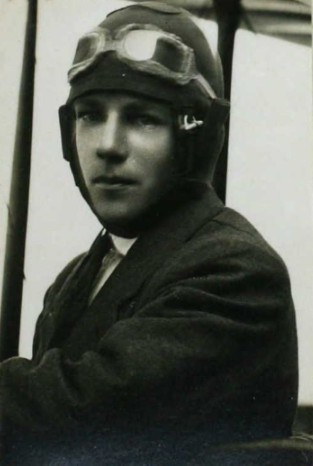
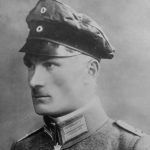
In April 1917, Charles Dawson Booker shot down an Albatros D.II on April 7, 1917, followed by three more victories, with the last coming on April 30, when he officially became a flying ace. He destroyed nine aircraft in May, and by the end of this month, his personal score stood at 14. He further downed four planes in June, and in the same month, he was awarded the Distinguished Service Cross. The citation of his award said, “For special gallantry in the field on numerous occasions, especially the following: On April 26, 1917, he [Charles Dawson Booker] went to the assistance of some of our photographic machines, which were about to be attacked by twelve Albatross scouts. One of these he fired on at close range and brought it down out of control. On May 24, 1917, whilst on patrol, he went to the assistance of a formation of our machines, which was being attacked by nine hostile scouts. He attacked one of the latter, which was driven down in flames and crashed. Later in the same day he attacked and drove down out of control another hostile machine. On numerous other occasions, he has attacked enemy machines and driven them down out of control.” Charles Dawson Booker shot down two aircraft in July to bring his personal score to 20. Booker scored his 21st victory on August 11, 1917, when he shot down an Albatros D.V piloted by German ace Adolf von Tutschek. Moments later, Booker was shot down, but he landed safely behind British lines. On August 18, 1917, he scored his final victory with the Sopwith Triplane, which was his last victory of the month as well. Equipped with a new Sopwith Camel, he scored his first victory on September 27, 1917, which was his last victory of the year 1917. His personal score at the time was 23. However, as Charles Dawson Booker and Naval 8 were removed from the front, he had to return to England.
The Second Innings and Death
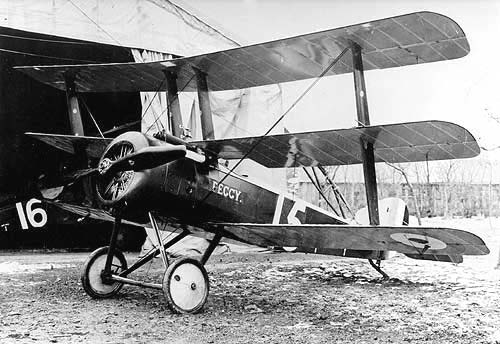
After some time in England, Charles Dawson Booker was returned to the front, this time with the newly formed Royal Air Force (RAF), which was the combination of the Royal Flying Corps and RNAS. He was appointed the commander of 201 Squadron, and his rank was major. The RAF was formed on April 1, 1918, and Charles Dawson Booker joined the service as a commander at the same time, when he was not even 21 years old, perfectly showcasing his skill set at a very young age. In his new unit, Charles Dawson Booker continued flying a Sopwith Camel. He downed two aircraft in May 1918 and one in July, to increase his personal score to 26. On August 13, 1918, when Booker was patrolling with a new pilot, he found himself facing a German formation of six aircraft, mostly, or all, Fokker D.VIIs, which is not confirmed. However, flying a Sopwith Camel, Booker shot down three Fokker D.VII out of six aircraft but died from wounds received the same day when German ace Ulrich Neckel shot him down. He died at a young age of 21 with a personal score of 29. He scored 1 victory while flying Sopwith Pup, 21 with Sopwith Triplane, and seven with Sopwith Camel. In terms of opponents, he shot down 10 Albatros D.III, nine Albatros D.V, four Fokker D.VII, two C-type aircraft, and one each of Albatros D.II, LVG C, Aviatik C, and Rumpler C planes. At a very young age, Charles Dawson Booker demonstrated a perfect temperament as a pilot and later as a leader. In the Aces series, Charles Dawson Booker stands out as an ace who, even while facing death, showed courage and killed three aircraft. Read more stories about other aces HERE.