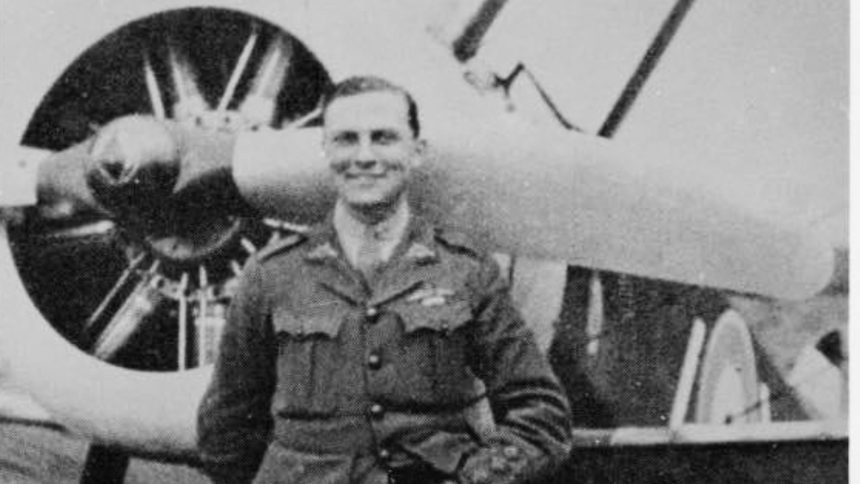

During World War I, observation balloons were widely used to spot enemy positions from high altitudes. It was hard to shoot down these balloons because they were located behind enemy lines and were protected by anti-aircraft guns. However, there was a British flying ace, Henry Woollett, who shot down 30% of the balloons among all his victories and became the highest-scoring British balloon-busting ace. Born on August 5, 1895, as a doctor’s son, he was pursuing medical studies when World War I began. He enlisted in the military and was commissioned as a second lieutenant in the infantry on November 18, 1914. In December, he was promoted to lieutenant and fought with the land forces until early 1916, when he requested a transfer to the Royal Flying Corps (RFC). His request was accepted, and in October 1916, he was appointed as a flying officer.
Henry Woollett Ace Journey
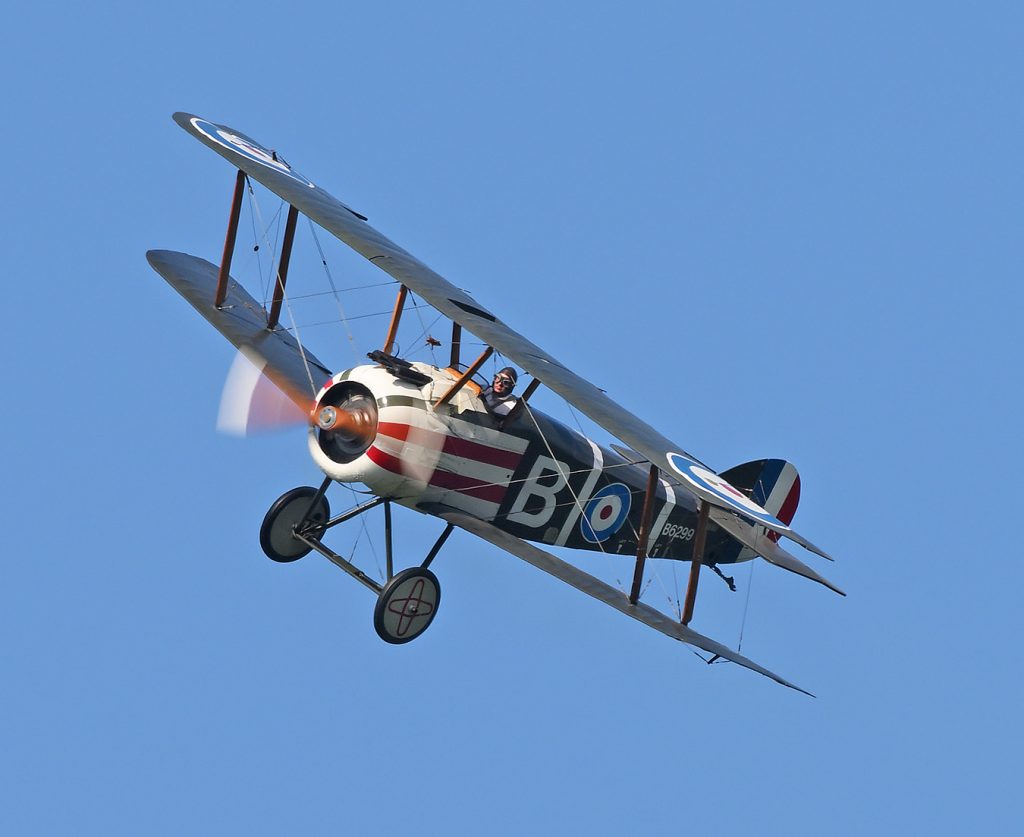
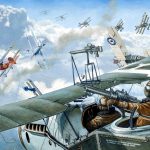
In November 1916, Henry Woollett joined No 24 Squadron RFC, where he received an Airco DH.2 fighter. Flying this fighter, he achieved his first victory in April 1917, when he shot down a German Albatros D.III. After his first victory, the No 24 Squadron was equipped with Airco DH.5 fighters. With the new fighter, Henry Woollett scored three victories in July and one victory on August 17 to become an official flying ace. After becoming an ace, he was posted back to England to serve as a flight instructor. In January 1918, he was awarded the Military Cross, which said, “For conspicuous gallantry and devotion to duty in engaging three enemy aircraft and following them down to a low altitude behind the enemy’s lines, destroying one and driving down another out of control during the operations. He [Henry Woollett] has done excellent work as a patrol leader and has always displayed great gallantry in aerial combats, having brought down three other enemy machines in addition to those already mentioned.” Henry Woollett returned to the flying service in March 1918 with No. 43 Squadron, where he flew a Sopwith Camel. He quickly returned to combat success, scoring 10 aerial victories, including two balloons, in March, bringing his personal score to 15. He continued his successful run in April by destroying 11 aerial targets, including six German aircraft and five balloons. Interestingly, all six German aircraft, including five Albatros D.V and one C-type, that Henry Woollett shot in April came on a single day, April 12, 1918. Such a single-day run was rarely achieved in World War I, or even after that. Explaining how Henry Woollett fought that day was perfectly described by Belgium’s World War I top ace, Willy Coppens, “Captain Woollett of No. 43 Squadron achieved the war’s record by bringing down six enemy aircraft in one day, very largely owing to the excellent qualities of his machine. Thus, at 10.30 am, whilst leading a patrol, he saw a German machine gun, outmanoeuvred it, fired about 30 rounds, and saw it spin down and crash.”
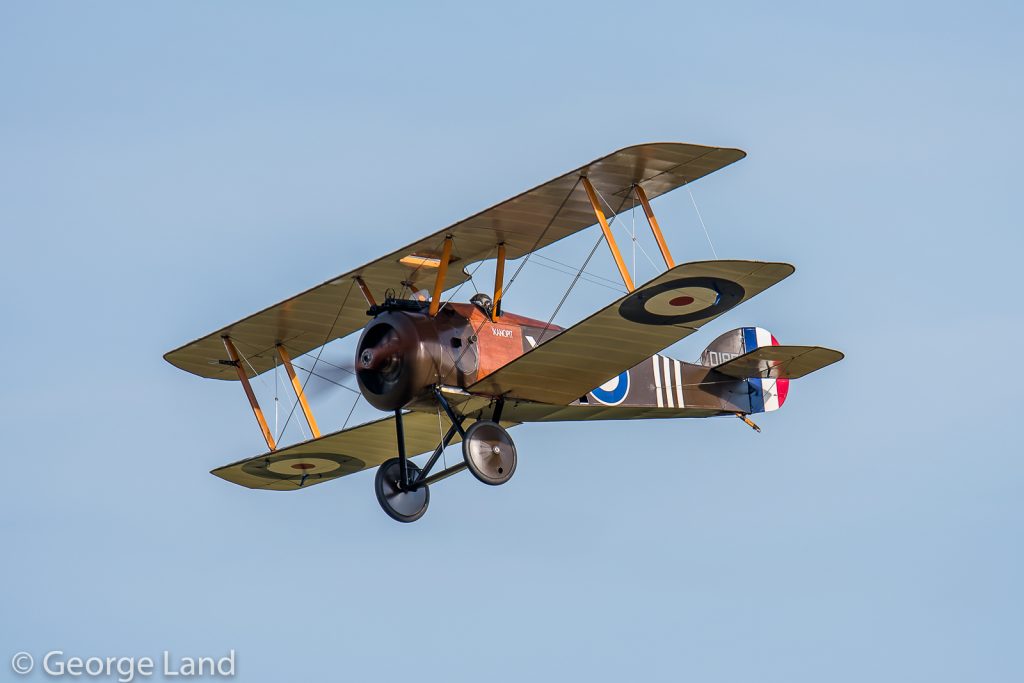
“During this fight, he had been attacked by several other machines. Without delay, he climbed rapidly above his attackers and dived on to a two-seater, firing as he went, causing this machine also to crash. Once again, he out-climbed his opponents, looped away from two attacking Fokkers, made a vertical bank, and again dived on the tail of an Albatross. After he had fired about 40 rounds, the machine burst into flames and fell to pieces. He then went home. At 5 pm the same evening, he attacked thirteen enemy aircraft, having absolute confidence in his own skill as a pilot and knowing that his machine could outmanoeuvre any of those he was attacking. He first fired 30 rounds into one of the enemy aeroplanes, which turned over on its back and fell to pieces. He then climbed again, manoeuvred rapidly among the remaining twelve machines, avoiding the fire of his opponents until he could fire a burst into an Albatross, which spun down and crashed. He then made for home. On crossing the lines, he saw another enemy machine above him. Once more, the climb of his bus enabled him to get over his enemy, and he crashed his sixth machine for the day. This day’s work, the record for the war, illustrates the necessity for speed in the air—speed in climb and maneuverability,” Coppens added.
Courage and Valor
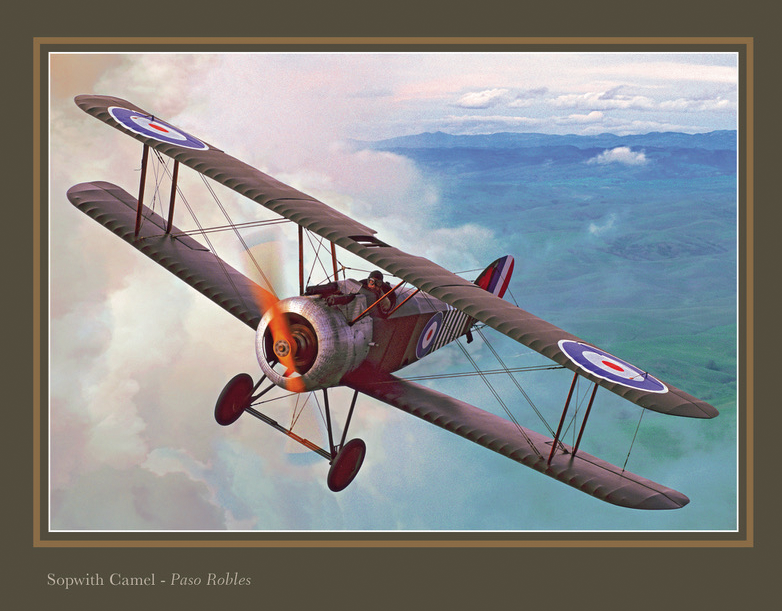
Henry Woollett stood at 26 victories by the end of April. In May, Henry Woollett destroyed three aerial targets to reach a personal score of 29. In June 1918, he was awarded a Military Cross (MC) Bar with a citation, “For conspicuous gallantry and devotion to duty. On one occasion, when on offensive patrol, he dived onto an enemy plane, which was attempting to cross our lines, and fired 100 rounds into it at 100 yards range, causing it to burst into flames and crash to the ground. He then dived onto another hostile machine, which went down in a spin and finally crashed to earth. On a later occasion, he [Henry Woollett] attacked and brought down in flames two enemy observation balloons. The gallantry and skill exhibited by this officer have been most inspiring to his flight.” In July, Henry Woollett downed three balloons and two aircraft, and his final victory came on August 9, 1918, when he shot down a Fokker D.VII to end his war with 35 victories, including 11 balloons. From his 11th to 33rd victory, he used a single Sopwith Camel, serial number D6402, to score these 23 victories. After World War I, Henry Woollett was awarded the French Legion of Honour and the Croix de Guerre with Palm. He continued to serve the Royal Air Force until the 1930s. For a brief period, he also served in the Royal Air Force as an acting pilot officer during World War II, before resigning in February 1942. Henry Woollett died on October 31, 1969. In the Aces series, Henry Woollett was a perfect combination of courage, leadership, valor, and skill. Whether destroying 11 balloons in his career or six aircraft in a single day, his story reminds us of the kind of bravery people demonstrated in what were probably the first ever aerial battles in the world. Read more Aces stories HERE.