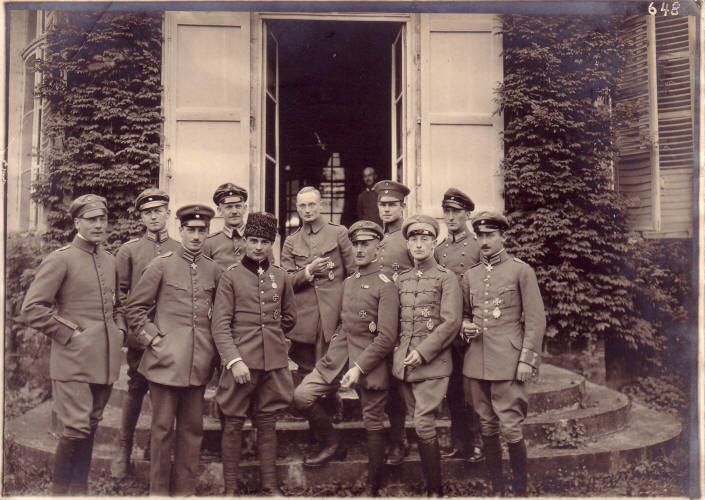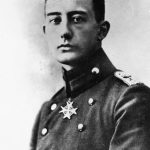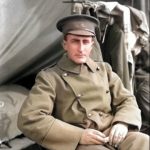


While operating a simple rifle, a soldier needs both hands to aim and fire it effectively. But there was a World War I flying ace who not only flew a fighter plane with one hand but also scored nearly 35% of his total victories while doing so. Rudolf Berthold was a German fighter pilot during World War I. Between 1916 and 1918, he was credited with 44 aerial victories. A large part of these victories came after he was badly wounded and could use only one arm while flying. Berthold was born on March 24, 1891, in Ditterswind in the Kingdom of Bavaria. He grew up in a rural environment where his father worked as a forester. He completed his education in Bamberg and later prepared for military service. Berthold joined the infantry in 1910, and in 1913, he learned to fly at his own expense and qualified as a pilot. At the time, military aviation was still new, and pilots often arranged their own training before entering service. At the start of World War I in 1914, Berthold was first assigned as an aerial observer with the German Air Service. He flew reconnaissance missions over the Western Front. During a mission, he reported French troop movements that prompted changes in German positions. For this work, Rudolf Berthold received the Iron Cross. He later completed full pilot training and returned to flying duties in early 1915.
Rudolf Berthold’s Ace Journey
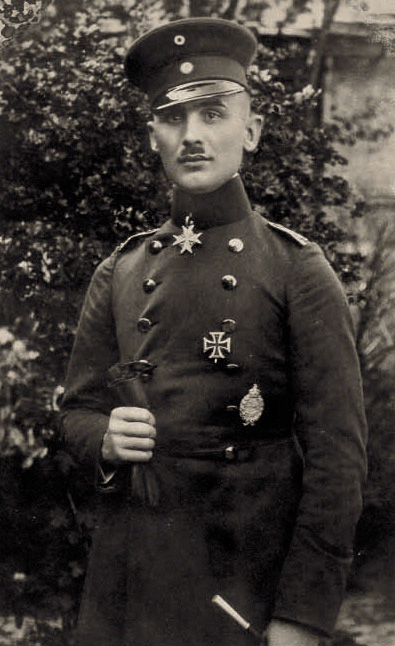
In 1916, Rudolf Berthold moved into fighter operations as Germany began forming dedicated fighter units. He was placed in command of one of the early single-seat fighter detachments. These units were created to protect reconnaissance aircraft and engage enemy planes. On February 2, 1916, he scored his first confirmed aerial victory. His second victory came on February 5, with his third coming on March 13. He initiated his April with a victory when he shot down a Farman aircraft. On April 16, he shot down a B.E.2c aircraft to complete his five victories and become an ace officially. On April 25, 1916, Berthold was seriously injured in a crash. Rudolf Berthold suffered multiple fractures and damage to his eyesight. He was unable to fly for several months but remained in command of his unit. Injured and wounded several times throughout the war, Berthold earned a reputation for returning to duty before he had fully recovered. After the injury, he resumed his flying duty in late July and shot down a Nieuport on August 24. The next day, he took command of Jagdstaffel 4, and by October 1916, Rudolf Berthold had reached eight victories and was awarded the Pour le Mérite, Germany’s highest military decoration at the time. Later that year, he took command of the newly formed Jagdstaffel 14, where he focused on training and discipline within his units. His efforts also included equipping his squadron with newer aircraft, including the Albatros series.
The Death
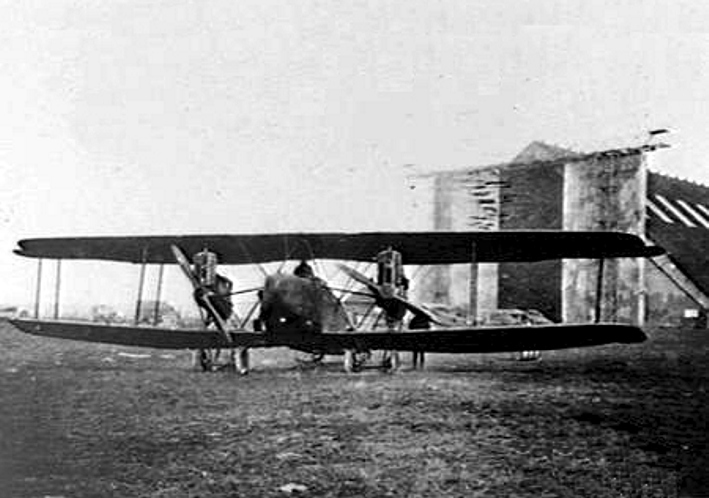
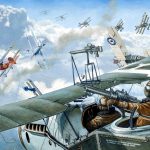
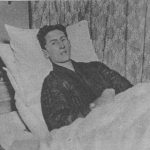
In March 1917, Rudolf Berthold returned to flying duty and shot down one aircraft in the month. In April, he shot down three aircraft. He commanded Jagdstaffel 14 until he was badly injured in an accident on May 23, 1917. Recovering from a broken nose, fractured skull, thigh, and pelvis, he returned to duty the following August and assumed command of Jagdstaffel 18. He shot down one aircraft in August and 14 in September. He was wounded again on October 10, 1917, when a bullet shattered his right arm. Despite the injury, he managed to land his aircraft. The damage to his arm required long-term treatment, and he lost full use of it. In 1918, Berthold returned to duty to command Jagdgeschwader 2. Although he was officially not cleared to fly, he resumed flying combat missions. He adapted his flying to compensate for the limited use of his arm. He flew aircraft such as the Fokker D.VII and continued to score victories. Between May 1918 and August 10, 1918, Rudolf Berthold added 16 more kills to his total, flying with one hand and bringing his total to 44. On August 10, 1918, during a combat mission, he lost control of his aircraft at low altitude and crashed. He survived but suffered further injuries. After this crash, he did not return to flying. After the war, Rudolf Berthold remained involved in military activities. In 1919, he formed a Freikorps unit made up of former soldiers. These units operated in various regions during the unstable period after the war. In early 1920, his unit was involved in the Kapp Putsch, an attempted coup against the German government. During fighting in Harburg on March 15, 1920, Berthold was shot and killed. Rudolf Berthold finished the war with 44 confirmed aerial victories. He served both as a fighter pilot and as a unit commander. In the Aces series, he stands out for continuing to fly after severe injuries, including missions flown with the limited use of one arm. Read about more Aces HERE.