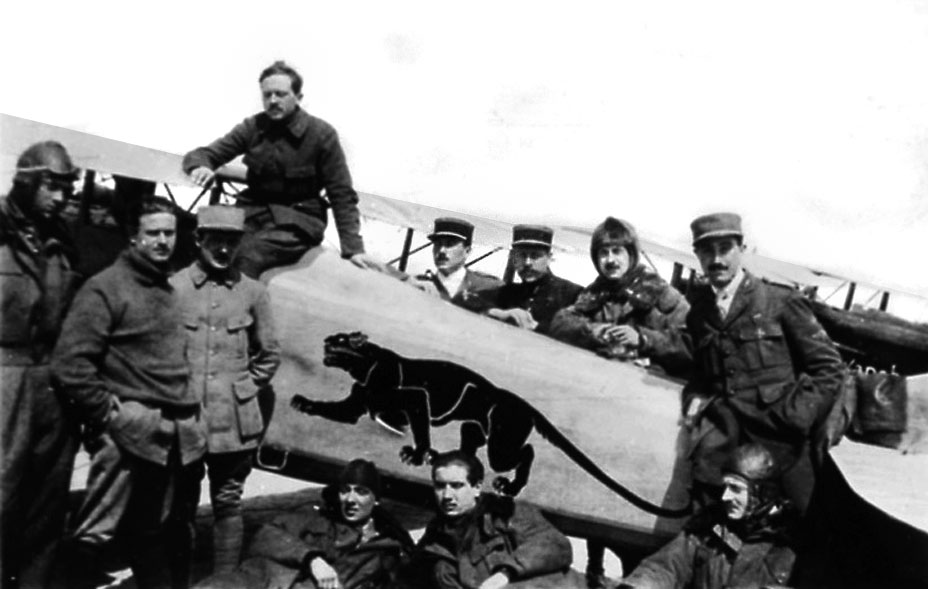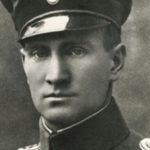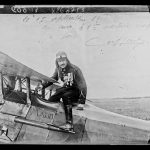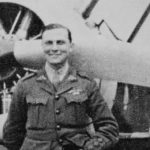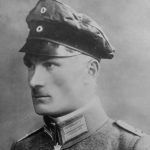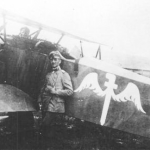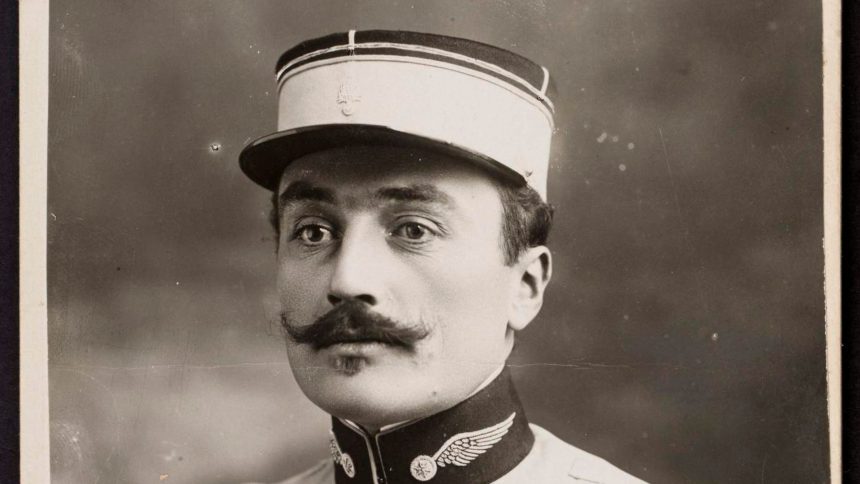

During WWI, air warfare was still new, and most aces and pilots learned to fly an aircraft after the war started. But there was a flying ace, Armand Pinsard, who entered the war as a prewar pilot. Born on May 28, 1887, in Nercillac, France, Pinsard joined the army in 1906 and was decorated twice for service in Africa. He was transferred to the French Air Service in 1912. Even before the war broke out, he had already been awarded the Military Medal for his flying performances in 1913. As WWI began, he was part of the MS23 unit of the French Air Force. Initially in the war, he was part of various bombing raids, including the one that aimed to kill the German Kaiser in October 1914. He also used his aircraft to place many espionage agents behind the enemy lines. In one such mission in February 1915, his aircraft was forced down into German territory, and he was captured as a prisoner of war.
Ace Journey of Armand Pinsard
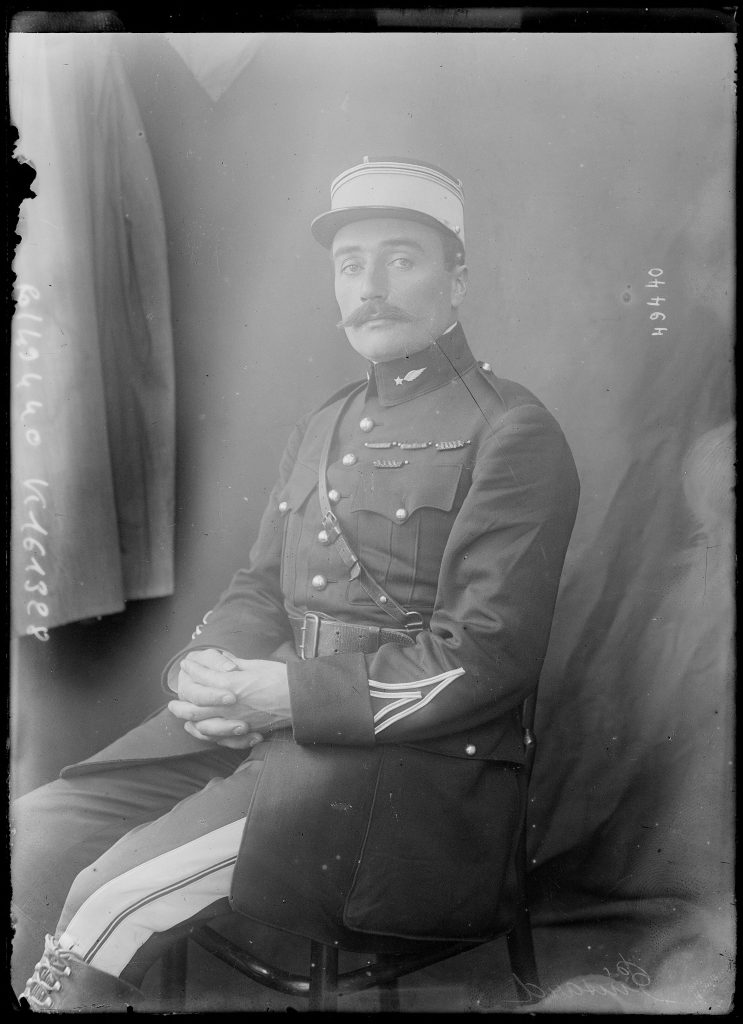
More than a year later, after several unsuccessful attempts, Pinsard and a fellow prisoner succeeded in tunneling through a 12-foot wall and escaped from a German prison on March 26, 1916. It took him some time to return to France, and in July 1916, he joined Squadron N26 as a lieutenant. He received a new SPAD VII plane in this unit and was the first to fly it in combat. Some records suggest that Pinsard also flew Nieuports in this unit. On August 7, he provided air support to the French Army, helping to repel a German counterattack. For this action, he was honoured with the Chevalier of the Légion d’honneur title, with a citation, “Has shown, under particularly difficult circumstances, exceptional energy and tenacity. Posted to an escadrille de chasse, at his request, he has had numerous combats during the course of which his plane was riddled by bullets. On August 7, 1916, during an infantry attack, he made six strafing runs from a height of 200 meters as German reserves massed for a counterattack.” Armand Pinsard’s first aerial victory came on November 1, 1916, when he shot down a German EA plane. However, there is no clarity on which plane he scored his initial few victories, with some sources suggesting Nieuport and others mentioning SPAD. He was then transferred to Squadron N78 as a commanding officer. His second victory came on January 23, 1917, followed by two more aerial victories in February. He officially became an ace on March 6, when he shot down a Rumpler C aircraft. He shot down five aircraft in each of April and May, raising his personal score to 15. After a week of his 16th victory on June 5, 1917, he suffered from various injuries in a crash. Armand Pinsard spent months recovering in the hospital and, upon his return, was appointed commanding officer of a new unit, Squadron Spa23. His 17th victory came on February 20, 1918, followed by two victories in May, one in June, three in July, and four in August to reach a score of 27. In his last 10 victories, nine were balloons. In all his victories, he destroyed 11 EA aircraft, nine balloons, three Two-seaters, three Albatros, and one Rumpler C.
WWII and Life Later
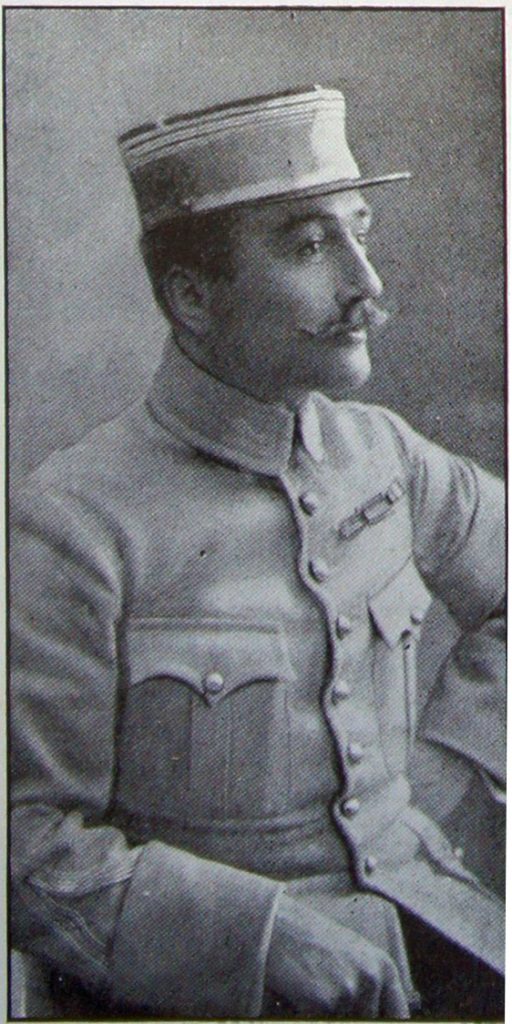
For his contributions, on August 30, 1918, Armand Pinsard was honoured with the Officer of the Légion d’honneur title with a citation, “Incomparable escadrille commander, and at the same time an admirable pilot. Constant example of self-denial, spirit and sacrifice, a model of bravery, audacity and strength. Possesses the highest qualities of a leading pilot. Seriously wounded in 1917, he returned to take his place at the front and continue his glorious exploits.” His rank was captain when WWI ended. Between WWI and WWII, he remained an active part of the air force. As WWII began, he was commanding Groupe de Classe 21 and was flying a Morane-Saulnier MS.406. On June 6, 1940, in a German bombing raid, he lost his leg. Despite losing his leg, he continued to serve and rose to the rank of General. Post-war, he was imprisoned for collaborating with the Nazis as he was a part of the Legion of French Volunteers Against Bolshevism, a unit of the German Nazi Army that fought on the Eastern Front and included collaborationist volunteers from France. He was later pardoned and died at the age of 66 in Paris on May 10, 1953. From starting his military career on a high note to ending it as a controversial general, Armand Pinsard saw it all. In the Aces series, Armand Pinsard stands out as a pilot who began his career in the infantry, served in Africa, learned to fly, escaped from a German prison, became an ace, fought in both world wars, and rose to the highest level of military leadership. Read about more Aces HERE.