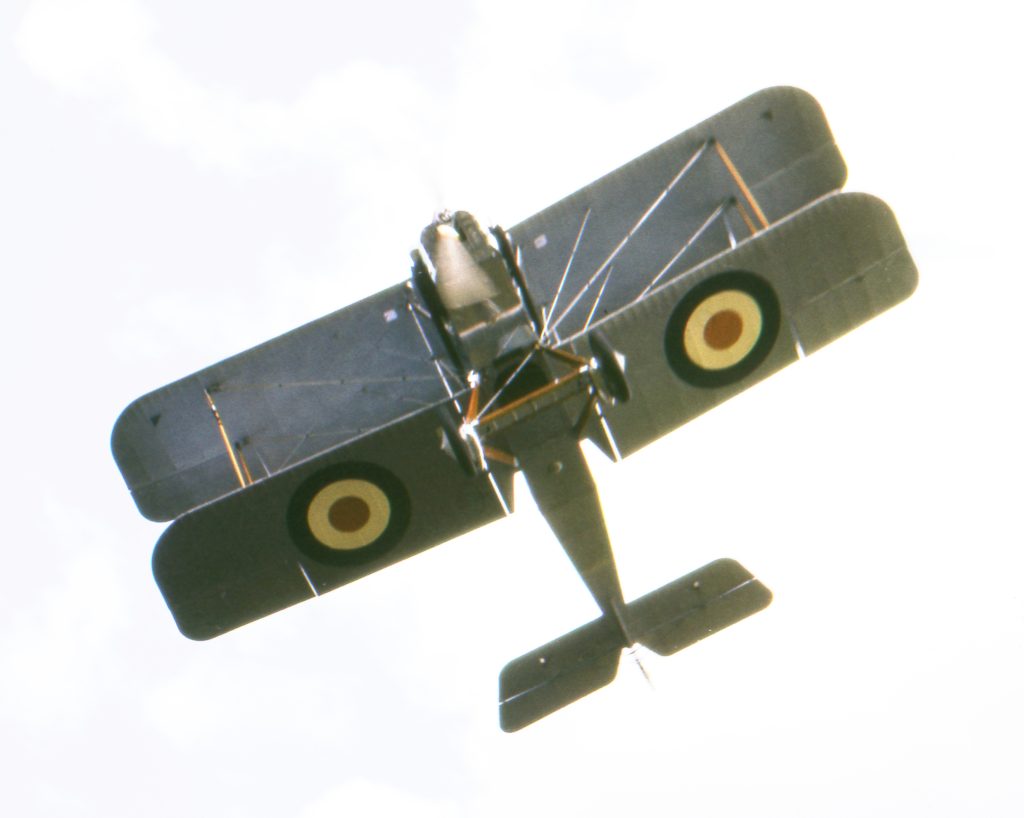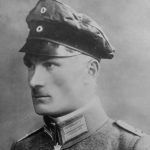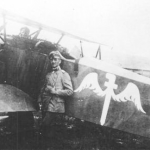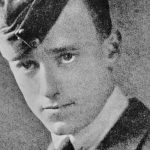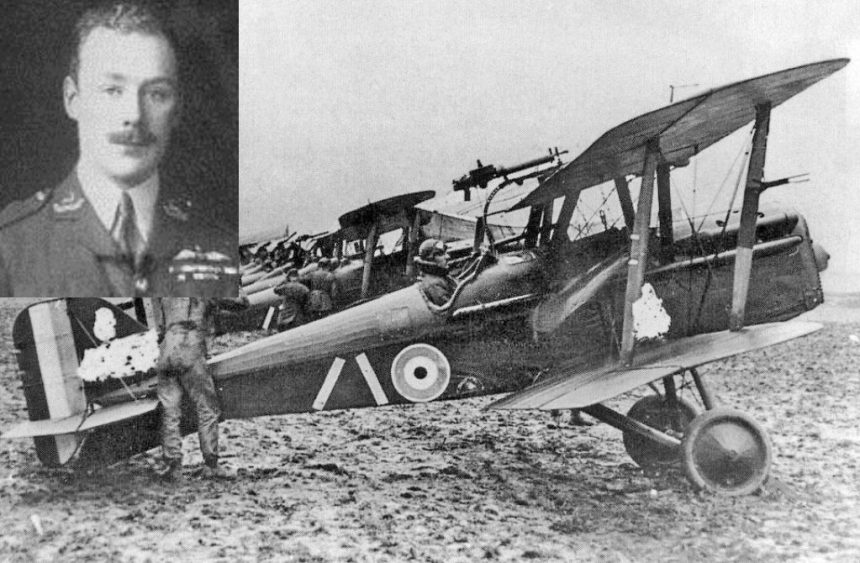

Geoffrey Hilton Bowman was one of a few British flying aces who served both in WWI and WWII. Born on May 2, 1891, in Manchester, England, he initially served in an infantry regiment from August 1914 to March 1916. On March 20, 1916, he was transferred to the Royal Flying Corps (RFC). After completing pilot training and receiving his license, he was appointed as a flying officer in late June 1916. In July, he joined No. 29 Squadron RFC, where he flew an Aicro DH.2 aircraft. He scored his first official victory on September 3, 1916, when he accidentally collided with a German Roland C.II two-seater aircraft. He turned to face the attack and opened fire, but the German plane damaged its aileron kingpost. Despite losing control, Bowman managed to fly and land his damaged plane safely in the friendly lines. His second victory came on September 27, when he shot down a German observation balloon, but he crash-landed his aircraft in the process. He could not score any more victories in 1916 and ended the year with a personal score of two.
Ace Journey of Geoffrey Hilton Bowman
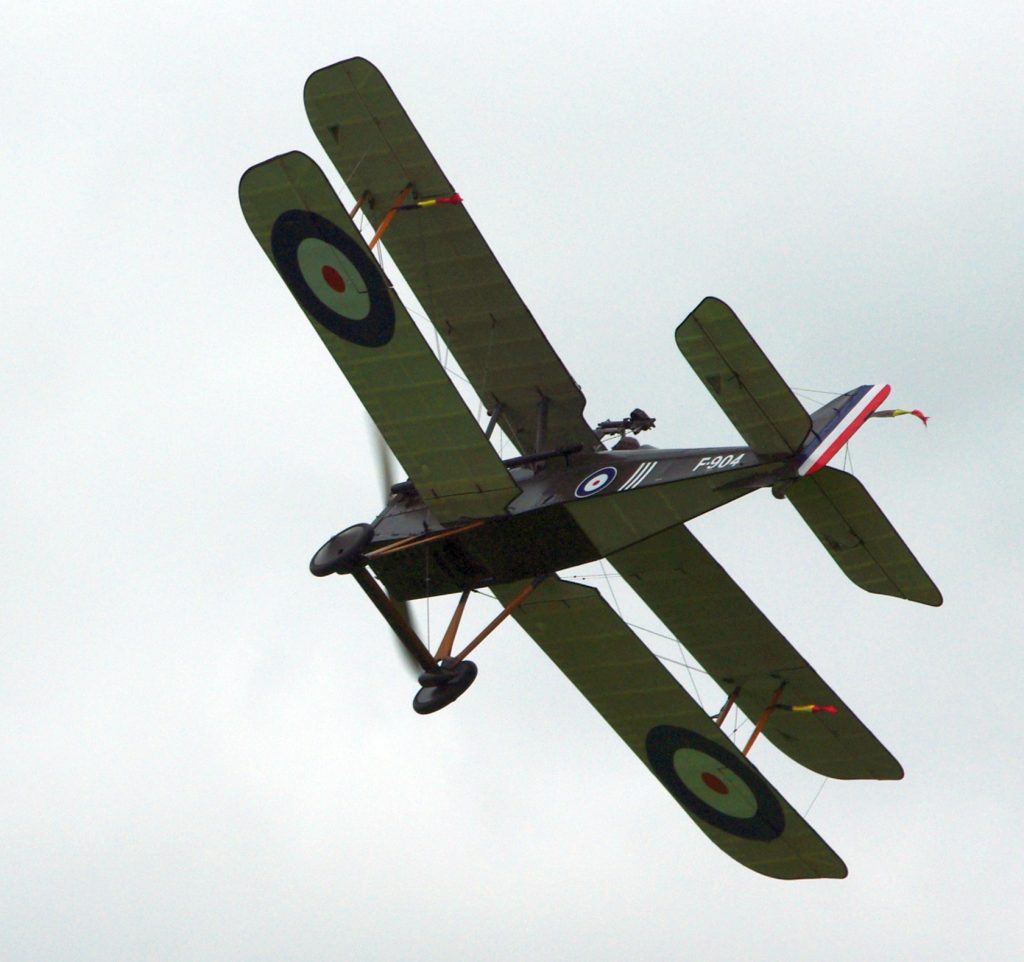
In January 1917, Geoffrey Hilton Bowman was appointed flying commander and promoted to a permanent rank of captain in April 1917. In May, he was transferred to No. 56 Squadron as a flight commander, where he received a new aircraft, S.E.5. On June 6, he shot down two German Albatros D.Vs, followed by destroying two more aircraft on June 14 and officially becoming a flying ace. He shot a total of five aircraft in June, followed by six in July, and two each in August and September. In September, he was a part of the eight British aces who shot down a German ace credited with 48 victories, Werner Voss. On September 17, 1917, he was awarded the Military Cross, with a citation, “He has taken part in many offensive patrols, which he led on twenty occasions, in the course of which four enemy aircraft were destroyed and twelve others driven down out of control. Although outnumbered by five to one on one occasion, he handled his patrol of four machines with such skill and gallantry that after a very severe fight, he was able to withdraw them without loss, having destroyed at least two enemy machines and driven down one out of control. His fearlessness and fine offensive spirit have been a splendid example to others.” Geoffrey Hilton Bowman continued his successful run and destroyed three aircraft in October and two in November, all Albatros D.V, to end his 1917 at a personal score of 22. He shot down two aircraft in January 1918, before being transferred to command No. 41 Squadron on February 9. In his new unit, he killed two aircraft by the end of February. On March 18, 1918, he was awarded the Military Cross Bar, with a citation, “For conspicuous gallantry and devotion to duty in leading twenty-five offensive patrols in two months, shooting down five enemy aircraft and showing marked skill as a leader.”
WWII and Beyond
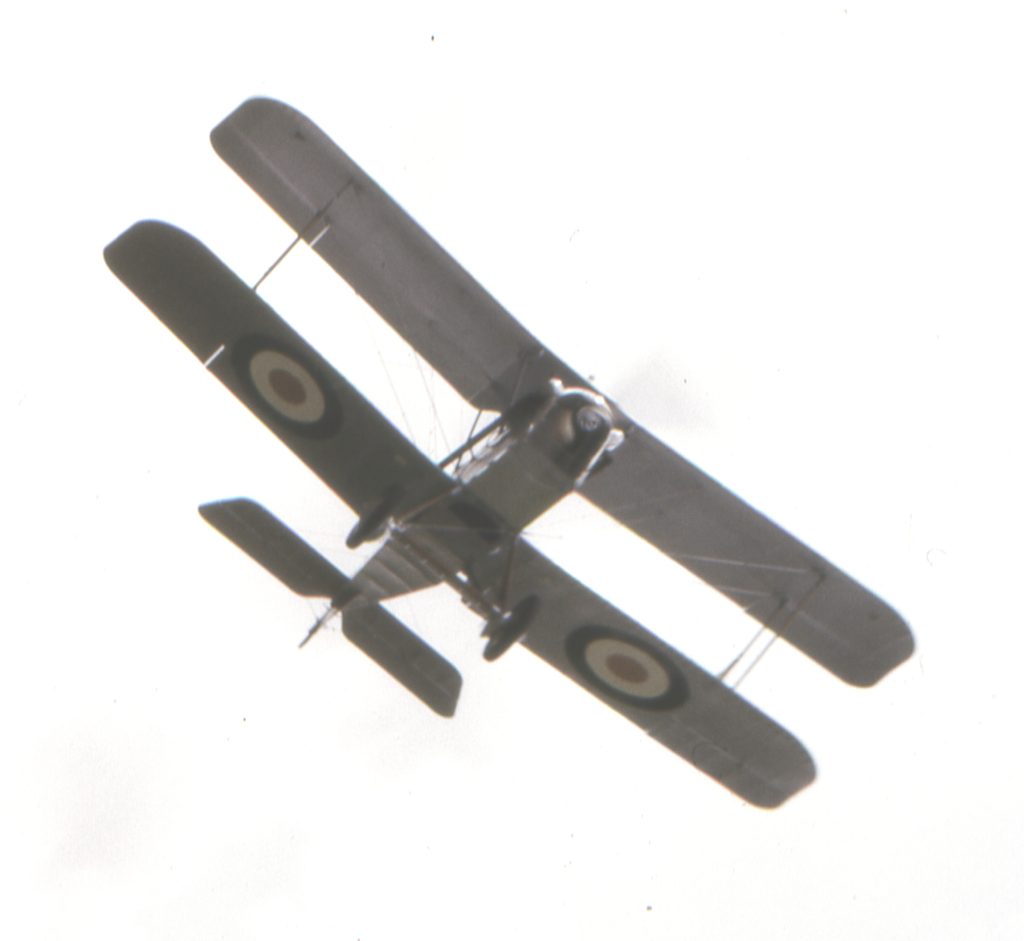
Further, Geoffrey Hilton Bowman shot down one aircraft each in July and August, and two each in September and October, to end his WWI at a personal score of 32. Among all his victories, Geoffrey Hilton Bowman destroyed 15 Albatros D.Vs, four each of Fokker D.VIIs and Albatros D.IIIs, three C-type aircraft, two Rumpler Cs, and one each of Roland, Balloon, LVG C, and DFW C aircraft. On August 24, 1918, Geoffrey Hilton Bowman was awarded the Distinguished Service Order (DSO), with a citation, “He has recently destroyed six enemy aeroplanes and driven down others out of control. He has at all times shown splendid courage and determination, and by his leadership and good example has contributed largely to the success of his squadron.” In 1919, he was awarded the Distinguished Flying Cross and Belgium’s Croix de guerre. After WWI, he took part in the Russian Civil War and served in various places, including India, Iraq, Arabia, and so on, before retiring at his own wish on January 20, 1937. As WWII began, he was recalled to active duty in September 1939 and served until December 1941, when he retired for the second time as a Group Captain. After retiring, he worked with an aircraft manufacturer till the 1950s and died on March 25, 1970. Geoffrey Hilton Bowman was not only a good flying ace but an excellent leader as well. In the Aces series, he stands out as a visionary pilot who carefully crafted his place among the top aces. Read about more Aces HERE.