






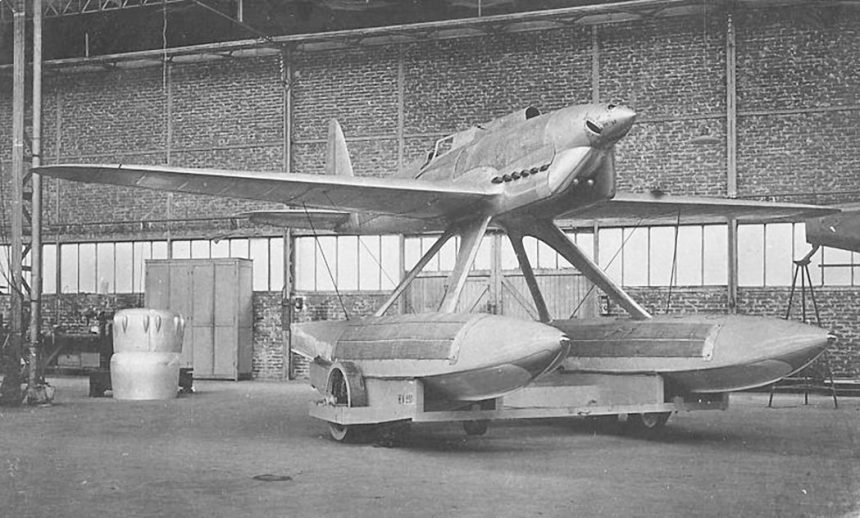


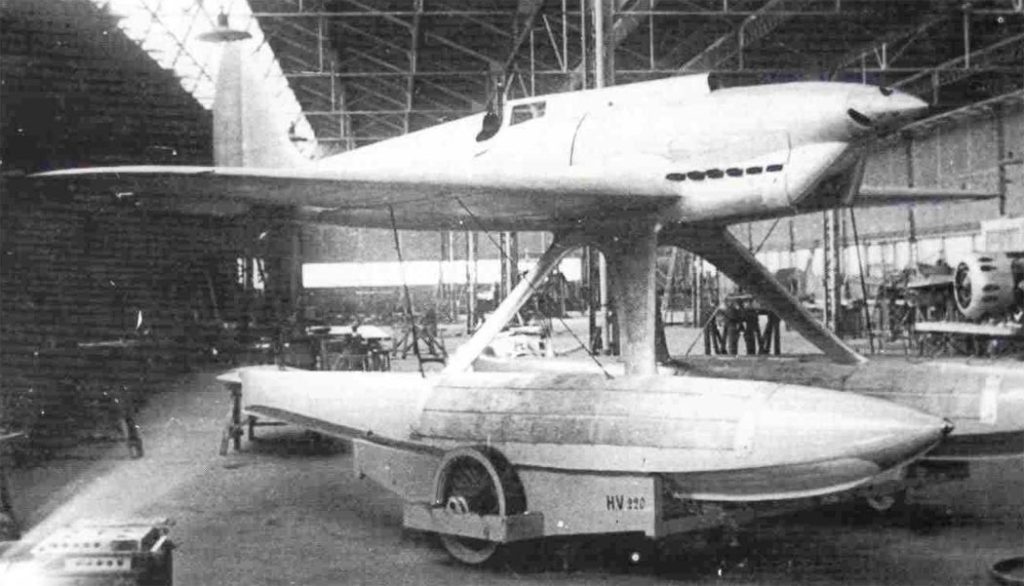
In the early 1930s, seaplane racing became a way to showcase a nation’s engineering skills. One of the last planes built for this was the Bernard H.V.220, created in France for the 1931 Schneider Trophy competition. The H.V.220 was designed by Société des Avions Bernard as a single-seat racing floatplane. It aimed to compete with advanced British and Italian planes in the Schneider Trophy. At this point, the competition focused on high-speed, low-drag monoplanes with powerful engines. The H.V.220 had a low-wing monoplane design and used twin floats for water operations. The plane was made from metal and built to minimize air resistance. Its expected top speed was over 400 mph, which put it in direct competition with planes like the Supermarine S.6B.
Design of Bernard H.V.220
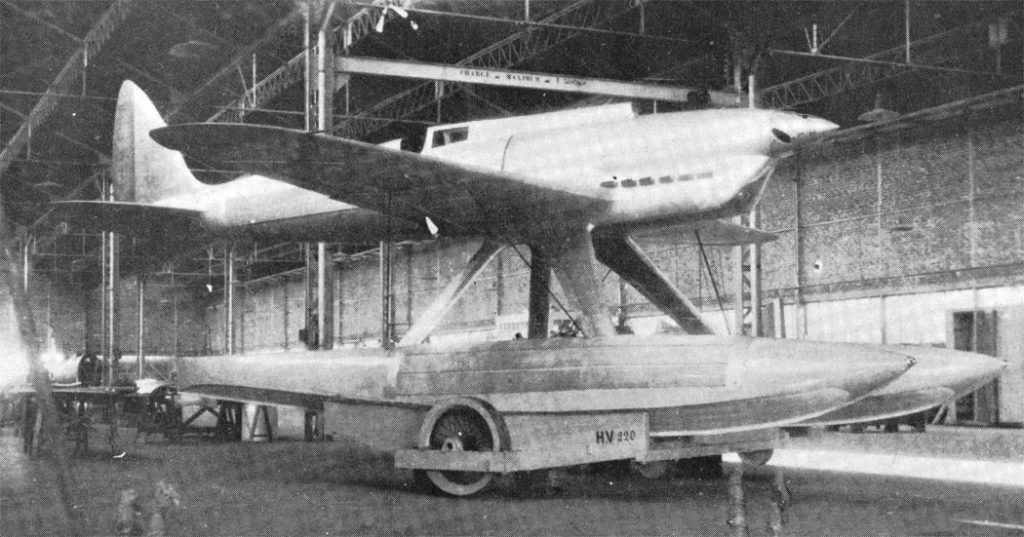
The aircraft had a compact design with a narrow body and thin wings. It included built-in surface radiators in the wings to minimize drag from outside cooling systems. The floats were designed to decrease both air and water resistance. The structure used Duralumin to provide a good balance of strength and weight. It also planned for contra-rotating propellers to enhance efficiency at high speeds. A Bernard H.V.220 prototype was completed by mid-1931. It was 31 feet long, 13 feet high, with a wingspan of 30.10 feet and a wing area of 149.2 square feet.
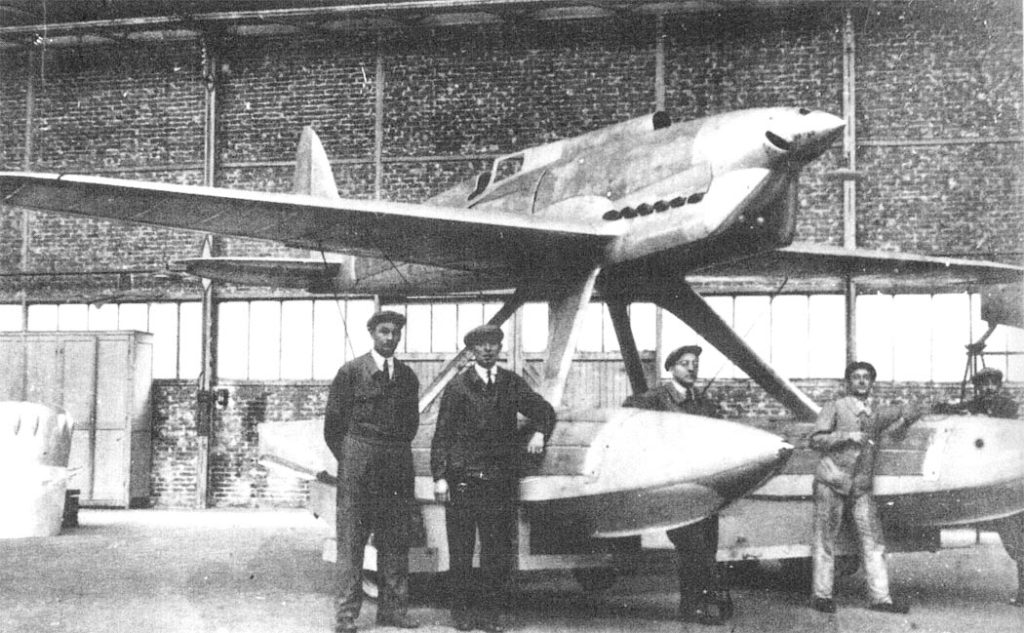
The empty weight of the aircraft was 3,946 pounds, and the maximum takeoff weight was 5,512 pounds. However, the prototype did not fly due to delays with the engine and technical issues, and as a result, no flight tests could take place. The Bernard H.V.220 was designed to use a Lorraine 12Rcr Radium V-12 engine, expected to produce about 2,200 horsepower. However, during testing, the engine showed reliability issues and fuel problems. Further, ground tests proved its power output was lower than expected, and it failed during high-power operation.
The Cancellation
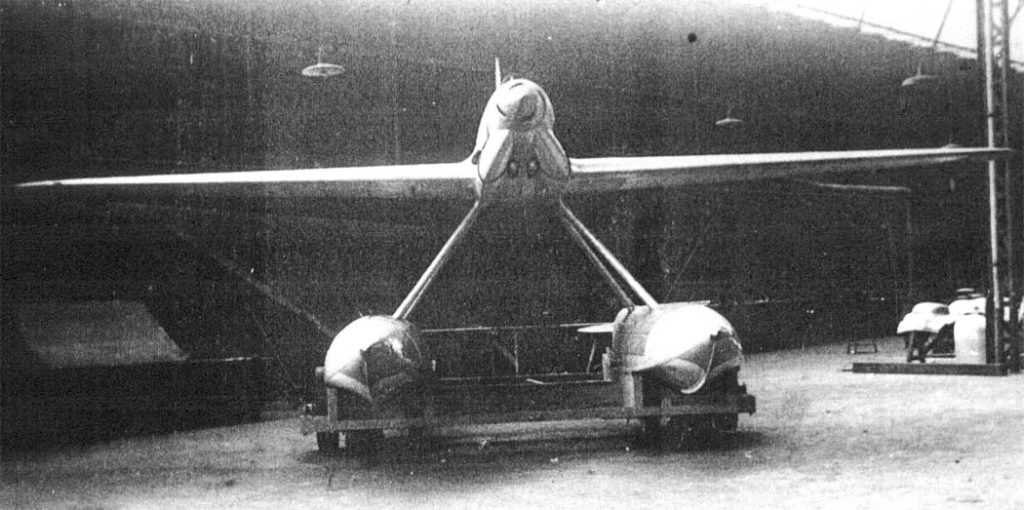
Because of the engine issues, the aircraft never got beyond ground preparation, and the engine was also not approved for flight. Moreover, France faced difficulties in the Schneider Trophy competition. Its prototypes met with accidents, causing delays in their development. By September 1931, France chose to withdraw from the competition, and Britain won the Schneider Trophy. Only one Bernard H.V.220 was ever built. A follow-up variant, the H.V.320, was proposed but later canceled due to engine problems and financial issues. The aircraft was Bernard’s last work on racing seaplanes.
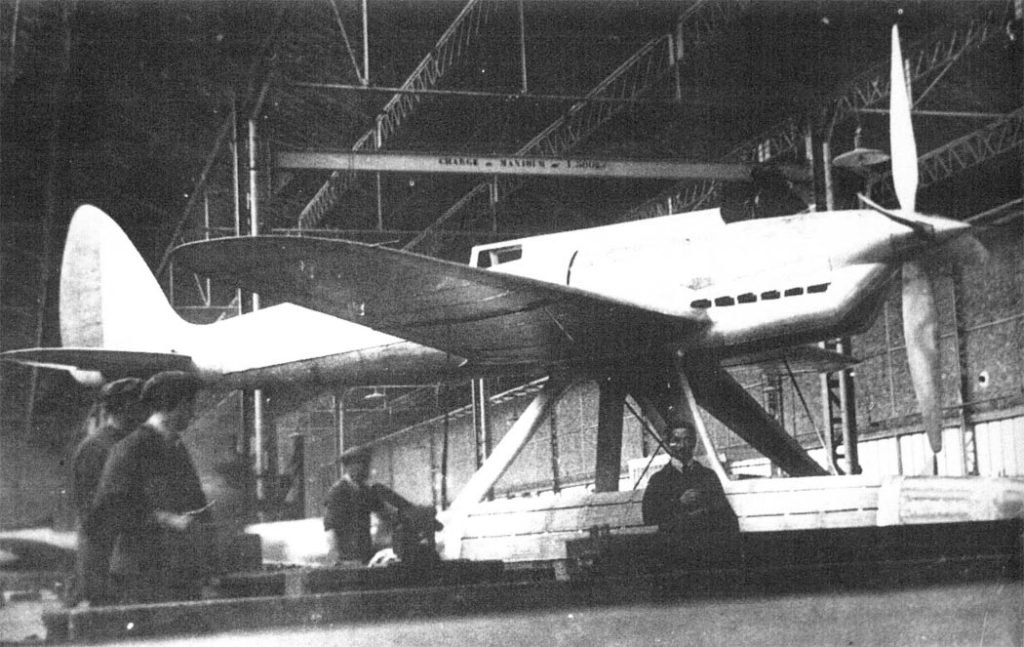
It was one of several aircraft from that time that could not fly due to limitations in engine technology. Despite showing high-speed capabilities in the early 1930s, the aircraft could not fly. It was not a bad design or idea, but it arrived early because a similar design approach to that of the Bernard H.V.220 was later used to develop military and racing aircraft. In the Grounded Dreams series, it stands as an aircraft that was completed but never tested in flight, showcasing how important engine development is in determining whether a design can be produced. Read more Grounded Dreams articles HERE.
















3,900 lbs ???? Is that right?