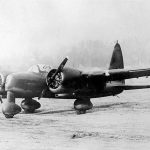
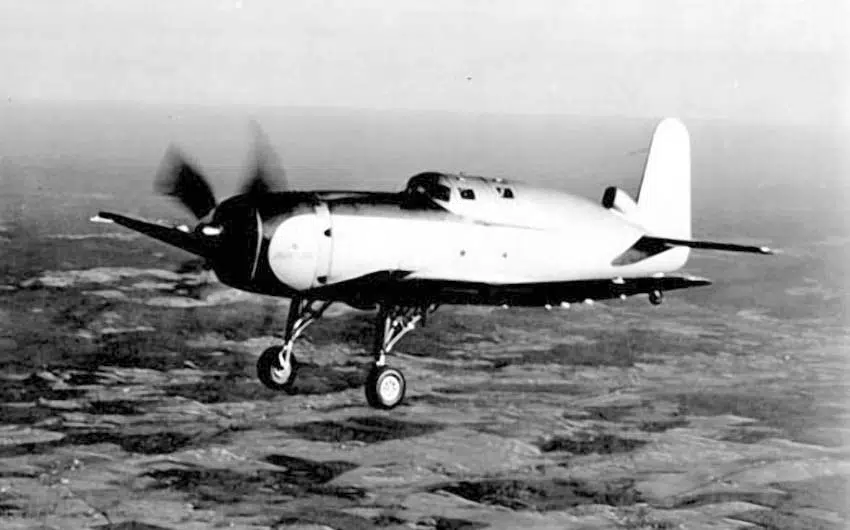

In the early 1940s, to test its R-4360 Wasp Major radial engine, Pratt & Whitney asked Vought to develop an experimental aircraft as a high-altitude engine test bed. As a result, Vought developed the V-326 in 1941, based on the XTBU-1 Sea Wolf and using parts from the F4U Corsair. The Vought V-326 was a low-wing plane designed for two people in a pressurized cockpit. Its main landing gear turned 90 degrees and folded back into the wings. A compartment in the rear fuselage held ballast, and the engine’s carburetor drew air from a scoop in front of the vertical stabilizer.
Design of Vought V-326
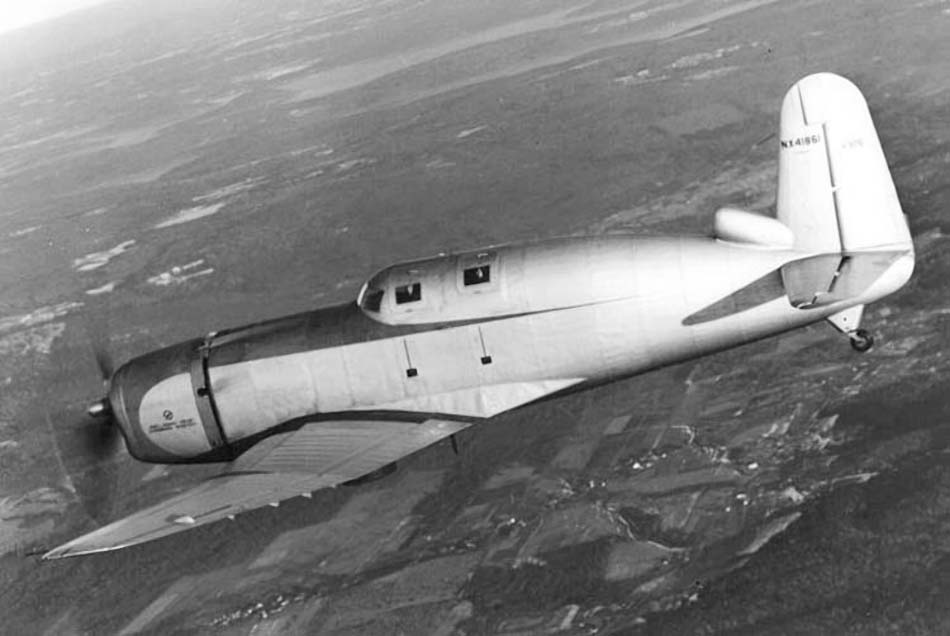
The twin-seat Vought V-326 was 43 feet long, 19.4 feet high, with a wingspan of 57.10 feet. The empty weight was 11,242 pounds, and the gross weight was 17,176 pounds. It had a fuel capacity of 700 US gallons and was envisioned to reach a maximum speed of 418 mph. The Vought V-326 had its first flight on June 18, 1943, piloted by A. Lewis McClain from Pratt & Whitney. Harold B. Archer flew most of the following flights. The first aircraft had a deep covering that enclosed the supercharger and used a three-bladed propeller. However, pressurization issues kept most flights below 40,000 feet.
The Cancellation
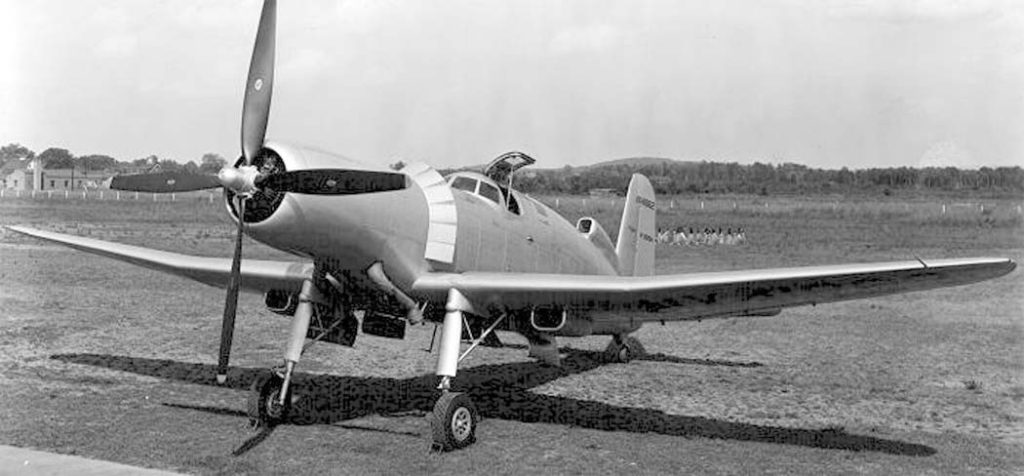
The second aircraft, the Vought V-326 A, made its first and only flight on August 30, 1944. The second aircraft had a tight shell, with air intakes under its wings that supplied air to the two superchargers. It also featured a four-bladed propeller. It underwent some modifications, but these were not finished as interest in the aircraft declined. Both planes were scrapped in 1946, with the Vought V-326 logging only 111 hours of flight time. In addition, the end of WWII rendered the experimental high-altitude engine test bed unnecessary, leading to the cancellation of the models. Read more Grounded Dreams articles HERE.