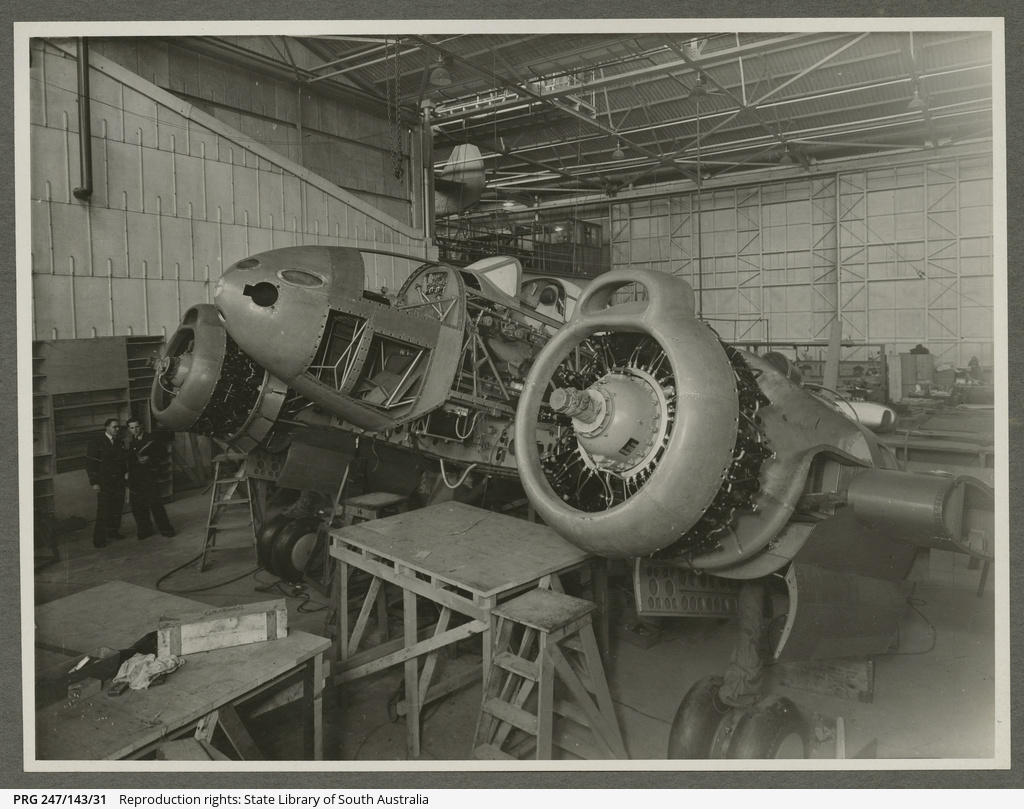
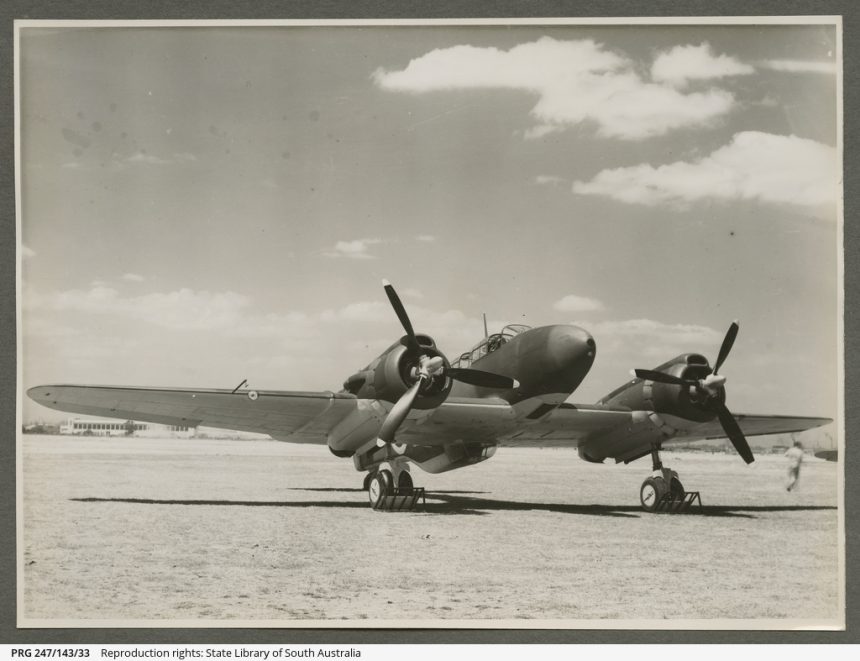

During the early years of World War II, the Australian aviation company Commonwealth Aircraft Corporation (CAC) developed a twin-engine light bomber, named Woomera, that could be used as both a torpedo and a dive bomber. The CAC was formed in 1936 to establish a domestic aircraft industry under the leadership of Sir Lawrence Wackett. In early 1939, the Australian government ordered Bristol Beaufort bombers to meet the Royal Australian Air Force’s needs. The aircraft were intended to be assembled in Australia by the Department of Aircraft Production, with components imported from the UK. But as World War II began, the UK put an embargo on supplying parts to Australia to boost its own production. As a result, in June 1940, the Australian War Cabinet approved funding for CAC to develop Woomera. The company built an initial prototype and designated it the CA-4 Wackett Bomber. It was a low-wing aircraft designed for a crew of three, including pilot, navigator/bomber, and wireless/air gunner. The aircraft had a Sperry automatic pilot, stressed-skin wing, six fuel tanks in the center section of the wing, four nose-mounted .303-caliber machine guns, and two remotely controlled .303-caliber guns at the rear of both engine nacelles. The engine nacelles also served as bomb bays, each holding two 250-pound bombs. Additionally, the aircraft could carry two torpedoes under the center section and four 25-pound bombs under each outer wing. One of the torpedoes could be replaced with a 293-gallon drop tank or two 500 lb bombs.
Rise of Real Woomera
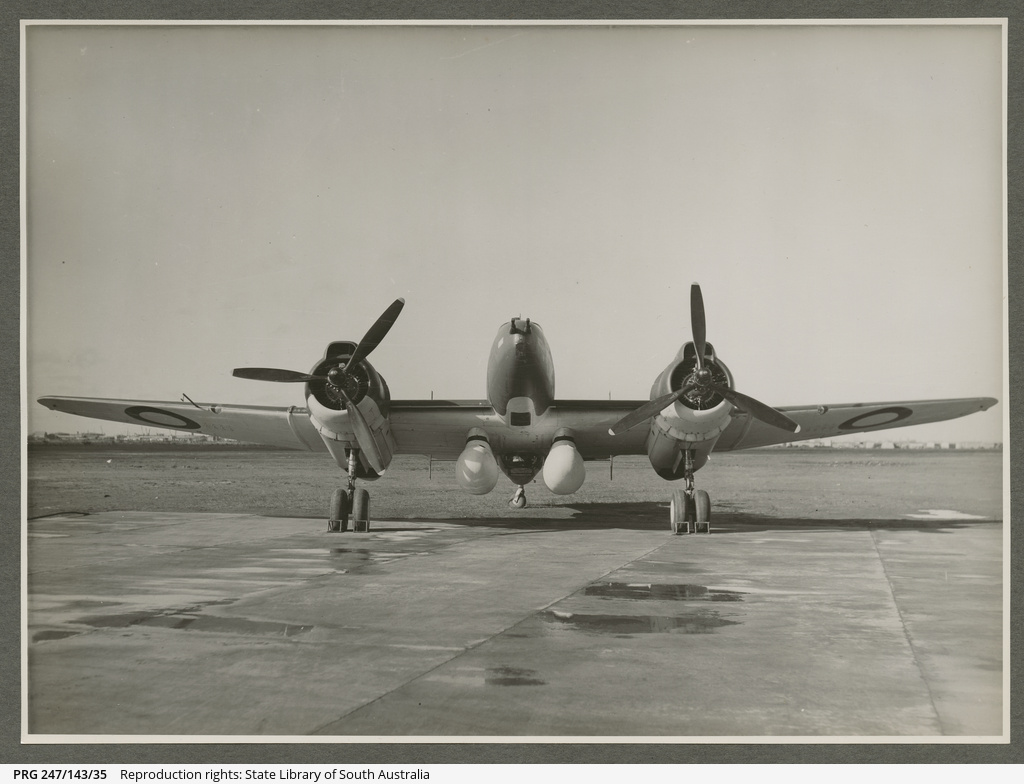
The first prototype, A23-1001, flew for the first time on September 19, 1941. In April 1942, the Royal Australian Air Force accepted the aircraft for further trials. Initial tests showed that the aircraft had good speed, range, and armament compared to other bombers of its time. However, it also had problems. The elevator response was weak, and the engines often overheated. Additionally, the remote gun system was too complicated. Moreover, on January 15, 1943, the prototype CA-4, A23-1001, crashed during a test flight due to issues with the engine. The test flight was intended to check the engine’s performance and the effects of a new fixed leading-edge slat. But while returning to the CAC airfield, the pilot, Squadron Leader Jim Harper, noticed a fuel leak from the aircraft’s left engine. As the leak got worse, he tried to shut down the engine and feather the propeller. However, it caused an explosion and an uncontrollable fire. The crew of three tried to escape at 1,000 feet, but only Harper managed to parachute to safety. The other two crew members, CAC test pilot Jim Carter and power plant engineer Lionel Dudgeon, were killed. The wreckage was recovered and used for spare parts. Part of the cause of the crash was linked to the new design of the fuel tank. Despite the accident, the Royal Australian Air Force was impressed by the aircraft and placed an order for 105 modified versions, designated CA-11 Woomera, which included changes to the cockpit, armament, and tail design. During testing, engineers discovered severe vibration in the tail section. The problem was due to airflow disturbances from the gun turrets mounted on the engine nacelles. The tailplane and fin were redesigned to correct the issue.
The Cancellation
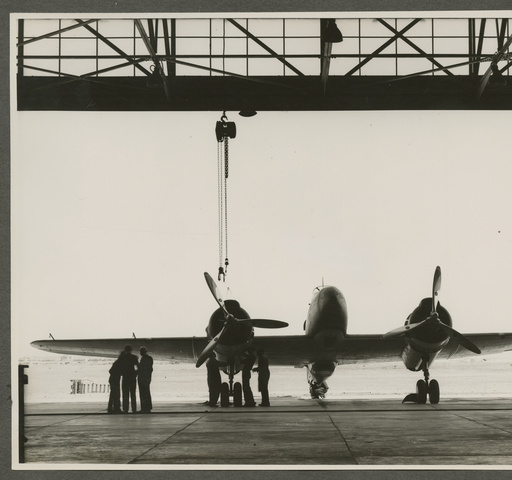
The CA-11 Woomera was powered by two Pratt & Whitney R-1830-S3C3-G Twin Wasp 14-cylinder air-cooled radial piston engines, each producing 1,200 horsepower. The aircraft was 39.7 feet long, 18.2 feet high, with a wingspan of nearly 59 feet and a wing area of 440 square feet. Equipped with 3-bladed constant-speed propellers, the aircraft’s empty weight was 12,765 pounds with a maximum takeoff weight of 22,885 pounds. The maximum speed of the aircraft was 282 mph, with a cruise speed of 184 mph. The range was 2,225 miles with external tanks and one torpedo. Its service ceiling was 23,500 feet, and the rate of climb was 2,090 feet per minute. The CA-11 was delivered to the Royal Australian Air Force for evaluation in November 1944. By that time, the operational situation had changed. Allied forces had access to large numbers of American-built aircraft, such as the Douglas Boston and the P-51 Mustang, reducing the need for local production of a new bomber. As a result, the order for 105 CA-11 Woomera was reduced to just 20. Later, the order for 20 was also cancelled, and the Woomera program was discontinued before entering full production, and its funding was shifted to procure P-51 Mustangs. In January 1946, the sole remaining prototype aircraft was scrapped, and its parts were used in other programs. The CAC shifted its focus to manufacturing the P-51 Mustang fighters. In the end, the Woomera was not a bad bomber, but was just replaced by a lack of interest or confidence. In the Grounded Dreams series, the bomber stands as a lesson of how some machines, despite being good, were never allowed to fly. Read more Grounded Dreams articles HERE.