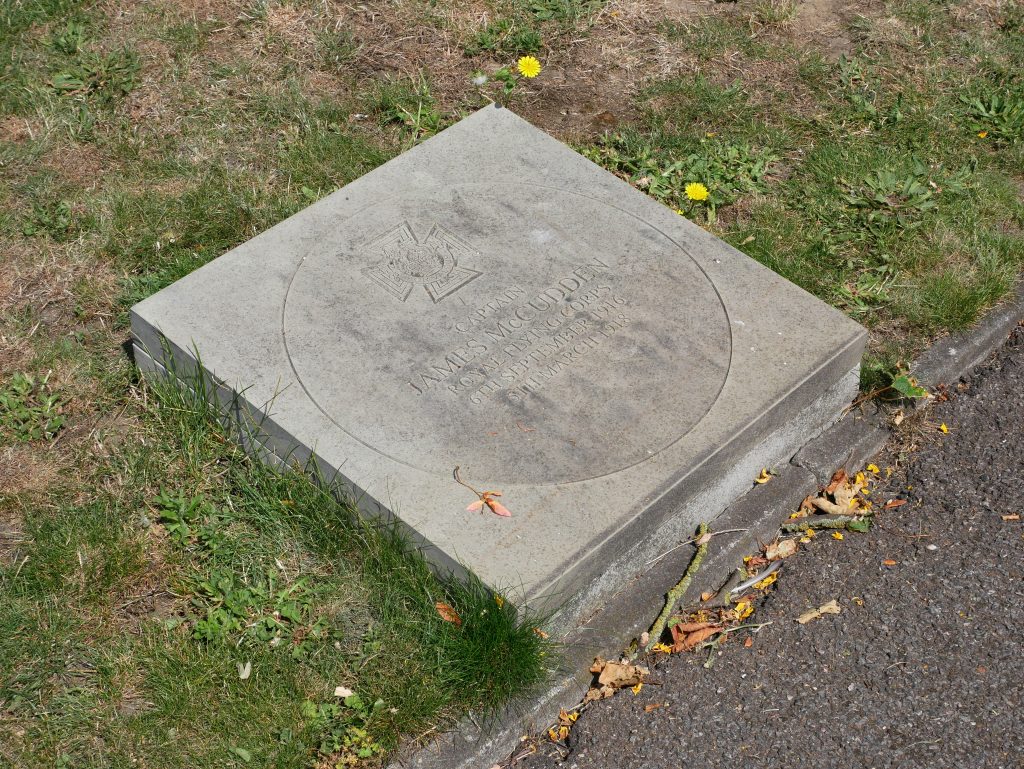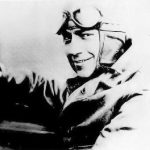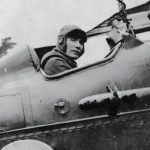
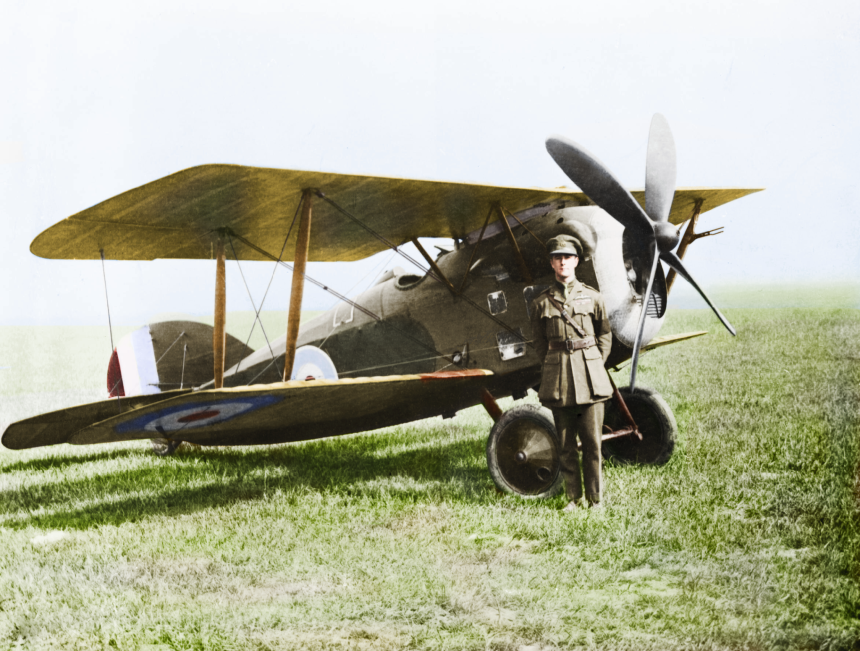

James Thomas Byford McCudden was one of the greatest fighter aces of World War I. Credited with 57 victories, he was the most decorated British combatant of the conflict. He was born in Gillingham, Kent, on March 28, 1895, into a middle-class family. He was interested in mechanics, and following his interest, on April 26, 1910, at 15 years of age, he joined the Royal Engineers. Three years later, he qualified as a Sapper. When he transferred to the Royal Flying Corps (RFC) in May 1913, it was as a mechanic, posted to Farnborough. His first weeks there were not promising. Asked to familiarise himself with the aircraft at the base, McCudden decided to start one of the engines. Standing outside the cockpit, he did not realize the throttle was fully open. The machine surged forward, left him on the tarmac, rolled out of the hangar, collided with another aircraft, and damaged the commanding officer’s car. Colonel Frederick Sykes sentenced him to seven days’ detention and forfeiture of fourteen days’ pay, though Sykes was impressed with McCudden’s mechanical ability.
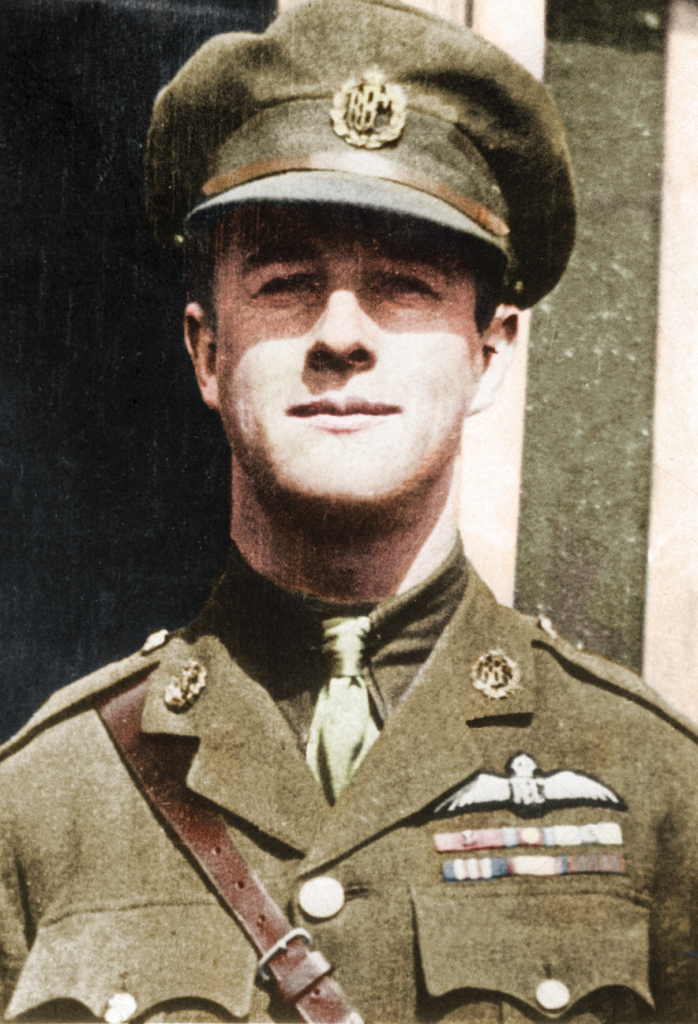
By the outbreak of war in August 1914, McCudden was a part of No. 3 Squadron in France. On April 1, 1915, he was promoted to Air Mechanic First Class and, a year later, to Sergeant. He was responsible for the engines in his flight, and that responsibility shaped him. Initially, he flew as an observer and passed his first official qualifying flight on June 8, 1915. On January 21, 1916, he received the Croix de Guerre for gallantry and was promoted to Flight Sergeant. He was sent back to England for pilot training, and at Farnborough, he completed initial instruction, then moved to Gosport and later to the Central Flying School at Upavon. He made his first solo flight on April 16, 1916. By the time he returned to France in June, he had logged 121 hours, given 177 instructional lessons, and trained 40 student pilots. He had moved from mechanic to instructor within three years.
Ace Journey of James McCudden
His operational career as a fighter pilot began in earnest with No. 29 Squadron. Flying the Airco DH.2, he claimed his first victory in September 1916. He engaged an Albatros B.II and shot it down. The following day, he got an opportunity to add to his score while engaging with a Fokker monoplane, but his gun jammed. McCudden switched off the aircraft’s engine to rectify the damage, but the Fokker pilot pursued him. He restarted his engine and outmanoeuvred the German, getting a close shot, but his gun jammed, leading to an inconclusive battle when the Fokker dove away. McCudden’s year ended with a dramatic escape on December 27, 1916, when he aided a squadmate under attack, faced multiple enemy fighters, and executed a spinning dive to evade capture. He didn’t score again in 1916, but his year ended on a high note as he received his commission on December 28, 1916. After some time off, he returned to France on January 21, 1917, as a second lieutenant. He achieved success soon with his second kill, which came on January 26. In early February, he downed two aircraft, including an Albatros C.III. His fifth victory came on February 15, 1917, and ultimately became an ace. He was awarded the Military Cross for his fifth victory on March 12, 1917.
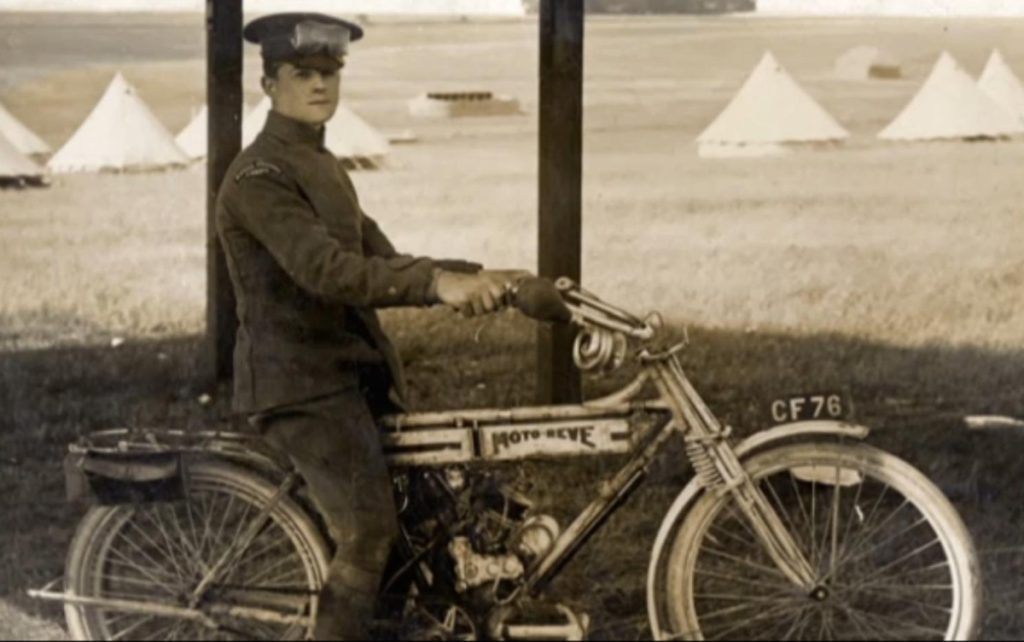
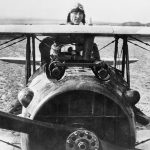
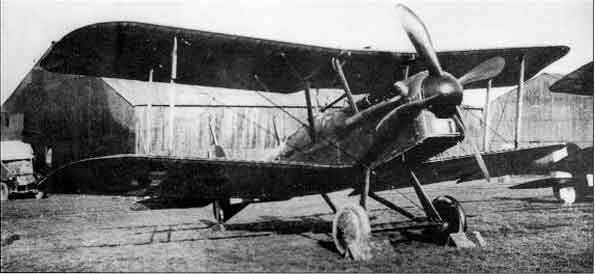
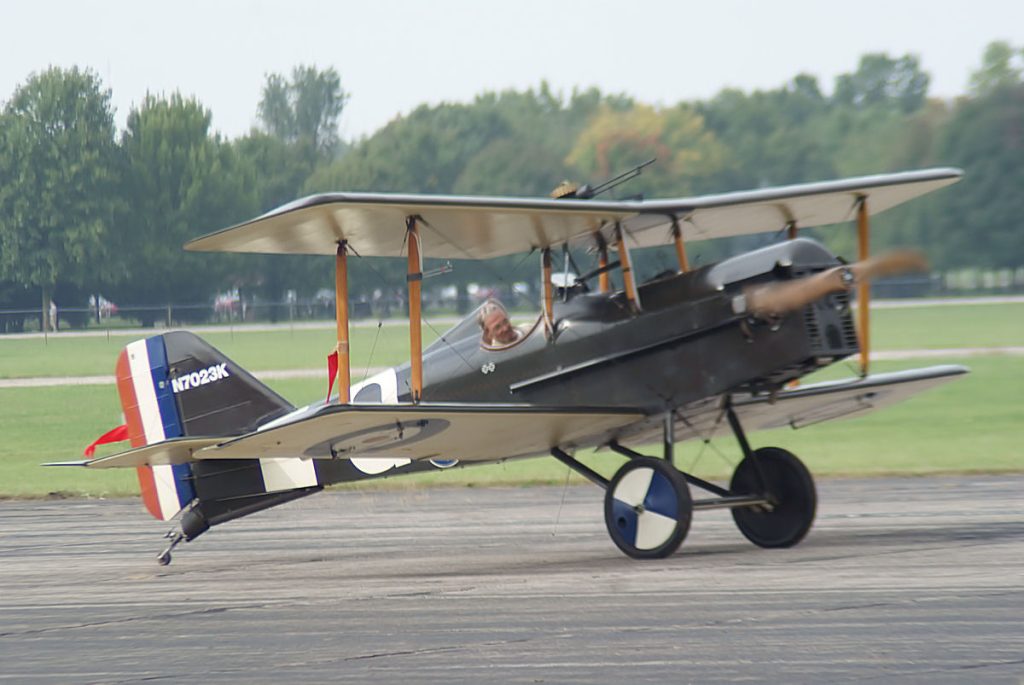
Later, McCudden joined No. 56 Squadron and flew the new Royal Aircraft Factory S.E.5. To kill his targets, McCudden used to climb high, conserve height, and use surprise. Many of his victories were secured above 15,000 feet. After spending some time as an instructor and flying defensive patrols over London, he returned to the front in the summer of 1917. That year marked the height of his success as he destroyed a further 31 enemy aircraft and recorded multiple victories in a single day on eleven occasions. Unlike many aces, a large proportion of his claims were made over Allied lines, allowing confirmation. His Victoria Cross citation, published in the London Gazette on March 29, 1918, recorded that he had “accounted for 54 enemy aeroplanes,” and noted that he had destroyed four two-seaters twice in one day, once within ninety minutes. It described him as a patrol leader who had participated in 78 offensive patrols and crossed the lines alone at least 30 times in pursuit of the enemy. It also noted his habit of protecting the younger members of his flight, reducing their casualties through disciplined leadership.
The Final Flight
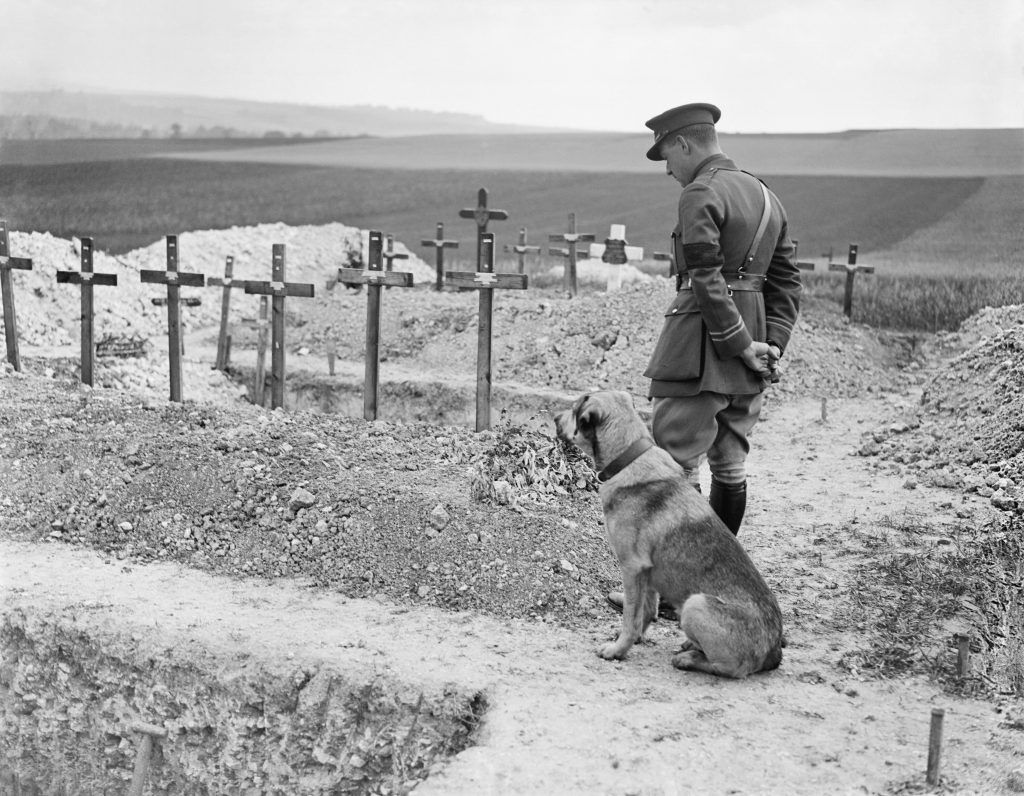
On July 9, 1918, having only been given command of 60 Sqn a few days earlier, McCudden was killed in a flying accident near Auxi-le-Château when his aircraft crashed on take-off due to engine failure. Initial reports suggested engine failure caused by a wrongly installed carburettor. Other witnesses believed he had been manoeuvring at low level when the machine entered a steep attitude from which recovery was not possible. The precise cause remains uncertain. He was taken to a Casualty Clearing Station with a fractured skull and died at 8 p.m. that evening. At the time of his death, he was just 23 years old, with the rank of a Major, a significant achievement for a man who had begun his career in the RFC as an air mechanic. He was the seventh most successful ace in World War I with 57 confirmed victories at the time of his death. He held multiple awards, such as the Distinguished Service Order and Bar, the Military Cross and Bar, the Military Medal, the Croix de Guerre, and the Victoria Cross, more awards for gallantry than any other British airman serving in the war.
McCudden is buried at Wavans British Cemetery in the Pas-de-Calais. His headstone carries the inscription: “Fly on, dear boy, from this dark world of strife on to the promised land to eternal life.” Like many aces, James McCudden didn’t step into World War I to fly, but just for his love of machines. While understanding machines, he became one of Britain’s most efficient and disciplined fighter leaders, a pilot who understood that height and patience could be as decisive as courage. Read about more Aces HERE.