







In the spring of 1917, Britain was losing young men at a pace that was difficult to comprehend. The Battle of Arras was underway, and casualty lists filled newspapers. In the air over northern France, fighting had become violent and personal. It was during those weeks that Captain Albert Ball, already a national hero, flew his final patrols. On 7 May 1917, near Douai, Ball’s aircraft fell from a low cloud and crashed in a French field. He was 20 years old. Within a month, he would be awarded the Victoria Cross. By then, the country already knew his name.
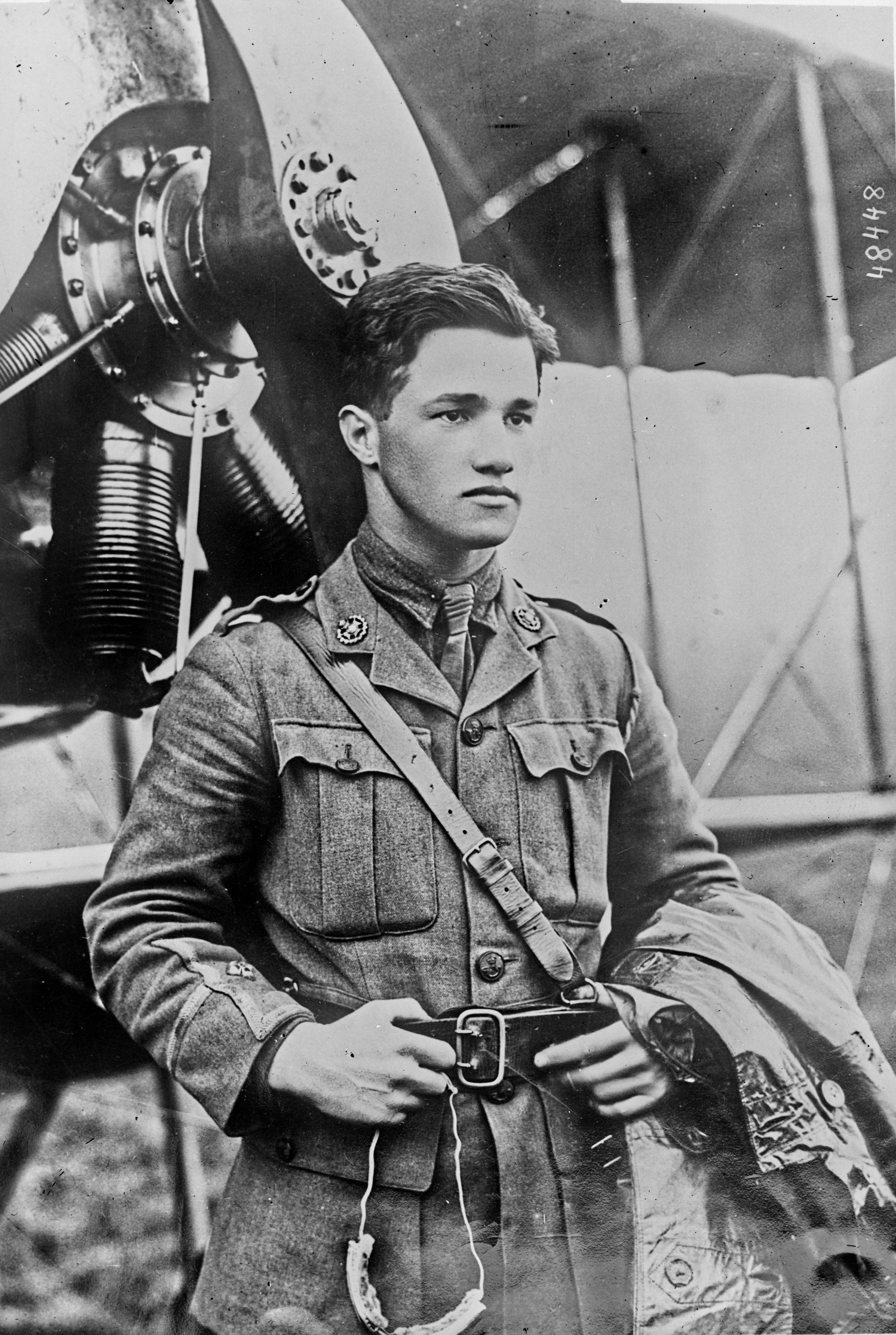
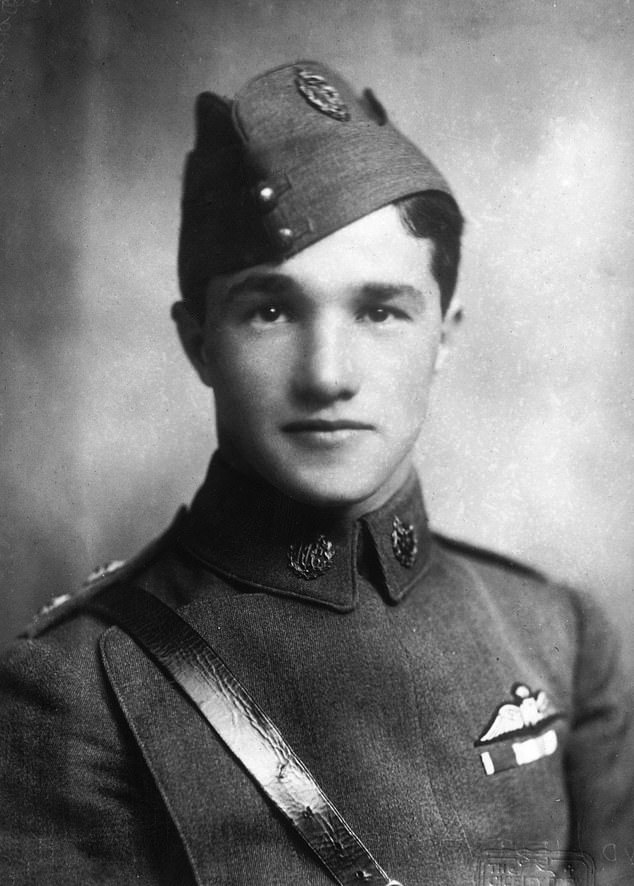
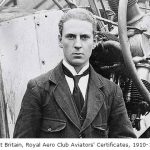
Albert Ball was born on 14 August 1896 in Nottingham. His father had started as a plumber and worked his way up until he became Lord Mayor of the city. At home, Ball preferred spending time alone in a small hut behind the house, taking apart engines, wiring up small electrical pieces, and trying to understand how things worked. He liked machines because they made sense to him. At school, including Trent College, he was not known for brilliant grades. When war broke out in August 1914, he joined the Sherwood Foresters, a line infantry regiment of the British Army. He was commissioned as a second lieutenant that October. But Ball did not want to train recruits in England. He wanted to fly. In 1915, he paid from his own pocket for flying lessons at Hendon, waking before dawn to practice in the air before reporting for army duty. By January 1916, he had earned his wings and transferred to the Royal Flying Corps, finally closer to the front he had been seeking.
Rise of Captain Albert Ball
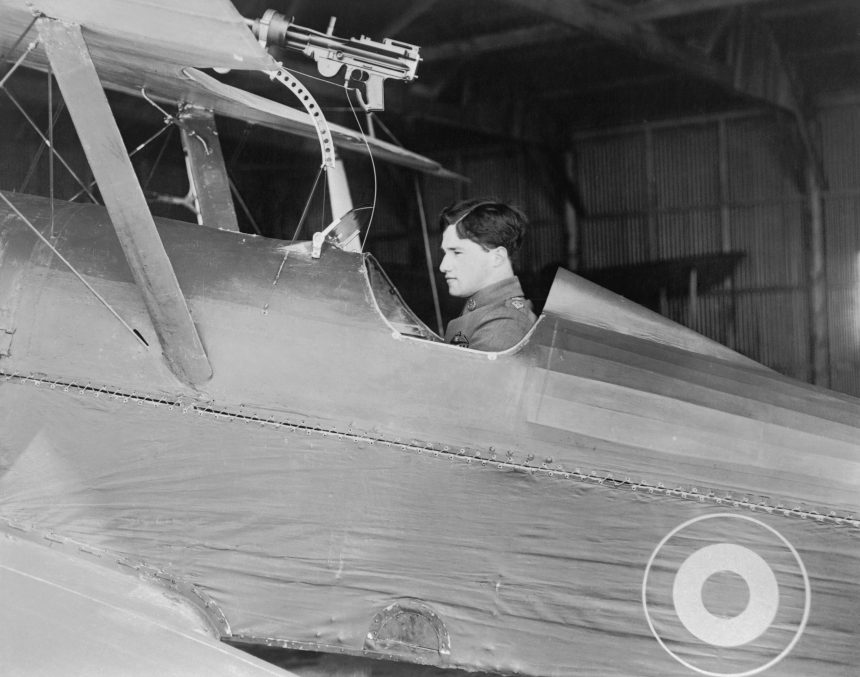
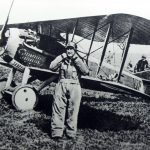
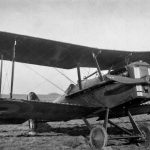
In February 1916, he was based at Marieux with No. 13 Squadron, flying B.E.2c two-seater aircraft on reconnaissance missions over France. The work of the pilots here was reconnaissance or ‘spotting’ patrols for the Royal Artillery. Ball always wanted to fly the best and fastest plane available, but the B.E.2c that he invariably used was not really in this category. In May 1916, he was transferred to No. 11 Squadron, with a recommendation to fly the ‘new French machine’, the Nieuport Scout. It was here that he began to shape his own style of combat. Ball preferred to fly alone. He would climb above his opponent, then dive underneath and fire upwards into the enemy aircraft’s belly using a Lewis gun mounted above his wing. It required precise flying and steady nerves. Fellow pilots later said it was almost an art form to watch. On 16 May 1916, he shot down his first enemy aircraft. By late summer, he was bringing down multiple opponents in a single day. He became an ace. Then he became something more.
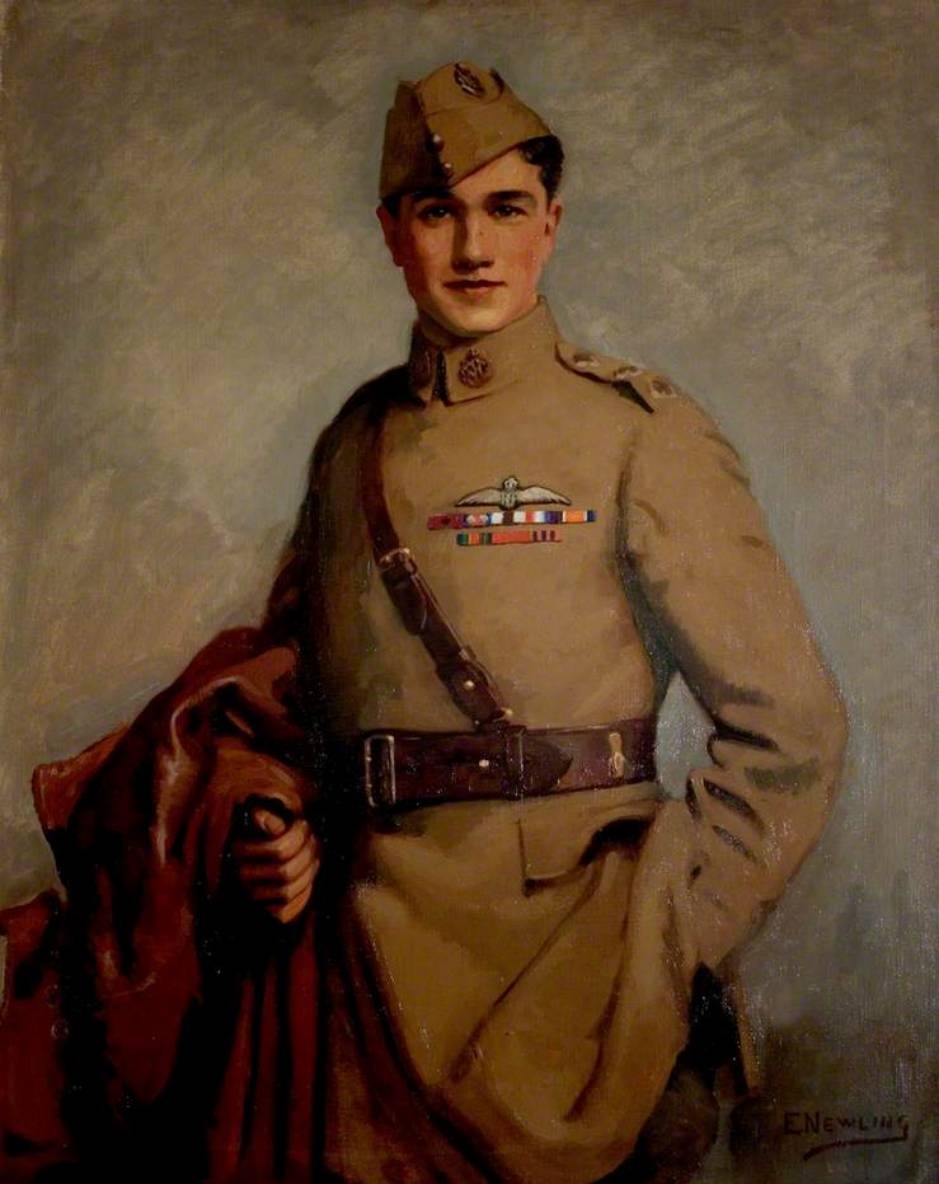
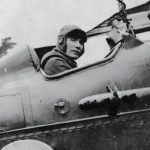
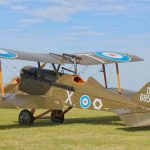
In August 1916, he destroyed three German aircraft in one sortie, the first British pilot to do so. By September, his total had passed thirty victories. He was awarded the Distinguished Service Order and the Military Cross. Despite all the glory, in letters home, he wrote quietly of fatigue. He once admitted that nothing made him feel worse than watching another aircraft go down, but “it is either them or me.” When Ball returned to England on leave in late 1916, crowds gathered outside his family home. He met King George V. He was invested with his decorations at Buckingham Palace. He was only 20 years old and already the country’s leading ace. He was then posted to instructional duty in England, but he lobbied for a return to combat. By April 1917, he was back in France with No. 56 Squadron, now flying the new S.E.5a fighter. He did not like the aircraft at first and preferred his older Nieuport for solo missions. But he continued to score. Between 23 April and 6 May 1917, he shot down several Albatros fighters in rapid succession. His official total rose to 44 victories, making him the highest-scoring British pilot at that time. Yet the strain was visible. In one of his final letters, he wrote, “I do get tired of always living to kill.”
The Final Flight
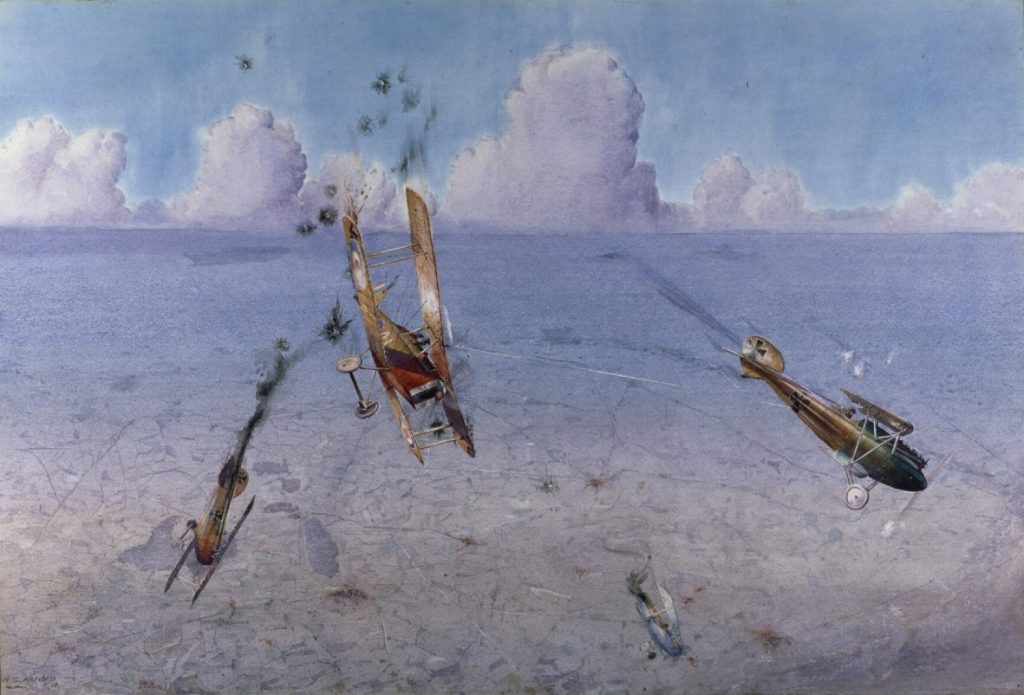
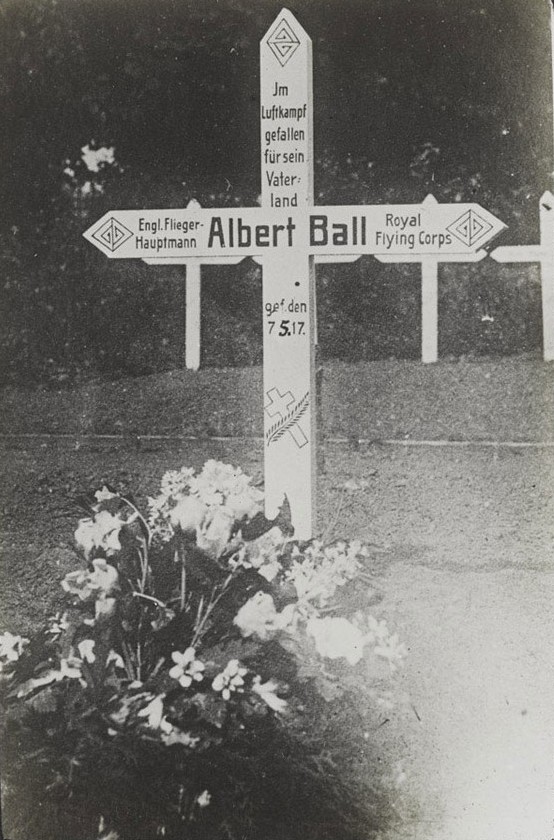
On the evening of 7th May 1917, Ball was leading a flight of 11 fighters when they encountered German fighters from Jasta 11, the unit commanded by Manfred von Richthofen, one of the most famous fighter pilots of all time, credited with 80 victories. In the ensuing dogfight, his aircraft was seen to fly into a dark thundercloud. Moments later, it fell from the cloud, upside-down with a dead propeller, and crashed into a field near Annoeullin, 20km southwest of Lille. Ball was killed instantly, and two days later, the Germans buried him with full military honours near the crash site. Richthofen himself later described Ball as “by far the best English flying man.” Germans also placed a cross over his grave with the inscription, “Fallen in air combat for his fatherland, English pilot Captain Albert Ball”. At first, Ball was listed as missing. When confirmation of his death reached Britain, the reaction was immediate and widespread.
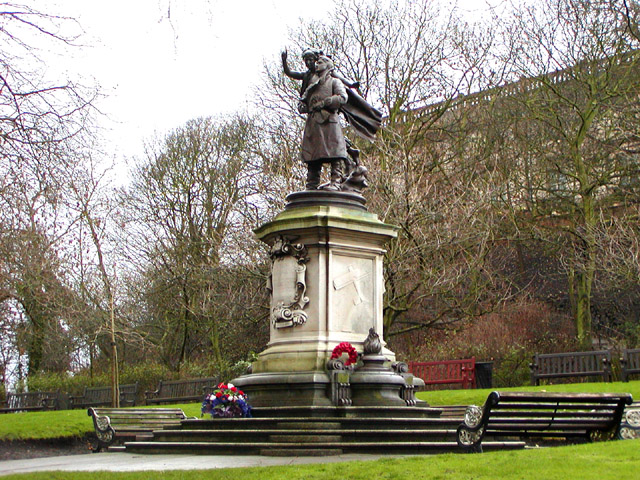
On 8 June 1917, he was awarded the Victoria Cross for his actions between 25 April and 6 May, during which he had displayed what the citation called “most conspicuous and consistent bravery.” His father received the medal from the King, and memorial services were held in Nottingham. Ball was later buried in Annoeullin, where his grave remains today, marked by a private memorial paid for by his family. Albert Ball’s official total stands at 44 victories. Later British aces would surpass him, including Edward Mannock, James McCudden and George McElroy. But Ball was the first British fighter pilot to become a household name. He flew largely alone. He avoided mess hall conversations. He played the violin in his hut by the airfield. He wrote faithfully to his parents. In the end, Albert Ball was not remembered simply for the number of aircraft he shot down, but for the quiet seriousness with which he went to war and for the cost that seriousness carried. Read about other Aces HERE.







Why no mention of Canadian Aces, such as Bishop and Barker?