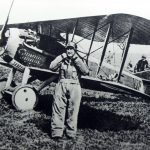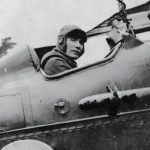
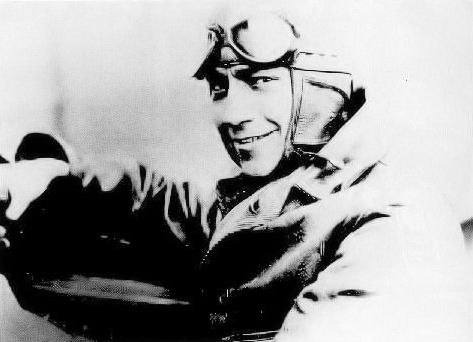

In the closing year of World War I, when the air war over France had become a contest of endurance as much as skill, one of the highest-scoring American pilots was not flying in an American squadron at all. He wore the uniform of the Royal Air Force (RAF), flew a British fighter that few other aces preferred, and fought in a manner that left little room for ambiguity in the record. His name was Francis Warrington Gillet, and with 20 confirmed victories, he became the leading ace of the Sopwith Dolphin and the second-highest scoring American of the war, surpassed only by Edward Rickenbacker. Gillet was born in Baltimore, Maryland, on November 28, 1895, into a country that would not enter the European conflict until April 1917. He graduated from the University of Virginia, and when the United States declared war on Germany, he joined the Aeronautical Division of the US Signal Corps as a cadet in April 1917. Like many young men of his generation, he saw aviation as both service and opportunity. He entered the School of Military Aeronautics at the University of Illinois on May 31, 1917, for preliminary training, but his American military path ended abruptly. On July 25, 1917, he received an honorable discharge on grounds of dependency. The war, however, did not release him.
Ace Journey of Francis Warrington Gillet
To continue serving on the frontline, Gillet chose an unusual path. He traveled to Canada and enlisted in the Royal Flying Corps under the name Frederick Warrington Gillet to preserve his U.S. nationality, as under American law at the time, joining the armed forces of a foreign power could jeopardize his citizenship. In British documents, his surname was usually written as “Gillett,” and it was under that spelling that he would go to France, fly combat, and build the record that later defined him. He completed his basic flight training in Canada and, on December 29, 1917, received Royal Aero Club Aviator’s Certificate No. 7017. On the same day, he was commissioned as a second lieutenant in the Royal Flying Corps. He then proceeded to England for advanced instruction as a fighter pilot. By the time he reached France on March 29, 1918, assigned to No. 79 Squadron Royal Flying Corps (RFC), the air war had entered its most intense phase. Within days, on April 1, 1918, the RFC and the Royal Naval Air Service merged to form the RAF. Gillet’s service would henceforth be under the RAF, even if the squadron’s culture and methods still bore the stamp of the old RFC.
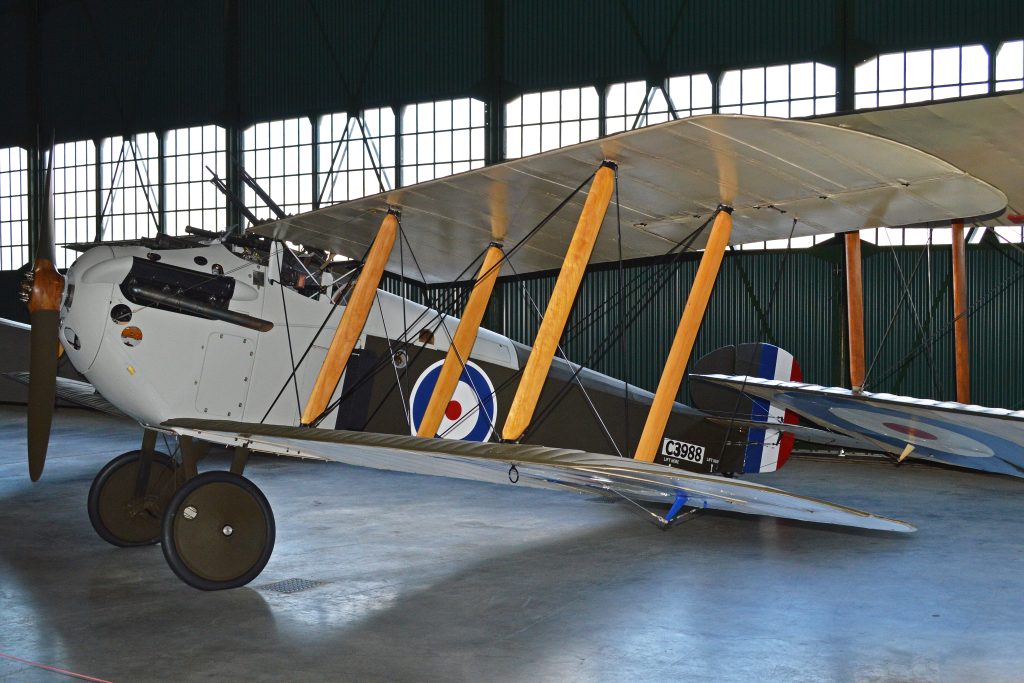
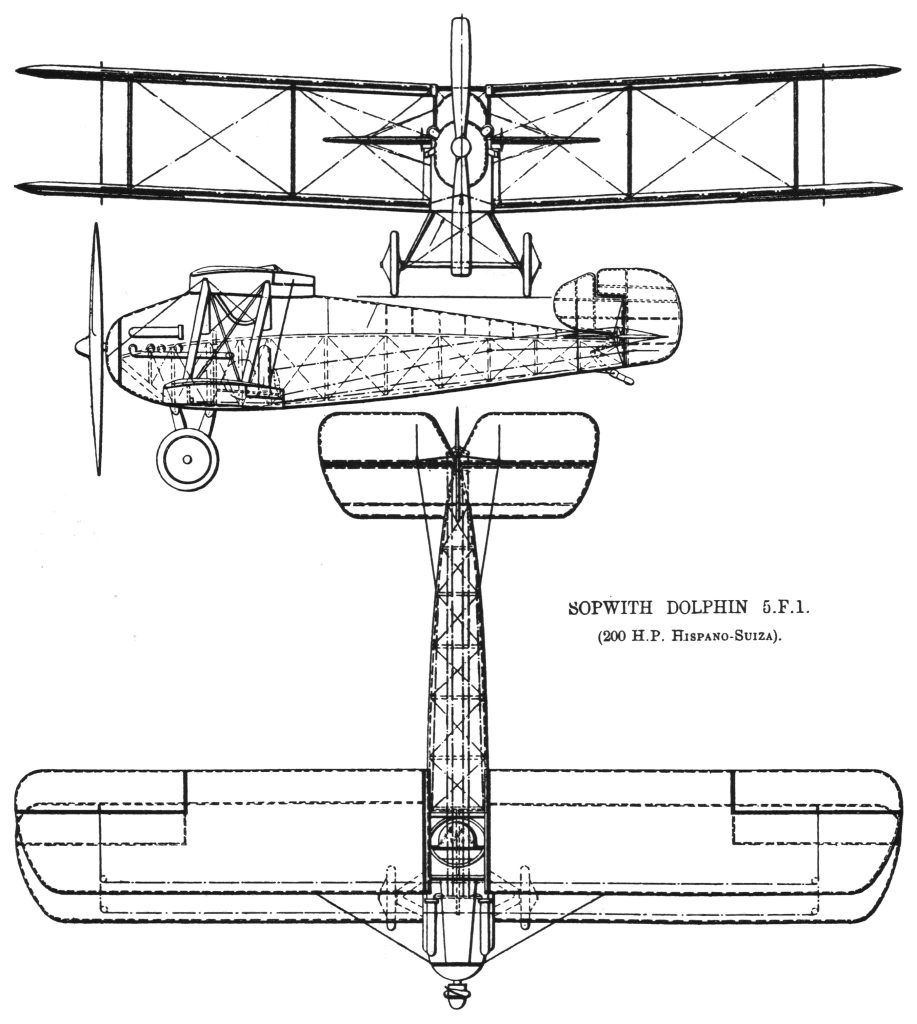
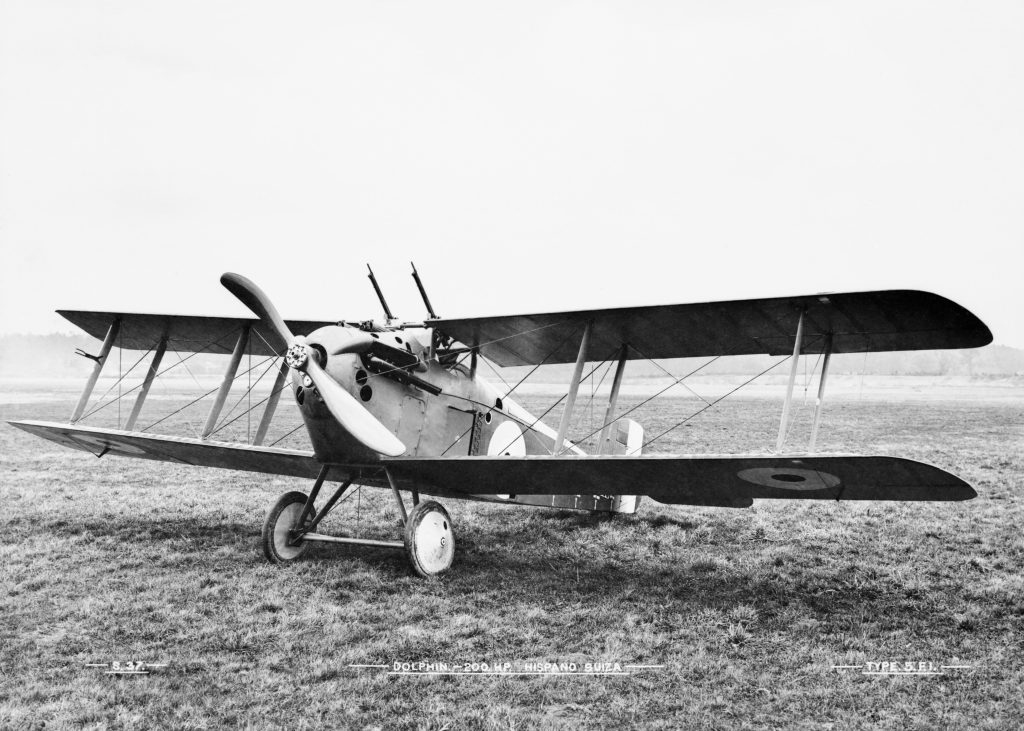
No. 79 Squadron was equipped with the Sopwith Dolphin, a type Gillet had never flown before arriving in France. The Dolphin was unlike the more familiar British fighters. Its upper wing was set slightly behind the lower one, a “negative stagger” arrangement that gave the aircraft a peculiar profile. The cockpit was positioned high in the fuselage, so the pilot’s head rose between the wing roots, almost level with the upper plane. From there, downward visibility was good, which helped in combat, but for a newly arrived American lieutenant serving in a British squadron, the Dolphin required not only technical adjustment but a measure of trust. By the summer of 1918, Gillet had settled into the Dolphin and into the routine of offensive patrols over northern France. On August 3, he claimed his first victory, destroying a German kite balloon north of Estaires. Balloons were heavily defended and tethered low over the lines, protected by anti-aircraft fire and fighter patrols. While attacking one balloon, Gillet encountered a defending two-seater that advanced to engage him. He shot it down, then turned back to deflate the balloon. The official citation for his Distinguished Flying Cross later described this action as, “When attacking a kite balloon, a two-seater guarding it advanced to engage him; Lieut. Gillett shot the machine down, and, turning to the balloon, which was being rapidly hauled down, he dropped two bombs at the winch and fired a drum into the balloon, which deflated but did not catch fire. In addition to this two-seater, this officer has accounted for two other machines and a kite balloon.”
Pilot of Great Dash and Skill
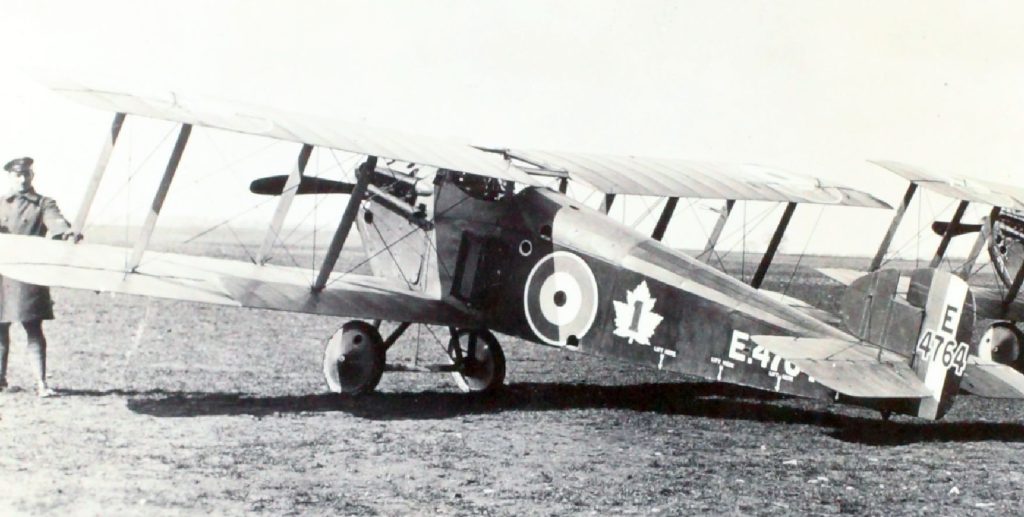
His victories began to accumulate steadily. Toward the end of August, he accounted for two enemy aircraft. In September, his pace increased sharply, and he destroyed another balloon and six aircraft. In October, he added a balloon and five more aircraft. On October 14, 1918, he was appointed acting captain and, for a brief period, served as commanding officer of No. 79 Squadron. For his actions in September and October 1918, he was awarded a second Distinguished Flying Cross, which cited him as a “pilot of great dash and skill.” On September 29, “when on a lowline patrol, he [Gillet] attacked three Fokkers, driving down one, which fell in flames,” the citation added. In November, Gillet shot down four aircraft, three of them on the morning of November 10, 1918, one day before the armistice silenced the guns. Gillet’s record was not only the number of victories, which reached 20, but also the nature of the claims. All were credited as destroyed. In the Royal Air Force system, many victories were recorded as “driven down out of control,” a category that acknowledged combat success without visual confirmation of destruction. Gillet’s score contained no such margins. Each of his twenty was assessed as destroyed, an unusual record among World War I aces.
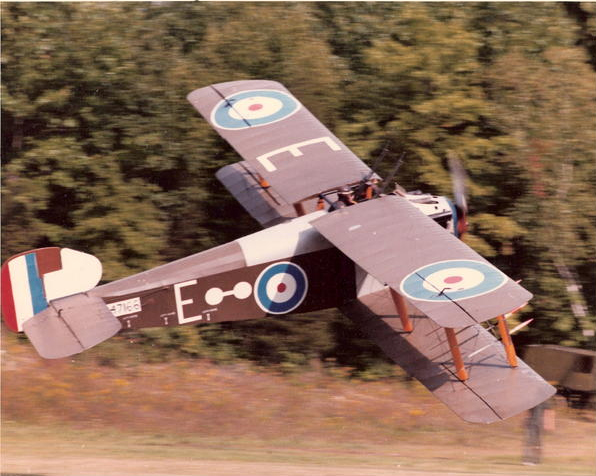
By war’s end, Gillet stood as the highest-scoring pilot to fly the Sopwith Dolphin. In addition to two awards of the Distinguished Flying Cross, he was also awarded the Belgian Croix de Guerre in July 1919. On March 7, 1919, he was transferred to the unemployed list of the RAF, effectively ending his British service. Returning to the United States, Gillet secured his release from the US Army Signal Reserve Corps and entered civilian life. Unlike some of his contemporaries, he did not pursue a public career in aviation. Instead, he entered the family business and built a long and successful career as a liquor importer, realtor, and banker. Francis Warrington Gillet died on December 21, 1969, at the age of 74 in Baltimore, the city of his birth. In the Aces series, Gillet’s story stands as a reminder that the American contribution to the air war over France did not begin or end with American units. Some Americans crossed borders to find combat sooner. In doing so, Francis Warrington Gillet became not only an American ace but the American eagle in the Royal Air Force. Read about more Aces HERE.