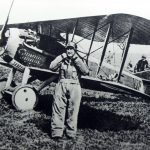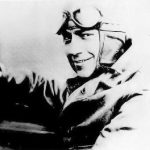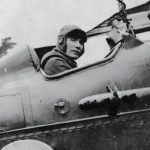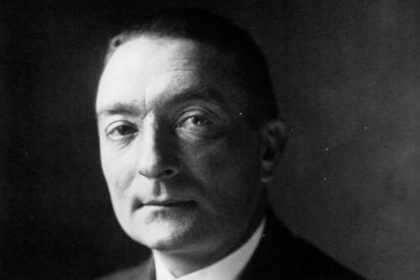
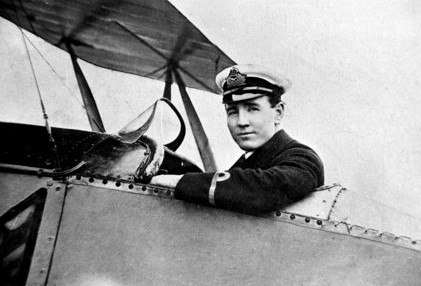

Roderic Stanley Dallas was born on July 30, 1891, at Mount Stanley Station near Esk, Queensland. His father was a laborer, and the family moved often, first to Tenterfield in New South Wales, then to Mount Morgan in Queensland. Dallas attended the local school and, at sixteen, joined the assay office of the Mount Morgan Gold Mining Company. At night, he studied chemistry and technical drawing. He was practical, disciplined, and already thinking in terms of structure and mechanics. He lived largely outdoors. He was tall, over six feet, and strong. He became a sergeant in the school cadet corps and was later a lieutenant in the Mount Morgan Company of the 3rd Infantry Battalion. In 1911, when flights were still new, the Queensland Aero Club formed a branch at Mount Morgan to spark interest in aviation. The following year, American pilot Arthur Burr Stone made the first powered flight in Queensland. Dallas was already interested in aviation and studied how birds fly. Based on these observations, he attempted to build a frail glider, but failed to launch it. In 1915, he paid his own passage to England; however, entry into flying service proved difficult. For a time, he even considered an acting career in America. Advice from fellow Australian Sydney Pickles and assistance from Australia House secured him admission to the Royal Naval Air Service (RNAS). He topped the entrance examination and earned pilot’s licence No. 1512 on August 5, 1915.
Roderic Stanley Dallas’ Ace Journey
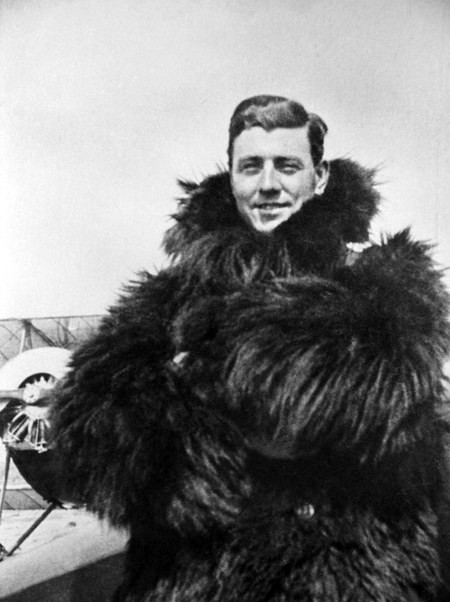
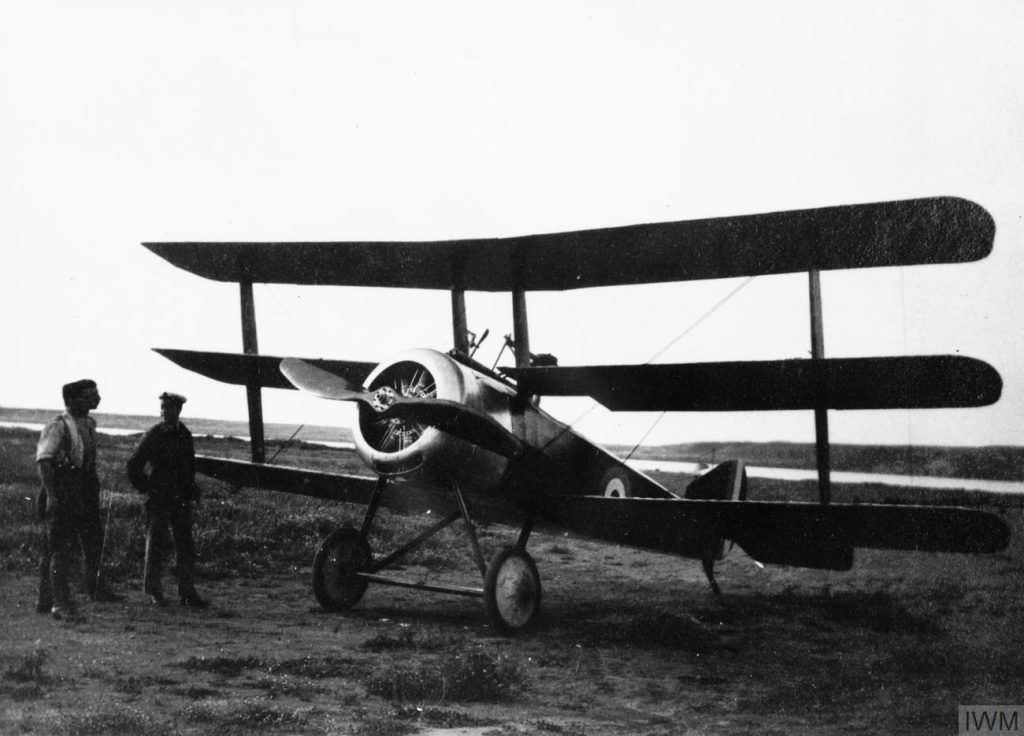
On December 3, 1915, Dallas joined No. 1 Naval Wing and began flying combat missions in Nieuport 11 fighters and Caudrons in Dunkirk, France. He earned the nickname “Breguet” after being pranked about taking off in a propellerless Breguet and later used it as a signature. Dallas made two unconfirmed kills in February 1916 and scored a confirmed victory on April 23 by shooting down a German Aviatik C. There is still confusion about his first victory, with some sources mentioning it in February, others in April, or even in May. But as his tally continued to improve, it mattered less. He scored three more confirmed victories with his Nieuport, and by then, some reports said he had earned the title of a flying ace. On June 23, 1916, he received the Sopwith Triplane, named it Brown Bread, and flew it into combat shortly after its arrival. Sopwith Triplanes were among the first of their type to reach the front. The aircraft was still experimental, but Dallas adapted quickly. He achieved his first victory with Brown Bread on July 1, the same day he was promoted to flight lieutenant. He received the Croix de guerre and a mention in despatches for aiding a French biplane. On September 7, 1916, he was awarded the Distinguished Service Cross for his gallant service. By the end of the year, Dallas had become one of the earliest RNAS aces with eight confirmed and four unconfirmed victories and was promoted to flight commander.
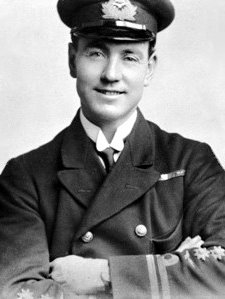
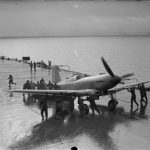
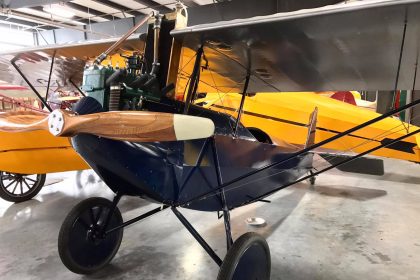
Dallas became one of the best-known pilots of Sopwith Triplanes in the RNAS, setting an altitude record of 26,000 feet in early 1917 while testing an oxygen set, despite facing frostbite and oxygen intoxication. As British air losses increased in April, Dallas and his squadron moved to La Bellevue, preparing for the Battle of Arras, where he increased his combat score. On April 23, 1917, Dallas and wingman Thomas Culling engaged 14 German aircraft, employing superior altitude and tactics to conduct multiple gunnery runs, ultimately driving the Germans back and shooting down three enemy planes. Their actions disrupted a German assault, earning Dallas a Bar to the Distinguished Service Cross and Culling a Distinguished Service Cross, both announced on June 29. By June 1917, Dallas had over 20 aerial combat victories and was appointed commanding officer of No. 1 Naval Squadron. The squadron had problems with fewer aircraft and older planes. When not flying, he guided new pilots and organized the construction of a new airbase. In November 1917, the squadron switched to Sopwith Camels. On April 1, 1918, Dallas was promoted to major and took command of No. 40 Squadron in the newly formed Royal Air Force, where some men referred to him as “the admiral” because of his naval origins. He quickly adapted to flying S.E.5s, achieving his first victory in the type in just 10 days after taking command. Because of thigh and heel injuries, he had to be admitted to the hospital for a short period. But he returned to flying and increased his score to 37 by late April, for which he received the Distinguished Service Order. On May 2, 1918, he led a raid on a German base and impressed military leaders with his actions.
The Final Flight
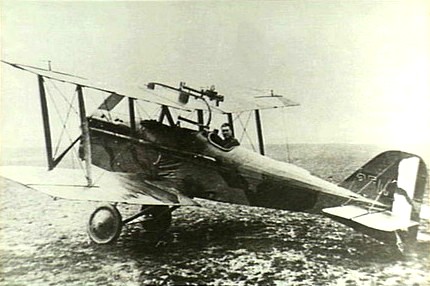
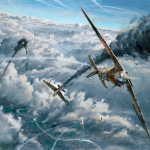
His official tally reached 39 victories, though in private correspondence, he considered 32 certain. Other estimates suggested more than 50. Dallas was promoted to lieutenant colonel and assigned command of a wing, but did not receive the notification to stop flying before disappearing on a solo mission on June 1, 1918. While patrolling near Liévin, he moved to assist another pilot under attack. Aware of enemy aircraft positioned advantageously above, he nevertheless pressed forward. He was engaged by three Fokker Triplanes and shot down at just 26 years of age. Theories suggest he may have engaged a lower-flying German plane and that other pilots were involved in the incident. Medics retrieved his body from the crash site, and volunteers collected his personal effects. His death shocked his squadron. He was buried at Pernes in the British cemetery. At the time of his death, he ranked sixteenth among Allied aces and second among Australians, behind R. A. Little. Dallas engaged all types of German aircraft. In an instructional booklet, he warned young pilots that aggressiveness was not the same as recklessness. Those who served with him remembered not only his combat record but his humour and his ability as a black-and-white artist. Like many aces, he began as an unknown, somehow creating his way towards flying, but in the end became one of the most capable fighter leaders of the war. Read about more flying aces HERE.