






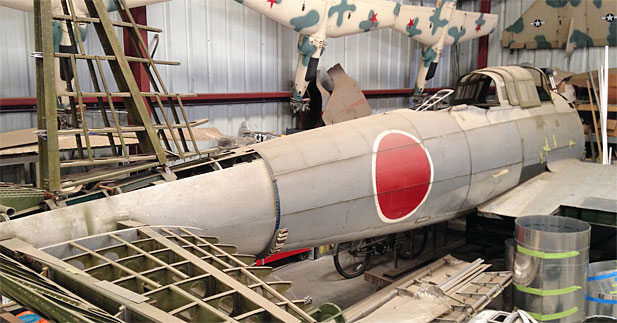

In the worldwide warbird community, one of the best collections of Japanese WWII aircraft found in the United States resides at the Planes of Fame Air Museum in Chino, California. The museum’s Mitsubishi A6M5 Type 52 Zero and Mitsubishi J2M3 Raiden (Thunderbolt) have been the subject of previous articles on this website. Yet tucked away in the corner of the museum’s Thomas Friedkin Restoration Hangar rests another rare Japanese aircraft of WWII; an Aichi D3A dive bomber, known to the Allies by its codename “Val”. In 1936, the Imperial Japanese Navy launched a design competition to find a successor to the carrier fleet’s inventory of obsolete Aichi D1A biplane dive bombers. Originally a three-way competition between the Aichi, Mitsubishi, and Nakajima companies, Mitsubishi soon exited the contest, leaving just Aichi and Nakajima, who submitted the D3A and the C3N respectively. Both prototypes were powered by the Nakajima Hikari (Light) nine-cylinder radial engine, but the D3A was distinguishable from the C3N by the elliptical shape of its wings, which was inspired by the wings of the German Heinkel He 70 mail-plane/light bomber. When the D3A prototype made its first flight in January 1938, however, the results were disappointing. The aircraft was underpowered, was unable in both wide and tight turns and the dive brakes vibrated excessively at the aircraft’s top speed of 200 knots (370 km/h while the Navy wanted a diving speed of 240 knots (440 km/h).
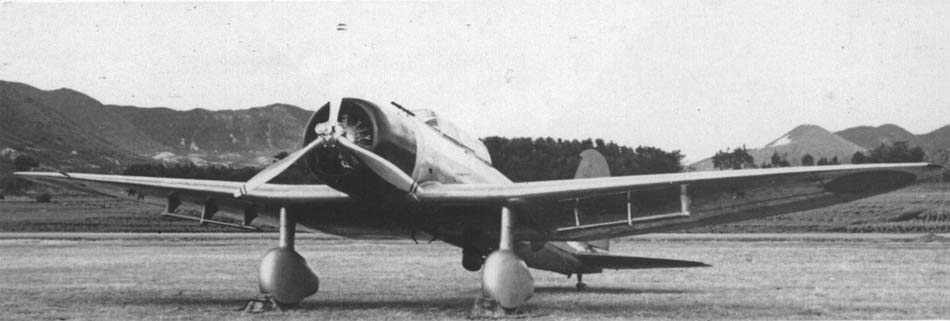
A second prototype was built and proved to be a much better aircraft. It was now powered with a Mitsubishi Kinsei (Venus) 14-cylinder, twin-row radial engine with a redesigned cowling, the vertical tail was enlarged for greater lateral stability, the leading edges of the wings were modified with washouts to prevent snap-rolls in tight turns, and the dive brakes were strengthened. All of this ensured that the Aichi D3A1 now had the edge over the Nakajima C3N1, and Aichi’s design was soon accepted as the Japanese Navy’s new carrier-borne dive bomber. The Aichi D3A1 was armed with a single 250 kg (550 lb.) bomb slung under the fuselage. Two 60 kg (130 lb.) bombs mounted on the wings, as well as two forward-firing Type 97 7.7mm machine guns synchronized with the aircraft’s propeller and a single Type 92 7.7mm machine gun on a flexible mount operated by the rear gunner.
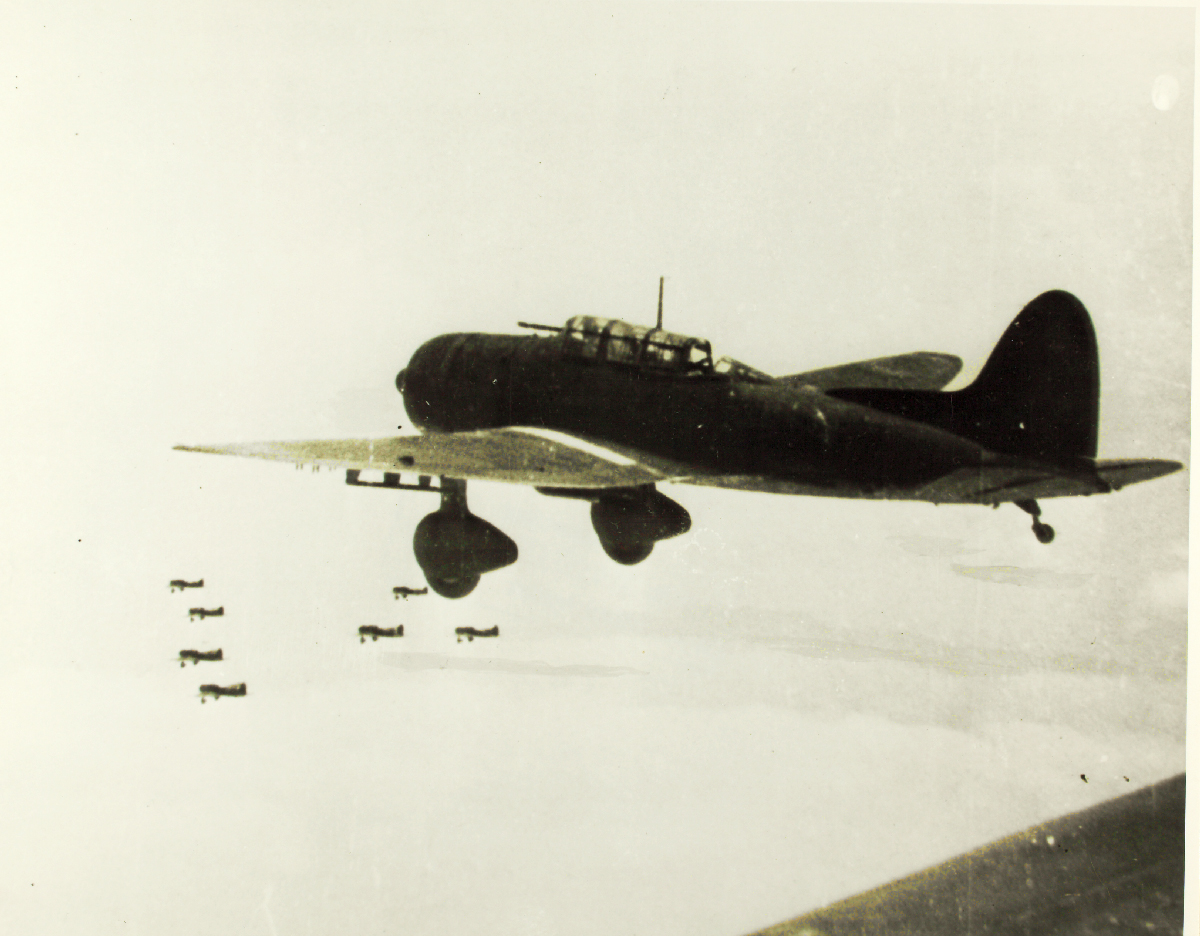
In December 1939, the Aichi D3A1 was ordered into production as the Navy Type 99 Carrier Bomber Model 11. This designation was due to 1939 being the year 2599 in the Japanese imperial calendar, and the D3A1 being the 11th Carrier Bomber (dive bomber) accepted into service. The prior month, however, the D3A would see its combat debut during the Second Sino-Japanese War, operating from land bases at Haikou on the Chinese island of Hainan in support of Japanese offensive pushes into southern China, such as the capture of Nanning and Yichang, and was used to attack Chinese supply routes.
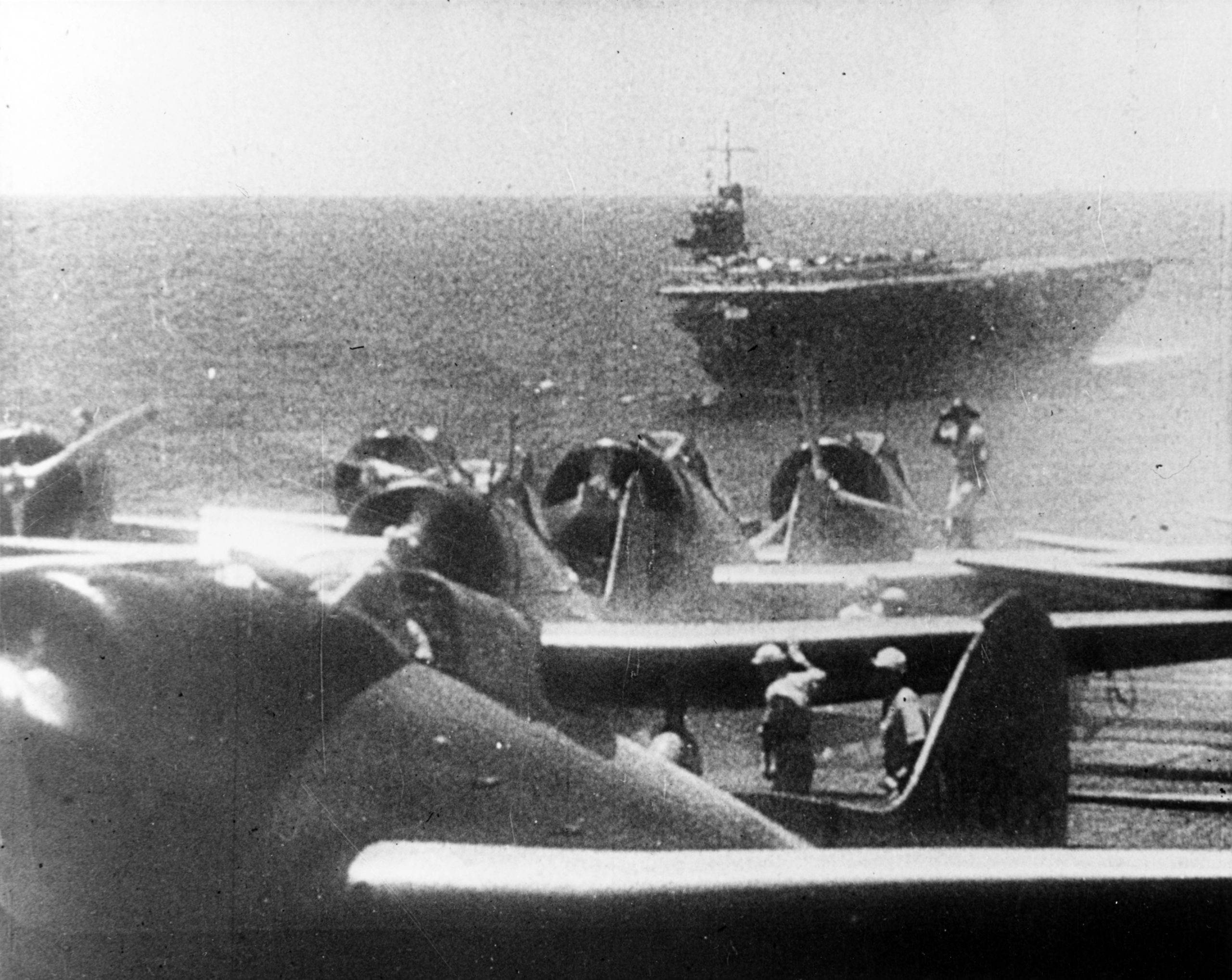
The aircraft first came to prominence against American personnel during the attack on Pearl Habor on December 7, 1941, but would soon make its presence known from Pearl Harbor to the Philippines, and even as far as Australia and the Indian Ocean. American fleet carriers sunk or heavily damaged in battle bore the brunt of the “Val”, from the USS Lexington at the Coral Sea, to USS Yorktown at Midway, and USS Hornet in the Battle of the Santa Cruz Islands.

By 1942, the Japanese introduced the D3A2 (Model 22), a long-range variant of the “Val”, which saw the addition of a more powerful Kinsei engine with added fuel tanks. But like other Japanese aircraft, the D3A “Val” traded armor for extended range, and with their lack of self-sealing fuel tanks, a few rounds from an American fighter or a hit from an anti-aircraft gun would often turn the “Val” into a flying inferno. Despite the fact the Japanese would lose most of their carriers, the Aichi D3A “Val” continued to serve from land bases across the Pacific as the Americans pushed the Japanese back to their Home Islands. By 1943, the Aichi D3A “Val” would steadily be replaced on the few remaining front-line fleet carriers by the new Yokosuka D4Y Suisei (Comet) dive bomber (Allied reporting name “Judy”). Nevertheless, the “Val” remained in combat to the very end of WWII, with many meeting their ends as kamikaze aircraft, attempting to run the gauntlet of Allied carrier air patrols and anti-aircraft gunners to take more Allied sailors with them to the bottom of the Pacific.
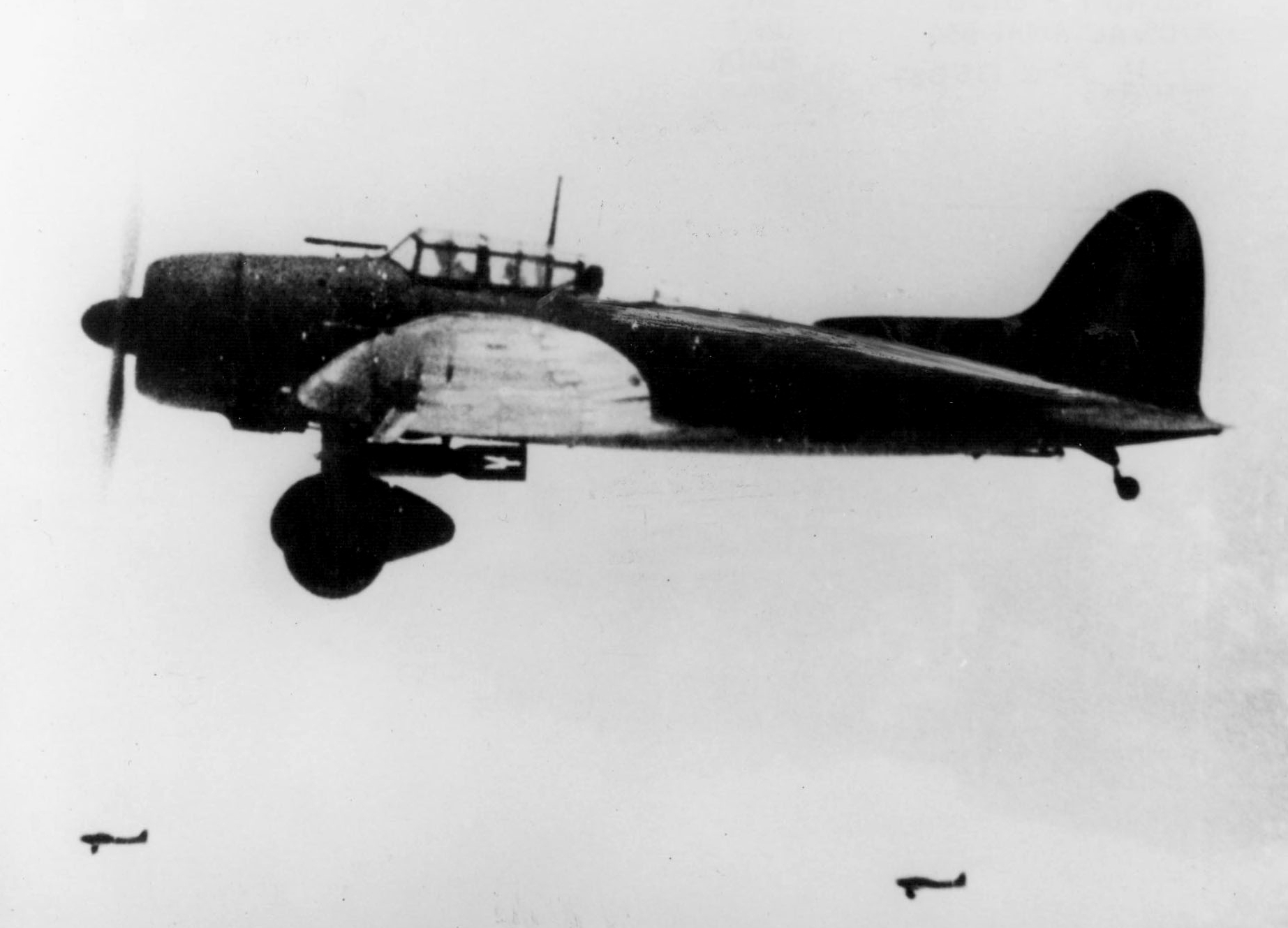
In the end, nearly 1,500 Aichi D3A “Vals” were built, but when Japan surrendered, all surviving intact examples were cut up and melted down for scrap, with no examples set aside for display in any museums in the U.S. or Japan. However, a new generation of aviation enthusiasts looked to the islands of the South Pacific and saw gold where others saw rusted-out hulks being reclaimed by the jungles, and they sought to bring these wrecks back home with them to be restored to their former glory.

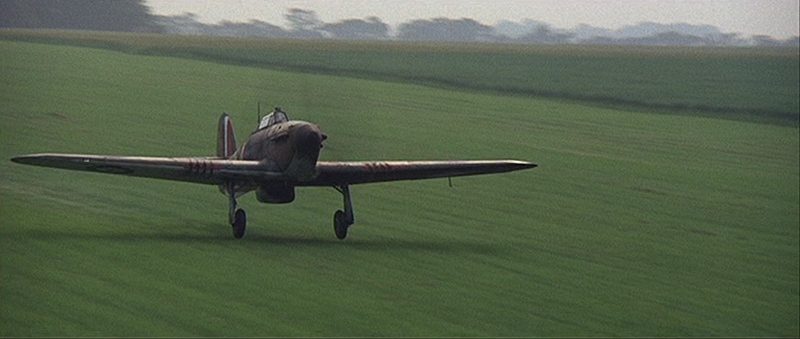
Among these was a Canadian pilot named Robert “Bob” Diemert. Born in 1938, Diemert was a self-taught engineer with a piece of property near Carmen, Manitoba, about 77 kilometers (48 miles) southwest of Winnipeg, where he had his house and his own airfield, which he called Friendship Airport. In 1964, he bought a derelict Hawker Hurricane Mark XII, Royal Canadian Air Force s/n 5377, from a farmer in Portage la Prairie, Manitoba named Jim Roy, who had bought the airplane surplus from the RCAF in 1946. Over the next four years, Diemert restored the Hurricane to airworthy condition, and had it brought to England for the filming of the 1969 movie Battle of Britain, where he flew the aircraft in the same skies that the real battle had been fought in some 30 years prior.
With the filming of Battle of Britain finished, Diemert had learned about a new film being produced in both Japan and the United States about the attack on Pearl Harbor called Tora! Tora! Tora! (which was released in theaters in 1970) and figured that he could find examples of some of the aircraft types the Japanese had used in the attack to be restored and flown in the film. Upon arriving in New Guinea (then still under administrative rule from Australia), Diemert met with pharmacist William “Bill” Chapman, who lived in Port Moresby, and had become involved in rescuing WWII aircraft wrecks from the jungles, mountains, and swamps of New Guinea.
Soon, at the suggestion of Bill Chapman, Diemert set his sights on the small island of Balalae (also spelled Ballale), just off the southern shore of Bougainville, which during the war had an airfield constructed by 517 British prisoners of war shipped from Singapore to crush coral for the runway and perform other manual labor on the island. When the Americans launched attacks to bomb the airfield, the Japanese reportedly forbid the British POWs from taking shelter from the bombs and subjected the POWs to beatings on a daily basis, left disease among the prisoners untreated, and executed men for minor infractions. In 1943, with the construction off the airfield complete, the Japanese executed all of the remaining British POWs, but the Americans simply bypassed the tiny island and cut its supply routes. Balalae Airfield also had a footnote in the death of Admiral Isoroku Yamamoto, in that Yamamoto’s Mitsubishi G4M “Betty” bomber/transport was set to land on Balalae after departing from Rabaul but was intercepted by Lockheed P-38 Lightning fighters on April 18, 1943, as part of Operation Vengeance. The Japanese garrison remained on the island until the surrender of Japan in August 1945. In November 1945, Australian investigators found a mass grave containing the remains of 436 of the prisoners, which were later reburied at the Bomana War Cemetery in Port Moresby. More on the British prisoners of war on Balalae can be found HERE.
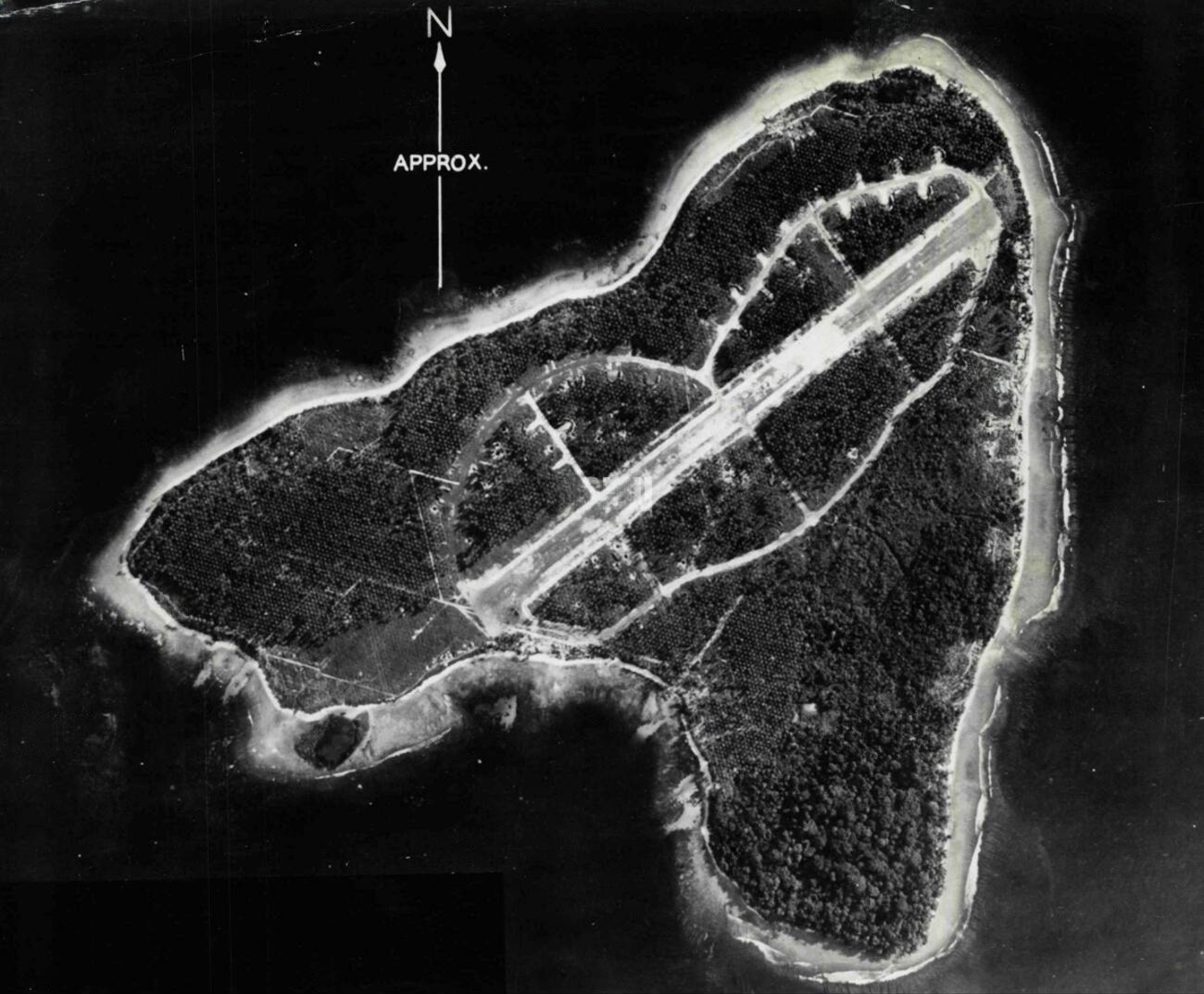
When Diemert arrived on Balalae in 1968, he hired at least six locals to help him hack through the overgrown jungle, and discovered the wrecks of several Mitsubishi A6M2 Zeros and one Aichi D3A2 “Val”. The “Val” on Ballale was later found to be serial number 3718. Constructed in April 1943, it had been assigned to the air group of the carrier Zuikaku (“Auspicious Crane”). Immediately after being accepted into frontline service, the aircraft was part of a detachment from the Zuikaku Air Group sent to Balalae during Operation I-Go, a Japanese counteroffensive against the encroaching American, Australian, and New Zealand forces in the Solomons. However, the aircraft would be disabled on the ground, possibly due to an Allied bombing raid. With s/n 3178 being damaged beyond repair for the sparse facilities on the island, the Japanese removed the engine, stripped it of all useful parts, especially the cockpit instrument panel, and abandoned the aircraft, which was, in the intervening years, swallowed up by the jungle. At the same time, a fallen tree caused slight damage to the tail of the D3A2.
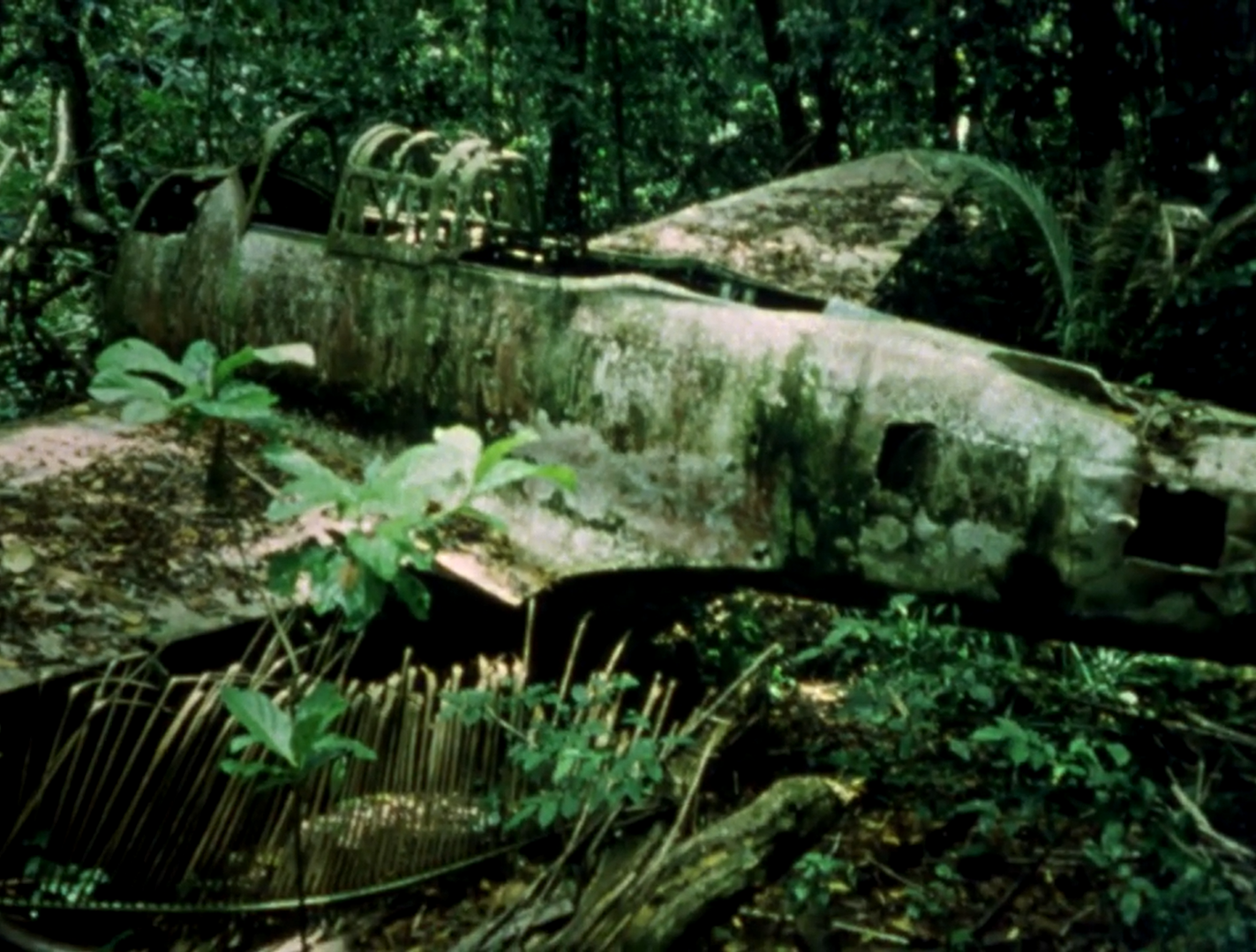
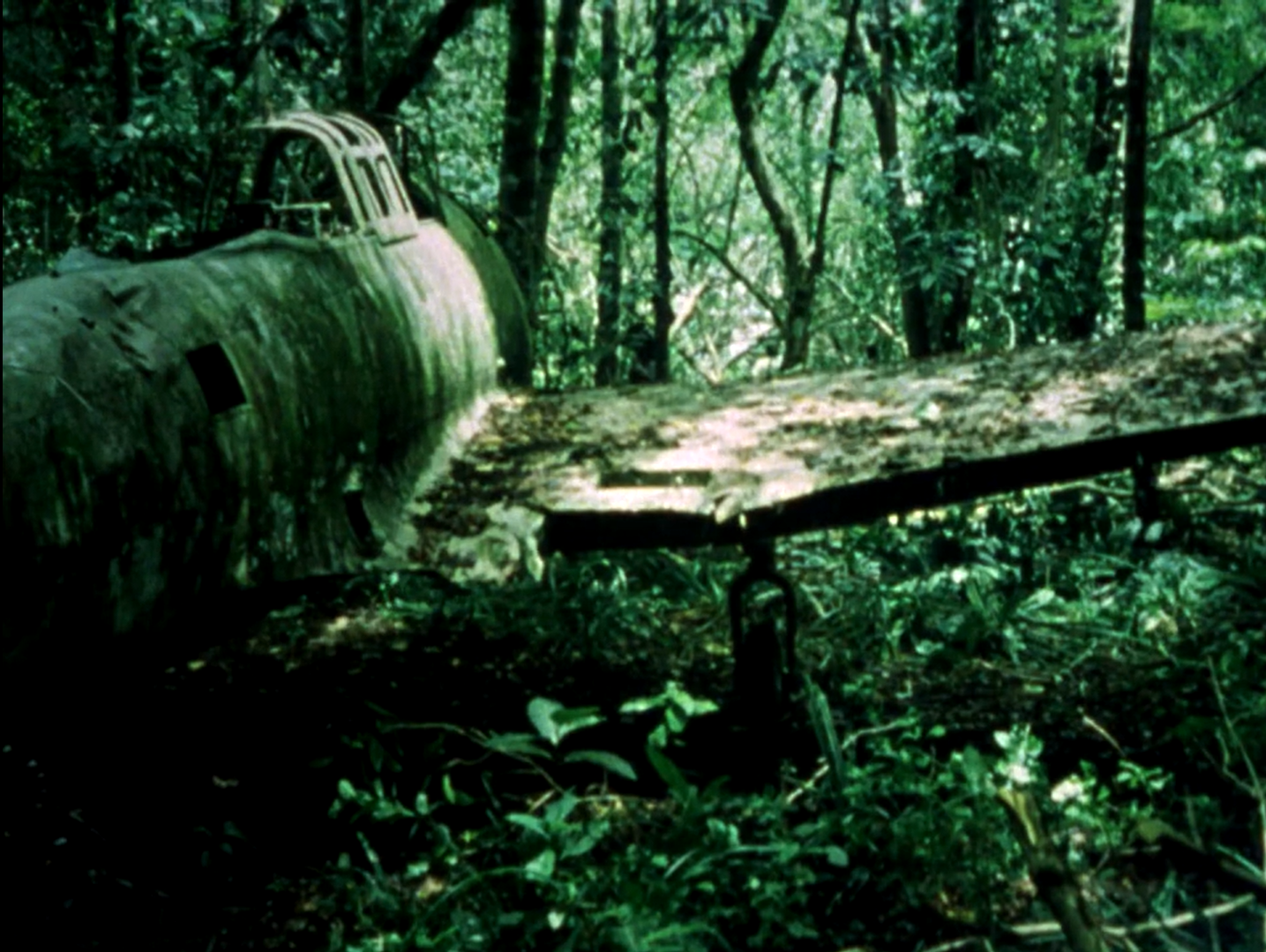
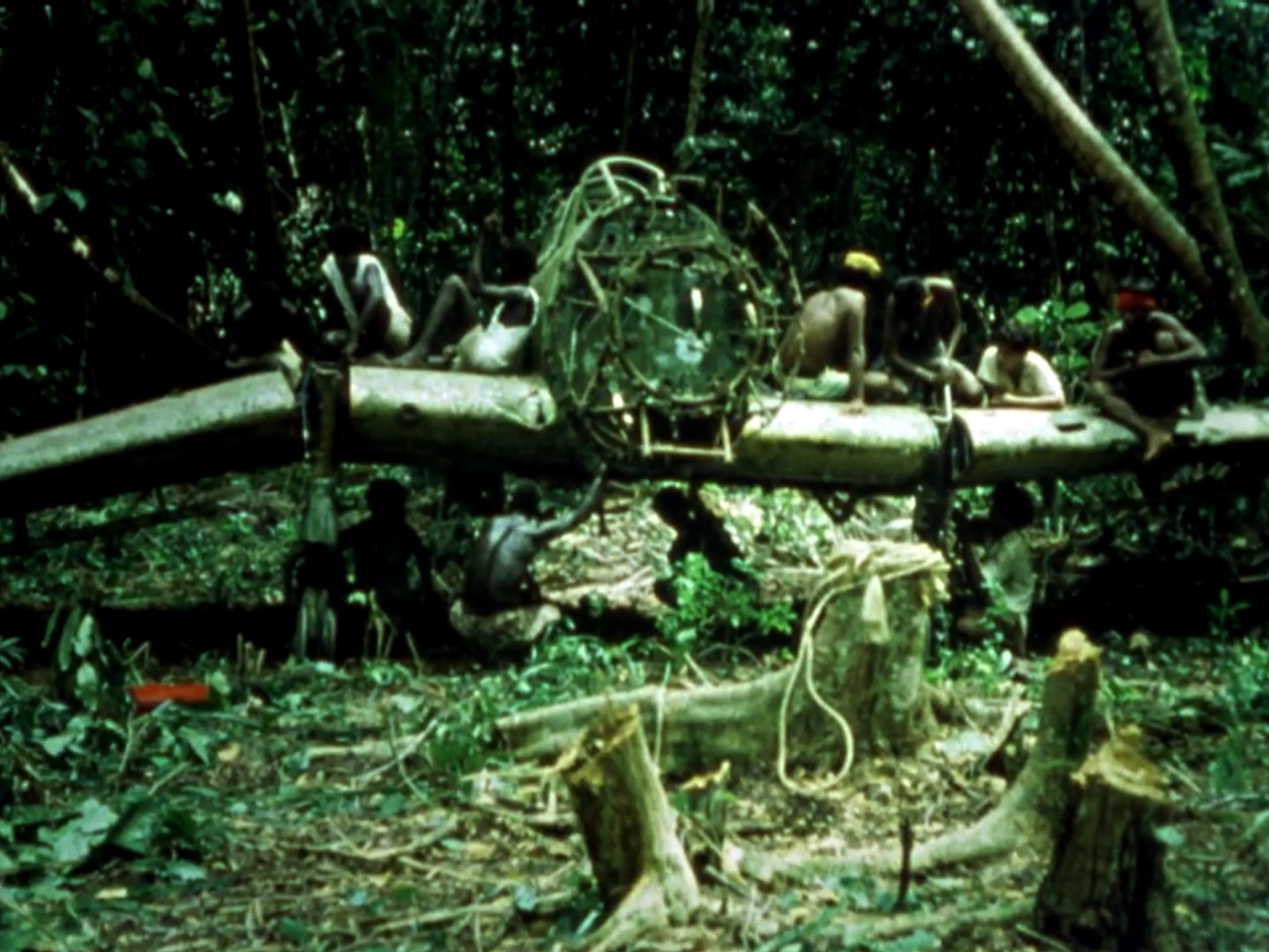
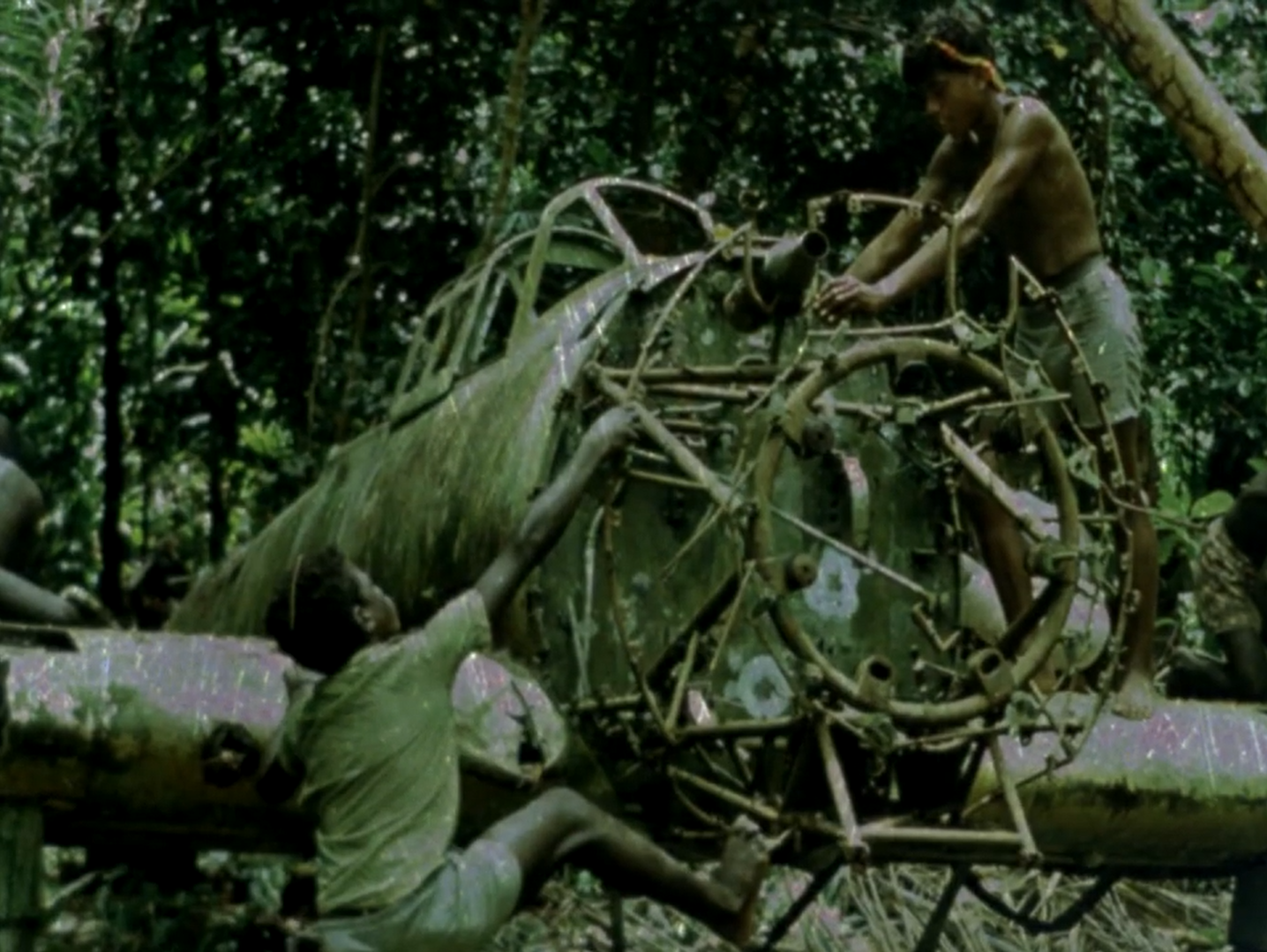
With the forest cleared around the wrecks, Bob Diemert had the local laborers cut the Val and the Zeros into sections that could then be carried by hand to the shore, where they were loaded onto a barge and towed down to Port Moresby. Upon arriving at Port Moresby, the Japanese aircraft were sent to Port Moresby International Airport (known during the war years as 7 Mile Drome/Jackson Field) and stored outdoors.
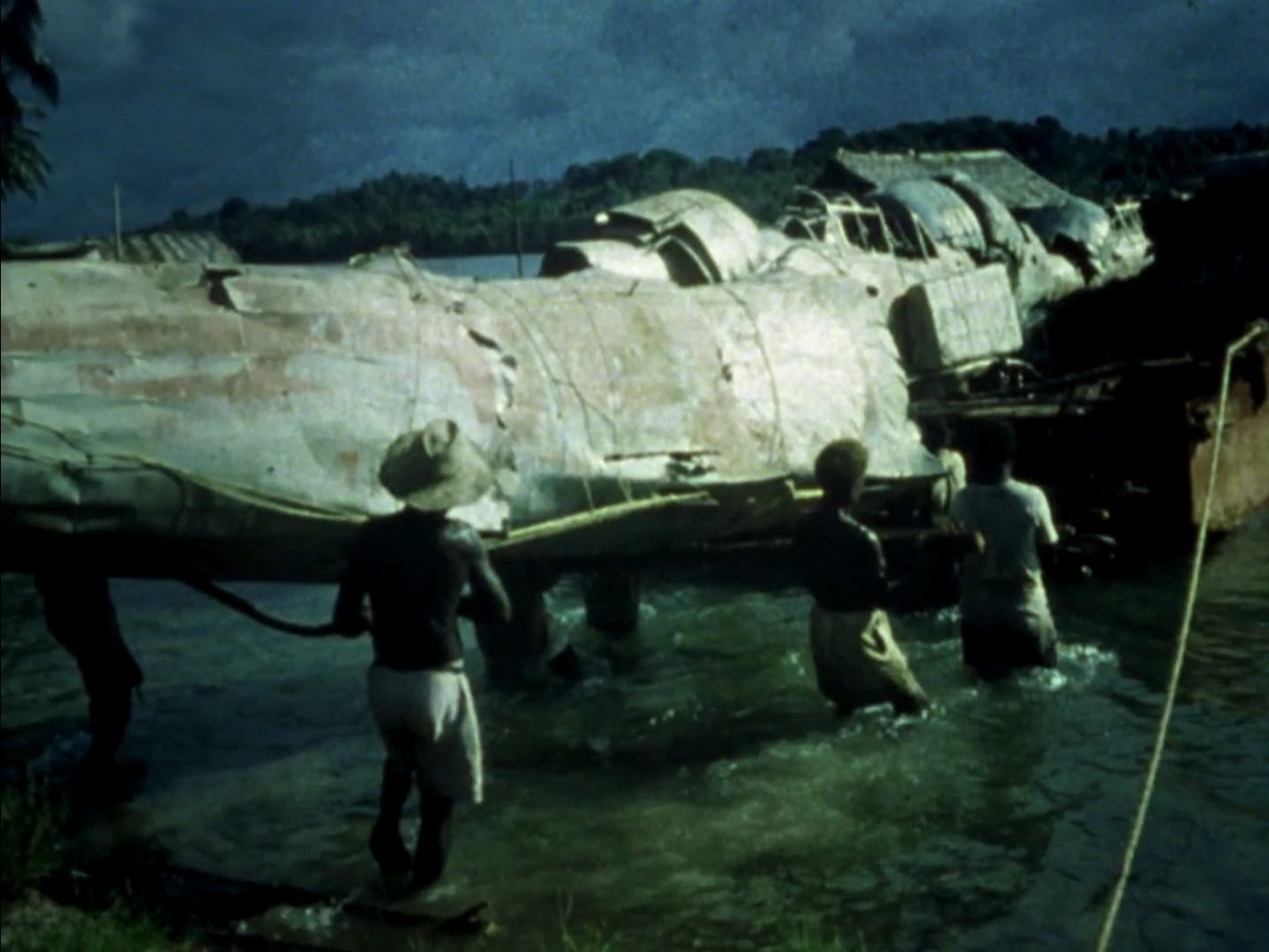
Diemert, however, still needed to get the airplanes back to Friendship Airport in Manitoba, and that was when he called in a favor from the Royal Canadian Air Force. In January 1969, he had arranged an export deal with the Canadian and Australian governments (New Guinea was still under administrative rule from Australia), and that month, an RCAF Lockheed C-130 Hercules, which was conducting a round-the-world training exercise, was flown into Port Moresby, and flew the A6M Zeros and D3A Val to Winnipeg, where Diemert would transport the wrecks by truck and trailer to Friendship Airport. The D3A2 “Val” became Diemert’s first Japanese project, but he would keep the Zeros and their parts around for future projects. Part of the deal for allowing the RCAF to airlift the Japanese airplanes to Canada would be that Diemert would then donate one of the restored aircraft to a Canadian museum.
In the warbird community, Diemert gained somewhat of a controversial reputation. Some have praised him for his vision in finding and restoring discarded aircraft at a time when the value of surplus WWII aircraft was only just beginning to be appreciated. On the other hand, many others have pointed out that his airworthy aircraft were not restored to stringent standards. It was not unheard of for Diemert to use masking tape to fill in gaps or pop rivets from local hardware stores to keep his aircraft together. Plus, much of his experience in aircraft maintenance was self-taught. But the fact remains that his airplanes did indeed fly. While the aluminum and magnesium sheet metal was largely too corroded for flight use, the internal structure was in better condition. In addition, Diemert got in touch with Tokuhishiro Goake, Aichi’s chief designer on the D3A dive bomber, who provided him with copies of the original design for the aircraft, while Diemert also acquired some preserved paint chips from other Vals to give the aircraft a proper paint job. Along with a team of three of his friends, Bob Diemert spent 4,800 man-hours rebuilding the Aichi D3A “Val”. Meanwhile, Diemert’s restoration attracted attention in Japan, and organizers of the Japan World Exposition, Osaka, 1970 (or Expo ’70) were interested in having Diemert bring the aircraft to Japan to be flown in the Expo, along with one of the Zeros if possible.
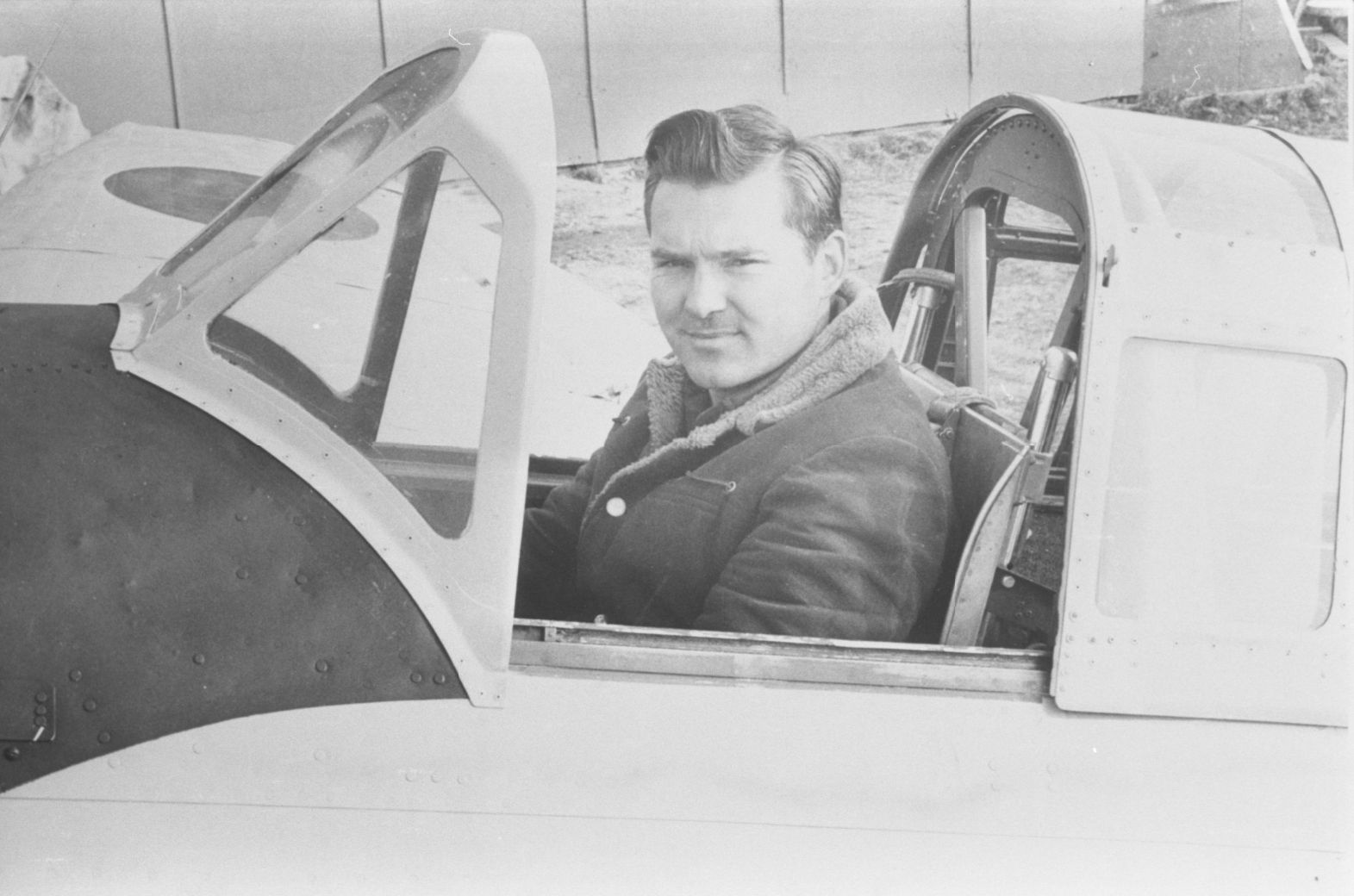
Given the condition of the aircraft, which had spent about 25 years on Balalae Island, Diemert had to replace many missing parts. For the vertical and horizontal stabilizers, he added a modified tail from a T-6 Texan/Harvard trainer. He added new instrument panels to the cockpit and installed a Wright R-2600 Twin Cyclone radial engine and cowling taken from a B-25 Mitchell bomber. By November 1969, Diemert announced he would conduct the first test flight of the Aichi D3A2 “Val” and began doing taxi tests on his grass airstrip. A Japanese reporter sent to cover the restoration even provided further help to Diemert by translating the plans sent from the Aichi company.
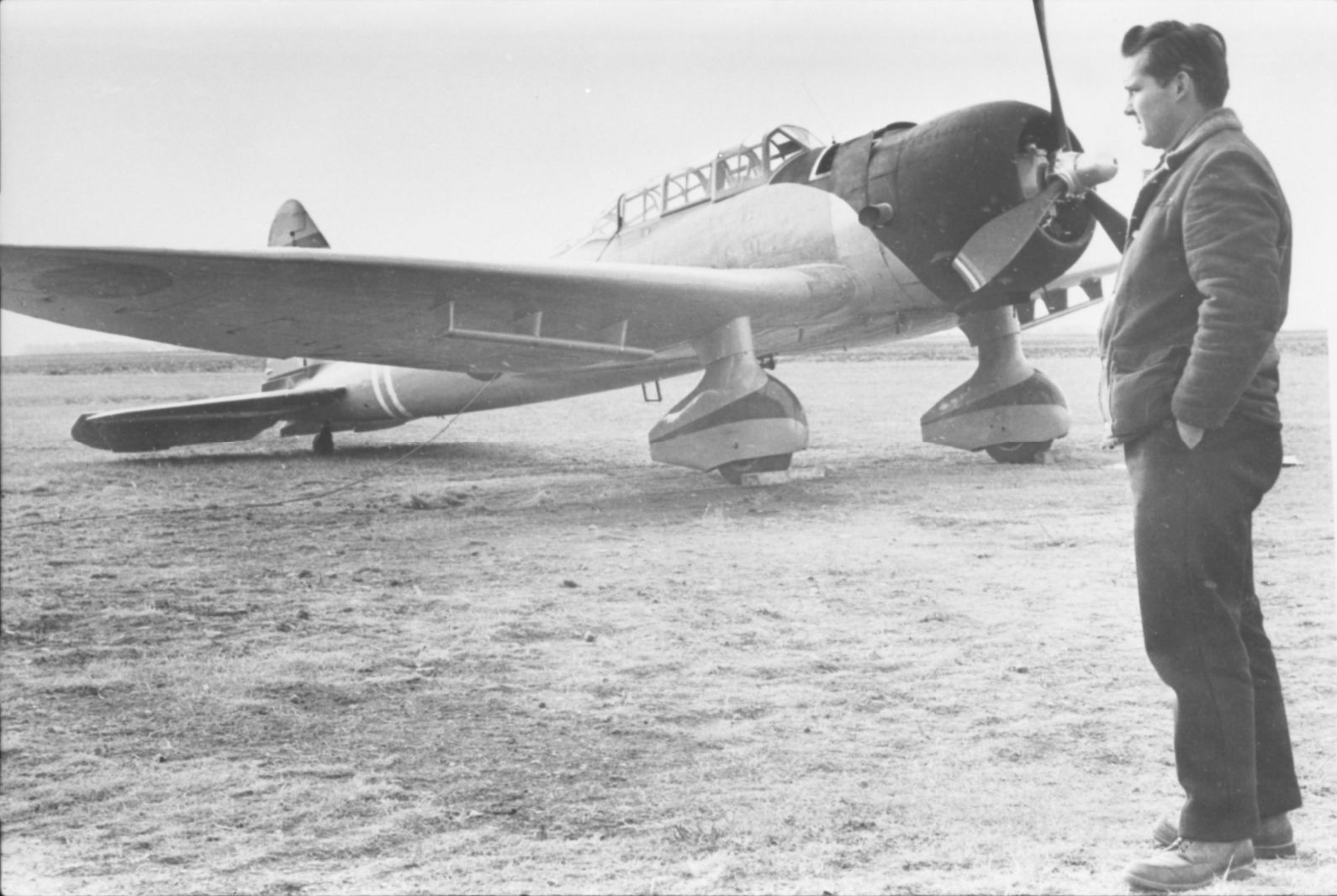
When Doug Creighton, a local representative for the Canadian Department of Transport, the civil body then responsible for regulating Canadian civil aviation, took a look at the aircraft, he told Diemert that the “Val” would not be certified to fly, and that the “Val” ought to be grounded until it received a formal airworthiness certificate, and warned that illegally flying the aircraft could result in a $500 Canadian dollar fine or a year of jail time, or both. He also stated to the local press that Diemert had not shared any design data of the “Val” with the DOT.
On Friday, November 21, 1969, two officers from the Royal Canadian Mounted Police (“Mounties”) knocked on Diemert’s door, with orders from Creighton to seize the D3A2 “Val” because it had no airworthiness certificate. But according to an article published in The Winnipeg Tribune on November 24, 1969, the two Mounties were sympathetic to Diemert, and he reported that one of them said: “This is stupid, how can we seize it when it hasn’t flown yet?” With that, the Mounties left Diemert’s property, and the following day, on November 22, 1969, Diemert took D3A2 Val s/n 3178 on its first post-restoration flight.
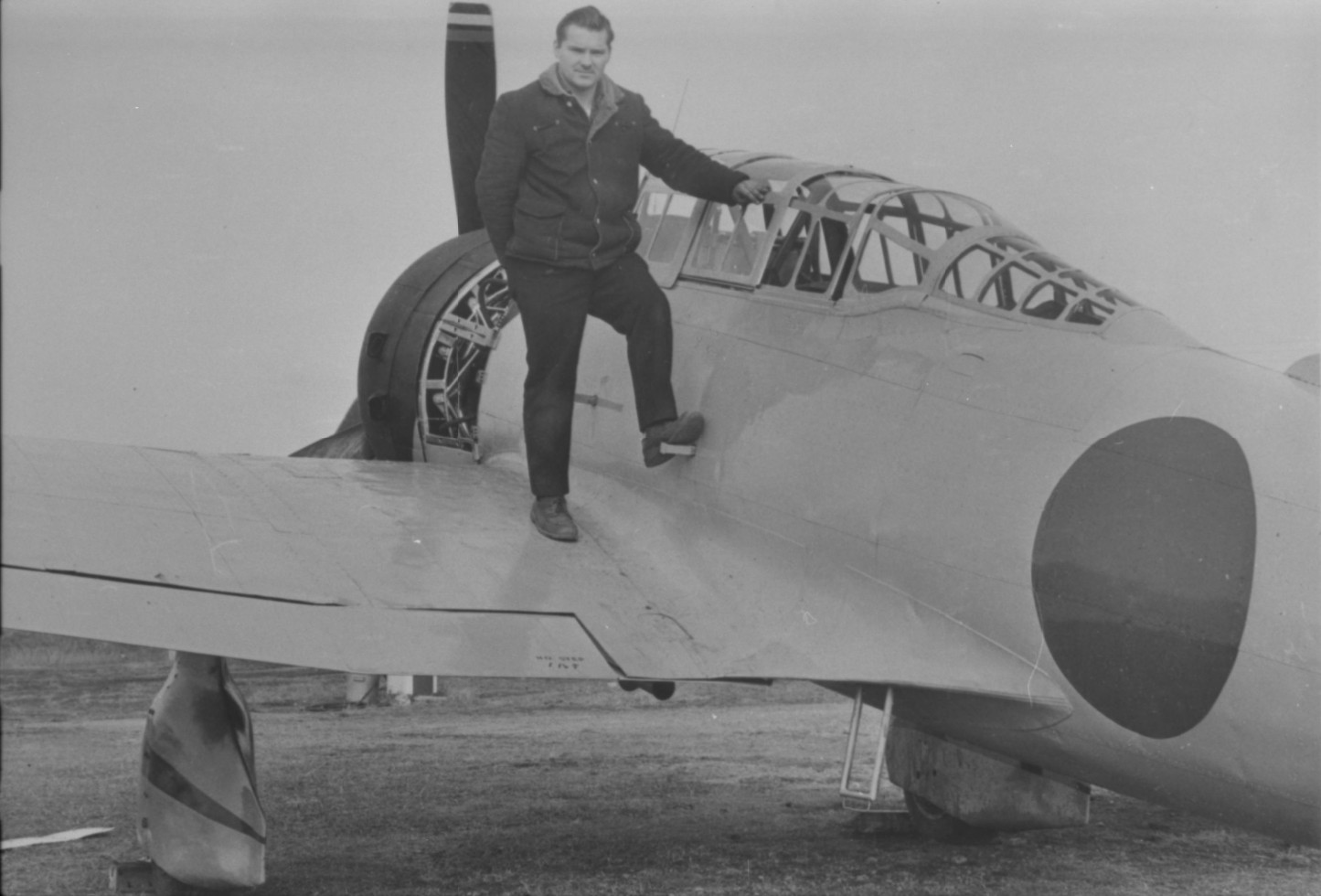
Watching from the flight from Friendship Airport was a Japanese representative from Expo ’70, sent to confirm that the aircraft could fly. But from a distance a DOT officer, likely Doug Creighton, was watching the flight from him car, and hoped to seize the plane and have Diemert arrested when he landed.
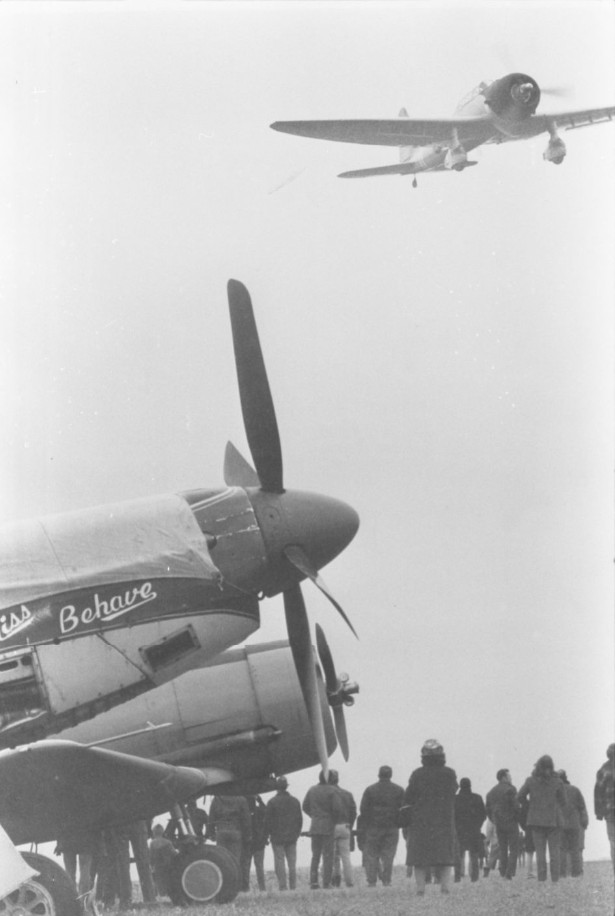
In the air, Diemert noted that the aircraft had more torque than either his old Hurricane or his P-51 Mustang, and although the aircraft did not exceed 260 knots, he felt it could easily reach 325. He was quoted by another article published by the Winnipeg Free Press as saying, “It handled like a big AT-6. Heavy on the controls, but quite speedy and very maneuverable, of course.”
When Diemert saw the officers waiting at his airstrip for him to land, he instead flew northwest to RCAF Station McDonald, some 72 kilometers/44 miles from Carmen. He landed the Val on the all-weather runway, reasoning that with winter coming in, his airstrip would soon he snowed in for the winter. Despite the short notice in landing on the base, the RCAF protected Diemert from the DOT, stating that the aircraft was out of civilian jurisdiction. Eventually, the aircraft was approved for an airworthiness certificate and was given the Canadian civil registration of CF-TZT. Photos of Diemert and the Val can be found HERE.
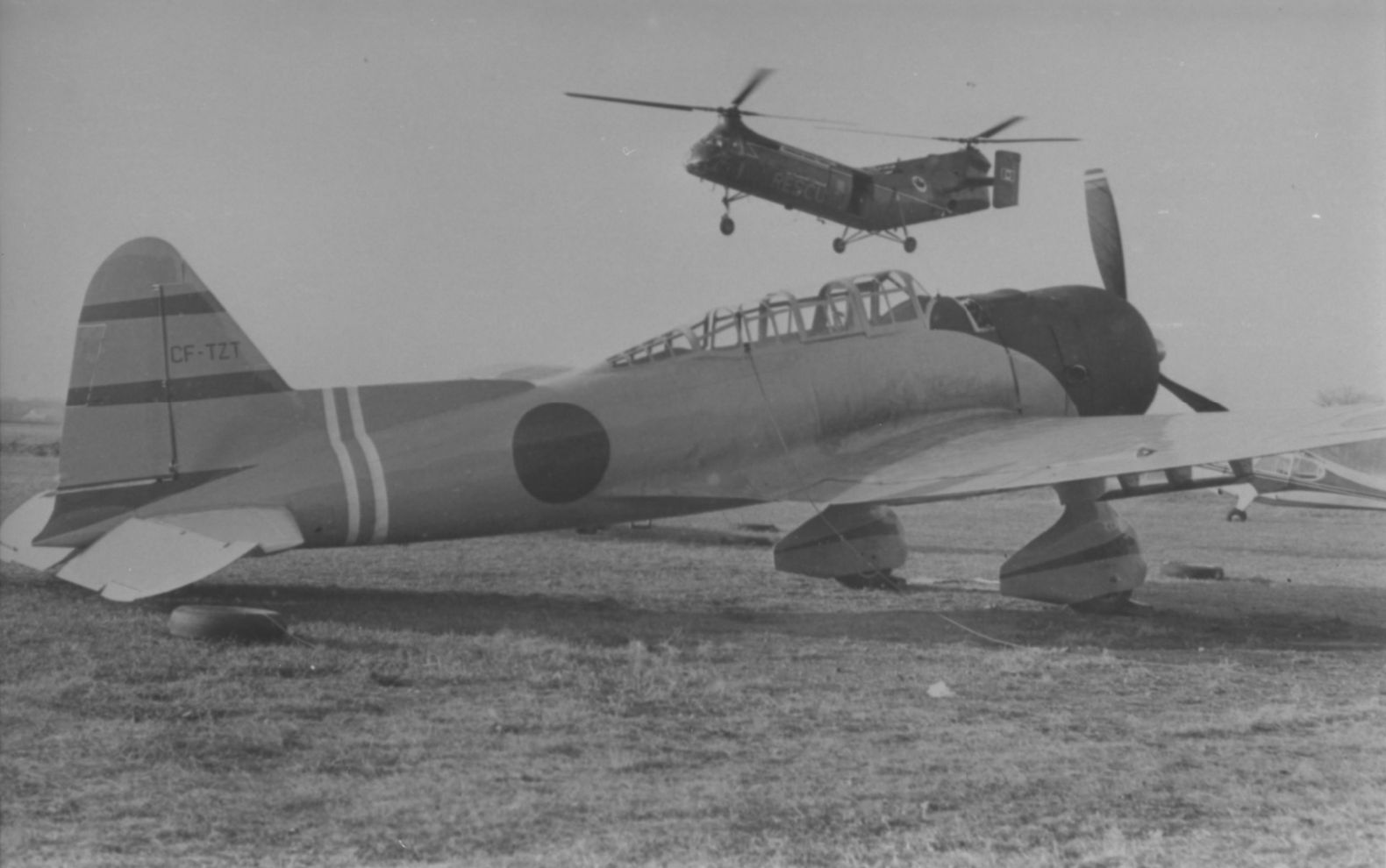
Bob Diemert flew the Aichi D3A2 in some airshows across Canada (unfortunately, the Val never returned to Japan). According to another article published by The Winnipeg Tribune, dated February 22, 1974, the Val was donated to the Canadian National Aviation Museum (now the Canadian Aviation and Space Museum) at Ottawa/Rockcliffe Airport in recognition of the RCAF’s assistance in bringing it and the Zeros from Papua New Guinea to Canada.
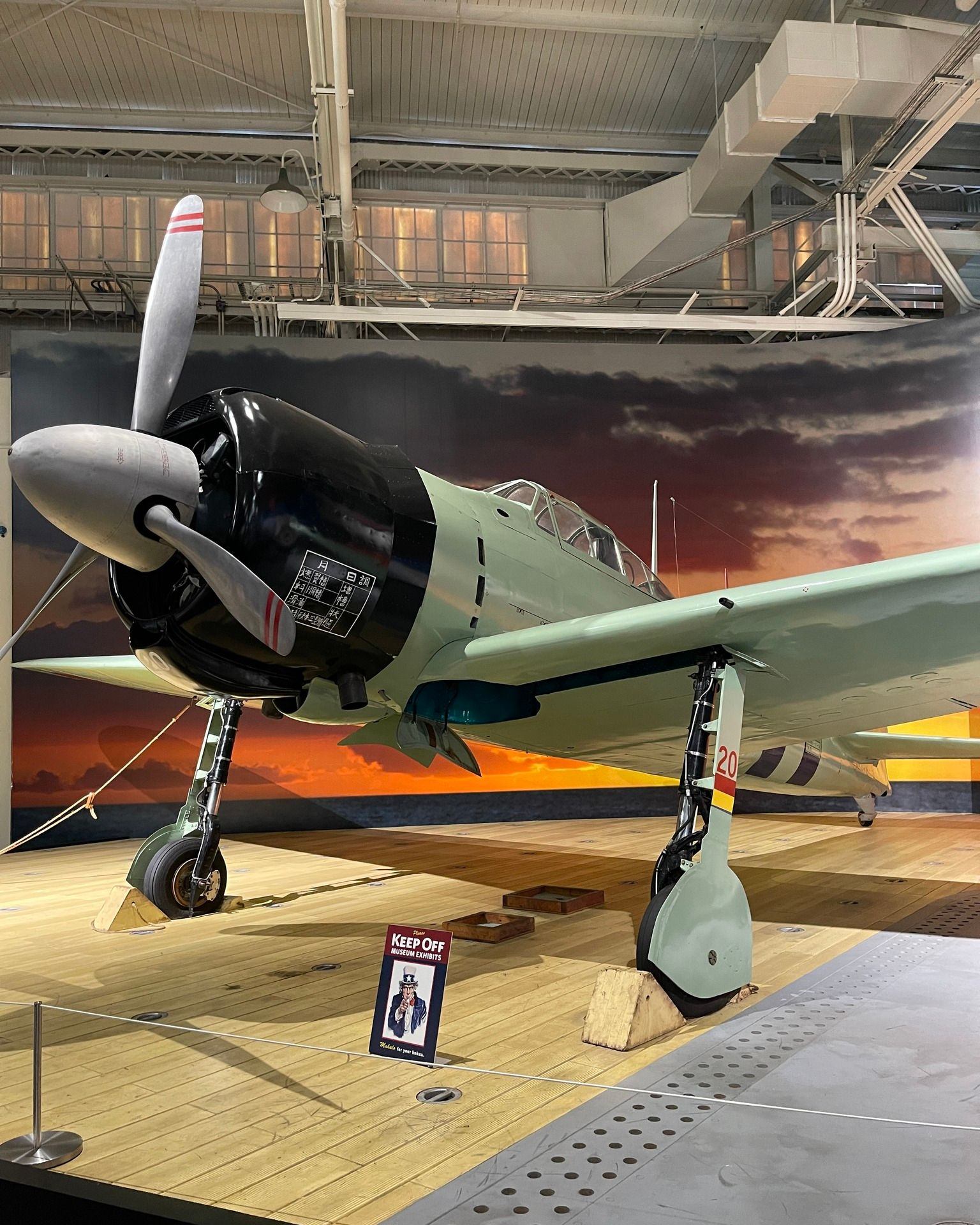
Eventually, Diemert restored three of the A6M2 Zeros recovered from Balalae Island. The first of these, A6M2 Model 21 s/n 4461, was flown on a test flight in 1973, but unfortunately, this flight ended in the aircraft being heavily damaged due to a landing gear failure. Fortunately, Diemert was able to walk away from this, and he soon used parts from 4461 and other Zeros to rebuild A6M2 s/n 5450, which he later sold to the United States Marine Corps Museum (now The National Museum of the Marine Corps) in Quantico, Virginia. This was later transferred to the National Naval Aviation Museum in Pensacola, Florida, where it remains on display to this day.
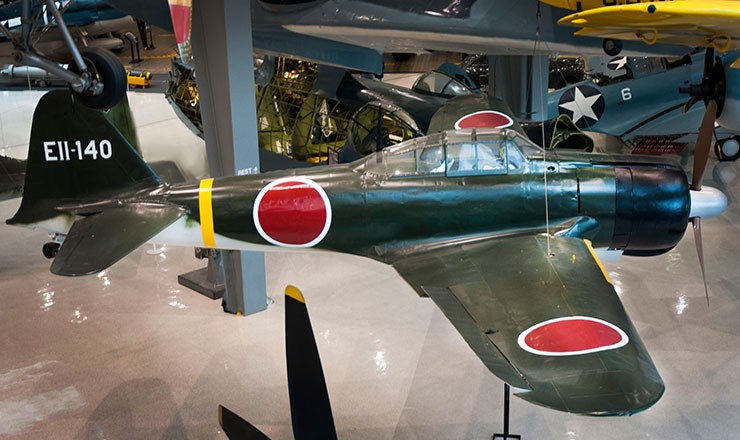
A third A6M2 Zero from Balalae, s/n 5356, was restored for the Confederate Air Force (now the Commemorative Air Force), and its restoration was featured in the 1988 documentary The Defender, which also focused on Diemert’s dream to build a low-cost, easy-to-build ground attack aircraft called the Defender. While the CAF kept its A6M2 Zero, it was eventually sold to the Pacific Aviation Museum (now the Pearl Harbor Aviation Museum) on Ford Island, Hawaii, located in one of the very hangars that survived the attack on Pearl Harbor.
After over a decade in storage at the Canadian Aviation and Space Museum, the Aichi D3A2 Val was acquired by the Planes of Fame Air Museum in Chino, California, in 1983. The museum’s founder, Edward T. Maloney, had always been fascinated by Japanese WWII aircraft since the time he was a Civil Air Patrol aircraft recognition spotter in high school during WWII, and had already acquired two Mitsubishi A6M5 Zeros, Mitsubishi J2M3 Raiden interceptor, Mitsubishi J8M1 Shusui (a Japanese copy of the Messerschmitt Me 163 Komet rocket interceptor), and a Yokosuka MXY-7 Ohka kamikaze rocket. In order to acquire the Val, Maloney made a deal with the museum in Ottawa to trade his Sikorsky R-4B helicopter, USAAF s/n 43-46565, to them. The R-4 remains in the CASM’s reserve collection, and the Val was brought to the Planes of Fame’s Chino Airport location.
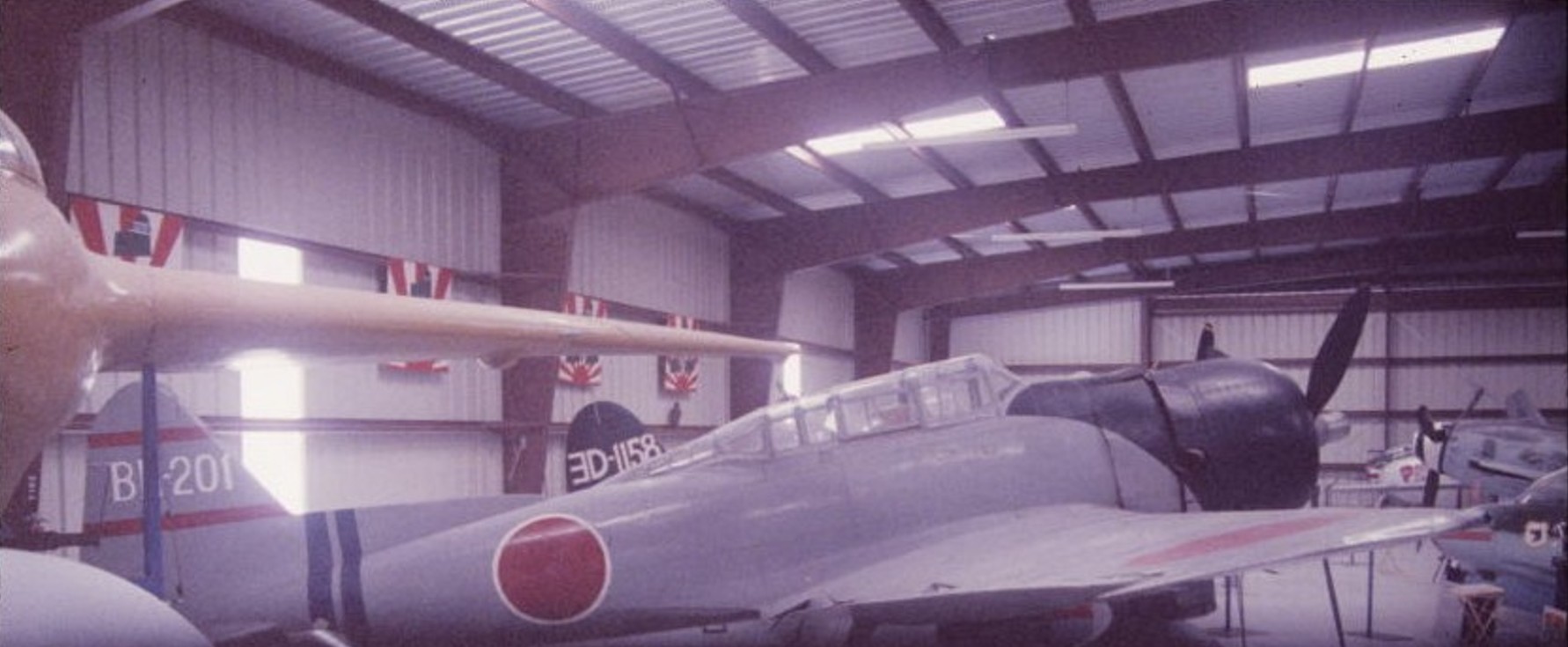
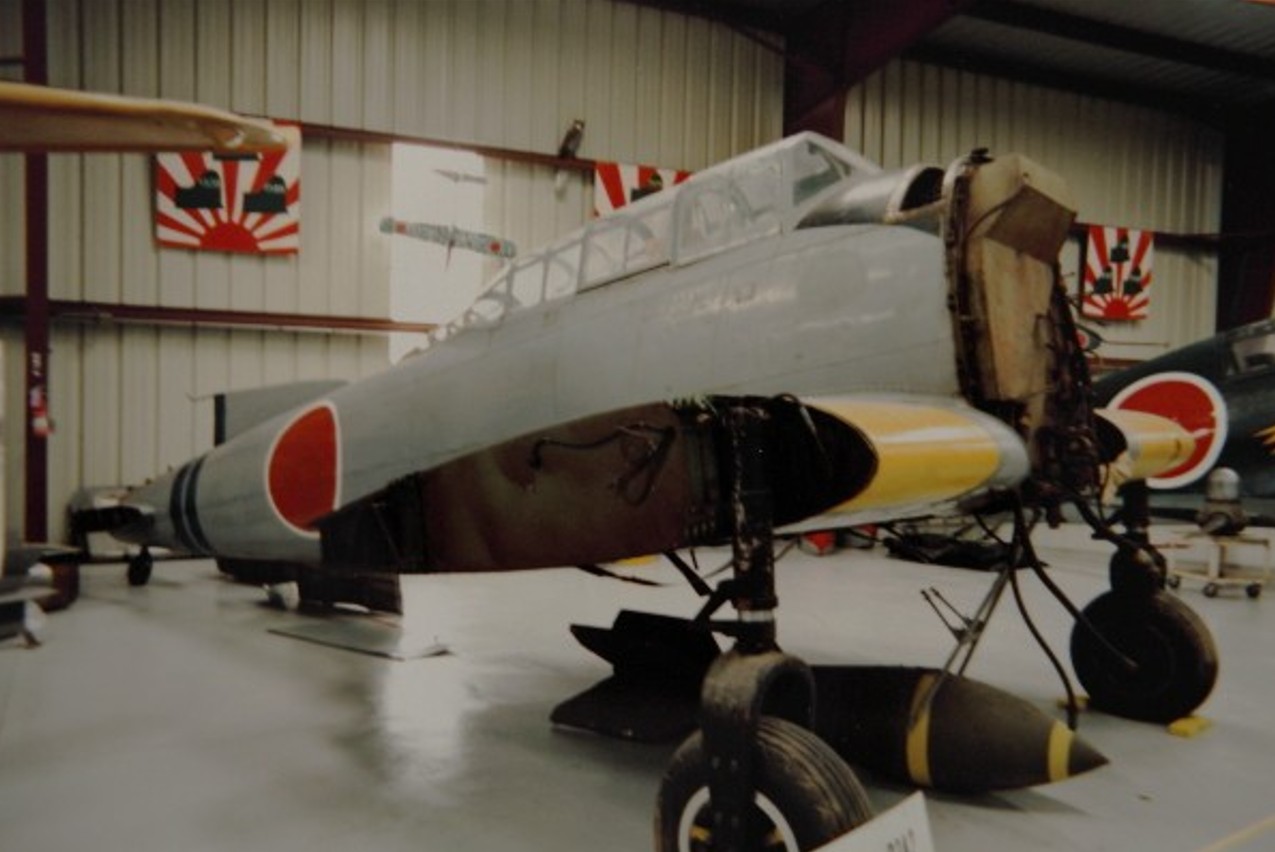
Although the museum wanted to fly the aircraft and registered the aircraft with the FAA as N3131G, the museum realized that the aircraft needed to undergo a new restoration in order to fly again. The museum initially displayed the aircraft intact and even brought it out on the flight apron at Chino Airport for local airshows, but as museum volunteers began restoration work on the D3A2 Val, they removed the Wright R-2600 engine, vertical and horizontal stabilizers, and the outer wing panels, displaying the aircraft in the museum’s Foreign Hangar without these surfaces. With the construction of the museum’s dedicated restoration hangar, named for fellow aircraft collector and benefactor of the museum Tom Friedkin, the Val was moved to a corner of this hangar for more intensive restoration work.
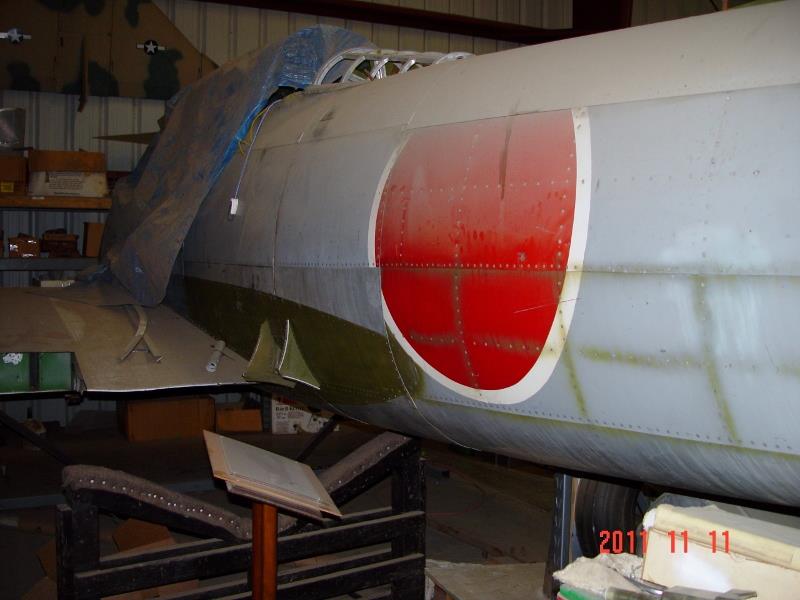
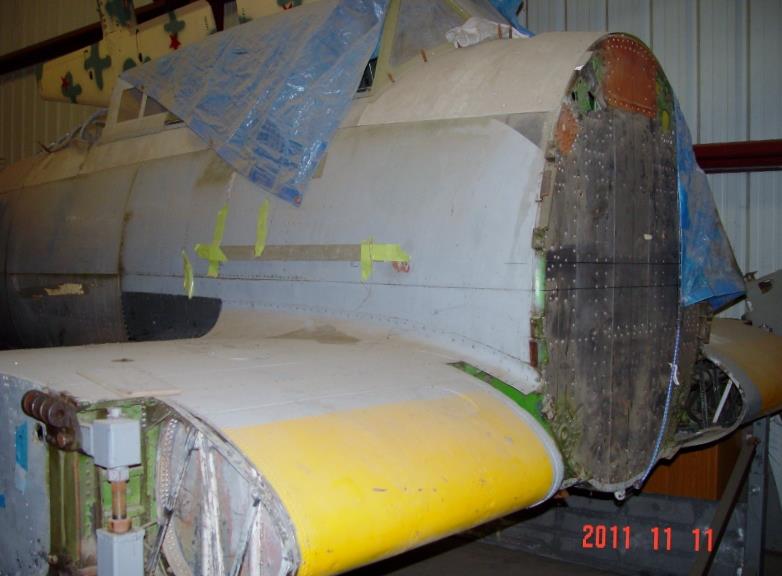
Much of the work carried out during the 2000s focused on the cockpit canopy and the tail section, with new fittings for the rudder and vertical stabilizer. Many of the ribs in both the vertical and horizontal stabilizers were also redone by volunteers. In 2009, the museum was helped by a Japanese engineer named Shigeru Hayashi, who was nicknamed “Sam” by the restoration crews. Hayashi would take up extended visits from Japan to help the museum, and not only did he help translate the Japanese plans for the aircraft, but also converted the metric measurements on the plans to U.S. measurements to be more compliant with the U.S. tooling. This allowed him to fabricate a new rudder trim tab mechanism and correct issues in the horizontal stabilizers before returning home to Japan.
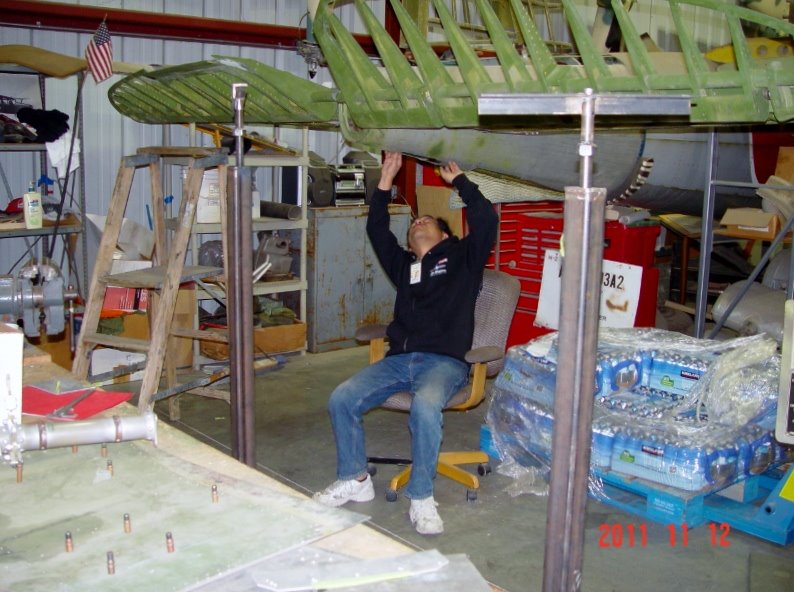
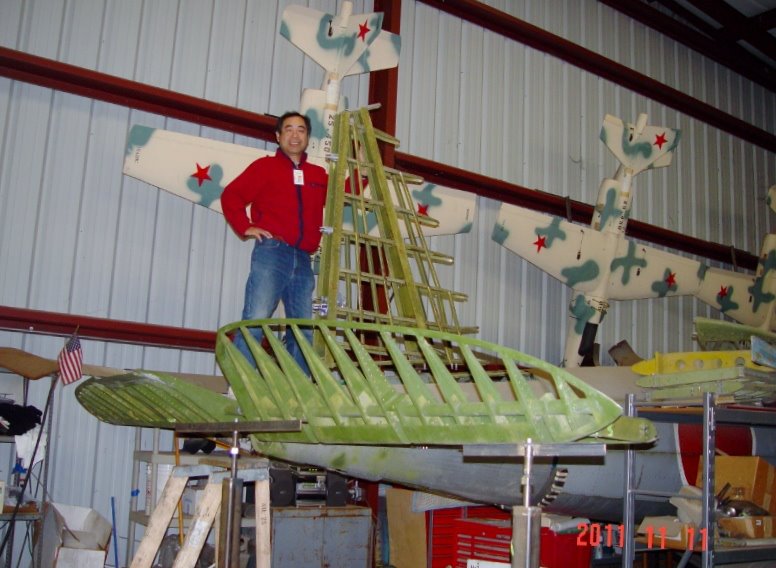
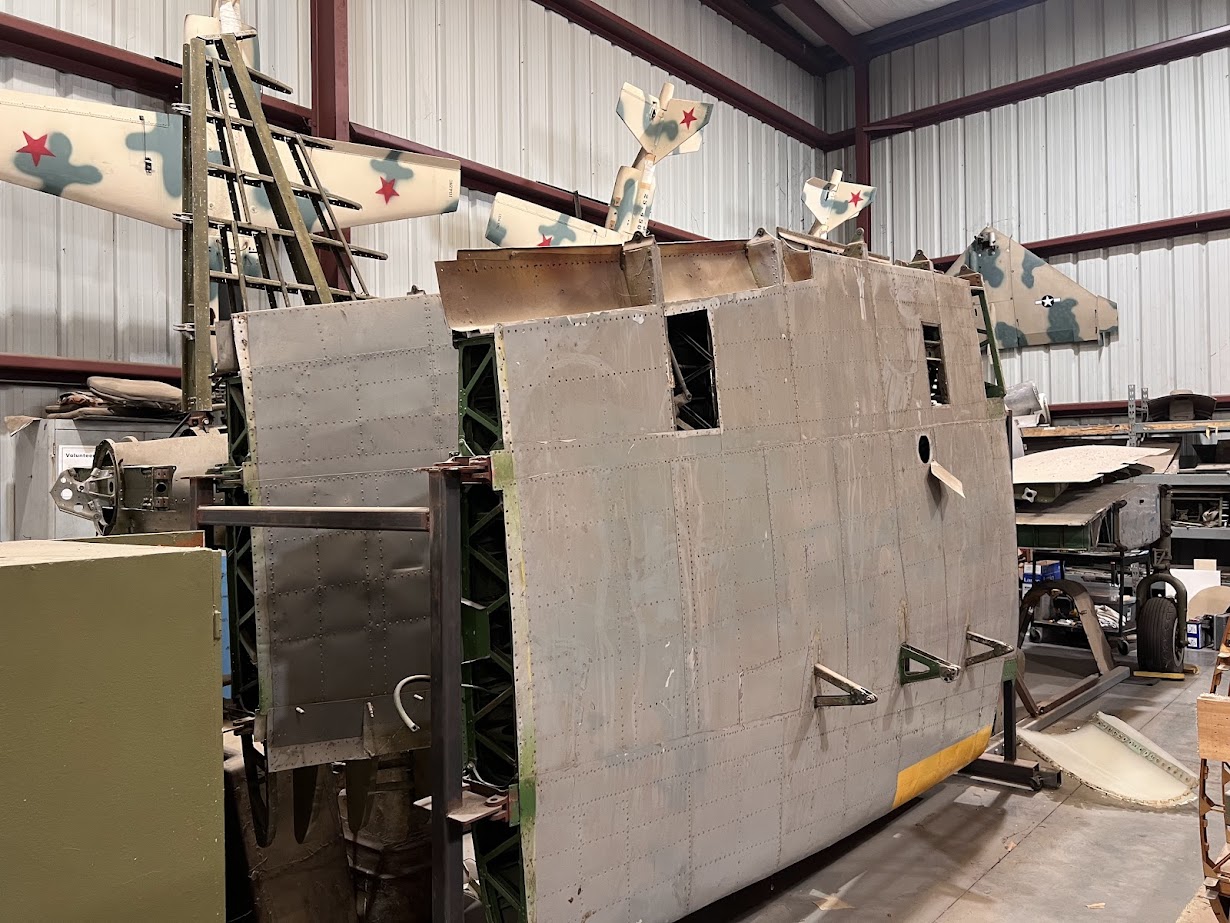
According to the museum, the Aichi D3A2 Val’s restoration is about 15 percent complete. Work remains on finishing the tail section, building jigs to overhaul the wings, overhaul a new engine and propeller, assemble the aircraft, and install all wiring, electrical, and hydraulic systems, and finally conduct its test flights. In recent years, however, all restoration work on the aircraft is at a standstill, and though the aircraft remains in the Friedkin Restoration Hangar, it is largely obstructed from the view of museum visitors by other aircraft, such as the museum’s North American O-47 observation aircraft.
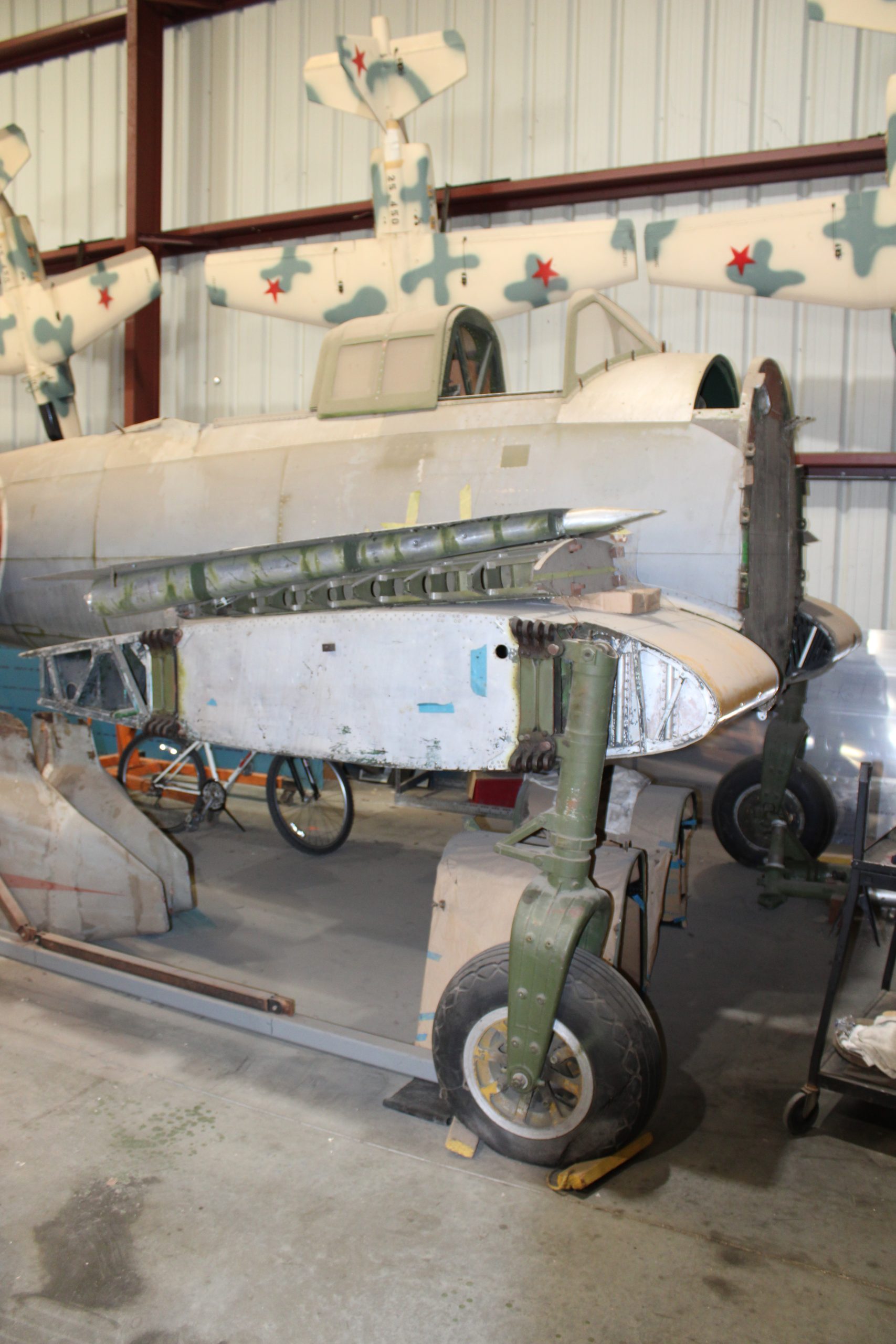
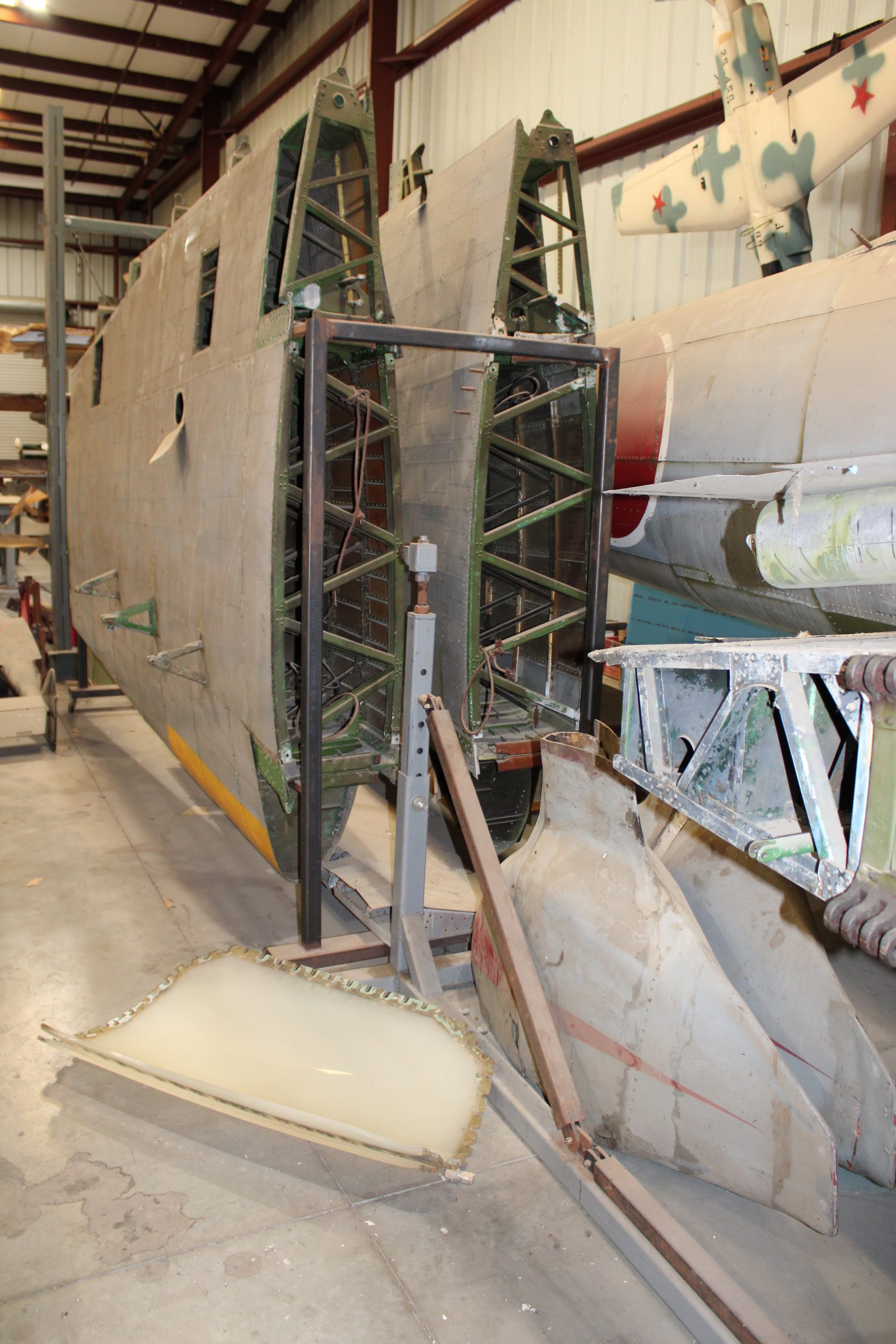
The museum relies on both private donations and volunteers for restorations, but the museum no longer has as many A&P certified mechanics volunteering their free time to work on restoration projects as they once did, and given that the museum is a nonprofit organization that has been prioritizing the maintenance of the aircraft already in airworthy condition. But with the recent work to add a new location on the California central coast in Santa Maria, complete with restoration and maintenance facilities, the Planes of Fame has not given up restoring the Val, or any of the other restoration projects currently on hold, though it is still too early to say when work will begin anew on the project. Should the Planes of Fame’s Aichi D3A2 Val be restored to fly, it will be the only original Aichi D3A Val flying in the world!
Besides the example at Planes of Fame, at least two more Vals (albeit recovered wrecks) have been preserved in museums. Aichi D3A2 Model 22 s/n 3105 was severely damaged during an Allied bombing raid on Gasmata Airport, West New Britain Province of Papua New Guinea, and was later abandoned by the Japanese. In 1973, former Naval Intelligence agent Douglas H. Hubbard Jr. recovered the remains of the aircraft, along with the tail of D3A2 s/n 3357, from Gasmata for the Admiral Nimitz Museum in Fredericksburg, Texas (the hometown of Admiral Chester W. Nimitz). The museum, since rebranded as the National Museum of the Pacific War, displays both sections in an unrestored condition.
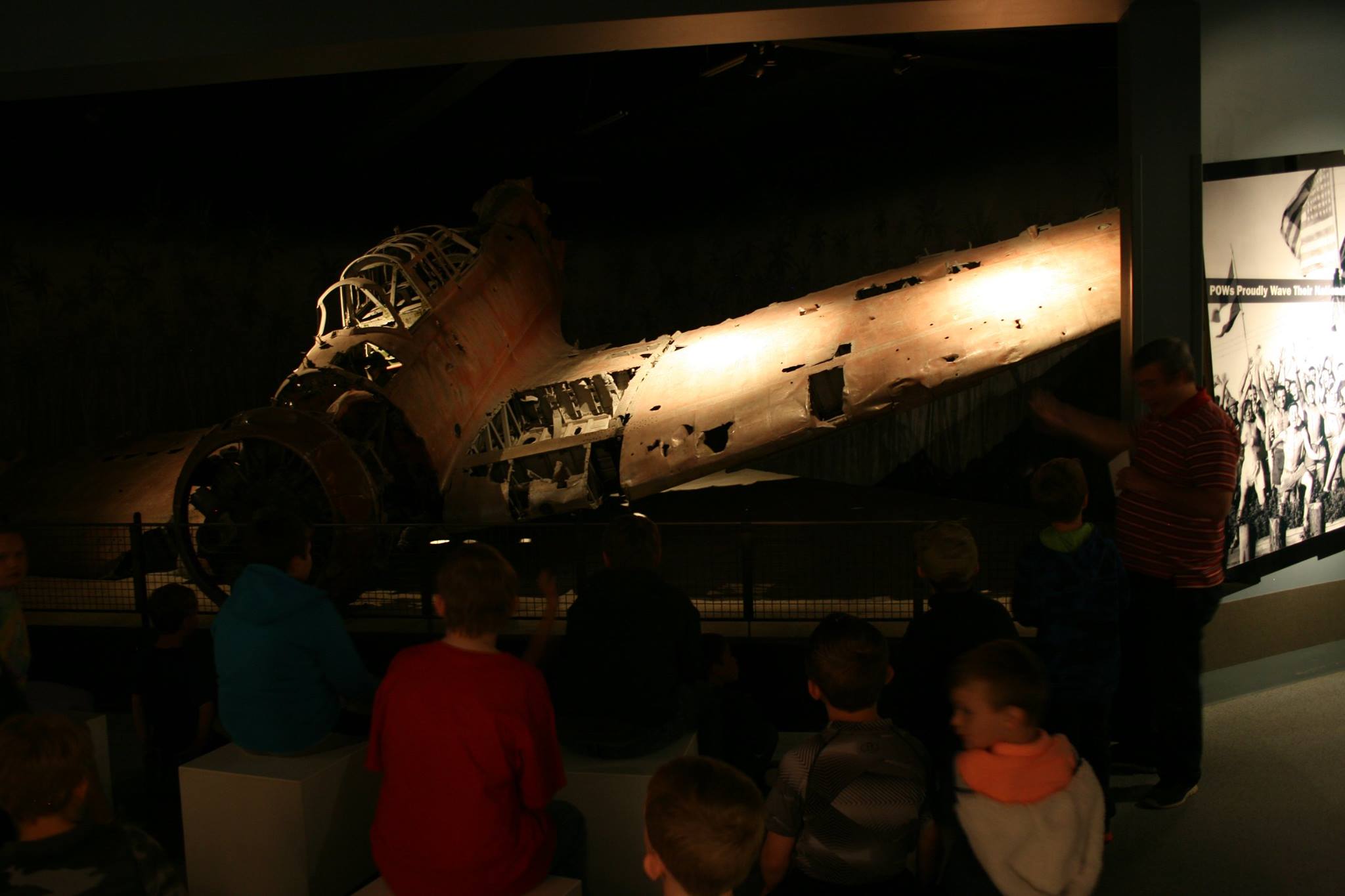
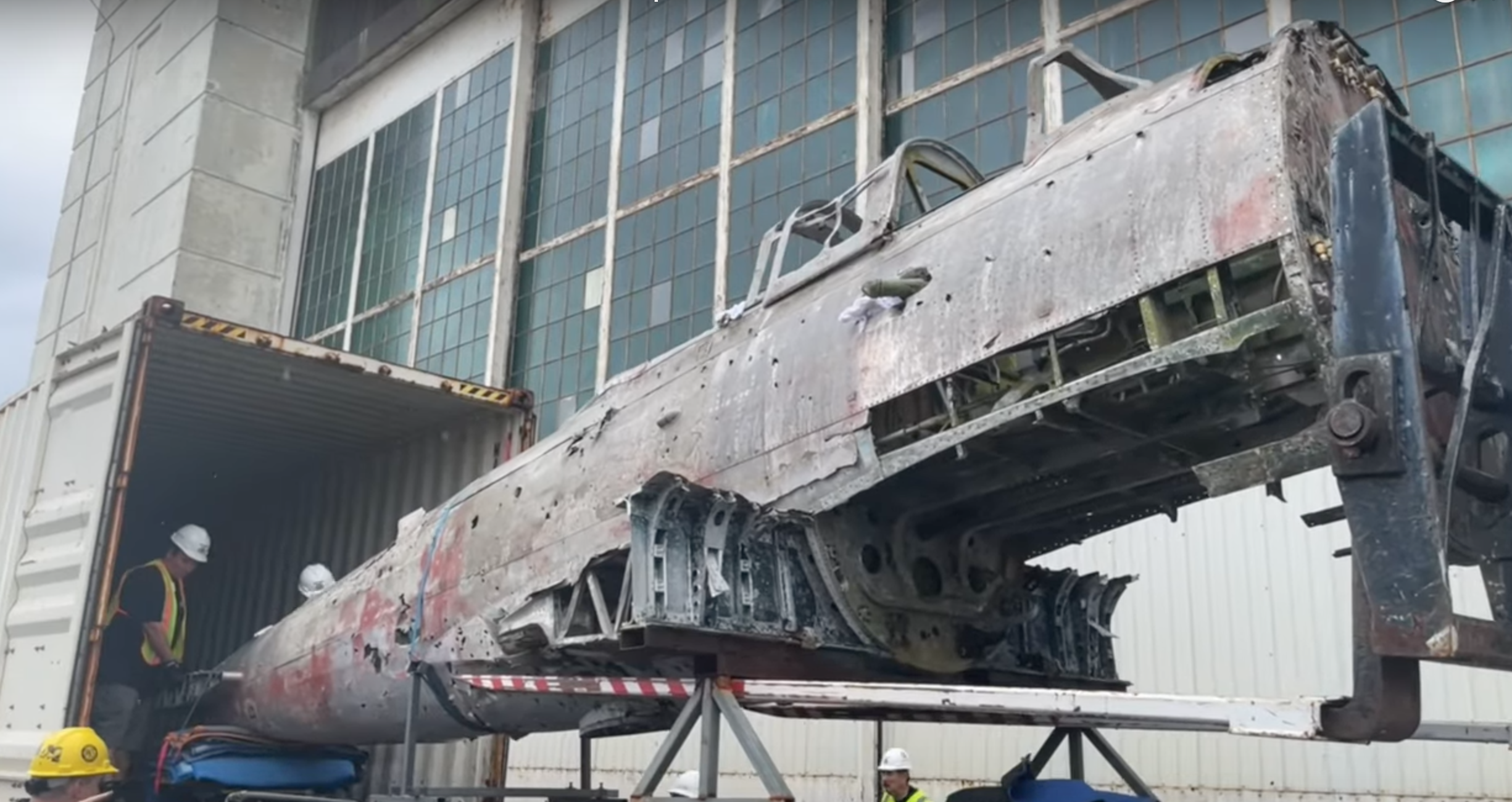
In 2022, the Pearl Harbor Aviation Museum welcomed the arrival of the wreck of an Aichi D3A Val recovered from the South Pacific (as covered in this article HERE), though no details have yet emerged on the plane’s identity or from which island it was salvaged from. There are many more wrecks scattered across the Pacific, but the ones that remain on land, especially in Papua New Guinea and the Solomon Islands, have also been at the center of a fierce debate between salvagers and locals, with salvagers arguing that the wrecks represent priceless relics that can be sold to museums or collectors around the world, and with enough money and skilled mechanics, and be restored. Many locals argue, however, that the wrecks are also part of their cultural property, as they represent a resource for local industries around tourism, and given the controversial legacy of colonialism, many locals want salvagers to pay large fees to compensate the locals, who have often been called upon to offer their labor in clearing the jungles and carrying the wrecks out. In fact, a number of other Japanese aircraft wrecks that were still abandoned on Balalae, namely a few Mitsubishi G4M “Betty” twin engine bombers, were taken from the island in 2018. More on that story HERE.
Besides the original Aichi D3A2 “Val”, the Planes of Fame also has a Vultee BT-15 Valiant (distinguishable from the BT-13 by its Wright R-975 Whirlwind engine as opposed to the BT-13’s Pratt & Whitney R-985 Wasp Jr.) converted to be a replica of an Aichi D3A “Val”. Originally flown in WWII by the US Army Air Force as BT-15 serial number 42-42171 and later given the FAA N-number N67629, the aircraft was converted into a “Val” replica for the 1970 movie Tora! Tora! Tora! The modification work on the aircraft would see the fuselage lengthened by three feet, the addition of a modified cockpit canopy, and a set of fiberglass wheel pants for the fixed landing gear. N67629 was acquired by the Planes of Fame in 1973, kept in storage until the 1990s, then restored to participate in the flying sequences for the 2001 movie Pearl Harbor. The aircraft is now powered by a Pratt & Whitney R-1340 engine.
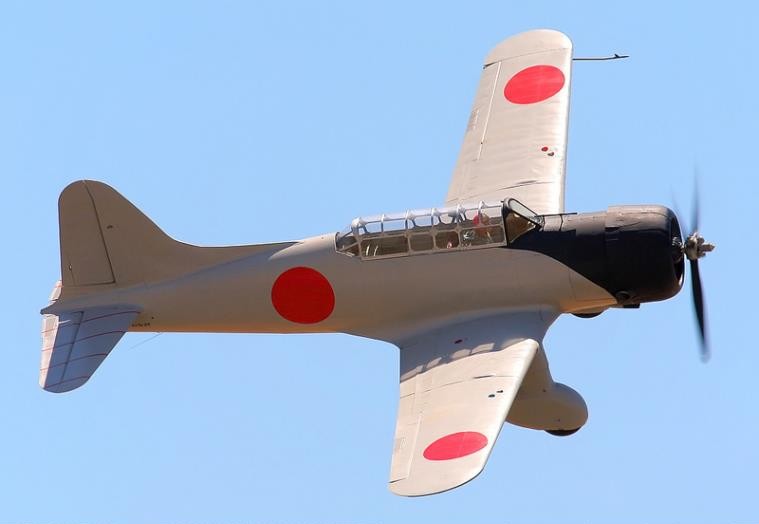
Today, the BT-15 Val replica is kept at the Planes of Fame’s Valle, Arizona location, which was closed to the public in 2020 but remains a storage and restoration facility for the museum. It is possible that with the opening of the upcoming Santa Maria location, the aircraft may either return to Chino or be sent up to Santa Maria and remain in airworthy condition there. One can hope that in time, perhaps the original Aichi D3A2 “Val” will one day fly again and share the skies with the museum’s A6M5 Zero and Val replica. For more information on the Planes of Fame, visit the museum’s website HERE.





It would be a wonderful thing, if all the interesting wrecked aircraft (of reasonable remains) from around the World could be recovered, and refurbished; especially those lying rotting in jungles.
Sadly, such an undertaking would require both a deal of Money and even more enthusiasm.
The first being hard to come by, the second – today, in sufficient numbers -even harder.
Enthusiasts, of all ages, need no persuading; whereas Banks, Business’s and, especially, Governments look for a ‘Return’ on their Investment, either Monetary or Political.
What we need is a Genius … One who can both ‘Fire The Imagination of ALL’, and loosen that Vital Cash Supply.
Oh, and access to a ‘Magic Wand’ would help, considerably!
I Live In Hope!!!