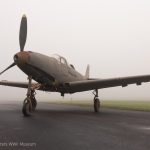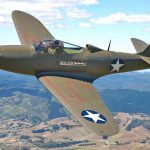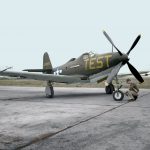

The Planes of Fame Air Museum has a rich collection of WWII aircraft kept in airworthy condition, such as their Mitsubishi A6M Zero (whose story you can read here: Planes of Fame’s A6M5 Zero, The Last Beating Heart of a Samurai (vintageaviationnews.com)) and their Boeing P-26 Peashooter (see this article here: History of The Planes of Fame Air Museum’s P-26 Peashooter). But the museum also has a large collection of static airframes alongside the airworthy ones, and that includes the museum’s Bell P-39 Airacobra project. Housed inside the museum’s Tom Friedkin Restoration Hangar, the Planes of Fame’s Bell P-39 Airacobra has had quite the journey to Chino after its recovery from an abandoned airfield in Papua New Guinea and has been reassembled with parts from different P-39s to make a complete airplane. Now, the museum is on course to complete a thorough restoration of the aircraft, but in the process, it has uncovered several secrets hidden in plain sight for over 40 years.
As the warbird community began to grow around the world during the 1960s and 1970s, museums and private collectors looked to some of the most remote regions of the globe in search of historic airplanes from WWII. Once, these planes had numbered in the thousands, but now, with the postwar scrap drives having recycled thousands of airplanes immediately after the war, collectors turned their attention to places like Tadji Airfield, Papua New Guinea. During WWII, the airfield at Tadji, some 542 miles northwest of the PNG capital of Port Moresby, had been active with elements of the US Army Air Force and the Royal Australian Air Force, but during the war, dozens of damaged and worn-out aircraft were stripped for useful parts to keep other aircraft flying, and when the war ended, they were simply left behind as they were not worth the effort in being shipped out of New Guinea.
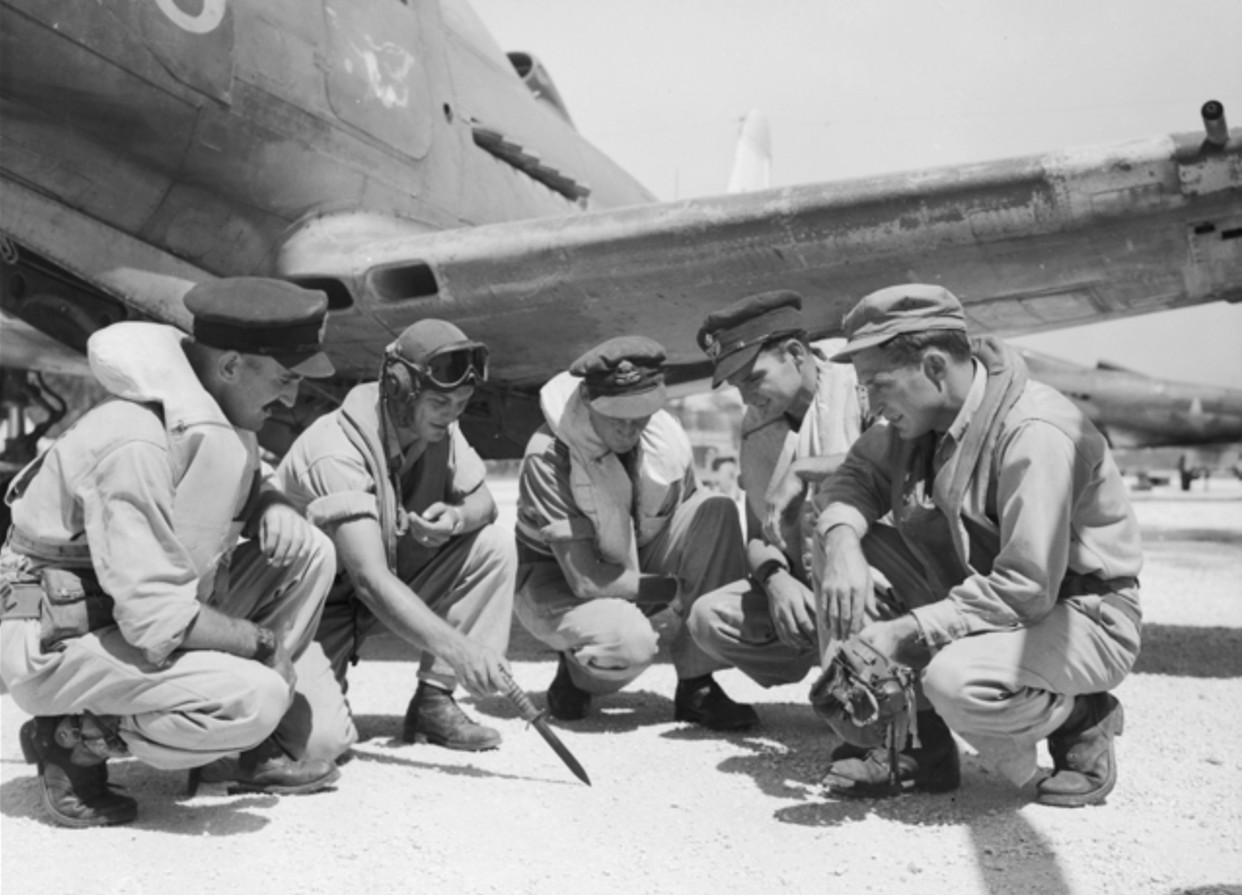
Over the next 30 years, numerous aircraft ranging from Bell P-39s and Curtiss P-40 Warhawks to Bristol Beauforts and even a Boeing B-17F Flying Fortress were reclaimed by the jungle, but in 1974, the jungle’s claim on these aircraft was to be relinquished by a salvage team that arrived at the former airstrip. Led by New Zealander Charles Darby and Australian Monty Armstrong, they were being funded by American businessman David Tallichet, who had flown B-17s in Europe with the 8th Air Force’s 100th Bomb Group (the same group depicted in the Apple TV miniseries Masters of the Air), and had established the organization Yesterday’s Air Force (now the Military Aircraft Restoration Corporation (MARC), which sought to salvage and restore surplus WWII aircraft to flying condition. During the recovery operation, Darby literally stumbled across a P-39 in the jungle, recalling “…after the end of the weeks-long recovery work at Tadji and all the Beauforts, P-40s and P-39s that were to go to Dave Tallichet had been dismantled and trucked to the foreshore at Aitape to await shipment to Lae, I decided to do a walk-around of the area to look for anything that had been lost or forgotten such as dropped tools. I got two big surprises. The first came during a walk along the wheel tracks that had cleared an accessway through the thick kunai grass to the site of the “American dump area”. Hidden in the grass immediately adjacent to the track was a long row of stacked anti-personnel bombs, many of them well-corroded. Just luck they had not been hit or run-over by our numerous truck and car movements. Then rain started and looked like becoming the usual afternoon downpour, so I headed for a large tree in the forest bordering the dump site and found the second surprise — another P-39 sitting on its legs (wheels long gone). That was 42-19027. If it hadn’t started to rain I would never have found that aircraft.”
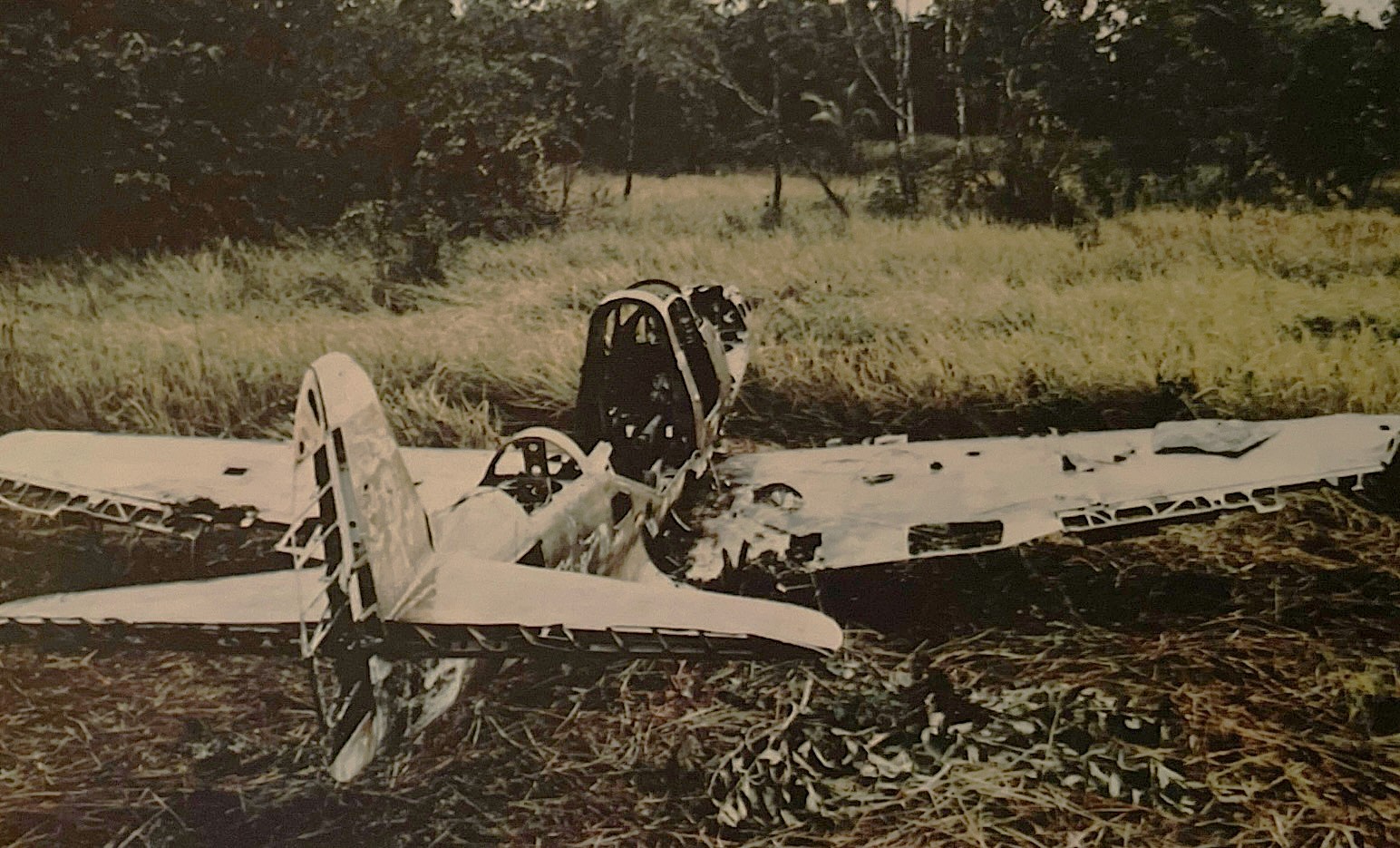
After being disassembled and brought out of Tadji, most of the P-39s were brought to the United States for restoration at David Tallichet’s facility at Barstow-Daggett Airport, California. Unfortunately, though, when the P-39s returned to the United States, many of the airframes had not been properly cataloged, and thus nose sections, wings, and tail sections were mixed between airframes that either went to museums across the US or were kept storage at YAF/MARC’s storage yard at Barstow-Daggett Airport, before these were then moved to Chino Airport. Many of the initial P-39 to be restored by Tallichet’s team were assembled from the pieces laying around, but sometimes, damaged sections of sheet metal were coated in Bondo as opposed to repairing or replacing much of the sheet metal or the corroded ribs. One of the Tadji P-39s was in fact painted in Soviet Air Force colors, with yellow borders on the red Soviet stars, while the squared supercharger air intake from a P-63 Kingcobra was installed in place of a missing P-39 air intake, which had a rounded air duct for the aircraft’s oil cooler. When David Tallichet moved his operations to Chino Airport, he came into contact with the two aviation museums established at Chino, the Planes of Fame Air Museum and the Yanks Air Museum. Several aircraft at both museums were in fact sold to them by David Tallichet, and both received a Bell P-39N Airacobra recovered from Tadji Airfield. While the Yanks Air Museum would restore and display P-39N 42-8740, the aircraft that was acquired by the Planes of Fame was attributed to be P-39N-5-BE serial number 42-19027. 42-19027 was originally delivered to the U.S. Army Air Force at the Bell Aircraft factory in Buffalo, New York on April 28, 1943, and was assigned to the 82nd Tactical Reconnaissance Squadron, 71st Tactical Reconnaissance Group of the 5th Air Force at Tadji Airfield in Papua New Guinea. The aircraft was flown by pilot Lyndall W. Tate, of Granbury, Texas. On the left side of its nose, the aircraft bore the name “Little Sir Echo” after a children’s song, while right side of the nose carried the name “Small Fry”. On the engine compartment, the name “Texas” was painted on the cowling of the engine compartment.
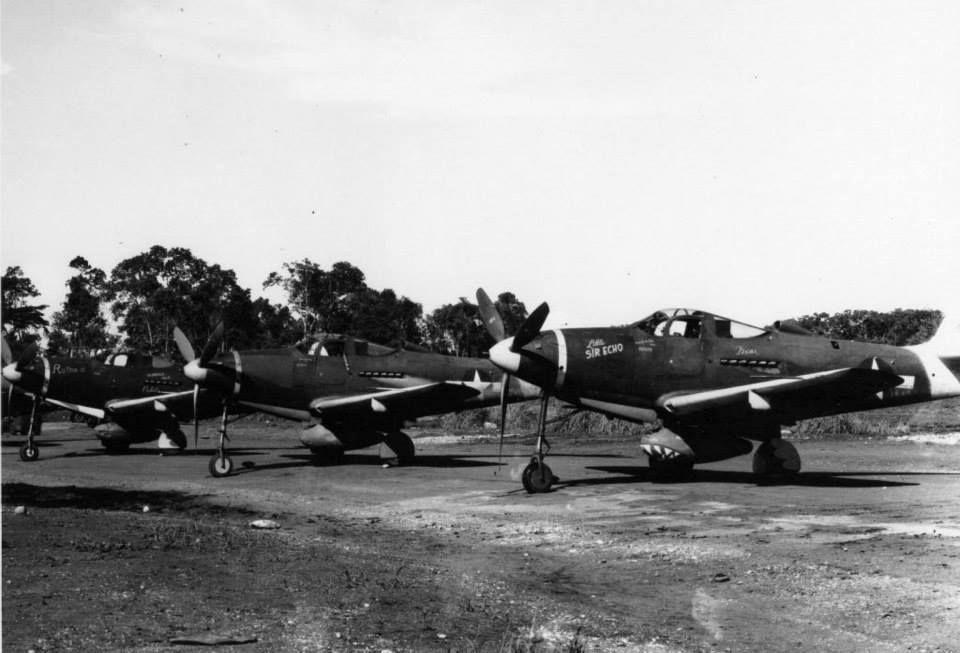
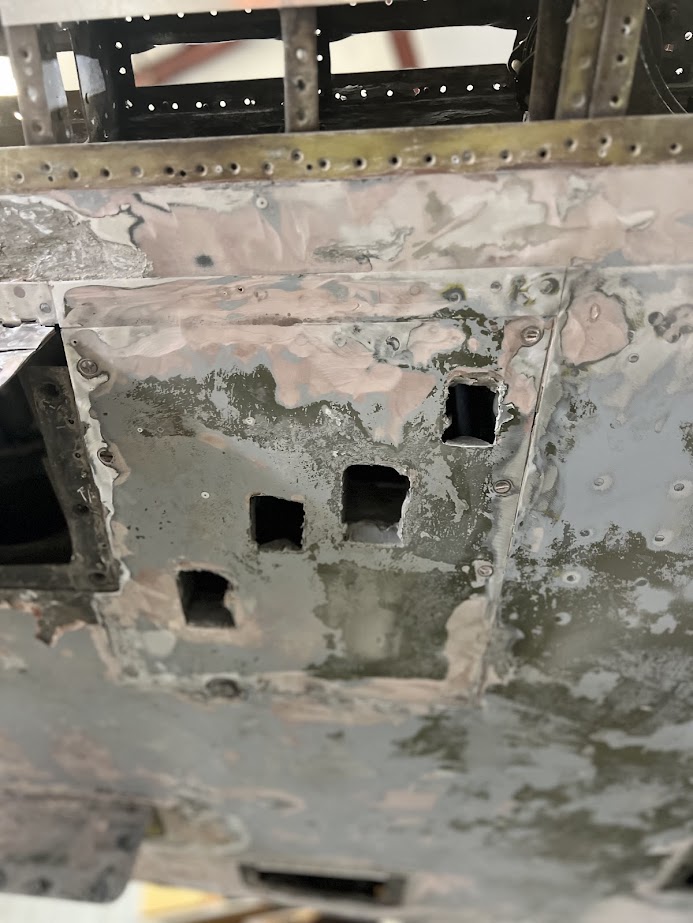
During his time in the 71st TRG, Tate had his externally mounted drop tank painted with a shark’s mouth. P-39N 42-19027 was only one of several P-39s named Little Sir Echo flown by Lyndall Tate during the war, and in fact, some of these were P-39Qs, which differed from the P-39N, which featured four .30 caliber machine guns mounted inside the wing, with two guns on each wing, and the P-39Q, with two .50 caliber machine guns placed in fixed pods on the underside of the aircraft’s wings. The previous restoration at Tallichet’s facility had restored the aircraft with no wing-mounted guns, but the current project has restored this configuration on the aircraft, along with removing the Bondo that had covered the ejection chutes from which spent cartridges would fall from the aircraft. On July 16, 1944, P-39N 42-19027 was officially written off and abandoned at Tadji Airfield and was later one of the P-39s recovered in 1974 by Armstrong and Darby.
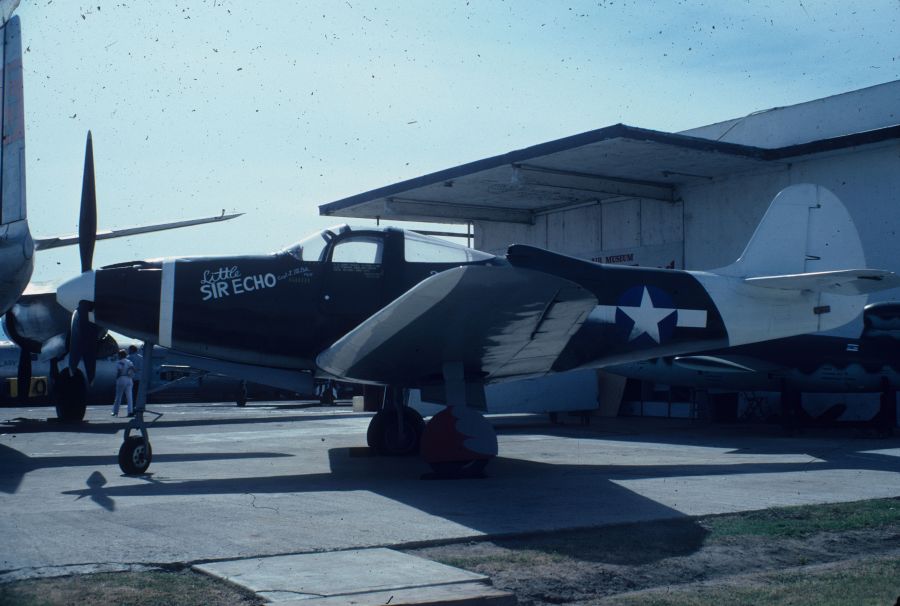
As a result of the mix-up of different P-39s, rumors of other identities for the aircraft were made, included one that alleged that the Planes of Fame’s P-39 was in fact P-39N 42-4949, an aircraft that had served in Alaska before being forced down near the Alaska Highway at Fort Nelson, British Columbia on May 5, 1944 while on a ferry flight to the continental United States, and which was later recovered by David Tallichet in 1971. However, the current restoration of the aircraft at Planes of Fame has shown no evidence of any production stamps with 42-4949’s construction number issued by Bell Aircraft. There are also reports that the aircraft was at one point owned by aviation author Frederick A. Johnsen and under restoration in Tacoma, Washington from 1987 to 2002. Once again, though, the sources are somewhat murky on this matter. What is certain is that by October 1978, the aircraft that would be displayed at Planes of Fame was reassembled at Barstow-Daggett Airport and later displayed at Planes of Fame by 1980. When the old paint was stripped from the aircraft during the current restoration, the remains of the Soviet markings applied by Tallichet were uncovered.
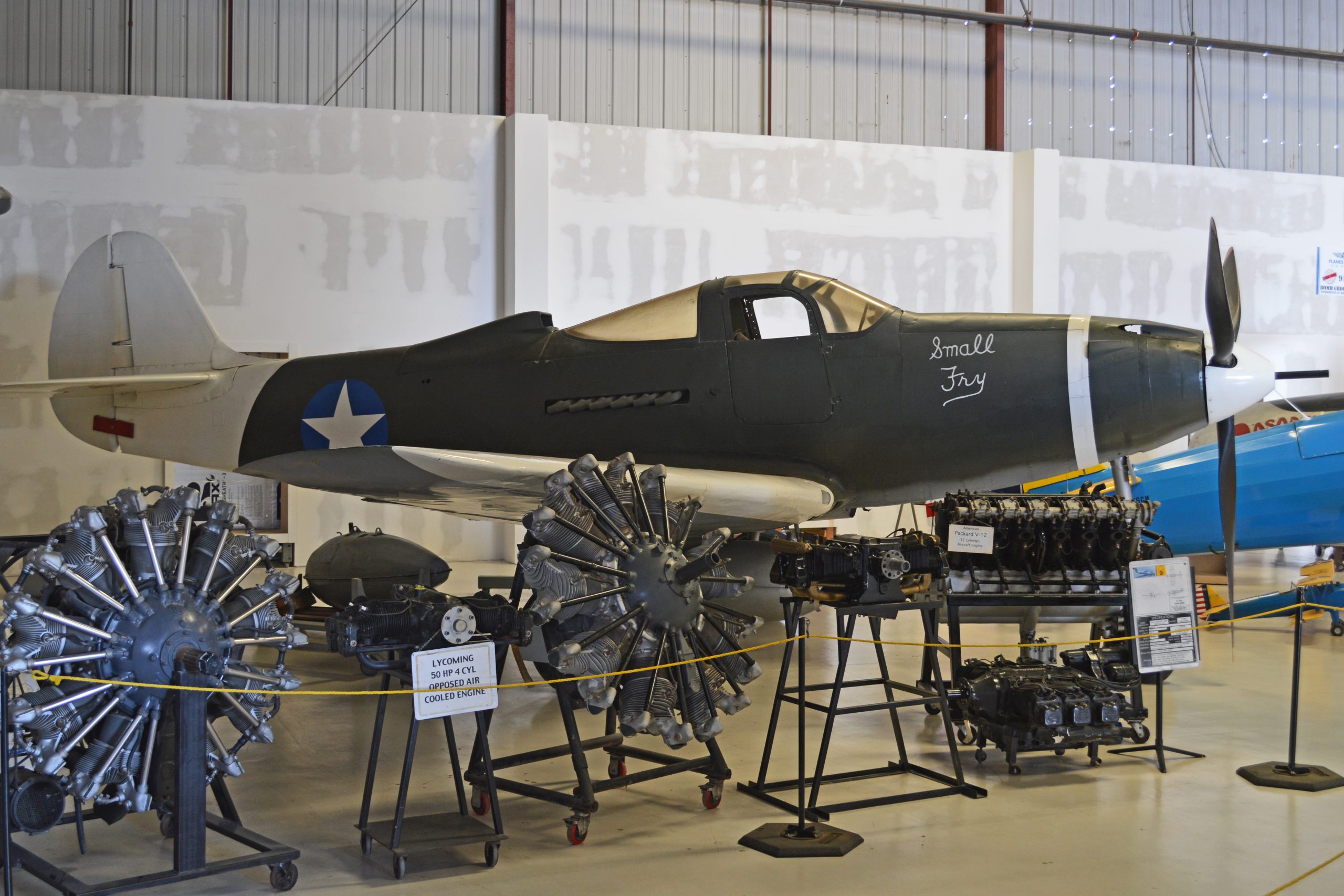
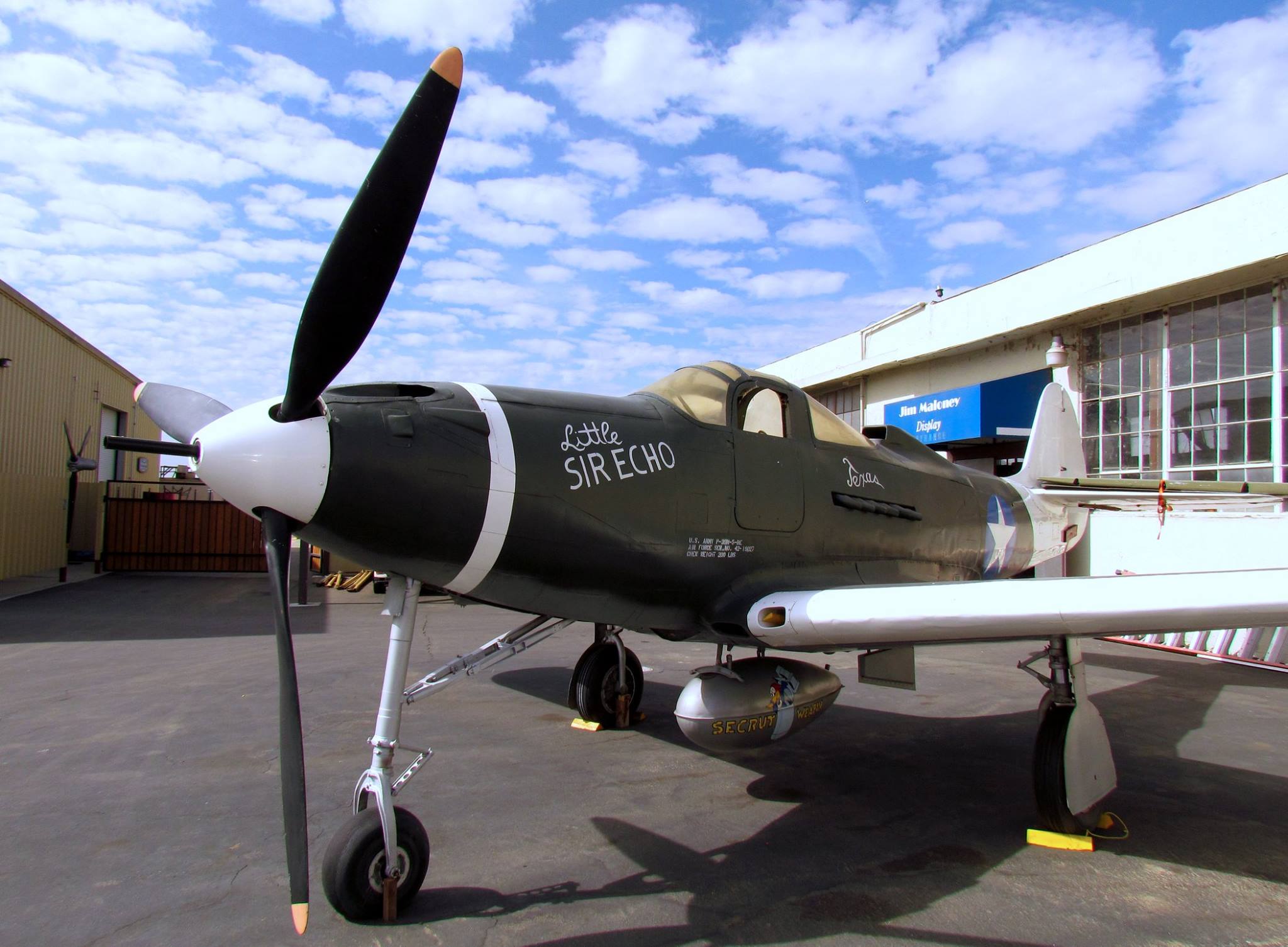
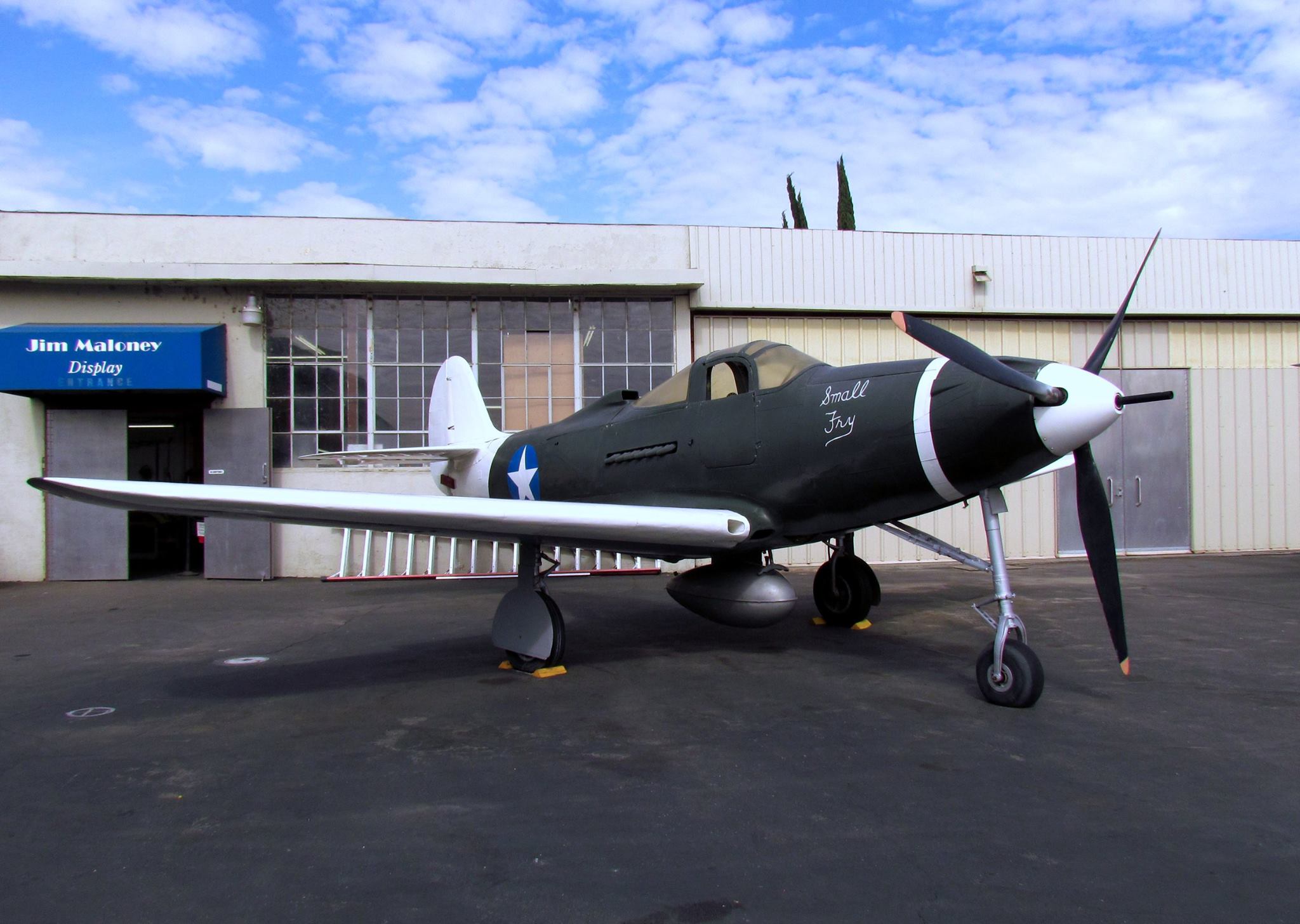
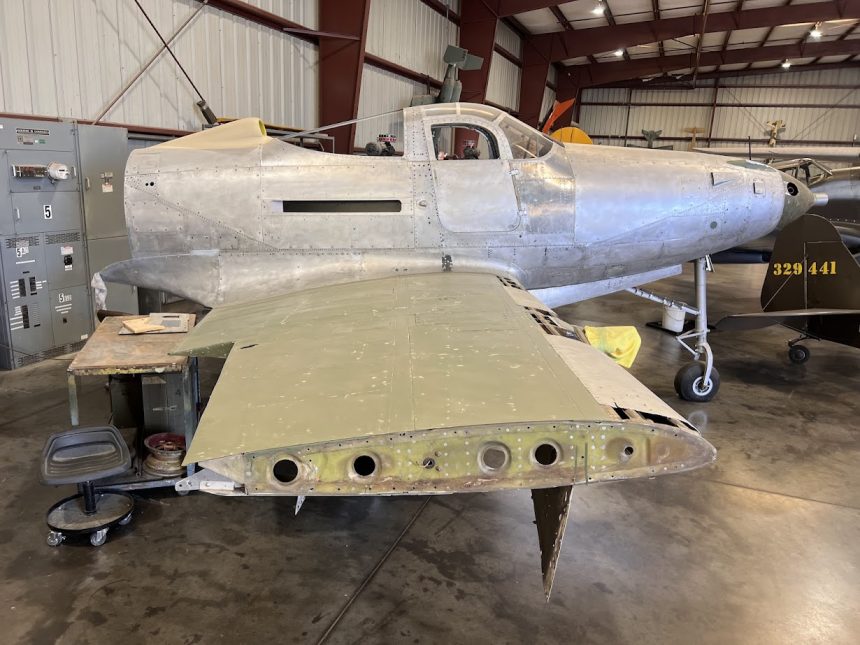
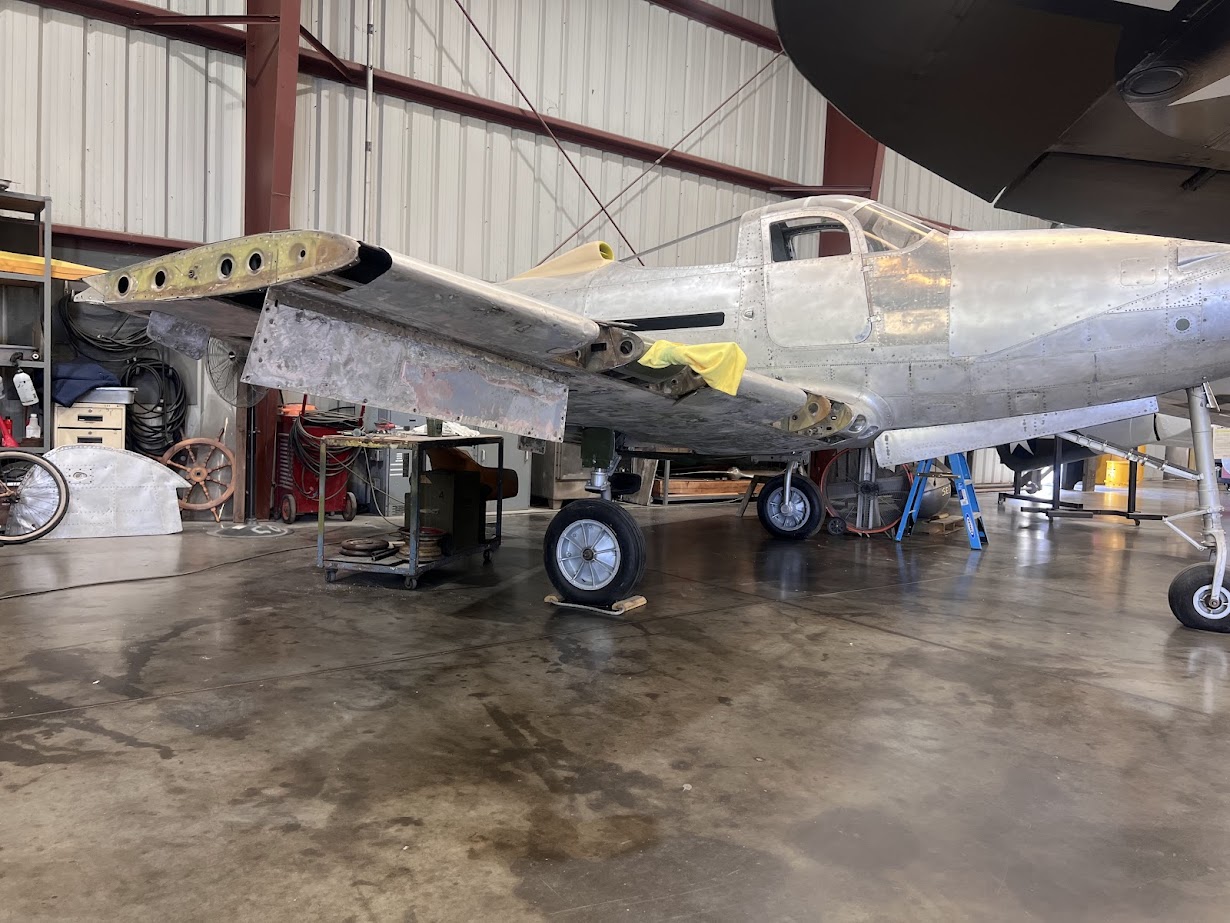
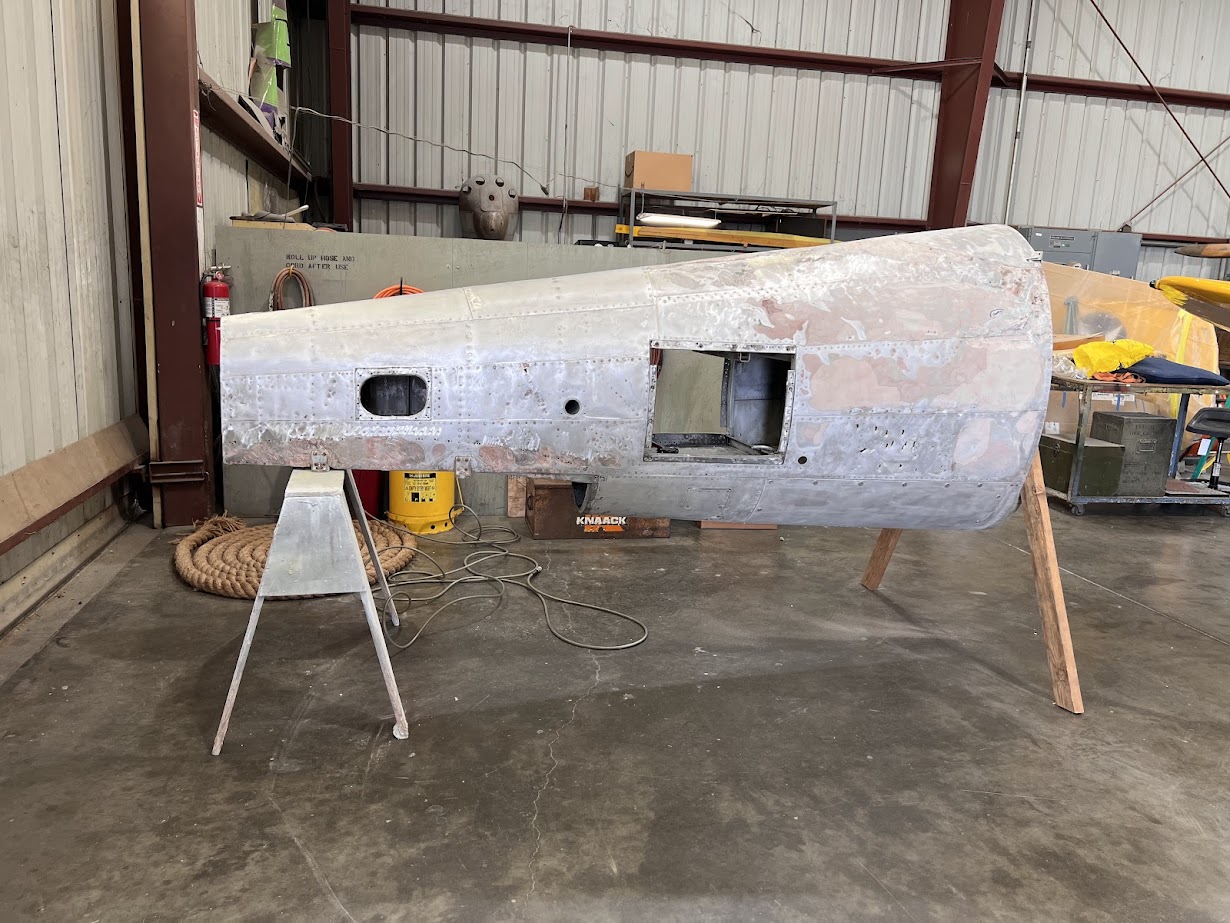
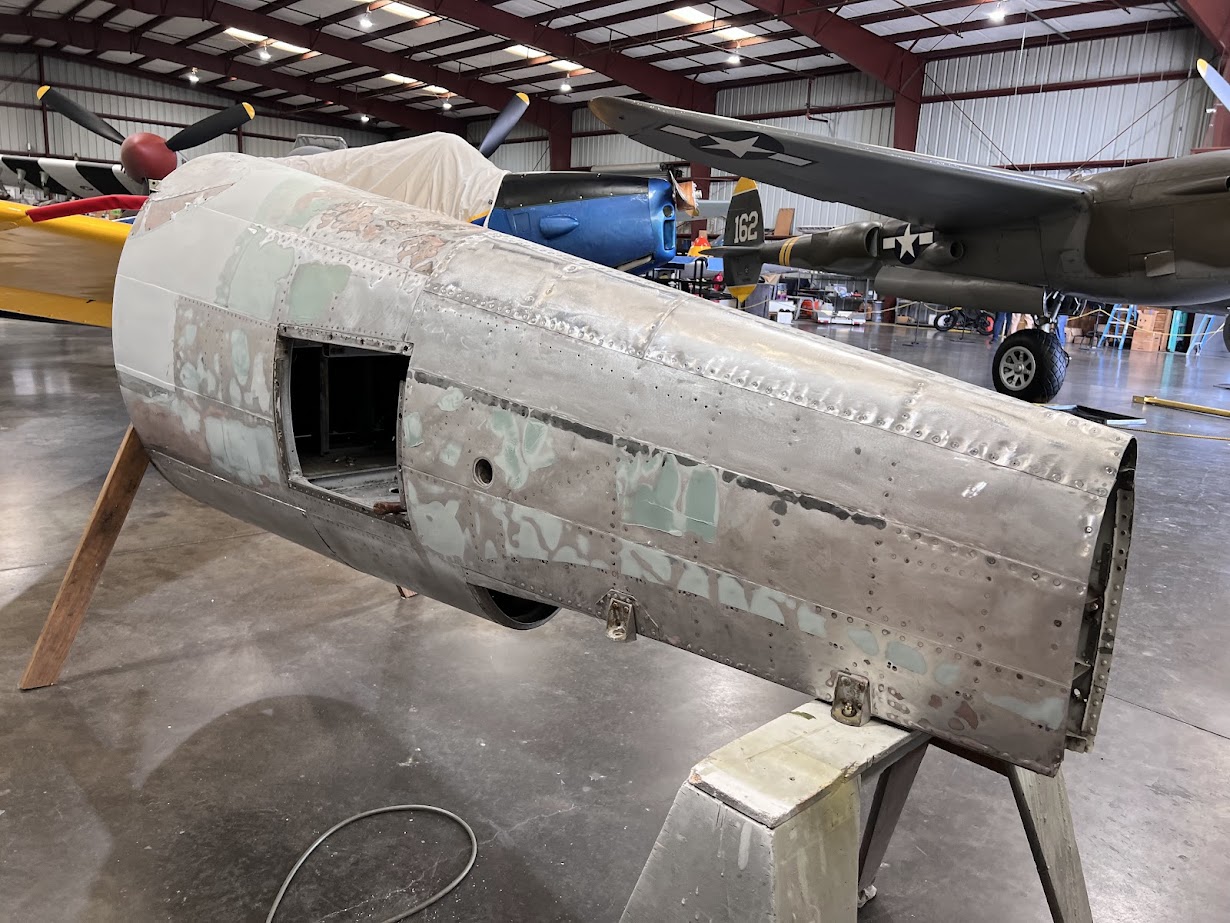
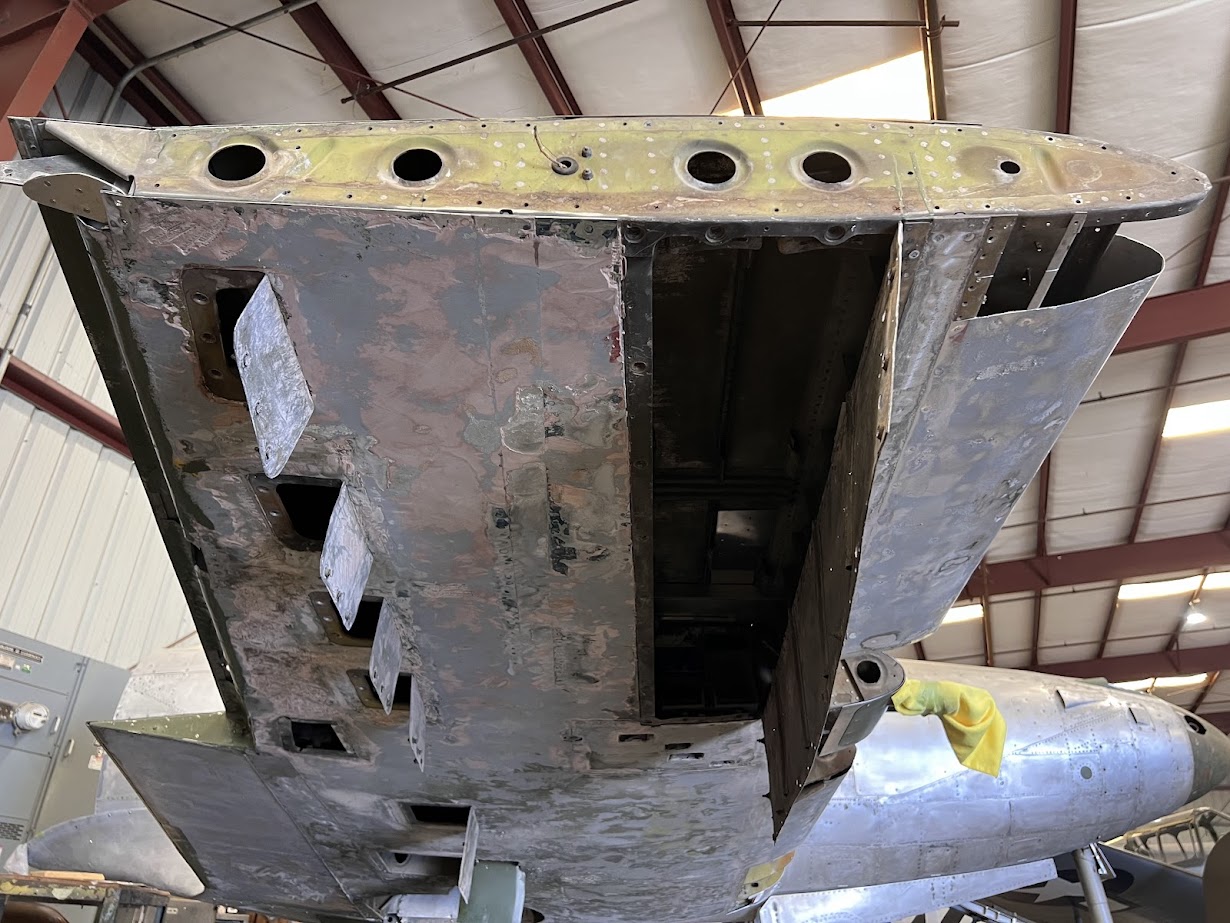
Regardless, the P-39N Airacobra painted as “Little Sir Echo”/”Small Fry” was a static display at the Planes of Fame, but in 2019 the Planes of Fame began on a new restoration of the aircraft. Layers of Bondo were stripped from the airplane, especially from the upper and lower surfaces of the wings. Work progressed slowly but steadily, in spite of events such as the COVID-19 pandemic, which put a temporary halt to the project. The recent stages of the project have seen the Airacobra’s restoration become the domain of Planes of Fame mechanic and researcher Cory O’Bryan, who also works on projects for Steve Hinton’s workshop Fighter Rebuilders. Though the projects at Fighter Rebuilders have sometimes taken priority, O’Bryan has been working extensively on adding new sheet metal, replacing corroded panels with holes that were masked by layers of Bondo.
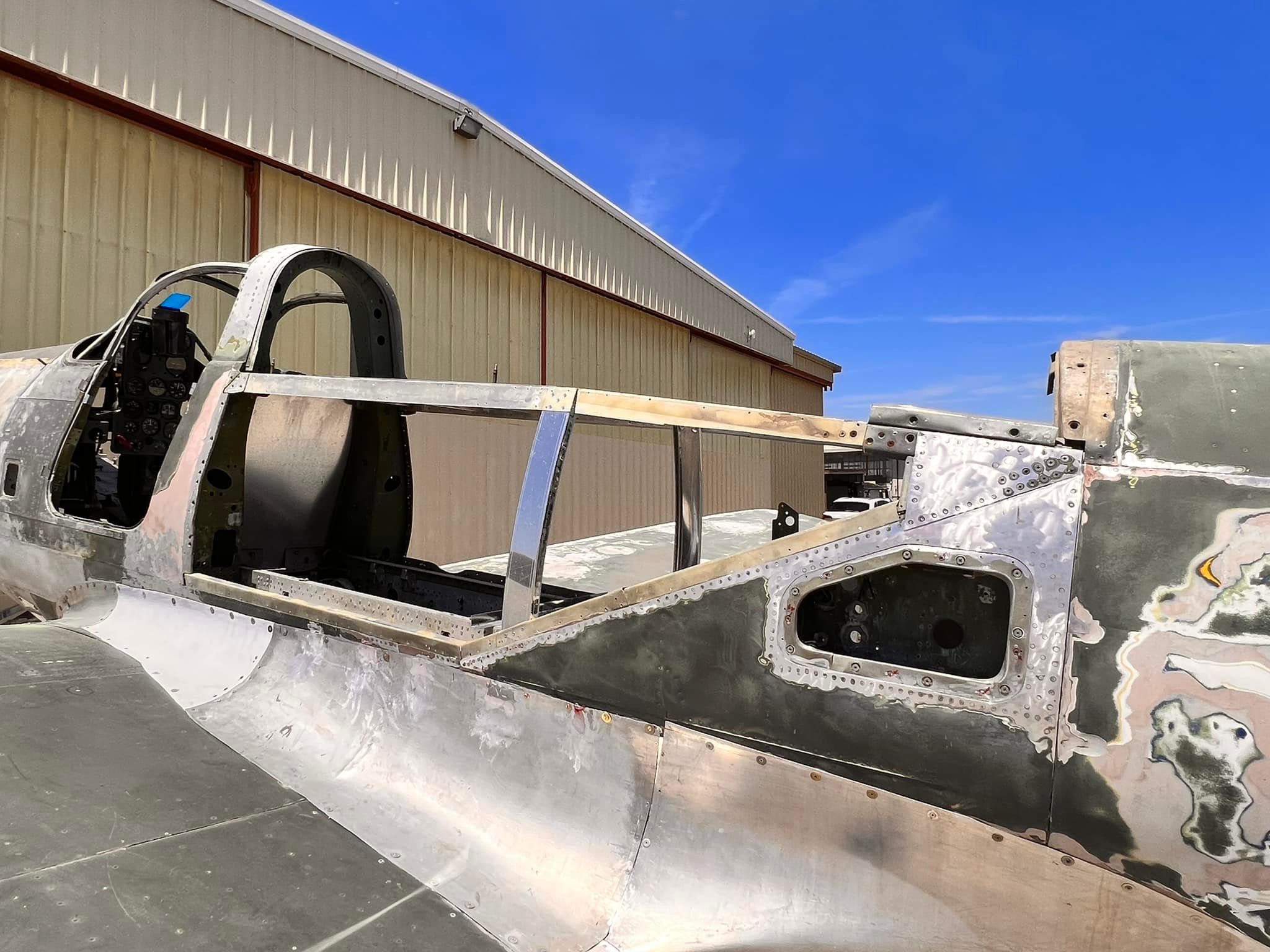
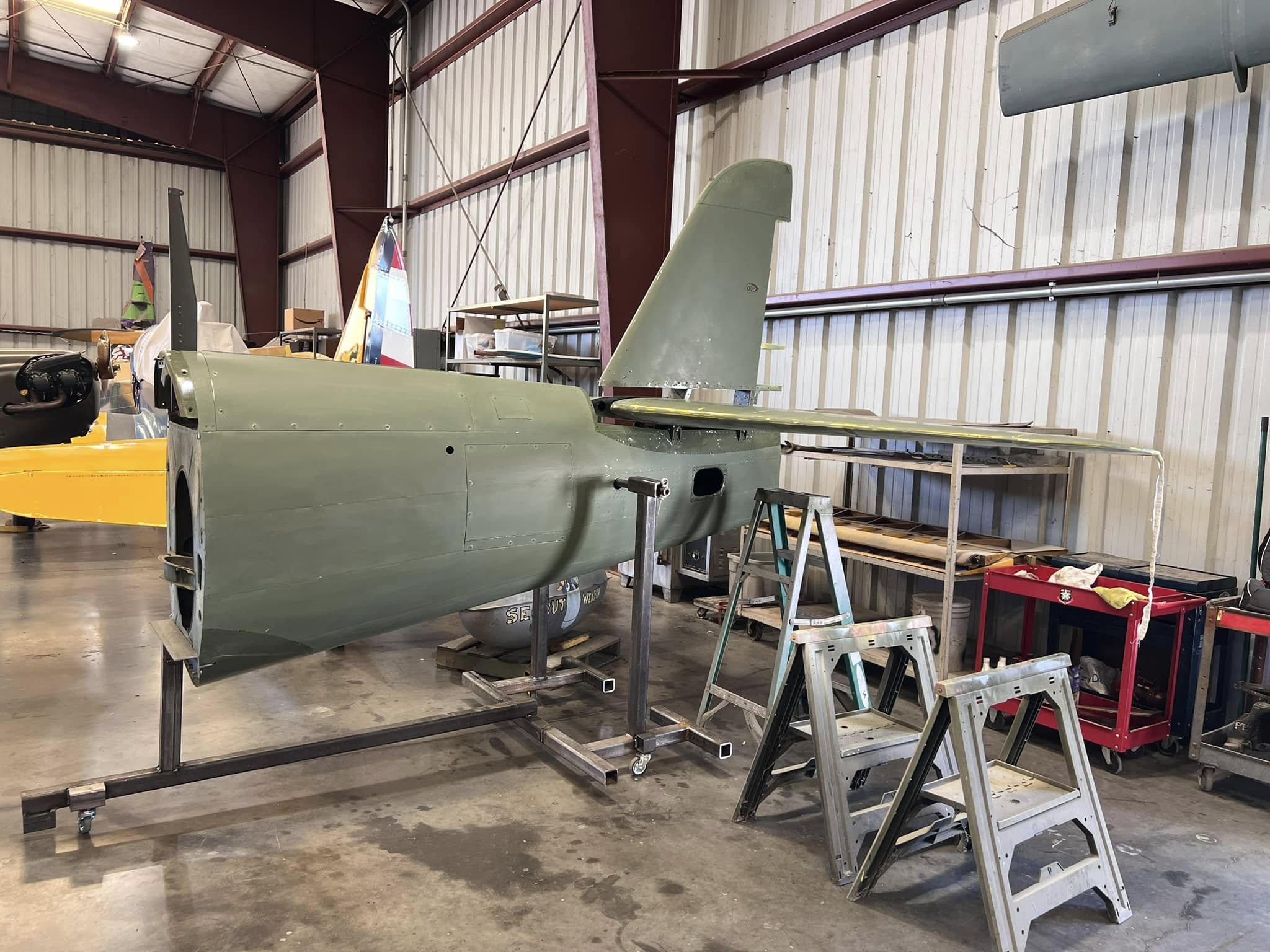
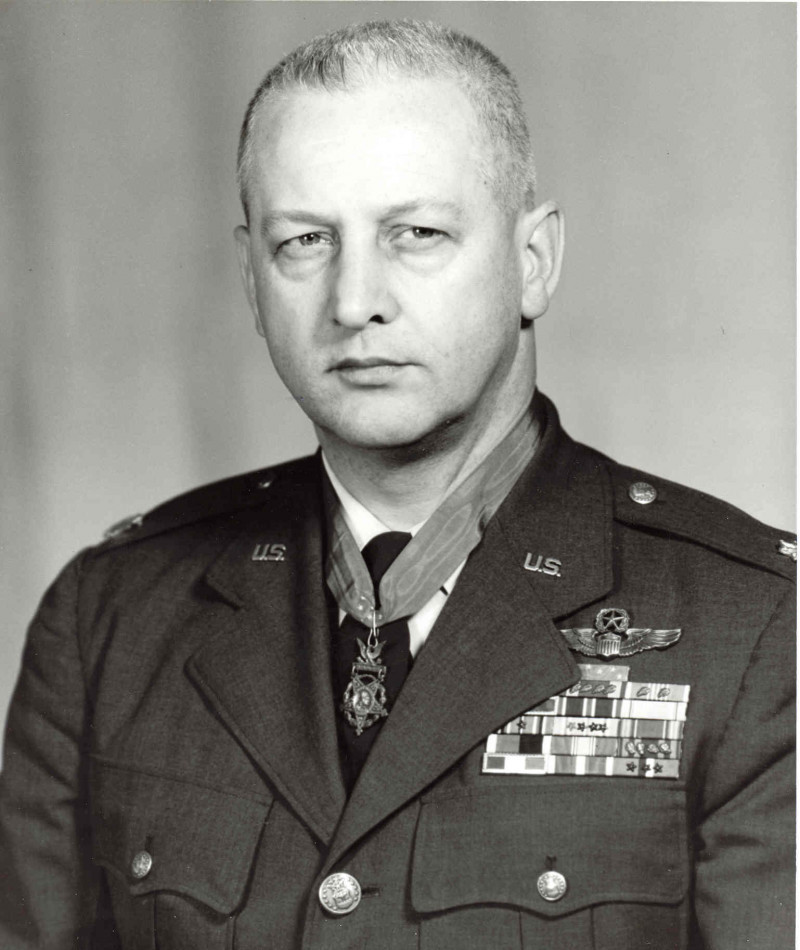
In the process of restoring the aircraft, however, O’Bryan has noted several discrepancies, showing parts that came from other P-39s recovered from Tadji in 1974. For example, when removing layers of overpaint on the right side of the vertical stabilizer, O’Bryan discovered that at least this panel had come from P-39Q-6-BE 42-19995, which carried the names “Snooks 2nd” and “Betty Lou 3rd”. This had been flown by Lt. William A. Shomo, who named all of his aircraft Snooks during his service with the 82nd Tactical Reconnaissance Squadron, 71st Tactical Reconnaissance Group. By war’s end, he flew six aircraft with this name. While “Snooks 2nd” was abandoned at Tadji Airfield by December 1944, Shomo and the rest of the 71st Tactical Group were now flying armed variants of the F-6D Mustang, the photo-reconnaissance version of the P-51 Mustang. On January 11, 1945, Lt. Shomo was flying F-6D 44-14841 “Snooks the 5th” (also named “Flying Undertaker”) when he shot down seven Japanese aircraft (six Kawasaki Ki-61 “Tony” fighters and one Mitsubishi G4M “Betty” bomber) in one engagement near Tuguegarao, Philippines. For this action, William A. Shomo was awarded the Medal of Honor. After the war, Shomo remained in the U.S. Air Force and retired in 1968 with the rank of Lieutenant Colonel.
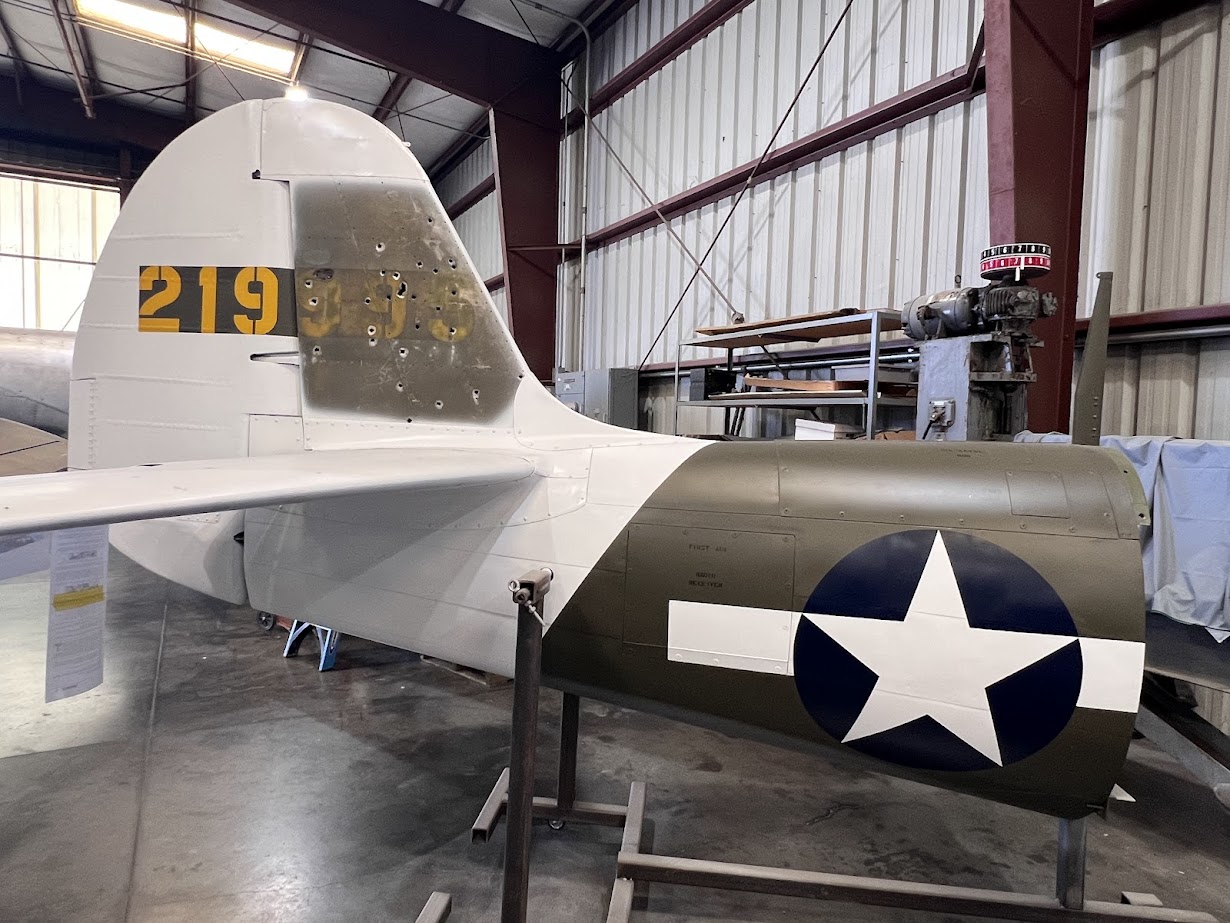
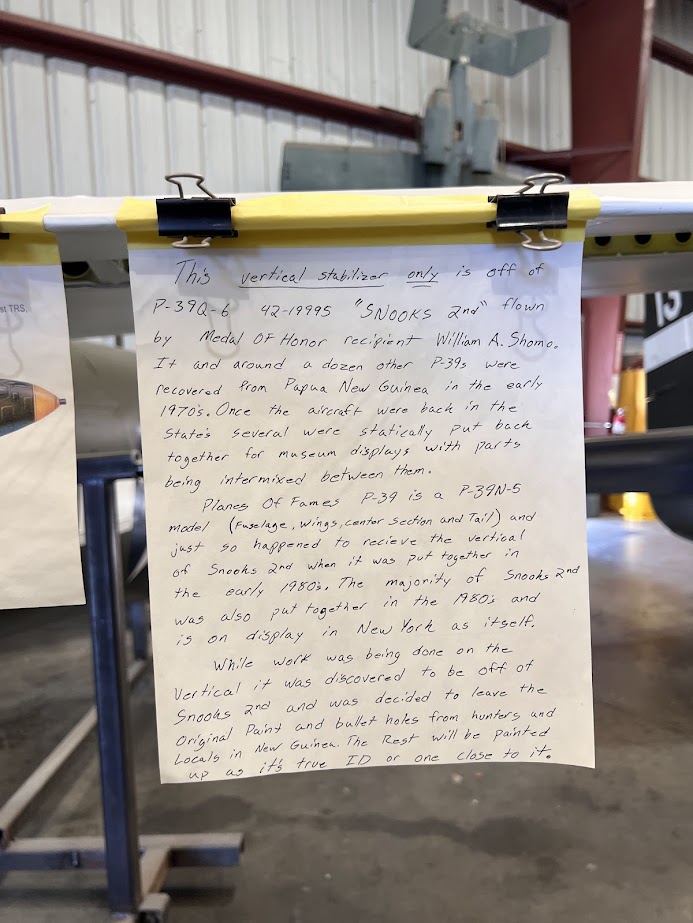
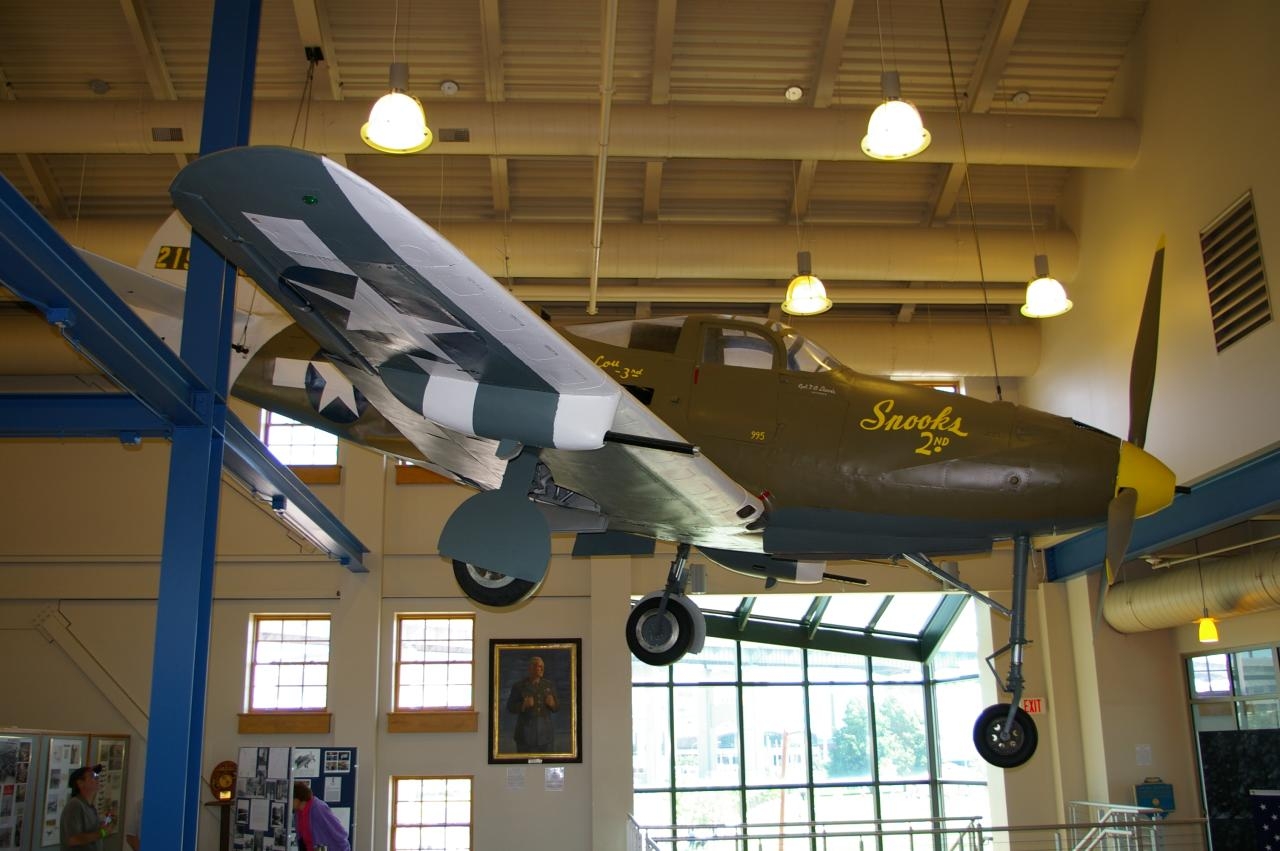
As for his P-39Q 42-19995 “Snooks 2nd”, it was recovered by the Tallichet Expedition to Tadji, but parts of it may have been scattered in other P-39 restoration projects recovered from Tadji, as demonstrated by the recent discovery at Planes of Fame. In any case, one of the P-39s assembled from the Tadji wrecks was restored with the markings of Snooks 2nd and is currently on display at the Buffalo and Erie County Naval & Military Park in Buffalo, New York (though it has been reported that this aircraft may be P-39N 42-18408). With the discovery of this piece from the aircraft, the right side of the tail of Planes of Fame’s P-39 has been painted in the colors of 42-19995, with the original paint being protected by a clear coat.
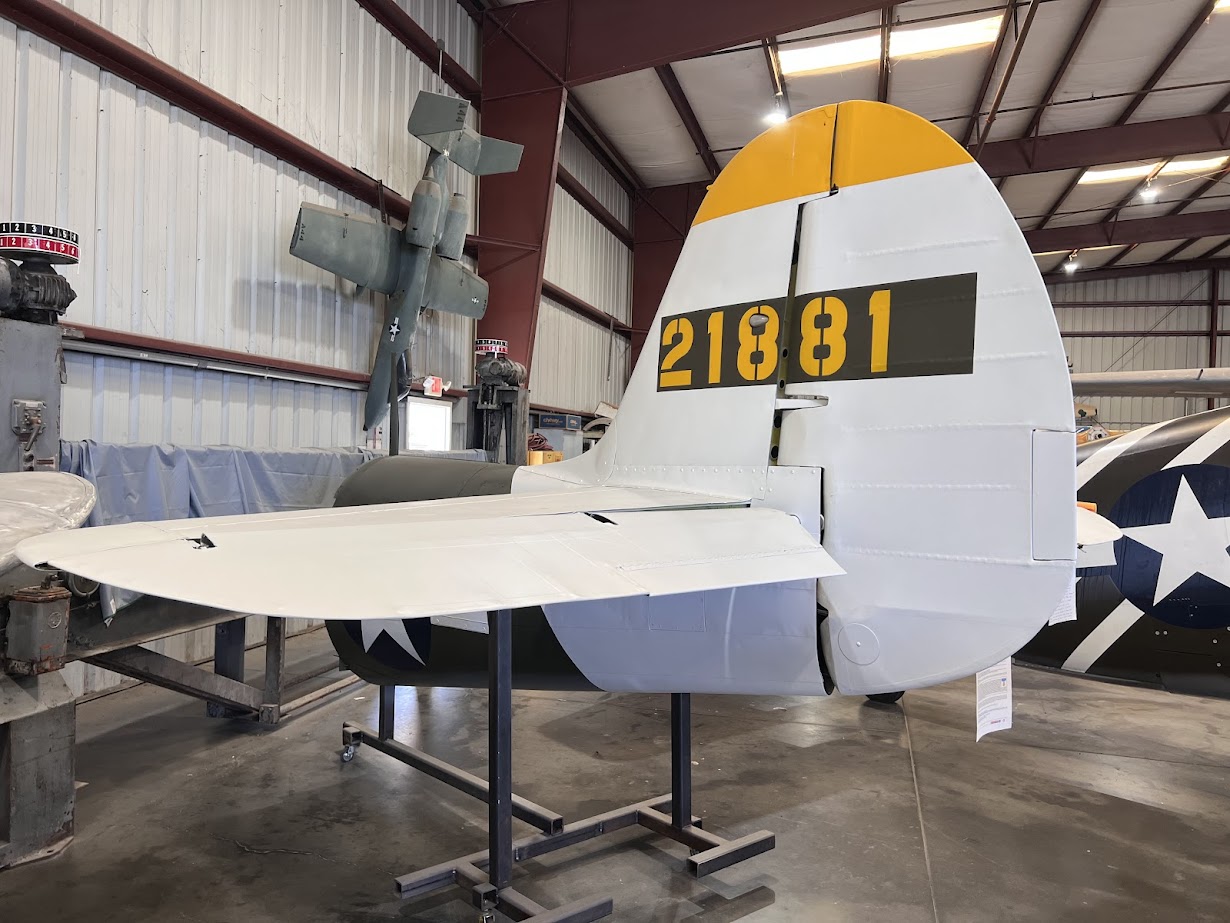
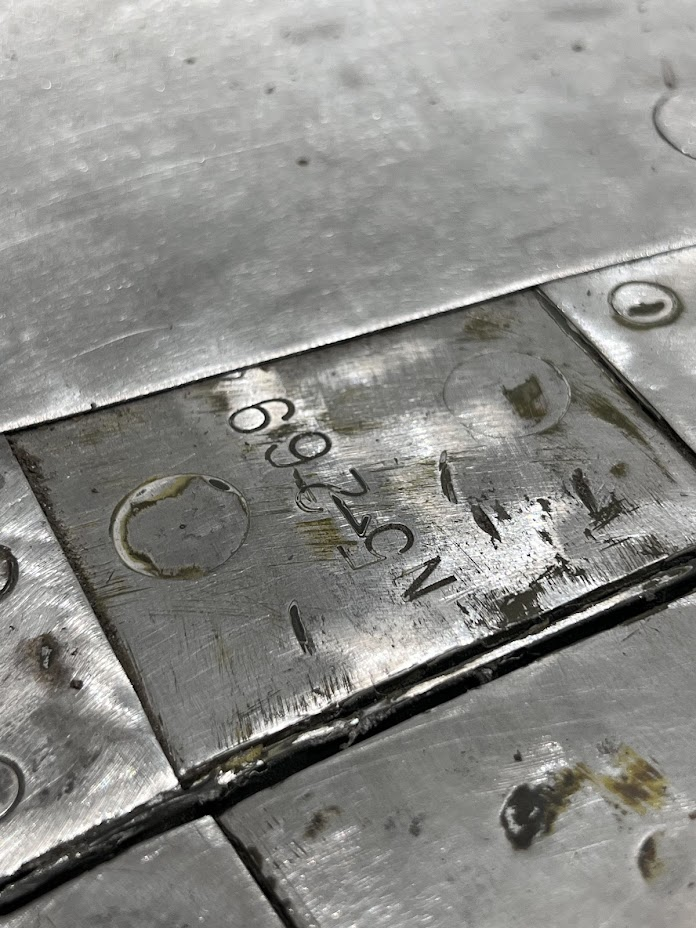
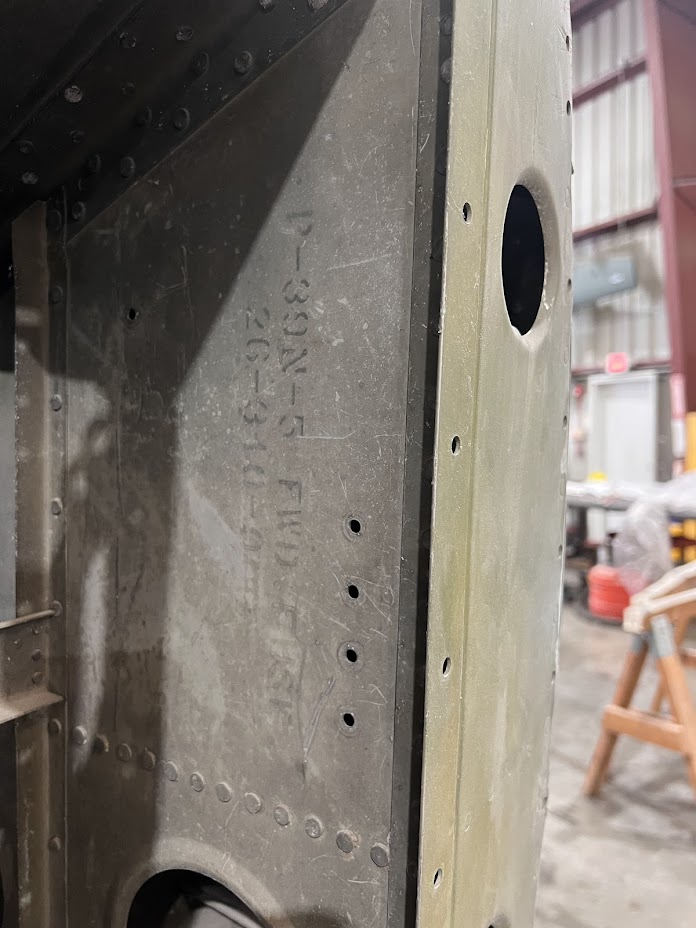
Further discoveries have been made on the Airacobra, and O’Bryan has discovered the production stamp on the wing root of the left wing. According to Bell Aircraft records, these suggest that this section came from P-39N 42-18814. However, this aircraft, another Tadji recovery, is often listed as the example now displayed at the Pima Air and Space Museum in Tucson, Arizona under the name “Girlie”. Given the mix-up of P-39 airframes at David Tallichet’s shop in the 1970s, it will be hard to prove whether this aircraft is 42-19027, as claimed by Charles Darby, or another Tadji P-39, but in any case, the left side of the P-39’s tail has been painted with the incomplete serial number “42-1881-“, with plans to assign a final number upon further examination.
The restoration of the museum’s Bell P-39 Airacobra has seen the use of many pieces of new-old stock for P-39s that have previously been held in storage or recently acquired by the museum. For example, the Planes of Fame has now procured an original P-39 propeller spinner and cockpit door which have been installed on the aircraft. Additionally, computer-added design (CAD) and 3D printing have helped in the restoration as well, with the oil cooler intake mounted behind the cockpit and the muzzles of the four wing-mounted Browning M1919 .30 caliber machine guns being replicated by 3D printing. The museum has also relied on scans of Bell P-39 manuals and instructions digitized by AirCorps Library, which has helped them obtain previously inaccessible materials.
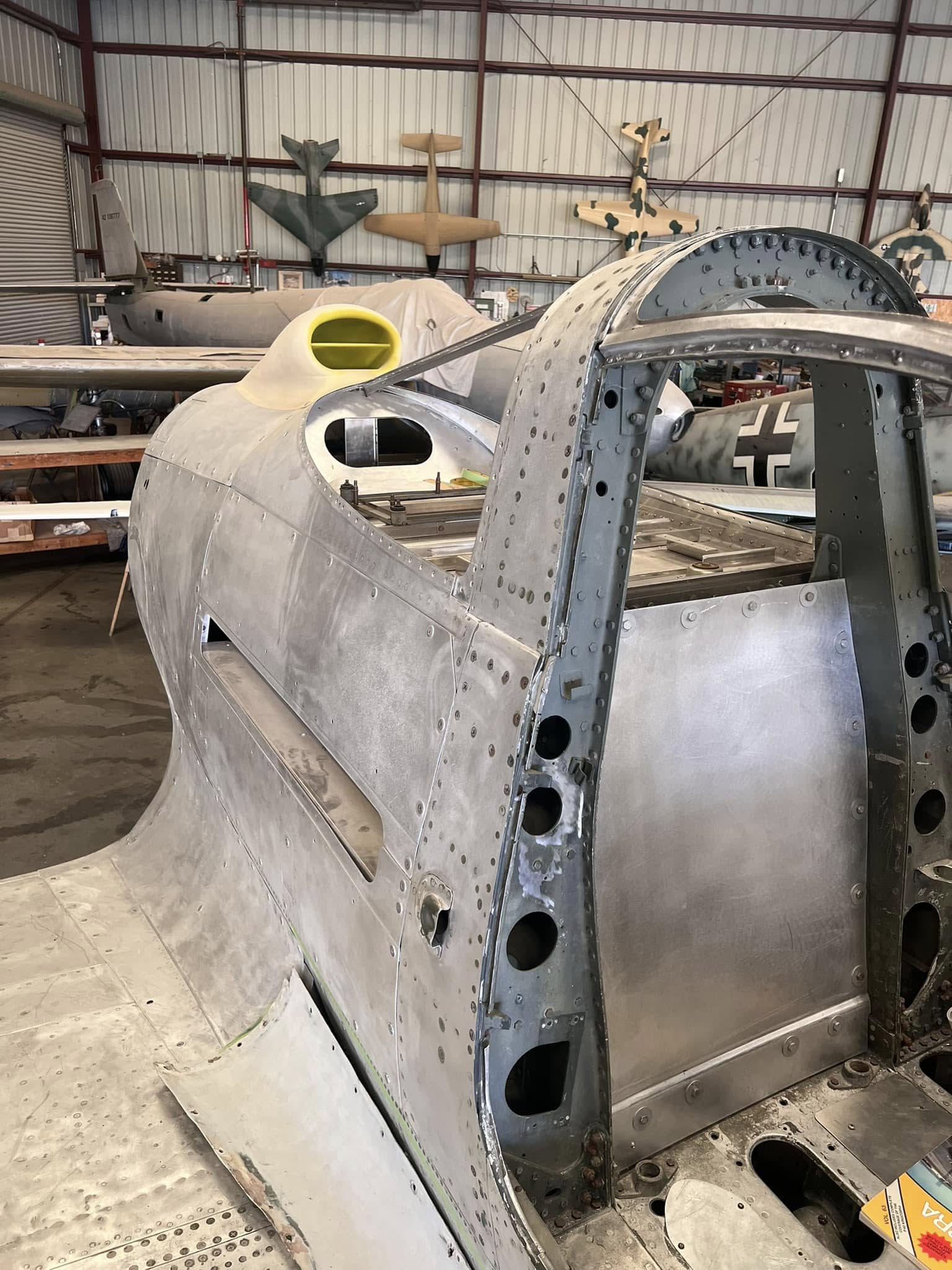
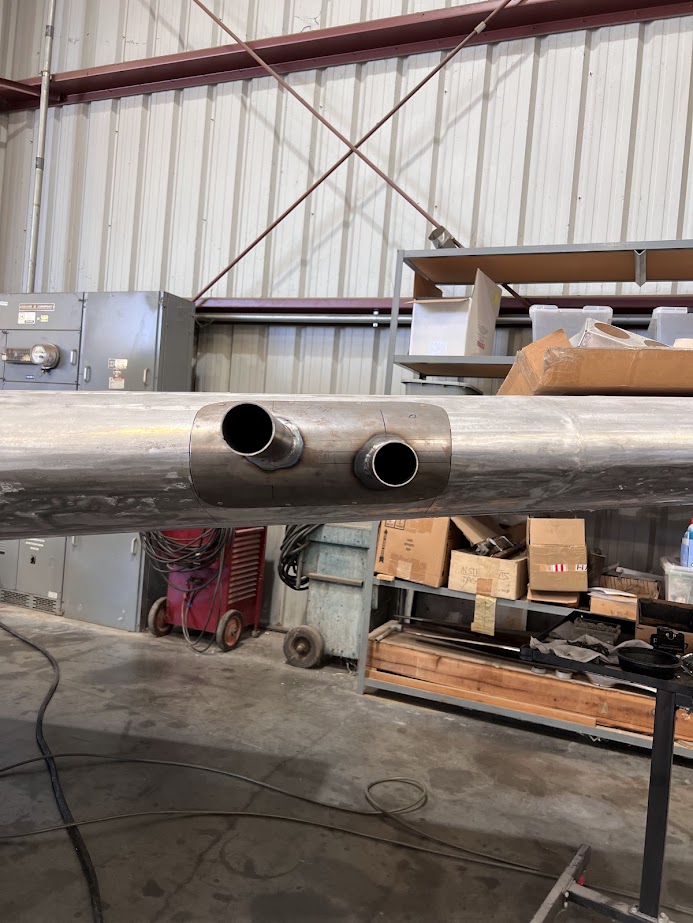
In order to facilitate the restoration, the museum removed the tail section of the P-39, which has now had its sheet metal panels repaired and repainted, with the left side and the right side painted to represent two separate P-39s of the 71st Tactical Reconnaissance Group based on traces of recovered aircraft found on the airframe. Meanwhile, wing access panels to the P-39’s wing tanks and ammunition stowage compartments previously fared over or covered by layers of Bondo have been restored. One difference that will be more evident on the leading edges of the wings will be the newly refabricated gun barrels for the Airacobra’s wing-mounted machine guns, as these gun ports, which had steel barrels over the muzzles of the four .30 caliber machine guns, were previously fared over. Using a damaged original panel with two barrels as reference, O’Bryan has added two refabricated steel gun ports to the wings of the Airacobra. Additionally, the Bondo that had covered the ejection chutes from which spent cartridges would fall from the aircraft has largely been removed, showing the more attentive visitors another aspect of the aircraft’s design.
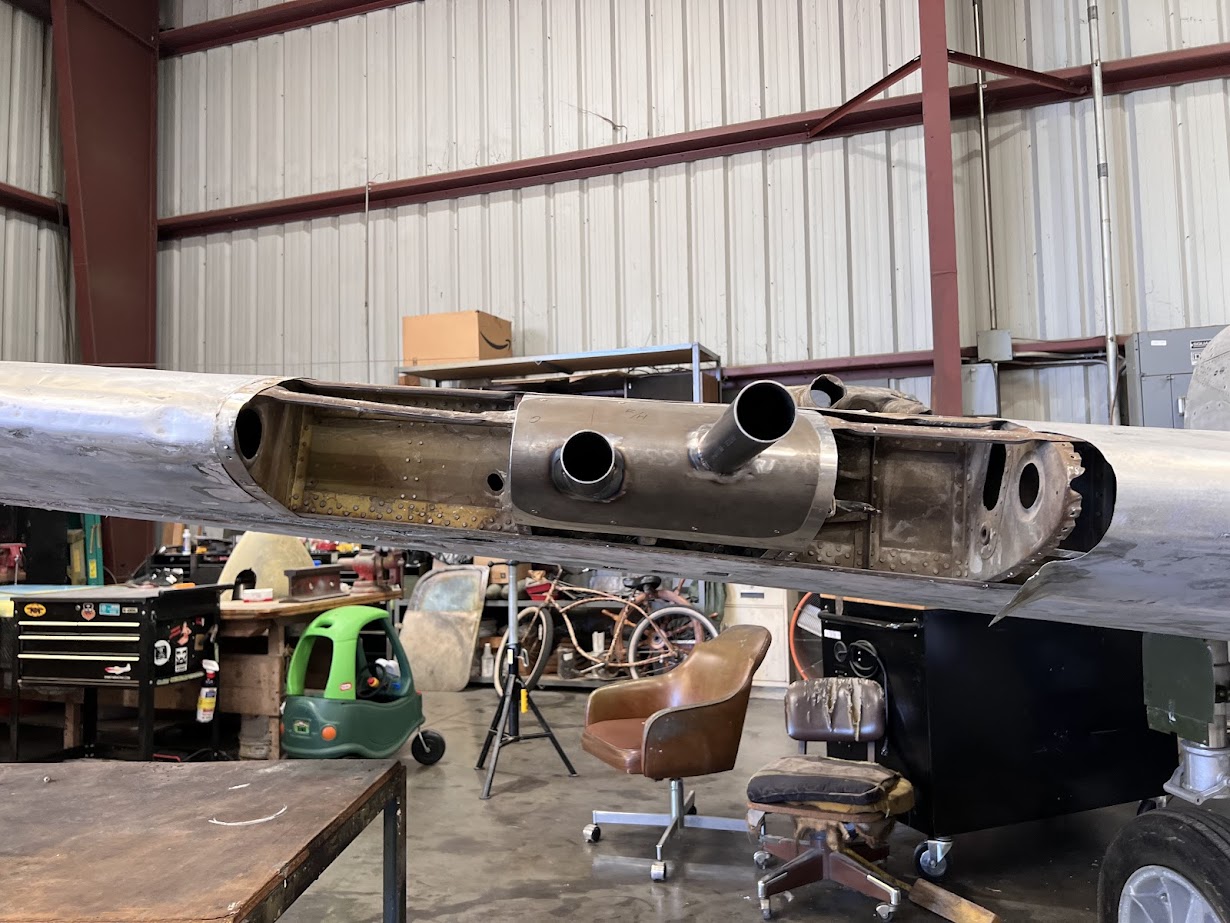
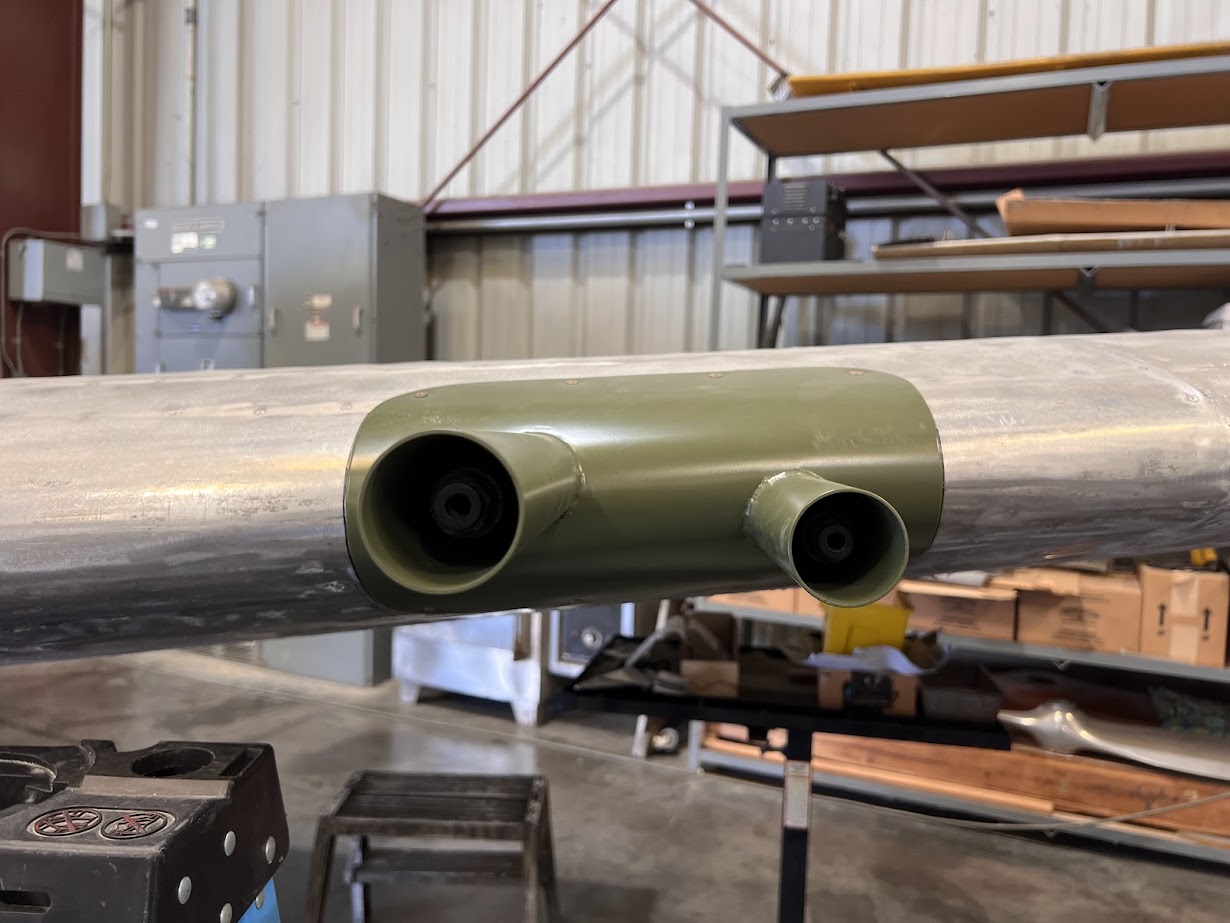
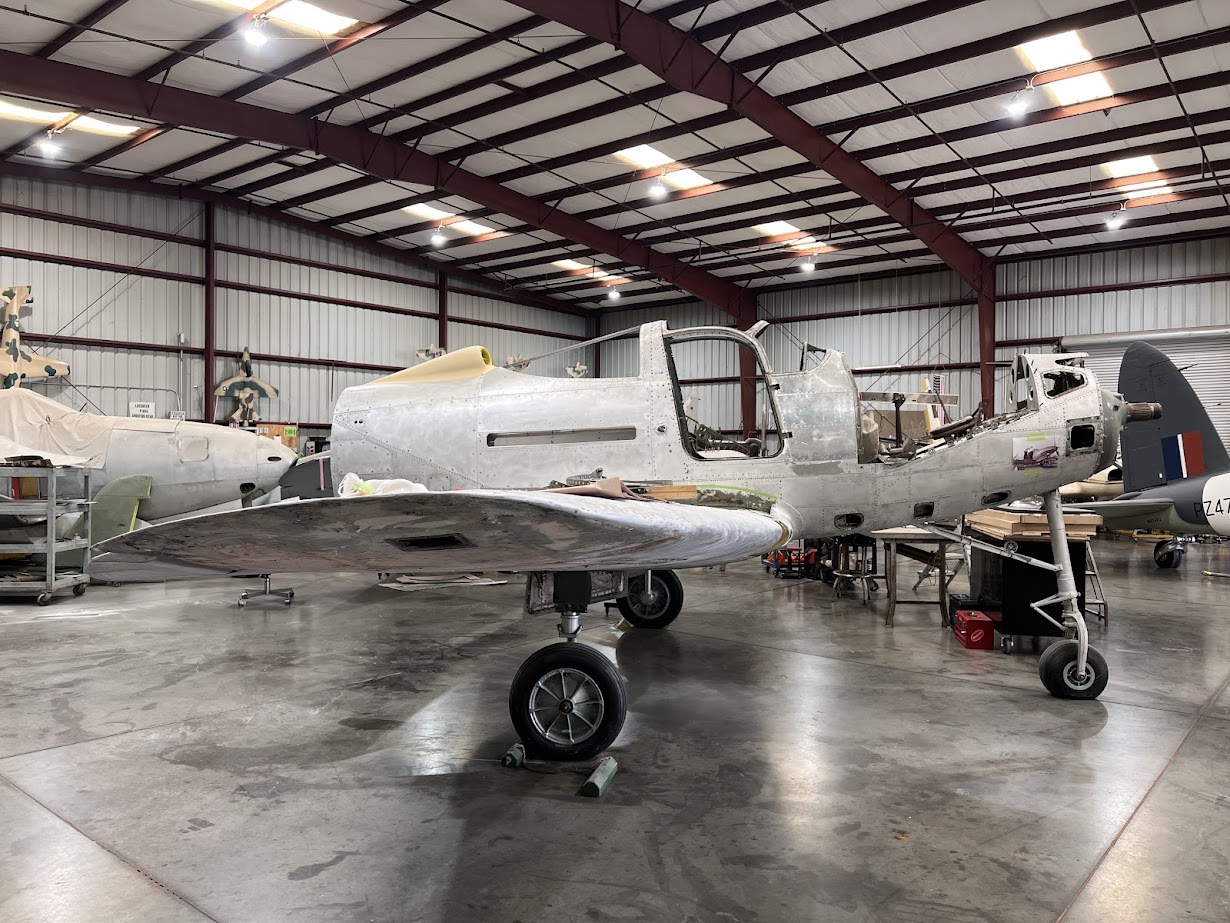
The restoration of the Aircobra’s forward section is still in progress right now. O’Bryan has completed or is on course to completing repairs to the forward section’s fuselage and top wing panels. leaving the bottom wing panels for last. Once the sheet metalwork is finished, the forward section will receive a new paint scheme. Since the tail is already painted to represent two P-39Ns, it is likely that the forward section and wings will reflect this pattern, but in any case, both schemes are for two Bell P-39N Airacobras that served with the 71st Tactical Reconnaissance Group at Tadji Airfield in 1944, which were later abandoned by the US Army Air Force and recovered by Monty Armstrong and Charles Darby on behalf of David Tallichet.
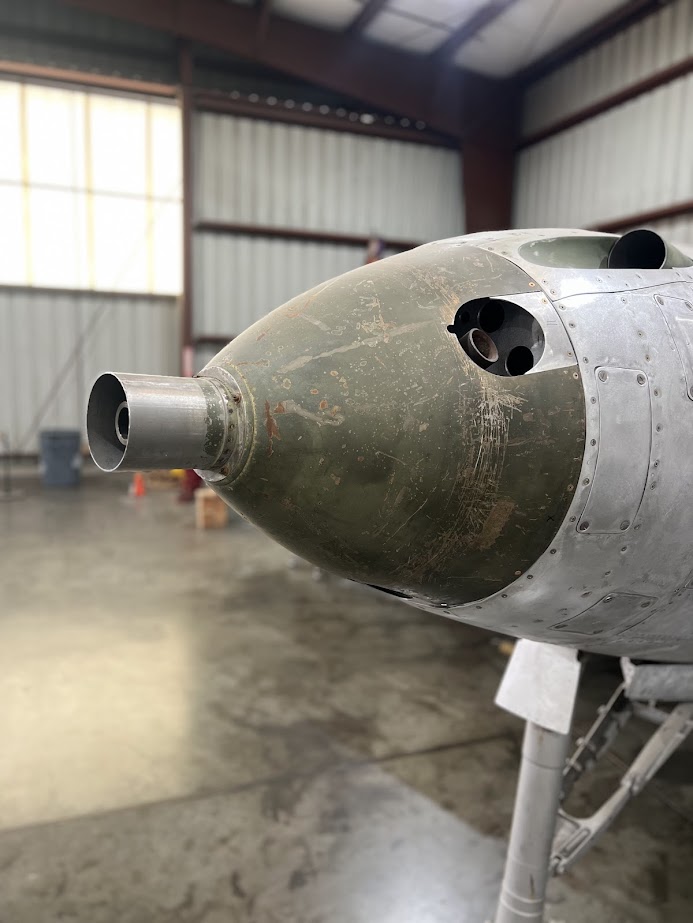
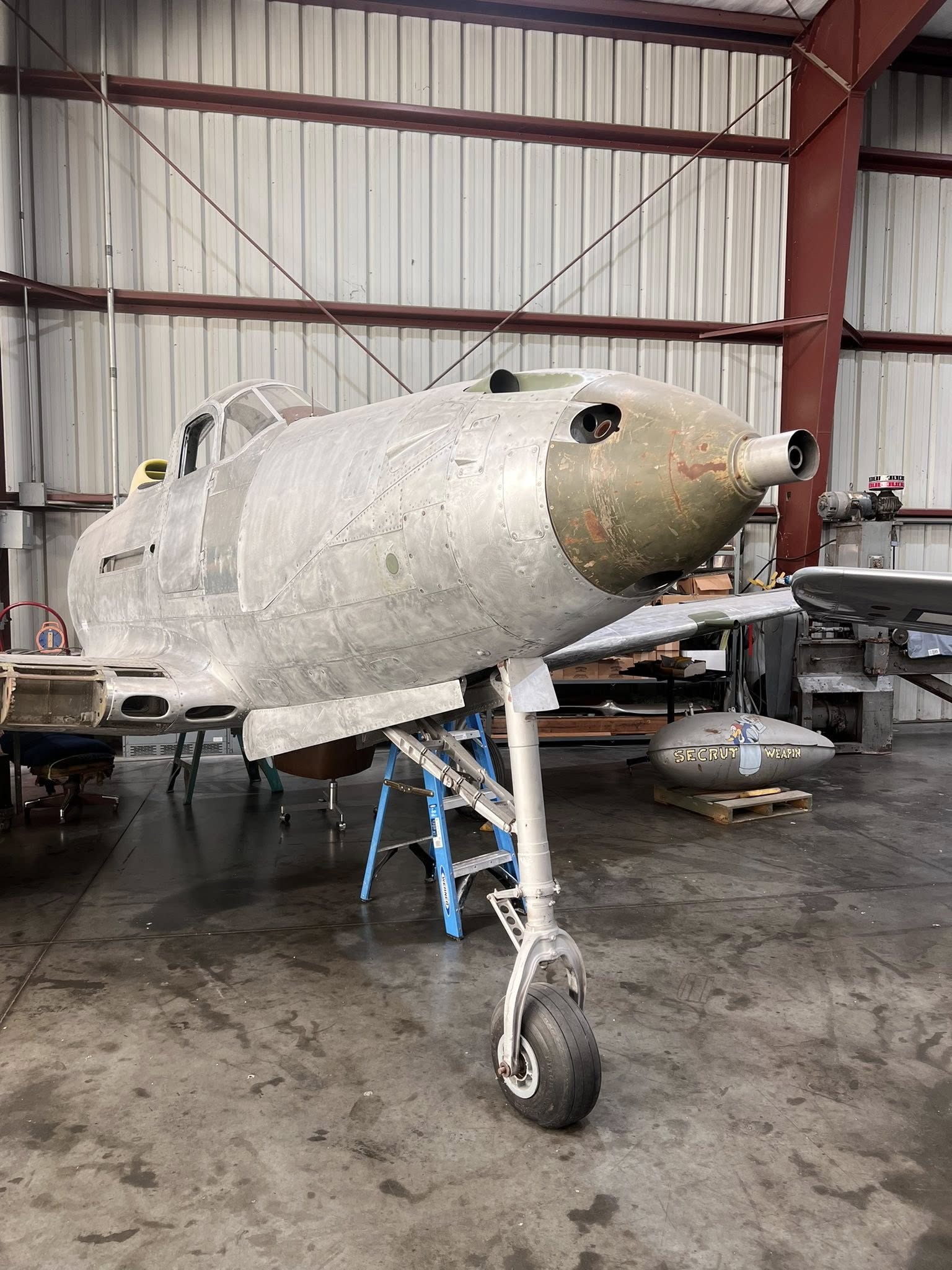
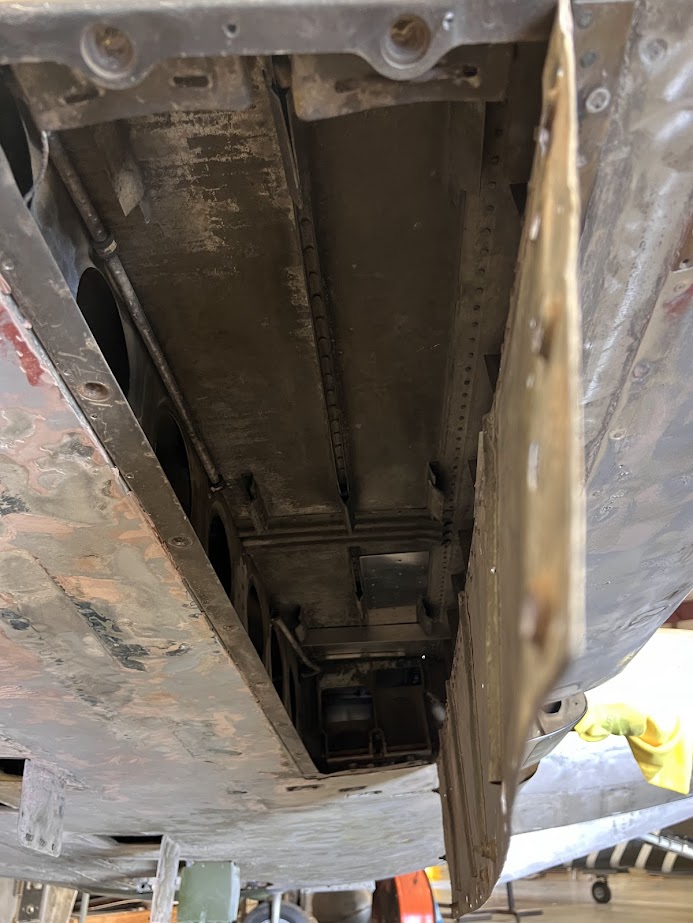
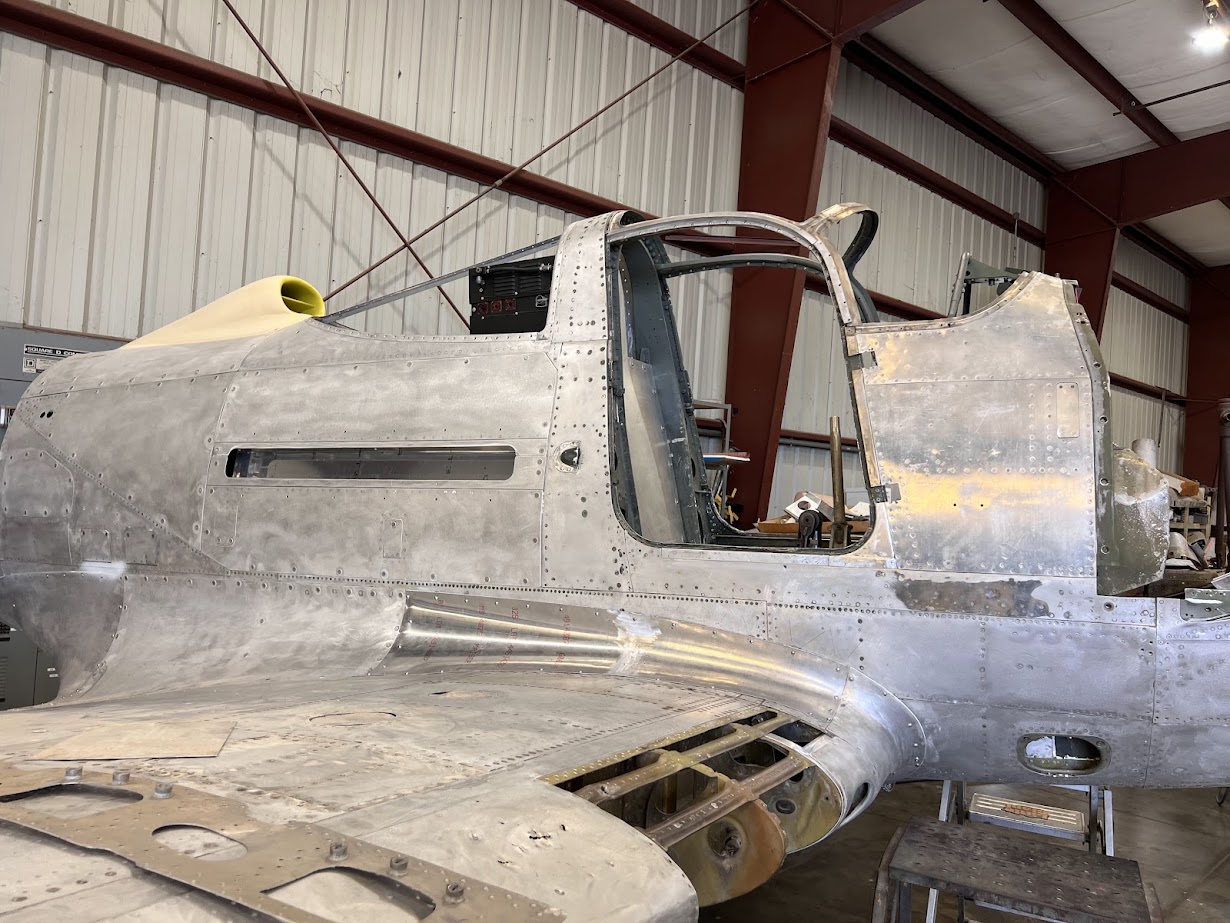
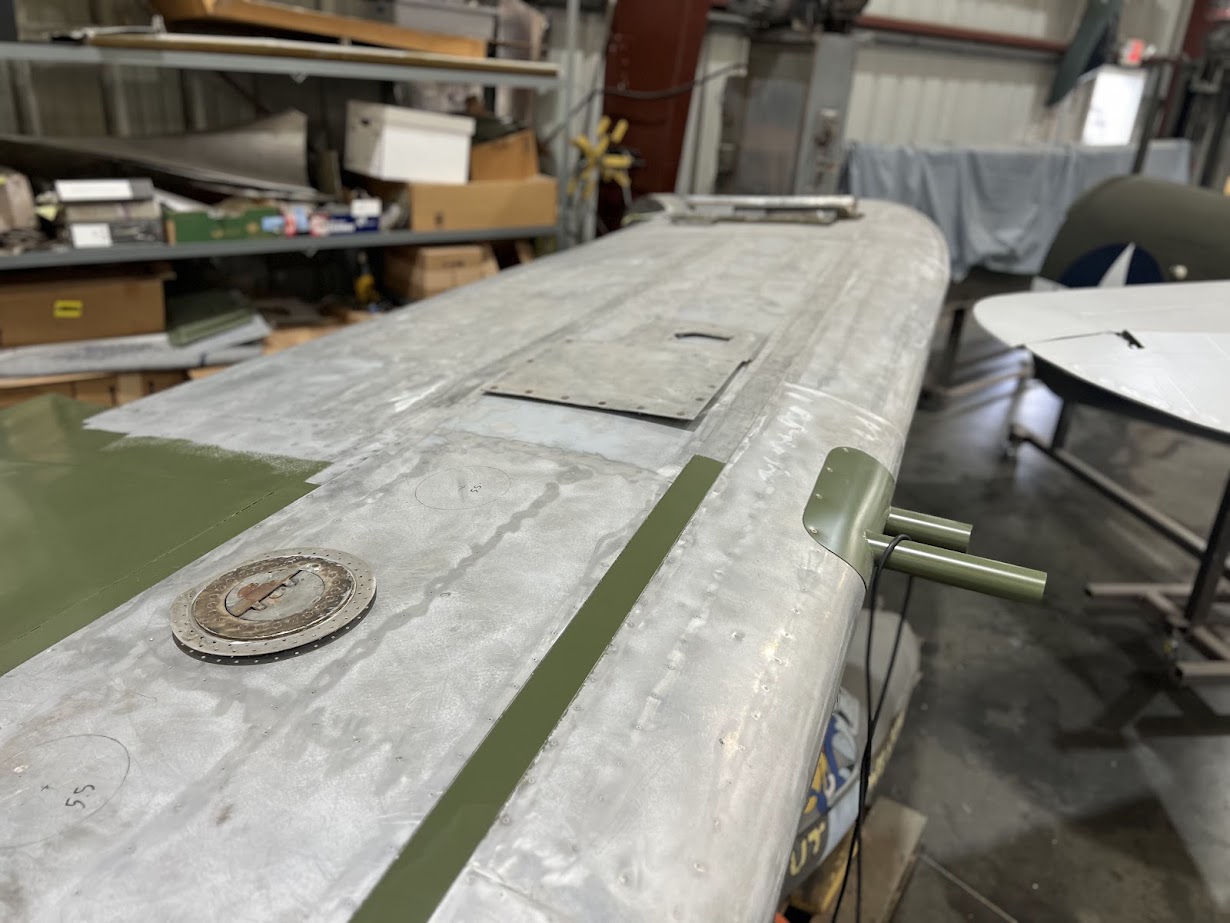
Upon completion, the Planes of Fame’s Bell P-39N Airacobra will return to being a static display at Chino. Cory O’Bryan has stated that the engine compartment would have to be realigned in order to install a new Allison V-1710 engine, while underlying corrosion in the wing roots would require an extensive overhaul in order to give the Airacobra a chance of flying again. Although Fighter Rebuilders restored another Tadji recovery, P-39Q 42-19993 “Brooklyn Bum 2nd” to flying condition between 1996 and 2004, this was done on behalf of The Fighter Collection at Duxford Aerodrome, UK, before the aircraft was later acquired by Lewis Air Legends of San Antonio, Texas. It is therefore not impossible to restore the aircraft to fly again, but it would require a more intensive restoration with more funds allocated to the project. Whether the aircraft remains as a static display, it will serve not only as a tribute to the men of the 71st Tactical Reconnaissance Group of the 5th Air Force, so often nicknamed “The Forgotten Fifth”, but also as a tribute to men like Charles Darby and Monty Armstrong, who ventured into the jungles of Papua New Guinea to retrieve Allied and Japanese aircraft alike from the forces of decay and corrosion, and to the vision of men like David Tallichet and Edward T. Maloney, who foresaw the need to preserve these aircraft for future generations to come.
For more information, visit the Planes of Fame Air Museum’s website HERE.