
By Randy Malmstrom
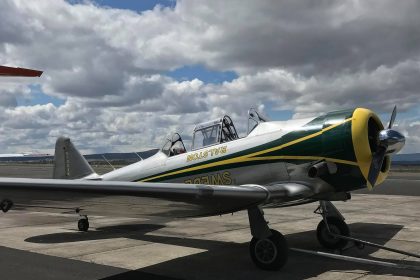
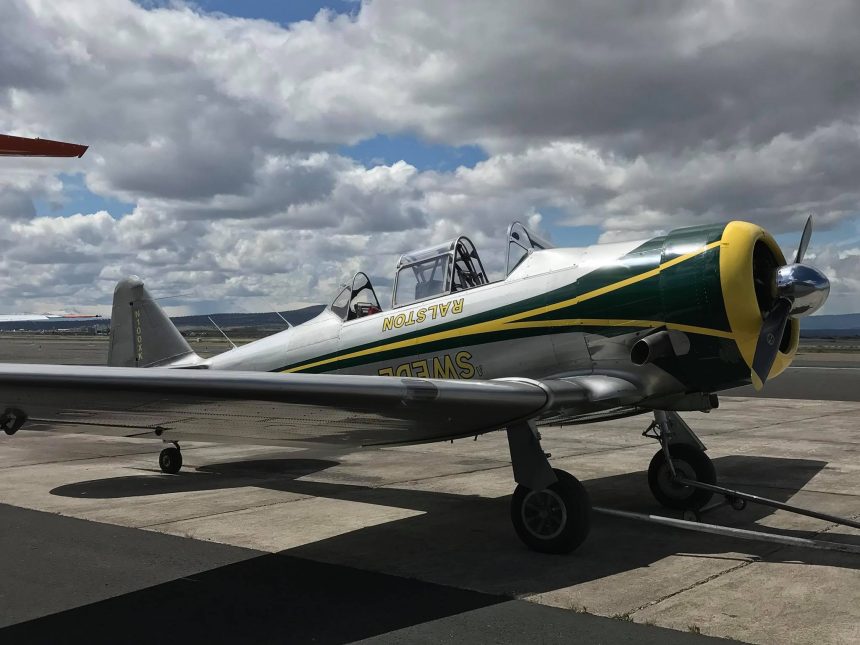
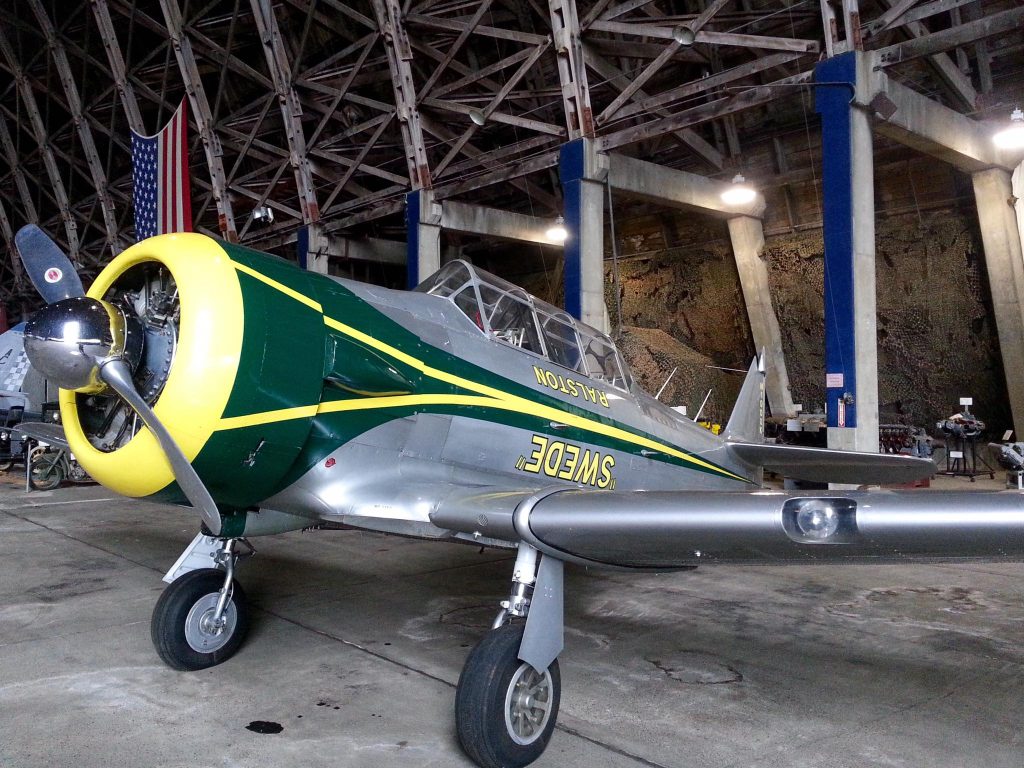
North American T-6G Texan. In March of 1951, the U.S. Air Force determined that more Texans were needed in its inventory, so multiple contracts were issued to North American to “re-manufacture” several thousand of its AT-6 and SNJ aircraft. The sum of the contracts amounted to $11,266,25. This aircraft was completely disassembled, inspected, and restored to new condition as a T-6G. All armament was removed, and a number of modifications were incorporated, including new communication and navigation equipment, a steerable tailwheel, improved cockpit layout, and increased fuel capacity. It flew with the U.S. Air Force until the mid-1950s, when it went to the Spanish Air Force until it was stricken from the record and sold at auction in 1983. In 1994, it was acquired by Jack Erickson and became part of Erickson Aircraft Collection (EAC), which was originally located in Hangar B at the former Naval Air Station Tillamook (Oregon) and is now located in Madras, Oregon. However, the current owner is Corsair N1337A LLC (another of Mr. Erickson’s business ventures).
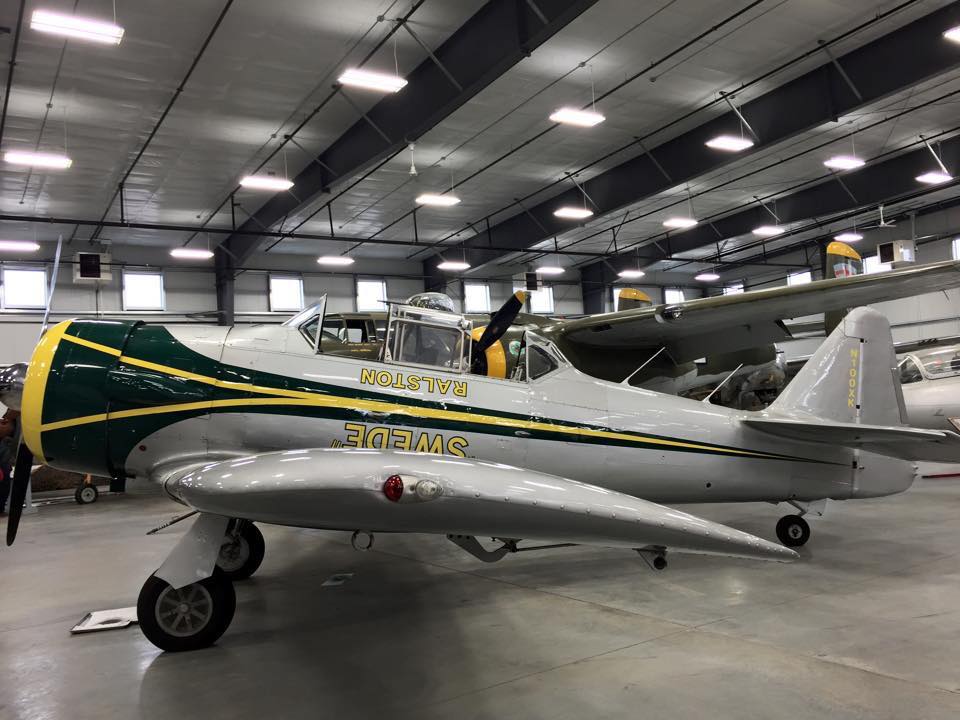
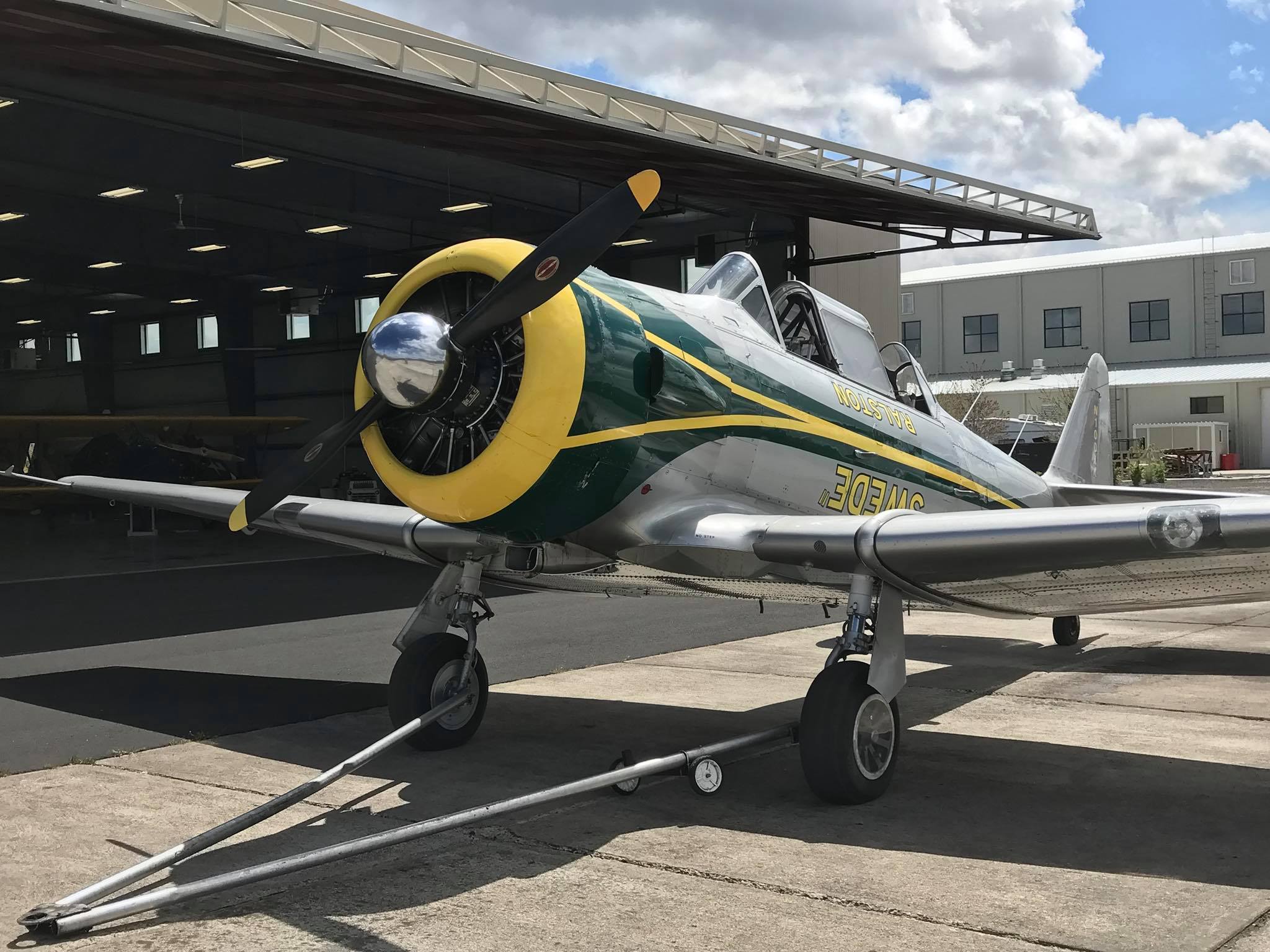
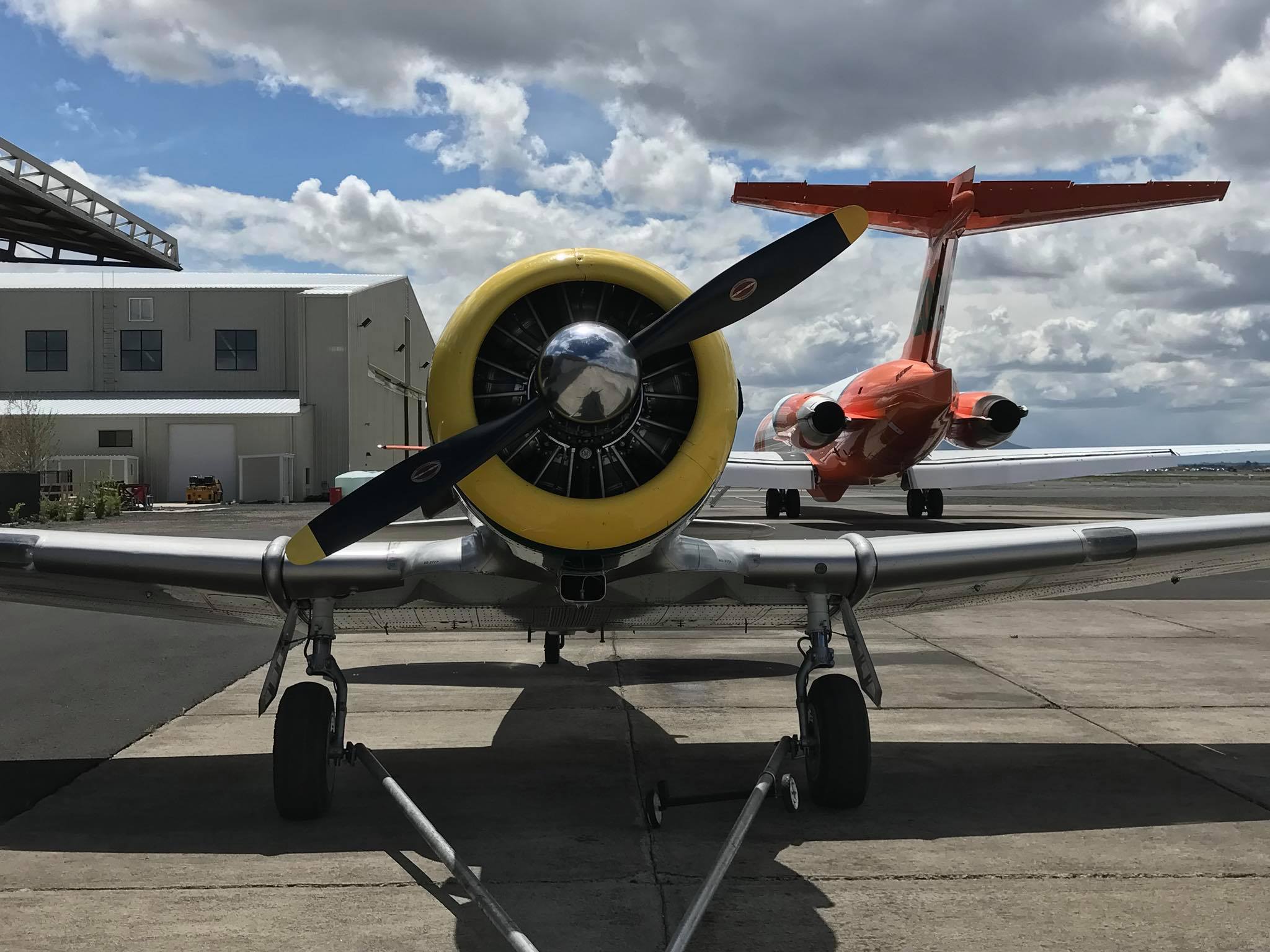
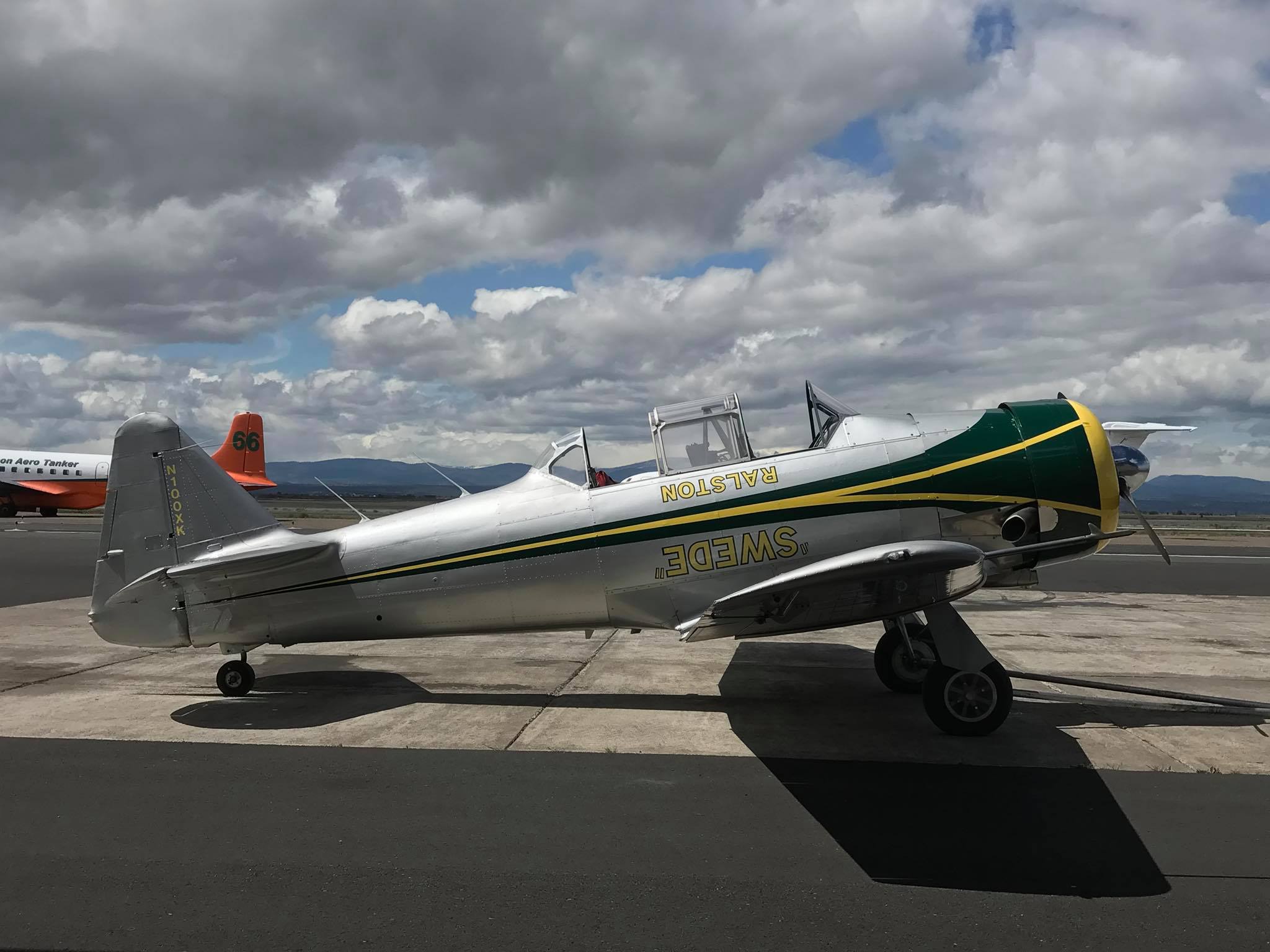
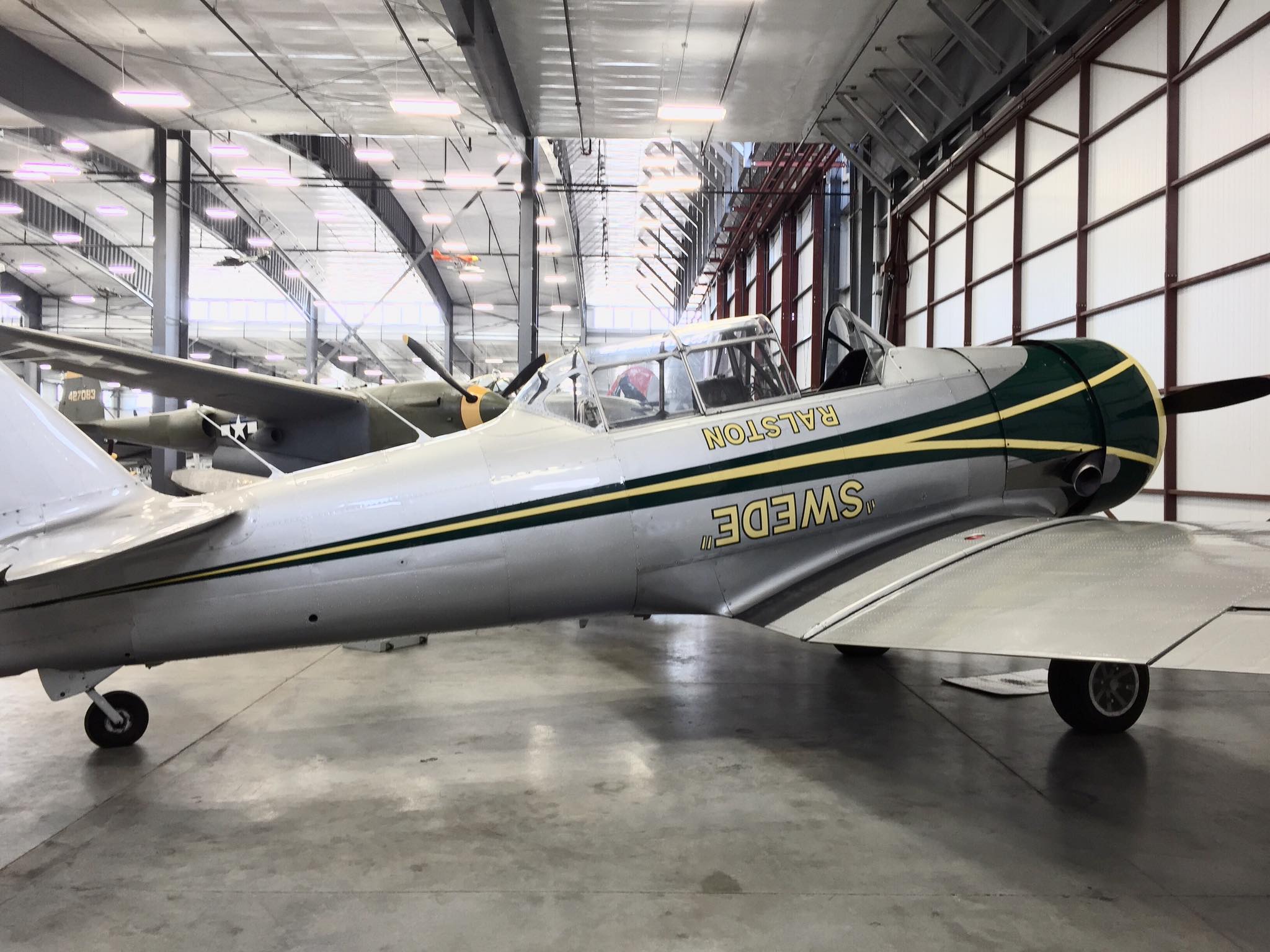
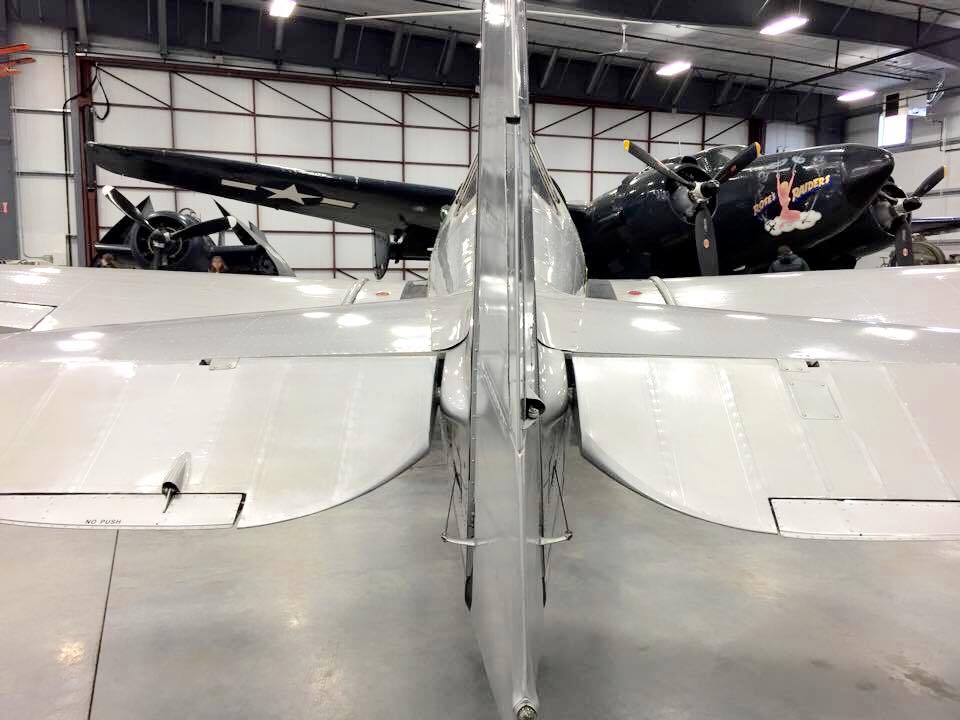
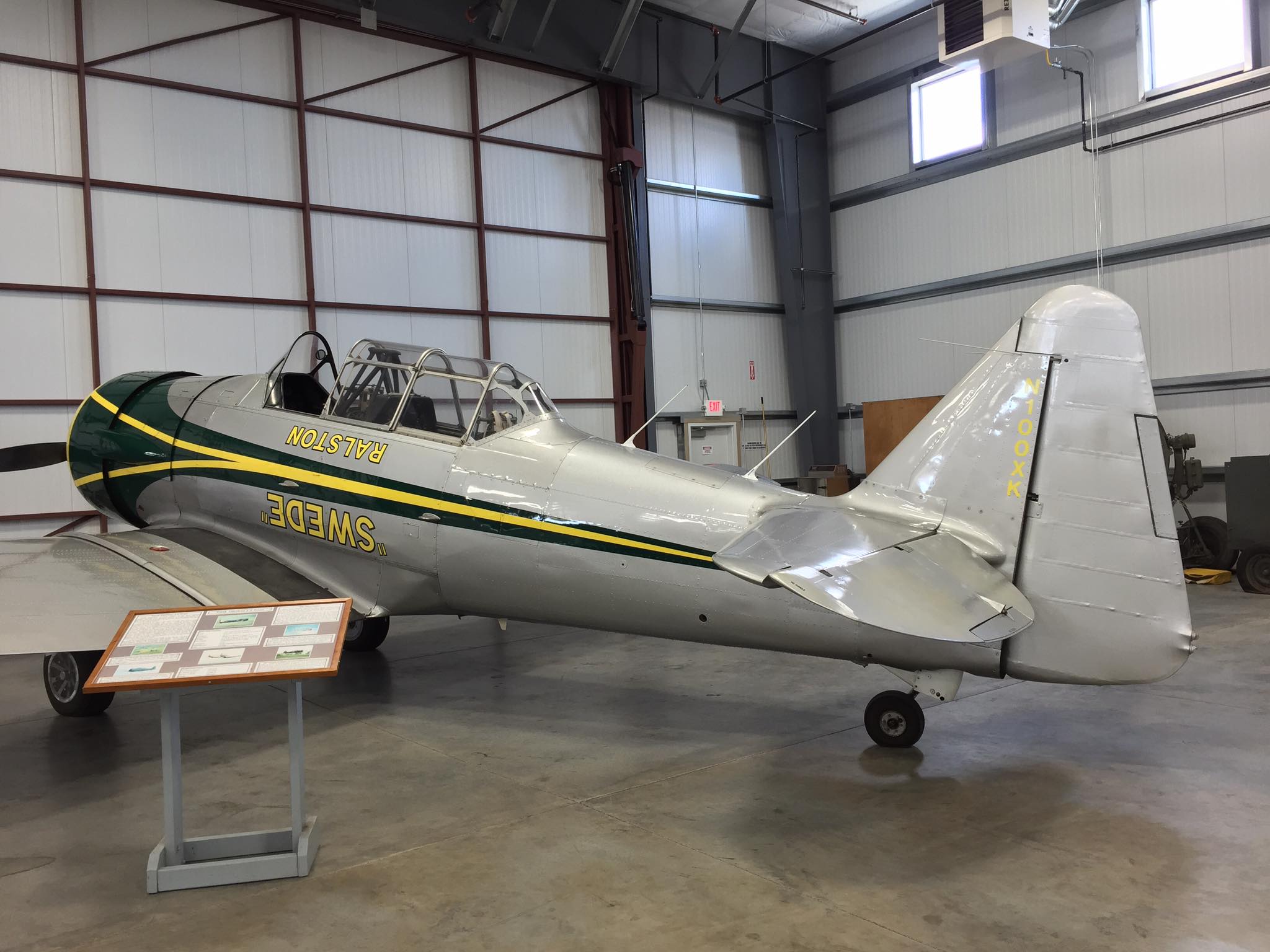
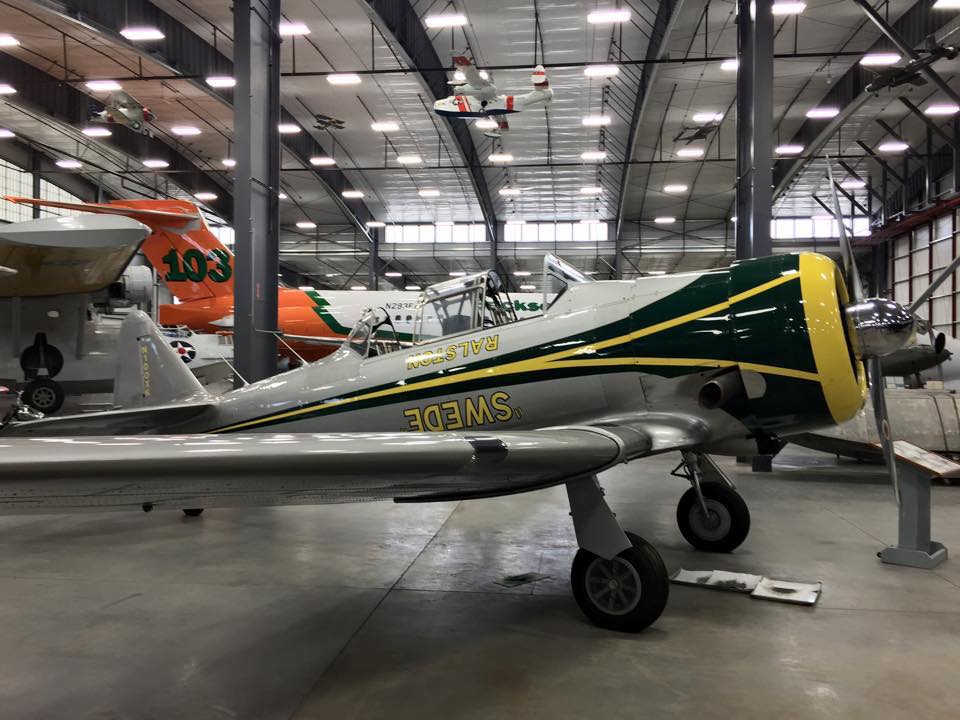
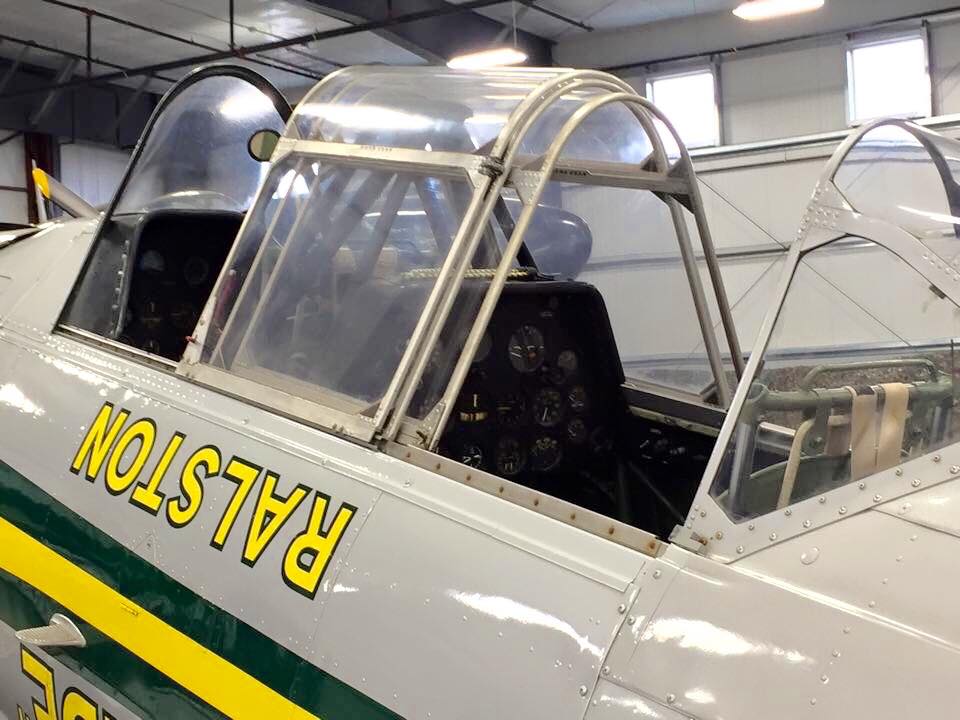
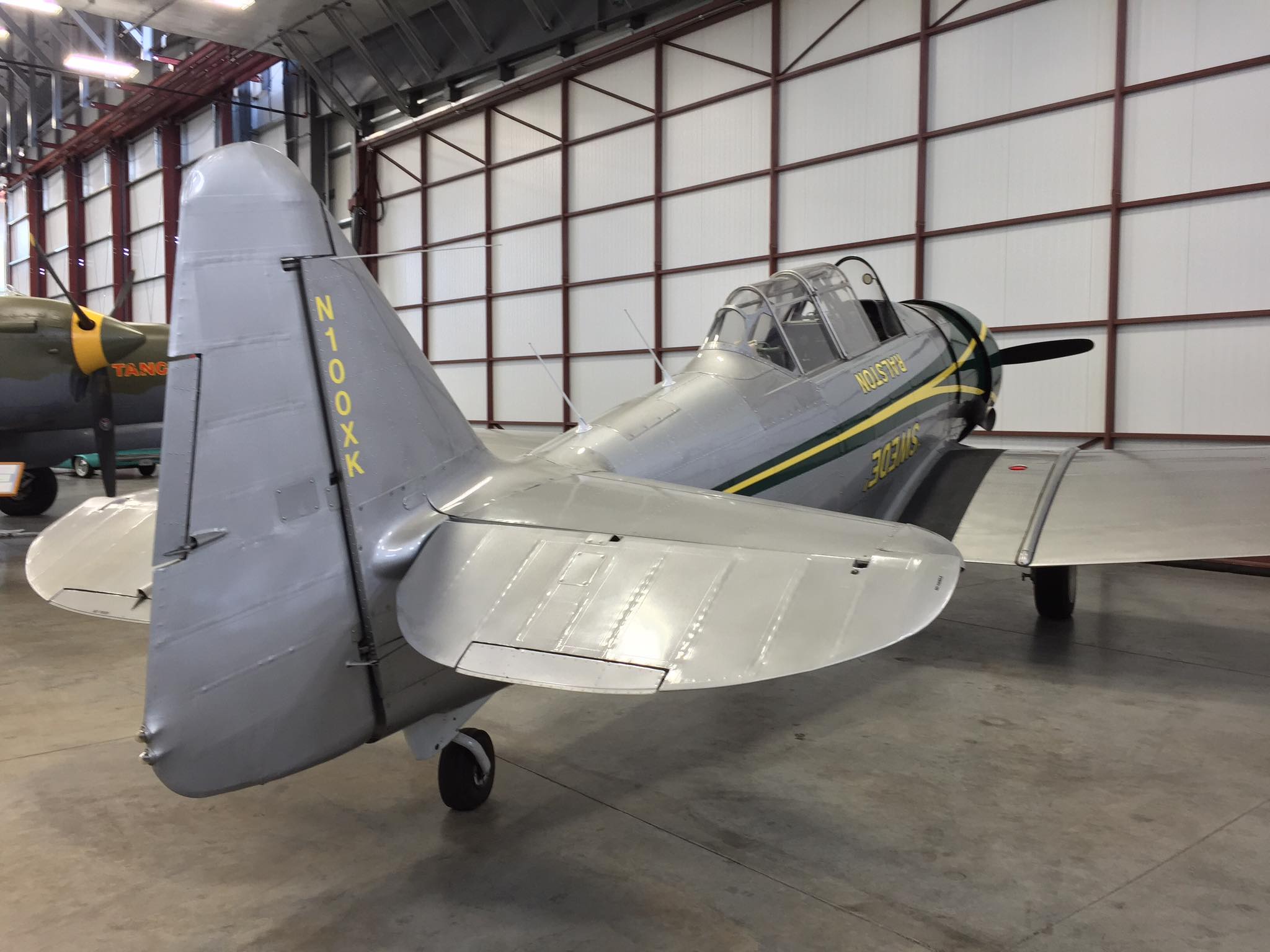
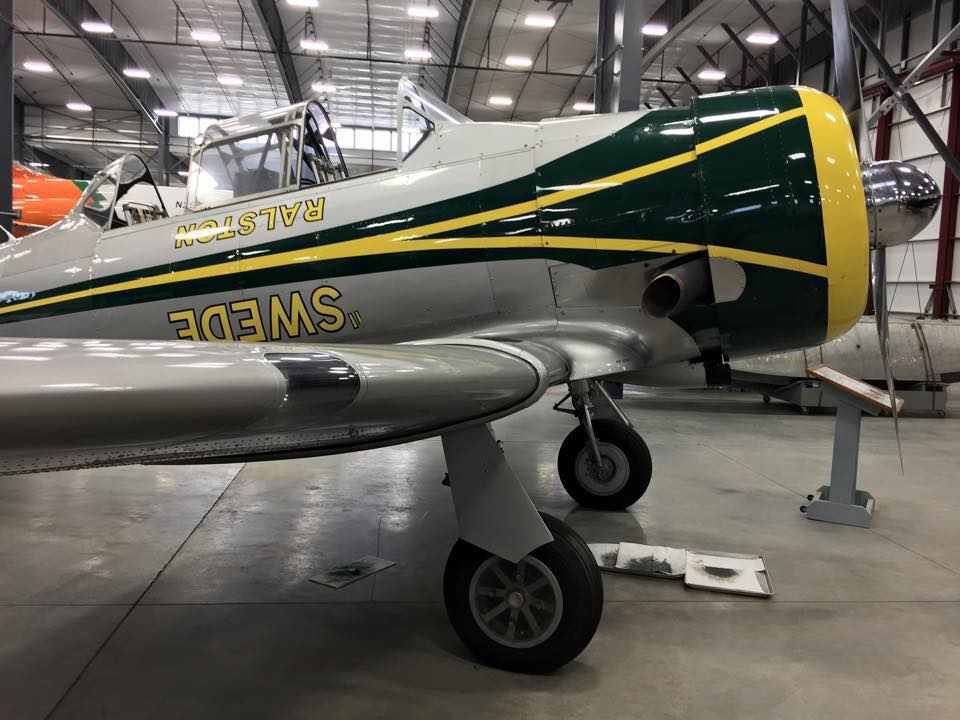
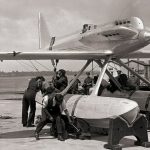
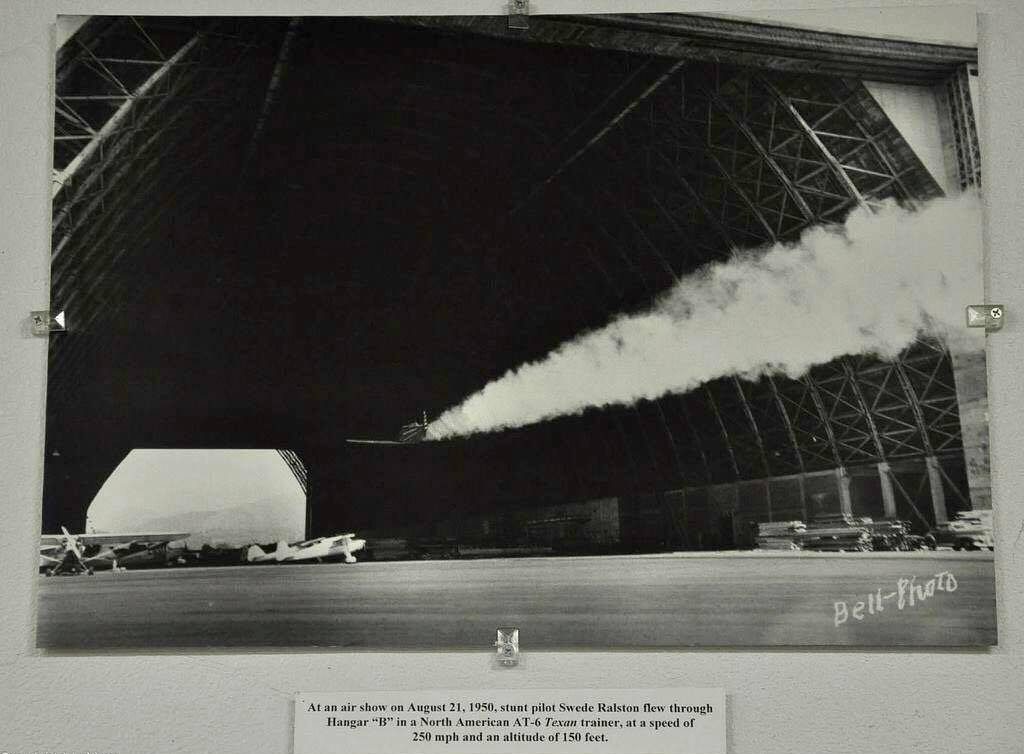
It is airworthy and painted in honor of Norman William “Swede” Ralston (1916-2007). Ralston, born in Forest Grove, Oregon, became a flight instructor, barnstormed, and sold rides. He built an experimental aircraft designed by Les Long called the Ralston Low Wing. During WWII, Ralston trained hundreds of U.S. Army Air Corps pilots along with John Gilbert “Tex” Rankin at Rankin Aeronautical Academy in Tulare, California, a civilian flight school for the USAAF. Ralston flew as a stunt pilot and was the founder of Ralston Airshows. He built the first commercial hangar on the airfield at Hillsboro, Oregon, helping to found Hillsboro Airport (now a part of the Port of Portland), and co-founded Aero Air in 1956. On August 21, 1950, Ralston flew an AT-6 through Blimp Hangar B at NAS Tillamook at a reported speed of 250 mph (see historic photo). Other than that, and the B&W photo of this aircraft, these are my photos at EAC.
The T-6 “Texan” (U.S. Army Air Forces), SN-J (U.S. Navy), and “Harvard” & “Yale” (British Commonwealth). It was also nicknamed “Pilot Maker,” “Old Growler,” “Window Breaker,” and “J-Bird” (U.S. Navy SNJ). The aircraft type was flown by as many as 59 military services worldwide and employed in many ways in addition to its role as a trainer, including counterinsurgency, fighter-bomber, ground attack, reconnaissance, and forward air control. For gunnery practice, the T-6 could be armed with up to three 30 cal. machine guns: one atop the cowl firing through the propeller arc, one in the right-wing root, and one on a flexible rear-facing mount operated by the observer/gunner in a swivel seat.
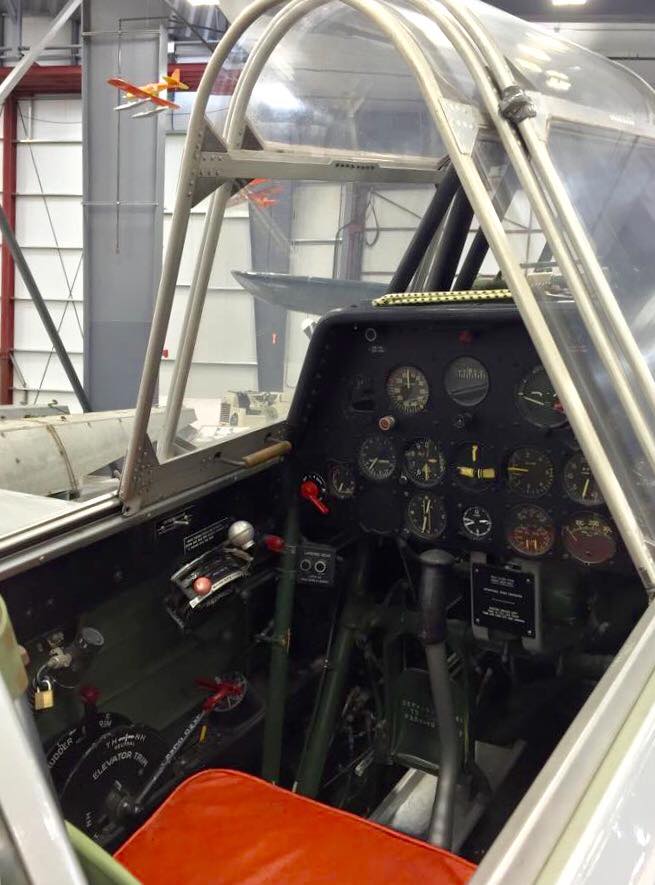
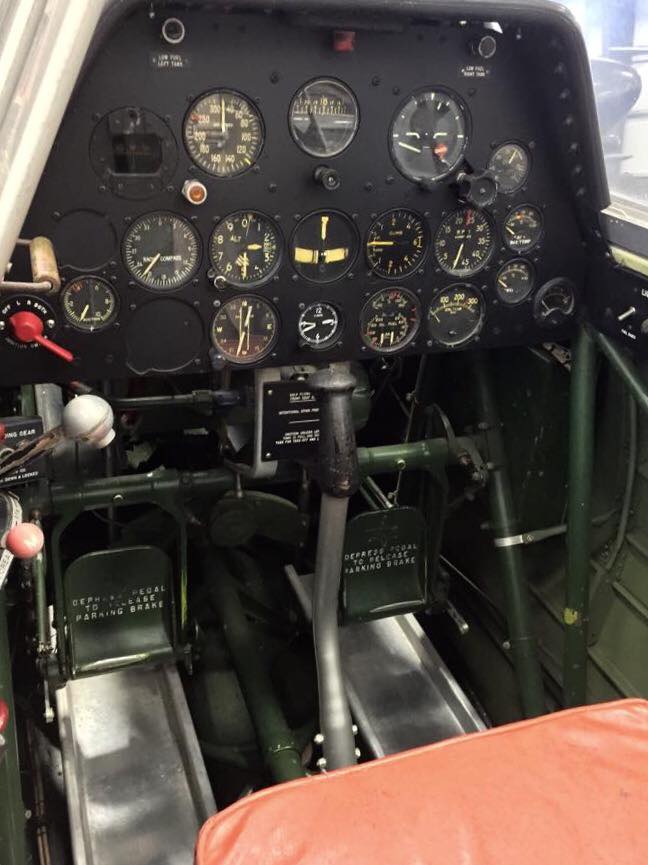
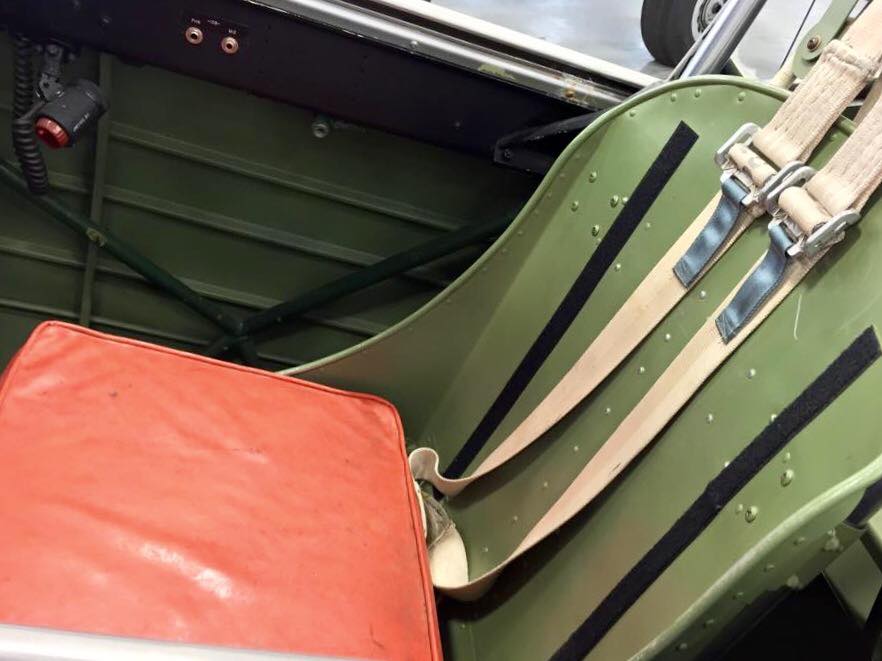
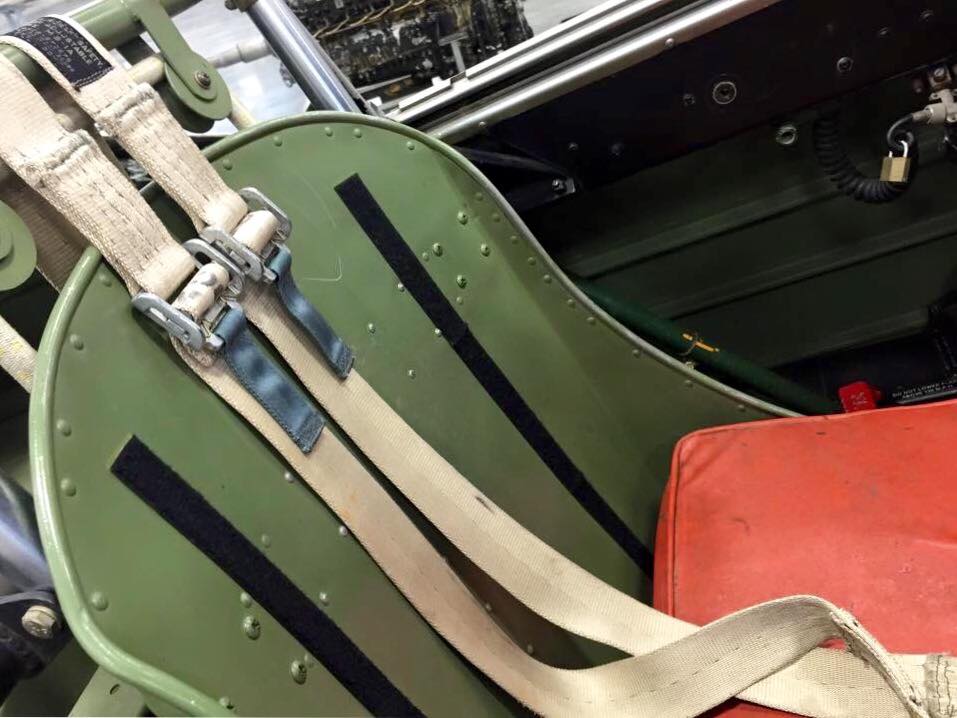
For an attack version, a fourth gun could be added to the left-wing root and be fitted with bombs and rockets. It was flown in the Korean War, and to a lesser extent during the Vietnam War, as a forward air control aircraft under the designation T-6 “Mosquito” and could be fitted with rockets and machine guns in under-wing pods (although this was later discontinued as it distracted from the primary mission of reconnaissance and strike control). The British Royal Air Force flew them in the 1950’s in Kenya against the Mau Mau, and France flew them with the Escadrilles d’Aviation Légère d’Appui (EALA) in the Algerian War of the early 1950’s. It has a hand-operated emergency starter and a footstep for the ground crew on the port side of the cowling. There are plexiglass windows atop each wing above the landing gear for the red-marked mechanical landing gear indicators for the pilot in the event of electrical failure. Designed with a Pratt & Whitney R-1340 Wasp engine. The “G” variants were fitted with a steerable tailwheel.
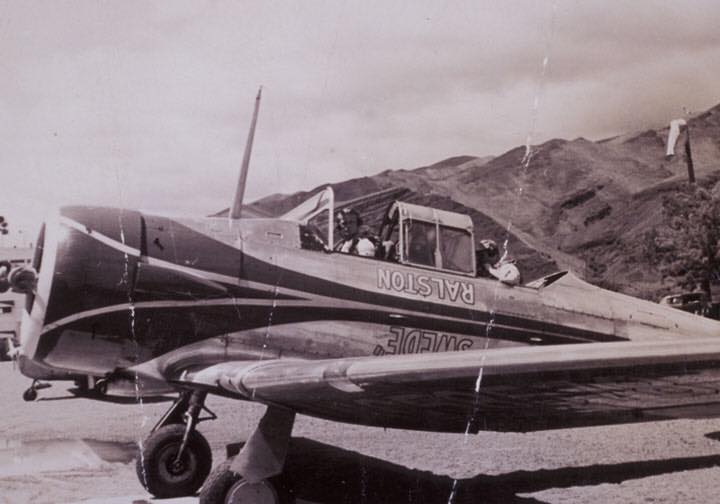
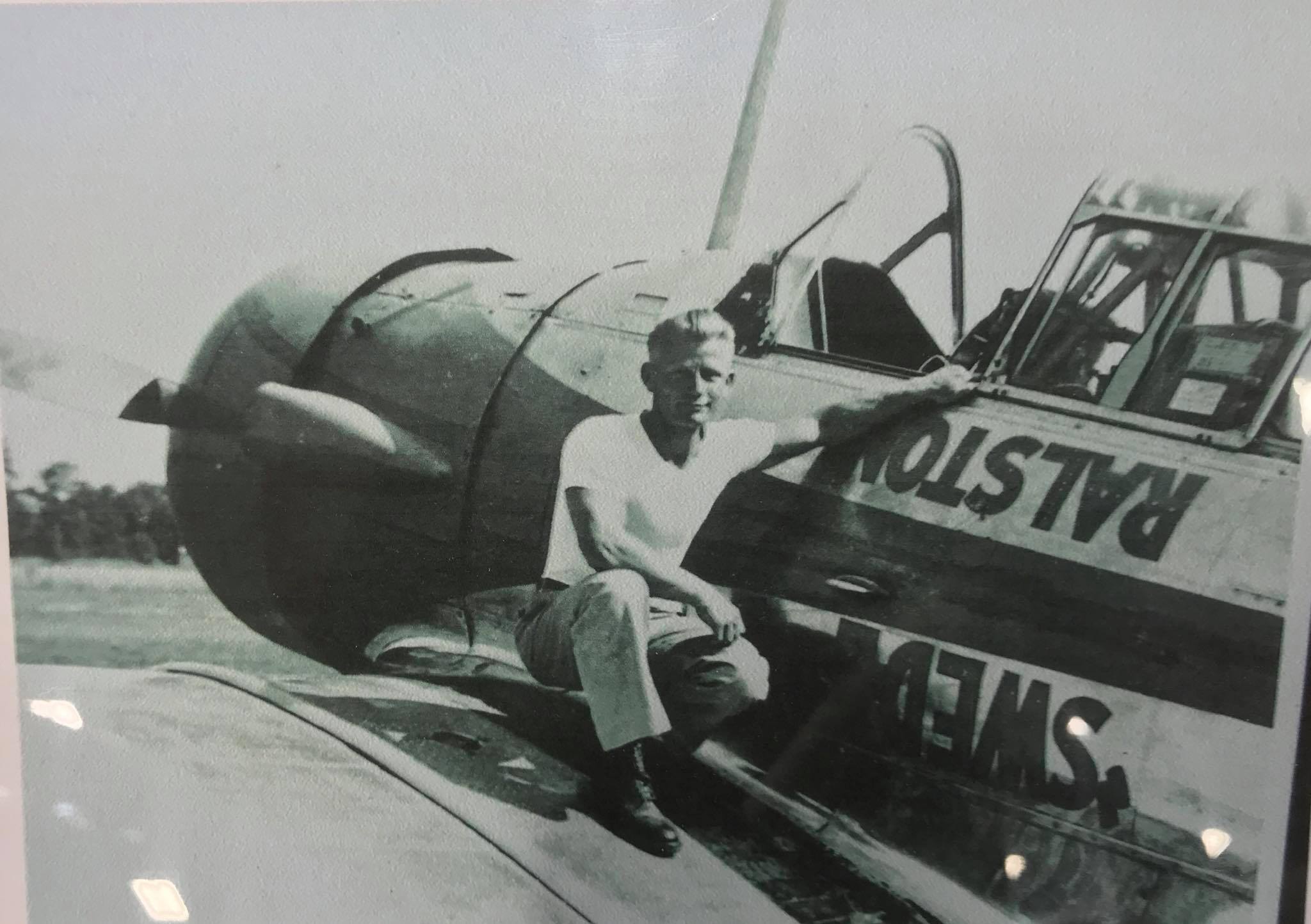
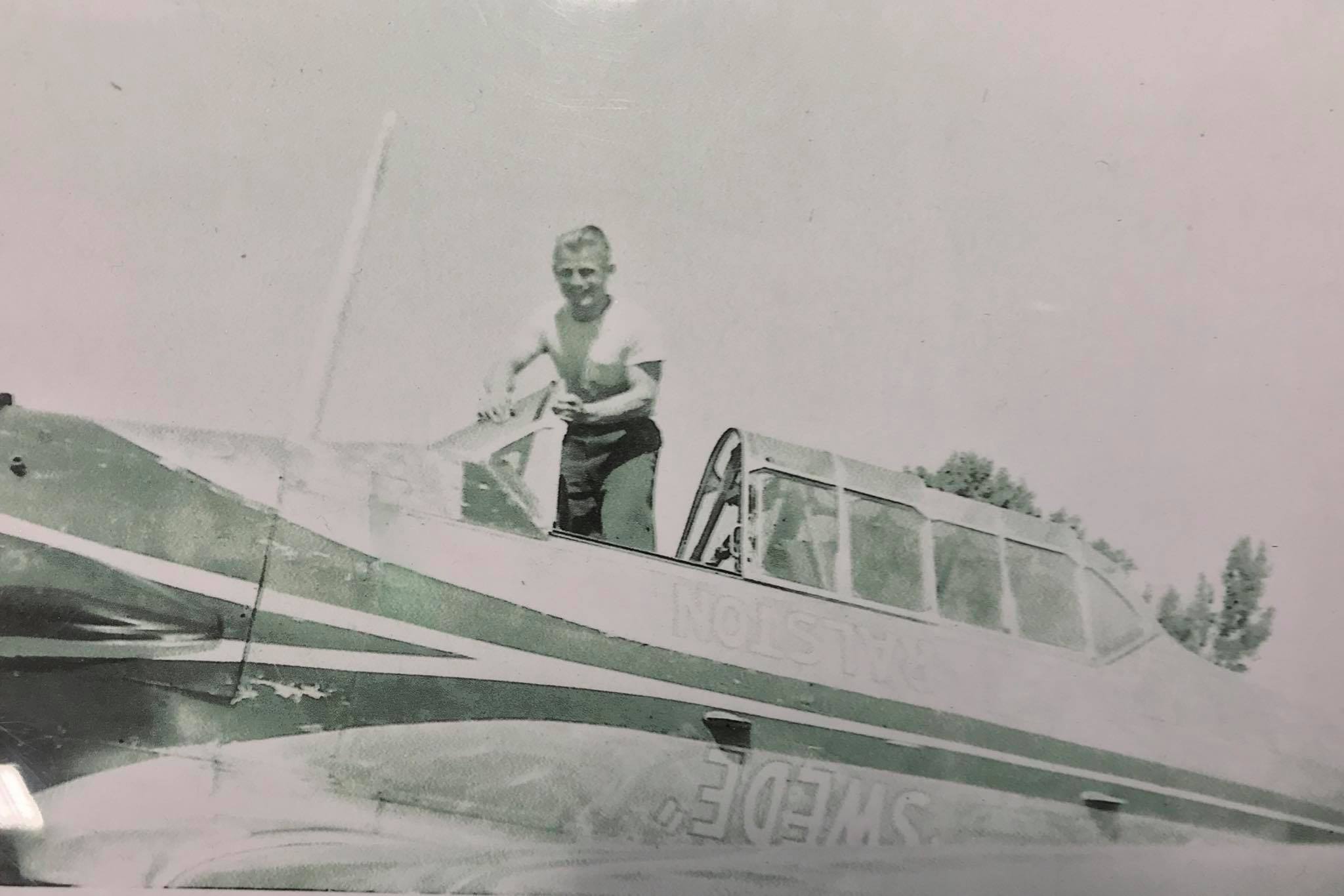
Editor’s notes: When the aircraft was rebuilt by North American Aviation in Downey, California, it was issued the construction number 168-130 and was delivered to the United States Air Force at Long Beach Airport, California, on April 5, 1951, with the USAF serial number 49-3326. On April 27, 1951, the aircraft was assigned to the 3302nd Pilot Training Squadron at Spence Air Base, near Moultrie, Georgia. On January 14, 1953, the aircraft was damaged in a ground loop and sent to Atlanta for repairs before returning to Spence Air Base by April 28, 1954. On November 15, 1954, T-6G 49-3326 was brought to Davis-Monthan Air Force Base, Arizona, and remained in storage there until June 28, 1957, when it was assigned to a batch of T-6G Texans to be exported to Spain via the Military Assistance Program (MAP). Overhauled first at Marana Airport, Arizona, then at Brookley Air Force Base, Alabama, before being transported to Spain aboard the utility carrier USS Tripoli (CVU-64), a former WWII escort carrier. T-6G 49-3326 arrived at Santander, Spain, on November 24, 1957, and was towed to Parayas Airport (now Seve Ballesteros-Santander Airport) for preparations for its ferry flight to Matacán Air Base, Salamanca. During its time in the Spanish Air Force, the aircraft was issued the serial number E.16-69 and was originally flown with the fuselage code 74-69 when assigned to Matacán, but was then assigned the new fuselage code 793-15 when it was flown by Escuadrón 793 of the Academia General del Aire at San Javier, Murcia. On June 30, 1982, E.16-69 was officially stricken from the Spanish Air Force (Ejército del Aire) and was initially placed in storage at the Museo del Aire in Cuatro Vientos, near Madrid. After being sold at auction at Torrejón Air Base, Madrid, on July 9, 1983, the aircraft was purchased by Richard M. Runyan of Springdale, Ohio, who had the aircraft shipped back to the United States and registered with the FAA as N100XK on March 21, 1984. After going through two later owners, N100XK was acquired by Jack Erickson in February 1997.
About the author 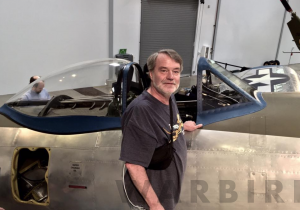
Randy Malmstrom grew up in a family steeped in aviation culture. His father, Bob, was still a cadet in training with the USAAF at the end of WWII but did serve in Germany during the U.S. occupation in the immediate post-war period, where he had the opportunity to fly in a wide variety of types that flew in WWII. After returning to the States, Bob became a multi-engine aircraft sales manager and, as such, flew a wide variety of aircraft; Randy frequently accompanied him on these flights. Furthermore, Randy’s cousin, Einar Axel Malmstrom, flew P-47 Thunderbolts with the 356th FG from RAF Martlesham Heath. He was commanding this unit at the time he was shot down over France on April 24th, 1944, and spent the rest of the war as a prisoner of war. Following his repatriation at war’s end, Einar continued his military service, attaining the rank of Colonel. He was serving as Deputy Wing Commander of the 407th Strategic Fighter Wing at Great Falls AFB, MT, at the time of his death in a T-33 training accident on August 21, 1954. The base was renamed in his honor in October 1955 and continues to serve in the present USAF as home to the 341st Missile Wing. Randy’s innate interest in history in general, and aviation history in particular, plus his educational background and passion for WWII warbirds, led him down his current path of capturing detailed aircraft walk-around photos and in-depth airframe histories, recording a precise description of a particular aircraft in all aspects.